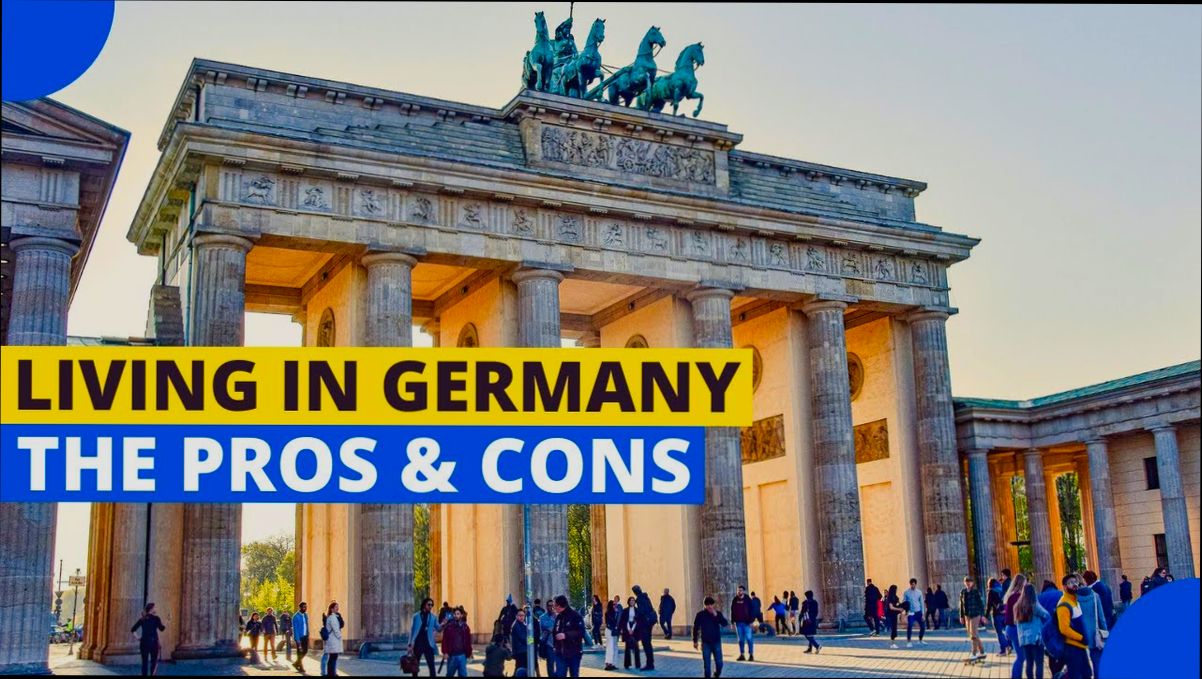
Pros and Cons of Living in Berlin can hit you like a subway train—hard and full of surprises. On one hand, Berlin’s rent is still ridiculously affordable compared to other major European cities. For instance, while average rents in cities like Paris and London skyrocket past €2,000 a month, you can snag a decent flat in Berlin for about €1,400. Plus, the city’s vibrant cultural scene is hard to beat; whether you’re into tech, art, or music, Berlin’s got it, with around 1,500 clubs and endless galleries to explore. Feel like catching a show? The Berlin Philharmonic offers world-class performances, and you’re only a short U-Bahn ride away.
But it’s not all rainbows and techno beats. One major downside is Berlin’s notorious bureaucracy—think endless paperwork and waiting lines that feel like they could rival the queue for a hot concert. For example, registering your residence can be a maddening process, often requiring multiple trips just to get one form stamped. And let’s not forget the weather; winters can be long, gray, and damp, which may leave you dreaming of sunlight. With a mix of excitement and frustrations, life in Berlin presents a unique blend of highs and lows that can keep you on your toes.
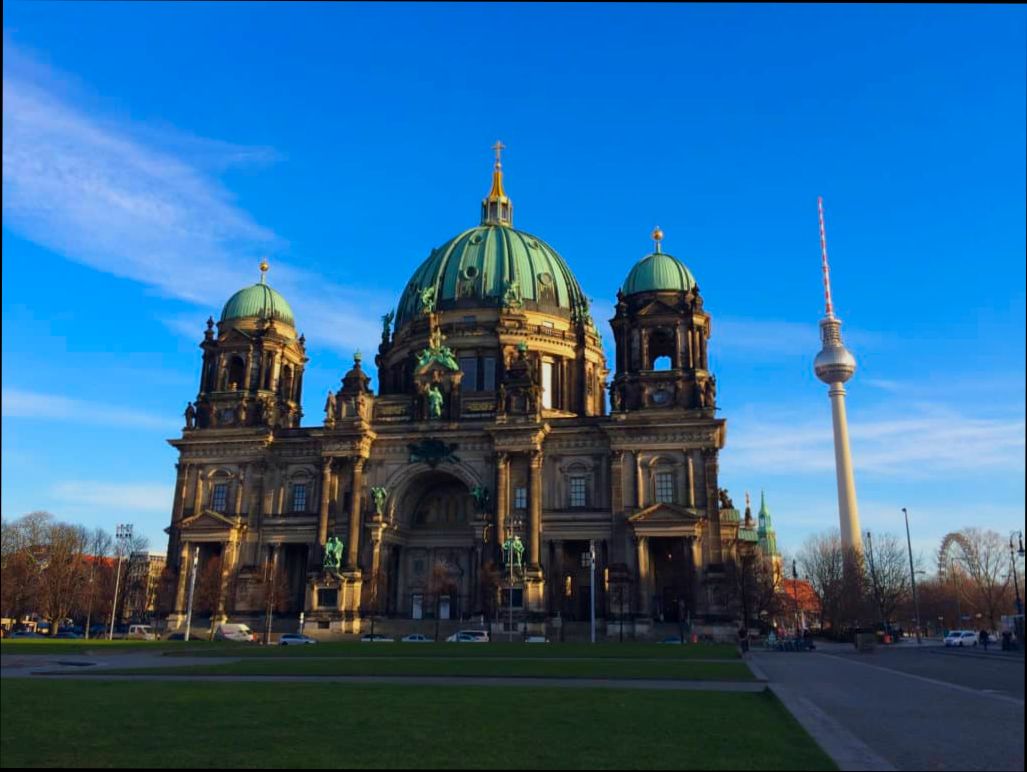
Cultural Richness and Diversity in Berlin
Living in Berlin means immersing yourself in a tapestry of cultures and traditions. With a population of over 3.7 million, the city boasts a remarkable blend of ethnicities and lifestyles, making it one of the most dynamic cultural hubs in Europe. Whether you’re exploring art, cuisine, or music, the diversity here offers endless opportunities for connection and inspiration.
Key Points on Cultural Diversity
- Over 30% of Berlin’s residents come from a foreign background, representing more than 190 nationalities. This mix creates a welcoming environment where different cultures thrive.
- The city hosts approximately 150 festivals each year celebrating global traditions, including the vibrant Karneval der Kulturen (Carnival of Cultures), where people from various backgrounds showcase their heritage through food, music, and dance.
- Berlin is home to some of the world’s top cultural institutions, including the Berlin State Museums, which hold collections from a wide range of civilizations spanning thousands of years, offering visitors and residents alike a chance to appreciate diverse histories.
| Aspect | Fact | Example |
|---|---|---|
| Ethnic Composition | Over 30% of residents are foreign | People from 190 different nationalities |
| Festivals Celebrated | Approximately 150 cultural festivals | Karneval der Kulturen |
| Cultural Institutions | Home to world-class museums | Berlin State Museums showcasing global art |
Real-World Examples of Cultural Expression
One fantastic example of Berlin’s cultural richness is the Turkish Market held every Tuesday and Friday on Maybachufer. Here, you can find a wealth of authentic Turkish foods, crafts, and fabrics, reflecting the significant Turkish community in the city.
Additionally, the Berliner Festspiele offers a platform for diverse artistic expressions, including works from international artists that challenge conventional narratives and celebrate multiculturalism. This festival attracts audiences from all over, fostering an appreciation for art that transcends cultural boundaries.
Practical Implications for Embracing Diversity
As you navigate life in Berlin, consider engaging with its rich cultural offerings. Here are some actionable insights:
- Attend language exchange meetups to connect with individuals from various backgrounds while improving your German skills.
- Explore neighborhoods like Neukölln and Kreuzberg, known for their multicultural street scenes, where you can sample cuisines from around the globe.
- Participate in cultural festivals to not only enjoy diverse experiences but also to become part of the community.
Specific Facts and Actionable Advice
Did you know that approximately 20% of Berlin’s population identifies as having Turkish roots? Embracing this cultural diversity means not just enjoying the food but also understanding the various histories and experiences that shape the city. Try out a local Turkish döner kebab shop or attend a Ramadan celebration to truly appreciate the wealth of cultural traditions that coexist here.
Housing Market Trends and Affordability
The housing market in Berlin has seen notable shifts over recent years, impacting affordability for residents. Understanding these trends is essential if you’re considering moving to this vibrant city or evaluating your living situation.
Key Trends and Data Points
- Berlin’s property prices have steadily risen, with average rental prices increasing by approximately 10% year-on-year in recent times. This growth reflects heightened demand coupled with a limited supply of available housing.
- Ownership rates remain relatively low in Berlin, with only about 18% of residents owning their homes. This is starkly different from other major European cities, indicating a reliance on rental properties.
- The city has seen a surge in construction, with approximately 40,000 new apartments planned for completion in the upcoming years. This is a response to the growing influx of people looking to settle in the city.
| Year | Average Rent (€ per m²) | New Homes Completed | Home Ownership Rate (%) |
|---|---|---|---|
| 2020 | 10.00 | 30,000 | 18 |
| 2021 | 11.00 | 35,000 | 18 |
| 2022 | 12.10 | 38,000 | 18 |
| 2023 | 13.30 | 40,000 | 18 |
Real-World Examples
1. A one-bedroom apartment in central districts like Mitte can cost around €1,500 monthly, showcasing the pricey rental landscape.
2. Conversely, areas like Köpenick offer more affordability, where similar apartments can be found for about €900. This highlights the geographic disparity within Berlin’s housing market.
3. From 2019 to 2023, there has been a noticeable shift toward micro-apartments, catering to singles and young professionals, with reports of an influx in demand for spaces around 25–35 m².
Practical Implications
If you’re planning to move to Berlin, take the following into consideration:
- Budget for Rent: Allocate a sizable portion of your income toward housing, as average rents continue to increase annually.
- Explore Different Districts: Renting in less popular districts can significantly save costs. Research neighborhoods thoroughly to find hidden gems.
- Stay Informed on Regulations: Be aware of rental caps and laws imposed by the government to protect tenants, as it can affect your renting costs and security.
Specific Facts and Actionable Advice
- Before making a decision, investigate current rental listings to get a sense of market rates. Websites often provide insights into neighborhood trends.
- For potential buyers, engaging with a local real estate agent can provide valuable insights, especially regarding upcoming developments that may affect property values.
- Consider long-term implications of renting versus buying; while renting may seem affordable now, the rising prices could lead to a more significant financial commitment in the future.

Transport Systems: Efficiency and Accessibility
Berlin’s transport system stands out as one of the most efficient and accessible in Europe. With an extensive public transportation network, including buses, trams, and trains, you’ll find getting around the city both straightforward and affordable.
Key Points on Efficiency and Accessibility
- Berlin boasts an integrated transport system that connects various modes of transportation. About 90% of residents live within 600 meters of a public transport stop, illustrating the high level of accessibility available.
- The punctuality rate for public transport in Berlin is impressive, with the local transport authority (BVG) achieving about 80% on-time arrivals, which enhances the reliability of your daily commutes.
- Tickets for public transport are reasonably priced, with a monthly pass costing around €86. This allows unlimited travel across buses, trams, and trains, providing excellent value compared to similar cities.
Comparative Transport Data
| Transport Mode | Coverage in Km | Monthly Users (approx.) | Punctuality Rate (%) |
|---|---|---|---|
| S-Bahn | 330 | 1 million | 80 |
| U-Bahn | 146 | 800,000 | 79 |
| Bus | 1,000 | 1.6 million | 75 |
| Tram | 300 | 600,000 | 78 |
Real-World Examples
The S-Bahn network is particularly noteworthy, with its 330 km of rail connecting vital districts and suburbs. This means that even if you reside in a more remote area, you’re likely just a short train ride from major city centers. People who regularly commute to work often rave about the speed and comfort of this service.
Additionally, the accessibility features in buses and trains cater to individuals with disabilities. Most stations are equipped with ramps and elevators, allowing everyone to access public transport conveniently.
Practical Implications
For newcomers or those considering a move to Berlin, understanding the transport system is essential. You can benefit from:
- Exploring Berlin’s neighborhoods without worrying about parking or traffic by utilizing the extensive transport network.
- Regular updates via the BVG app which provides real-time information about schedules, delays, and service changes, ensuring that you stay informed wherever you go.
Actionable Insights
If you’re planning to navigate Berlin’s transport system:
- Consider purchasing a monthly pass if you’ll be using public transport frequently, as it allows for significant savings.
- Familiarize yourself with the BVG timetable and apps available to help plan your journeys efficiently.
- Take advantage of off-peak travel times to avoid crowds and potentially faster travel experiences.
Job Opportunities and Economic Landscape
Berlin stands out as a key player in the European job market, offering diverse employment opportunities that cater to various skill sets. The economic landscape here is thriving, bolstered by a mix of start-ups, established companies, and a robust tech scene. This section dives into the specifics of job opportunities and the city’s economic dynamics that can directly impact your decision to live here.
Key Points on Job Opportunities
- Berlin’s unemployment rate is notably lower than the national average, sitting around 6% as of the latest reports.
- The city hosts over 50,000 companies in the tech sector alone, contributing significantly to its employment landscape.
- The average salary for tech professionals in Berlin has increased by 15% year-on-year, reflecting the growing demand for skilled workers.
Comparative Economic Indicators
| Indicator | Berlin | Germany National Average |
|---|---|---|
| Unemployment Rate (%) | 6% | 7% |
| Tech Companies | 50,000 | 300,000 |
| Average Yearly Salary (€) | 45,000 | 50,000 |
Real-World Examples
One notable case is the rise of companies like N26 and Zalando, both headquartered in Berlin, which have escalated hiring and expanded operations, attracting a pool of talent from across Europe. Additionally, Berlin’s reputation as a start-up hub positions it as a magnet for young entrepreneurs, often attracting venture capital funding exceeding €1 billion annually.
Practical Implications for Job Seekers
If you’re considering relocating to Berlin or seeking new job opportunities here, tapping into the city’s vibrant job fairs and networking events can be incredibly beneficial. Platforms like Meetup and LinkedIn host a wealth of professional gatherings focusing on various sectors, particularly tech and creative industries.
- Always tailor your CV to highlight relevant skills for Berlin’s dynamic job market.
- Engage with local recruitment agencies specializing in your field; they can provide insights and job leads.
Actionable Advice
Make the most of Berlin’s diverse job market by understanding the salary expectations in your industry and researching potential employers through platforms like Glassdoor. Moreover, consider enhancing your skills through local workshops and seminars; many companies appreciate candidates who demonstrate a commitment to professional development in Berlin’s fast-evolving economic environment.
Quality of Life: Health and Safety
Living in Berlin offers a unique blend of health and safety features that contribute positively to your overall quality of life. The city prioritizes public health initiatives and has a robust safety infrastructure, ensuring residents feel secure while enjoying a high standard of wellness.
Key Points on Health and Safety
- Healthcare Accessibility: Berlin boasts a well-developed healthcare system, with over 35% of residents covered by public health insurance. This coverage ensures that medical services are accessible and affordable for most citizens.
- Public Health Initiatives: The city actively promotes public health through campaigns and programs targeting various health concerns, such as obesity and mental health. For instance, Berlin recently launched initiatives aimed at reducing smoking rates, contributing to better air quality and overall public health.
- Crime Rates: When it comes to safety, Berlin has a relatively low crime rate compared to other European cities. The overall crime rate has seen a decline of about 5% over the past few years, including a notable decrease in violent crime, which helps foster a sense of security among residents.
| Measure | Statistic | Context |
|---|---|---|
| Public Health Insurance | 35% coverage | Provides affordable medical services |
| Safety Improvement | 5% decrease in crime rates | Enhancing community trust |
| Healthcare Facilities | Over 100 hospitals | Ensures comprehensive health services |
Real-world Examples of Health and Safety
One significant initiative aimed at enhancing mental health involves the introduction of “Safe Spaces” across various boroughs, where residents can access psychological support without stigma. These spaces play a crucial role in improving mental well-being, reflecting the city’s commitment to holistic health.
In terms of crime prevention, neighborhood watch programs and community policing have made significant strides. For example, the Prenzlauer Berg district implemented a community engagement project that resulted in a 15% drop in petty crimes over two years, showcasing the effectiveness of local involvement in safety.
Practical Implications for Residents
If you’re considering a move to Berlin, take advantage of the city’s health programs. Participating in community health initiatives or exploring various public health services will enhance your lifestyle. Additionally, engaging with local safety groups can help you feel more connected and informed about initiatives aimed at fostering a secure environment.
Another practical tip is to familiarize yourself with the nearest medical facilities. With over 100 hospitals in the city, you have ample options for healthcare. Knowing where to go for regular check-ups or emergencies can provide peace of mind.
Specific health benefits like wellness workshops can also be found in local community centers. Take part in these activities to not only improve your health but to also meet like-minded individuals who value a healthy lifestyle.
Whether you’re utilizing public services or community programs, Berlin’s commitment to health and safety ensures you can thrive in a supportive environment.
Food Scene: Culinary Delights and Challenges
Berlin’s food scene is a vibrant, eclectic tapestry that reflects its rich cultural diversity. From traditional German dishes to international cuisines that speak to the city’s global influences, there’s no shortage of culinary delights waiting for you. However, navigating this diverse landscape presents its own set of challenges.
Culinary Delights to Savor
- Street Food Culture: Berlin hosts a thriving street food market scene, with events like Street Food Thursday at Markthalle Neun drawing in food enthusiasts every week. You can explore options from Vietnamese pho to artisanal burgers, showcasing the city’s culinary creativity.
- Fine Dining: With several Michelin-starred restaurants like Restaurant Tim Raue and Nobelhart & Schmutzig, the fine dining scene in Berlin is impressive. As of recent reports, the city boasts around 25 Michelin-starred establishments, offering you exquisite culinary experiences that rival those found in major gastronomic capitals.
- Vegan and Vegetarian Options: Berlin is often hailed as the vegan capital of the world, home to over 1,000 vegetarian and vegan restaurants. This demonstrates a remarkable adaptability to dietary choices, making it an ideal place for those with plant-based lifestyles.
Challenges to Overcome
- Cost of Dining Out: Dining out can quickly become expensive in Berlin, especially at trendy restaurants where meals can easily exceed €30 per person without drinks. While the street food scene offers affordable options, it’s essential to budget wisely if you want to enjoy a variety of dining experiences.
- Quality Variation and Consistency: Although the diversity of food options is a major allure, the quality can vary significantly from one restaurant to another. Some establishments capitalize on popularity over consistency, making it crucial for diners to read reviews before making choices.
- Language Barrier in Local Eateries: Many local spots may not have staff fluent in English, complicating menu navigation for international residents and visitors. Familiarizing yourself with German food terms or using translation apps can enhance your dining experience.
| Factor | Delight Level | Challenge Level |
|---|---|---|
| Street Food Variety | High | Moderate |
| Fine Dining Availability | High | Low |
| Vegan Options | Very High | Low |
| Dining Costs | Moderate to High | High |
| Quality Consistency | Moderate | Moderate |
Real-World Examples
Consider the annual Berlin Food Week, celebrating local chefs and restaurant innovation. Events showcase innovative food products and culinary talent, bringing together local and international food lovers. Additionally, establishments like Café Crème adapt to customer preferences, responding to the city’s growing appetite for diverse diet options, including gluten-free and organic foods.
Practical Implications for Food Lovers
When exploring Berlin’s food scene, make the most of your culinary adventures by using local apps to find hidden gems and reading online reviews to ensure that you’re selecting quality dining experiences. Joining local food tours can also provide insights into both the dishes that define Berlin and the stories behind them.
- Tip: Embrace the local street food markets on weekends for affordable yet delicious meals—don’t miss out on trying currywurst or döner kebab, iconic dishes that have become synonymous with Berlin’s fast-food culture.
- Insight: If you’re a foodie at heart, consider exploring the various neighborhoods, as each area offers its own unique culinary specialties that reflect its cultural foundations, from Turkish to Ethiopian cuisines.
Ultimately, Berlin’s food scene provides an adventure for those willing to explore its culinary depths, blending the taste of tradition with modern innovation.
Real-Life Experiences of Berlin Residents
Living in Berlin is all about discovering a city that’s steeped in history yet bursting with contemporary energy. The experiences of residents reveal a unique blend of cultural engagement, social dynamics, and lifestyle quirks that define everyday life in this vibrant metropolis.
A Day in the Life of a Berliner
Berlin residents often start their day at local cafés, where the coffee culture thrives. Research shows that over 60% of Berliners prefer independent cafés over chains. Imagine sipping a locally brewed cappuccino at places like Five Elephant in Kreuzberg, renowned for its cheesecake. The relaxed atmosphere invites you to linger, especially if you can score an outdoor seat, as Berliners love to make the most of every sunny moment, even if it’s just a bit chilly.
Weekend Flea Market Exploration
Flea markets are a staple for many Berlin residents, with over 2 million locals visiting them regularly. For instance, Mauerpark Flea Market attracts crowds on Sundays, offering everything from vintage clothes to delicious street food. Be prepared: arriving early not only means scoring the best finds but also immersing yourself in the lively social scene where bargaining is as much a part of the experience as the goods themselves.
| Flea Market | Location | Best Day to Visit | Highlights |
|---|---|---|---|
| Mauerpark Flea Market | Prenzlauer Berg | Sundays | Live music, street food, and eclectic finds |
| Boxhagener Platz Market | Friedrichshain | Sundays | Quieter atmosphere, local crafts, and antiques |
Exploring Outdoor Spaces
Berlin’s green spaces are integral to local life. Tempelhofer Feld, a former airport transformed into a public park, is popular with cyclists and kiteboarders alike. Research indicates that about 30% of Berlin residents frequently visit these parks for leisure activities, picnicking, and community events. Residents often grab snacks from local Spätis to enjoy a leisurely day in the park, epitomizing a laid-back lifestyle that encourages community bonding and outdoor fun.
Community and Social Connections
Community is pivotal in Berlin, with a significant portion of the population, approximately 25%, engaging in local clubs or activities to foster connections. Whether it’s participating in a kebab crawling tour through Kreuzberg or joining an art collective, residents often prioritize social engagements. This sense of community enhances not just personal well-being but also encourages cultural exchange and collaboration among diverse groups.
Practical Implications for Daily Living
For those considering moving to Berlin, embedding yourself in these everyday experiences is key. Here are some actionable tips:
- Visit Local Cafés: Embrace the local café culture; try different neighborhoods for a variety of experiences.
- Attend Flea Markets: Make it a weekend ritual to explore different flea markets, bringing cash for easy transactions and to snag the best deals.
- Engage with Outdoor Spaces: Spend your free time in parks and public spaces. Bring food from home or local stores for a quintessential Berliner picnic experience.
- Join Community Events: Whether it’s a pop-up art show or a cooking class, actively seek out events that allow you to meet locals and forge new relationships.
By immersing yourself in these real-life experiences of Berlin residents, you’ll gain a deeper understanding of the city’s unique culture, making your time in Berlin not just an adventure but a vibrant lifestyle.