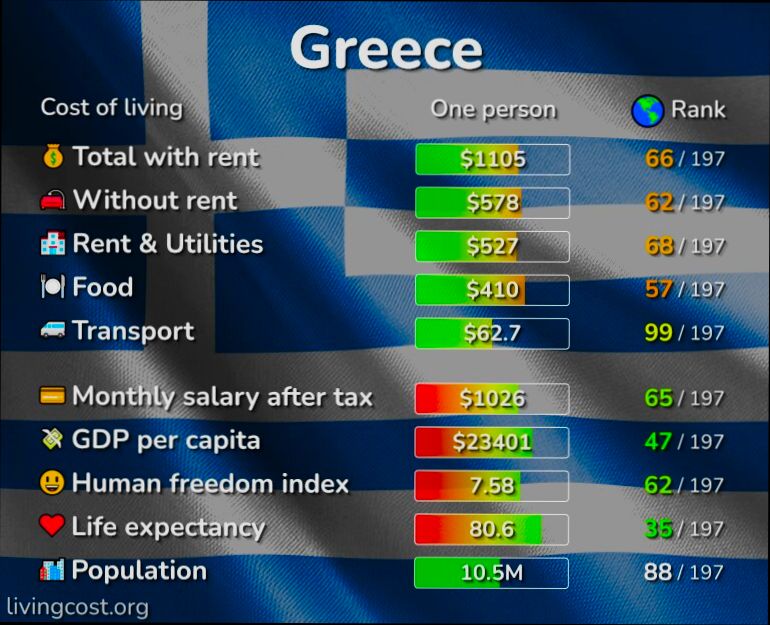
What is the Cost of Living in Greece? If you’re dreaming of the sun-soaked islands or bustling cities, it’s crucial to know what you might be shelling out each month. For starters, rent in Athens will run you around €500 for a modest one-bedroom apartment in the city center, while you might snag a similar space in Thessaloniki for about €400. If you’re eyeing groceries, expect to spend roughly €250-€300 a month. A loaf of bread averages about €1.20, and a liter of milk costs around €1.20, so your weekly shop can add up quickly, especially if you can’t resist those fresh local produce markets.
Transportation costs are relatively friendly, too. Public transport in cities like Athens is pretty efficient—just €1.40 for a single ticket that gets you anywhere on the metro, trams, or buses. If you prefer the freedom of a car, keep in mind that gasoline hovers around €1.70 per liter, which can pinch your wallet if you enjoy frequent road trips. Eating out is a delight, with a meal at a mid-range restaurant costing around €15-€20, but hit up a local taverna, and you can indulge in a satisfying meal for just €10. Whether you’re sipping coffee in Exarchia or enjoying grilled octopus by the sea, the flavors of Greece come with their own price tag.
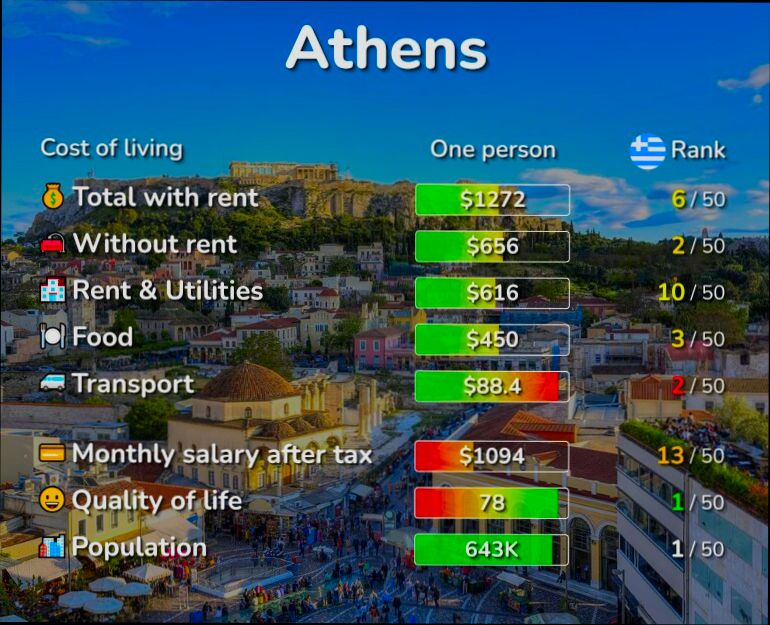
Monthly Housing Expenses in Greece
When considering moving to or living in Greece, it’s essential to understand the monthly housing expenses you’ll incur. Let’s delve into the specifics of these costs, which can significantly influence your budget and lifestyle choices.
Key Monthly Housing Expenses
Housing costs in Greece vary widely depending on the city and type of accommodation. Here are some key figures:
- The average monthly rent for a one-bedroom apartment in the city center of Athens is approximately €700.
- If you’re looking at a similar apartment outside the city center, you can expect to pay around €500 per month.
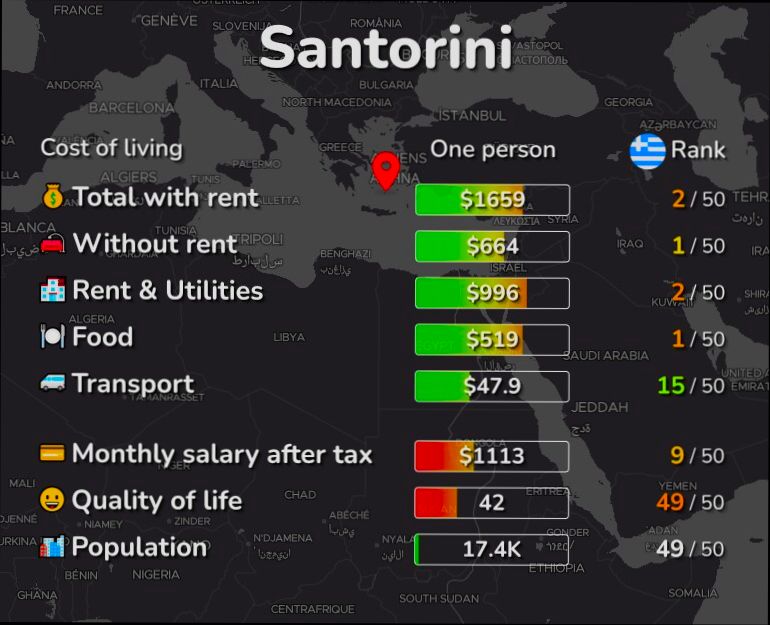
- In popular tourist destinations like Santorini and Mykonos, prices for a one-bedroom apartment can rise to €1,000 or more, especially during the high season.
Comparative Table of Monthly Rent Costs
| City | City Center (1-bed) | Outside City Center (1-bed) | 3-bedroom Apartment (City Center) |
|---|---|---|---|
| Athens | €700 | €500 | €1,200 |
| Thessaloniki | €550 | €400 | €900 |
| Heraklion | €600 | €450 | €800 |
| Santorini | €1,000 | €700 | €2,000 |
| Mykonos | €1,200 | €850 | €2,500 |
Real-World Examples
- A couple living in Athens shared that their €700 apartment has high ceilings and is within walking distance of public transport and local cafes. They appreciate the vibrant city life but note that rental prices can steeply rise in nearby upscale neighborhoods.
- In Thessaloniki, a single professional rents a compact 1-bedroom apartment for around €550. They find it convenient due to its proximity to their workplace, demonstrating how location can justify higher rent.
Practical Implications for Renters
Understanding the specifics of monthly housing expenses can aid in making informed decisions. Here are some actionable insights:
- Location Matters: If you’re striving to save money, consider renting outside city centers. This not only reduces your rent but can also offer a quieter living environment.
- Seasonal Fluctuations: Be aware of high-season rental costs in tourist hotspots. If you can, negotiate longer lease terms during off-peak seasons to secure better prices.
- Utilities and Additional Costs: Besides rent, factor in utility costs which can range from €80 to €150 monthly, depending on the size of your apartment and usage.
Specific Facts to Consider
- If you plan to share a flat with roommates, this can significantly lower individual rental costs. Shared accommodations often reduce expenses by nearly 30-50% per person.
- Consider the long-term implications of lease types. A typical lease in Greece is usually for a year, so factor in whether you prefer flexibility or stability in your housing situation.
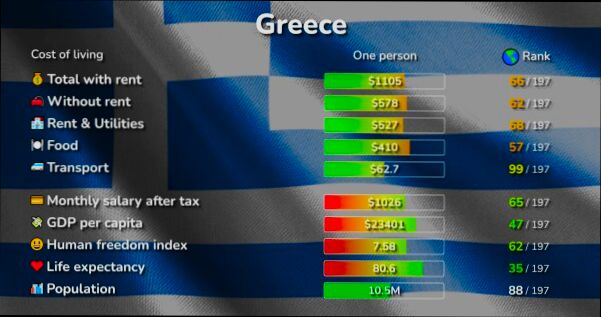
Regional Variations in Living Costs
Understanding living costs in Greece requires a closer look at regional variations, as expenses can differ significantly from one area to another. You might be surprised to learn that the cost of living can fluctuate by as much as 30% between urban and rural areas. Let’s dive into the data that highlights these regional discrepancies.
Key Points to Consider
- Urban vs. Rural Areas: Living in urban areas like Athens can be substantially more expensive compared to rural regions. For instance, the average monthly grocery bill in rural areas can be around €150, while it may reach €250 in cities.
- Utilities: Average utility costs can differ as well. In smaller towns, you might spend only about €100 per month for electricity, water, and heating, whereas urban dwellers could see that number jump to €150.
- Transportation Costs: Public transport holds a notable variance too. In places like Thessaloniki, a monthly transportation pass costs you around €30, whereas in more remote regions, fewer public transport options might lead to higher reliance on personal vehicles, which adds fuel and maintenance costs.
- Healthcare Expenditures: Regional healthcare services can also affect your budget. In major cities, private healthcare can be costly, with average visits running €70 compared to €40 in the countryside where local clinics might offer more affordable services.
| Region | Average Monthly Grocery Bill | Average Utilities | Public Transport Pass | Healthcare Visit |
|---|---|---|---|---|
| Urban Area | €250 | €150 | €40 | €70 |
| Rural Area | €150 | €100 | €20 | €40 |
Real-World Examples
Let’s examine some specific regions to see how these costs manifest in real life. For instance, living in Crete tends to be more affordable. Cretans enjoy lower grocery prices, averaging €180 monthly, thanks to local agriculture. In contrast, those residing in affluent neighborhoods of Athens may spend significantly more for similar products.
Another compelling example is the island of Chios. Residents often trade higher costs in urban living for benefits like fresh seafood, leading to part of their monthly food budget being notably less than what one might spend in larger cities. Hence, local dining can significantly offset living costs.
Practical Implications for Readers
By being aware of these regional variations, you can make more informed decisions about where to live in Greece. If you’re seeking affordability, you might lean towards smaller towns or smaller islands, while urban areas offer conveniences that may justify the higher costs. Look into local markets and community resources for potentially lower prices on food and services.
- Tip: Research local prices in specific towns using expat forums or financial planning resources tailored to Greece. Understanding the local cost landscape can help you negotiate better living arrangements or budgets.
- Actionable Advice: Before making a move, consider visiting several regions to gauge living costs firsthand. Create a comparison list based on your lifestyle needs versus what each area offers to find the most cost-effective option.
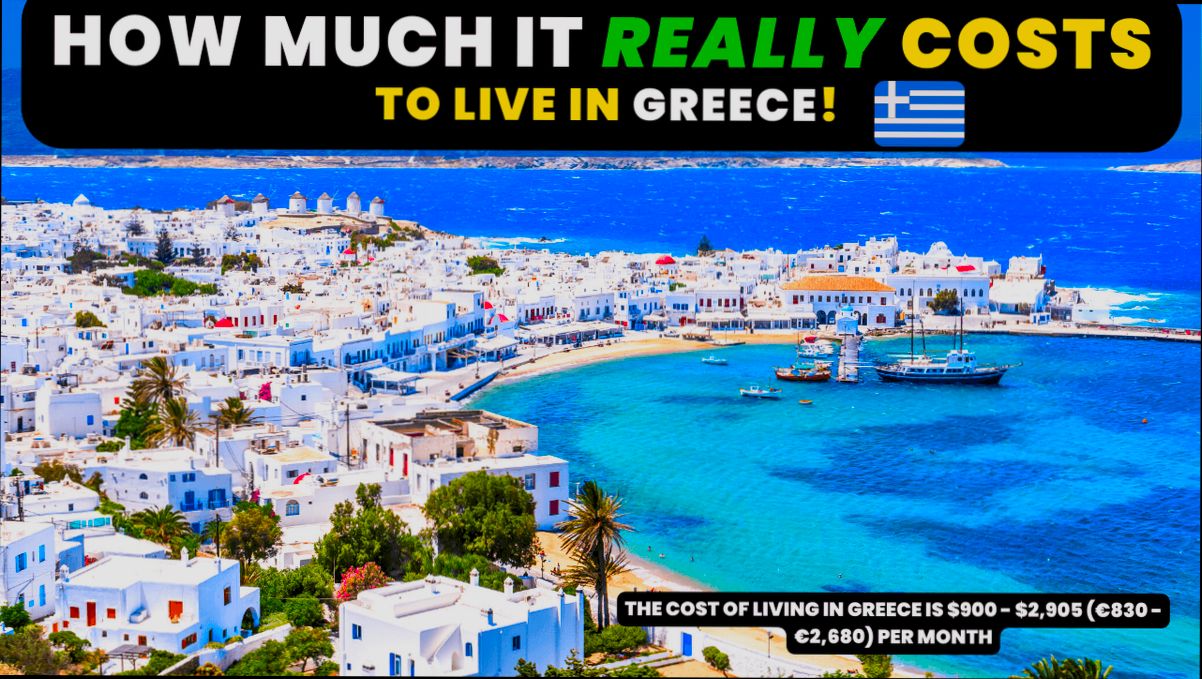
Cost of Groceries and Dining Out
When considering living in Greece, understanding the cost of groceries and dining out can significantly affect your budget. Greece offers a rich culinary landscape, which is both a delight and a financial consideration. Let’s dive into the specific costs associated with grocery shopping and eating out in this beautiful country.
Grocery Costs in Greece
Grocery prices in Greece can vary depending on your location, preferences, and seasonal availability. Here are some key data points to keep in mind:
- The average monthly grocery bill for one person typically ranges from €150 to €300.
- Basic staples like bread cost around €1.20 per loaf, while milk averages €1.20 per liter.
- Fresh produce, such as local fruits and vegetables, can range from €0.80 for tomatoes to €3.00 for strawberries, depending on the season and quality.
The following table summarizes some common grocery items and their typical prices:
| Grocery Item | Average Price (EUR) |
|---|---|
| Bread (1 loaf) | 1.20 |
| Milk (1 liter) | 1.20 |
| Eggs (12) | 2.80 |
| Chicken (1 kg) | 7.00 |
| Tomatoes (1 kg) | 1.50 |
Dining Out Costs
Dining out is an integral part of Greek culture, and you’ll find a range of dining options to fit your budget. Here are some essential insights:
- A meal at an inexpensive restaurant typically costs around €15 per person.
- For a three-course meal at a mid-range restaurant, expect to pay between €30 to €50 for two people.
- Street food options, like souvlaki or gyros, usually range from €3 to €5, making them affordable and delicious choices.
Real-World Examples
To provide a clearer picture, here are some real-world examples of dining costs in Greece:
- In Athens, a popular tavern may charge €12 for a plate of moussaka and €5 for a glass of local wine, bringing your total to around €18.
- In a smaller town, a local diner could serve a complete meal of grilled fish, a side of salad, and bread for about €20, reflecting lower food service costs.
- If you choose to explore street food, you might grab a fill-your-belly gyros meal for just €4, providing both value and a taste of local culture.
Practical Implications
When planning your budgeting, consider the following:
- Cooking at Home: If you enjoy cooking, purchasing seasonal locally-sourced produce can save you money and enhance your culinary adventures.
- Dining Choices: Opt for lunch dining options, as many restaurants offer lower-priced lunch specials compared to dinner menus.
- Meal Planning: As a strategy for reducing waste and keeping within your budget, consider planning meals for the week using cost-effective ingredients.
Personalize your grocery and dining budget based on your lifestyle preferences. By choosing where and how to shop and dine wisely, you can fully embrace the culinary richness of Greece without overspending.
Comparative Analysis of Rent Prices
When evaluating the cost of living in Greece, one key element that stands out is rent prices across various cities and regions. Understanding these dynamics not only helps you budget more effectively but also aids in making informed decisions about where to reside. In this section, we’ll dive into the comparative aspects of rent prices, highlighting significant variations that can impact your choices.
Key Factors Influencing Rent Prices
- City Center vs. Suburbs: Living in the city center typically incurs higher rent prices than suburban areas. For instance, the average cost of rent in city centers can be up to 40% higher compared to peripheral districts.
- Type of Accommodation: The type of apartment significantly affects rental costs. A furnished apartment often comes at a premium, with prices increasing by 10-20% compared to unfurnished options.
- Market Trends: In the past few years, certain cities have seen a surge in rental demand, causing prices to spike by as much as 25% in popular tourist destinations like Mykonos and Santorini.
| Location | One-Bedroom Apartment in City Center | One-Bedroom Apartment Outside City Center | Change Over Year (%) |
|---|---|---|---|
| Athens | €700 | €500 | +5 |
| Thessaloniki | €600 | €400 | +8 |
| Mykonos | €1,500 | €1,000 | +25 |
| Crete | €650 | €450 | +10 |
Real-World Examples
Let’s take a closer look at specific cities to give you a clearer picture of rent variations:
- In Athens, if you’re eyeing a one-bedroom apartment in the heart of the city, you should anticipate paying around €700. However, just a short distance away, the same apartment type in the suburbs can cost about €500. This difference of €200 could free up funds for other living expenses or entertainment.
- Thessaloniki, Greece’s second-largest city, shows similar patterns. City center rentals average €600 compared to €400 in outer districts. The increase over the past year has been significant, reflecting the city’s growing popularity.
- Renting in Mykonos poses a different challenge altogether. The allure of this island paradise drives a staggering average of €1,500 for a city center one-bedroom apartment, while the outskirts still reach around €1,000. The 25% rise indicates a competitive market fueled by tourism, making early planning crucial for potential residents.
Practical Insights for Renters
- Timing Matters: If you’re flexible with your move-in date, consider looking during off-peak tourist seasons when rental prices tend to drop.
- Neighborhood Research: Take the time to explore various neighborhoods. Often, moving just a few streets away from popular areas can lead to significant savings.
- Consider Long-Term Leases: If you plan to stay for an extended time, negotiating a long-term lease can yield better rates, as many landlords prefer stability.
Specific Facts to Remember
- Always account for additional costs such as utilities and maintenance when budgeting for rent. These can add up to an extra 15-20% on top of your base rent.
- Depending on your lifestyle and preferences, prioritizing either location or price can significantly alter your rental experience, so evaluate what’s most important to you.
- Keep an eye on local market trends and forecasts, as fluctuations can impact availability and pricing dramatically in just a short time.
With these insights, you’ll be better equipped to navigate the rental landscape in Greece and find an option that aligns with your budget and lifestyle needs.
Economic Benefits of Living in Greece
Greece presents various economic benefits that make it an attractive place to live. Beyond its stunning landscapes and rich culture, the financial advantages can significantly enhance your quality of life. Let’s dive into some compelling economic benefits of residing in this beautiful Mediterranean country.
Affordable General Living Expenses
One of the standout features of living in Greece is the relatively low overall expense ratio compared to other Western European nations. In fact, you can enjoy many services and goods at a fraction of the cost elsewhere in Europe. For example, utility bills can be around 20% lower than in many other EU countries.
Favorable Tax Environment
Greece has introduced several tax incentives aimed at attracting foreign residents and businesses. The country offers tax breaks for retirees and expatriates, allowing you to retain more of your income. Some expatriates can benefit from a flat tax rate that can be as low as 7% for foreign pension incomes, making it financially appealing for retirees looking for a new home.
Strong Agricultural Economy
The agricultural sector in Greece is robust, significantly reducing the costs of fresh produce. Living in a country with such a thriving agricultural base means that you can enjoy locally sourced fruits, vegetables, and dairy products at much lower prices. The cost of locally produced items can be around 30% less than imported goods, promoting a sustainable and healthy lifestyle.
Table of Economic Benefits
| Benefit | Description | Average Savings (%) |
|---|---|---|
| Living Expenses | Lower costs for general living, including utilities | 20% |
| Tax Benefits | Special flat taxes for pensioners and expatriates | Up to 7% |
| Food and Agriculture | Lower prices on locally sourced produce | 30% |
| Transportation | Reasonable public transport costs | 25% |
Real-world Examples
Consider the case of John, a retired teacher who moved to Thessaloniki. With his pension taxed at a favorable rate, he quickly realized that his purchasing power increased significantly. He now spends around €100 less a month on groceries due to the availability of cheap, fresh local produce compared to his previous home in Germany.
Another example is Maria, who set up a small online business in Chania. The cost of internet and utilities was around 20% lower than in her previous city, allowing her to reinvest those savings back into her shop and offering her products at competitive prices.
Practical Implications
For those considering a move, understanding these economic benefits gives you the tools to budget effectively. With lower costs across utilities, taxes, and food, you might find that living well in Greece is not only possible but also financially sound.
- Plan for Living Expenses: Anticipate lower monthly bills for essential services, allowing for a more flexible budget.
- Explore Tax Incentives: Investigate how favorable tax rates apply to you to maximize your savings.
- Utilize Local Markets: Shop at local markets to take advantage of lower prices on fresh foods.
Actionable Advice
If you’re a potential expat or retiree, consider reaching out to local tax advisors to fully understand the benefits available to you. Additionally, familiarize yourself with local farming practices to buy produce directly from farmers, enhancing your lifestyle while also saving money. The economic benefits of living in Greece can truly be transformative if leveraged wisely.

Demographic Insights on Living Costs
Understanding the demographic factors impacting living costs in Greece offers valuable insights to enhance your budgeting and planning. Variations based on age, gender, and household size can significantly shape what you might experience in daily expenses.
Key Demographic Factors Influencing Living Costs
- Age and Income Levels: Younger individuals tend to have lower monthly expenses compared to older citizens, often reporting an average of €600 monthly on living costs. Meanwhile, families with children average around €1,200 monthly due to added expenses like childcare and schooling.
- Gender Disparities: Research indicates that women tend to spend about 15% more on health-related expenses than men, affecting overall living costs. This is especially relevant in urban settings, where access to healthcare is crucial.
- Household Size: Larger households benefit from economies of scale, averaging €1,500 a month compared to smaller households that might spend around €800 for similar needs. This disparity underlines the importance of household composition in determining living expenses.
Comparative Living Costs by Household Size
| Household Size | Monthly Living Costs (Average) |
|---|---|
| Single (1 person) | €600 |
| Couple (2 people) | €1,000 |
| Family (4 members) | €1,500 |
| Extended Family (5+ members) | €1,800 |
Real-World Examples
Consider a couple living in Thessaloniki versus a family of four residing in Athens. The couple’s monthly expenses might hover around €1,000, primarily on rent, groceries, and utilities. In contrast, the family in Athens could find that their costs climb to approximately €1,500 due to schooling, healthcare, and larger property needs.
Another case involves student renters in the university town of Patras, who often have living costs around €500 a month. This lower cost of living is counterbalanced by their need for part-time jobs, illustrating how demographics influence both wages and expenses.
Practical Implications for Living Costs
When planning your move or budget for Greece, consider the following:
- Assess your household size and composition. Understand how this affects your total living costs.
- Be aware of demographic trends, such as spending habits linked to age and gender, which can guide you in creating a realistic budget.
- If you’re part of a larger household, explore housing options that maximize shared living spaces to reduce individual expenses.
Actionable Advice on Living Costs
Keep in mind that your demographic profile will shape your experience in Greece significantly. Align your budget with your lifestyle—if you’re a single student or a family of four, tailor your expenses accordingly to ensure you’re making informed financial decisions that align with your specific needs.

Financial Planning for Expats in Greece
When planning your finances as an expat in Greece, you’ll find that budgeting effectively can lead to a more enjoyable and stress-free experience. Understanding necessary costs, setting realistic financial goals, and utilizing local resources can pave the way for successful financial management.
Key Financial Considerations for Expats
- Initial Setup Costs: The initial move to Greece can come with unexpected expenses. Factors such as shipping personal belongings, acquiring local insurance, and setting up utilities can add up. It’s prudent to budget around €1,000 to €3,000 for initial setup costs depending on your lifestyle and location.
- Health Insurance: As an expat, securing health insurance is crucial. The average monthly premium for health insurance can range from €50 to €150, dependent on the coverage options you choose. Always ensure that your policy covers all medical needs including emergencies.
- Retirement Planning: If you’re considering Greece as a long-term home, think about your retirement options. Greece offers favorable tax rates on foreign pension income, averaging around 7%, providing an excellent incentive for expats planning for retirement.
- Banking and Currency Exchange: Understanding the local banking system and exchange rates can save you money. Many expats find that maintaining an account in a local bank can reduce transaction fees. Be aware that international transfers may incur fees averaging between 2% to 5%.
Cost Breakdown of Financial Essentials
| Expense Category | Estimated Monthly Cost (€) | Notes |
|---|---|---|
| Health Insurance | €50 - €150 | Varies by coverage level |
| Utilities (electricity, water, gas) | €100 - €250 | Depends on usage and property size |
| Internet and Mobile Phone | €30 - €60 | Packages vary by provider |
| Public Transport | €30 - €50 | Monthly passes can reduce costs significantly |
Real-World Examples
Sofia, a digital nomad from Canada, moved to Athens last year and planned her finances meticulously. She allocated €2,000 for initial costs, securing a one-bedroom apartment while being aware of her monthly expenses. By subscribing to a local health insurance plan at €80, Sofia managed her ongoing costs efficiently, enabling financial stability as she settled in.
Another expat, Mark from the UK, discovered that opening a local bank account helped him save on exchange fees. By setting side €300 monthly for transport, he opted for a public transportation pass that allowed unlimited travel for the month, optimizing his budget further.
Practical Implications
For you, planning finances in Greece requires diligent budgeting and awareness of local prices. Here are some actionable tips:
- Research local insurance companies to determine the best health coverage for expats.
- Consider your transportation needs: if you’ll be relying on public transport, calculate whether a monthly pass is more economical.
- Visit local banks to evaluate different accounts and learn about their international transfer fees.
The financial landscape in Greece is rewarding yet requires careful navigation to avoid unforeseen costs. Stay informed, budget wisely, and remain proactive in managing your finances to enjoy your expat experience.