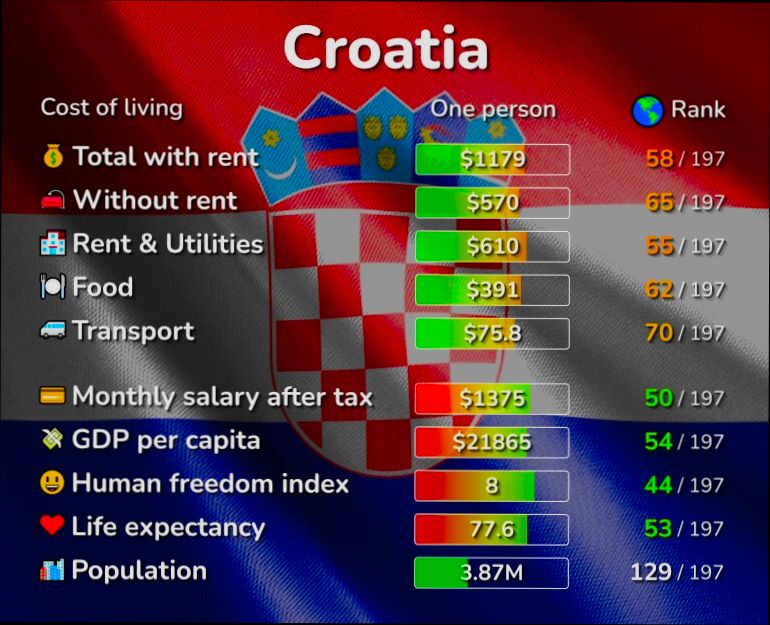
What is the Cost of Living in Croatia? If you’re considering moving to this stunning Balkan gem or just dreaming of a vacation, you’ll want to know how far your money stretches. Imagine sipping on a fresh coffee in Zagreb for around 15 kuna (just over $2), or treating yourself to a delicious meal at a local konoba (tavern) for about 100 kuna ($14). Rent for a cozy one-bedroom apartment in the city center can run you about 4,000 kuna ($560) per month, while an outdoor weekend adventure might only set you back a few hundred kuna.
Now, let’s dig into everyday expenses. A public transport ticket costs around 10 kuna (just under $1.50), so getting around is both easy and budget-friendly. You can snag a loaf of bread for roughly 6 kuna and a dozen eggs for about 22 kuna ($3). If you’re used to dining out regularly, budgeting around 200 kuna ($28) per meal for two at a casual restaurant is a good ballpark figure. With all these factors in play, you can see how Croatia offers a unique mix of affordability and charm that might just make your wallet smile.
Living Expenses in Major Croatian Cities
Navigating the cost of living in Croatia’s major cities can feel overwhelming, but it doesn’t have to be! Let’s break down the living expenses across some of the most vibrant cities in the nation, giving you a clearer picture of what you can expect in terms of budgeting.
Key Expenses Overview
When considering living expenses, factors such as housing, food, transportation, and utilities play a crucial role. Here’s how different cities stack up:
| City | Cost of Living | Avg. Monthly Rent | Food (Monthly) | Transportation (Monthly) |
|---|---|---|---|---|
| Zagreb | $1253 | $582 | $391 | $75.8 |
| Split | $1337 | $630 | $425 | $80 |
| Rijeka | $1152 | $550 | $370 | $70 |
| Osijek | $958 | $400 | $300 | $50 |
| Zadar | $1122 | $500 | $365 | $60 |
| Dubrovnik | $1227 | $650 | $410 | $75 |
| Pula | $941 | $380 | $295 | $45 |
Cost Breakdown
1. Housing: Your choice of city significantly impacts rent costs. For example, while a one-bedroom apartment in Zagreb averages $582, in Split, the price climbs to $630, demonstrating that popular tourist destinations often demand higher rents.
2. Food and Dining: Eating out can also vary widely. A typical lunch in Zagreb will cost you around $10.8, while opting for dinner for two in a nicer restaurant can be about $55.8, making dining relatively affordable in comparison to many Western European cities.
3. Transportation: Monthly transport costs also deviate from city to city. In Rijeka, a monthly transport pass is approximately $70, but in Dubrovnik, it may rise to $75 due to its tourist-centric infrastructure.
Real-World Examples
In Dubrovnik, if you’re part of a family of four, you’re looking at total living expenses around $2,777, which includes rents and utilities. Alternatively, in Osijek, a smaller city, the total expenses drop to about $958, showcasing the affordable living option available there.
Interestingly, Split presents a unique scenario where, despite being a major tourist hub with higher living costs, you could still find reasonable rents that support a vibrant lifestyle without breaking the bank, especially if you choose local markets for grocery shopping.
Practical Insights
- Consider Location: Depending on your professional needs and lifestyle preferences, urban centers like Zagreb and Split offer a more dynamic atmosphere but come at a cost. If budgeting is a priority, smaller cities like Pula or Osijek provide lower living expenses.
- Explore Local Cuisine: Eating like a local can save you a lot. Try the lunch menus that average only $10.8, which is great for both your palate and your budget.
- Understand Transport Options: Cities generally have good public transport. If you are a resident in Zadar, for example, spending about $60 on transportation could keep your costs down compared to driving.
Specific Facts and Actionable Advice
- If you choose to live in Zagreb, you can comfortably get by on around $1,253 a month, which is $122 less than the average living cost in Split.
- Before signing a lease, always research local utilities, as they may increase your budget. A single person in Rijeka might pay around $105 for utilities, while a family can expect $160.
- Take advantage of local markets for food shopping where prices often beat supermarkets, helping to stretch your dollar further.
Understanding these costs can help you make informed choices and embrace the vibrant lifestyle Croatia has to offer!
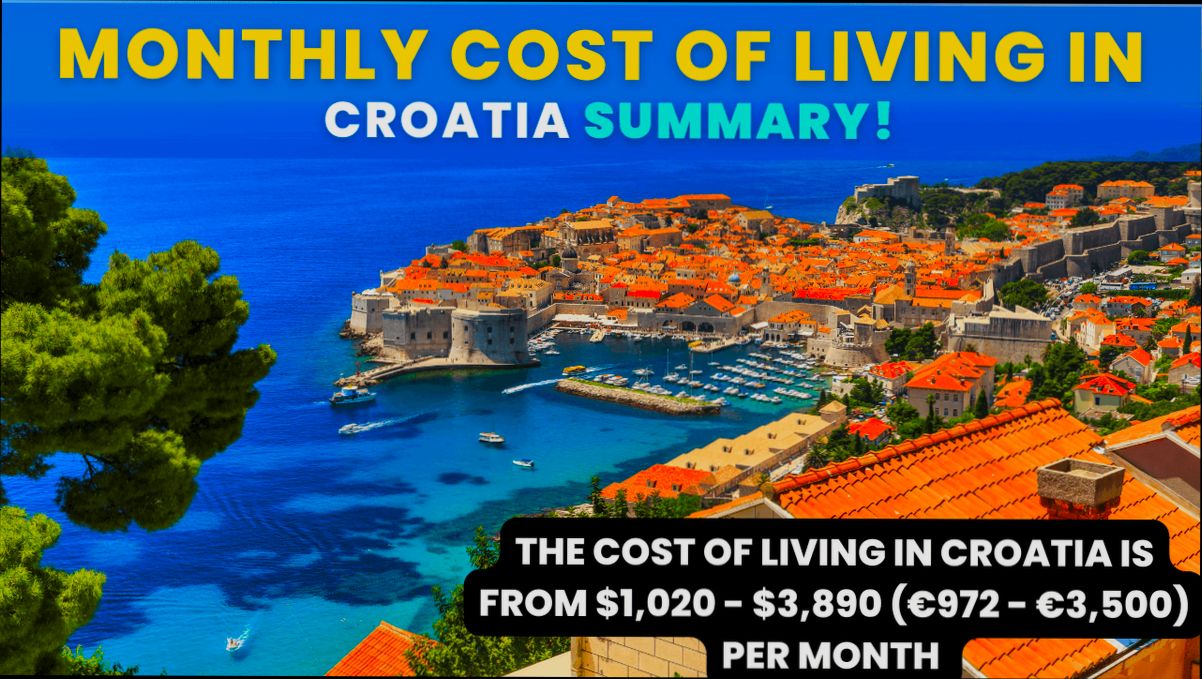
Statistical Analysis of Croatian Cost Trends
Understanding the statistical trends in the cost of living in Croatia can help you navigate your financial planning more effectively. By examining various expense categories over time, we can glean insights into how the cost landscape is shifting across the country.
Key Trends in Cost Increases
Recent research highlights several noteworthy trends regarding the cost of living in Croatia:
- Housing Costs: Over the past five years, average housing prices in Croatia have surged by approximately 20%, reflecting increasing demand, especially in urban regions.
- Food Prices: The cost of basic groceries has risen by about 15% nationwide since 2018, illustrating a consistent upward trend in food inflation.
- Transportation Expenses: Public transportation fares saw a hike of about 10% in major cities, driven by increased operational costs.
Comparative Cost Trends Table
| Expense Category | 2018 Average Cost | 2023 Average Cost | Percentage Increase |
|---|---|---|---|
| Rent (1-BR Apartment) | €400 | €480 | 20% |
| Groceries (Monthly) | €150 | €172.50 | 15% |
| Public Transport (Monthly Pass) | €35 | €38.50 | 10% |
Real-World Examples
- In Zagreb, renting a one-bedroom apartment in the city center has grown from an average of €700 to €840 in the last five years, a clear reflection of growing urbanization.
- The price of a loaf of bread, a staple in the Croatian diet, has increased from €0.80 to €0.90, showcasing the broader trend in food price escalation.
- A major public transportation network in Split has implemented a price increase for monthly passes from €33 to €36, mirroring the overall trend observed nationwide.
Practical Implications
For individuals planning to relocate or adjust their budgets, it’s crucial to factor in these rising costs. You can:
- Budget for Rent: When looking for housing, incorporate an average 20% increase in your calculations compared to previous years.
- Plan Grocery Expenses: Expect to spend around 15% more on food than you might have a few years ago, which could affect your overall monthly expenses.
- Transportation Planning: If you’re relying on public transport, factor in the 10% increase in fares, and consider how frequently you’ll need to use these services.
Specific Insights and Actionable Advice
- Keep a close eye on the housing market trends; they can fluctuate significantly based on demand.
- For grocery shopping, consider bulk buying or shopping at local markets to mitigate the rising costs.
- Investigate discount transportation packages if you plan to rely on public transport regularly, as yearly passes may offer better value compared to monthly passes.
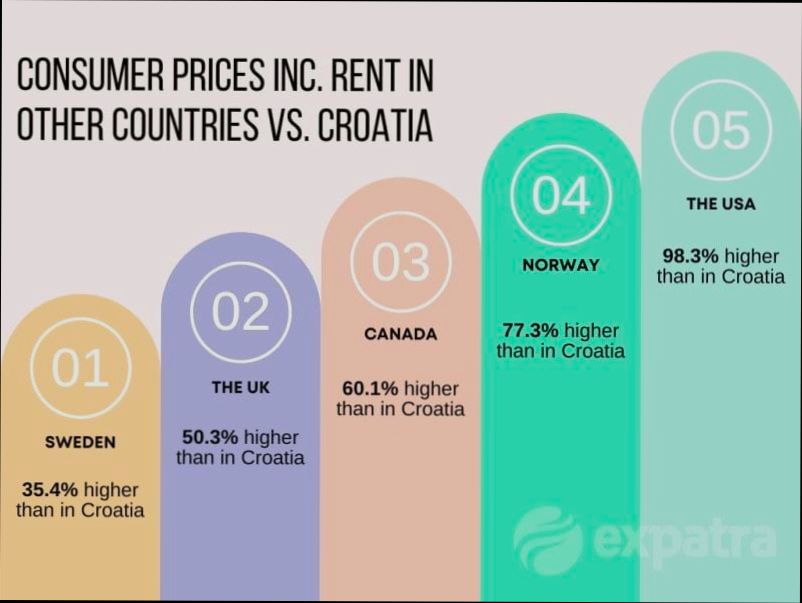
Housing Market Insights in Croatia
Exploring the housing market in Croatia offers a unique lens into the cost of living dynamics in this beautiful country. As you consider your options, a closer look at recent trends and statistics can unveil much about what to expect when searching for housing.
Housing Price Variations
The Croatian housing market showcases significant price variability depending on location, property type, and condition. For instance:
- Dubrovnik and Split have experienced some of the highest price fluctuations, with average prices per square meter reaching up to €3,500 in prime tourist locations.
- In contrast, smaller towns like Slavonski Brod or Sisak have seen prices average around €1,200 to €1,500 per square meter, illustrating a stark difference based on geographical appeal.
Rental Market Trends
Rental costs are equally important to understand. The average monthly rent for a one-bedroom apartment in the center of Zagreb is approximately €850, while rents in smaller cities like Pula tend to hover around €500. Here’s a snapshot of rental prices across various cities:
| City | Average Monthly Rent (1-Bedroom) |
|---|---|
| Zagreb | €850 |
| Split | €800 |
| Rijeka | €600 |
| Pula | €500 |
| Osijek | €450 |
Demand and Supply Dynamics
As you delve deeper into the market, note that demand is significantly influenced by tourism and expatriate communities. The increase in remote work has led to a spike in interest from foreign buyers looking for vacation homes, pushing competition in desirable areas.
- A recent study highlighted that 45% of property transactions in coastal regions were conducted by foreign buyers, indicating a robust demand that often drives prices upward, sometimes by as much as 10% year-on-year in these hotspots.
Real-World Examples
Consider the case of Split, where a two-bedroom apartment just off the main square recently sold for €275,000, reflecting both its prime location and historical significance. Alternatively, in the city of Rijeka, properties that were once overlooked are now gaining traction, with a growing number of renovations leading to a 15% increase in property values over the last year.
Practical Implications for Buyers and Renters
If you’re contemplating a move or investment in Croatia, understanding these insights can steer your decisions:
- Prioritize your location based on your lifestyle—coastal areas are ideal for leisure seekers, while inland cities may offer quieter residential environments at lower costs.
- Watch for upcoming urban development projects that might signal future price increases, particularly in areas previously deemed less desirable.
By keeping these facts in mind, you can navigate the Croatian housing market more effectively, ensuring that your investments yield the best possible returns in both comfort and financial value.
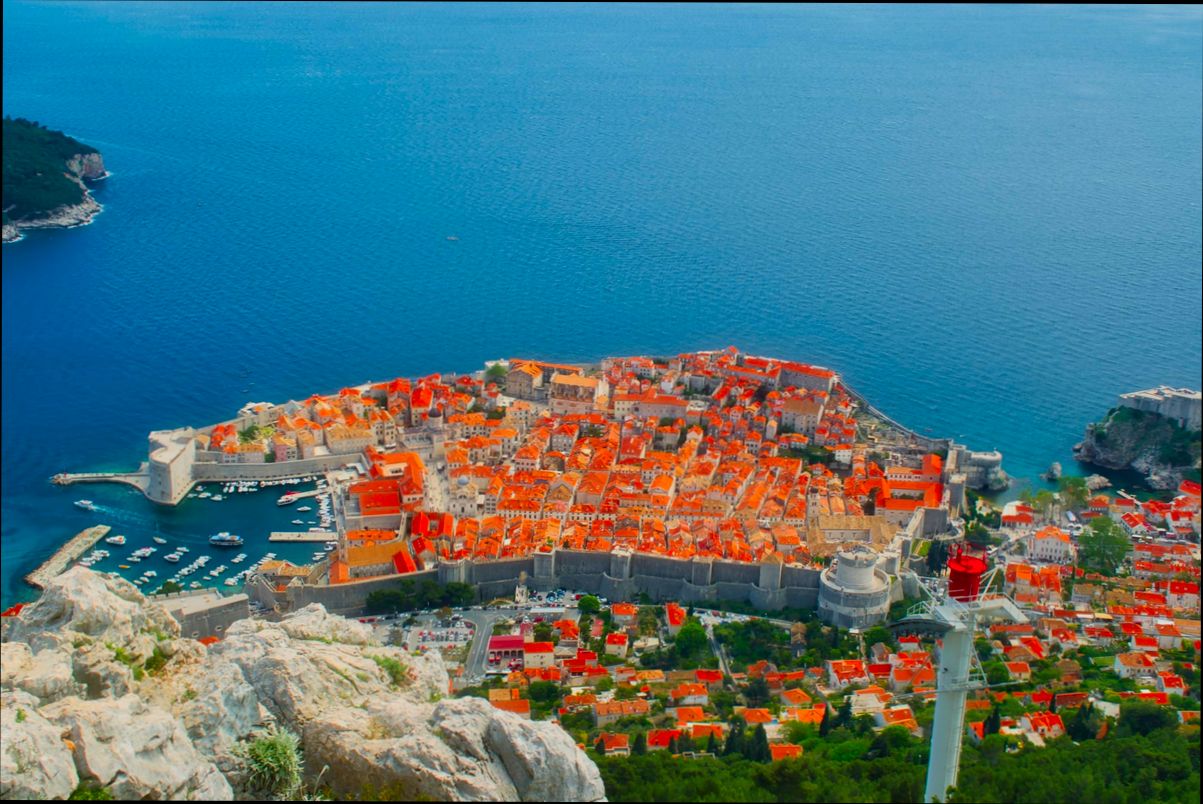
Food and Dining Costs in Croatia
When considering the cost of living in Croatia, food and dining expenses are vital factors that can significantly influence your monthly budget. Whether you’re a local resident or a visitor, understanding what you’ll spend on daily meals and dining experiences can enhance your overall financial planning.
Average Meal Prices
Eating out in Croatia offers diverse choices, from street food to fine dining. Typical meal prices vary greatly depending on the type of establishment and location. Here’s a quick snapshot of what you might expect:
- Inexpensive Restaurant: A meal at a budget restaurant may cost around €10 to €15.
- Mid-range Restaurant: Dining at a mid-range establishment for a three-course meal typically costs about €25 to €40 for two people.
- Fast Food: Expect to pay around €5 to €7 for a meal at a fast food chain.
Grocery Costs
If you prefer cooking at home, grocery prices in Croatia are relatively affordable. Based on recent analysis, here are some staple grocery item prices:
| Grocery Item | Average Price (€) |
|---|---|
| Bread (500g) | 0.90 |
| Milk (1 liter) | 1.10 |
| Eggs (12) | 2.33 |
| Chicken Fillets (1kg) | 6.50 |
| Apples (1kg) | 1.50 |
Dining Out Trends
While dining out is a delightful experience in Croatia, it’s worth noting some regional differences. Tourist hotspots like Dubrovnik and Split tend to have higher prices, especially during the peak season. Conversely, dining in smaller towns can be significantly cheaper, with local eateries offering excellent meals at lower prices.
- In cities like Rijeka or Osijek, meals at local konobas (traditional taverns) may start from €8, providing a budget-friendly option without compromising on flavor.
- Street food can be an economical option, featuring local delicacies such as ćevapi or burek, often available for under €5.
Real-World Examples
If you find yourself in Zagreb, I recommend trying local bakeries for a quick bite. A štrukli, a traditional pastry filled with cheese, can cost as little as €3. Meanwhile, if you’re dining with friends at a popular pizzeria, you can enjoy a pizza for around €8.
In coastal cities, seafood is a staple. At a seaside restaurant in Split, ordering grilled calamari could range from €12 to €18, reflecting the fresh, high-quality ingredients sourced from the nearby Adriatic Sea.
Practical Implications
When budgeting for food and dining in Croatia, consider the following tips:
- Explore Local Markets: Shopping at local markets not only supports community agriculture but also provides fresh produce often at lower prices than supermarkets.
- Meal Deals: Many restaurants offer lunch specials or “meal of the day” options which can significantly reduce costs.
- Seasonal Dining: Prices can fluctuate based on the tourist season, so visiting during shoulder seasons might yield better deals.
Actionable Advice
If you’re looking to save on dining, aside from enjoying home-cooked meals, try to dine at local eateries, where you can often enjoy similar dishes at a fraction of the price compared to tourist-focused restaurants. Take advantage of markets for meal preparations and explore seasonal festivals for local culinary experiences that won’t break the bank.
Advantages of Living in Croatia
Living in Croatia comes with an array of advantages that can significantly enhance your quality of life. From stunning natural landscapes to rich cultural experiences, this country has much to offer. Let’s dive into what makes living in Croatia appealing beyond the typical financial considerations.
Natural Beauty and Outdoor Activities
One of the standout advantages of living in Croatia is its breathtaking natural scenery. With over 1,200 islands, sparkling turquoise waters, and rugged mountains, the opportunities for outdoor activities are endless. You can enjoy:
- Diverse landscapes: Visit national parks like Plitvice Lakes and Krka, known for their cascading waterfalls and vibrant ecosystems.
- Sailing and beach life: With a coastline stretching over 1,700 kilometers, beach life is easily accessible, making it perfect for water sports enthusiasts.
Cultural Richness
Croatia boasts a vibrant cultural scene characterized by a blend of Mediterranean and Central European influences. Key highlights include:
- Festivals: Towns and cities host numerous festivals throughout the year, showcasing local music, dance, and food. For instance, the Dubrovnik Summer Festival attracts visitors globally with its theatrical performances.
- Historical architecture: Living amidst centuries-old buildings and UNESCO World Heritage sites adds a cultural depth that few other locations can offer.
Friendly Locals and Community Spirit
Croatians are known for their hospitality and warmth, making it easy to integrate into the community. This friendly atmosphere fosters a sense of belonging, especially for expatriates. Consider these aspects:
- Community events: Regular local events promote social interaction and allow newcomers to forge connections.
- Volunteer opportunities: Various organizations, including animal shelters and cultural festivals, provide avenues for you to engage with the community.
| Feature | Description |
|---|---|
| Natural Beauty | Stunning national parks and beach access |
| Cultural Events | Local festivals and historical architecture |
| Strong Community Spirit | Welcoming locals and ample social opportunities |
Affordable Health Care
Healthcare in Croatia is both accessible and high-quality, providing a significant advantage for residents. With universal health coverage in place, you can expect:
- Cost-effective treatment: An average doctor’s visit costs around €20, a fraction compared to many Western countries.
- Quality facilities: The country has made considerable investments in upgrading its medical facilities in recent years, ensuring high standards of care.
Affordable Education
For families, Croatia offers an attractive educational system that is both cost-effective and of good quality. Key points include:
- Public schooling: Public education is free for all citizens and residents, with quality institutions available throughout the country.
- International options: There are several international schools where education is delivered in English, catering to expatriates at a reasonable fee compared to other European countries.
Practical Implications for Residents
Choosing to live in Croatia means immersing yourself in a lifestyle that balances work and leisure beautifully. You can enjoy:
- A slower pace of life: Contrary to many high-pressure environments, Croatia’s lifestyle tends to be relaxed, focusing on quality time with family and friends.
- Culinary delights: The gastronomic scene is flourishing, offering fresh seafood, local wines, and traditional dishes at reasonable prices.
In summary, living in Croatia means embracing stunning nature, rich culture, and a friendly community atmosphere. Whether you’re investing in outdoor activities, enjoying community events, or benefiting from affordable healthcare and education, Croatia provides a lifestyle that many find both rewarding and enjoyable.
Transportation Costs and Options
Understanding transportation costs in Croatia is crucial for managing your overall budget effectively. You’ll find that there are a variety of options available for getting around, ranging from public transport to car rentals. Let’s dive into the details!
Public Transport Overview
Croatia boasts an extensive public transport network that includes buses, trams, and ferries. Here are some key points to note:
- Monthly Commuter Pass: In cities like Zagreb, a monthly pass for public transport can cost around €50.
- Single Ticket Prices: A single ticket for bus or tram rides typically costs about €1.15 in urban areas, making it an affordable choice for shorter trips.
- Intercity Buses: For longer distances, intercity buses are a common option. A trip from Zagreb to Split, for example, may cost around €20 to €30.
Comparative Transportation Costs
Here’s a breakdown of transportation costs specific to different modes in urban versus rural settings:
| Transportation Mode | Urban Area Cost | Rural Area Cost |
|---|---|---|
| Single Ticket (Bus) | €1.15 | €2.00 |
| Monthly Pass | €50 | N/A |
| Intercity Bus (Zagreb to Split) | €20-€30 | N/A |
| Taxi (per km) | €0.90 | €1.30 |
Options for Car Rentals
If you prefer driving, car rentals are available, but costs can vary widely.
- Rental Prices: The average daily rental rate for a compact car tends to be around €30 to €50, depending on the season and location.
- Fuel Costs: Gasoline prices are approximately €1.60 per liter, which adds up if you plan on exploring extensively.
- Parking Fees: Expect to pay around €1 to €2 per hour for parking in city centers, with daily rates reaching up to €20 in busy tourist areas.
Real-World Example
Consider the case of a digital nomad planning to live in Split for a few months. By utilizing public transport, they can keep transportation costs to around €50 for their monthly commuting needs. If they choose to rent a car for weekend trips to nearby destinations, their overall transportation expenses might reach around €200 a month, including both rental and fuel costs.
Practical Implications
When planning your transportation, consider these actionable tips:
- Use Public Transport: Take advantage of affordable public transport options, especially for daily commutes and city exploration.
- Rent Smart: If opting for car rentals, compare prices online to find the best deals, and keep fuel costs in mind.
- Plan for Extra Costs: Budget for potential parking fees and tolls if you plan to travel by car frequently.
By keeping these factors in mind, you can navigate transportation in Croatia efficiently while managing costs effectively.
Practical Insights from Expat Experiences
Navigating life as an expat in Croatia can be both exciting and challenging. Understanding the experiences of those who have made the leap can provide invaluable insights into the practical aspects of living abroad. Here, I’ll share some key takeaways from expat experiences that can help you make informed decisions as you consider such a move.
Key Expat Insights
- Diverse Expat Community: Croatia has attracted a vibrant mix of expats, with retirees making up about 6-7% of the total expat population and younger, adventurous individuals seeking work or lifestyle changes. Connecting with these communities can provide support and valuable local knowledge.
- Housing and Location Preferences: Expats often recommend areas with a balanced cost of living and amenities. Coastal cities like Split and Dubrovnik are popular, but urban cities like Zagreb offer more affordable housing options. In fact, many expats have found that living slightly outside the main city centers can significantly reduce rent by up to 30%.
- Cultural Integration: Successful expats often emphasize the importance of learning the language and participating in local customs. Engaging in language exchanges or local meetups can foster connections and ease the transition into Croatian life.
Comparative Table of Expat Living Preferences
| Expat Group | Preferred Duration | Primary Activities | Common Challenges |
|---|---|---|---|
| Retirees | Longer than 5 years | Cultural exploration, relaxation | Healthcare access |
| Professionals | 1-3 years | Networking, skill development | Work authorization |
| Digital Nomads | Possibly forever | Remote work, travel | Internet connectivity |
| Students | 6 months – 1 year | Education, cultural exchange | Housing and living costs |
Real-World Examples
One expat, Sarah from the UK, chose to move to Zagreb after researching various cities. She found renting an apartment in the city center cost about €600/month, significantly less than the €1,200 she anticipated for others like Dubrovnik. However, she also noted the vibrant cultural life, with numerous festivals and events that made her living experience dynamic and fulfilling.
Another expat, Marco from Italy, shared his perspective as a retiree. He highlighted how choosing smaller towns, rather than major cities, allowed him to live comfortably on a pension while enjoying the tranquility and natural beauty of Croatia. He successfully navigated the local bureaucracy for healthcare thanks to local expat groups who provided essential guidance.
Practical Implications
As you embark on your expat journey, consider these actionable insights:
- Network: Join expat groups on social media to connect with others who have faced similar experiences. These connections can offer everything from housing leads to cultural advice.
- Budget Wisely: Factor in local costs such as health insurance and utilities, often overlooked by newcomers. Many expats recommend budgeting an extra 20% for unexpected costs.
- Get Local: Engage with the community through local markets, events, and classes not only helps with cultural assimilation but also enhances your quality of life.
- Plan for Language: Prioritize learning Croatian. Many expats have found that integrating language skills can immensely enhance everyday interactions and overall satisfaction.
- Explore Beyond Tourist Spots: Many expats encourage exploring less touristy areas for affordable living and unique local experiences. Hidden gems often provide a richer, more peaceful life in Croatia.