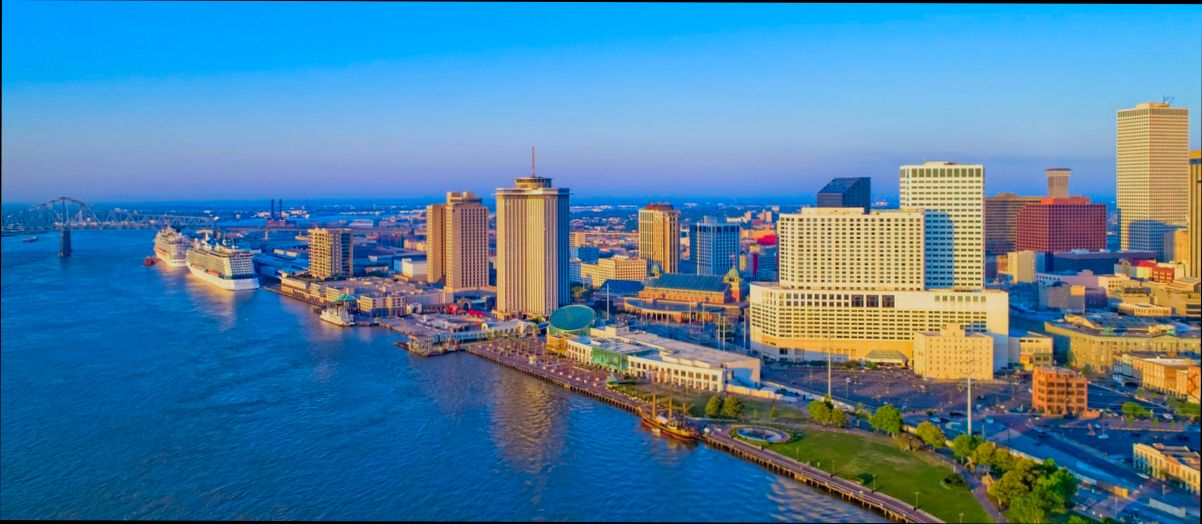
Pros and Cons of Living in New Orleans LA can lead to some lively discussions among locals and newcomers alike. On the one hand, you’ve got the vibrant culture, music, and food that make New Orleans a one-of-a-kind experience. Picture yourself sipping a coffee at Café du Monde while jazz fills the air, or enjoying a plate of gumbo that packs a flavorful punch. The city’s unique festivals, like Mardi Gras, draw in millions every year, showcasing its rich history and community spirit. Plus, with a lower cost of living compared to cities like New York or San Francisco, you can stretch your dollar a bit further while embracing that lively Creole lifestyle.
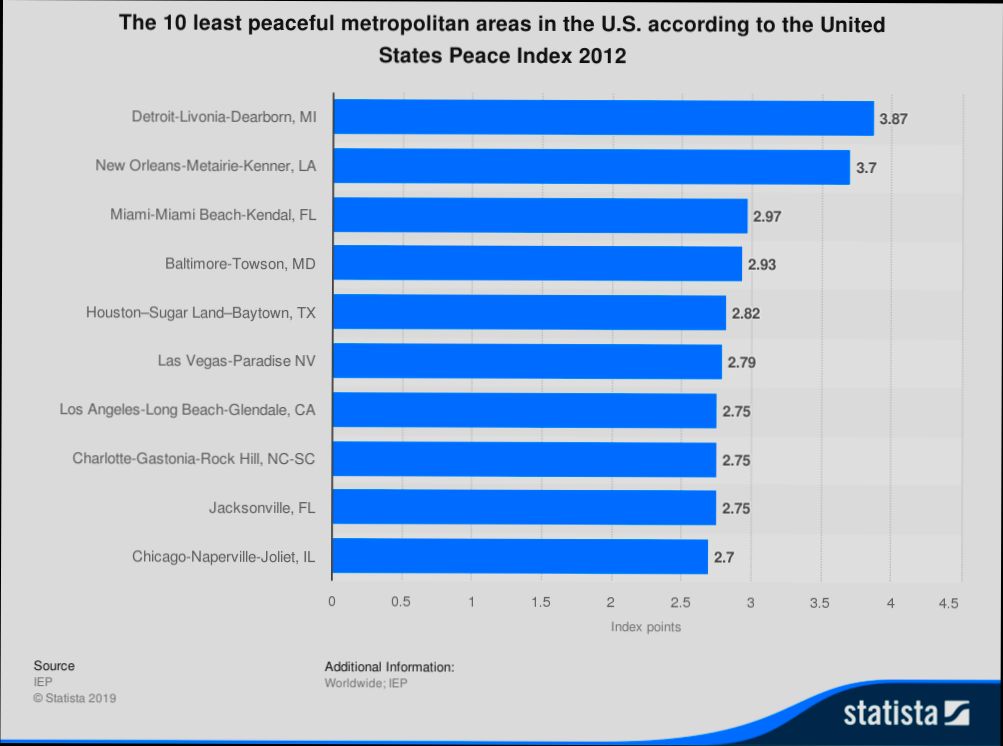
But it’s not all jazzy vibes and mouthwatering cuisine. The weather can be relentless, with stifling humidity in the summer months that can leave you feeling like you’re walking through a sauna. New Orleans also faces challenges, like higher crime rates in certain neighborhoods that can make you think twice about where to settle down. And then there’s the constant threat of hurricanes, with storm season adding a layer of anxiety to those blissful balmy evenings. Balancing the city’s exhilarating charm with these realities can make the decision to live in NOLA a bit more complicated than it first appears.
Cultural Enrichment and Community Vibrancy
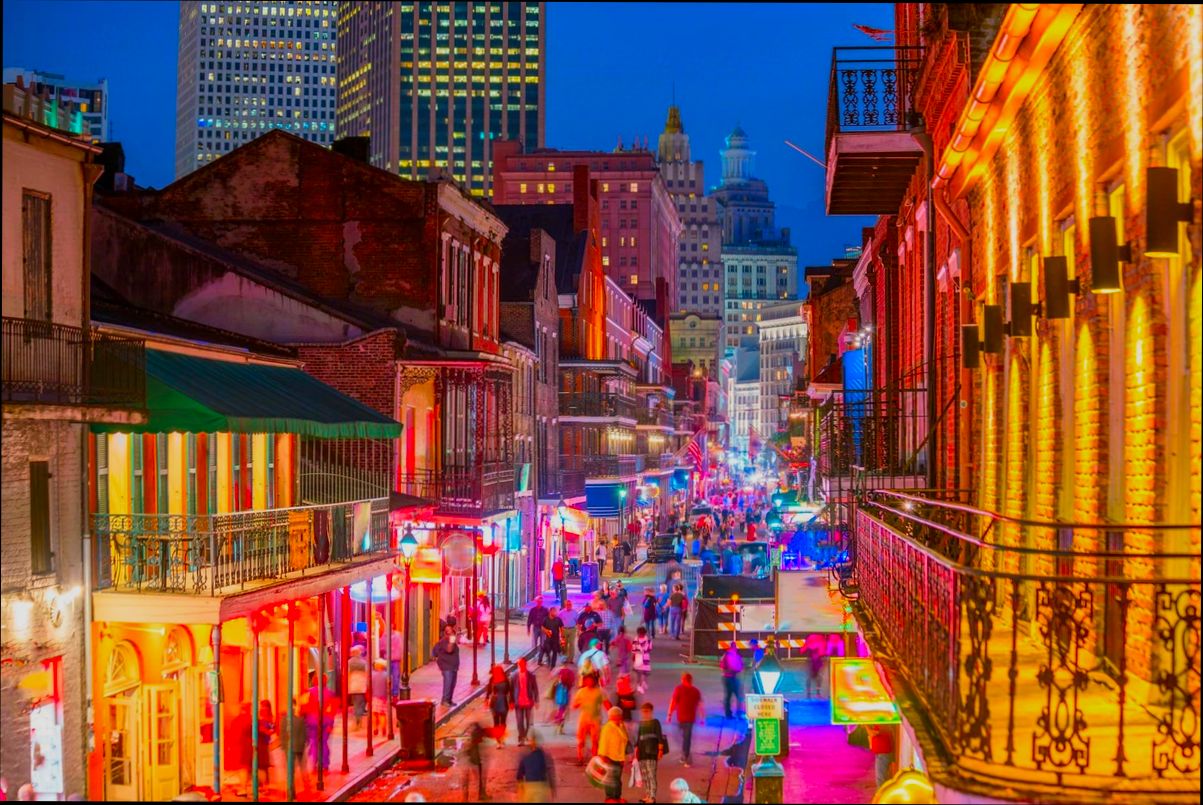
Living in New Orleans means immersing yourself in a unique tapestry of culture, creativity, and community spirit. The city is often celebrated for its robust arts scene, making cultural enrichment an integral part of life here. Let’s explore what makes New Orleans a vibrant community through the lens of its cultural offerings.
A Thriving Arts Ecosystem
New Orleans ranks as the 13th most arts-vibrant community in the United States, as per a comprehensive study recognizing cities with high levels of artistic engagement. This is a remarkable position for a city with a population of around 1.27 million.
- The arts contribute significantly to the local economy, offering easy access to employment for artists. The city’s support structure for creatives places it in the top 4% of communities nationwide in terms of independent artists per capita.
- The Cultural Enrichment Ordinance mandates that 2% of gross construction costs for civic building projects go towards public art, ensuring public spaces are infused with creativity.
Access to the Arts
One of the standout features of New Orleans is the range of affordable and accessible cultural programs available to residents.
- Local arts organizations actively promote community engagement through workshops, performances, and festivals.
- The city also sees a notable number of public art installations, providing everyday inspiration and aesthetic value in public spaces.
| Feature | New Orleans Celebrated For | Comparison to Other Cities |
|---|---|---|
| Arts Vibrancy Rank | 13th in the U.S. | Among the top arts-vibrant cities in the U.S. |
| Independent Artists Per Capita | Top 4% nationally | Supports a rich community of creatives |
| Public Art Funding | 2% of civic projects go to public art | Promotes artistic expression in public spaces |
Real-World Examples
Take the annual Jazz & Heritage Festival, which not only showcases local and international talent but also serves as a fundraiser for local arts programs. This festival embodies the spirit of cultural enrichment by merging community engagement with artistic celebration. The festival’s proceeds help fund scholarships and grants for emerging artists, demonstrating a continual investment in local talent.
Local projects under the Cultural Enrichment Ordinance often yield vibrant murals and sculptures in underrepresented neighborhoods, transforming the urban landscape. For instance, recent installations in the Treme neighborhood reflect the rich history and vibrant culture of the area, inviting both locals and tourists to engage more deeply with the artistic narrative of New Orleans.
Practical Implications for Readers
For you, living in New Orleans means more than just enjoying the music and food; it’s about participating in a thriving cultural scene. Here are actionable insights:
- Engage: Attend local art openings, theater productions, or community workshops to connect with local artists and fellow residents.
- Support: Consider contributing to local art initiatives or attending community-sponsored events that promote the arts.
- Explore: Spend weekends discovering neighborhoods renowned for their public art, such as the Bywater District, which blends creativity with community spirit.
By recognizing and engaging with the incredible cultural landscape, you not only enhance your own living experience but also contribute to the ongoing vibrancy of this remarkable city.
Cost of Living Trends in New Orleans
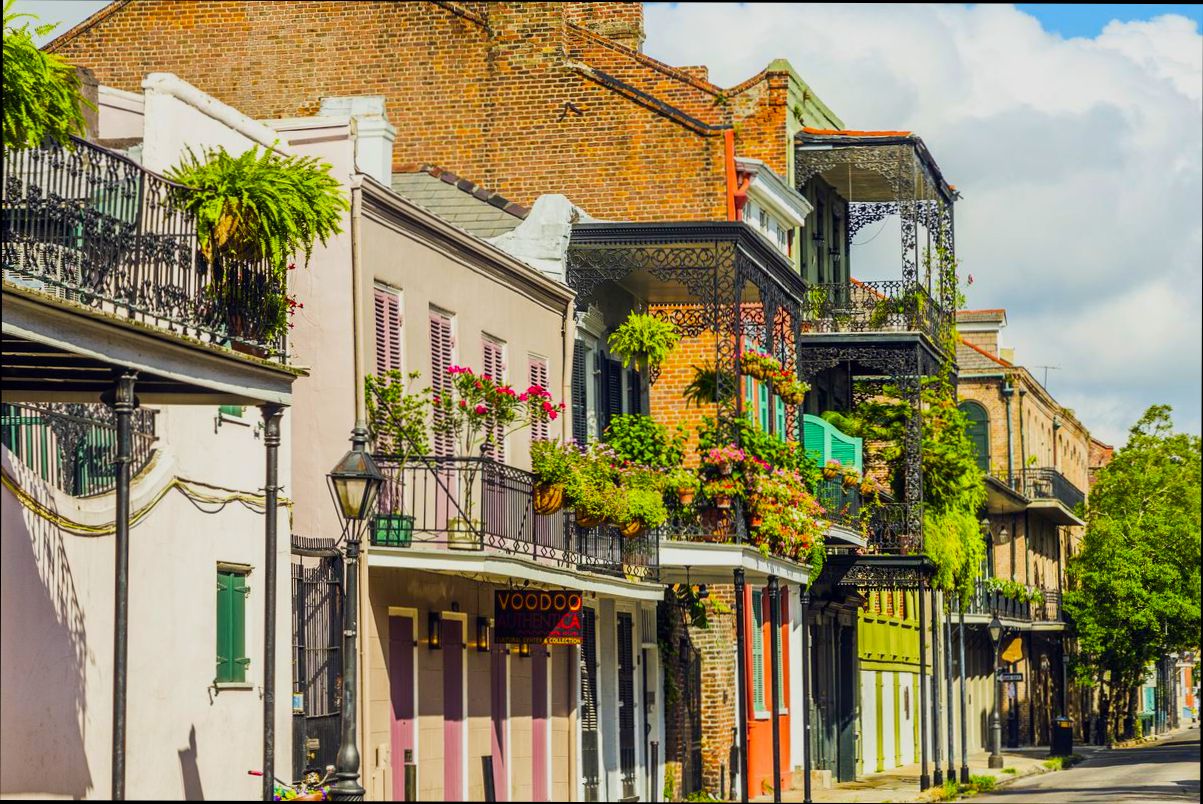
Living in New Orleans comes with a unique set of financial considerations that can significantly impact your daily life. From dining out to grocery shopping, understanding the cost of living is crucial for anyone considering relocating to this vibrant city.
Dining Out and Entertainment
Eating out in New Orleans can vary widely depending on where you choose to dine. For instance, a meal at an inexpensive restaurant will set you back around $26, while a meal for two at a mid-range restaurant can average about $124. If you’re looking to grab a quick bite, a combo meal at McDonald’s costs around $12.
Here’s a quick look at some dining costs:
| Item | Price |
|---|---|
| Meal, Inexpensive Restaurant | $26.00 |
| Meal for 2 People, Mid-range Restaurant, Three-course | $124.00 |
| McMeal at McDonald’s | $12.00 |
This variety in dining prices provides both opportunities for budget-friendly meals and options for a more upscale dining experience.
Grocery Store Prices
When it comes to grocery shopping, New Orleans offers competitive prices on everyday essentials. For example:
- A liter of milk costs about $1.35.
- A dozen eggs can be purchased for around $4.20.
- Local cheese prices average at about $15.87 per kilogram.
These rates can sometimes be slightly higher or lower depending on the store, but they give you a good baseline for budgeting your food expenses.
Housing Costs
Renting in New Orleans can be a significant part of your budget. If you’re considering living in the city center, a one-bedroom apartment costs an average of $1,788. For those looking outside the city center, that price drops to about $1,165. Here’s a clearer breakdown:
| Housing Type | Average Monthly Rent |
|---|---|
| Apartment (1 bedroom) in City Centre | $1,788.46 |
| Apartment (1 bedroom) Outside of Centre | $1,165.38 |
| Apartment (3 bedrooms) in City Centre | $3,133.33 |
| Apartment (3 bedrooms) Outside of Centre | $2,165.38 |
These figures highlight the substantial difference in rental prices based on location within New Orleans.
Utility Bills and Transportation
Utility costs, including electricity, heating, water, and garbage, can average around $221.86 for an 85m² apartment. Meanwhile, your transportation costs could look like this:
- A one-way ticket on local transport is just $1.25.
- Monthly transport passes typically cost about $45.
Thus, budgeting for both utilities and transport is essential when assessing your overall cost of living in New Orleans.
Practical Implications for Moving to New Orleans
Understanding these cost of living trends allows you to create an informed budget. For instance, if you’re a family of four, you can expect to spend around $4,762.7 monthly on essential expenses excluding rent.
- If you’re single, budgeting around $1,325.6 monthly without rent is a practical estimate.
- Remember to factor in occasional dining out and grocery shopping when determining your total cost of living.
By keeping these insights in mind, you’ll be better prepared for the financial realities of living in New Orleans.
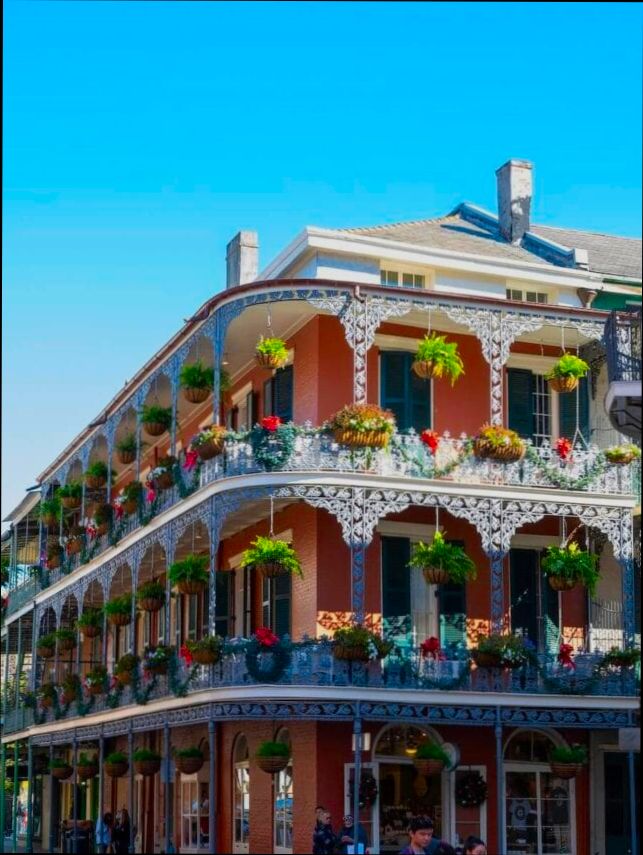
Weather Challenges and Lifestyle Adjustments
Living in New Orleans means navigating a unique set of weather-related challenges that can significantly influence your everyday life. From the sweltering humidity during summer to the risk of hurricanes in fall, there are several factors to consider when adjusting your lifestyle for the climate.
Humidity and Heat
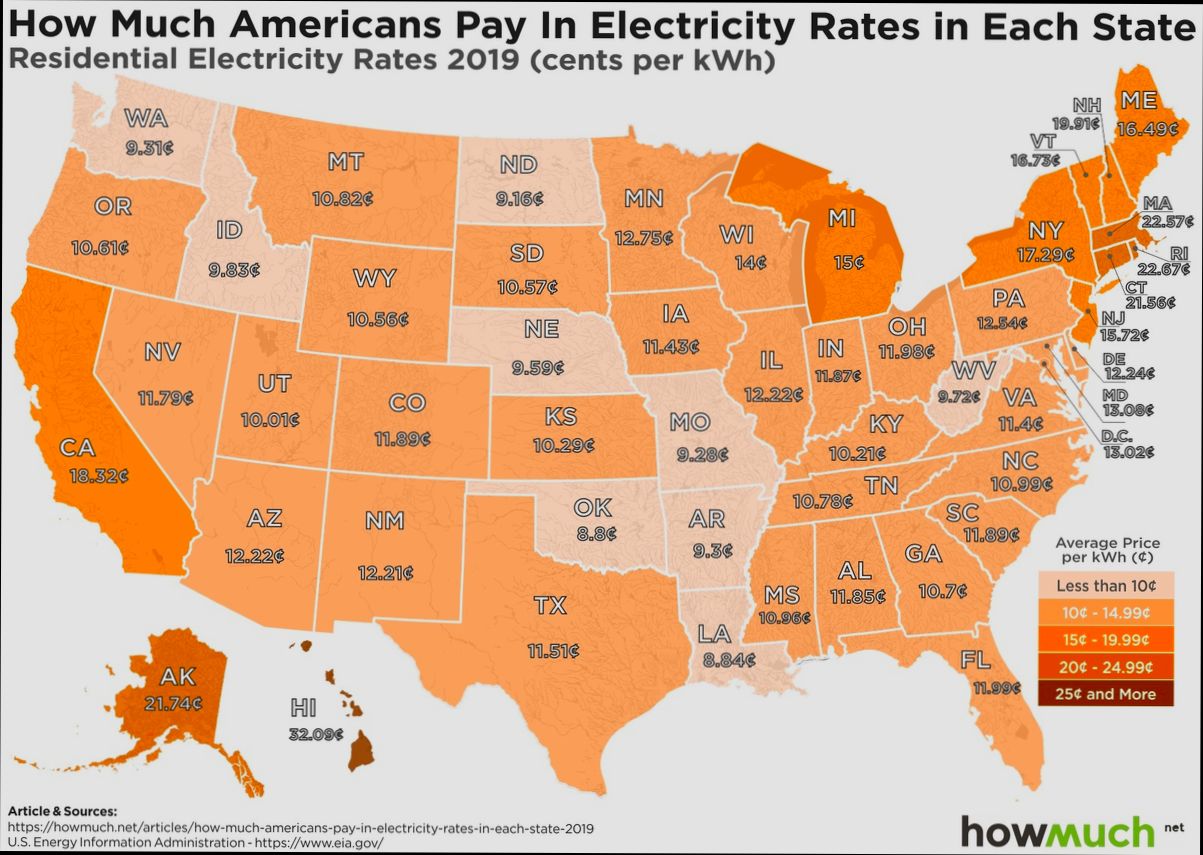
New Orleans experiences a subtropical climate, with summer temperatures often exceeding 90°F (32°C). Humidity levels can soar above 80%, making it feel even warmer. This oppressive heat can lead to:
- Increased utility bills due to air conditioning usage.
- Health concerns, particularly for those with respiratory conditions.
- Outdoor activities being limited to early mornings or evenings.
Hurricane Preparedness
Hurricane season from June to November poses a significant threat in New Orleans. Preparing for storms is crucial, and you may need to:
- Create an emergency kit with essentials like food, water, and medications.
- Stay informed through local weather alerts and evacuation plans.
- Invest in home improvements, such as storm shutters or flood barriers.
Seasonal Flooding
With heavy rainstorms common, flooding can disrupt daily life in New Orleans. Adjusting to this involves:
- Understanding flood zones and insurance requirements.
- Keeping an eye on local forecasts to avoid flooded areas.
- Preparing for occasional transit delays due to high water.
| Weather Challenge | Suggested Lifestyle Adjustment | Impact on Daily Life |
|---|---|---|
| High Humidity | Limit outdoor activities during peak heat hours | Adjusting work schedules, reduced leisure time |
| Hurricanes | Develop an emergency preparedness plan | Increased stress during storm season |
| Flooding | Stay informed about local flood risks | Need for flexible commuting options |
Real-World Examples
In August 2021, Hurricane Ida hit New Orleans hard, resulting in widespread power outages and significant flooding. Residents had to adapt quickly, relying on community resources and shelters for support. Many businesses closed, demonstrating the economic impact of seasonal hurricanes.
Residents often share tips on honey to beat summer heat, like employing a “siesta” schedule—taking a break during the hottest parts of the day to avoid the intense sun.
Practical Implications
Adapting to New Orleans’ weather challenges isn’t just about coping; it’s about thriving. Here are some actionable steps you can take:
- Invest in high-quality air conditioning units and keep them well-serviced.
- Create a regular routine to check weather forecasts.
- Connect with local community centers for support during severe weather events.
Understanding these weather challenges and making necessary lifestyle adjustments can greatly enhance your living experience in New Orleans. For instance, consider joining local groups focused on emergency preparedness; it not only provides practical advice but fosters a sense of community.

Culinary Delights: A Foodie’s Paradise
When it comes to culinary offerings, New Orleans stands out as a haven for food enthusiasts. From savory gumbo to sweet beignets, the city’s vibrant food scene reflects its rich cultural heritage and regional flavors. Whether you’re a casual diner or a seasoned gourmet, the variety and quality of food here promise to tantalize your taste buds.
Unique Culinary Experiences
Living in New Orleans means having access to an array of culinary traditions, blending Creole, Cajun, and Southern cuisine. Here are some enticing highlights:
- Culinary Events: The city hosts over 1,400 food-related events annually, including the renowned New Orleans Wine & Food Experience and the French Quarter Festival. These events not only showcase local chefs but also allow you to taste dishes from all over the globe.
- Variety of Restaurants: With more than 1,000 restaurants, there’s something for every palate. From Michelin-starred establishments to food trucks with delicious po’boys, the dining options are diverse and plentiful.
- Local Ingredients: The city’s emphasis on fresh, local ingredients is remarkable. Many restaurants prioritize farm-to-table practices, which enhance the taste and nutritional value of the dishes.
Comparative Culinary Offerings
| Cuisine Type | Average Meal Cost | Notable Dishes |
|---|---|---|
| Creole | $15-$50 | Gumbo, Jambalaya |
| Cajun | $10-$30 | Etouffee, Boudin |
| Classic Southern | $12-$40 | Fried Chicken, Collard Greens |
| International | $15-$55 | Sushi, Italian, Ethiopian |
Real-World Examples
Take the famous Café du Monde for instance: famous for its beignets and chicory coffee, it draws locals and tourists alike. Not only is it a cultural landmark, but it’s also an essential part of New Orleans’ culinary landscape. In contrast, eateries like Commander’s Palace offer fine dining with dishes deeply rooted in local traditions. They often host tours and tastings that allow you to better appreciate the ingredients and techniques behind the cuisine.
Another noteworthy establishment is Cochon, where chefs focus heavily on traditional Cajun techniques and locally sourced ingredients. Their commitment to authenticity brings diners a taste of Louisiana that is both rich and comforting.
Practical Implications
Being a foodie in New Orleans means you can easily explore your culinary passions. Here’s how to immerse yourself in this foodie’s paradise:
- Explore Neighborhoods: Each neighborhood has unique eateries that reflect local culture. Spend weekends checking out cafes in the Marigny or seafood joints in the Bywater.
- Take Cooking Classes: Join cooking classes that dive into Cajun and Creole traditions to develop your culinary skills while engaging with the local food community.
- Participate in Food Tours: Consider taking guided food tours that will introduce you to hidden gems and iconic restaurants. You’ll get an insider’s look and recommendations from locals.
Specific Facts and Advice
- Don’t miss out on the New Orleans Farmers Market, which offers a plethora of local produce, seafood, and artisan products.
- Always check for happy hour deals at local restaurants; many offer incredible discounts on appetizers and drinks, giving you a taste of high-quality dishes without breaking the bank.
- If you’re adventurous, be sure to try dishes like alligator sausage or turtle soup, which showcases the local flavor and creativity.
Immerse yourself in the culinary delights of New Orleans; it’s not just about eating, but about savoring the rich history and culture each dish represents.
Traffic Dynamics and Commuting Experiences
Living in New Orleans brings with it unique traffic dynamics and commuting experiences that can greatly influence your daily life. As you navigate this vibrant city, you’ll encounter a mix of challenges and conveniences that come with its transportation system, road conditions, and commuting patterns.
Traffic Patterns and Congestion
New Orleans is known for its traffic congestion, particularly during peak hours. According to the INRIX Global Traffic Scorecard, drivers in the city experience an average of 27% increase in travel times during rush hours. This is important to consider if you plan to commute to work or school. Here are some key insights into traffic patterns:
- Peak Traffic Times: Mornings from 7 AM to 9 AM and evenings from 4 PM to 6 PM typically see the most congestion.
- Main Congested Areas: Areas like the I-10 corridor and the Central Business District are often the most affected.
Public Transportation Options
While you might rely on personal vehicles, public transportation can be a viable alternative. The Regional Transit Authority (RTA) operates buses and streetcars that cover significant areas of the city. Here’s a closer look:
| Transportation Type | Monthly Cost | Key Features |
|---|---|---|
| Bus Service | $55 | Extensive routes and coverage. |
| Streetcar Service | $55 | Classic streetcars offering scenic rides. |
| RTA Express Bus | $70 | Faster transit for commuters traveling long distances. |
- Accessibility: The RTA provides service to over 30 routes, making it a flexible option for many residents.
- Frequency: Buses run every 15-30 minutes during peak times, which can reduce wait times.
Walkability and Biking
New Orleans is fairly walkable and increasingly bike-friendly, particularly in the more urban sections.
- Walk Score: Many neighborhoods, including the French Quarter, boast a Walk Score of 80+, indicating that essentials are within walking distance.
- Bike Infrastructure: The city has installed over 90 miles of bike lanes, contributing to a rise in cycling as a practical commuting option.
Real-World Commuting Experiences
Many locals find ways to adapt to the commuting conditions. For instance, those working in the CBD often opt for public transit, alleviating the stress of finding parking.
A recent survey indicated that 63% of commuters in the city prefer using public transportation at least a few times a week. Also, there are communities where shared ride programs have gained popularity, emphasizing community-based commuting solutions, like the Via Rideshare service that operates in certain areas of the city.
Practical Implications
For prospective residents or those looking to move around the city, it’s essential to plan your commute based on peak traffic hours. Here are actionable insights:
- Leave Early: If you drive, consider departing before 7 AM to avoid congestion.
- Utilize Public Transport: Familiarize yourself with RTA schedules and routes that can best suit your needs.
- Explore Biking: If you live close to your workplace, biking can be a faster and healthier commuting option.
Additional Facts and Tips
- Consider carpooling arrangements, which can help reduce costs and congestion.
- Stay updated on city infrastructure projects, as these may temporarily impact traffic and commuting routes.
- Engage with local forums or social media groups for real-time advice on navigating traffic conditions.
By understanding these traffic dynamics and commuting experiences, you can make informed decisions that enhance your daily life in New Orleans.
Health Care Access and Quality Assessment
When considering a move to New Orleans, the accessibility and quality of health care services are vital factors to weigh. With a mix of public and private health facilities, you’ll find various options, but there are nuances in quality and availability that can significantly impact your experience.
Access to Health Care Facilities
In New Orleans, the landscape of health care access varies based on location and demographic factors. Here are some essential points to note:
- Availability of Facilities: The city offers over 30 hospitals, but a significant number of these are concentrated in certain areas, particularly in the more affluent neighborhoods.
- Community Health Centers: There are approximately 12 federally qualified health centers serving low-income communities, which play a crucial role in providing affordable care.
- Transportation: A lack of reliable public transport can hinder access to health care, particularly for those living outside the central areas. Around 30% of residents report transportation as a barrier to accessing necessary medical care.
Health Care Quality Indicators
Quality assessment in health care also shapes your living experience. Consider these important metrics:
- Patient Satisfaction: Recent studies indicate that 71% of patients in New Orleans report satisfaction with care received, which is close to the national average of 72%.
- Preventive Services: Only 35% of adults in New Orleans are up to date on preventive screenings, which is lower than the national average, highlighting a gap in proactive health measures.
| Quality Measure | New Orleans (%) | National Average (%) |
|---|---|---|
| Patient Satisfaction | 71 | 72 |
| Adults Up to Date on Screenings | 35 | 50 |
| Access to Health Care within 10 Miles | 60 | 80 |
Real-World Examples
Let’s delve into some specific cases that illustrate the access and quality situation in New Orleans:
- Ochsner Health System: This large network provides a wide array of specialized services and has a notable rating for quality in cardiac care. Ochsner is a benchmark for others in the community, although wait times can be extended during peak hours.
- Tulane Medical Center: Known for its research and teaching, Tulane faces challenges with its emergency room capacity, often leading to long wait times, particularly for non-life-threatening conditions.
Practical Implications for Residents
Understanding health care access and quality can help you make informed decisions:
- Explore Neighborhood Health Resources: Research the proximity of health care facilities and clinics in your area before moving. Sites like HealthCare.gov can help you identify local providers.
- Prioritize Public Transportation Awareness: If you rely on public transport, familiarize yourself with routes that serve key health facilities.
- Stay Proactive About Health: Given the lower percentage of adults receiving preventive screenings, engage with local clinics to ensure you stay up-to-date on your health needs.
Actionable Advice
- Choose Wisely: Evaluate health insurance options that provide better access to the quality providers in New Orleans.
- Connect with the Community: Engage in local health events and screenings, which often provide free or low-cost services, to take advantage of resources available in your area.
- Stay Informed: Keep track of local health care news, as changes in policies or new health centers can significantly improve access over time.
Unique Festivals and Social Events Benefits
Living in New Orleans grants you access to an extraordinary calendar filled with unique festivals and social events that embody the city’s rich culture and community spirit. These celebrations not only invigorate the local atmosphere but also provide numerous benefits to residents and visitors alike.
Economic Boost and Job Opportunities
Festivals like Mardi Gras and Jazz Fest significantly contribute to New Orleans’ economy. For instance, the Mardi Gras festival attracts approximately 1.4 million visitors, generating around $300 million for local businesses each year. This influx creates job opportunities in hospitality, retail, and entertainment sectors, benefiting a wide range of local residents. Here are some key economic benefits:
- $300 million in revenue during Mardi Gras
- An estimated 15,000 jobs created specifically for festivals each year
Community Engagement
Participating in local festivals fosters community engagement, giving residents a chance to connect and collaborate with one another. For example, French Quarter Festival, which is the largest free music festival in the South, showcases over 1,700 local musicians and draws huge crowds of locals and tourists alike. Engaging with these cultural gatherings helps to strengthen neighborhood ties, fostering a sense of belonging.
Table: Festival Attendance and Economic Impact
| Festival | Estimated Attendance | Economic Impact | Job Creation |
|---|---|---|---|
| Mardi Gras | 1.4 million | $300 million | 15,000 jobs |
| French Quarter Fest | 800,000 | $20 million | 1,000 jobs |
| New Orleans Jazz Fest | 450,000 | $12 million | 500 jobs |
Rich Networking Opportunities
Joining in on New Orleans’ famed festivals provides unique networking opportunities, especially for entrepreneurs and freelancers. The casual environment allows for easy socialization, potentially leading to business collaborations or creative partnerships. Many local artisans, musicians, and chefs meet patrons during events, creating new business opportunities and lasting connections.
Personal Enrichment and Creativity
The vibrant backdrop of festivals can also lead to personal enrichment. Engaging with live performances, unique art installations, and interactive culinary experiences not only entertains but inspires creativity. Studies have shown that exposure to diverse cultural experiences can enhance creative thinking, fostering a more innovative community.
Practical Implications for Residents
For newcomers or locals, immersing yourself in the festival scene can be a fantastic way to make friends and adapt to the New Orleans lifestyle. Attending events offers firsthand experience of local traditions, music, and cuisine, which enhances your understanding and appreciation of the culture.
- Join a local dance class offered during festivals to meet new people.
- Participate in volunteer opportunities that arise during festivals for additional community involvement.
Specific Facts and Actionable Advice
- Seek out lesser-known festivals like the Bayou Boogaloo or Voices of the Wetlands Festival for a more intimate experience.
- Stay informed about event dates and updates through local community boards or social media platforms to maximize your participation.
By diving into these unique festivals and social events, you’ll find that life in New Orleans is not just about enjoying the sights and sounds, but also about becoming part of a thriving community that celebrates every moment together.