What are the Cheapest Cities in Europe? If you’re itching to explore the Old World without breaking the bank, you’ve landed in the right spot. Imagine strolling through the colorful streets of Budapest, where a hearty meal might only set you back about $7, or grabbing a pint in Prague for just a couple of bucks. These cities offer rich history and culture at a fraction of what you’d pay in places like Paris or London.
Take Sofia, Bulgaria, for instance—it’s one of the most affordable capitals, where you can live comfortably on around $500 a month! Even accommodating tourists feel right at home with cheap public transport fares and affordable attractions. Then there’s Tirana, Albania, where your morning coffee can cost as little as $1.50 and local markets buzz with fresh produce at unbelievable prices. From vibrant street art to delectable cuisine, these cities are brimming with adventure just waiting for you.
Cost of Living Comparisons Across Cities
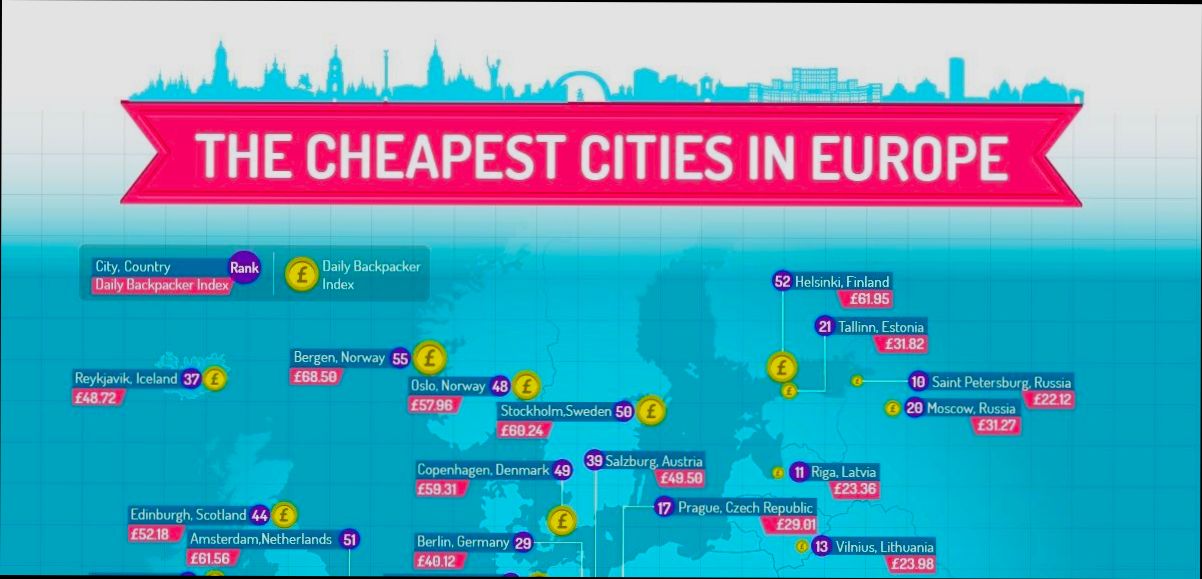
When considering where to live in Europe, understanding the cost of living across different cities is essential. Each city offers unique benefits and expenses that can deeply affect your experience and budget. Let’s dive into some key comparisons to help you grasp how costs vary across European cities.
Key Points of Comparison
- Housing Costs: In cities like Bucharest, Romania, the average rent for a one-bedroom apartment is around €400, while in Dublin, Ireland, you might pay double that—approximately €1,500. This significant difference can greatly impact your monthly budget.
- Groceries: A recent study revealed that a basic grocery basket costs about €250 per month in Sofia, Bulgaria, whereas in Zurich, Switzerland, it can soar to €600 or more. This disparity illustrates how everyday essentials can vary significantly between cities.
- Transportation Expenses: Public transportation fares can also vary widely. For example, a monthly transport pass in Warsaw, Poland, costs around €30, but in Amsterdam, it can reach €100. If you rely on public transport, that’s an important factor to consider.
- Dining Out: Eating out can add up quickly! In Lisbon, Portugal, an average meal in an inexpensive restaurant may cost you about €12, while in Paris, France, the same meal can set you back around €20.
Comparative Cost of Living Table
| City | Average Rent (1BR) | Groceries (Monthly) | Public Transport (Monthly) | Meal at Inexpensive Restaurant |
|---|---|---|---|---|
| Bucharest, Romania | €400 | €250 | €18 | €10 |
| Dublin, Ireland | €1,500 | €400 | €130 | €20 |
| Sofia, Bulgaria | €330 | €200 | €30 | €10 |
| Zurich, Switzerland | €2,500 | €600 | €90 | €25 |
| Amsterdam, Netherlands | €1,700 | €450 | €100 | €15 |
| Warsaw, Poland | €600 | €300 | €30 | €12 |
Real-World Examples
Let’s take a closer look at three cities:
- Bucharest: This city is one of the most affordable capitals in Europe. With lower rents and grocery costs, it’s possible to live comfortably on €1,000 a month, which is appealing for many expats.
- Dublin: Despite its vibrant culture and job opportunities, Dublin’s high rent and dining costs can be daunting. A budget of €2,500 to €3,000 might be necessary to enjoy a decent lifestyle.
- Sofia: With very reasonable living costs, Sofia allows for significant lifestyle flexibility. This city exemplifies affordability, with many finding it possible to live well on around €800 monthly.
Practical Implications for Readers
Understanding these cost variations can help you plan your move effectively. It’s essential to:
- Assess Your Budget: Determine how much you can afford to spend on housing, groceries, and entertainment. This will help focus your options on cities that fit your financial goals.
- Consider Quality of Life: Lower costs might correlate with fewer amenities or entertainment options. Make sure to balance your budget with lifestyle preferences.
- Research Local Deals: Often, local markets and restaurants provide more affordable prices compared to tourist hotspots. Being savvy about where and how you shop can lead to significant savings.
Actionable Advice
As you weigh your options, keep these facts in mind:
- Compare Lifestyle Needs: Research cities based on not just costs but your quality-of-life preferences. Consider aspects like healthcare, safety, and job opportunities.
- Understand Seasonal Fluctuations: Prices can vary seasonally. For instance, tourist-heavy cities might see prices rise during peak tourist seasons.
- Utilize Online Cost of Living Calculators: These tools can provide personalized insights based on your spending habits and lifestyle, helping you make better financial decisions.

An Analysis of Affordable Rental Markets
When you’re searching for the most budget-friendly rental options in Europe, it’s crucial to analyze how different cities stack up in terms of affordability. This segment focuses on understanding the dynamics of affordable rental markets, helping you grasp where you can find the best deals.
Key Factors Influencing Rental Affordability
Several elements play a significant role in shaping the rental market in European cities:
- Location: Proximity to amenities like schools, parks, and public transport influences rental prices.
- Size and Condition: More spacious apartments or newly renovated units tend to have higher rents.
- Local Economy: Cities with stable job markets often see increased demand for rental housing, impacting pricing.
Comparative Rental Market Analysis
To give you a clearer picture of affordable rental markets, here’s how some cities compare in terms of average monthly rent for a one-bedroom apartment:
| City | Average Monthly Rent (€) | % Change from Last Year |
|---|---|---|
| Timișoara | 350 | +2% |
| Sofia | 400 | +3.5% |
| Porto | 600 | +5% |
| Kraków | 590 | +1% |
| Zaragoza | 500 | ±0% |
Noteworthy City Insights
- Timișoara, Romania: This city has become increasingly attractive with its low rental costs, averaging €350 a month, making it a great option for students and young professionals alike.
- Sofia, Bulgaria: Known for its economic growth, Sofia presents an average rental price of €400, which reflects a modest rise of 3.5% compared to the previous year. The city also offers a vibrant cultural scene that draws renters.
- Porto, Portugal: While slightly more expensive at €600, Porto’s rental prices have seen a 5% increase, driven mainly by tourism and its allure as a lifestyle destination.
Practical Implications for Renters
Understanding these rental markets gives savvy renters an edge. Here are some actionable tips:
1. Research Local Amenities: Look for neighborhoods that balance affordability and access to essential services.
2. Consider Newly Developed Areas: Often, outskirts have more budget-friendly rents as they are in various stages of development.
3. Negotiate Rent: In less competitive markets, landlords may be open to negotiations, especially if you can offer a longer lease.
Specifics to Keep in Mind
- Always check recent rental trends in lesser-known neighborhoods to discover hidden gems.
- Keep an eye out for seasonal trends, as rental prices can fluctuate based on demand.
By delving into the specifics of affordable rental markets across Europe, you can strategically position yourself to snag the best deals available.
Cultural Experiences in Budget-Friendly Locations
Exploring cultural experiences in Europe doesn’t have to come with a hefty price tag. Many budget-friendly cities offer rich histories, vibrant arts, and delightful local traditions that you can experience without breaking the bank. Let’s dive into some of these exciting cultural opportunities available in affordable hotspots across Europe.
Key Points of Cultural Experiences
- Free Museums and Galleries: Many cities offer free access to museums and galleries on specific days or even year-round. For example, Prague hosts several museums with free admission like the Czech Museum of Music, allowing you to immerse yourself in local culture without spending a dime.
- Local Festivals: Numerous budget-friendly cities hold annual festivals that celebrate local culture with minimal entry costs. In Plovdiv, Bulgaria, the annual “Kapana Fest” highlights local art, food, and music, providing a great atmosphere for exploring Bulgarian culture.
- Street Art and Public Installations: Many affordable cities are rich in street art culture. Cities like Lisbon and Berlin have extensive street art scenes. You can take guided tours that often cost less than €10 or even explore independently, making it easy to appreciate local artistic expressions.
- Churches and Historic Sites: Many churches and historic buildings are free or have minimal entry fees. In Budapest, for instance, you can enter the stunning St. Stephen’s Basilica for about €3, allowing you to appreciate its architecture and history at a fraction of what you’d pay in other cities.
Cultural Experience Comparison Table
| City | Free Attractions | Average Art Festival Cost | Public Transport Cost | Local Cuisine Price |
|---|---|---|---|---|
| Prague | Yes | €10-€15 | €1.20 | €6 |
| Plovdiv | Yes | €5-€10 | €0.80 | €5 |
| Budapest | Yes | €8-€12 | €1.10 | €7 |
| Lisbon | Yes | €7-€10 | €1.50 | €8 |
Real-World Examples
- In Prague, you can participate in the “Prague Pride” festival, which celebrates LGBTQ+ culture and often includes a variety of free events. This not only allows you to engage in a vibrant community but also to learn about local social movements.
- Plovdiv’s annual “Night of the Museums” invites local residents and tourists to visit numerous cultural sites for free, offering a unique peek into the city’s historical treasures.
Practical Implications for Readers
When planning a trip to these affordable cities, consider scheduling your visit around local festivals or free-entry days for museums. You can enhance your cultural experience while keeping your budget in check by doing some research ahead of time. Look for city passes that often bundle multiple attractions for a lower overall price, making it easier to explore more.
Actionable Advice
1. Check event calendars for free cultural events or festivals during your chosen travel dates.
2. Use public transit to explore the city’s landmarks, which not only saves money but also gives you an authentic feel of the local vibe.
3. Visit local markets where you can experience authentic cuisine at lower prices than sit-down restaurants.
4. Don’t hesitate to engage with locals, as they can provide insider tips on hidden gems that offer affordable cultural experiences.
Impact of Travel Costs on City Choices
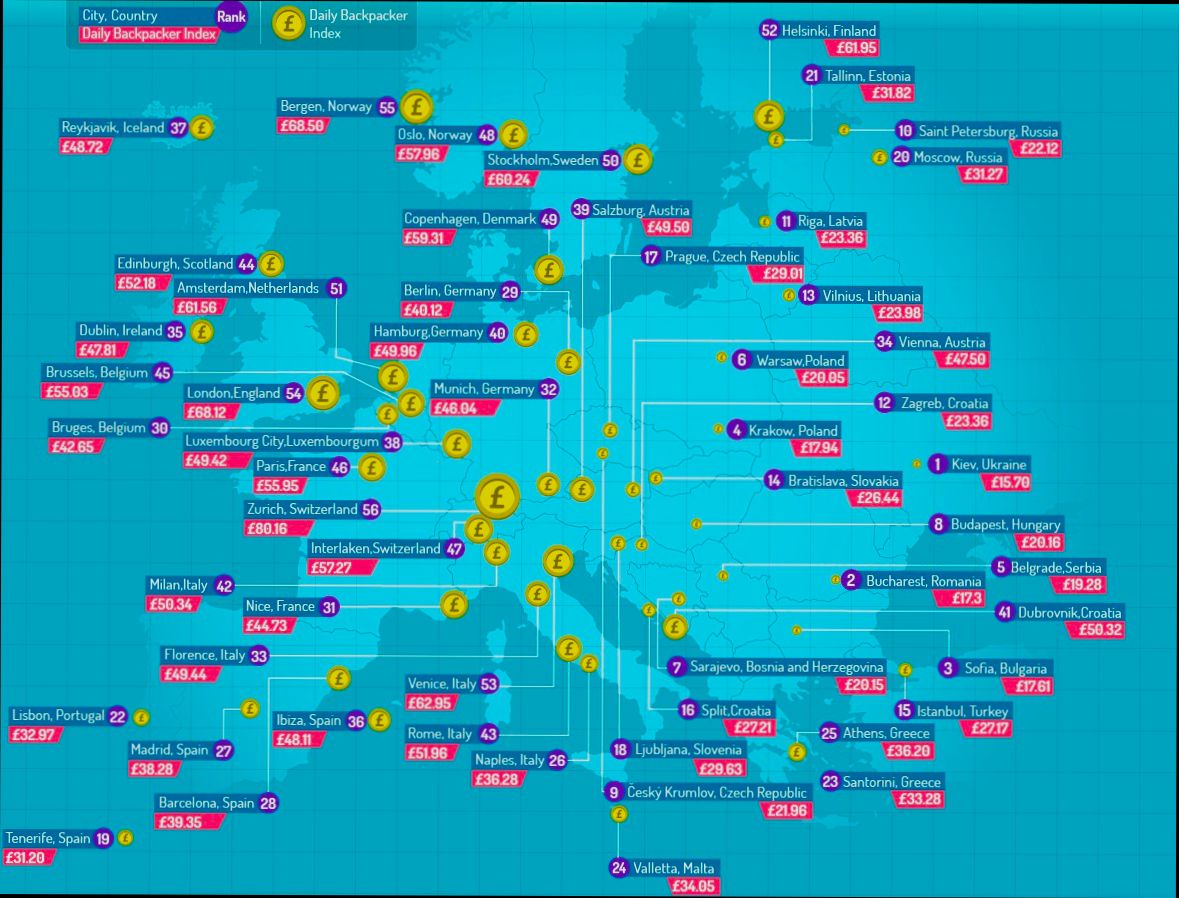
When choosing a city in Europe, travel costs can significantly influence your decision-making process. Understanding how distance, transportation modes, and airfare impact your overall budget allows you to pinpoint affordable options that won’t break the bank.
Key Influencing Factors
1. Airfare Variability: Flying into a city can range drastically in price, affecting the overall expense of a trip. Research indicates that low-cost airlines often offer fares that are up to 50% cheaper than traditional carriers, particularly for routes to cities like Prague or Lisbon.
2. Local Transportation Costs: Depending on the city’s public transport infrastructure, daily commuting costs can fluctuate. For example, a monthly public transportation pass in Budapest costs around €30, while in cities like Amsterdam, it can be closer to €90.
3. Distance from Major Hubs: The further you are from major airports or transport connections, the more you might end up spending on transportation. Cities like Berlin are more connected, which helps keep travel costs lower compared to more isolated cities.
4. Fuel Costs: If you plan on driving, gas prices can significantly influence travel decisions. In comparison, petrol costs in cities such as Warsaw can be approximately 20% lower than in cities like Milan, where fuel expenses can quickly add up.
Comparative Table: Average Travel Costs in Select Cities
| City | Average Airfare (Round Trip) | Monthly Transport Pass | Petrol Price per Liter |
|---|---|---|---|
| Prague | €100 | €27 | €1.20 |
| Budapest | €90 | €30 | €1.30 |
| Warsaw | €80 | €25 | €1.45 |
| Milan | €130 | €90 | €1.70 |
| Lisbon | €110 | €38 | €1.50 |
Real-World Examples
Consider the impact of air travel when choosing between Barcelona and Sofia. A flight from London to Barcelona can set you back around €150, while the same flight to Sofia might only cost €75. This substantial difference in airfare can make Sofia a more appealing choice for budget-conscious travelers.
Similarly, local transport efficiency can not only save you money but also time. Cities with well-structured public transportation, like Berlin, offer great value; a smooth ride across the city can cost you €85 monthly, compared to €70 in less organized cities.
Practical Implications
When planning your travels, consider these actionable tips:
- Book Early: Airfare fluctuates; securing a ticket early can lead to savings of up to 30%.
- Evaluate Land Transportation: Research public transport options in your destination city to understand costs and efficiencies.
- Consider Distance: If a city is further afield, calculate how that impacts your travel budget. Proximity to airports can save money.
- Car Options: Renting a car may be more cost-effective in cities with higher public transport fees, especially if you plan multiple day trips.
Having a thorough understanding of travel costs associated with different cities can dictate not just where you’ll go, but the overall quality of your experience there. Make informed choices based on the financial implications of your city selections.
Affordable Dining Options in European Cities
When traveling through Europe, enjoying local cuisine doesn’t have to break the bank. There are plenty of cities where delicious meals are available at wallet-friendly prices. Let’s dive into some affordable dining options across various European cities that will keep both your stomach and budget happy.
Budget-Friendly Meal Options
- Street Food: Many European cities boast vibrant street food scenes, which provide both local flavor and affordable prices. For instance, in Budapest, you can grab a filling lángos (fried flatbread) for as little as €3.
- Lunch Specials: Keep an eye out for “menu del día” or daily lunch specials, especially in Spain. These usually include a three-course meal and a drink for around €10 to €15.
- Ethnic Eateries: Cities like Berlin and Amsterdam are known for their diverse food cultures. Visiting immigrant-owned eateries can yield cost-effective and authentic dishes, like a hearty shawarma for about €5 in Berlin.
Dining Costs Comparison Table
| City | Average Meal at Inexpensive Restaurant | Street Food Price | Daily Lunch Special |
|---|---|---|---|
| Prague | €7 | €3 | €9 |
| Lisbon | €10 | €4 | €12 |
| Budapest | €6 | €3 | €8 |
| Warsaw | €5 | €2 | €10 |
| Sofia | €4 | €2 | €8 |
Real-World Dining Examples
In Prague, trying local dishes at a small family-run restaurant may start from just €7 for a generous plate of goulash and bread. Conversely, in Sofia, not only can you indulge in a deliciously hearty meal for €4, but you’ll also find numerous quaint bistros and cafes offering homemade traditions for a similar price.
In Lisbon, swinging by a local tasca for a codfish dish can be a delightful experience at €10. For a lighter option, a visit to one of the town’s vibrant street food markets could offer you various snacks at around €4 each, showcasing local delights like pastéis de nata.
Practical Tips for Budget Dining
- Avoid Tourist Traps: Steer clear of dining places that are clustered near major attractions. Look for eateries where locals gather to ensure both authenticity and cost-effectiveness.
- Explore Markets and Food Halls: Visiting local markets can be a great way to sample different dishes at a lower price. Places like the Mercato Centrale in Florence or the Foodhallen in Amsterdam have various vendors offering delicious options.
- Use Dining Apps: Apps like The Fork can help you find discounts and special offers on meals in many European cities, making your dining experience more affordable.
With a little exploration and an adventurous palate, you can savor authentic European cuisine without emptying your wallet. Whether it’s sitting down for a leisurely meal or munching on food from a vibrant street stall, affordable dining options are plentiful throughout the continent.

Advantages of Living in Cheaper Cities
Living in cheaper cities in Europe can be incredibly appealing, offering unique advantages that enhance your quality of life. By choosing a budget-friendly location, you not only save money but also unlock a plethora of benefits that can enrich your everyday experience.
Financial Flexibility
One of the standout advantages of residing in cheaper cities is the increased financial flexibility it provides. With lower living costs:
- Housing Affordability: You can often find larger living spaces or better-quality apartments compared to pricier cities. For instance, if you choose a city like Cluj-Napoca in Romania, you could benefit from average rent prices that are significantly lower—around €300 for a one-bedroom apartment.
- Increased Disposable Income: Saving on essentials can lead to about 20% more disposable income, allowing you to invest in experiences rather than just surviving month-to-month.
Enhanced Lifestyle Options
Living in a budget-friendly city doesn’t mean sacrificing lifestyle quality. In fact, you can enjoy:
- Frequent Dining Out: With average meal prices around €10 in cities like Warsaw, you can afford to dine out more often without putting a dent in your wallet.
- Better Travel Opportunities: Cheaper cities often allow for easy access to public transport or budget airlines, giving you the chance to travel across Europe more frequently and economically.
Community and Connection
Cheaper cities tend to foster a sense of community that can be hard to find in more expensive metropolises. Key points include:
- Vibrant Local Scenes: In places like Porto, Portugal, lower costs enable grassroots cultural movements and local businesses, enriching the community life around you.
- Easier Networking: More affordable living can lead to a more diverse mix of residents who may share your interests, making it easier to forge meaningful connections.
| Aspect | Cheaper City Example (e.g., Porto) | Expensive City Example (e.g., London) |
|---|---|---|
| Average Rent (1-BR Apt) | €600 | €2,000 |
| Dining Out (Per Meal) | €10 | €25 |
| Monthly Transport Pass | €30 | €150 |
| Leisure Activities | €50 | €200 |
Real-world Examples
Cities like Timișoara in Romania serve as a case study for these advantages. The average rent is only €350, which allows residents to enjoy a higher standard of living:
- Cost-efficient Amenities: With cheaper services (like fitness classes costing about €20 a month), you can prioritize your health and wellness without financial worries.
- Cultural Festivals: The city hosts numerous festivals that are low-cost, enabling you to explore local culture without impacting your budget.
Practical Implications for Your Life
If you are considering relocating to a cheaper city, take the opportunity to:
- Budget Wisely: Focus on how much you can save on rent, groceries, and transportation. Use that surplus for travel or savings.
- Engage with Local Life: Dive into community events that often have low or free entry costs, enriching your social life.
Understanding the advantages of living in cheaper cities can empower you to make informed choices that enhance your overall well-being. Take charge of your future by exploring vibrant, economical locations that offer more than just financial benefits.
Statistical Insights on Living Expenses
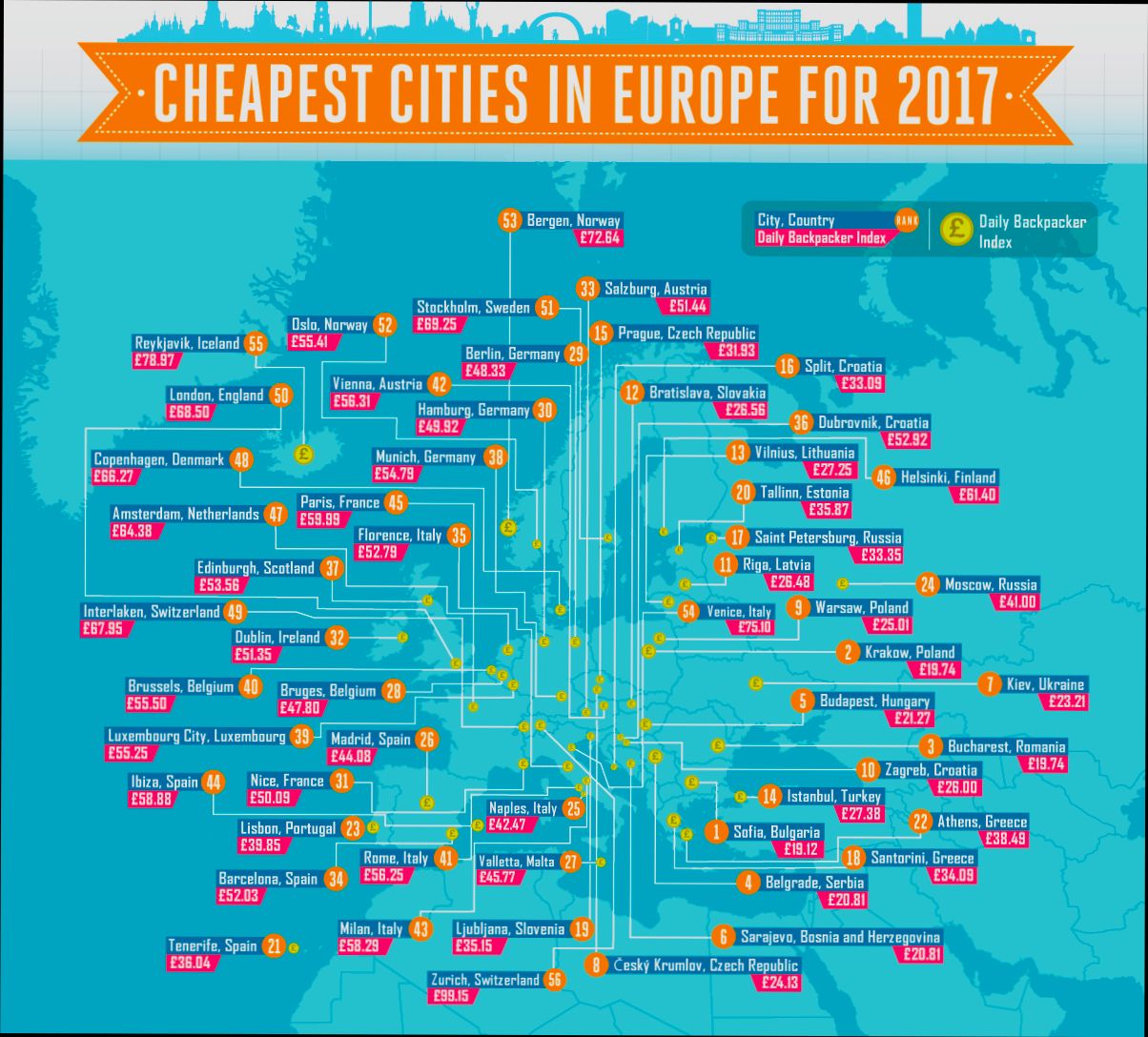
Understanding the statistical insights on living expenses is crucial for anyone contemplating a move to a more affordable European city. Let’s delve into the numbers that provide a clearer picture of how costs have evolved and what you can expect when budgeting for life in Europe.
Key Statistics
- From 2022 to 2023, the Consumer Price Index (CPI-U) rose by 4.1%. This rate, while lower than the 8.0% increase observed from 2021 to 2022, still reflects significant inflationary pressures that consumers must navigate.
- Specifically, key areas like food away from home saw prices increase by 7.1% in 2023, following a 7.7% increase in the previous year.
- Interestingly, the average annual expenditures adjusted to $77,280 in 2023, marking a 5.9% increase from 2022’s average of $72,967.
Expenditures Breakdown
Here’s a detailed look at how various spending categories have shifted:
| Major Spending Category | 2022 Expenditure (USD) | 2023 Expenditure (USD) | Percentage Change |
|---|---|---|---|
| Food | 9,343 | 9,985 | 6.9% |
| Housing | 24,298 | 25,436 | 4.7% |
| Transportation | 12,295 | 13,174 | 7.1% |
| Healthcare | 5,850 | 6,159 | 5.3% |
| Education | 1,335 | 1,656 | 24.0% |
Real-World Examples
Let’s take a look at how some of these figures play out in reality:
- If you chose to eat out regularly in cities like Prague or Budapest, you might find that rising food costs have increased your monthly dining budget by approximately €100 compared to previous years. This is significant for social dining or entertainment.
- Housing costs in cities such as Sofia, Bulgaria, and Vilnius, Lithuania, have remained relatively stable, yet with an upward trend in renting costs. For instance, typical annual rent in these cities has increased by around 5-7%, making it essential for renters to budget more effectively.
- Transportation expenses have surged, with cities like Milan witnessing increases in public transport fares. If you rely on public transport, expect to spend about €100 more annually than you did a couple of years ago.
Practical Insights
As you plan your move or budget for life in a different city, consider these actionable insights:
- Monitor Inflation Trends: Keep an eye on the CPI and other economic indicators that impact everyday costs. This is especially useful for predicting fluctuations in rent and food prices.
- Budget Extra for Food: Given the rise in restaurant prices, if you’re accustomed to dining out at least a few times a week, adjust your food budget by at least 6-10% to accommodate these rising costs.
- Transportation Adjustments: With public transport costs climbing, if you’re in a city where commuting is essential, set aside additional funds for this expense. Even a small percentage increase can accumulate over a month.
These insights can help avoid financial surprises and ensure a smoother transition to your new, budget-friendly life in Europe. Always remember to stay informed about local economic changes to adjust your plans accordingly.