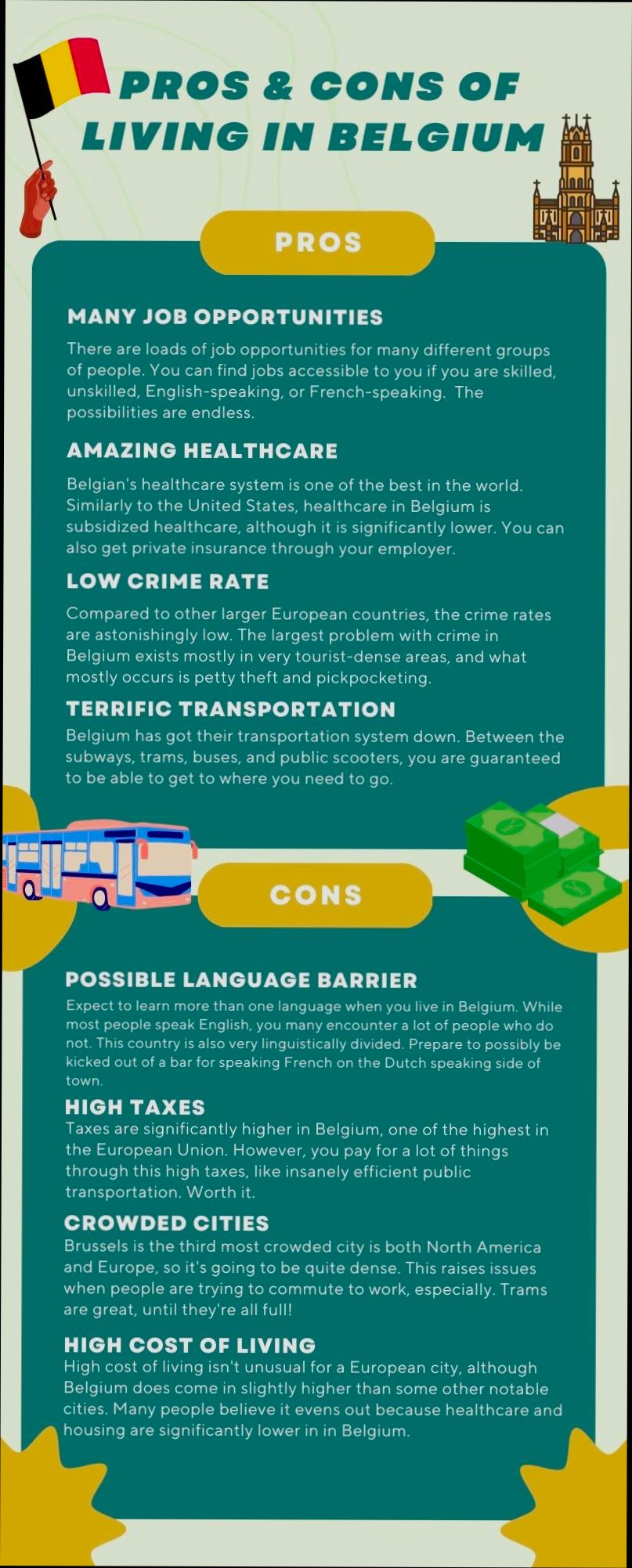
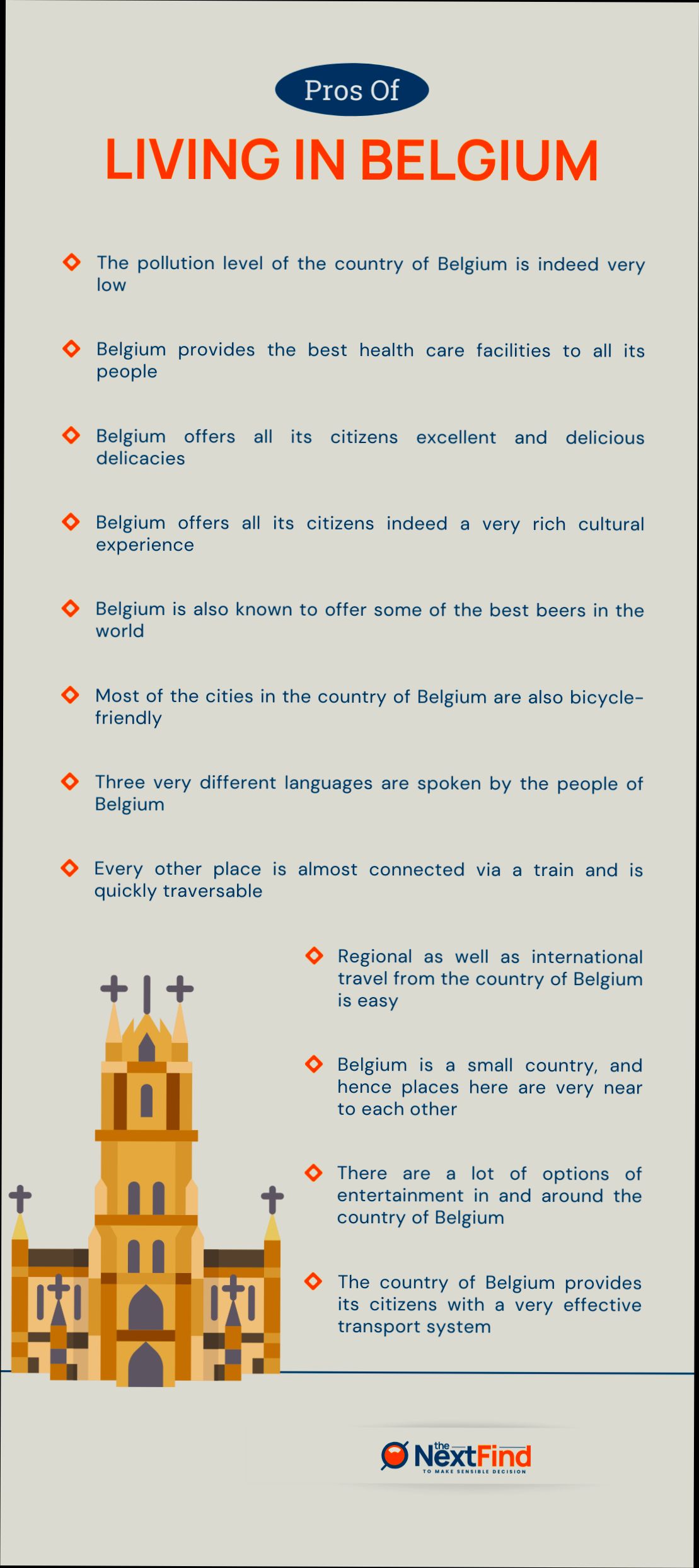
Pros and Cons of Living in Belgium can spark plenty of debates, and for good reason! On the one hand, Belgium boasts a vibrant culture with rich traditions, world-class chocolate, and quirky festivals like Carnival of Binche. You can hop on a train and find yourself in Paris in just over an hour, or enjoy the scenic views of the Ardennes region without breaking a sweat. With three official languages—Dutch, French, and German—you’ll never run out of ways to challenge your language skills or make new friends at local cafés. Plus, it’s pretty cool to live in a country that’s the headquarters of the European Union, giving you a unique front-row seat to international affairs.
Yet, let’s not gloss over the downsides. The weather often disappoints with its gray skies, and the infamous Belgian traffic can test your patience, especially in cities like Brussels. Despite being a small country, navigating the bureaucracy can be a headache, often leaving newcomers puzzled by differing regional regulations. And while the cost of living is reasonable in some areas, expats often find prices in cities like Antwerp and Ghent climbing higher than expected. So, as charming as Belgium may seem, there’s a lot to weigh when considering a move here.
Cultural Diversity and Social Integration
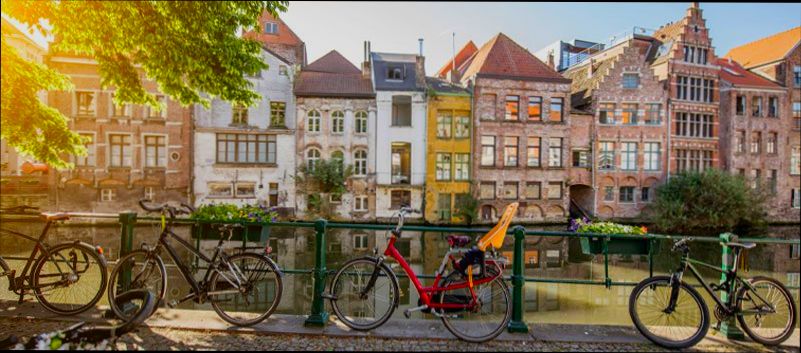
Belgium is a vibrant mosaic of cultures, offering a rich blend of communities that contributes to its unique identity. The integration of these diverse backgrounds is a dynamic process shaped by ethnic, linguistic, and religious factors, influencing everything from daily life to national policies.
One of the key aspects of cultural diversity in Belgium is its multilingual landscape. Approximately 60% of Belgians speak Dutch, 40% speak French, and a small percentage speaks German. With a significant immigrant population, including over 20% of residents born abroad, the social fabric of Belgium is continually evolving. This diversity opens the door to intercultural dialogue, but it also presents challenges in fostering genuine social integration.
Key Points on Cultural Diversity and Social Integration
- Belgium ranks as one of the top EU countries for social exclusion experiences among migrants, with 32% reporting feeling marginalized.
- According to research, cultural diversity has a positive impact on creativity and innovation. Businesses in multicultural areas have been shown to be 30% more innovative than their less diverse counterparts.
- In Brussels, about 50% of the population is foreign-born, creating a vibrant yet complex environment for integration initiatives.
| Aspect | Percentage (%) | Example |
|---|---|---|
| Foreign-born Population | 50% | In Brussels, this leads to diverse neighborhoods. |
| Multilingual Households | 40% | Households engaged in more than one language. |
| Social Exclusion in Migrants | 32% | Highlighted by feelings of marginalization. |
Real-world Examples of Cultural Diversity & Integration
Consider the case of the Carnaval de Binche, a UNESCO-recognized event that showcases Belgium’s rich blend of traditions. This festival attracts participants and visitors from all walks of life, fostering communal bonds among diverse groups. Events like this promote a sense of belonging and appreciation for cultural differences, demonstrating that integration does not mean losing one’s heritage.
Moreover, the city of Antwerp has implemented programs that focus on cultural exchange among residents. For instance, through community centers, they host monthly gatherings where locals and immigrants share food, stories, and traditions. This initiative has led to a 25% increase in positive intergroup relations, according to surveys conducted in the community.
Practical Implications for Readers
Embracing cultural diversity can lead to enhanced personal experiences and social cohesion. Here are some actionable insights:
- Engage with local cultural events to meet people and learn about their backgrounds.
- Participate in language exchange programs to help bridge communication gaps.
- Support local businesses owned by immigrants to encourage economic integration.
Actionable Advice on Cultural Diversity and Social Integration
- Educate yourself about different cultures represented in your area; this fosters understanding and respect.
- Volunteer at local organizations that promote multicultural initiatives; hands-on participation can enrich your perspective.
- Advocate for inclusive policies that support equal opportunities for all community members, reinforcing the importance of a cohesive society amidst diversity.
Cost of Living and Housing Statistics
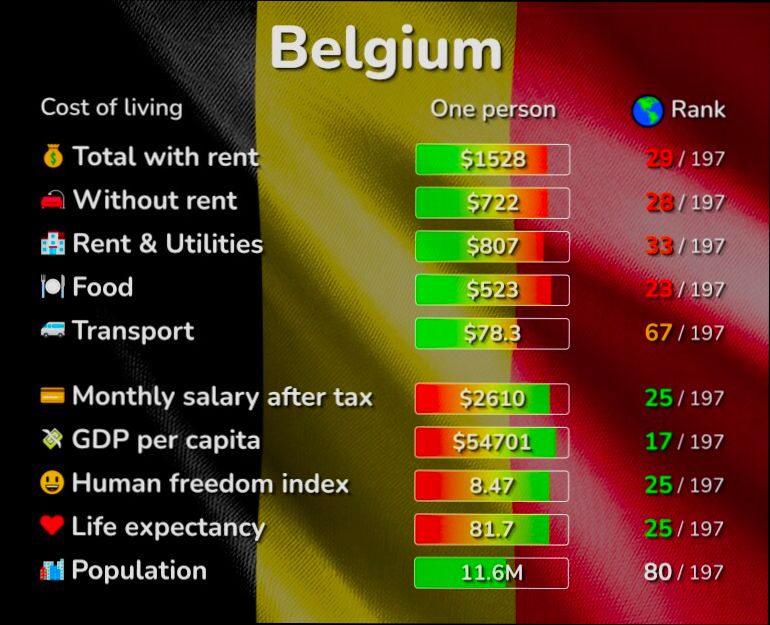
Living in Belgium presents a unique financial landscape that’s worth exploring. Understanding the cost of living and housing statistics can help you better navigate the financial implications of moving to or residing in this beautiful country.
Cost of Living Overview
Belgium’s overall cost of living is relatively high in comparison to some neighboring European countries. For instance, the average monthly expenditure for a single person is around €900, while a family of four typically spends about €3,000 monthly. Here’s a quick breakdown of some major expenses:
- Groceries: Approximately €300-€500 per month for a single person.
- Public Transport: Monthly passes cost around €50-€60.
- Utilities: Average monthly costs for basic utilities can range from €150 to €250.
Housing Statistics
Housing costs can significantly impact your budget in Belgium. In general, rent in the capital city, Brussels, stands out compared to other regions. Here’s a quick summary of average rental prices:
| City | 1-Bedroom Apartment | 3-Bedroom Apartment |
|---|---|---|
| Brussels | €1,200 | €2,200 |
| Antwerp | €900 | €1,500 |
| Ghent | €800 | €1,300 |
Renting a property in Brussels can consume up to 37% of a household’s monthly income, making it one of the more expensive options in Belgium. In other cities like Ghent and Antwerp, the ratio of rent to income can be more favorable.
Real-World Examples
For someone moving to Antwerp, renting a 1-bedroom apartment in the city center can cost around €900, while a similar apartment just outside the city costs closer to €700. If you’re open to sharing accommodations, you might find a room for about €400-€500 in a shared apartment. This can lead to significant savings.
In Brussels, a family might opt for a three-bedroom apartment for €2,200, which could accommodate a couple and their children comfortably. In contrast, living in a suburb could reduce the rent to €1,800 for a similar property.
Practical Insights
As you consider living in Belgium, here are some practical insights into the cost of living and housing:
- Negotiate Rental Agreements: Many landlords may be open to negotiation, especially if you’re willing to commit to a longer lease.
- Consider Suburbs for Savings: Living slightly outside urban areas can significantly lower your housing costs while still providing good access to city amenities.
- Use Budget Calculators: Online tools can help estimate your monthly budget, factoring in rent, utilities, and daily expenses to give you a clearer financial picture.
Specific Facts to Keep in Mind
- Research shows that about 30% of residents claim their housing costs exceed their budget, highlighting the importance of careful planning.
- If you’re considering buying property, be prepared for additional costs such as registration fees and property taxes, which can total around 10% of the purchase price.
- Finding affordable housing may take time, so it’s wise to start your search early, especially in popular cities like Brussels and Ghent.
Public Transportation: Efficiency and Accessibility
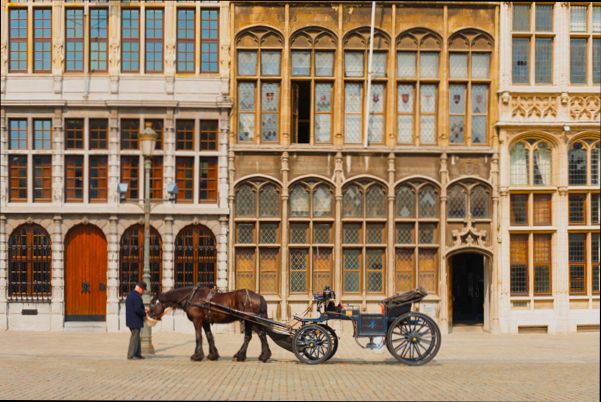
Living in Belgium introduces you to a well-developed public transportation system that’s recognized for its efficiency and accessibility. Understanding the nuances of this system can significantly enhance your commuting experience, making it easier to navigate both urban and rural areas.
Key Points on Efficiency and Accessibility
Belgium boasts one of the most efficient public transportation systems in Europe, featuring a comprehensive network of trains, buses, and trams. Here are some critical statistics that highlight its effectiveness:
- Train Service: Around 89% of trains run on time, making it a reliable choice for travelers.
- Coverage: Public transport has extensive coverage, reaching over 90% of urban areas and many rural locales.
- Affordability: A monthly transportation pass costs approximately €50, offering unlimited travel within specified zones.
Comparative Overview of Public Transport Options
| Transportation Type | Coverage Area | Average Cost | On-Time Performance |
|---|---|---|---|
| Trains | National | €50/month | 89% |
| Buses | Urban & Suburban | €2.50/ticket | 85% |
| Trams | Major Cities | €2.50/ticket | 80% |
Real-World Examples
In major cities like Brussels and Antwerp, the integration of trams and buses enables seamless transitions between modes of transport. For instance, in Antwerp, the combination of tram services and express buses provide a direct route to the Antwerp International Airport, underscoring the accessibility aspect. Furthermore, the STIB-MIVB service in Brussels offers an app that tracks vehicle schedules in real-time, increasing convenience for daily commuters.
Practical Implications for Residents
For residents or new arrivals in Belgium, taking advantage of the public transport system can lead to significant cost savings on commuting. Utilizing monthly passes can reduce spending compared to daily tickets, especially for those commuting regularly.
Accessing public transport is straightforward, with most stations equipped with ramps, allowing ease of movement for individuals with mobility challenges. Moreover, language barriers are minimally impactful, as many services are available in both French and Dutch, along with English options.
Actionable Facts and Advice
- Always Check the Schedule: Utilize transport apps like Trainline or SNCB to keep track of train times and platform updates.
- Consider Zones: Familiarize yourself with the zone system for pricing to choose the most economical travel routes.
- Explore Discounts: Look into special discounts for students, seniors, or groups that can further reduce your transport costs.
Engaging with Belgium’s public transportation system can incredibly simplify your daily commute while providing access to the country’s rich cultural tapestry.
Healthcare Quality and Accessibility in Belgium
When it comes to healthcare, Belgium offers a quality system that many expats find appealing. You can expect comprehensive medical services, a solid public health infrastructure, and a variety of healthcare professionals ready to assist you. Yet, the accessibility and efficiency of these services can vary based on several factors, including your location and health coverage.
Key Points on Healthcare Quality and Accessibility
- High Healthcare Standards: Belgium boasts one of the best healthcare systems in the world, consistently ranking in the top tiers of health indices. According to recent studies, the life expectancy in Belgium is around 82 years, reflecting the quality of healthcare and public health initiatives in the country.
- Universal Healthcare Coverage: Approximately 97% of the population is covered by a conventional healthcare insurance plan. This includes access to hospitals, general practitioners, and specialists, ensuring that most medical needs are met.
- Availability of Specialists: Belgium has a high concentration of healthcare providers, with around 12.3 doctors per 1,000 people. This statistic highlights the accessibility of medical advice and treatment, reducing waiting times for specialist appointments.
- Emergency Services: In urban areas, you can generally expect to reach an emergency room within a 15-minute response time. The efficiency of emergency services has been greatly enhanced by a well-coordinated public health system.
| Aspect | Details |
|---|---|
| Life Expectancy | 82 years |
| Healthcare Coverage | 97% population insured |
| Doctors per 1,000 | 12.3 doctors |
| Emergency Response Time | Average 15 minutes |
Real-World Examples
For example, expats living in Brussels often find that they can receive treatment quickly in private hospitals like the Clinique du Parc. Patients report that the staff speaks multiple languages, which significantly eases communication barriers.
In Flanders, a community health initiative has been implemented to provide home care for the elderly, showcasing Belgium’s commitment to accessible healthcare, especially for vulnerable populations. This not only improves quality of life but also alleviates pressure on hospitals.
Practical Implications for Readers
If you plan to live in Belgium, consider the following:
- Get Insured: Ensure you’re signed up for one of the healthcare insurance options available to you. This will facilitate easier access to medical services and reduce out-of-pocket expenses.
- Explore Medical Facilities: Take the time to find healthcare providers near your residence. Knowing where to go for general care, emergency services, and specialists will save you time when you need it most.
- Language Considerations: While many healthcare providers speak English, having a basic understanding of French or Dutch can be helpful. It may ease your interactions and ensure you receive the care you need without misunderstandings.
Specific Facts and Actionable Advice
- Proactive Health Checks: Participate in preventive healthcare measures such as regular check-ups and vaccinations, which are easily accessible through your GP.
- Consider Local Health Initiatives: Look into local health programs that might offer additional services, such as mental health support or chronic disease management, to enhance your overall well-being while living in Belgium.
Work-Life Balance: Opportunities and Challenges
Living in Belgium presents a unique blend of opportunities and challenges when it comes to work-life balance. As an expat or resident, you might wonder how the local culture and various employment policies can affect your daily life. Let’s dive deeper into how Belgium’s work environment shapes your ability to maintain that all-important balance between your career and personal life.
Key Points on Work-Life Balance
- Legal Framework: Belgium offers robust labor laws designed to protect employees. For instance, the standard workweek is capped at 38 hours, allowing for more leisure time compared to countries with longer workweeks.
- Annual Leave: On average, employees in Belgium enjoy five weeks of paid vacation each year. This generous time-off policy encourages individuals to recharge and spend quality time with family and friends.
- Parental Leave: In Belgium, new parents are entitled to four months of parental leave, which can be taken by either parent. This flexibility supports family care and allows parents to juggle both their professional responsibilities and family life.
| Work-Life Balance Element | Belgium’s Statute | Comparative Notes |
|---|---|---|
| Standard Workweek | 38 hours | Lower than the EU average of 40 hours |
| Paid Vacation Days | 25 days (5 weeks) | Above the EU average of about 20-25 days |
| Parental Leave | 4 months | Generous compared to the typical EU entitlement of up to 16 weeks |
Real-World Examples
Consider the case of Sophie, a marketing manager in Brussels. She benefits from flexible working hours that allow her to leave the office earlier to pick up her children from school. This arrangement has greatly improved her work-life balance, as she can balance her professional obligations with family time.
Another example is Tom, an engineer working in Antwerp, who takes advantage of Belgium’s extensive vacation policy. He consistently utilizes his five weeks of paid vacation to travel with his family, which has enhanced their relationships and well-being.
Practical Implications for Readers
To make the most of your work-life balance in Belgium, consider these actionable tips:
- Embrace Flexible Work Policies: If your employer offers remote or flexible working options, take advantage of these benefits to manage your time better.
- Utilize Your Vacation: Make a plan to use your vacation days rather than letting them accrue unused. Prioritize trip planning or quality time with loved ones to recharge.
- Engage in Community Activities: Join local recreational or hobby groups that align with your interests. This can help you unwind while also making new social connections outside of work.
Specific Facts and Advice
- Work-Life Satisfaction: Approximately 63% of Belgians report being satisfied with their work-life balance, according to recent studies. This indicates a generally positive environment for achieving balance.
- Networking Opportunities: Participating in professional associations or local community groups can lead to better understanding and resources for managing work-life balance.
- Mind Your Commute: With public transport options like trains and trams, consider living near your workplace to reduce travel time, which can free up hours for personal activities and relaxation.
By focusing on these aspects, you can navigate the unique landscape of work-life balance in Belgium effectively.

Culinary Delights: A Taste of Belgium
Belgium’s culinary scene is a feast for the senses, offering a rich tapestry of flavors that reflect its diverse heritage. With iconic specialties ranging from savory to sweet, every bite invites you into the country’s unique gastronomic culture. Let’s delve into some of the must-try delights that showcase the heart of Belgium’s culinary landscape.
Iconic Belgian Specialties
- Chocolate: Renowned worldwide, Belgian chocolate is celebrated for its smooth texture and rich flavors. With a staggering 2,000 chocolatiers in Belgium, each produces exquisite pralines and unique confections that delight every chocolate lover.
- Beer: Belgium boasts over 1,000 different types of beer, each with distinct flavors, brewing methods, and traditions. From Trappist ales brewed by monks to sour lambics fermented with wild yeast, the beer landscape in Belgium is nothing short of an adventure.
- Speculoos: These spiced cookies are traditionally enjoyed with coffee. Made with brown sugar, cinnamon, and nutmeg, speculoos cookies are a beloved treat and have inspired various desserts, including speculoos ice cream and spreads.
Belgian Delicacies Table
| Specialty | Description | Uniqueness |
|---|---|---|
| Belgian Waffles | Light and fluffy, served with toppings | Variants like Brussels and Liège |
| Moules-frites | Mussels steamed in broth served with fries | A perfect pairing with beer |
| Flemish Stew | Beef slow-cooked in beer with onions and spices | Rich, hearty, and comforting |
| Carbonnade | A traditional beef stew, often made with beer | Infused with sweet notes from onions |
| Endive Gratin | Chicory baked with cheese and ham | A local twist on a comforting classic |
Celebrating Tradition
When you visit local markets or dining establishments like Taste of Belgium, you’ll see these specialties showcased beautifully. For instance, the concept of “brasseries” evolved into a beloved cultural dining experience, featuring hearty meals and outstanding local beers. You might savor mussels paired with fries during a casual evening out, soaking in the atmosphere and flavors.
Moreover, Belgium’s passion for its culinary roots is reflected in its gastronomic events, such as chocolate festivals and beer tastings, which are held throughout the year. These events provide a platform to explore Belgian specialties in depth and engage with local chefs and producers.
Practical Dining Tips
If you’re eager to dive into Belgium’s culinary delights, here are a few practical tips:
- Try Street Food: Don’t miss the opportunity to taste freshly made waffles or frites from street vendors; both offer authentic flavors at a fraction of the cost found in restaurants.
- Join Local Tastings: Look for culinary tours or tasting events that allow you to sample multiple specialties in one outing, ensuring you get a broad sense of Belgium’s rich variety.
- Pair Your Meals: Always consider pairing your meals with local beer; it not only enhances the flavors but also deepens your appreciation for the culinary experience.
By exploring these culinary delights, you’ll immerse yourself in Belgium’s food culture and experience its rich traditions firsthand. Take the time to savor each bite and sip, and you’ll develop a deeper understanding of what makes Belgium a gastronomic gem in Europe.
Weather Patterns and Their Impact on Lifestyle
Living in Belgium means experiencing a diverse range of weather patterns throughout the year. The country’s climate can significantly influence your daily life, from what you choose to wear to how you plan your activities. Let’s delve into some specific aspects of weather patterns and their tangible impacts on our lifestyles in Belgium.
Key Factors Affecting Lifestyle
Understanding the different weather elements is crucial as they affect lifestyle choices in several ways:
- Temperature: Average temperatures in Belgium can vary dramatically, affecting clothing choices and outdoor activities.
- Precipitation: Belgium is known for its rain. With an average of 200 rainy days per year, it impacts everything from agriculture to daily commuting.
- Wind: Belgium experiences varying wind conditions, which can influence outdoor events and recreational activities.
Comparative Data on Weather and Lifestyle
| Weather Factor | Impact on Lifestyle | Average Measurement (Belgium) |
|---|---|---|
| Average Rainfall | Affects outdoor events and agriculture | Approx. 700 mm annually |
| Wind Speed | Influences comfort levels in outdoor settings | Average 12 km/h |
| Temperature Range | Determines seasonal clothing needs | 0°C in winter to 25°C in summer |
Real-World Examples
1. Agricultural Planning: Farmers in Belgium rely on consistent weather patterns to make critical decisions about planting and harvesting. For example, wetter seasons often lead to better crop yields, while unexpected dry spells can threaten production.
2. Tourism: Belgium’s weather significantly affects tourism, especially in regions known for outdoor activities. For instance, cities like Bruges see a drop in visitors during cold, rainy winter months, impacting local businesses dependent on tourists.
3. Health Risks: As increased temperatures become more common due to climate change, the health risks associated with heatwaves become a concern. In warmer years, heat-related illnesses tend to rise, affecting not just outdoor activities but also general wellbeing.
Practical Implications for Daily Living
- Dress Accordingly: Investing in a good quality raincoat and adaptable clothing is essential in culture-rich Belgium, where weather can change rapidly. Layering is key, as temperatures can fluctuate throughout the day.
- Plan Ahead: Due to high precipitation, having a flexible schedule helps in avoiding potential disruptions to outdoor plans. Utilizing weather apps like AccuWeather or Weather.com can offer real-time updates to help you make informed decisions.
- Stay Informed: Being aware of wind speeds can inform not just comfort levels when out and about, but also safety during severe weather. Regular checks on local forecasts can enhance your daily life.
By understanding Belgium’s distinctive weather patterns, you can better adapt your lifestyle to enjoy all that this picturesque country has to offer despite its variable climate.