What are the Costs Involved When Renting a House in Portugal? If you’re thinking about making a move to this beautiful country, it’s essential to know that renting isn’t just about the monthly rent itself. For instance, in Lisbon, you might find a cozy one-bedroom apartment in a central area for around €1,200, but that’s just the tip of the iceberg. Beyond the rent, you’ll be looking at additional costs like property taxes, which can add another 5-25% of your monthly expenses depending on the property value and local regulations.
Don’t forget about utilities; these can range from €80 to €150 a month, depending on your lifestyle and usage. Add in your internet and phone bills, and you’re looking at around €30 to €50 more, depending on your package. And let’s not overlook the initial deposits—typically one or two months’ rent upfront—plus potential fees for real estate agents if you’re going that route. All those costs can quickly stack up, making it crucial for you to budget wisely before you settle into your new Portuguese home.
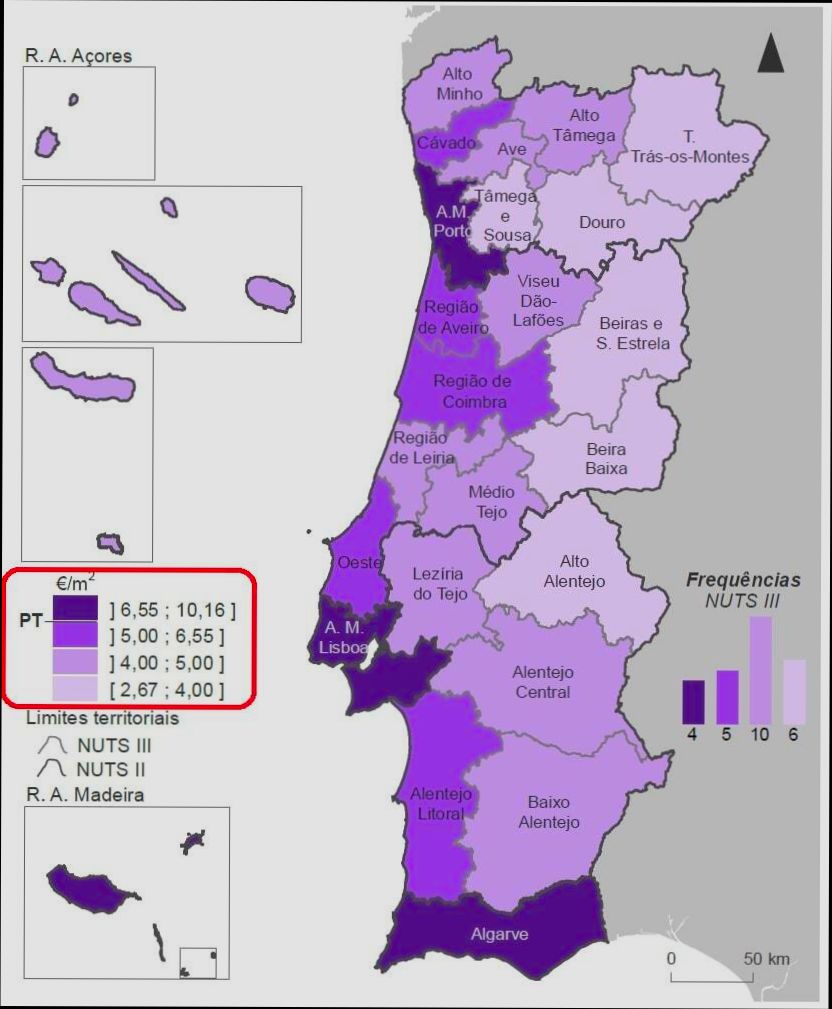
Understanding Monthly Rental Costs
When navigating the rental market in Portugal, grasping the full picture of monthly rental costs is essential. It’s not just about the base rent; many additional factors contribute to what you’ll end up paying each month. Let’s break down these costs, so you can budget effectively and avoid any surprises.
Key Points on Monthly Rental Costs
1. Base Rent: This is your starting point and typically depends on the property’s size, location, and condition. In competitive areas, base rents can reflect market demand significantly.
2. Property Management Fees: If you’re renting through a property manager, expect to pay around 8% – 12% of your monthly rent in management fees. This covers their services, which can be quite valuable.
3. Utilities: Whether utilities are included in your rent varies by property. In some cases, landlords cover basic utilities, while in others, you’ll be responsible for expenses such as electricity, water, and internet. Always clarify what’s included to budget accurately.
4. Maintenance and Upkeep: Setting aside around 1% – 2% of your rental income for maintenance is a wise strategy. This can help cover unexpected repairs or general upkeep of the property.
| Cost Component | Percentage or Approximation | Additional Notes |
|---|---|---|
| Property Management Fees | 8% - 12% | A significant cost if using a manager |
| Utilities | Variable (may be included) | Confirm with your landlord |
| Maintenance Reserve | 1% - 2% of rent | Helps manage sporadic expenses |
Real-World Examples
For example, if you’re renting a property for €1,000 per month, you might pay an additional €80 - €120 for property management fees. Let’s say utilities aren’t included; you could expect to pay an extra €150 - €200 monthly for electricity and water, depending on usage. In this scenario, your actual monthly expenditure could reach around €1,300 - €1,400.
Additionally, if you’re saving for maintenance, factor in another €10 - €20 to set aside each month. Over a year, this builds a solid fund for repairs, which will come in handy when the need arises.
Practical Implications
Understanding these costs helps you create a more accurate budget. Always factor in potential increases in utility costs and property management fees, especially in high-demand rental markets where prices can fluctuate. Knowing these figures upfront prepares you for a clearer financial commitment and can assist in negotiating better rental terms.
Moreover, it’s advisable to keep a detailed spreadsheet to track all these expenses month over month. The clearer your financial picture, the better decisions you can make, whether negotiating rent, budgeting for amenities, or planning for future rental commitments.
Lastly, do not underestimate the power of research. Contact local utility companies to get an idea of typical monthly costs, which can significantly influence your overall budget.
Additional Fees Beyond Rent
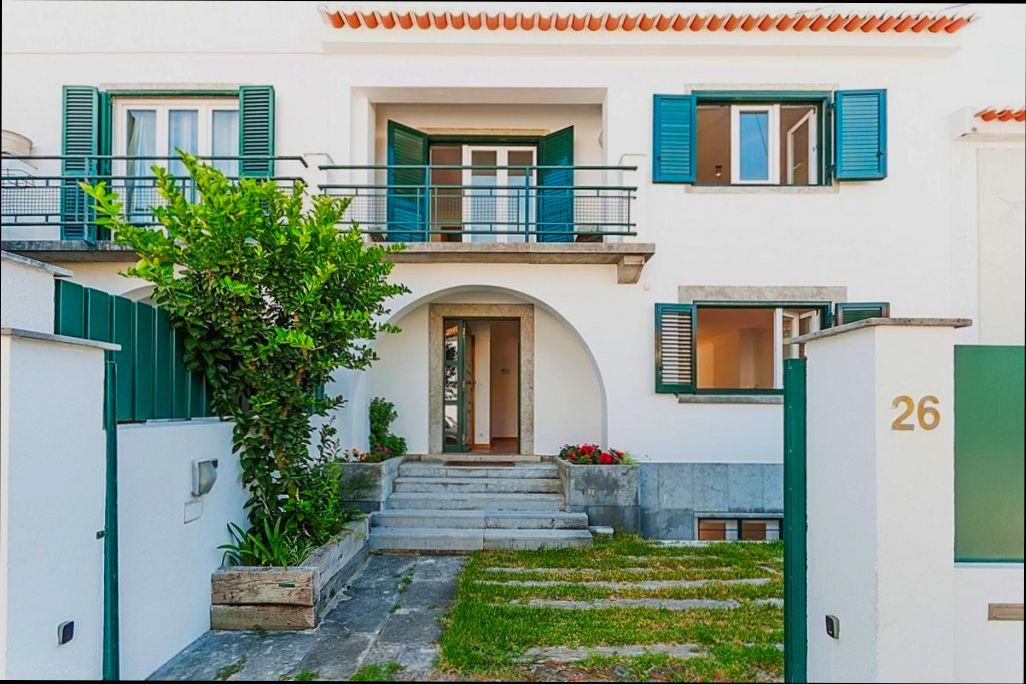
When renting a house in Portugal, it’s essential to be aware that the monthly rent is just part of the financial picture. Various additional fees can arise, and understanding these will help you better prepare for your budget.
Common Additional Fees
Here are some of the typical additional fees you might encounter beyond the base rent:
- Pets: If you have pets, expect to pay extra charges, which can vary widely depending on the property. Landlords may impose a pet deposit or monthly pet fee.
- Parking: Designated parking spaces can come with their own fees. In urban areas, these charges can significantly impact your budget, sometimes adding €50 to €150 per month.
- Common Area Usage and Maintenance: Shared spaces like gardens or pools usually incur maintenance fees. This can be an additional €20 to €80 per month, depending on the amenities available.
- Utilities: While some utilities might be included, don’t assume all will be. Depending on the contract, you could need to budget an extra €100 to €250 for electricity, water, and internet.
- Taxes and Building Maintenance: Property taxes might also be partially passed on to you, especially in shared buildings. Additionally, maintenance of the structure and common areas can add another €30 to €100 monthly.
Breakdown of Additional Fees
| Fee Type | Estimated Monthly Cost | Notes |
|---|---|---|
| Pets (if applicable) | €30 - €100 | Varies based on the number/type of pets |
| Designated Parking Spaces | €50 - €150 | Depends on location and availability |
| Common Area Maintenance | €20 - €80 | For upkeep of shared facilities |
| Utilities (if not included) | €100 - €250 | Electricity, water, internet |
| Taxes (property-related) | €30 - €100 | May vary with building type |
Real-World Examples
Imagine you find a lovely two-bedroom apartment in Lisbon. The listed monthly rent is €1,200, but consider these potential hidden costs:
- Pet Fee: Your landlord may require a €50 monthly pet fee for your dog.
- Parking Fee: If you need a parking space, that adds an additional €100 per month.
- Utilities: With an estimated utility cost of €150, your overall payment might now total €1,500 monthly.
In another scenario, renting a modest flat in Porto may come with less stringent maintenance costs but could still include €80 for common area upkeep and an additional €50 for internet.
Practical Considerations
It’s wise to factor these additional fees into your overall budget before committing to a rental property. Always ask your landlord for a detailed breakdown of what’s included in the rent and what additional charges you might face. This knowledge can prevent unpleasant surprises.
Keep in mind that the requirement for certain fees may vary by region. In tourist-heavy areas, finding properties with all-inclusive pricing may be more challenging, leading to higher overall living costs.
By staying informed and asking the right questions, you can navigate these additional fees more effectively and secure a rental arrangement that suits your financial situation.
Regional Variations in Rental Prices
Understanding regional variations in rental prices across Portugal can significantly impact your budget and living experience. Different areas feature distinct real estate dynamics influenced by factors such as tourism, urban development, and local amenities. Let’s dive into how these regional differences can affect your rental costs.
Key Points on Regional Price Differences
1. Lisbon:
- The capital city has some of the highest rental prices in Portugal, with average monthly rents reaching approximately €1,400 for a two-bedroom apartment in central locations.
- The influx of international businesses and expats has driven prices up by around 10% over the past year.
2. Porto:
- Although Porto is slightly more affordable than Lisbon, the rental market has soared, with average two-bedroom apartments costing around €1,100. This represents a year-on-year increase of approximately 8%, fueled by rising tourism.
3. Algarve:
- Known for its stunning beaches, rentals here can vary widely. Coastal towns like Albufeira present rental prices around €1,200, while inland regions can drop to €800. The region’s appeal to seasonal tourists often inflates prices in the summer months.
4. Interior Regions:
- Areas like Alentejo typically offer much lower prices, with two-bedroom apartments averaging around €600. These regions cater to a more local market, resulting in rental costs reflecting the area’s economic status.
Comparative Rental Prices in Different Regions
| Region | Average Price (2-bedroom) | Yearly Increase (%) |
|---|---|---|
| Lisbon | €1,400 | 10% |
| Porto | €1,100 | 8% |
| Algarve | €1,200 (coastal)/€800 (inland) | Varied |
| Alentejo | €600 | 4% |
Real-World Examples
- Lisbon’s Bairro Alto: A two-bedroom apartment here can easily go for €1,800, particularly due to its nightlife and dining attractions. This area’s popularity contributes to higher rental costs, compared to the suburbs where prices may fall closer to €1,200.
- Porto’s Ribeira District: Tourists flock to this iconic waterfront area, which has escalated rental prices to about €1,350 for two bedrooms, displaying a significant uptick driven by demand.
- Algarve’s Tavira: While coastal properties can breach the €1,200 mark, a charming two-bedroom in Tavira can be found for €900, emphasizing the affordability within a short distance from tourist hotspots.
Practical Implications for Renters
When considering where to rent in Portugal, it’s essential to explore various regions according to your lifestyle, job opportunities, and budget. Here are some actionable insights:
- Research Local Markets: Focus on the community and local amenities to understand the rental landscape and avoid seasonally inflated prices.
- Consider Commute Options: Areas slightly outside major cities often provide cheaper rents with reasonable transport links.
- Plan for Seasonal Fluctuations: If you’re looking to rent in tourist-heavy areas, consider negotiating leases in off-peak seasons for more favorable terms.
Keep in mind that regional variations in rental prices actively shape your rental experience in Portugal, so aligning your choice with personal and financial goals is crucial.

Statistical Insights on Housing Rentals
When it comes to housing rentals in Portugal, understanding statistical insights can empower you to make informed decisions. The rental market is influenced by various factors, and knowing these can give you an edge in negotiations and budgeting.
Key Rental Market Insights
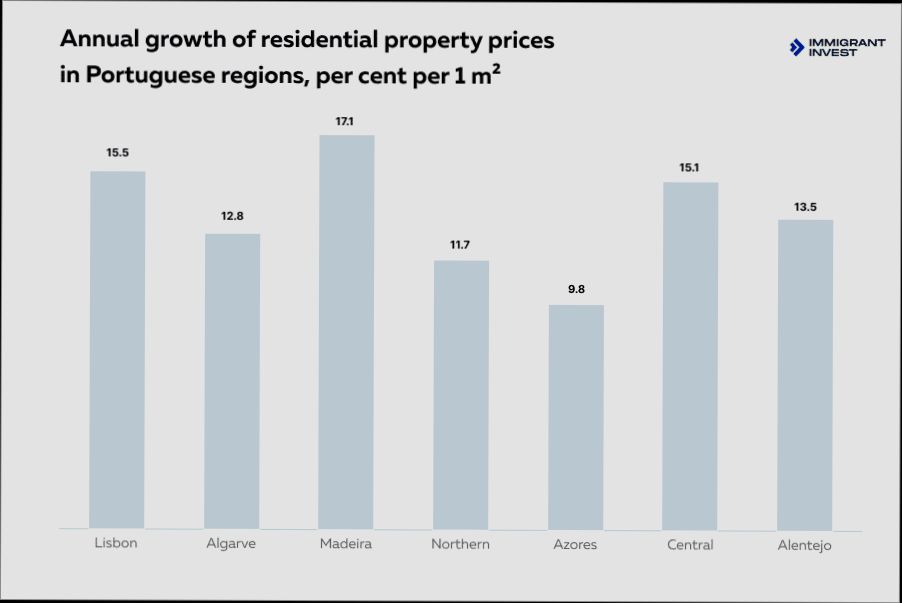
- Average Rent Increase: Over the past few years, rental prices in urban areas, especially in Lisbon and Porto, have increased by approximately 13% annually. This escalation underlines the growing demand for housing in these metropolitan regions.
- Rental Yield: Investors in the Portuguese rental market are experiencing an average yield of around 4.5% to 6% for residential properties. This statistic reflects a healthy return on investment, making Portugal an attractive market for property owners.
- Occupancy Rates: The average occupancy rate in major cities hovers around 90%. High occupancy levels indicate a competitive rental market where tenants may find it challenging to secure properties without extensive searching.
| Metric | Value |
|---|---|
| Annual Rental Price Growth | 13% |
| Average Rental Yield | 4.5% - 6% |
| Average Occupancy Rate | 90% |
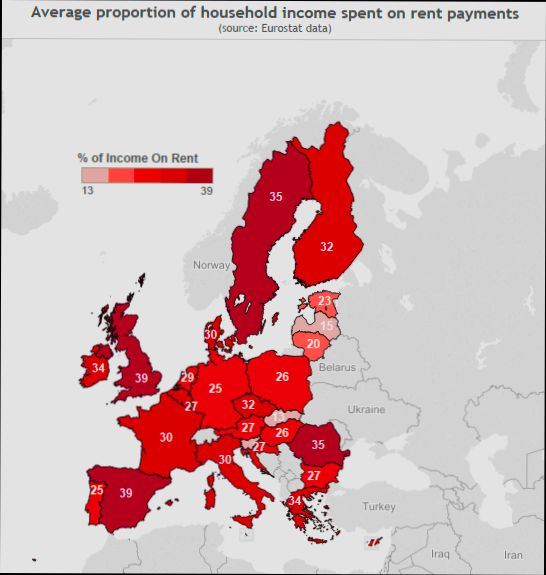
| Percentage of Income on Rent | 30% - 40% |
Real-World Examples
In Lisbon, the average monthly rent for a two-bedroom apartment has reached approximately €1,650. Comparatively, in Porto, you might find similar accommodations for around €1,200, illustrating the disparity that exists between these two prominent cities. This variability can influence where you choose to live based on your rental budget.
Additionally, a report highlighted that many expatriates are spending up to 35% of their monthly income on rent. For instance, if you earn about €3,000 monthly, budgeting around €1,050 for rent might be necessary in urban settings.
Practical Implications
By recognizing these statistical insights, you can better navigate the rental market:
- Budgeting: If you plan to rent in Lisbon, expect to allocate a larger portion of your budget towards rent compared to other cities.
- Investment Decisions: If you’re an investor, knowing that the rental yield ranges from 4.5% to 6% can guide your purchasing decisions.
- Negotiation Power: With the average rent increasing steadily, landlords may be less inclined to lower rents, suggesting the necessity for well-researched decision-making to secure a fair deal.
Actionable Advice
- Always calculate the impact of rent on your overall budget; aim to keep your rent to 30% or less of your monthly income.
- Keep an eye on occupancy rates, as they can indicate rental demand and potential bargaining power when negotiating lease terms.
- When looking at properties, be aware of current trends in rental growth to better forecast future expenses.

Real-World Examples of Renters’ Expenses
Renting a home in Portugal involves various expenses that can significantly affect your budget. Understanding these real-world examples of renters’ expenses will help you prepare for the financial commitment ahead.
Key Expenses to Consider
Here are some pressing examples of expenses you might encounter as a renter in Portugal:
1. Security Deposits
- These can range between one to three months’ rent. For example, if your monthly rent is €800, expect to pay a deposit of €800 to €2,400 upfront.
2. Property Insurance
- Renters are encouraged to have insurance to protect their belongings. Depending on the coverage, costs can vary from €100 to €300 annually. It’s worthwhile to shop around for the best rates.
3. Homeowners Association (HOA) Fees
- If renting in a condominium or managed building, HOA fees may apply, typically ranging from €50 to €150 monthly, depending on amenities provided.
4. Internet and TV Packages
- Internet can cost anywhere from €30 to €60 per month, while cable television can add an additional €20 to €50, creating a potential total of €50 to €110 monthly.
Breakdown of Potential Monthly Expenses
| Expense | Minimum (€) | Maximum (€) |
|---|---|---|
| Security Deposit (1 month) | 800 | 2,400 |
| Property Insurance (annual) | 100 | 300 |
| HOA Fees (monthly) | 50 | 150 |
| Internet (monthly) | 30 | 60 |
| TV Package (monthly) | 20 | 50 |
Real-World Examples
Let’s look at a couple of case studies that illustrate these expenses:
- Case Study 1: Lisbon Renter
- A couple renting a small apartment in Lisbon pays €1,200 monthly. Their costs are broken down as follows:
- Security Deposit: €1,200
- Property Insurance: €150 annually
- HOA Fees: €120 monthly
- Internet: €40 monthly
- TV Package: €30 monthly
- Total first-month expenses: €1,200 (rent) + €1,200 (deposit) + €120 (HOA) + €40 + €30 = €2,610.
- Case Study 2: Portimão Tenant
- A single renter in Portimão pays €600 per month. Their costs include:
- Security Deposit: €600
- Property Insurance: €100 annually
- HOA Fees: None for their standalone house.
- Internet: €35 monthly
- TV Package: €25 monthly
- Total first-month expenses: €600 (rent) + €600 (deposit) + €35 + €25 = €1,260.
Practical Implications
When you rent in Portugal, confirm all potential expenses with your landlord to avoid surprises. Gather multiple quotes for utilities and insurance to find the best rates. Additionally, factor in the potential for rent increases, which can occur annually and may affect your overall budget.
Being aware of these real-world expenses can give you a clearer picture of the total cost of living in your new rented home. Prepare for these costs by keeping a detailed budget to help navigate your financial obligations more efficiently.

Benefits of Renting in Portugal
Renting a home in Portugal comes with numerous advantages that go beyond the financial aspects. Whether you’re a local or an expatriate, understanding these benefits can enhance your living experience. Here are some compelling reasons to consider renting in this beautiful Mediterranean country.
Flexibility in Location Choices
One of the major benefits of renting is the flexibility it offers. You can choose to live in vibrant urban areas like Lisbon or Porto, where cultural activities abound, or seek a quieter lifestyle in the picturesque countryside or coastal towns.
- Urban Living: Enjoy the bustling city life without long-term commitment.
- Countryside Retreats: Move to serene locations that cater to your lifestyle preferences.
Lower Upfront Costs
Renting generally requires lower upfront costs compared to purchasing property. You might only need to pay:
- First Month’s Rent: Typically required before moving in.
- Security Deposit: Often equal to one or two months’ rent, which may be refundable upon lease termination.
This approach makes it financially easier for you to relocate or change homes as your needs evolve.
Access to Amenities
In many rental properties, especially those in larger complexes, you often gain access to shared amenities. Here’s what you might commonly find:
| Amenity | Description |
|---|---|
| Swimming Pools | Perfect for leisure and relaxation |
| Gyms | Convenient fitness options |
| Communal Gardens | Green areas for enjoyment |
These amenities provide an enhanced lifestyle and can save you money on fitness memberships or recreational activities.
Short-Term Lease Options
The rental market in Portugal offers a variety of lease lengths, from short-term to long-term agreements. This flexibility allows you to tailor your living situation to your current needs:
- Temporary Work: If you have a job contract that doesn’t last long, short-term rentals can alleviate the pressure of long commitments.
- Exploring Areas: Stay in different regions or neighborhoods without long-term commitments, which is perfect for discovering the best fit for your lifestyle before settling down.
Diverse Market Choices
With a diverse range of rental options available—from studios to villas—you can choose a home that perfectly fits your needs and budget. The variety caters to different lifestyles, whether you seek a minimalist space or a family-friendly home.
- Variety of Sizes and Styles: Find anything from sleek modern apartments in the city to large traditional houses in quaint towns.
Case Study: Diverse Experiences
Consider Maria, who moved to Lisbon for a year. By renting, she explored trendy neighborhoods like Alfama and Bairro Alto, immersing herself in the culture and lifestyle without the long-term commitment of buying. After her year ended, she found a charming seaside rental in Cascais, which perfectly suited her new interest in outdoor activities.
Practical Considerations
Renting in Portugal allows for practical advantages as well. You don’t have to worry about maintenance costs as they typically fall on the landlord:
- Maintenance Responsibilities: Landlords usually handle repairs and property upkeep.
- No Property Taxes: As a renter, you avoid the additional financial burden of property taxes.
Take advantage of these benefits to enjoy the lifestyle Portugal has to offer without the stress of property ownership. Remember, renting provides you the flexibility, lower entry costs, and access to amenities that enrich your living experience.

Long-Term Financial Considerations for Renters
When renting a home in Portugal, it’s vital to consider the long-term financial implications that extend beyond your monthly rent. These long-term financial factors can have a considerable impact on your budget and overall living experience.
Key Financial Considerations for Renters
1. Rent Increases: In urban areas like Lisbon and Porto, rental prices have seen an average annual increase of around 13%. Over time, this significant rise can strain your budget, making it essential to negotiate rental terms that protect you from steep price jumps.
2. Deposit and Upfront Costs: Typically, landlords in Portugal require a rental deposit equivalent to one to three months’ rent. For example, if you rent a property for €1,000 per month, you might need to prepare an upfront payment of €3,000. This expense can significantly affect your initial finances.
3. Contract Duration: Most rental agreements are often signed for a minimum of one year, locking you into a financial commitment. Ending a lease prematurely may incur penalties, potentially costing you additional months of rent.
Comparative Long-Term Costs of Renting
| Cost Component | Monthly Impact (€) | Annual Impact (€) | Remarks |
|---|---|---|---|
| Average Rent | 1,000 | 12,000 | Rent in a desirable area |
| Rent Increase (13% annually) | 130 | 1,560 | Average increase |
| Estimated Utilities | 150 | 1,800 | Varies based on usage |
| Deposit (2 months’ rent) | 2,000 | - | Requires upfront commitment |
Real-World Examples
Consider a renter who signs a lease for a €1,200-per-month apartment in Lisbon. If the landlord applies the average increase of 13% in the second year, the rent would jump to €1,356 monthly. Over a two-year period, this increase adds an unexpected €1,872 to their total rent expense.
Another example is a couple planning to rent a €1,500 monthly apartment in Porto. They must set aside an additional €3,000 to cover the required deposit. Should they also face unexpected utility hikes averaging around €180 monthly, their long-term financial planning needs to account for this extra €2,160 annually.
Practical Implications
- Budgeting for Future Increases: Account for possible rent increases in your budgeting plan. Setting aside funds specifically for rent hikes can help you to remain financially stable over the years.
- Deposit Management: Ensure that you have adequate savings to cover deposits required by landlords. Consider such costs as part of your overall renting expenses.
- Understanding Lease Terms: Familiarize yourself with the legal aspects of lease agreements in Portugal. Knowing your rights regarding rent increases and lease termination can save you money in the long run.
- Emergency Funds: Always maintain an emergency fund to cover potential increases in utility costs or unexpected property maintenance fees during your lease period.
By keeping these long-term financial considerations in mind, you can navigate the renting process in Portugal more effectively and make informed decisions to protect your financial future.