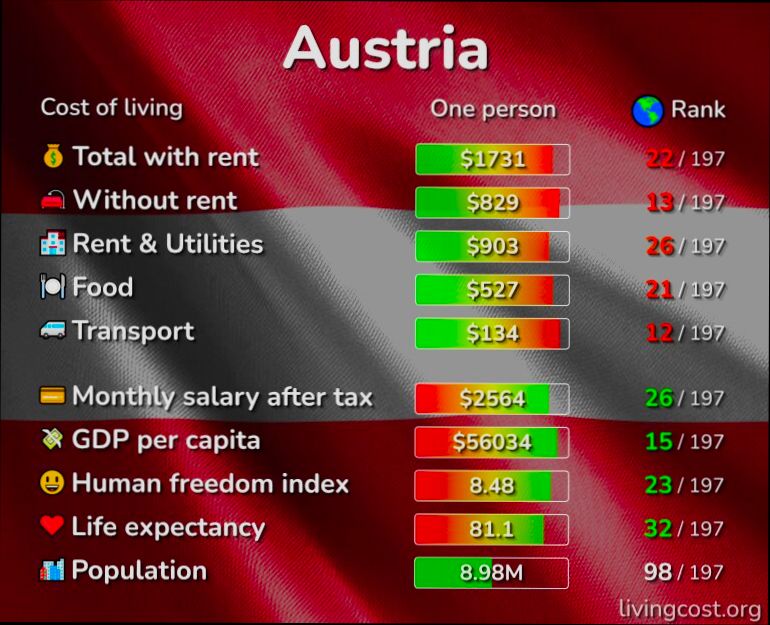
What is the Cost of Living in Austria? It’s an intriguing mix of highs and lows, especially if you’re considering a move or just curious about how far your euros will stretch. For example, rent in Vienna can range from around €700 for a cozy one-bedroom in the city center to about €450 if you’re willing to live a little further out. If you’re a fan of coffee culture, be prepared to spend about €3.50 for a good cup at a café, and don’t forget a few extra euros if you’re craving that delicious slice of Sachertorte.
Groceries are another piece of the puzzle; you might find your monthly food bill averages around €300-€500, depending on your eating habits and whether you prefer organic goodies. And let’s not skim over transportation—public transport is quite affordable, with a monthly pass in Vienna costing about €51. When you add in leisure activities, like catching a concert or a football match, those fun expenses can definitely add up. So, get ready to dive into the details, because Austria’s cost of living is a fascinating blend of comfort and reality!
Housing Costs in Urban Austria
When considering a move to urban Austria, understanding housing costs is crucial. The prices can significantly vary based on location, property type, and amenities. Let’s dive deeper into what you can expect in terms of housing expenses in cities like Vienna, Graz, and Linz.
Current Housing Market Overview
- As of 2023, the average monthly rent for a one-bedroom apartment in the city center of Vienna is approximately €1,200, whereas in Graz, it’s around €800.
- For two-bedroom apartments in these same locations, expect to pay an average of €1,600 in Vienna and about €1,200 in Graz.
- Urban areas have seen an increase of about 10% in rental costs over the past year, influenced by demand and inflation.
Comparative Rental Costs
| City | 1-Bedroom (City Center) | 1-Bedroom (Outside City Center) | 2-Bedroom (City Center) | 2-Bedroom (Outside City Center) |
|---|---|---|---|---|
| Vienna | €1,200 | €900 | €1,600 | €1,200 |
| Graz | €800 | €600 | €1,200 | €900 |
| Linz | €850 | €650 | €1,300 | €1,000 |
Real-World Examples
Let’s look at a couple of neighborhoods:
- In Vienna’s 1st District, a small one-bedroom apartment can go for €1,400, especially if it’s newly renovated. Conversely, in the 10th District, you might find similar apartments for €1,000, reflecting the impact of location on cost.
- In Graz, a 2-bedroom apartment located near the university averages €1,100, while similar spaces in less central districts can be rented for about €900.
Practical Insights
When searching for homes in urban Austria, consider factors that can influence cost:
- Proximity to Public Transport: Apartments close to U-Bahn and tram stations can have a premium of about 15% over those in less accessible areas.
- Utilities and Additional Costs: Remember, heating and internet can add around €200 to €300 to your monthly expenses, depending on usage.
If you’re planning to rent, negotiate your lease duration. Many landlords offer discounts for longer commitments, potentially saving you a significant amount in the long run.
- Tip: If you’re open to shared living spaces, consider co-living arrangements. These can be especially popular in Vienna and provide a more affordable option while fostering a community experience.
By knowing these specifics about housing costs in urban Austria, you can make more informed decisions and better plan your budget before moving.
Essential Living Expenses Breakdown
Understanding the essential living expenses in Austria is vital for budgeting effectively, especially if you’re considering relocating there. Let’s dive into the primary expense categories that you’ll need to account for in your monthly budget.
Major Categories of Essential Living Expenses
1. Utilities: Monthly bills typically cover electricity, heating, cooling, water, and garbage collection. On average, a single-person household might spend around €200 to €250 per month on these utilities. It’s crucial to consider variable costs, as seasonal changes can cause significant fluctuations.
2. Internet and Mobile Plans: High-speed internet is a necessity, with average costs of €30 to €50 per month. Mobile phone plans vary based on usage, but expect to spend between €15 to €30 per month for a basic plan.
3. Groceries: Food expenses can be surprisingly variable. On average, a single person spends about €250 to €350 monthly on groceries. This can depend on dietary preferences; for instance, organic products may increase costs.
4. Public Transport: If you rely on public transport, a monthly pass typically ranges from €50 to €100, depending on the city and zones covered. Public transport in Austria is reliable and often recommended for newcomers.
5. Health Insurance: Mandatory health insurance in Austria can range between €200 to €400 per month, depending on your income and age. This is an essential expense that ensures you receive adequate medical care.
Essential Living Expenses Comparison Table
| Expense Category | Estimated Monthly Cost (Single Person) |
|---|---|
| Utilities | €200 - €250 |
| Internet | €30 - €50 |
| Mobile Phone | €15 - €30 |
| Groceries | €250 - €350 |
| Public Transport | €50 - €100 |
| Health Insurance | €200 - €400 |
Real-World Examples
Let’s imagine Anna, a new expat living in Vienna. She spends approximately €240 on utilities and €45 for her internet, totaling €285 in just those two categories. She adheres to a balanced diet and spends about €300 on groceries. Her mobile plan is a basic €20 a month, and she uses public transport with a monthly pass for €60. Additionally, Anna pays €250 for her health insurance, bringing her essential monthly expenses to around €915.
Practical Implications
When budgeting for living in Austria, it’s essential to assess how these costs can fit within your income. If you’re moving from a country with lower living expenses, you might need to adjust your lifestyle accordingly.
- Make use of local resources and discounts for public transport to cut costs.
- Buy groceries in bulk or shop at local markets to save money on food.
- Consider shared living arrangements or co-living spaces to alleviate housing costs.
By understanding these essential expenses and actively managing them, you can create a comfortable living situation in Austria tailored to your financial capabilities.

Statistical Overview of Living Costs
Understanding living costs in Austria is essential for anyone looking to settle down or budget for a temporary stay. Various factors from transportation to groceries play a significant role in determining your overall expenditure. Let’s delve into the specifics to give you a clearer picture.
Quick Insights on Living Costs
- The average monthly cost for groceries per person in Austria is approximately €300, which can vary based on dietary habits and shopping locations.
- Transportation costs in Vienna can hit about €60 for a monthly public transport pass, influencing how you navigate the city.
- Utility bills (electricity, heating, cooling, water, and garbage) for a standard apartment can amount to around €200 monthly, showing the importance of factoring these into your budget.
- Health insurance for an individual typically ranges from €200 to €400 per month, depending on your coverage needs.
Comparative Living Costs Table
| Expense Category | Average Monthly Cost (in Euros) |
|---|---|
| Groceries | €300 |
| Public Transport | €60 |
| Utilities | €200 |
| Health Insurance | €200 - €400 |
Real-World Examples
Consider Maria, a single professional living in Vienna. She spends about €350 a month on groceries, taking into account her preference for organic products. She also opts for a monthly public transport pass to commute to work, bringing her to a total of €60 for transportation.
On the other hand, Tom and his family live in Graz. Their combined grocery cost stands at roughly €600 per month, which reflects their eating habits and choices. Utility costs typically run around €180 monthly for their larger apartment, demonstrating variations based on family size and usage.
Practical Implications
When planning your finances for living in Austria, consider that living costs can vary significantly based on location and personal lifestyle choices. For example, if you’re heading to rural areas, you might find that groceries are slightly cheaper, while utilities may vary based on heating methods.
To manage costs effectively:
- Identify local markets for groceries, which often offer fresher produce at lower prices.
- Consider using public transport, which is generally reliable and can save you significant money compared to owning a car.
- Budget for utilities and health insurance to prevent surprises at the end of the month.
Understanding these aspects of living costs in Austria equips you with the knowledge to plan effectively and make informed decisions about your stay.
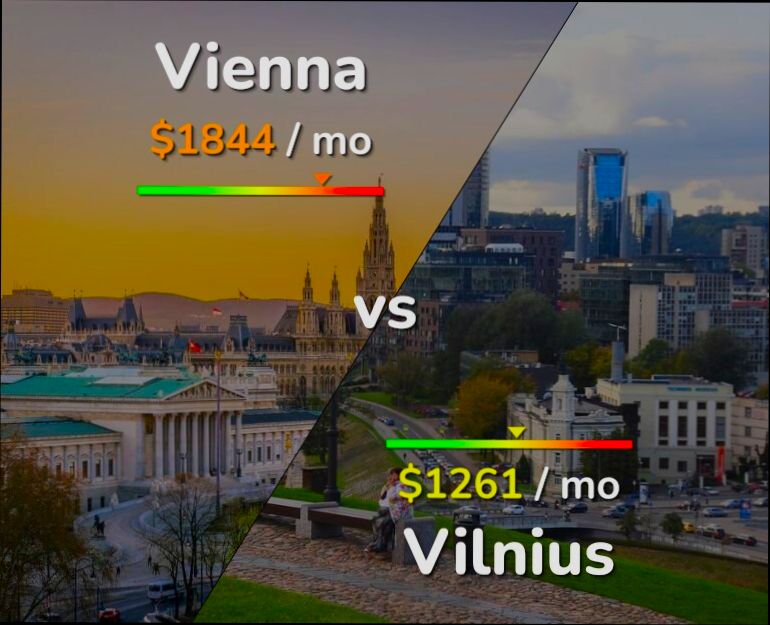
Real-Life Cost Comparisons for Expats
When moving to Austria, understanding the cost of living is essential for expats. This section will help you compare real-life costs that you might encounter, reflecting everyday expenses that can influence your budget significantly.
Monthly Expenses Breakdown
It’s crucial to have a realistic view of monthly expenses, especially beyond housing. Here’s a deeper look at common categories and their average costs:
- Transport: A monthly public transportation pass in Vienna costs around €51, while in smaller cities like Linz, it’s about €42.
- Dining Out: A meal at a mid-range restaurant can set you back approximately €15-€20 per person. A beer in a local pub averages €4.50.
- Utilities: Basic utilities (electricity, heating, cooling, water, and garbage) for a standard apartment can range from €150 to €250 monthly, depending on your consumption.
Comparative Monthly Expenses Table
| Expense Category | Vienna (€) | Graz (€) | Linz (€) |
|---|---|---|---|
| Transportation (Monthly Pass) | 51 | 42 | 40 |
| Meal in Mid-Range Restaurant | 20 | 18 | 19 |
| Utilities (1-bedroom apartment) | 200 | 175 | 190 |
| Internet (Monthly) | 30 | 28 | 29 |
Real-World Examples
To give you a clearer picture, consider these real-life scenarios for expats in Austria:
1. Anna’s Experience in Vienna: Anna moved from Canada and found her monthly budget was around €2,000 when including rent, food, and leisure activities. She highlighted that even though rents are higher, her social life, with affordable public transport and diverse dining options, helped balance her budget.
2. Mark’s Move to Graz: Mark, who relocated for work, shared that he budgets around €1,500 monthly, and he appreciates the lower cost of living compared to Vienna. He enjoys dining out with friends and finds that he can cover his expenses comfortably, thanks to the more affordable restaurant prices.
Practical Implications for Expats
1. Budget Wisely: As you plan your move, consider each category of expense. Factor in unexpected costs, like healthcare, which can vary widely.
2. Explore Local Discounts: Look for local deals and discounts available for public transport or dining out. Many cities offer reduced rates for students and expats.
3. Community Insights: Engage with expat communities online to gather tips on saving money in your specific city. Local insights can provide information on the best affordable groceries or where to find the cheapest fitness options.
Specific Facts to Consider
- Public transport can significantly save you money, so purchasing monthly or yearly passes could be beneficial.
- Local markets often provide cheaper produce compared to supermarkets. If you’re keen on cooking, exploring these markets can lead to reduced grocery bills.
- Entertainment and leisure activities can vary; consider enjoying free local events or leveraging community programs to engage without heavy spending.
Advantages of Living in Austria
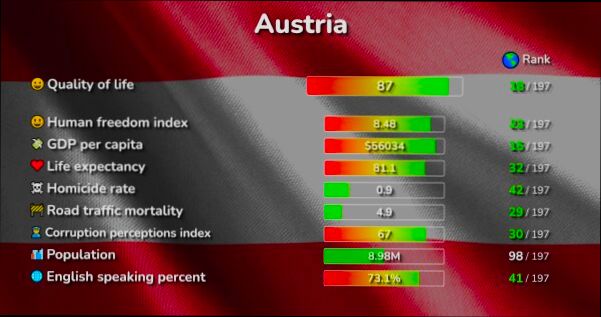
Living in Austria presents a range of compelling advantages that can enhance your quality of life. With its rich cultural heritage, stunning landscapes, and a high standard of living, Austria attracts both locals and expatriates alike. Here’s an exploration of the distinctive benefits you’ll enjoy while living in this beautiful country.
High Quality of Life
Austria consistently ranks high in various quality of life indices. According to recent statistics, Vienna is often voted one of the most livable cities globally, ranking as high as 1st in various reports. This is attributed to its excellent healthcare system, strong educational institutions, and robust public transportation networks.
Cultural Richness
Austria boasts a vibrant cultural scene that deeply immerses residents in historical and contemporary art. With thousands of museums, galleries, and theaters across the country, cultural experiences abound. The capital city, Vienna, is home to renowned institutions like the Vienna State Opera and the Kunsthistorisches Museum, showcasing both classical and modern art. Regular cultural events, such as the Salzburg Festival, highlight the country’s commitment to the arts.
Safety and Stability
Austria is known for its political stability and low crime rates, making it a safe haven for families and individuals. Recent data indicates that Austria’s crime rate is significantly below the EU average, providing peace of mind for residents. This stability contributes to a comforting and secure environment.
Efficient Public Services
The efficiency of public services in Austria is another advantage that enhances daily living. Public transportation is renowned for its punctuality and accessibility, making it easy to navigate cities without a car. For instance, you can rely on Austria’s extensive train network, with travel times from Vienna to Salzburg taking as little as 2.5 hours, connecting you easily to other regions.
Economic Opportunities
Austria has a thriving economy that supports diverse industries, from technology to tourism. It boasts a low unemployment rate of around 5% in 2023, giving residents a variety of job opportunities. International companies are increasingly relocating to Austria, adding to the job market’s growth and enhancing career prospects, especially for skilled workers.
| Benefit | Explanation |
|---|---|
| High Quality of Life | Vienna ranks as one of the world’s most livable cities. |
| Cultural Richness | Thousands of cultural institutions and events throughout the year. |
| Safety and Stability | Crime rates significantly below the EU average, ensuring resident safety. |
| Efficient Public Services | Extensive and punctual public transportation network. |
| Economic Opportunities | Low unemployment rate and growing job market for skilled workers. |
Real-World Examples
Take, for example, Lisa, an expatriate who moved to Vienna for a job in tech. She enjoys the city’s rich cultural life, often attending concerts at the Wiener Konzerthaus. Her experience reflects the accessibility of events and shows how living in Austria can fill your life with enriching experiences.
Moreover, Michael, who relocated from the UK, found that the efficient public services made his move seamless. He quickly adapted to using the Vienna U-Bahn, allowing him to explore the city effortlessly while keeping his commute stress-free.
Practical Implications
You can take advantage of Austria’s stability and vibrant culture by engaging with local communities. Many cities host regular festivals and markets where you can immerse yourself in Austrian traditions. Additionally, exploring job opportunities in various sectors can enhance your career whilst experiencing Austrian hospitality.
Consider making the most of public transport to explore not just the local life but also the stunning countryside, such as the scenic routes to the Alps, perfect for weekend getaways.
Embracing life in Austria means you can look forward to safety, stability, and a dynamic cultural landscape that collectively enhance your living experience.
Transportation Expenses and Insights
Transportation costs play a significant role in your overall budget if you decide to live in Austria. From public transport to vehicle expenses, understanding these costs will help you manage your finances effectively.
Public Transport Affordability
Austria boasts a well-developed public transportation system, and using it can be quite cost-effective. For instance, the average cost of a single ticket in major cities is about €2.40, while a monthly pass can save you substantial amounts over time. In Vienna, a monthly transportation pass priced at approximately €51 provides unlimited travel across buses, trams, and subways.
Additional Transport Costs
- Bicycle: Consider cycling; many Austrian cities are bike-friendly, and purchasing a decent bike can range from €300 to €800.
- Fuel: If you drive, be aware that petrol prices hover around €1.40 to €1.70 per liter, adding another layer to your transport expenses.
- Parking Fees: Monthly parking fees in city centers can vary greatly. For instance, expect to pay around €150 in Vienna, which can significantly impact monthly budgets.
| Type of Transportation | Average Monthly Cost/Price |
|---|---|
| Public transport pass (Vienna) | €51 |
| Single ticket (major cities) | €2.40 |
| Monthly parking (city center) | €150 |
| Average bike cost | €300 - €800 |
| Petrol (per liter) | €1.40 - €1.70 |
Real-World Case Study: Commuting in Vienna
Take Sarah, an expat living in Vienna. She opts for public transport, purchasing a monthly pass for €51. In her experience, using public transport has been both convenient and economical, allowing her to avoid the hassle of city traffic. In contrast, her colleague who drives pays around €200 monthly for parking plus fuel costs, resulting in a noticeable impact on their overall living expenses.
Practical Insights for Budgeting Transportation Costs
It’s essential to factor in these transportation costs when planning your budget:
- Evaluate your commuting needs: If you live close to work, consider walking or cycling, as it can save you money on fares and parking.
- Consider monthly passes: If you rely on public transport regularly, invest in a monthly pass to save both time and money.
- Explore discounts: Ocassionally, cities offer discounts for students or seniors, so make sure to inquire about any available options.
You might want to check local apps that provide real-time information on transport options. These tools often help in planning the best routes and saving time, which is just as valuable as money.

Food and Grocery Prices in Austria
When planning your budget for living in Austria, understanding food and grocery prices is crucial. These costs can vary significantly depending on your shopping preferences and dietary choices. Let’s dive into what you can expect when it comes to food expenses in this beautiful country.
Average Grocery Costs
In Austria, the prices for groceries can fluctuate based on where you shop and what items you prefer. Here are some insights:
- An average loaf of bread costs around €2.50.
- A liter of milk is approximately €1.10.
- Eggs can set you back about €3.50 for a dozen.
- Fresh fruits and vegetables might range widely, with apples often priced at €2.00 per kilogram.
Comparison Table of Common Grocery Prices
| Item | Average Price (€) |
|---|---|
| Bread (1 loaf) | 2.50 |
| Milk (1 liter) | 1.10 |
| Eggs (1 dozen) | 3.50 |
| Apples (1 kg) | 2.00 |
| Chicken Breast (1 kg) | 8.50 |
Regional Variations
Prices can vary depending on the city or region. For example, rural areas tend to have slightly lower prices compared to urban centers. Shopping at local markets or discounters like Hofer and Lidl can save you money. Alternatively, opting for organic or specialty items can drive up your grocery bills.
Real-World Examples
To give you a sense of how grocery shopping plays out in real life, consider this:
- Scenario: If you’re a single person shopping at a local supermarket in Vienna, you might find your monthly grocery expenses averaging around €300, based on a balanced diet including meats, dairy, and fresh produce.
- Case Study: In contrast, a family of four might see their expenses climb to €800-€1000 monthly, especially if they prioritize organic foods and dine out occasionally.
Practical Insights
- Shopping habits: If you’re budget-conscious, try visiting the local markets on sale days; you can find significant discounts on fresh produce.
- Discount Stores: Familiarize yourself with geographically appropriate stores, as local chains like Billa, Spar, and Penny Market can offer better deals than larger supermarkets.
Actionable Advice
Explore meal prep techniques to help reduce food waste and maximize your grocery budget. Cooking in bulk allows you to buy ingredients at lower prices and enjoy cost-effective meals throughout the week. Remember to keep an eye out for weekly store flyers to catch promotions that can further ease your financial planning around food and groceries.