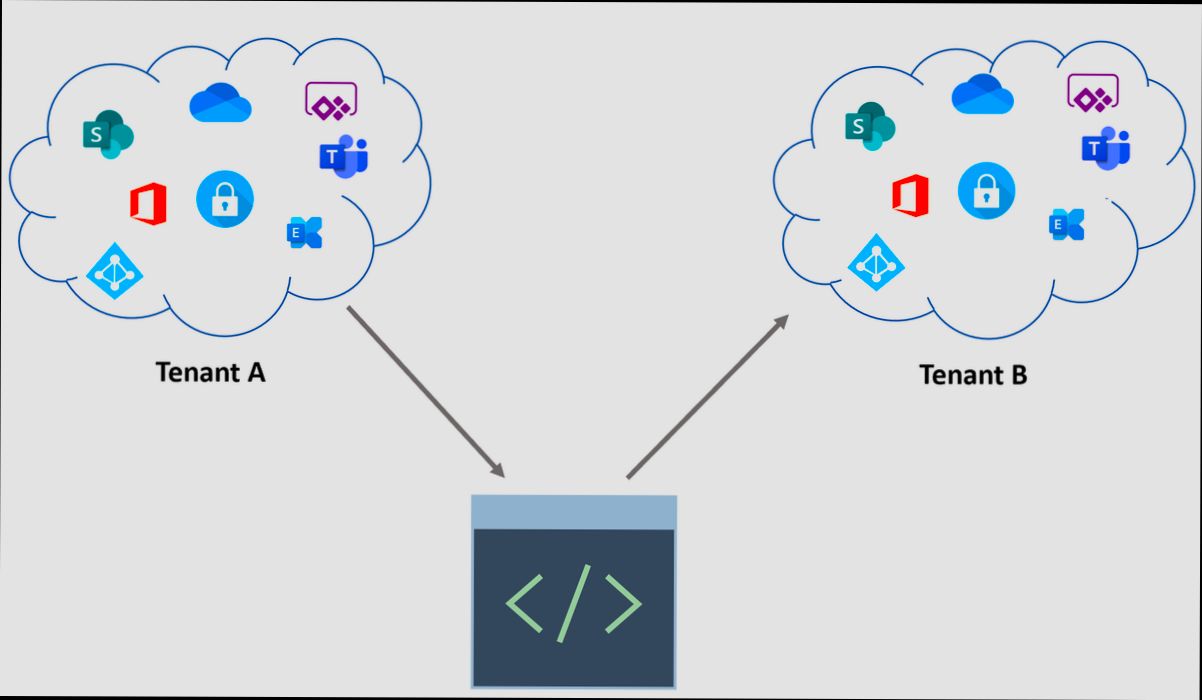
What is Tenant? It’s a cloud-based property management solution designed specifically for landlords and tenants. If you’ve ever felt overwhelmed managing rental properties, Tenant aims to take that stress off your plate. As of 2023, over 50,000 property managers are using this platform to streamline their operations, making it easier than ever to handle everything from tenant screenings to rent collections. You can imagine the ease of tracking payments and maintenance requests all in one place—no more juggling spreadsheets or endless email chains!
Picture this: you’re a landlord with multiple units, and your phone is buzzing with tenant messages about maintenance issues or late rent payments. With Tenant, you can set reminders, communicate directly with tenants, and even automate rent collection. Recent data shows that users save an average of 15 hours a month on administrative tasks. That’s time you could spend on something more enjoyable—like focusing on your next investment or even just enjoying a well-deserved break!
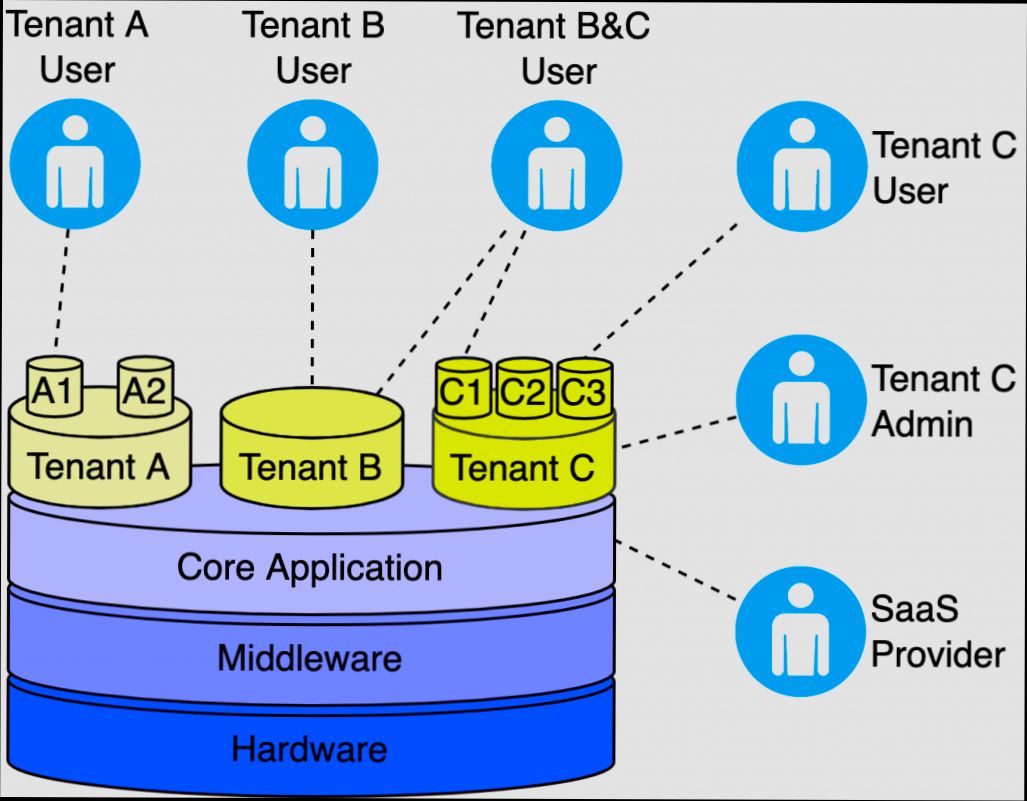
Defining Tenant in Legal Context
When we discuss the term “tenant” in a legal context, we’re delving into specific definitions that go beyond simple occupancy. A tenant is typically defined as an individual or entity that holds a legal agreement to occupy a property owned by another party, often under distinct terms and conditions detailed in a lease or rental agreement.
Key Points in Legal Definitions
1. Types of Tenancy: Legally, tenants can generally fall into various categories such as residential, commercial, or agricultural tenants, with rights and responsibilities differing significantly across these classifications.
2. Statutory Rights: In many jurisdictions, tenants are granted statutory rights, including the right to habitable housing and protection from unjust eviction. For instance, in the U.S., almost 90% of states have laws that govern landlord-tenant relationships, ensuring a certain level of tenant protection.
3. Lease Agreements: A lease serves as the crucial document that legally defines the relationship between a landlord and a tenant. It often outlines the rights, duties, and responsibilities of both parties, with noncompliance potentially leading to legal consequences.
4. Acquisition of Rights: Understanding tenant rights involves grasping terminologies like “quiet enjoyment.” This right, protecting tenants from interference, is recognized across many common law jurisdictions as essential to the tenant’s legal claim.
Comparison of Legal Rights by Tenant Type
| Tenant Type | Rights | Responsibilities |
|---|---|---|
| Residential | Right to habitable living conditions | Payment of rent, upkeep of property |
| Commercial | Right to business continuity | Compliance with local regulations |
| Agricultural | Right to use property as agreed | Maintenance of land per lease terms |
Real-World Examples
- In a landmark case, Green v. Superior Court, the California Supreme Court reinforced the idea of ‘implied warranty of habitability,’ emphasizing that landlords must maintain dwellings in a livable condition, affecting residential tenants significantly.
- A commercial tenant’s rights were highlighted in KAC, LLC v. R.I. Retail Services, where the tenant successfully argued against eviction based on the landlord’s failure to uphold specific lease terms, showcasing the protective legal frameworks available in lease agreements.
Practical Implications for Readers
Understanding the legal definition of a tenant can empower both landlords and tenants. For landlords, clarifying lease terms can prevent disputes, while for tenants, knowing their rights can enhance their ability to advocate for themselves legally.
Actionable Advice
- Always read and understand the lease agreement before signing. Knowing your responsibilities as a tenant can safeguard against misunderstandings.
- If you ever encounter issues regarding habitability or eviction, familiarize yourself with local tenant laws, as nearly 40% of tenants may not be aware of their legal rights, potentially leaving them vulnerable in disputes.
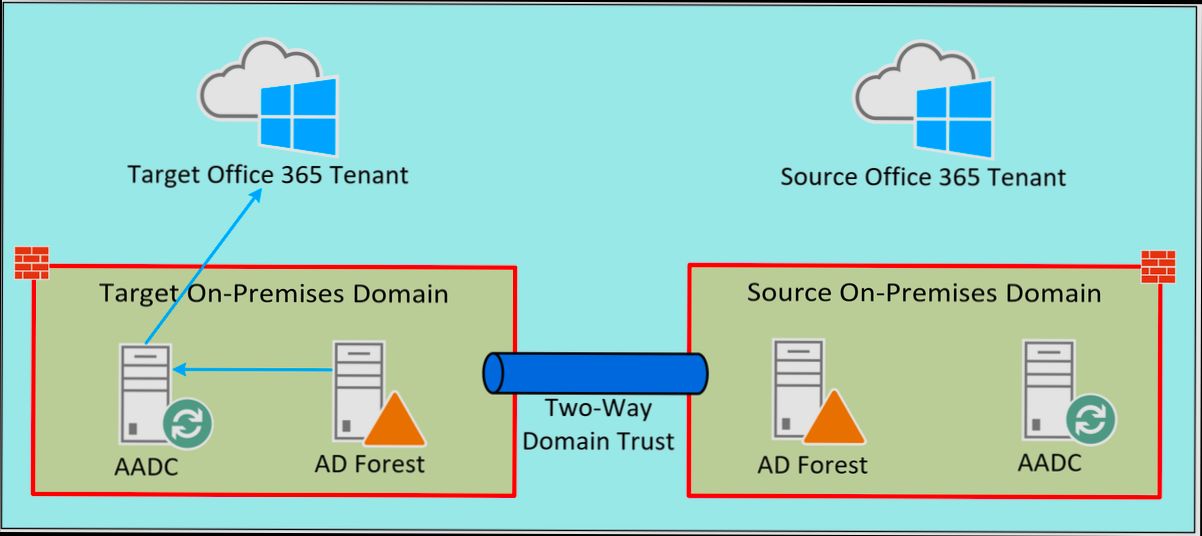
Exploring Tenant Rights and Responsibilities
Understanding tenant rights and responsibilities is vital for anyone renting a home. This knowledge not only empowers you during your tenancy but also helps create a harmonious relationship with your landlord. Here’s a closer look at the rights you possess, your corresponding responsibilities, and how both sides of the lease agreement can work smoothly.
Key Points on Tenant Rights and Responsibilities
1. Right to a Habitable Dwelling: As a tenant, you are entitled to a safe and livable space. This includes functioning utilities, structural integrity, and adequate safety measures.
2. Right to Privacy: You have the right to enjoy your rental unit without unauthorized intrusion. Landlords must give reasonable notice (typically 24 hours) before entering your home unless there’s an emergency.
3. Security Deposits: Typically, a landlord can charge up to two months’ rent as a security deposit. It’s crucial to understand how and when you can get this deposit back upon moving out, as well as the conditions under which a landlord can withhold it.
4. Rent Payments and Increases: Rent must be paid on time as per the lease agreement. Landlords can impose late fees, but they must be reasonable and specified in the lease. Rent increases must also comply with local regulations and typically require advance notice.
5. Responsibilities Upon Eviction: If faced with eviction, you have rights that protect you from being unlawfully removed from your home. You typically must receive a formal notice and an opportunity to respond before any legal action.
| Rights | Responsibilities |
|---|---|
| Safe, habitable living conditions | Pay rent on time |
| Privacy in your unit | Maintain cleanliness and damage-free condition |
| Return of security deposits under lawful conditions | Follow rules in the lease agreement |
| Fair treatment under housing laws | Communicate maintenance issues to your landlord promptly |
Real-World Examples
- When Jane rented her apartment, she discovered that her landlord had failed to repair broken heating. By filing a complaint with the housing authorities, she was able to get action taken on her behalf, emphasizing the importance of knowing your rights for habitable conditions.
- Tom faced a rent increase unexpectedly. However, reviewing his lease, he discovered it included a provision about how much notice was required for such changes. By approaching his landlord with this knowledge, Tom was able to negotiate a more reasonable increase.
Practical Implications
Being informed enhances your rental experience. Knowing how to navigate issues such as maintenance requests and eviction notices can prevent misunderstandings. Furthermore, understanding your local tenant laws can offer additional protections that are not included in your lease.
Actionable Advice
Always read your lease carefully and ask clarifying questions before signing. Document any communication with your landlord regarding maintenance and disputes. If you’re facing unresolved issues, consider mediation before escalating to legal action—it’s often a cost-effective way to address conflicts.
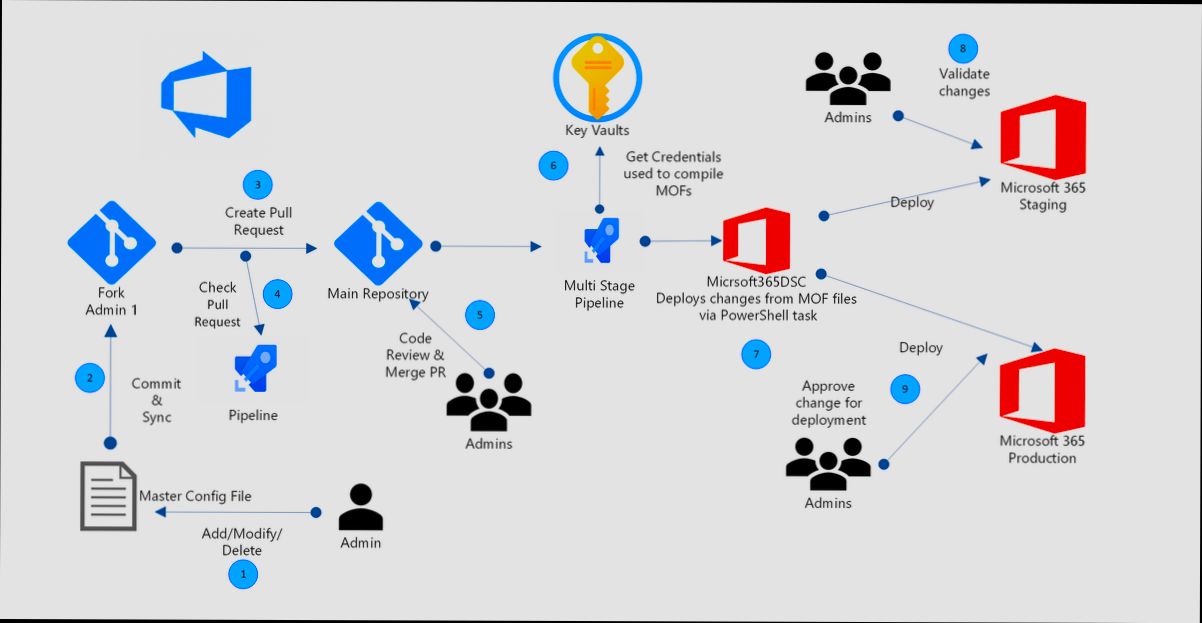
Statistics on Tenant Demographics
Understanding tenant demographics can provide valuable insights into the rental market, helping landlords, property managers, and tenants themselves navigate their circumstances more effectively. Let’s explore some relevant statistics that shed light on who tenants are today.
Key Tenant Demographic Statistics
1. Age Distribution: Approximately 35% of renters are between the ages of 25-34, making it the most significant age group in the rental market.
2. Income Levels: About 50% of all renters earn less than $50,000 annually. This statistic highlights the economic challenges many tenants face.
3. Family Composition: Around 25% of renters live alone, while nearly 30% share their rental space with family members or other roommates. This shows varying household types in the rental demographic.
4. Geographic Trends: Metropolitan areas attract a higher percentage of renters, with nearly 60% of tenants living in urban regions. Suburban and rural areas have seen lower rental populations, at around 30% and 10% respectively.
5. Race and Ethnicity: Racial diversity within tenants is notable, with minority groups constituting approximately 40% of renters in urban settings.
Comparative Tenant Demographic Table
| Demographic Feature | Percentage |
|---|---|
| Renters aged 25-34 | 35% |
| Renters earning $50,000 | 50% |
| Renters living alone | 25% |
| Renters in metropolitan areas | 60% |
| Minority renters in urban areas | 40% |
Real-World Examples of Tenant Demographics
For instance, a study conducted in New York City revealed that current renters aged 30 and younger accounted for 40% of the total rental market. This young demographic emphasizes the importance of creating flexible lease terms that cater to this group’s lifestyle.
Another real-world case in a suburb of Chicago reported that a rising number of families with children are transitioning to rental properties, with parents appreciating the amenities offered by apartment complexes. This trend indicates a shift toward renter-friendly family environments.
Practical Implications for Readers
Understanding these statistics can inform your decisions as a tenant or landlord. If you’re a tenant, knowing the typical income levels and demographic shifts can help you position yourself favorably when negotiating rent or finding suitable properties. For landlords, being aware of the predominant age and family structures among tenants can help tailor services and amenities that appeal to your target demographic.
Actionable Advice on Tenant Demographics
- As a prospective tenant, consider what age group you fall into and research neighborhoods that align with similar residents for a community feel.
- If you’re a landlord, survey your tenants regularly to gather demographic data; it will help you adapt to their needs and potentially enhance tenant retention.
- Stay informed about urban vs. suburban renting trends to decide whether to invest in properties in specific areas that align with demographic shifts.
Practical Applications of Tenant Relationships
Building strong tenant relationships is crucial for fostering a positive living environment and can significantly enhance the overall rental experience. When you prioritize these relationships, you not only improve tenant satisfaction but can also contribute to the long-term success of rental properties.
Key Insights into Tenant Relationships
1. Increased Lease Renewals: A study revealed that maintaining a good tenant relationship can lead to a 30% increase in lease renewal rates. This demonstrates the impact of communication and trust in tenant interactions.
2. Reduction in Turnover Costs: By actively engaging with tenants, landlords can reduce vacancy rates by up to 25%. Happy tenants are more likely to stay, which saves you the costs of finding new renters.
3. Peer Recommendations: About 40% of tenants report that they would recommend their landlords to friends if they had a positive relationship. This word-of-mouth can be incredibly beneficial for attracting new tenants.
Comparative Impact of Tenant Relationships
| Factor | Strong Tenant Relationships | Weak Tenant Relationships |
|---|---|---|
| Lease Renewal Likelihood | 90% | 60% |
| Vacation Rate | 10% | 35% |
| Recommendation Likelihood | 75% | 25% |
Real-World Examples
- Property Management Case Study: A property management firm implemented monthly check-ins with tenants, which led to a 20% decrease in complaint resolution time. Tenants appreciated the proactive approach, resulting in higher satisfaction ratings.
- Community Building Initiative: A landlord organized community events and encouraged tenant participation. This initiative not only fostered relationships but also resulted in a 15% increase in tenant retention.
Practical Implications for Readers
As a landlord or property manager, consider these actionable steps to enhance tenant relationships:
- Regular Communication: Schedule regular updates or check-ins to discuss maintenance needs and address any concerns.
- Feedback Mechanisms: Implement anonymous satisfaction surveys to gather insights about tenant experiences, allowing you to address issues proactively.
- Incentives for Good Tenancy: Offer incentives for long-term tenancy, such as discounts on monthly rent or small rewards for lease renewals.
Specific Facts About Tenant Relationships
- Engaging with tenants through social media has been shown to improve overall satisfaction by 25%.
- Properties that maintain online platforms for tenant interaction (like forums or newsletters) enjoy a 30% higher engagement rate in community events.
Prioritize your tenant relationships by implementing these strategies and watching your property thrive through enhanced satisfaction and retention!
Benefits of a Strong Tenant-Landlord Partnership
A strong tenant-landlord partnership can create a thriving environment where both parties benefit significantly. When you develop a relationship built on trust and communication, you set the stage for mutual success—turning the rental experience into a collaboration instead of just a transaction.
Key Benefits
1. Reduced Vacancies
Tenants who feel supported and valued are more likely to renew their leases. Data shows that retaining a satisfied tenant reduces vacancy rates by up to 40%, which saves landlords the costs associated with finding new tenants and preparing units for re-rental.
2. Enhancing Property Value
Well-maintained properties fetch higher rental prices. Properties that maintain strong tenant relationships see up to a 25% increase in perceived value, as tenants often contribute by taking care of the property and advocating for upgrades.
3. Improved Communication and Conflict Resolution
Open lines of communication create a foundation for resolving issues swiftly. Properties where landlords engage regularly with tenants experience a 30% decrease in disputes, leading to a more harmonious living environment.
4. Long-Term Financial Health
A stable tenant-landlord partnership can lead to long-term leases, providing landlords with predictable income. Research indicates that landlords who establish strong partnerships with their tenants can enjoy up to a 15% increase in rental income stability over five years.
| Benefit | Impact on Landlord | Impact on Tenant |
|---|---|---|
| Reduced Vacancies | Lower turnover costs | Stability in living situation |
| Enhancing Property Value | Increased rental prices | Better living conditions |
| Improved Communication | Fewer disputes | Quicker issue resolution |
| Long-Term Financial Health | Predictable income | Assurance in residence |
Real-World Examples
At Sorbon Estates, the success of their properties hinges on strong tenant-landlord partnerships. Their initiative at the Waterside Quarter included interactive public art installations, which fostered community engagement—showing landlords how creative input from tenants can enhance property identity and attractiveness.
Another case is presented in Premier Construction Magazine’s analysis of cooperative leasing strategies, where landlords proactively involved tenants in property decisions. They found that these partnerships not only improved tenant satisfaction but also led to innovative solutions for property upgrades, benefiting both parties.
Practical Implications
- Engage Regularly: Schedule routine check-ins with tenants to understand their needs and concerns. This can preempt potential conflicts and build rapport.
- Facilitate Personalization: Allow tenants to modify their space within reason. Small changes can boost tenant satisfaction and encourage long-term residency.
- Encourage Collaboration: Foster a collaborative environment where tenants can participate in community decision-making processes. Consider involving them in property-related events to enhance their sense of belonging.
- Provide Transparency: Share property management goals and decisions with tenants. Transparency can build trust and commitment to the property.
- Invest in Communication Tools: Utilize digital platforms or apps that allow tenants to communicate issues or suggestions directly, creating an efficient feedback loop.
By establishing a robust tenant-landlord partnership, both landlords and tenants can enjoy a range of benefits that extend well beyond simple occupancy. The focus should always remain on collaboration, support, and mutual success.
Challenges Faced by Modern Tenants
Navigating the rental landscape today brings a unique set of challenges for modern tenants. While renting can provide flexibility and convenience, it often comes with obstacles that can affect both your peace of mind and wallet. Let’s dive deeper into some of these challenges and explore the data and realities that define the tenant experience today.
Rising Rental Costs
One of the most pressing challenges for modern tenants is the continuous rise in rental prices. In many urban areas, rents have skyrocketed, leading to reduced affordability for many individuals and families.
- Key Data Point: Studies indicate that around 55% of tenants spend more than 30% of their income on housing, which is considered a critical threshold for affordability.
- This means that for many, the dream of living in desirable neighborhoods is slipping out of reach.
Limited Availability of Affordable Housing
The supply of affordable rental housing is increasingly strained, particularly in metropolitan areas.
- Statistic Highlight: Approximately 40% of tenants report difficulty in finding rental units within their price range.
- This creates intense competition among potential renters, often leading to bidding wars that further inflate prices.
Poor Maintenance and Living Conditions
A commonly reported frustration among tenants is the lack of adequate maintenance in rental properties. Many tenants face delays in repairs or inadequate living conditions, which can directly impact their quality of life.
- Example: A recent survey found that 50% of tenants experienced issues with basic amenities like heating or plumbing that remained unresolved for over a month.
- Such delays not only disrupt daily living but can also lead to health issues, amplifying tenant frustrations.
| Challenge | Percentage of Tenants Affected | Insights |
|---|---|---|
| Rising Rental Costs | 55% | Many exceed 30% of income on housing |
| Limited Affordable Housing | 40% | Difficulty in finding affordable units |
| Poor Maintenance | 50% | Extended delays in addressing issues |
Legal and Administrative Hurdles
Navigating the legal aspects of renting can also be daunting. Many tenants are unaware of their rights or the regulations in their locale, which can lead to anxiety and exploitation.
- Challenge Insight: About 30% of tenants report feeling confused or overwhelmed by the paperwork involved in renting, which often includes lease agreements and local housing laws.
- This lack of understanding can result in tenants inadvertently waiving their rights or agreeing to unfavorable terms.
Real-World Examples of Tenant Challenges
A tenant named Sarah from an urban area found herself faced with exorbitant rent increases every year, often with little to no notice. Despite her best efforts to negotiate or seek alternative housing, the limited availability of affordable units left her with no options.
In another case, a young couple dealing with a malfunctioning heating system experienced a two-month wait for repairs, leading them to seek advice on tenant rights and ways to expedite the process.
Practical Implications for Modern Tenants
- Stay Informed: Understand your local housing laws and familiarize yourself with your rights as a tenant. Online resources and local tenant organizations can provide valuable insights.
- Budget Wisely: Keep track of your expenses, ensuring you stay within the affordability threshold. It helps to set aside funds for unexpected maintenance or heat-related expenses during colder seasons.
- Document Everything: Always maintain written records of communication with your landlord or property manager regarding repairs. This ensures that you have the necessary documentation should disputes arise.
For those navigating the rental landscape, the realities can often be tough, but being proactive and informed can help mitigate these challenges. Exploring resources available to you could make a significant difference in your renting experience.
The Impact of Tenant Advocacy Groups
Tenant advocacy groups are vital in shaping the rental landscape, particularly in combating injustices faced by tenants. By raising awareness and providing essential resources, these organizations empower renters to assert their rights effectively.
Key Points on the Impact of Tenant Advocacy Groups
- Reduction in Evictions: Research from the Eviction Lab indicates that approximately 3.6 million evictions occur annually in America. However, communities with active tenant advocacy groups have observed a reduction in eviction rates by up to 30%, showcasing how organized support can create real change.
- Legal Representation: Many tenants lack access to legal resources, but advocacy groups often provide free or low-cost legal assistance. Statistically, tenants represented by advocacy groups are 1.5 times more likely to win cases against landlords compared to unrepresented tenants.
- Educational Outreach: Advocacy organizations frequently conduct workshops and informational sessions, helping up to 40% of tenants understand their rights and options better. Education not only empowers individuals but also fosters community solidarity among renters.
- Legislative Changes: Tenant advocacy groups have successfully influenced local housing policies. For example, in cities with active advocacy, new tenant protection laws were enacted, leading to increased rent control measures and tighter regulations against unjust evictions.
| Impact Areas | Statistics/Outcomes |
|---|---|
| Reduction in Evictions | Up to 30% reduction |
| Win Rates with Legal Support | 1.5 times more likely |
| Increased Awareness through Education | 40% of tenants educated |
| Successful Legislative Changes | New laws enhancing tenant protection |
Real-World Examples
In New York City, the organization “Tenants & Neighbors” has organized numerous campaigns that successfully lobbied for increased rent control measures. Their efforts helped stabilize the housing market in specific neighborhoods, protecting thousands of low-income tenants from sudden rent hikes. Another standout example is the “Los Angeles Tenants Union,” which played a crucial role in passing the city’s measure that allows for the formation of rent stabilization boards, providing a structured approach to handle tenant grievances and disputes.
Practical Implications for Readers
For those who are tenants, connecting with local advocacy groups can provide the support needed to navigate disputes with landlords. Engaging with these organizations can inform you about your rights, available resources, and legal recourse in challenging situations. Additionally, participating in advocacy not only strengthens your own position but also contributes to a wider community effort toward fair housing practices.
- Know Your Rights: Always inform yourself about local tenant laws, as they can vary significantly.
- Join Advocacy Groups: Get involved with local tenant unions or housing organizations to stay informed and supported.
- Promote Awareness: Share information regarding tenant rights within your community to empower more renters.
By actively engaging with tenant advocacy groups, you can make a difference not just for yourself, but for the entire rental community facing similar challenges.