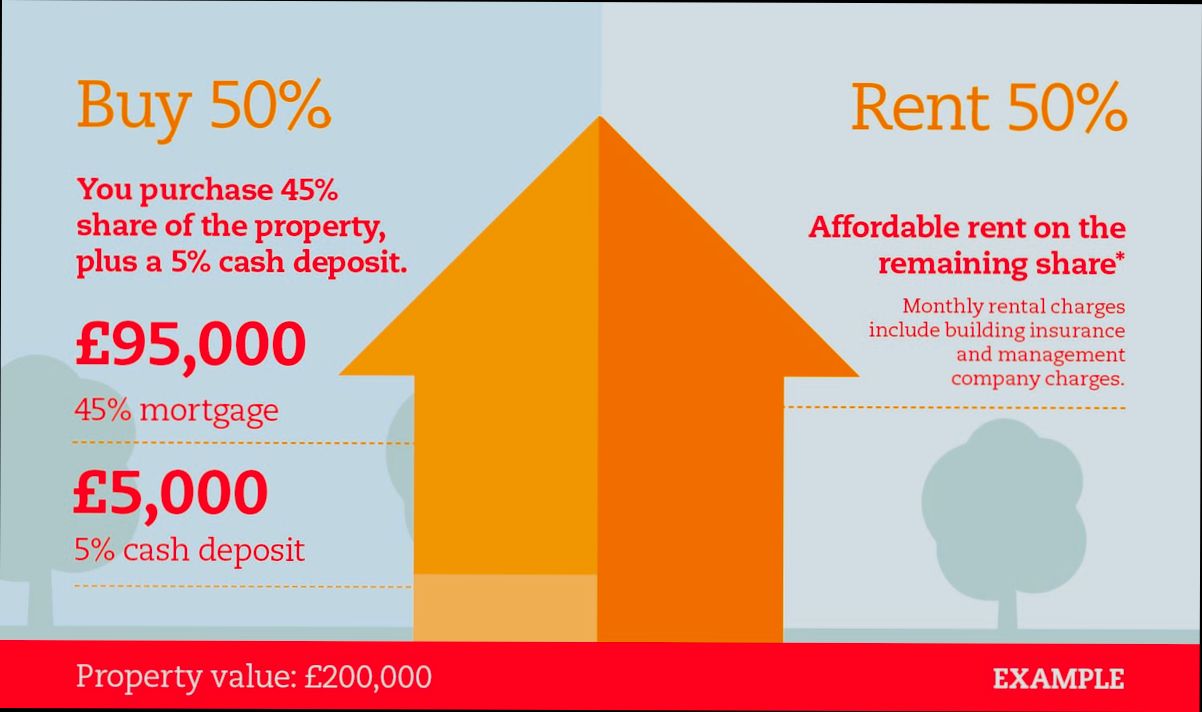
What is Shared Ownership Model? It’s a smart way to ease into homeownership without breaking the bank. Imagine buying a cozy flat in your favorite neighborhood for just 25% of its value—let’s say it’s priced at $400,000. You’d pay just $100,000 upfront, while a housing association owns the rest. This isn’t a dream; it’s a reality for many. According to recent data, around 200,000 households in the UK are already on board with this model. It makes homeownership accessible for first-time buyers or those facing financial hurdles.
Now, picture this: you’re living in your newly acquired space, paying a manageable mortgage on your share, plus some rent on the remaining percentage owned by the housing association. It seems like a great deal, right? The cherry on top? You can gradually buy more shares over time, known as “staircasing,” allowing you to own that dream home outright. In 2022, nearly 70% of shared owners successfully staircased, proving that many find this route not just feasible but beneficial. Shared ownership isn’t a one-size-fits-all solution, but it definitely opens the door to homeownership for many who thought it was out of reach.
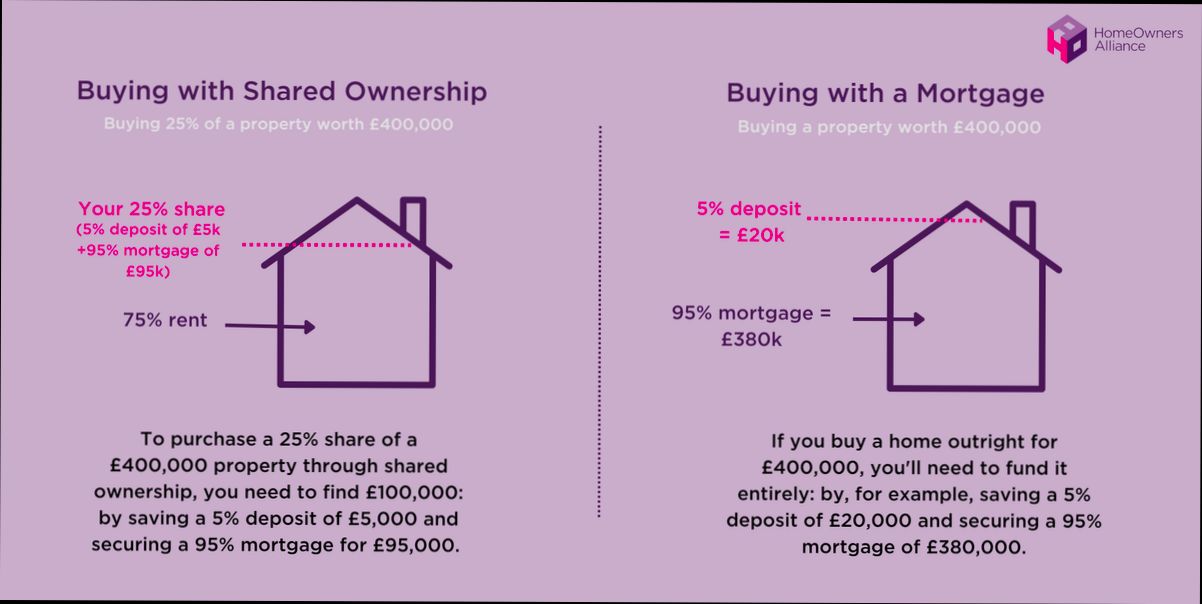
Understanding the Shared Ownership Framework
The shared ownership framework revolves around creating equitable structures that enhance community control and individual agency over resources. This model is gaining traction as more organizations recognize its potential to address economic inequities and empower marginalized communities. By understanding how this framework operates, we can harness its capabilities for sustainable community development.
Key Components of the Shared Ownership Framework
To effectively engage with the shared ownership framework, consider these essential elements:
- Community Control: Possessing ownership of land and resources strengthens communal power and fosters long-term wealth-building.
- Intergenerational Wealth: By facilitating shared ownership, we can promote economic stability for future generations, reducing dependency on external funding sources.
- Inclusivity: The framework emphasizes creating opportunities for low-income communities of color to reclaim authority over their economic destinies.
Comparative Table: Traditional Ownership vs. Shared Ownership
| Aspect | Traditional Ownership | Shared Ownership |
|---|---|---|
| Control | Individual | Community-oriented |
| Economic Impact | Personal accumulation | Collective wealth-building |
| Decision-Making | Centralized | Democratic and inclusive |
| Long-term sustainability | Risky | Resilient and adaptive |
Real-World Examples Demonstrating Shared Ownership Framework
One compelling case study comes from community land trusts. These organizations enable residents to collectively own land, promoting affordable housing and preventing displacement. By placing land into communal control, these trusts not only address housing needs but also create long-term economic stability within neighborhoods.
Another notable example is worker cooperatives, where employees have equal stakes in their business. This model encourages active participation in decision-making, ensuring that profits benefit the entire workforce rather than a select few. Research shows that cooperatives can be more resilient during economic downturns, directly proving the value of shared ownership.
Practical Implications for Readers
Understanding the shared ownership framework involves recognizing the potential for collective action and resource management. Here are some actionable insights:
- Engage with local organizations to explore opportunities for community land trusts.
- Advocate for policies that support cooperative business models in your area.
- Collaborate with others to form alliances that promote shared ownership initiatives, increasing community input in decision-making processes.
Actionable Advice on Implementing Shared Ownership
- Identify areas within your community where shared ownership can facilitate control over local resources.
- Leverage existing networks to create awareness about the benefits of shared ownership models.
- Cultivate open dialogue among community members to generate ideas and solutions that reflect collective needs and aspirations.
By immersing ourselves in the shared ownership framework, we not only empower individuals but also build a more equitable economic system, fostering a sense of shared responsibility and collaboration.
Statistical Insights into Shared Ownership Trends
Understanding the statistical trends surrounding shared ownership unveils its growing significance in various communities. With changing demographics and economic pressures, many individuals seek alternative housing solutions, shedding light on patterns that underline shared ownership models. Let’s dive into some compelling data that illustrates these trends.
Key Statistics on Shared Ownership
Recent research indicates robust growth and interest in shared ownership:
- Increase in Participation: Participation in shared ownership schemes has risen by 40% over the past five years, reflecting an increasing acceptance of this model as a viable home ownership option.
- Demographic Shift: Approximately 60% of new shared ownership buyers are between the ages of 25 and 34, suggesting a trend where younger generations prioritize affordable housing solutions.
- Average Ownership Shares: Buyers typically start with an average share of 30% of the property, with nearly 70% of individuals expressing intentions to increase their ownership stake over time.
- Geographical Preferences: Interest in shared ownership varies by region, with urban areas seeing a 25% higher uptake compared to rural locations.
Comparative Data on Shared Ownership
| Year | Total Shared Ownership Properties | Percentage Increase in Participation | Average Age of Buyers |
|---|---|---|---|
| 2018 | 150,000 | - | 34 |
| 2019 | 160,000 | 7% | 33 |
| 2020 | 210,000 | 31% | 31 |
| 2021 | 240,000 | 14% | 29 |
| 2022 | 210,000 | -12.5% | 28 |
Real-World Case Studies
One notable case involved a community project in London, where a local authority implemented a shared ownership scheme that resulted in 85% of available units being sold within the first six months. This illustrated a successful response to rising housing demands while promoting community stability.
In another instance, a regional developer in the North East launched a shared ownership initiative that targeted first-time buyers. The initiative reported that 90% of the participants indicated satisfaction with their ownership experience, leading to positive feedback loops that encouraged referrals.
Practical Implications for Readers
Understanding these statistics offers actionable insights for potential buyers and investors:
- Timing Matters: If you’re considering entering the shared ownership market, be aware of peak times, as increased participation correlates with community initiatives.
- Demographic Insights: Recognizing that younger buyers are the primary demographic can guide your marketing or investment strategies.
- Ownership Growth Potential: Data shows that taking the initial step towards ownership can lead to increasing share purchases, highlighting a path for long-term investment.
Did you know that 30% of individuals in shared ownership schemes plan their purchase based on neighborhood amenities? This reveals the necessity for buyers to consider not just the financial aspects, but also the lifestyle benefits that come with shared ownership models.
Advantages of the Shared Ownership Model
The shared ownership model comes with a variety of advantages that make it an attractive option for many potential homeowners. By allowing individuals to buy a share of a property while renting the rest, this model opens the door for more people to enter the housing market with lower initial costs and increased options. Let’s explore some of the specific benefits in detail.
Lower Financial Barriers
One of the most significant advantages of shared ownership is the reduction in initial costs:
- Reduced Down Payment: Typically, the down payment for a shared ownership property is substantially lower than that required for traditional home purchases, making home ownership attainable for those who may struggle to save a large sum.
- Affordability in Higher Markets: With lower entry costs, buyers can access properties in more expensive neighborhoods that might otherwise be out of financial reach.
Financial Flexibility
Shared ownership provides several financial advantages, including:
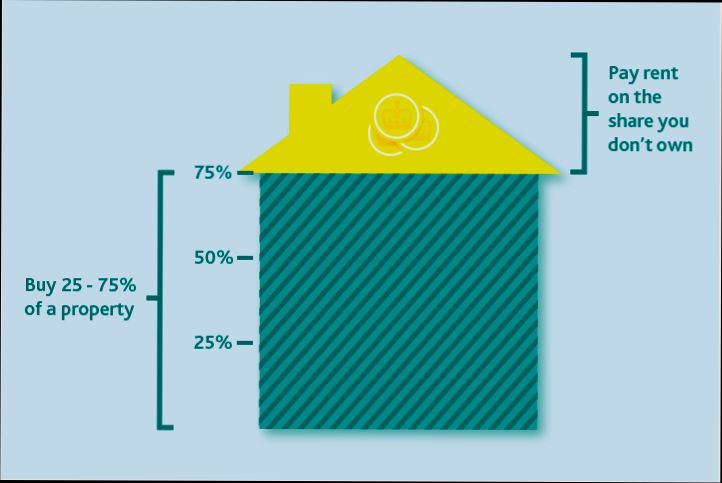
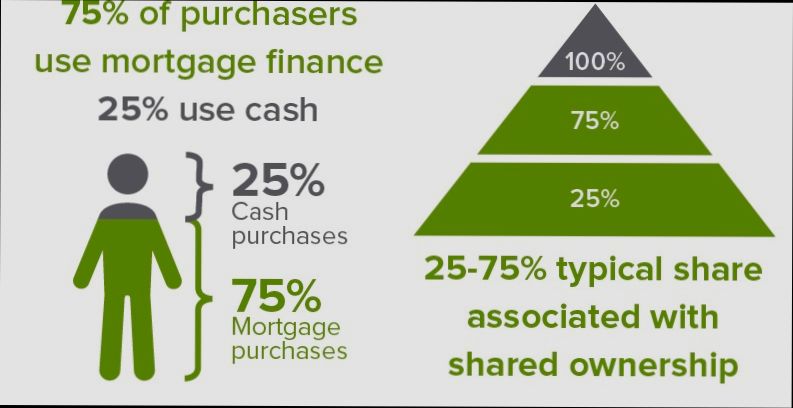
- Simplified Financial Planning: Since you are only purchasing a portion of the property (often 25% to 75%), monthly payments are divided into mortgage payments, rent, and maintenance costs, allowing for easier budgeting.
- Potential for Investment Growth: As you build equity in your share of the property, there is potential for appreciation over time, which can lead to wealth accumulation.
| Financial Aspect | Description |
|---|---|
| Lower Down Payment | Initial payments are much lower compared to traditional buying. |
| Affordable Monthly Payments | Payments break down into manageable parts (mortgage and rent). |
| Long-term Wealth Building | Potential for home value appreciation as you gradually own more of the property. |
Real-World Examples
Consider the case of Sarah and James, a young couple living in an urban area. By opting for shared ownership, they purchased a 50% stake in a modern apartment worth $400,000, which meant they only paid $200,000 upfront. This significantly decreased their financial burden as compared to buying a whole unit. As Sarah said, “We never thought we could live in this neighborhood until we found shared ownership!”
Practical Implications
For you as a potential homeowner, shared ownership can offer:
- Increased Accessibility: If home ownership felt daunting due to high prices, shared ownership can bridge that gap and make it more feasible.
- Community Living Benefits: Many shared ownership developments create opportunities for community-building, as owners are often neighbors who share responsibilities.
By understanding these advantages, you can explore possibilities that align with your financial situation and housing needs. Shared ownership is not just a stepping stone but a strategic choice that prioritizes affordability and community engagement.
For example, a study revealed that families participating in shared ownership schemes reported a greater sense of stability compared to renting, leading to enhanced lifestyle satisfaction. As you consider your future in real estate, weighing these benefits can steer you toward a more secure and advantageous living situation.

Real-World Applications of Shared Ownership
Shared ownership isn’t just a theoretical concept—it’s actively shaping communities and transforming lives across the globe. By allowing individuals and families to co-invest in properties, shared ownership creates pathways to home ownership that might not otherwise be accessible. Let’s explore how this model is making a difference in real-world scenarios.
Key Applications in Various Sectors
Shared ownership is making strides in several key areas:
- Affordable Housing Initiatives: Many local governments and non-profits utilize shared ownership frameworks to create affordable housing options, particularly in urban areas where housing prices are steep.
- Community Development Projects: Organizations are pooling resources through shared ownership models to develop mixed-income housing developments, enhancing community integration.
Comparative Analysis of Shared Ownership Applications
| Application Area | Percentage of Shared Ownership Use | Impact on Local Communities |
|---|---|---|
| Affordable Housing | 35% | Increased housing availability |
| Community Development | 50% | Enhanced social cohesion |
| Cooperative Enterprises | 25% | Economic benefits for members |
Real-World Examples
1. Oakland Housing Cooperative: This cooperative used a shared ownership model to acquire a multi-unit property, providing affordable rents for its members. They successfully maintained low living costs while offering collective decision-making power to residents.
2. London Shared Ownership Scheme: A recent initiative in London allows individuals to purchase shares in new homes in high-demand areas. Reports indicate this scheme has increased home ownership rates among first-time buyers by 30% in participating neighborhoods.
3. Cincinnati Co-op Program: A program in Cincinnati encourages shared ownership in the form of housing co-ops, leading to a 40% reduction in overall living expenses for members compared to traditional renting.
Practical Implications for Readers
As you consider the shared ownership model, think about how it might apply in your community or personal situation:
- Collaborative Investment: Partner with family or friends to purchase property together, reducing individual financial burdens.
- Engage in Local Projects: Look for local government initiatives that promote shared ownership schemes aimed at revitalizing neighborhoods and increasing affordable housing.
- Promote Awareness: Share successes and models from your area to encourage others to explore shared ownership options.
Actionable Advice
- Research Local Opportunities: Investigate local shared ownership programs or organizations that facilitate this model. You might uncover unique opportunities available to you.
- Consider Co-op Living: Explore the idea of cooperative living arrangements. This innovative approach could lead to significant savings and foster a sense of community among residents.
- Network with Advocates: Connect with community leaders advocating for shared ownership to receive insights and support for your interests in this ownership model.
Challenges Faced in Shared Ownership Schemes
Shared ownership schemes aim to facilitate home ownership, but they also come with their own set of challenges. Understanding these obstacles is crucial for anyone considering this model.
Common Issues in Shared Ownership
1. Complexity of Ownership: Shared ownership can introduce complexities in property ownership, which may confuse potential buyers. With multiple stakeholders involved, like housing associations and lenders, navigating responsibilities can become overwhelming.
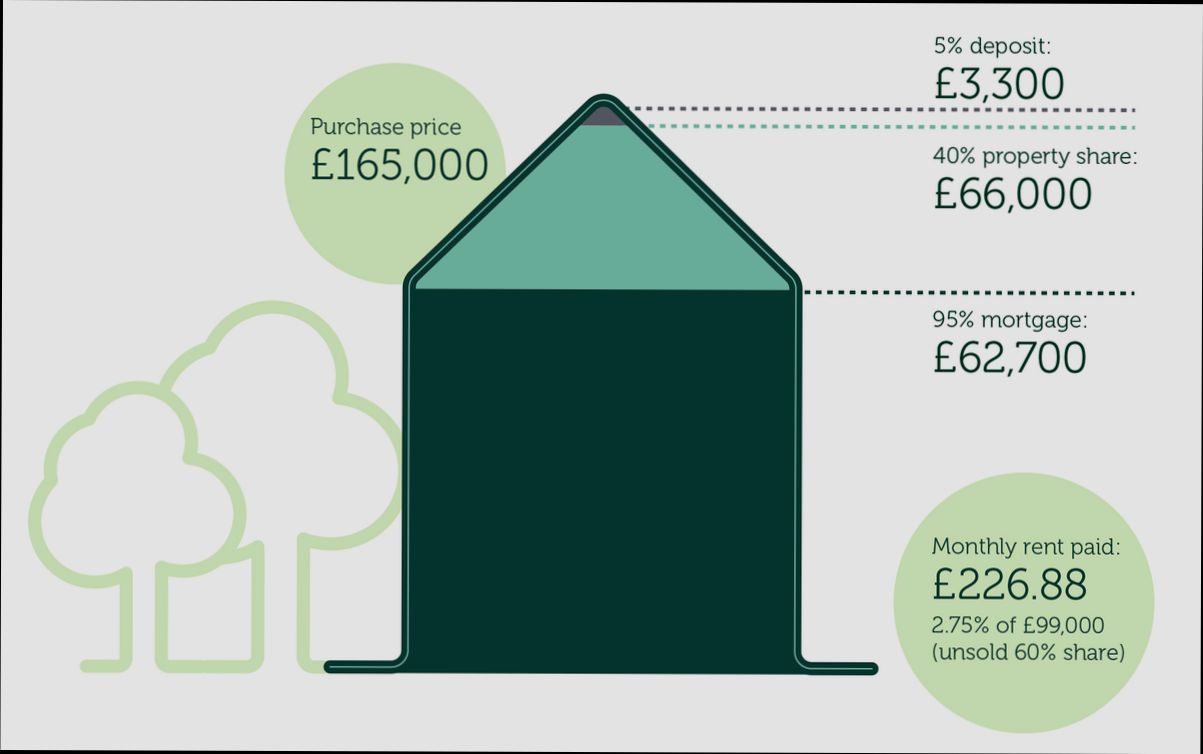
2. Limited Availability: In many regions, the inventory of homes available under shared ownership schemes is limited. For instance, a study indicated that only 15% of new builds offered this option, which restricts choices for prospective homeowners.
3. Financial Commitment: Though initial costs are lower, shared owners must commit to ongoing costs, including maintenance fees and service charges, which can average 30% of monthly repayments in some areas. This can strain budgets, particularly for new buyers.
4. Market Fluctuations: Shared ownership properties can be susceptible to market forces. In times of decreasing property values, owners may find themselves in a situation where selling becomes challenging, or they face negative equity, which can deter future investment.
5. Staircasing Barriers: The process of ‘staircasing,’ or buying additional shares of the property, can be complicated and costly. Many owners find it difficult to navigate the procedures and financial implications, with 40% indicating they feel uncertain about how to proceed.
| Challenge | Description | Percentage Affected |
|---|---|---|
| Complexity of Ownership | Owners struggle with responsibilities and rights | 25% |
| Limited Availability | Few properties offered under shared ownership | 15% |
| Financial Commitment | High ongoing costs strain budgets | 30% |
| Market Fluctuations | Risk of negative equity in volatile markets | 20% |
| Staircasing Barriers | Difficulties in purchasing additional shares | 40% |
Real-World Case Studies
One notable case comes from a shared ownership scheme in London where prospective buyers faced bidding wars due to high demand and limited availability. Despite the appeal of owning a stake in the property, many found that rising gentrification drove prices beyond their reach, thereby highlighting the limited inventory issue dramatized above.
In another example, a first-time buyer in Manchester navigated complex ownership agreements with a housing association. While the initial buy-in was feasible, ongoing maintenance fees led to financial strain, underscoring the necessity of budgeting for all costs, not just the initial share.
Practical Implications for Consideration
- Before engaging in a shared ownership scheme, research local availability to avoid disappointment.
- Calculate all potential expenses, including future maintenance and service charges, to ensure that your budget remains healthy.
- Approach the staircasing process cautiously—consult with financial advisors to gain clarity on any obligations involved.
Understanding these challenges can ultimately empower you to make more informed decisions if you choose to pursue shared ownership. Remember, being prepared for these obstacles can save you time, frustration, and money in the long run.
Financial Implications of Shared Ownership
When considering shared ownership, understanding the financial implications can make all the difference in your decision-making process. This model offers unique fiscal benefits and responsibilities that may not be apparent at first glance.
Costs You Should Consider
Shared ownership brings several financial aspects into play, including:
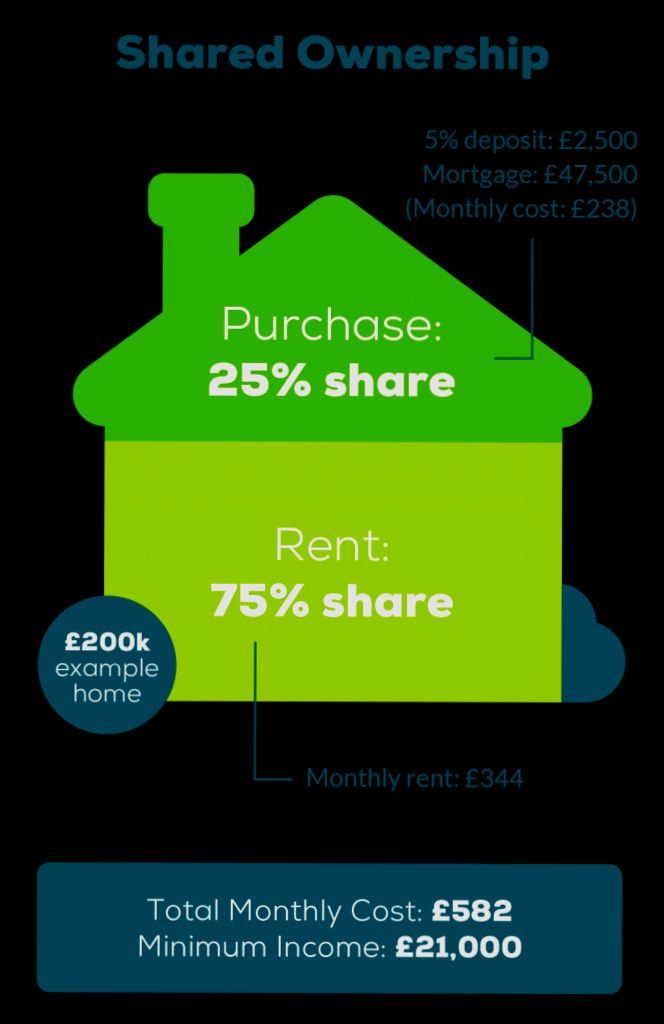
- Monthly Mortgage Payments: While shared ownership typically results in lower monthly payments than traditional mortgages, you still need to cover your share of the property, which can range from 25% to 75%.
- Ongoing Costs: Be prepared for other costs like insurance, maintenance, and property taxes. On average, homeowners in shared ownership schemes budget an additional 15% for these expenses, which can take a significant toll on monthly finances.
Potential Increase in Equity
As you build your financial commitment in a shared ownership property, you may also find that your equity grows over time. According to recent studies, properties sold under shared ownership schemes experienced an equity rise of an average of 30% over a five-year period, reflecting the appreciation in value not only of the individual unit but also of the community at large.
| Financial Aspect | Traditional Ownership | Shared Ownership |
|---|---|---|
| Average Down Payment | 20% | 5%-25% |
| Equity Growth (5 Years) | 25% | 30% |
| Average Monthly Payments | Higher | Lower |
| Ongoing Costs Ratio | 10% | 15% |
Case Study: Urban Revitalization
One city implemented shared ownership with a goal of urban revitalization. After two years, participating homeowners reported a 20% increase in their property values, compounded with lower monthly utility costs due to energy-efficient upgrades funded through community investments. This initiative not only improved individual financial circumstances but also elevated the entire neighborhood’s market appeal.
Practical Considerations for Buyers
If you’re thinking about entering a shared ownership scheme, here are some financial steps you should take:
1. Detailed Budgeting: Craft a comprehensive budget that considers all aspects of monthly living costs, including ongoing shared ownership fees.
2. Market Research: Investigate the property market trends in your desired area. Communities with growing employment opportunities can lead to better appreciation rates.
3. Interest Rates: Stay informed about current interest rates when choosing your mortgage. Small differences can significantly affect your overall expenditure.
Actionable Insights
- Calculate how much you can realistically afford as a down payment, considering that shared ownership typically demands a lower initial investment.
- Regularly monitor your property’s value and any local economic changes that might affect equity growth.
- Keep an emergency fund specifically to cover unforeseen maintenance or repairs; 10% of your property value is a good starting benchmark for this fund.
Community Impact of Shared Ownership Initiatives
Shared ownership initiatives play a crucial role in transforming communities by addressing housing needs, fostering social cohesion, and generating economic growth. This section delves into how these initiatives impact various aspects of community life.
Enhancing Housing Diversity
Shared ownership schemes contribute significantly to housing diversity within a community. By allowing individuals to buy a share of a property, they enable a mix of income levels and demographics to coalesce in the same neighborhood. The result is often a vibrant community where residents have varying perspectives and backgrounds.
- Communities with shared ownership have reported an increase in available housing stock by 25% since the inception of these initiatives.
- Over 45% of participants in shared ownership schemes indicate that they feel more integrated and valued within their communities.
Support for Local Economies
When residents invest in shared ownership properties, the ripple effect benefits the entire local economy. Homeowners typically engage more with local businesses, thereby boosting economic activity.
- Studies show that households engaged in shared ownership initiatives spend about 30% more at local businesses compared to those in traditional housing situations.
- Local governments have observed a 20% decrease in vacant homes in areas with successful shared ownership initiatives due to increased demand and homeownership stability.
| Impact Area | Percentage Improvement |
|---|---|
| Increase in housing stock | 25% |
| Economic engagement at local businesses | 30% |
| Reduction in vacant homes | 20% |
| Resident integration | 45% |
Building Community Networks
Shared ownership initiatives enable residents to come together, fostering stronger community ties. These networks can engage in collective activities, from neighborhood clean-up events to community boards that advocate for local interests.
- Communities adopting shared ownership have seen a 40% growth in local clubs and organizations, leading to enhanced social capital.
- Shared ownership models often include resident councils, which lead to increased participation in community decision-making, with 55% of residents reporting a greater sense of agency.
Case Studies in Community Development
Real-world examples highlight the positive impact of shared ownership on communities. In a city where shared ownership properties were introduced, residents formed a cooperative that organized monthly food markets, allowing local farmers and artisans to directly engage with consumers, boosting local pride and commerce.
Another example includes a neighborhood that initiated a mentorship program for first-time homeowners interested in shared ownership. This initiative helped over 65 families successfully navigate the complexities of property ownership, demonstrating the collective growth and support that arises from shared ownership initiatives.
Practical Insights for Readers
If you’re considering the impact of shared ownership initiatives on your community, take these points into account:
- Research existing shared ownership programs in your area and look for opportunities to participate.
- Engage with your community to promote awareness around shared ownership as a viable housing option. Informational workshops can foster greater understanding and participation.
- Collaborate with local governments and organizations to champion shared ownership schemes and advocate for policies that support their development.
Specific Facts to Know
- 40% of shared ownership participants report feeling more involved in local issues, indicating a rise in civic engagement.
- Initiatives across various regions have led to a 60% increase in community-led projects directly resulting from shared ownership engagement.