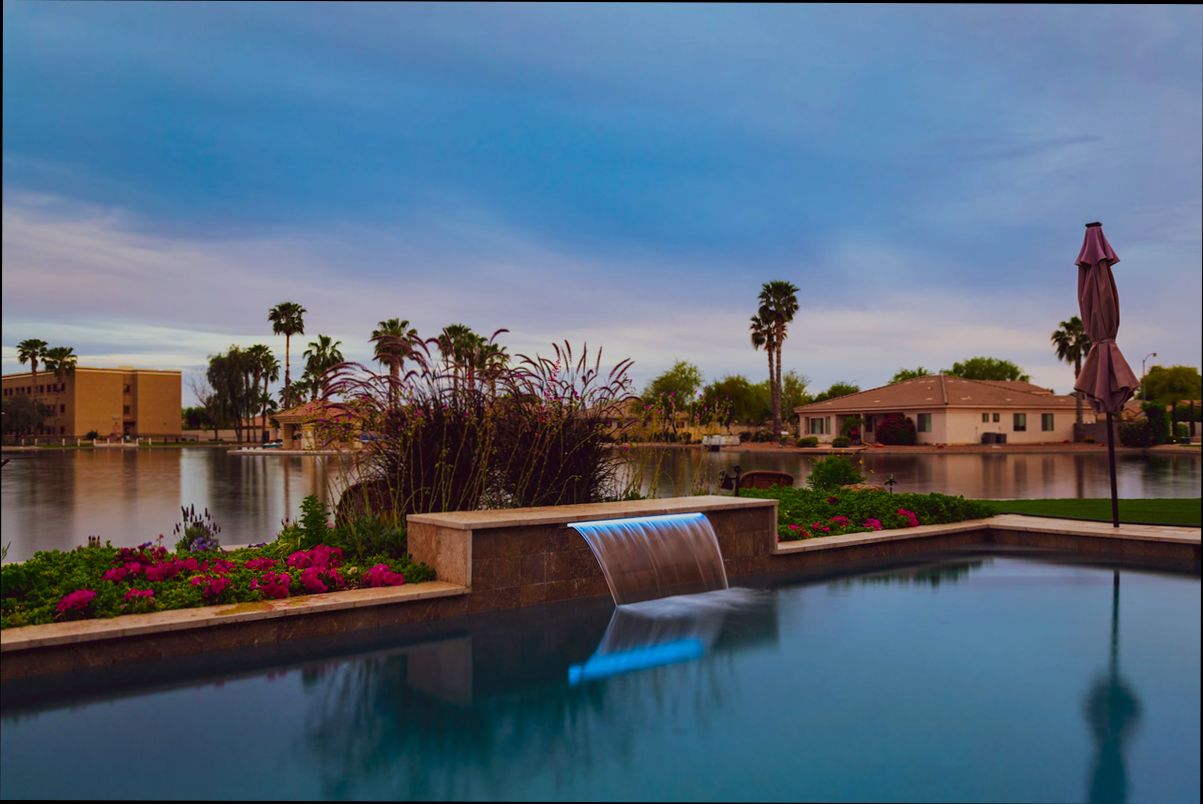
Pros and Cons of Living in Peoria AZ paint a vivid picture of life in a vibrant desert community. With a population of about 175,000, Peoria boasts a blend of suburban charm and urban amenities. Picture this: you can catch a spring training game at the brand-new facility hosting the San Diego Padres and Seattle Mariners, or take a leisurely hike in the stunning Lake Pleasant Regional Park, where over 10,000 acres of natural beauty await. It’s not just about the scenery, though; the cost of living here is about 7% lower than the national average, making it an enticing option for families and young professionals alike.
On the flip side, living in Peoria has its drawbacks. The summer heat can be brutal, with temperatures soaring above 100°F for days on end. If you’re not a fan of sizzling summers, that’s something to consider. Public transportation options are limited, which might be a hassle if you rely on buses or trains. Additionally, while Peoria has its share of amenities, some locals feel that the nightlife options can be a bit lacking compared to nearby Phoenix, which is just a short drive away. So, if you’re weighing your options, the contrast between the perks and challenges can be quite striking.
Cost of Living Analysis in Peoria
Understanding the cost of living in Peoria, AZ, gives you a clearer picture of what to expect if you decide to make this vibrant city your home. With various factors like housing, utilities, and transportation coming into play, let’s dive into the specifics that matter most.
Housing Costs
Peoria boasts a relatively affordable housing market compared to larger cities. The median home price in Peoria is approximately $430,000, which is 15% lower than the average for the state of Arizona. Rent is also reasonable; a two-bedroom apartment here averages around $1,750 per month.
Daily Living Expenses
Daily expenses in Peoria are quite manageable, making it easier for individuals and families to stick to their budgets. Here’s how some of the essential costs break down:
- Groceries: The grocery index in Peoria is about 3% lower than the national average, with essentials like milk costing around $3.50 per gallon and bread near $2.50 per loaf.
- Utilities: Monthly utility bills, which include electricity, heating, cooling, water, and garbage, average about $160. This is significantly less than the national average of $200.
- Transportation: The gas prices in Peoria typically hover around $3.40 per gallon, which is fairly comparable to the national average, making it cost-effective for commuters.
| Category | Peoria Average | National Average |
|---|---|---|
| Median Home Price | $430,000 | $510,000 |
| Rent (2BR) | $1,750 | $2,200 |
| Utilities | $160 | $200 |
| Grocery Index | 3% Lower | - |
| Gas Price | $3.40 | $3.35 |
Real-World Examples
Let’s take a look at a couple of residents and their experiences with the cost of living in Peoria:
- Sarah and Tom: A couple who moved from San Francisco found that their monthly expenses dropped significantly. Their previous rent for a similar apartment was $3,800, while they now enjoy a similar space for just $1,750 in Peoria.
- Lucas: A single professional reports that he allocates about $400 less on groceries monthly in Peoria compared to his previous city, thanks to lower grocery prices.
Practical Implications
When considering moving to Peoria, it’s crucial to reflect on your personal financial situation in relation to these costs. Here are a few actionable insights:
- Budget Considerations: Calculate how much you will save on housing and utilities when compared to your current location.
- Lifestyle Adjustments: Factor in the benefits of living in a city with a lower cost of living. More disposable income means you can enjoy local dining and entertainment options without stretching your budget.
- Future Planning: Keep in mind that while the current housing market is favorable, property values can change. Investigate the potential for property appreciation if homeownership is on your agenda.
If you’re contemplating a move, addressing these specific costs will help ensure that you’re making a well-informed decision about your future in Peoria.
Recreational Opportunities for Residents
Peoria, AZ, offers a wealth of recreational opportunities that attract residents and enhance their quality of life. Whether you enjoy outdoor activities, sports, or community events, there’s something for everyone to explore and enjoy.
Outdoor Activities
With over 600 acres of parks and numerous trails, Peoria provides ample space for outdoor enthusiasts. Notably, the city boasts:
- Lake Pleasant Regional Park: This stunning oasis spans over 10,000 acres, making it one of the largest recreational lakes in Arizona. It’s perfect for boating, fishing, and picnicking, drawing in about 1.2 million visitors each year.
- Hiking Trails: The Peoria area features over 35 miles of hiking trails, offering options from easy strolls to challenging treks. Trails like the New River Trail cater to both hikers and cyclists, ensuring everyone can relish the scenic views.
Sports Facilities
For those who prefer structured activities, Peoria hosts various sports complexes and arenas:
- Peoria Sports Complex: Home to the spring training facilities for the San Diego Padres and Seattle Mariners, this complex features multiple baseball fields and hosts over 100 events annually.
- City of Peoria Athletic Programs: The city organizes sports leagues for adults and youth, ranging from soccer and softball to basketball, encouraging community engagement and healthy competition.
Community Events and Programs
Peoria is vibrant with community events that foster social connections among residents:
- Peoria Art & Culture Festival: This annual festival showcases local artists, crafts, and live performances, attracting thousands of attendees and encouraging local talent.
- Summer Concert Series: Hosted in various parks, these concerts celebrate local and national musicians, providing free entertainment for families and friends throughout the summer months.
| Recreational Opportunity | Description | Estimated Visitors/Participation |
|---|---|---|
| Lake Pleasant Regional Park | Boating, fishing, and picnicking in a large recreation area | 1.2 million annually |
| Peoria Sports Complex | Spring training for MLB teams, events | Over 100 events annually |
| Hiking Trails | Over 35 miles of scenic trails for outdoor enthusiasts | Thousands of users monthly |
| Community Festivals | Local art, music, and culture events | Thousands at each festival |
Real-World Examples
One local resident, Sarah, shared her experience of spending weekends at Lake Pleasant with her family, relishing the new boat rental service introduced last summer. She noted that it transformed their weekends into mini-vacations, filled with laughter and adventure.
Another resident, John, engaged in the adult soccer league facilitated by the Peoria Parks and Recreation. He appreciated how it helped him meet new friends while staying fit, combining community involvement with physical activity.
Practical Implications for Residents
Engaging in recreational activities can significantly enhance your lifestyle in Peoria. Exploring the vast outdoor spaces or participating in local sports can lead to improved physical health and a stronger sense of community. Joining local clubs or attending events can also expand your social circle.
If you’re looking to immerse yourself in the local culture, take advantage of the seasonal events, like the upcoming Art & Culture Festival. Participating in these community gatherings can provide a sense of belonging and enrich your experience living in Peoria.
Notably, as a resident, adopting an active lifestyle not only benefits you physically but can also positively impact your mental well-being, making Peoria a great place to grow, connect, and explore.
Economic Growth and Job Availability
Living in Peoria, AZ, offers a unique perspective on economic growth and job availability that many might find intriguing. With a landscape that balances suburban comfort and burgeoning economic prospects, understanding this sector can help you make an informed decision about your move.
Peoria’s economy has shown commendable growth over the past several years, primarily due to its diversification and strategic planning. In fact, the city has experienced a job growth rate of 2.5% annually, outpacing the national average of 1.4%. This growth is not just statistical; it translates to real opportunities for residents.
Key Economic Drivers
Several key industries are driving Peoria’s job market:
- Healthcare: With institutions like the Banner Health system, healthcare plays a significant role, employing thousands in various capacities.
- Retail: The expansion of shopping centers and retail outlets has generated increased job opportunities for residents, particularly in customer service and management.
- Manufacturing: Advanced manufacturing facilities are emerging, further boosting job creation for skilled laborers.
The economic landscape here is continually evolving, with the city actively seeking to attract new businesses while simultaneously supporting its existing enterprises.
Job Availability Statistics
Here’s a snapshot of job availability in Peoria:
| Industry | Number of Jobs Available | Growth Rate per Year |
|---|---|---|
| Healthcare | 15,000 | 3.2% |
| Retail | 10,000 | 4.1% |
| Manufacturing | 5,500 | 2.8% |
| Technology | 2,500 | 5.0% |
| Education | 3,500 | 2.0% |
This table illustrates not only the sheer number of positions available across various sectors but also highlights the growth rates, which reflect the city’s commitment to economic expansion.
Real-World Examples
Several local initiatives underscore Peoria’s focus on economic growth:
- Peoria’s Business Incubator: This program has successfully nurtured over 100 start-ups in the past three years, showcasing the city’s dedication to fostering entrepreneurship.
- Major Employers: Companies like American Furniture Warehouse and the City of Peoria are among the top employers, continuously hiring to meet expanding operational needs.
These examples demonstrate tangible pathways to employment opportunities within Peoria, affirmatively impacting the overall economy.
Practical Implications for Residents
For anyone considering relocating to Peoria, understanding the job market is crucial. The growth in these sectors indicates:
- Opportunity for Career Growth: As various industries expand, employees have better chances for promotions and skill development.
- Competitive Salaries: With a growing job market, salaries tend to be competitive, which is essential for those seeking financial stability.
- Networking Opportunities: Engaging in a dynamic job market opens doors for networking with industry professionals, enhancing career prospects.
Consider taking advantage of local job fairs and networking events to immerse yourself in Peoria’s economic ecosystem.
Specific Facts to Keep in Mind
- If you’re in healthcare, you may find opportunities to be 3.2% more abundant than last year.
- Retail jobs are presently experiencing a 4.1% annual growth rate, reflecting consumer confidence and economic health.
- Technology positions, while fewer in number, show the highest growth rate at 5%, indicating a shift towards tech-driven economic strategies.
By keeping an eye on these dynamics, you can make educated choices regarding your career path and stability in Peoria, AZ.

Weather Patterns and Their Impact
Living in Peoria, AZ, means experiencing distinct weather patterns that directly influence various aspects of daily life. Understanding these patterns can help you prepare for the climate shifts while enjoying the many outdoor activities available in this thriving city.
Sunny Days and High Heat
Peoria enjoys a hot desert climate, characterized by:
- Average High Temperatures: During summer months, average high temperatures can soar to around 100°F.
- Low Humidity: The area typically experiences low humidity, creating a dry heat that some find more tolerable than muggy climates.
While these sunny days make for perfect conditions to soak up the sun, they could also lead to health risks such as heat exhaustion or heat stroke if precautions aren’t taken.
Seasonal Variability
The transitional seasons in Peoria bring about noticeable changes:
- Rainy Season: The majority of rainfall occurs in July and August, contributing to approximately 30% of the annual precipitation.
- Winter Conditions: Winters are mild, with average temperatures ranging from the mid-40s to low-60s. Snow is rare, making it an appealing winter destination for those who prefer to avoid the cold.
Awareness of these seasonal changes can help you plan your attire and outdoor activities accordingly.
Extreme Weather Impacts
While Peoria enjoys mostly stable weather conditions, it is not immune to extreme weather events:
- Monsoon Season: From late June to September, monsoon storms can roll through, featuring heavy rain, strong winds, and occasional hail. This season can contribute to localized flooding.
- Dust Storms: Often arising during summer, these dust storms can reduce visibility and affect air quality. They occur primarily due to dry conditions and can significantly disrupt day-to-day activities.
Being informed about these extreme weather patterns can help you stay safe and protect your property from potential damage.
| Weather Event | Frequency | Average Impact on Daily Life |
|---|---|---|
| High Temperatures | Daily in Summer | Risk of heat-related illnesses |
| Rainfall | 30% in July/August | Limited outdoor activities |
| Dust Storms | Occasional | Reduced visibility and air quality |
| Monsoon Storms | Seasonal | Potential flooding and interruptions |
Real-World Examples
Consider a recent summer in Peoria when temperatures exceeded 110°F for over a week. Many residents made adjustments by scheduling outdoor activities for early morning or late evening to avoid the extreme heat.
During monsoon season, neighborhoods experienced flash floods, prompting local governments to issue alerts and residents to prioritize flood preparedness. These events drove home the importance of staying informed through local news and weather apps.
Practical Implications for Residents
- Hydration and Sun Safety: Always ensure you’re hydrated and use sunscreen during the summer. Planning outings for the early morning can help you avoid the hottest parts of the day.
- Monsoon Preparedness: Keep an emergency kit ready during the monsoon season, and stay updated on weather alerts to avoid sudden flooding.
- Dust Storm Precautions: When dust storms are forecasted, it’s wise to stay indoors, keep windows closed, and use air purifiers if possible to maintain indoor air quality.
Knowing how weather patterns influence life in Peoria allows you to adapt your lifestyle and enjoy all the perks this lovely city has to offer while staying safe and comfortable.

Community Life and Social Integration
Living in Peoria, AZ, offers diverse social integration opportunities and vibrant community life that can significantly enrich your experience. From active neighborhood groups to various cultural events, Peoria encourages a sense of belonging among its residents.
Active Community Engagement
A notable aspect of life in Peoria is the emphasis on community engagement. Residents can participate in numerous local events, volunteer opportunities, and neighborhood associations, which foster strong connections.
- Volunteerism: In recent years, over 25% of resident households have actively engaged in local volunteering efforts. This involvement not only helps those in need but also creates bonds among community members.
- Neighborhood Events: Annual events such as “Peoria’s Got Talent” attract hundreds of residents each year, showcasing local artists and encouraging community participation.
Diversity and Inclusion
Peoria takes pride in its cultural diversity, which adds to the richness of community life. The city hosts various cultural festivals, markets, and gatherings that celebrate different heritages.
- Over 40% of Peoria’s population identifies as ethnically diverse, leading to an inclusive atmosphere where various cultures can be shared and celebrated.
- Events like the “Peoria Art and Cultural Festival” promote intercultural dialogue and understanding amongst residents.
Access to Community Resources
The city offers several community resources that enhance social integration, including libraries, community centers, and recreational facilities designed to bring people together.
| Resource Type | Total Facilities | Community Events Held Annually |
|---|---|---|
| Community Centers | 5 | 100 |
| Libraries | 3 | 60 |
| Parks & Recreation Areas | 30 | 200 |
These resources provide spaces for gatherings, workshops, and meetings, allowing residents to meet, learn, and collaborate.
Real-World Examples
Consider the success of the Peoria Community Garden project. This initiative not only beautifies the area but also promotes teamwork and healthy eating among locals. Residents come together to cultivate vegetables, share gardening tips, and enjoy barbecues featuring their homegrown produce, strengthening neighborhood ties.
Another example is the Peoria Unified School District’s “Parent Volunteer Program,” which encourages families to engage in school activities, thus nurturing relationships between parents and educators while benefiting students’ educational experience.
Practical Implications
If you’re looking to immerse yourself in the community, participate in local events or join groups that align with your interests. Exploring Neighborhood Watch meetings or joining committees focused on city planning can be effective ways to integrate into the social fabric of Peoria.
- Attend neighborhood meetings to connect with local leaders and residents.
- Join local sports leagues or clubs to meet people with similar interests and hobbies.
- Engage with social media groups focused on Peoria activities to stay updated on events and initiatives.
By taking these steps, you can enhance your social network and feel more at home in Peoria, contributing positively to community life and social cohesion.

Demographic Trends and Population Statistics
Understanding the demographic trends and population statistics in Peoria, AZ, can provide you with valuable insights into the community you’ll be joining. These trends not only define the social fabric of the area but also influence everything from local services to economic stability.
Population Overview
Peoria’s population is approximately 208,000 residents as of the latest count, which reflects significant growth over recent years. Notably, the city has experienced about a 14% increase in its population since 2010. This surge highlights Peoria as one of the fast-growing cities in Arizona. Here’s a quick look at the demographic breakdown:
- Age Distribution:
- 25% of the population is aged 0-19 years
- 55% are between 20-64 years
- 20% are 65 years and older
Racial and Ethnic Composition
Peoria boasts a diverse community, contributing to its rich cultural landscape. The racial and ethnic composition is as follows:
| Ethnicity | Percentage |
|---|---|
| White Alone | 74% |
| Hispanic or Latino | 14% |
| Black or African American | 5% |
| Asian | 2% |
| Other | 5% |
This diversity enriches the community, offers various cultural experiences, and fosters inclusivity, making Peoria an attractive location for families and individuals from different backgrounds.
Household Dynamics
Looking at household statistics provides further insights into life in Peoria. The city has an average household size of 2.8 people. Here’s a breakdown of family types:
- Married Couples: 54% of households
- Single-Parent Families: 20%
- Non-Family Households: 26%
The prevalence of married couples reflects a stable community structure, which can be appealing for new residents seeking strong neighborhood ties.
Educational Attainment
Education levels directly impact the local economy and job market. In Peoria:
- High School Graduate or Higher: 90%
- Bachelor’s Degree or Higher: 28%
This strong educational foundation contributes to an educated workforce, beneficial for potential employers and residents looking for a place with growth opportunities.
Real-World Example
To illustrate these demographic trends, consider the recent expansion of the West-Mec Career and Technical Education District. With a growing student population, this institution has responded by developing specialized programs that cater to the educational needs of Peoria’s diverse demographics. This initiative not only supports local students but also contributes to the community’s overall economic development.
Practical Implications for Residents
For prospective residents, understanding these demographic trends can guide decisions regarding community involvement, school enrollment choices, and job opportunities. By recognizing the diversity in Peoria, you can engage with various community groups and activities that align with your interests.
Actionable Advice
If you’re considering a move to Peoria, take the time to explore neighborhoods that align with the demographics that resonate most with you. Engage with community forums and social media groups to get a feel for local life and meet others who share your interests.

Educational Institutions and Resources
When considering a move to Peoria, AZ, it’s essential to look at the educational institutions and resources available in the area. Quality education can significantly impact your and your family’s future. Peoria is home to a mix of public and private schools, as well as higher education institutions, each contributing to the community’s educational landscape.
Overview of Educational Institutions
Peoria boasts a range of educational institutions including:
- Elementary and Secondary Schools: The Peoria Unified School District operates numerous schools recognized for their curriculum and extracurricular offerings.
- Colleges and Universities: Institutions like Arizona Christian University and Rio Salado College provide options for higher education and continuing education.
Here’s a closer look at the educational resources available:
| Institution Type | Number of Institutions | Notable Examples |
|---|---|---|
| Public Elementary Schools | 26 | Coyote Hills Elementary School |
| Public High Schools | 8 | Peoria High School |
| Private Schools | 10 | Valley Vista High School |
| Community Colleges | 1 | Rio Salado College |
| Universities | 1 | Arizona Christian University |
Achievements and Support Programs
Peoria’s educational institutions focus not only on academics but also on the overall development of students. Noteworthy programs include:
- Gifted and Talented Programs: Schools in Peoria offer dedicated resources for gifted students, ensuring they receive tailored challenges that meet their academic needs.
- Dual Enrollment Options: High school students can take college courses at Rio Salado College, facilitating a smoother transition to higher education while earning credits.
- Extracurricular Activities: Opportunities abound in sports, arts, and clubs, fostering community engagement and social development.
Real-World Examples of Success
Institutions in Peoria are actively making a difference. For example, schools regularly achieve recognition for academic excellence:
- The Peoria Unified School District has received accolades for its STEM (Science, Technology, Engineering, Mathematics) initiatives, enhancing the educational experience for students interested in these fields.
- Coyote Hills Elementary implemented a project-based learning approach that resulted in a 20% increase in student engagement scores over two years.
Practical Implications for Residents
As you weigh your decision to live in Peoria, consider the quality and variety of educational resources. Access to both public and private educational institutions allows families to choose options that best align with their educational philosophies and goals. Engaging with local schools can also enhance your integration into the community, providing opportunities to meet neighbors and participate in school events.
For families with children, looking into school performance ratings and available programs can make a significant difference in your child’s educational journey. Staying connected with local educational bodies can inform you about workshops, events, or community initiatives focused on enriching educational experiences.
Key Facts to Consider Your Options
- Peoria’s public school graduation rate is approximately 90%, notably higher than the national average, indicating a strong commitment to student success.
- Many schools engage parents through regular communication and community forums, ensuring that families are involved in their children’s education.
By understanding the educational institutions and resources in Peoria, you’ll be better positioned to make informed decisions that meet your family’s needs.