What is a Green Card and How to Get It? Simply put, a Green Card gives you the right to live and work permanently in the United States. Imagine having the freedom to explore bustling cities like New York, settle down in sunny California, or even enjoy the charm of New Orleans—all while knowing that you have access to some of the best job opportunities and education in the world. In fact, according to the U.S. Citizenship and Immigration Services, over 1 million people receive their Green Cards each year, making it a highly sought-after ticket to the American Dream.
But securing a Green Card isn’t as simple as waving a magic wand. There are various pathways depending on your situation—like family sponsorship, employment opportunities, or even through humanitarian programs like asylum. For instance, did you know that in 2022 alone, nearly 300,000 immigrants gained their Green Cards through family ties? Each route has its own set of requirements, forms, and processing times that can vary widely. If you’re navigating this maze, it’s essential to understand your options and what steps you need to take to make that Green Card dream a reality.
Understanding the Green Card Definition
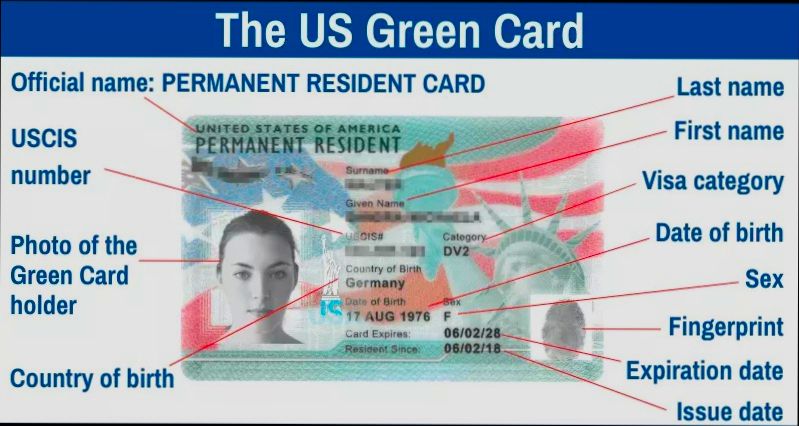
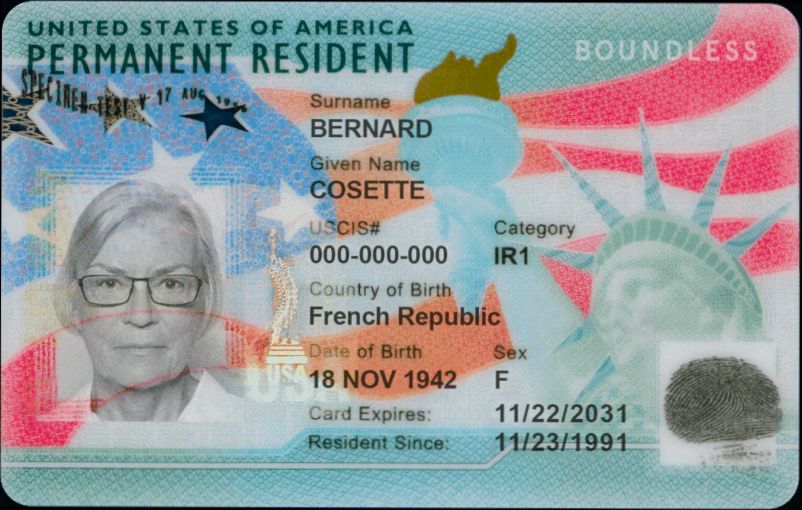
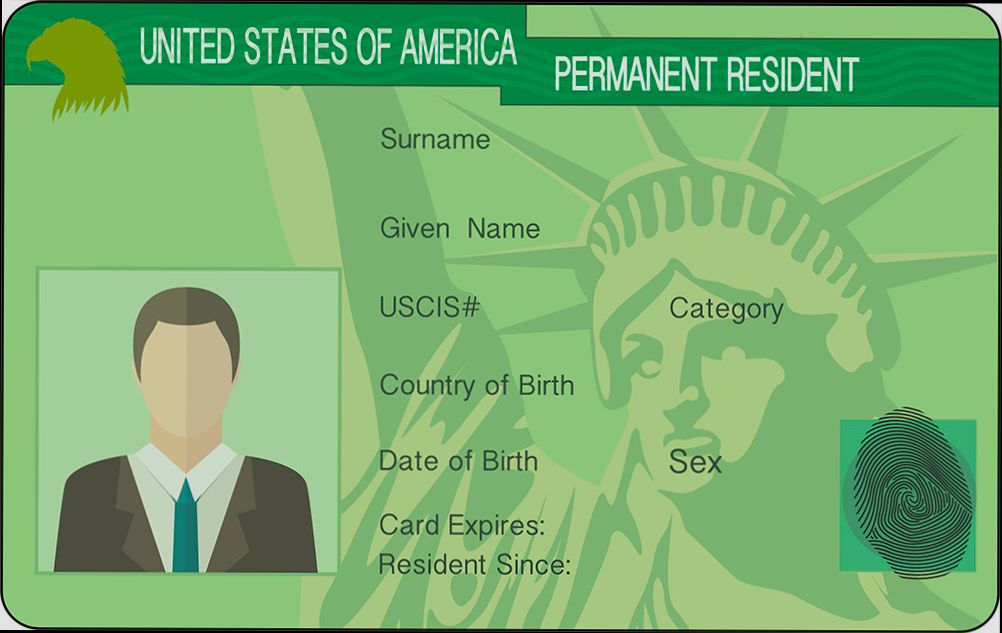
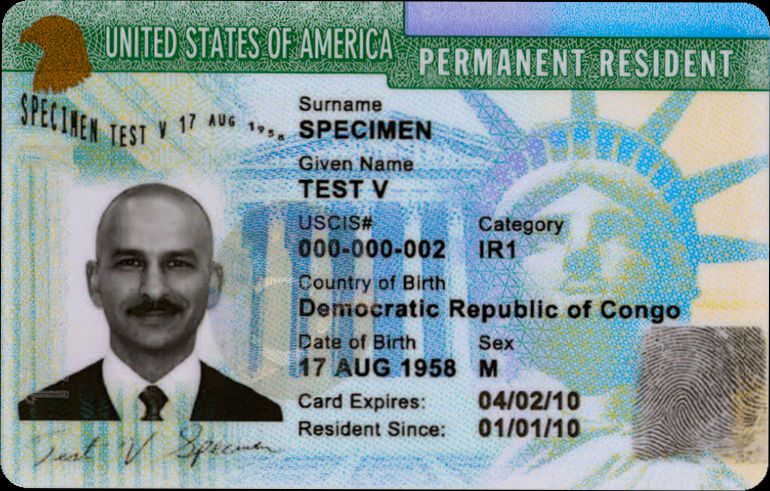
Getting familiar with the term “Green Card” is essential for anyone considering living and working in the United States. A Green Card, or Permanent Resident Card, is an identification card issued by the U.S. Citizenship and Immigration Services (USCIS) that grants foreign nationals the right to reside and work in the U.S. indefinitely.
One key aspect to understand is the different categories under which one can acquire a Green Card. Each category has its specific requirements and implications:
- Family-Based Green Cards: This category allows individuals to be sponsored by their immediate family members. For instance, an unmarried child under the age of 21 can obtain a Green Card with no waiting period, making it easier for families to reunite.
- Employment-Based Green Cards: Depending on employer sponsorship, this pathway varies in processing times based on the applicant’s occupation and the visa’s availability.
- Investment-Based Green Cards: Through the EB5 Visa program, significant financial investment can lead to permanent residency. For example, investing $1,050,000 or $800,000 in targeted areas can facilitate this process.
| Green Card Category | Eligibility Criteria | Waiting Period |
|---|---|---|
| Family-Based | Sponsored by U.S. citizen or lawful permanent resident | Varies; immediate family has no waiting period |
| Employment-Based | Sponsored by an employer | Varies; depends on occupation and visa availability |
| Investment-Based | Investment in U.S. business | Generally shorter but varies by country |
In practical terms, understanding these categories helps tailor your approach to applying for a Green Card. For instance, if you fall under the special categories for refugees or asylees, you might have different eligibility criteria compared to employment-based applicants. Furthermore, statistics show that the number of applicants for the Diversity Visa Lottery reached approximately 23 million in 2018; however, only about 116,000 were granted visas, highlighting the competitive nature of certain Green Card pathways.
For those in the family-based category, being the immediate relative of a U.S. citizen means you can skip waiting periods and apply directly, which is a significant advantage. On the other hand, if you’re considering an employment-based path, preparing for longer timelines due to backlogs in visa availability is crucial.
Remember that carrying your Green Card at all times is legally required once you obtain it. Failure to do so can lead to fines or imprisonment. Practical steps such as familiarizing yourself with the requirements for your specific Green Card category, preparing necessary documents, and understanding the process will set you up for success.
Ultimately, staying informed about the Green Card definitions and categories not only helps you identify your best path but also navigates potential challenges along the way.
Step-by-Step Green Card Application Process
Applying for a Green Card can feel overwhelming, but breaking it down into manageable steps makes it easier. In this section, we will walk you through the detailed step-by-step process of obtaining a Green Card, ensuring that you understand what to expect at each stage.
Step 1: Determine Your Eligibility
Before starting your application, identify which category you qualify under. The eligibility criteria can vary widely, so knowing where you stand is essential. Here are the main categories:
- Family-sponsored
- Employment-based
- Refugee or Asylee status
- Special immigrant status
For example, according to the U.S. Citizenship and Immigration Services (USCIS), about 65% of Green Cards issued in 2020 were family-based, showing you’re not alone in this journey.
Step 2: File the Appropriate Petition
Once you determine your eligibility, the next step is to file the relevant petition. This might involve:
1. Form I-130 for family-based applicants
2. Form I-140 for employment-based applicants
3. Form I-360 for special immigrant applicants
Each form requires specific information and documentation that verifies your eligibility, such as birth certificates or job offer letters.
Step 3: Wait for Approval
After submitting your petition, you’ll need to wait for USCIS to approve it. The waiting period can vary significantly based on your visa category and country of origin. For instance, the average waiting time for family-sponsored petitions can range from 6 months to several years, depending on the relationship and country of origin.
Step 4: Submit Your Green Card Application
Upon petition approval, you will file Form I-485 if you are in the U.S. for an adjustment of status, or you may need to attend consular processing if you’re outside the U.S. This step involves:
- Paying the filing fee, generally around $1,140
- Submitting required documents, such as your passport and medical exam results
Make sure to have all your documentation in order, as incomplete applications are a common reason for delays.
Step 5: Attend Your Interview
Most applicants must attend an interview with a USCIS officer. During this interview, they will ask questions about your application and life to verify your honesty and eligibility.
- Approximately 87% of applications led to interviews in 2020, indicating how crucial this step is for the overall process.
Step 6: Await Final Decision
After your interview, you’ll receive a decision. If approved, congratulations! If denied, you can appeal the decision or explore other options.
Comparative Table of Green Card Application Steps
| Step | Action Required | Timeframe |
|---|---|---|
| 1. Eligibility | Determine category and eligibility | Varies |
| 2. File Petition | Submit relevant form | 6-12 months |
| 3. Wait for Approval | USCIS processes petition | 6-36 months |
| 4. Submit Application | Complete Form I-485 or consular processing | 3-6 months |
| 5. Attend Interview | Answer questions and provide information | Scheduled within 2 weeks |
| 6. Final Decision | USCIS communicates outcome | Additional weeks |
Real-World Examples
John, a family-sponsored applicant, navigated through the process and took 18 months from filing his I-130 to receiving his Green Card. During his interview, he presented clear documentation and was able to answer questions confidently, which significantly assisted his case.
On the other hand, Maria faced challenges when her initial employment-based petition (I-140) was denied due to insufficient evidence of her job offer. By gathering further documentation and re-filing, she successfully received her Green Card within another 12 months.
Practical Implications
As you follow this step-by-step process, remember to:
- Stay organized: Keep copies of all documents and communications.
- Be patient: The timeline can vary widely based on individual circumstances and other factors.
- Prepare for interviews: Rehearse potential questions and review your application thoroughly.
Key Facts and Actionable Advice
According to USCIS, processing times for Green Card applications can range from 6 months to over 3 years based on various factors. Make sure to regularly check your case status online, and if you experience long delays, consider seeking legal advice to explore your options.
Benefits of Obtaining a Green Card
Navigating the world of residency in the United States can be complex, but the advantages of securing a Green Card are significant. Let’s explore why obtaining a Green Card can be beneficial for you.
Access to Employment Opportunities
Having a Green Card opens up a plethora of employment opportunities. As a permanent resident, you can work for any employer in the U.S. without needing a work visa. This flexibility means:
- You can pursue a wider range of job options, potentially leading to better career advancement.
- You are not limited to jobs that require sponsorship—91% of Green Card holders report better job satisfaction compared to visa holders.
Pathway to Citizenship
For many, a Green Card is a critical step on the path to becoming a U.S. citizen. Here are some points to consider:
- After holding a Green Card for three to five years, you may apply for citizenship, depending on your category.
- By becoming a citizen, you gain additional rights, including the ability to vote and apply for federal jobs—approximately 48% of Green Card holders eventually choose to become citizens.
Social Security Benefits
Green Card holders are eligible for Social Security benefits, provided they have worked in the U.S. for enough quarters. This offers:
- A safety net in retirement, ensuring financial security.
- Access to disability benefits, which can be vital for those facing health challenges.
Family Benefits
A Green Card not only benefits you but also your family members. This includes:
- The ability to sponsor your spouse and unmarried children for Green Cards, allowing them to join you in the U.S.
- Approximately 60% of Green Card holders cite family reunification as a major motivation for obtaining their residency.
Educational Opportunities
As a Green Card holder, you are granted advantages when it comes to education:
- You may qualify for in-state tuition rates at public colleges and universities, making higher education more affordable.
- Access to federal financial aid is often available, enhancing your ability to finance your education.
| Benefit | Green Card Holders | Visa Holders |
|---|---|---|
| Employment Flexibility | Yes | Limited |
| Pathway to Citizenship | 3-5 years | No |
| Access to Social Security | Yes | No |
| Sponsorship of Family | Yes | Limited |
| In-State Tuition Eligibility | Yes | No |
Real-World Example
Consider Maria, who moved from Mexico to the U.S. with a Green Card. She quickly found a job in education, experienced greater stability, and was able to apply for citizenship after three years. Maria’s experience shows how a Green Card can lead to a fulfilling career, family reunification plans, and eventually the benefits of full citizenship.
Practical Implications
Obtaining a Green Card has numerous benefits that improve both your personal and professional life in the U.S. Here are some actionable insights for potential applicants:
- Explore job options without worrying about visa constraints.
- Initiate the process toward citizenship sooner by maintaining your residency.
- Leverage available financial resources, such as educational funding, to enhance your qualifications.
Actionable Facts
If you are considering applying for a Green Card, keep in mind the diverse opportunities it presents. Research your eligibility for specific pathways and gather the necessary documentation early to ensure a smoother application process that opens doors to a fruitful life in the United States.

Key Statistics on Green Card Holders
When considering the dynamics of Green Card holders in the United States, a few key statistics offer essential insights. Understanding these numbers can help you grasp the impact and prevalence of Green Cards.
Current Statistics on Green Card Holders
- As of recent estimates, there are approximately 13.5 million lawful permanent residents (Green Card holders) in the United States.
- The annual issuance of Green Cards has seen an increase, with 1.1 million new Green Cards issued each year, signifying robust immigration patterns.
- 45% of all Green Card holders are from countries in Asia, highlighting the diverse backgrounds of immigrants settling in the U.S.
Comparative Table: Distribution of Green Card Holders by Region
| Region | Percentage of Green Card Holders | Average Duration of Stay (in years) |
|---|---|---|
| Asia | 45% | 5.7 |
| North America | 15% | 6.1 |
| Europe | 25% | 6.4 |
| Africa | 10% | 4.8 |
| Oceania | 5% | 5.2 |
Real-World Examples of Green Card Holders
- According to a study by the Migration Policy Institute, nearly 77% of Green Card holders eventually apply for U.S. citizenship, demonstrating their commitment to becoming full members of American society.
- A case study involving a community in California showed that Green Card holders significantly contributed to the local economy, leading to a 30% increase in local business revenues over a five-year period as they established businesses and created jobs.
Practical Implications for Readers
Understanding the demographic breakdown and the commitment of Green Card holders can provide valuable context for those interested in the immigration process. Knowing that a significant number of these individuals make the transition to citizenship may motivate prospective applicants to consider the long-term advantages of obtaining a Green Card.
Actionable Advice
If you’re contemplating applying for a Green Card, consider the implications of the current statistics. With millions already calling the U.S. home, aligning yourself with communities of new immigrants might offer additional support and resources in your journey towards residency.
Real-Life Success Stories of Green Card Recipients
Green Card recipients often embody the American Dream, navigating challenges to reach remarkable achievements. Their stories inspire hope and showcase the diverse paths individuals from all corners of the globe can take to establish successful lives in the United States.
Inspiring Achievements
- Diverse Backgrounds: Green Card holders come from an array of countries, including Japan, Colombia, and Kenya, contributing to the rich tapestry of American society.
- Professional Success: A significant percentage of Green Card holders go on to create successful careers and businesses, demonstrating the positive impact of immigration on the U.S. economy. For instance, approximately 58% of entrepreneurs in Silicon Valley are immigrants.
| Accomplishment | Profiled Individual | Origin | Achievement |
|---|---|---|---|
| Data-Driven Startup | Yushin Oka | Japan | Cofounded Sila Nanotechnologies, valued at over $3 billion. |
| Software Innovation | Josh Wardle | United Kingdom | Created Wordle, sold to The New York Times for a seven-figure sum. |
| Security Technology | Contrast Security | Unknown | Established a company valued at over $1 billion, with around 400 employees. |
Real-World Examples
1. Yushin Oka: Originating from Japan, Yushin co-founded Sila Nanotechnologies, which focuses on developing advanced battery technology. The company, now valued at over $3 billion, employs 350 individuals, highlighting how a Green Card can facilitate entrepreneurial success.
2. Katya Echazarreta: Immigrating from Mexico at just seven years old, Katya pursued an engineering degree and made history by flying on a Blue Origin spaceflight in 2022. Her story exemplifies how Green Card recipients can achieve extraordinary feats in STEM fields.
3. Josh Wardle: After moving from the United Kingdom to attend university in the U.S., Josh created the viral game Wordle. The success of this game, acquired by The New York Times for a significant sum, showcases the incremental steps that can lead to substantial achievements through hard work and innovation.
Practical Implications for Readers
Understanding these success stories can motivate current Green Card applicants as they navigate their journeys. Here are some actionable insights:
- Networking Importance: Many successful individuals emphasize building a supportive community. Engaging with industry professionals and peers can open doors to opportunities.
- Continuous Learning: Many of these success stories began with education. Pursuing further education or specialized training can enhance one’s career trajectory.
- Embrace Resilience: Each individual’s journey includes obstacles. Resilience and adaptability are essential traits that can lead to remarkable personal and professional growth.
Specific Facts to Consider
- Many recipients leverage their Green Cards to launch enterprises, often in tech and healthcare sectors, which are critical to the U.S. economy.
- Statistics reveal that about 25% of U.S. businesses are owned by immigrants, directly showcasing the vital role of Green Card recipients in economic development.
- Engaging in community service or mentorship can significantly enhance one’s personal life, providing a sense of belonging and further integrating into American society.

Different Types of Green Cards Explained
When navigating the world of Green Cards, it’s crucial to understand the various categories available. Each type comes with its own requirements and eligibility criteria, allowing you to tailor your approach based on your unique circumstances. Let’s break down the main types of Green Cards to help you find the best fit for your journey.
Key Types of Green Cards
1. Employment-Based Green Cards:
- These cards allow U.S. employers to sponsor foreign workers for permanent residency. This category is divided into several subcategories based on skills, education, and job offers.
- Approximately 140,000 employment-based Green Cards are issued annually.
2. Diversity Visa Green Cards:
- This program is designed to diversify the immigrant population in the United States by providing visas to individuals from countries with low rates of immigration to the U.S.
- Roughly 50,000 Diversity Visas are allocated each year through a lottery system.
3. Special Immigrant Green Cards:
- This includes various subcategories, such as those for religious workers, juvenile dependents, and certain Afghan and Iraqi nationals who worked with the U.S. government.
- The eligibility varies significantly, given the specific needs and backgrounds of applicants within this category.
4. Humanitarian Green Cards:
- Granted to refugees and asylees, these cards provide a pathway for individuals who have fled their home countries due to persecution or a well-founded fear of persecution.
- Tens of thousands of refugees are resettled in the U.S. each year, often on a conditional basis initially before obtaining permanent residence.
5. Temporary Protected Status (TPS) Green Cards:
- Individuals from designated TPS countries can apply for Green Cards after meeting certain criteria. This status is awarded to nationals who cannot safely return home due to ongoing conflicts or environmental disasters.
- As of recent estimates, over 300,000 individuals benefit from TPS in the U.S.
Comparative Table of Green Card Types
| Green Card Type | Key Characteristics | Annual Quota |
|---|---|---|
| Employment-Based | Sponsored by U.S. employers | 140,000 |
| Diversity Visa | Lottery system for low-immigration countries | 50,000 |
| Special Immigrant | Specific statuses for unique circumstances | Variation by subcategory |
| Humanitarian | For refugees and asylees | Variable by need |
| Temporary Protected Status | For individuals from countries in crisis | N/A |
Real-World Examples
- Employment-Based Visa Success: Maria, a software engineer from India, secured an employment-based Green Card after her U.S. employer sponsored her due to her specialized skills. She now works on innovative projects, contributing to significant advancements in technology in the U.S.
- Diversity Visa Winner: Ahmed, from a low-immigration country in Africa, won the Diversity Visa lottery. His successful application allowed him to move to the U.S. and pursue higher education, ultimately leading him to establish a successful community service organization.
Practical Implications
Understanding these categories empowers you to strategically approach your Green Card application. You need to assess your situation and fit it into one of the categories. Consider the following:
- Research Eligibility Requirements: Every Green Card category requires specific criteria, so take time to understand which category fits your profile best.
- Network with Professionals: Connect with immigration attorneys or professionals who can provide insight and guidance based on your chosen category.
- Be Prepared for Case Variability: Processing times and outcomes can vary significantly based on the specific type of Green Card and your situation, so plan accordingly.
Specific Facts
- To qualify for an employment-based Green Card, you usually need to demonstrate your skills and your employer must complete a labor certification.
- The Diversity Visa lottery requires applicants to meet specific educational or work experience requirements.
- Ensure your application accurately reflects your status and aligns with the category to enhance approval chances.
Common Challenges in the Green Card Journey
When you’re on the path to obtaining a Green Card, you might encounter various challenges that can complicate the process. These hurdles can range from bureaucratic delays to emotional stress stemming from uncertainty about your future. Let’s dive into some common obstacles that many applicants face during their Green Card journey.
Navigating Complex Regulations
One of the primary challenges in the Green Card application process is understanding and complying with the intricate regulations set forth by the United States Citizenship and Immigration Services (USCIS). It’s essential to be well-versed in:
- Changing immigration laws that can affect your eligibility.
- Detailed documentation requirements that can vary significantly between categories.
Data indicates that about 40% of applicants report confusion regarding filing requirements, leading to unnecessary delays in their applications.
Dealing with Long Wait Times
Waiting periods can be frustrating, as they can significantly elongate your Green Card journey. For example:
- Employment-based Green Cards often come with waiting times that can stretch for years, depending on your country of origin and specific category.
- Family-based Green Cards can also have waiting times of up to 12 years in certain cases, particularly for countries with high demand for immigration like India and China.
Facing Financial Strain
The financial burden can be another hurdle during the Green Card process. Applicants often face costs related to:
- Application fees, which can total several thousand dollars.
- Legal fees if you choose to hire an immigration attorney to assist with your application.
- Medical examination costs, which are required as part of your application process.
Statistics show that nearly 30% of applicants cite financial constraints as a reason for difficulty in the Green Card journey.
Emotional and Psychological Stress
The Green Card application process can also take an emotional toll. Uncertainty about your future and potential outcomes can lead to anxiety and stress. Here are a few common emotional challenges:
- Concerns about separation from family while the application is pending.
- Worrying about the potential for denial and the impact it could have on your life in the U.S.
Studies have shown that around 65% of applicants experience high levels of anxiety throughout the process, which can affect both personal and professional lives.
Comparative Table: Common Challenges in the Green Card Journey
| Challenge | Description | Estimated Impact |
|---|---|---|
| Navigating Complex Regulations | Understanding laws and documentation requirements. | Confusion in 40% of applicants |
| Dealing with Long Wait Times | Lengthy processing times for different categories. | Up to 12 years for certain cases |
| Facing Financial Strain | Costs associated with application and attorney fees. | 30% of applicants cite cost issues |
| Emotional and Psychological Stress | Anxiety and uncertainty related to outcome. | 65% of applicants report high anxiety |
Real-World Examples
Consider the case of Maria, an applicant from the Philippines who faced confusion with changing regulations while applying for a family-based Green Card. Despite her eligibility, she discovered mid-application that her age would affect her status under new rules, leading to a difficult resolution process.
In contrast, Ahmed, who applied through employment-based sponsorship, waited over 5 years to receive his visa due to the backlog in applications from his home country. Additionally, the financial strain mounted as he had to save for application fees and legal advice while supporting his family.
Practical Implications
As you embark on your Green Card journey, be proactive in managing these challenges. Consider the following actions:
- Stay Informed: Regularly check USCIS updates to stay aware of any regulatory changes that may impact your case.
- Budget Wisely: Prepare for potential costs ahead of time to avoid financial strain.
- Seek Support: Engage with community resources, support groups, or mental health professionals to manage the emotional aspects of your journey.
Being prepared for these common challenges can significantly ease your Green Card journey. Don’t hesitate to reach out for professional help to navigate these hurdles successfully.