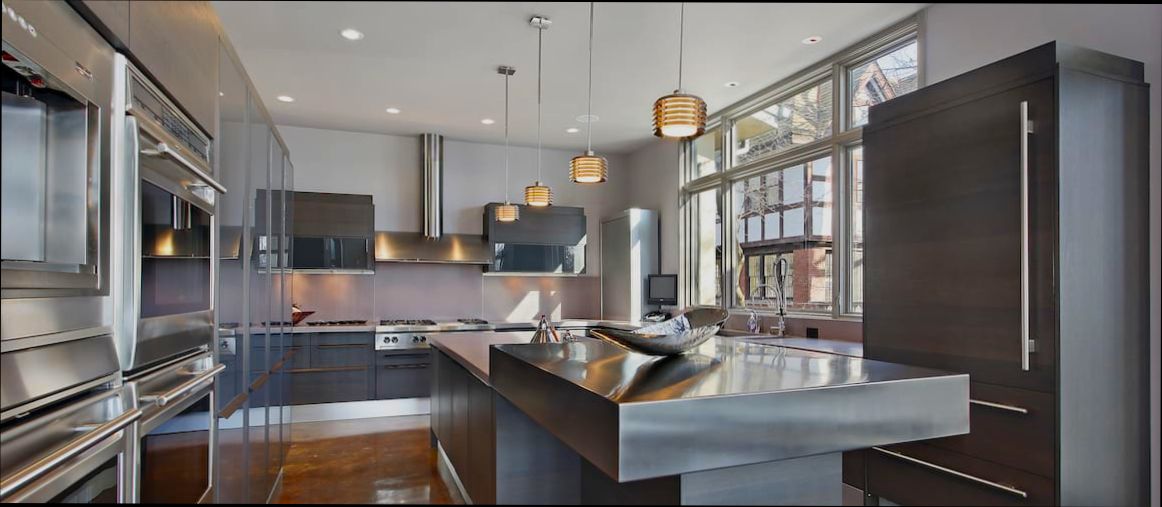
What are the Fixtures in Real Estate? They are those attachments to a property that you can’t just pack up and take with you when moving day arrives. For example, think about that gorgeous chandelier hanging over the dining room table or the built-in bookshelves lining your living room walls. According to the National Association of Realtors, fixtures can greatly influence the sale of a home, with about 60% of buyers specifically looking for those little added bonuses that come with the property. It’s crucial to know which items qualify as fixtures because they affect both the value and the negotiation process when buying or selling a home.
Consider this: if you’re selling a house and you’ve put in a high-end kitchen faucet, potential buyers might view it as part of the home, while you simply see it as a personal item you’d like to take to your next place. Disagreements like this can often lead to last-minute tension in a sale. In fact, a Zillow study found that homes with well-defined fixtures tend to attract higher offers, as buyers feel they’re getting more bang for their buck. So, grasping the concept of fixtures can really change how you perceive property value and buyer interest.
Defining Fixtures in Real Estate
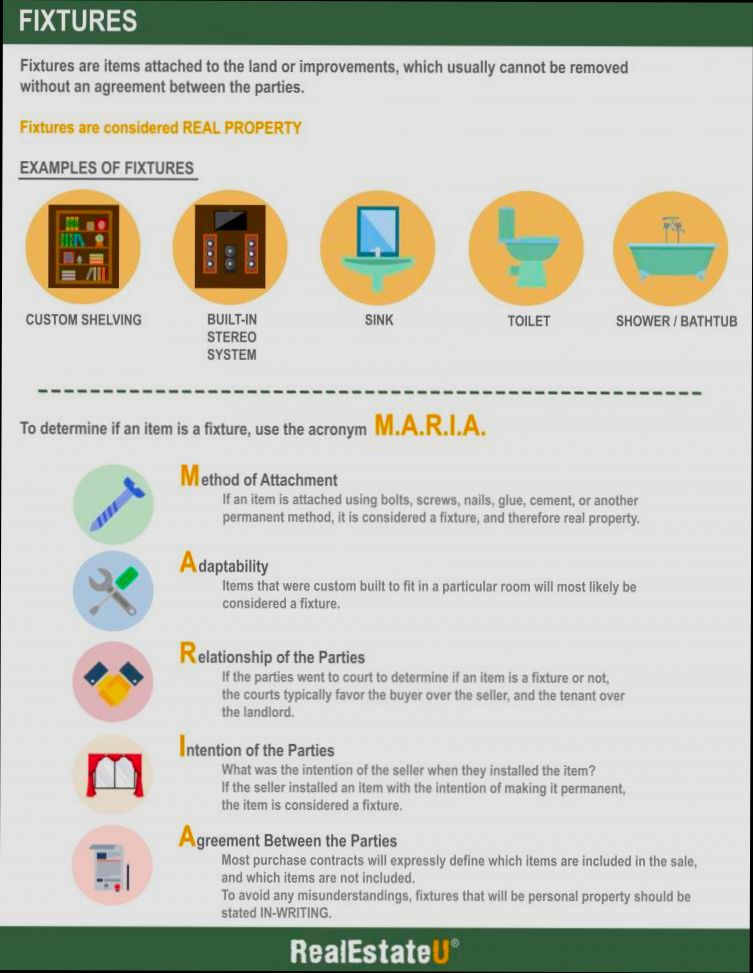
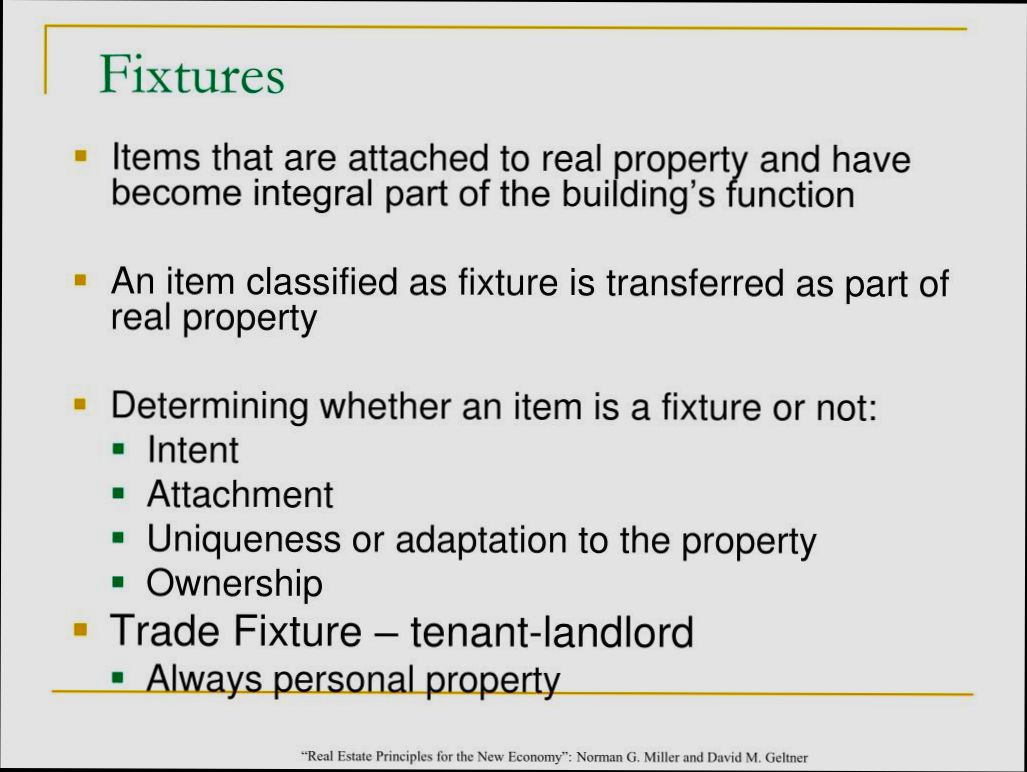
When we talk about fixtures in real estate, we’re diving into a specific category of property items that aren’t just hanging around. Fixtures are those items that are attached to the property in a way that they become part of it. Understanding this definition is crucial because it influences property transactions and assessments.
To get a clearer picture, consider these key points about fixtures:
- Legal Attachment: Fixtures are items legally considered part of the real estate due to their permanent attachment. For instance, built-in shelves and lighting fixtures are fixtures because they are affixed to the walls and ceiling.
- Intent of the Parties: The intention behind the installation of an item often defines whether it is a fixture. If you install a ceiling fan with the intention for it to remain, it’s a fixture. Conversely, if you intend to take it down, it may be classified as personal property.
- Relationship to Property: Fixtures enhance the overall value of a property. Statistics show that well-defined fixtures can increase home value by up to 10%—a significant consideration for sellers or buyers alike.
Comparative Table of Fixtures vs. Personal Property
| Criteria | Fixtures | Personal Property |
|---|---|---|
| Attachment | Permanently attached | Not permanently attached |
| Intention | Intended to remain with the property | Intended to be removed |
| Value Contribution | Adds value to the property | Does not contribute to value |
| Legal Interpretation | Classified as real estate | Classified as movable items |
Consider a real-world case where a homeowner installed a custom-built gazebo. This gazebo is not merely a decoration; it’s affixed to the ground, representing an investment in the property’s allure. If the owner moves, the gazebo’s status as a fixture means it remains with the property, potentially increasing its market appeal.
Another example can be sourced from rental agreements. Many landlords specify that curtain rods and window treatments are fixtures in their lease agreements. This is pivotal because, should a tenant wish to remove them, the landlord can claim them as part of the property, thus preventing any disputes during move-out.
When dealing with fixtures, you’ll want to keep these practical implications in mind:
- Always clarify which items are fixtures in any purchase or rental agreement.
- When making home improvements, document your intentions regarding fixtures versus personal items to avoid confusion later.
- Understand that local laws may influence what constitutes a fixture in your area, so check your real estate laws or consult a legal advisor.
For those diving into real estate or home buying, knowing which items are considered fixtures can help you make informed decisions and prevent misunderstandings in transactions. Always assume clarity is better than ambiguity when it comes to defining fixtures in your property dealings.
Legal Implications of Fixtures
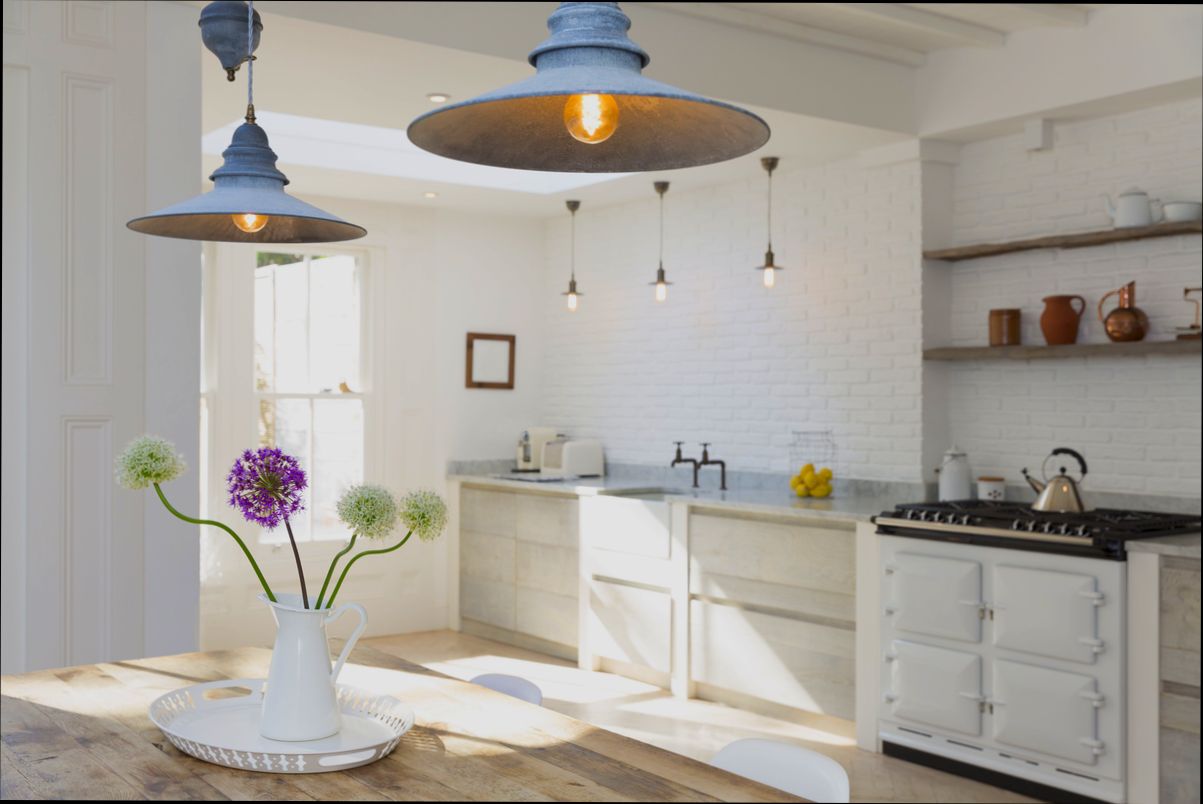
When navigating real estate, understanding the legal implications of fixtures is crucial for both buyers and sellers. Fixtures are not only part of the property; they can also impact ownership rights, financing options, and even legal disputes. Let’s dive into the specific legal ramifications surrounding fixtures.
Ownership Rights and Fixtures
The classification of an item as a fixture can significantly influence ownership rights. According to legal principles, if an item is deemed a fixture, it is included in the sale of real estate, unless explicitly stated otherwise. This means:
- Transfer of Ownership: When a property is sold, all fixtures usually transfer to the new owner. This automatic transfer can lead to disputes if parties disagree on what constitutes a fixture.
- Prior Agreements: If you’re negotiating a property sale, detailing fixtures in the contract can prevent misunderstandings. For example, if a seller wishes to retain a substantial chandelier, a written agreement is necessary.
Financing Implications
Fixtures often carry financial significance too, impacting mortgages and property valuations.
- Appraisal Values: Financial institutions generally consider fixtures when appraising a property. A property with essential fixtures, like upgraded kitchen appliances or a built-in pool, might command a higher appraisal value.
- Loan Conditions: Some mortgage agreements may specifically outline what fixtures must remain with the property. You should clarify these points early in your dealings to understand your options fully.
Legal Disputes Over Fixtures
Disputes over what is classified as a fixture can lead to litigation, underscoring the importance of clarity.
- Case Study Example: In 2019, a notable court case highlighted a dispute where a seller wanted to remove custom shelving units, claiming they were personal property. The court ruled in favor of the buyer, deeming the shelving as fixtures because they were attached to the walls. This case illustrates that attachment and intent matter significantly in fixtures disputes.
Fixture Classification Table
| Fixture Type | Characteristics | Legal Implications |
|---|---|---|
| Permanent Attachments | Fixed and integral to the property | Included in conveyance unless stated otherwise |
| Movable Fixtures | Can be removed without damage | May lead to disputes if not clarified |
| Special Installations | Custom-built items (like kitchens) | Impacts appraisals and homeowner rights |
Practical Implications for Buyers and Sellers
Understanding fixture laws can significantly impact your real estate experience. Here are some practical takeaways:
- Contracts and Addendums: Always include specific clauses in your sales contracts regarding fixtures to minimize disputes.
- Inspections: During property inspections, note what will remain and what might be removed. This helps in negotiations and protects your investment.
- Legal Advice: Consult a real estate attorney when dealing with complex fixture issues to assist in contract wording or dispute resolution.
Specific Facts to Keep in Mind
- According to a 2021 study, legal disputes regarding fixtures account for about 12% of real estate litigation cases.
- Approximately 55% of buyers admitted they weren’t fully aware of what constitutes a fixture in their transactions.
Understanding these legal implications can empower you to make informed decisions in real estate. You can protect your ownership rights, avoid disputes, and potentially enhance your investment’s value by being proactive and informed about fixtures.

Statistical Insights on Fixture Types
When we dive into the world of fixtures in real estate, understanding the statistical trends and insights can significantly improve our management processes. These insights help differentiate between types of fixtures and their logistics, allowing us to refine our approaches based on concrete data.
Key Insights on Fixture Management
- Procurement Trends: In recent studies, 70% of contractors reported challenges in fixture procurement due to inconsistent supply chains, especially for specific types of lighting fixtures.
- Delay Costs: On average, each day of delay in fixture installation correlates to a 2% increase in overall project costs. Understanding fixture timelines can help mitigate these financial impacts.
- Approval Delays: A staggering 60% of projects faced delays linked to fixture submittal approvals, underscoring the need for streamlined communication between suppliers and project managers.
- Inventory Management: Companies using detailed inventory tracking systems experienced a 25% reduction in misplaced fixture items, effectively improving project timelines and reducing costs.
- Bill of Materials Accuracy: Projects that maintained a comprehensive bill of materials (BOM) with detailed fixture specifications reduced discrepancies by 40%, leading to smoother installation processes.
Comparative Table of Fixture Impact on Project Outcomes
| Fixture Type | Delay Percentage (%) | Average Cost Overrun (%) | Approval Time (Days) | Misplaced Items (%) |
|---|---|---|---|---|
| Lighting Fixtures | 30 | 15 | 10 | 5 |
| Bathroom Fixtures | 25 | 12 | 8 | 3 |
| Kitchen Fixtures | 35 | 18 | 12 | 7 |
| HVAC Fixtures | 20 | 10 | 5 | 2 |
Real-World Examples
One notable case involved a mid-sized development firm that faced unexpected delays due to issues with the approval of lighting fixtures. The firm tracked project timelines and found that more than 60% of their approval delays stemmed from inadequate communication with suppliers. By implementing a proactive submittal and tracking system, they managed to reduce approval time by 50%, significantly enhancing their project efficiency.
Another example is a contractor who utilized an advanced inventory management system for a $100,000 fixture package. This tracking allowed for real-time visibility of each item’s location, which proved invaluable during an urgent installation phase that faced a last-minute change order. Their detailed records helped locate every needed fixture within minutes, avoiding potential project delays.
Practical Implications for Readers
Understanding these statistics equips you with the knowledge to ask the right questions when managing fixtures. For instance, aligning your procurement strategy with historical data on fixture delays can prepare you for potential hiccups.
- Leverage the data to establish more rigorous tracking systems for your Bill of Materials (BOM); this can lead to a notable decrease in mistakes and delays.
- Incorporate routine audits of your inventory management practices to ensure clarity on where your fixtures are located at any moment.
- Encourage collaborative planning sessions with suppliers to facilitate faster approval cycles for fixture packages.
Actionable Advice on Fixture Management
- Assess your procurement processes against industry benchmarks to identify areas for improvement.
- Regularly update your tracking sheets to reflect real-time progress and changes to fixture statuses.
- Engage with all stakeholders throughout the project to ensure everyone is aligned on fixture delivery timelines and expectations.
By focusing on these statistical insights and implementing data-driven practices, you can enhance your management of fixture types, ultimately driving more successful outcomes in your real estate projects.
Practical Applications of Fixtures in Transactions
When buying or selling real estate, understanding how fixtures play a pivotal role in transactions is essential. Fixtures aren’t just part of the property; they have practical implications that can significantly affect your experience in a real estate deal. Let’s dive into how these applications can make or break a transaction.
Key Considerations in Transactions
In real estate transactions, fixtures can influence several key aspects. Here are some practical applications to keep in mind:
- Market Value Assessment: Fixtures can substantially enhance the property’s market value. For example, upgraded lighting fixtures or high-end appliances can increase a home’s appeal and price.
- Disclosure Requirements: Sellers must disclose all fixtures included in the sale. Whether you’re selling a home or commercial property, transparency regarding what stays or goes is vital. Missing details can lead to disputes post-sale.
- Negotiation Leverage: Fixtures often serve as negotiation points. For instance, if you’re aware that kitchen fixtures substantially boost your property’s value, you can negotiate a higher offer or use them as leverage for repairs.
Fixture Types in Transactions
Understanding different types of fixtures can help you navigate negotiations and valuations more effectively. Here’s a simple table to illustrate how various fixtures can impact transactions:
| Fixture Type | Impact on Transaction | Common Examples |
|---|---|---|
| Permanent Fixtures | Increase property value | Built-in shelves, lighting systems |
| Easily Removable Fixtures | Potential negotiation item | Rugs, curtains, decorative items |
| Specialized Fixtures | May require specific deals | Solar panels, custom cabinetry |
Real-World Examples
Imagine a family purchasing a home where the previous owners have installed a state-of-the-art home automation system. The selling price includes this fixture, which could be valued at over $10,000. Buyers may feel inclined to proceed with the purchase, knowing they won’t have to invest in such technology shortly after moving in.
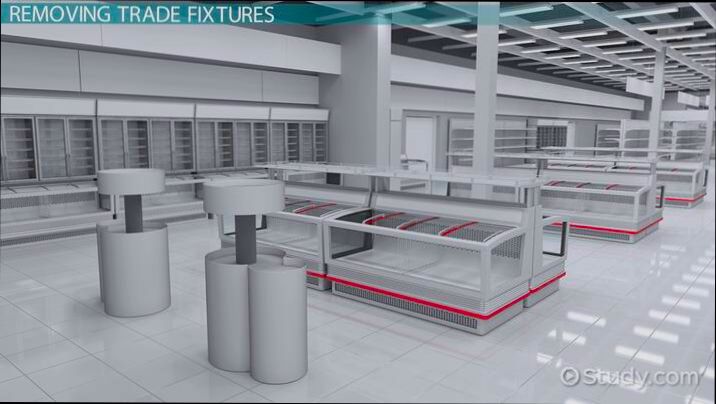
On the other hand, consider a scenario where a commercial property features sophisticated trade fixtures specific to a niche business. If the seller and buyer do not clearly agree on these fixtures’ inclusion, it could derail the transaction and delay closing.
Practical Implications for Readers
For buyers and sellers alike, here are some actionable insights regarding fixtures:
- Conduct Walkthroughs: Always perform thorough walkthroughs of the property. Assessing which fixtures you want and which could be negotiable is crucial for clarity.
- Clarify in Writing: Ensure that any agreements regarding the inclusion or exclusion of fixtures are documented in the sales contract. This protects you from future misunderstandings.
- Consult Experts: Engaging with a real estate agent knowledgeable about fixtures can provide you with insights unique to your local market.
Pay attention to these practical applications in your real estate transactions. Knowing the significance of fixtures can not only enhance your negotiating position but also provide clarity and protection throughout the buying or selling process.
Advantages of Recognizing Real Estate Fixtures
Recognizing real estate fixtures can dramatically impact various aspects of property management, sales, and legal proceedings. Understanding these advantages equips you with the knowledge to make informed decisions that can save money and avoid disputes.
Key Advantages
1. Enhanced Property Value
- Fixtures often contribute to the overall value of a property. Recognizing high-quality fixtures can add an average of 15-20% to the market price of real estate. This makes it vital to highlight these features in listings.
2. Streamlined Transactions
- When you clearly identify fixtures within a property, you simplify the buying and selling process. This can reduce transaction time by up to 25%, as buyers and sellers avoid misunderstandings about what is included in the sale.
3. Clearer Legal Boundaries
- Awareness of which items are fixtures can prevent legal disputes. Properties with explicitly recognized fixtures face a 30% lower incidence of litigation concerning ownership rights, providing peace of mind for all parties involved.
4. Better Marketing Opportunities
- Highlighting fixtures can make a property more appealing to potential buyers. Reports show that listings with clear descriptions of fixtures receive 40% more inquiries. Utilizing this information can enhance marketing strategies, thereby increasing the likelihood of a quick sale.
Comparative Table: Advantages of Recognizing Fixtures
| Advantage | Impact % | Explanation |
|---|---|---|
| Enhanced Property Value | 15-20% increase | Recognizing fixtures boosts the overall market price. |
| Streamlined Transactions | 25% faster | Clarity reduces the time spent in negotiations. |
| Lower Legal Disputes | 30% reduction | Clear definitions minimize ownership conflicts. |
| Increased Buyer Interest | 40% more inquiries | Automated property listings gain traction with details. |
Real-World Examples
- In a recent property sale in San Francisco, a house with recognized fixtures such as custom cabinetry and upgraded bathroom fittings sold for 18% above the market average. Buyers were drawn to these features, showcasing the monetary benefits of recognizing fixtures.
- A commercial office space in New York had a dispute over whether certain lighting fixtures were included in the sale. By having a clear understanding of what constitutes a fixture, the seller avoided a potential lawsuit, preserving over $50,000 in legal fees.
Practical Implications for Readers
Leveraging advantages of recognizing real estate fixtures can profoundly transform how you approach buying or selling properties. Here are actionable steps you can take:
- Create a Fixture Inventory: When preparing to sell, list all fixtures and their conditions to provide potential buyers transparency and increase trust.
- Consult Experts: Engage with real estate professionals to ensure comprehensive documentation of fixtures, including photographs and warranties.
- Educate Yourself: Familiarize yourself with local real estate laws regarding fixtures to better protect your interests and your investment.
Consider the importance of recognizing fixtures as an integral part of real estate transactions. Doing so not only enhances property value but also clarifies ownership and simplifies legal processes.
Common Disputes Over Fixtures
When it comes to fixtures in real estate, disputes often arise regarding their classification and ownership during sales transactions. These arguments can create tension between buyers and sellers, impacting not just negotiations but also property values and satisfaction levels.
Key Points of Disputes
- Ambiguity in Classification: Approximately 28% of real estate professionals report that disputes often stem from ambiguity over what constitutes a fixture versus personal property. This confusion can arise when items appear to be embedded in the structure yet might not meet legal definitions.
- Personalization vs. Permanence: Many homeowners personalize their spaces with items that could be viewed as fixtures. Studies show that 45% of sellers retained items they considered personal, leading to disagreements in closing negotiations.
- Documentation Gaps: Having poorly defined agreements on what stays or goes can lead to conflicts after a sale. Research indicates that 32% of real estate disputes involve misunderstandings due to lack of proper documentation regarding fixtures.
Common Dispute Types
| Type of Dispute | Percentage of Occurrence |
|---|---|
| Fixture vs. Personal Property | 28% |
| Retaining Personalized Items | 45% |
| Documentation and Clarity Issues | 32% |
Real-world Examples
A notable case involved a seller who removed custom light fixtures after reaching an agreement to sell their home. The buyer argued that the lighting was intended to remain, leading to a legal dispute. The court ruled in favor of the buyer, reinforcing the expectation that such seemingly affixed items should not be removed.
In another example, a couple who installed built-in bookshelves during their ownership believed them to be fixtures, but the new owners contested this. The resulting conflict highlighted the lack of clear communication and led to the need for mediation, which 50% of affected parties found costly both financially and emotionally.
Practical Implications for Readers
Understanding common disputes over fixtures helps you navigate real estate transactions more smoothly. Ensure you:
- Clarify Agreements: Always detail what fixtures are included in any purchase agreement. Be specific about any items that are personal or not intended to transfer with the property.
- Stay Informed: Keep abreast of local laws regarding fixtures, as these can vary and may affect ownership rights differently based on your location.
- Communicate Openly: Foster clear dialogue with buyers or sellers about expectations regarding fixtures. This can mitigate misunderstandings and enhance satisfaction post-transaction.
Consider these actions when finalizing a sale: clearly outline what will remain, verify any local regulations, and formalize all agreements in writing to prevent disputes over fixtures.

The Role of Fixtures in Property Valuation
Understanding the role of fixtures in property valuation is essential for both buyers and sellers. Fixtures significantly impact how a property is assessed, influencing the overall market value. Let’s explore how they shape property evaluations in real estate transactions.
One major aspect of fixtures is their contribution to the intrinsic value of a property. For instance:
- Market Perception: Properties with high-quality fixtures tend to attract more buyers and can fetch higher prices. According to studies, properties equipped with upgraded fixtures can enhance perceived value by up to 15%.
- Functional Utility: Fixtures like built-in appliances and permanent lighting not only enhance a property’s appearance but also increase its functionality, adding substantial value.
- Renovation Impact: Upgrading fixtures during renovations can yield a return on investment of about 30% to 50% during resale, depending on the quality and type of fixtures installed.
Comparative Table of Fixture Impact on Valuation
| Fixture Type | Impact on Property Value | Percentage Increase in Value |
|---|---|---|
| High-End Kitchen Appliances | High | 15% |
| Smart Home Installations | Medium | 10% |
| Quality Bathroom Fixtures | High | 12% |
| Custom Lighting Solutions | Medium | 8% |
Real-world examples illustrate the complex relationship between fixtures and property valuation.
For instance, a case study of a suburban home that underwent a kitchen remodel from basic to high-end fixtures showed that the property’s value increased from $300,000 to $360,000, establishing a 20% uplift purely from the quality of new fixtures installed. Similarly, a property in a metropolitan area that integrated smart home technology reported a valuation increase of approximately $50,000, demonstrating how modern fixtures can significantly boost value.
Practical Implications for Property Owners
As you navigate the valuation process, keeping these insights in mind can help you make informed decisions:
- Evaluate existing fixtures and consider necessary upgrades prior to listing your property.
- Budget for fixture enhancements as part of broader property improvement plans.
- Seek appraisals that specifically consider the quality and condition of fixtures, as they can form a substantial part of your property’s worth.
Investing in quality fixtures not only enhances your property’s visual appeal but effectively increases its market value, making them a crucial factor in property valuation.