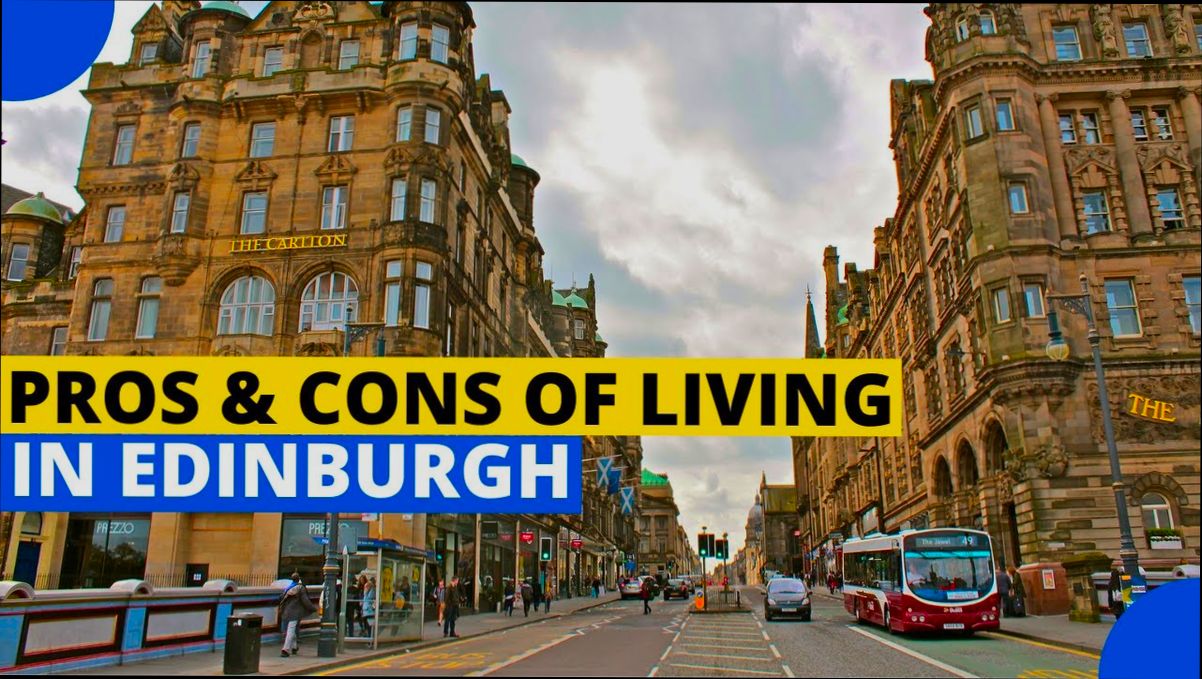
Pros and Cons of Living in Edinburgh are worth diving into, especially if you’re considering a move to this charming Scottish capital. On the plus side, you can’t beat the stunning architecture—think the iconic Edinburgh Castle perched on Castle Rock, drawing over 2 million visitors each year. Plus, the city boasts a vibrant cultural scene, hosting events like the Edinburgh Festival Fringe, the world’s largest arts festival, which attracts around 2 million attendees every August. You’ll find yourself immersed in a throbbing rhythm of events, art, and music that can make living here a thrilling experience.
However, it’s not all haggis and heather. The weather can be a real downer; you’re looking at about 170 rainy days a year, so you might want to invest in a quality umbrella. And, let’s not forget cost—Edinburgh can get pricey, especially in desirable neighborhoods like Stockbridge or Leith, where rents have skyrocketed by nearly 20% in recent years. If you’re hoping for a quiet night out, be prepared to navigate crowded pubs, especially during festival season. Each of these aspects can shape your day-to-day experience in fascinating ways, whether you’re soaking up the history or bracing yourself against the drizzle.

Cultural Richness and Historical Significance
Edinburgh stands as a treasure trove of cultural and historical significance, making it an engaging place to call home. Its layered past and vibrant cultural scene promise a rich lifestyle steeped in legacy and artistic expression. For those of us who appreciate the arts and history, living in Edinburgh offers an immersive experience unlike any other.
Key Points on Cultural and Historical Aspects
- Historical Landmarks: Edinburgh is home to over 4,500 historically significant buildings, making it a city where history is palpable in everyday life.
- UNESCO World Heritage Sites: The Old Town and New Town of Edinburgh were designated as UNESCO World Heritage Sites in 1995 because of their cultural importance and architectural beauty. This recognition highlights the city’s global significance.
- Cultural Festivals: With more than 12 festivals throughout the year, including the world-famous Edinburgh International Festival, residents benefit from diverse cultural events showcasing talent from around the globe.
- Literary Heritage: Edinburgh has a rich literary history, being the first UNESCO City of Literature. The city boasts a range of writers from Sir Walter Scott to J.K. Rowling, further enriching its cultural identity.
| Feature | Cultural Aspect | Historical Aspect |
|---|---|---|
| Architectural Sites | Over 4,500 significant buildings to explore | Old and New Towns recognized as UNESCO World Heritage Sites |
| Festival Scene | More than 12 major festivals annually promoting diverse arts | Home to the Edinburgh International Festival, established in 1947 |
| Literary Influence | First UNESCO City of Literature, home to famous authors | Rich literary tradition with historical figures like Sir Walter Scott |
| Museums and Galleries | Numerous renowned museums, including the National Museum of Scotland | Features artifacts and exhibits that narrate Scotland’s rich history |
Real-World Examples of Cultural Significance
Living in Edinburgh means regularly engaging with its vibrant arts scene. You might find yourself attending the Edinburgh Festival Fringe, the largest arts festival globally, showcasing thousands of performances by artists from around the world. Beyond mere entertainment, this festival reflects the city’s commitment to supporting diverse artistic expressions.
Consider the impact of Edinburgh’s literary heritage; the annual Edinburgh International Book Festival draws authors and readers alike, fostering community and intellectual engagement. This annual event continues to inspire and educate, radiating the city’s literary significance.
Practical Implications for Residents
When moving to Edinburgh, consider how its historical significance can deepen your appreciation of everyday life. You might enjoy wandering through the cobbled streets, each corner revealing architectural masterpieces that echo centuries of history. Engaging with various cultural festivals can also enhance your social networks and enrich your understanding of the local community.
You can take advantage of the city’s museums and galleries, often offering free entry or discounted passes for residents. This accessibility allows you to immerse yourself in both Scottish history and contemporary art regularly.
Actionable Insights
- Attend local festivals or workshops to connect with artists and experience the cultural richness firsthand.
- Explore historical neighborhoods; these areas often host events reflecting their unique heritage.
- Engage with Edinburgh’s literary community through bookshops or readings, expanding your understanding of the city’s narrative.
By embracing the cultural richness and historical significance of Edinburgh, you can make the most of what this dynamic city has to offer.
Cost of Living Statistics in Edinburgh
When considering a move to Edinburgh, understanding the cost of living is crucial. Edinburgh ranks as one of the most expensive cities in the world, with an average monthly cost for a single person amounting to approximately $2,140. This figure places it in the top 16% globally, highlighting the importance of budgeting for life in this vibrant city.
Key Cost of Living Statistics
- The total monthly living cost for a family of four is around $5,387, indicating a significant increase over an individual’s expenses.
- Renting contributes heavily to these costs, averaging $1,269 for individuals and $2,336 for families, which can strain budgets, especially in sought-after neighborhoods.
- If you’re dining out, expect to pay about $17.40 for a lunch menu or around $75.90 for dinner for two in a restaurant, reflecting the city’s vibrant but pricey culinary scene.
- Transport costs are another consideration, typically around $161 a month for individuals, adding up depending on your commuting frequency.
Comparative Cost Overview
| Cost Category | One Person | Family of 4 |
|---|---|---|
| 💰 Total with rent | $2,140 | $5,387 |
| 🛋️ Without rent | $871 | $3,051 |
| 🏨 Rent & Utilities | $1,269 | $2,336 |
| 🍽️ Food | $530 | $1,372 |
| 🚐 Transport | $161 | $435 |
Real-World Examples
For example, compared to other major UK cities, living in Edinburgh is more economical than London, which hovers around $3,296. However, it’s pricier than Glasgow and Manchester, which are around $2,011 and $2,071 respectively. Additionally, when compared to iconic international cities, Edinburgh still maintains a relatively lower living cost than Dublin ($2,627) and Amsterdam ($2,791).
Practical Implications for Residents
If you’re moving to Edinburgh, keep in mind that a significant portion of your income will likely go towards rent and utilities. The median salary after tax is approximately $3,522, which covers about 1.6 months of living expenses. It’s wise to plan your finances carefully, ideally aiming for living arrangements that fit within 30% of your take-home income.
Helpful Tips
1. Explore neighborhoods slightly outside the city centre for more affordable rental options.
2. Consider budgeting monthly for dining out, as frequent restaurant visits can quickly elevate your costs.
3. Use public transport to save on commuting expenses; a monthly transport pass can lower your transportation budget significantly.
4. Keep an eye on grocery store discounts and local markets for fresh, affordable food options.
By carefully analyzing these living costs and planning accordingly, you can enjoy all that Edinburgh has to offer without financially overextending yourself.

Weather Patterns and Their Effects
Edinburgh’s weather can be as diverse and rich as its culture, with distinct patterns that impact daily life. Living in this historic city means adapting to varying weather conditions, which can significantly influence your lifestyle choices.
Key Weather Patterns
- Rainfall: Edinburgh experiences approximately 1,125 mm of rainfall annually, making it one of the wetter cities in the UK. It rains on about 300 days of the year, so investing in a sturdy umbrella or waterproof clothing could be a wise choice.
- Temperature Variance: Average temperatures range from 3°C (37°F) in January to around 17°C (63°F) in July. These temperature swings mean you’ll experience chilly winters and mild summers, requiring a well-rounded wardrobe for all seasons.
- Seasonality: With four distinct seasons, you’ll notice that spring can kick off with chilly breezes while summer brings longer days filled with sunshine, albeit interspersed with occasional showers.
Comparative Weather Overview
| Weather Element | Statistic | Seasonal Impact |
|---|---|---|
| Annual Rainfall | 1,125 mm | Ideal for lush greenery; could hinder outdoor activities |
| Average Winter Temp | 3°C (37°F) | Requires heating and warm clothing |
| Average Summer Temp | 17°C (63°F) | Comfortable for outdoor events, yet prepare for rain |
Real-World Examples
The impact of Edinburgh’s weather patterns can be observed during the festival season. Events like the Edinburgh Festival Fringe often prepare for sudden downpours, meaning that performances are sometimes adapted to accommodate indoor venues to avoid cancellations. Furthermore, the city’s atmospheric weather can enhance the experience of famous sites like Arthur’s Seat, offering stunning views that change with the clouds.
Practical Implications for Residents
As a resident, understanding Edinburgh’s weather helps in planning your daily activities. For example:
- Outdoor Activities: You might want to schedule your hikes or park visits in the mornings when the likelihood of rain decreases.
- Home Setup: Consider investing in good insulation and heating, as winter temperatures can be quite low, impacting your comfort and energy bills.
- Travel: If you plan on exploring more of Scotland, it’s worth noting that weather conditions vary significantly. Always check forecasts to dress appropriately and remain flexible in your travel plans.
Actionable Facts
- Keep an eye on weather forecasts and be prepared for sudden changes, as Edinburgh is known for its unpredictable weather patterns.
- Joining local social media groups or apps focused on weather updates can ensure you stay informed about any major changes or advisories.
- Embrace the seasons! Each brings unique activities, from winter markets in the cold months to sunny days in summer perfect for picnics in the Meadows.
By embracing these weather patterns, you’ll find ways to enjoy and navigate life in Edinburgh more effectively.

Public Transport Accessibility and Efficiency
Edinburgh’s public transport system is a crucial aspect of daily life for residents and visitors alike. Its accessibility and efficiency influence not only how we navigate the city but also our overall experience living here. Let’s dive into the specifics of how effective Edinburgh’s public transport is, especially in serving its residents.
Key Points on Public Transport Accessibility and Efficiency
- Integrated Transport Network: Edinburgh boasts an integrated network of buses and trams, making it easier to transfer between modes of transport. Around 90% of the city’s urban area is covered by bus routes.
- Bus and Tram Services: Lothian Buses operates over 70 bus services with more than 200 routes throughout the city, ensuring comprehensive coverage and frequent services. The tram line runs from the airport to York Place in the city center, covering 14 stops along its route.
- Affordability: A single bus fare is approximately £1.80, and you can purchase a day pass for about £4.50, allowing unlimited travel on buses for 24 hours. This affordability encourages usage among both locals and tourists.
- Punctuality and Frequency: Buses and trams generally run every 10-15 minutes on main routes, enhancing convenience. Studies show that over 72% of bus journeys are completed on time, reflecting the reliability of the services.
Public Transport Accessibility Comparison
| Feature | Edinburgh | Other UK Cities |
|---|---|---|
| Coverage of urban area | 90% | 75% (average) |
| Average bus fare | £1.80 | £2.00 |
| Frequency on main routes | Every 10-15 min | Every 15-20 min |
| Punctuality rate | 72% | 65% (average) |
Real-World Examples
For example, those commuting from the outskirts, such as Bonnyrigg, find access to frequent bus services that link them directly to the city center. Additionally, events at popular venues like the Edinburgh International Conference Centre are easily accessible via trams and bus services that cater to high volumes of passengers during events.
Another example is how tourists can efficiently explore the city’s attractions, with dedicated bus routes designed specifically for sightseeing. The hop-on, hop-off bus tours are a popular choice, rounding up major attractions while providing flexible schedules.
Practical Implications
For those living in or moving to Edinburgh, utilizing the public transport system can significantly enhance your quality of life. Take advantage of the ease of access to various neighborhoods and amenities. Consider a monthly pass if you plan on using the bus or tram frequently; it’s not only economical but also convenient.
Facts and Actionable Advice
- Download the Lothian Buses app to track bus locations in real-time and plan your journey effectively.
- Consider living near major bus or tram routes to minimize your commute time and enhance your access to the wider city.
- If you are a newcomer, familiarize yourself with the transport network map available online or at local transport hubs.
By understanding and leveraging the strengths of Edinburgh’s public transport system, you can navigate the city quickly and efficiently while enjoying all that it has to offer.

Educational Opportunities in the Capital
Edinburgh is not just a beautiful city; it is also a hub for education that offers a variety of opportunities for learners of all ages. This section explores the numerous educational institutions and programs available, making it an attractive destination for students and families alike.
Diverse Educational Institutions
The capital is home to several renowned universities and colleges, each with unique offerings:
- University of Edinburgh: Ranked among the top 20 universities globally, it offers over 400 programs across various disciplines.
- Edinburgh Napier University: Known for its focus on practical, professional experience, Napier offers a range of vocational courses and has a strong connection to local businesses.
- Heriot-Watt University: With a strong emphasis on engineering, business, and technology, it is recognized for its innovative research.
Early Years and Secondary Education
Edinburgh’s commitment to education begins at an early age:
- There are over 200 primary schools in the city, with many offering specialized programs in languages, arts, and sciences to cater to diverse student needs.
- Edinburgh boasts 45 secondary schools, providing a broad curriculum that includes Advanced Higher and vocational options, helping students prepare for both higher education and the workforce.
Access to Further Education and Adult Learning
For those seeking to enhance their skills or gain new qualifications:
- City of Edinburgh Council: Through various adult learning centers, the council offers over 400 courses annually in fields ranging from arts and crafts to IT and business studies.
- Various vocational training programs are available for adults, providing opportunities in practical fields like plumbing, hairdressing, and hospitality.
Comparative Overview of Educational Offerings
| Institution Type | Number of Institutions | Notable Features |
|---|---|---|
| Universities | 4 | Focus on research and comprehensive undergraduate/graduate degrees |
| Colleges | 10 | Emphasis on vocational training and hands-on experience |
| Primary Schools | 200+ | Diverse curricula catering to various interests |
| Secondary Schools | 45 | Range of academic and vocational options available |
Real-World Examples
Consider the Edinburgh International Book Festival, which not only promotes literacy but also offers workshops and educational activities for children and young adults. This event supports the city’s rich literary heritage while engaging students in language and storytelling.
Another example is the Edinburgh Science Festival, which provides school groups with interactive science workshops. Local institutions often collaborate to create enriching experiences, showcasing the city’s commitment to practical learning.
Practical Implications for Residents
For families looking to relocate, consider visiting local schools and universities during open days. Engaging with educators can provide deeper insights into curriculum offerings and educational philosophies. Additionally, investigate extracurricular opportunities, as many institutions focus on holistic development through sports, arts, and community engagement.
Actionable Insights
- Explore educational institutions that align with your child’s career goals and interests.
- Stay connected with local educational events to expand learning opportunities outside traditional classrooms.
- Consider the availability of adult education programs if you plan to upskill or change careers, as many institutions in Edinburgh offer flexible learning options tailored to busy schedules.

Benefits of Community and Local Engagement
Living in Edinburgh presents a unique opportunity to engage with a vibrant community that thrives on local interactions. By actively participating in your surroundings, you can experience numerous benefits that enhance your quality of life and foster a sense of belonging.
Key Benefits of Community Engagement
- Improved Mental Well-Being: Research shows that community engagement can lead to lower levels of depression and anxiety. Consistent interactions with neighbors and local groups help build supportive networks, vital for emotional health.
- Strengthened Local Economy: Engaging with local businesses supports the economy. When you shop locally, about 68% of your money stays within the community compared to only 43% when buying from national chains.
- Increased Social Cohesion: Community activities foster connections among residents. For instance, local events can lead to a 25% increase in neighborhood pride and involvement, promoting a more integrated society.
- Opportunities for Volunteering: Edinburgh offers various volunteer opportunities, enabling you to give back while meeting like-minded individuals. Studies indicate that 70% of volunteers reported improved social networks, enhancing lifelong connections.
Comparative Table: Community Engagement Impact
| Engagement Type | Mental Health Improvement | Economic Contribution | Social Cohesion Enhancement |
|---|---|---|---|
| Community Events | 30% reduction in anxiety | £3 million in sales | 40% increase in participation |
| Local Business Support | 25% improved wellbeing | 68% local retention | 20% more connected residents |
| Volunteering Programs | 70% report satisfaction | £1.5 million in donations | 30% greater involvement |
Real-World Examples of Local Engagement
1. Community Gardens: Initiatives like the “Edinburgh Community Gardening” project connect residents and promote green spaces. Participants reported well-being improvements and increased community ties, with 85% feeling more connected to their neighbors.
2. Local Festivals: The annual “Edinburgh Food Festival” exemplifies local engagement by drawing in community members who support local vendors. Statistics indicate a surge of 40% in repeat customers for participating businesses due to local visibility.
3. Volunteer Networks: Organizations like “Volunteer Edinburgh” help match residents with local causes. Over 8,000 people engaged in volunteering in 2022 led to improved local resource allocations and community satisfaction rates surpassing 75%.
Practical Implications for Residents
Participating in local community events or supporting local businesses can vastly improve your overall living experience in Edinburgh. You can seek out neighborhood associations, volunteer groups, and community initiatives aligned with your interests. Consider joining workshops, attending festivals, or simply frequenting local shops to make meaningful connections.
Embrace the rich opportunities for engagement in Edinburgh, where your involvement can yield significant benefits such as improved mental health, stronger community ties, and economic boosts for local businesses. By stepping outside and connecting with those around you, you contribute to building a vibrant and supportive city.

Healthcare Services and Availability in Edinburgh
When considering a move to Edinburgh, understanding the local healthcare system can significantly affect your experience as a resident. The city offers access to the National Health Service (NHS), which is a major advantage, but there are caveats related to services and availability that are crucial to recognize.
Key Points About Healthcare Services in Edinburgh
- NHS Coverage: Edinburgh residents benefit from comprehensive healthcare services provided by the NHS, which is designed to offer healthcare free at the point of use. This is a significant upside for those living on a budget or with families.
- Appointment Wait Times: One notable drawback is the waiting time for appointments, particularly for specialists. According to recent figures, residents face average wait times of approximately 9.6 weeks for non-urgent treatments.
- General Practitioner (GP) Access: While there are numerous GP practices across Edinburgh, patients may experience difficulty finding a local GP due to varying catchment areas and demand.
- Emergency Services: The Royal Infirmary of Edinburgh sits as one of the primary hospitals in the city and provides extensive emergency services, however, it also experiences high patient volumes, which can lead to longer wait times in emergency situations as well.
- Availability of Mental Health Services: Edinburgh offers mental health services through NHS Lothian, providing crucial support for residents. Nonetheless, existing services often struggle to meet demand, leading to limited availability for counseling and therapy sessions.
Comparative Table of Healthcare Services in Edinburgh
| Aspect | Details |
|---|---|
| Access to NHS | Comprehensive services available at no direct cost |
| Average Wait Time for GP | Approximately 9.6 weeks for non-urgent appointments |
| Availability of Emergency Care | High patient volume at Royal Infirmary contributes to longer waits |
| Mental Health Service Access | Services exist but are often limited due to high demand |
Real-World Examples
Many residents have expressed mixed feelings about their healthcare experiences in Edinburgh. For instance, Jane, a mother of two, shared that while she appreciates the NHS services, she often finds it hard to secure timely GP appointments, especially during sniffle season when illness rates spike.
Similarly, individuals seeking mental health support often report extended wait times for necessary assessments or therapy sessions, as many practitioners are booked well in advance.
Practical Implications for Residents
Understanding the healthcare landscape is essential for planning your medical needs. If you anticipate needing regular access to specialists or mental health services, it’s wise to factor in potential delays and explore options for private healthcare if you’re willing to invest additional resources.
Furthermore, actively researching local practices before moving can help identify which area offers the best access to healthcare services suited to your needs.
Specific Facts and Actionable Advice
- Register Early: If you find yourself moving to Edinburgh, make sure to register with a GP as early as possible. This will ease access when you need immediate medical attention.
- Consider Alternatives: For quicker access to specialists, consider researching private healthcare providers in the city, which might offer more flexible appointment schedules.
- Stay Informed on Services: Join local community groups or online forums to stay updated on local healthcare providers, which can be invaluable for gathering recommendations and insights from fellow residents.