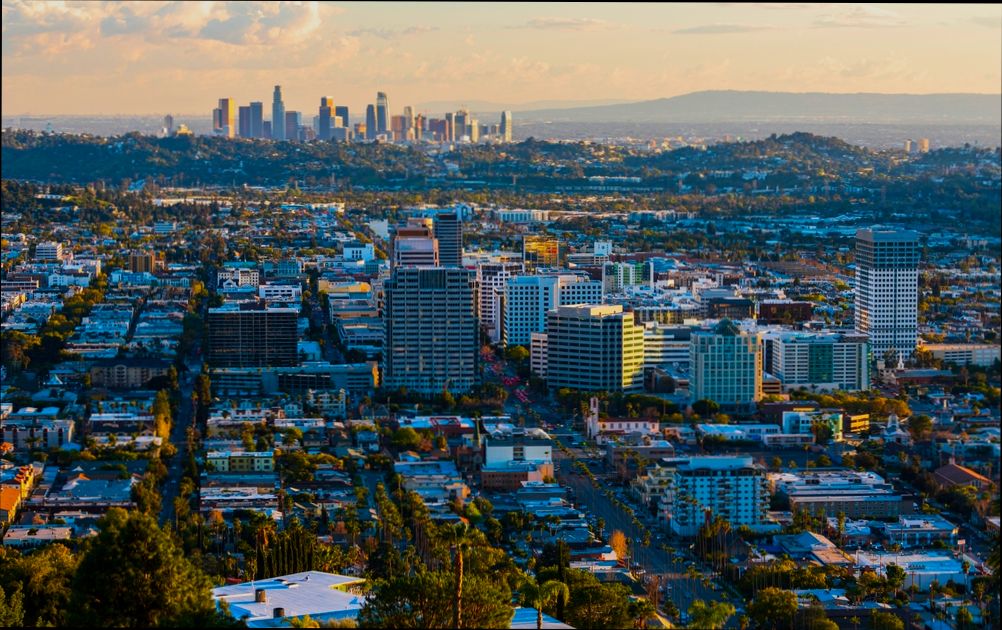
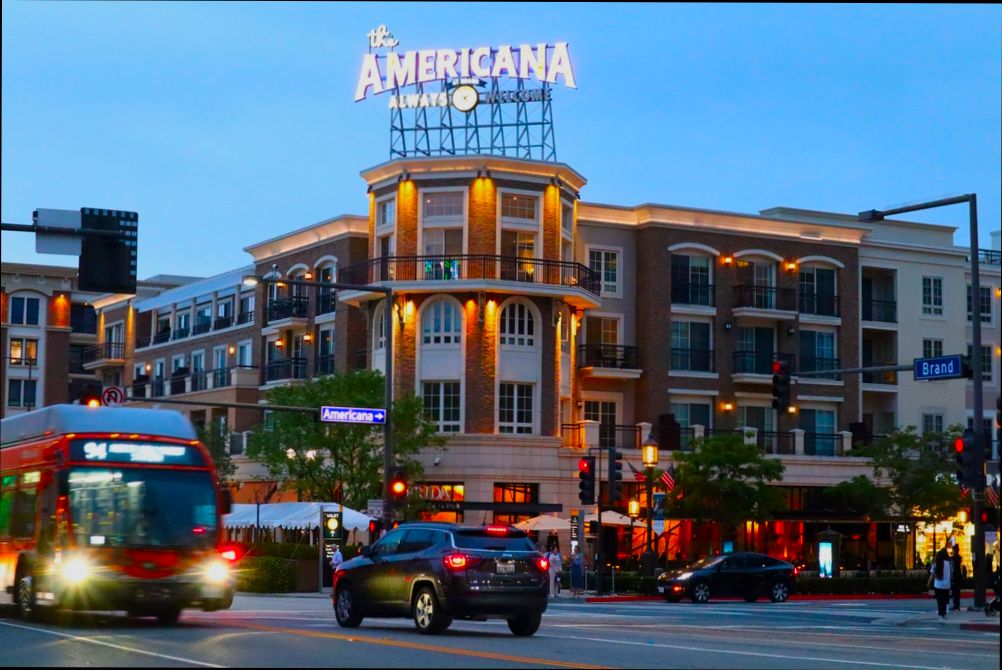
Pros and Cons of Living in Glendale CA—there’s a lot to unpack here! On the upside, Glendale boasts a vibrant community with a rich cultural scene. The city is home to the stunning Brand Park and the iconic Americana at Brand, a shopping and entertainment hub where you can catch a movie or grab a bite at one of its trendy restaurants. Did you know that Glendale has a lower crime rate than the national average? That’s a huge plus for families looking for a safe place to settle down. Plus, with its proximity to Los Angeles, you can enjoy the perks of the big city without being right in the middle of the chaos.
But it’s not all sunshine and rainbows in Glendale. The cost of living can be a real kicker—housing prices have surged in recent years, with the median home price hitting over $1 million. If you’re not ready to break the bank, renting might be your only option, but even that can take a chunk out of your wallet with average rents around $2,500 for a two-bedroom apartment. Traffic can also be a beast, especially during rush hour when the roads get pretty congested. Balancing the financial pinch and daily commute can definitely give you pause when considering a move to this trendy suburb.
Cost of Living Insights in Glendale
Understanding the cost of living in Glendale can help you make informed decisions if you’re considering moving to this city. From housing and groceries to transportation and healthcare, each factor contributes to your overall expenses. Let’s dive into some specific cost elements that define life in Glendale.
Housing Costs
Housing is typically the largest expense for most people. In Glendale, the median home price is approximately $900,000, which is significantly higher than the national average. Renting also comes with a premium; for a one-bedroom apartment, you can expect to pay around $2,300 monthly. This makes finding affordable housing a challenge.
Grocery Prices
Grocery costs in Glendale reflect the city’s overall cost of living. On average, groceries are about 15% higher than the national average. A loaf of bread generally costs around $4, and a dozen eggs can set you back about $3.50. Familiarizing yourself with local grocery stores can help you manage these costs more effectively.
Transportation Costs
Public transportation in Glendale is relatively affordable compared to driving. A monthly bus pass is roughly $100, while gas prices can be a bit steep, usually around $4.50 per gallon. If you’re commuting regularly, consider using public transport to save some money.
Health Care Expenses
Healthcare costs in Glendale are approximately 10% above the national average. A routine doctor visit might cost around $150 without insurance, so exploring health insurance options carefully is crucial to avoid unexpected expenses.
| Expense Type | Glendale Cost | National Average |
|---|---|---|
| Median Home Price | $900,000 | $375,000 |
| Rent (1-bedroom) | $2,300/month | $1,500/month |
| Groceries (one month) | $400 | $347 |
| Monthly Pass (Public Transit) | $100 | $70 |
| Doctor Visit | $150 | $100 |
Real-World Examples
Many residents are adapting to the cost of living challenges in Glendale. For instance, one couple decided to rent a two-bedroom apartment instead of buying a home, which allowed them to save for a larger down payment in the future. Another resident shares that meal prepping for the week helps reduce grocery bills, while others favor local markets for better prices.
Practical Implications
If you’re planning to move, budgeting is essential. Track your expected monthly expenses based on the highlighted costs. Utilize apps to monitor your grocery spending or consider carpooling to save on transportation.
High housing costs may prompt you to explore neighboring areas that offer more affordable options while still providing easy access to Glendale’s amenities.
By understanding these cost insights, you’re better equipped to navigate living in Glendale and making informed financial decisions.
Educational Opportunities and Quality Schools
Glendale, CA, offers a robust educational landscape, making it an attractive destination for families prioritizing quality schooling options. With a range of public and private institutions, the city emphasizes academic excellence and diverse learning environments.
Quality of Education
- Glendale Unified School District (GUSD) operates several highly-rated schools.
- Over 80% of GUSD schools received a 6 or higher on the GreatSchools rating scale, which indicates strong academic performance.
- The student-to-teacher ratio is approximately 24:1, allowing for more personalized attention in classrooms.
Higher Education Options
- Glendale is conveniently located near several institutions of higher learning, including Glendale Community College, which serves nearly 17,000 students and offers a variety of associate degrees and transfer programs.
- California State University, Los Angeles is just a short drive away, providing even more opportunities for students seeking bachelor’s and master’s degrees.
Extracurricular Activities and Support
- Schools in Glendale often emphasize extracurriculars, with 85% of students participating in at least one activity, such as sports, music, or clubs. These programs help foster teamwork and leadership skills.
- Approximately 70% of high school graduates in Glendale pursue higher education, reflecting the community’s commitment to academic advancement.
| School Type | Number of Schools | Average GreatSchools Rating | Student-Teacher Ratio |
|---|---|---|---|
| Public Elementary | 24 | 7.5 | 24:1 |
| Public High School | 5 | 8.0 | 25:1 |
| Private Schools | 12 | 8.5 | 10:1 |
Real-World Examples
- The Crescenta Valley High School is noted for its exceptional AP course offerings and has a 97% graduation rate, showcasing the academic rigor in local schools.
- The International School of Los Angeles, a private institution in Glendale, offers a bilingual education in French and English, appealing to families seeking multicultural learning environments.
Practical Implications for Families
When considering relocating to Glendale, families should prioritize researching specific schools to find the best fit for their children. School visits and meeting with faculty can provide firsthand insights into educational quality and community engagement. Additionally, examining local extracurricular offerings can enhance your child’s educational experience.
- Explore local school district websites or attend community open houses to gain deeper understanding of school programs.
- Engage with parent-teacher associations to stay informed about educational opportunities and community events that might benefit your child.
Educational opportunities in Glendale are diverse and reassuringly robust. Engaging actively with schools in the area can yield information invaluable for your child’s academic journey.

Outdoor Activities and Recreational Spaces
Living in Glendale, CA opens up a vibrant world of outdoor activities and recreational spaces for every lifestyle. With a rich variety of parks, trails, and community events, residents enjoy numerous opportunities for leisure and adventure right in their backyard.
Abundant Parks and Green Spaces
Glendale offers an impressive selection of parks that cater to various outdoor interests:
- Brand Park: Spanning over 33 acres, this park includes picnic areas, hiking trails, and even the Brand Library, making it a great spot for families.
- Verdugo Park: This multi-use facility features sports fields, play areas for children, and walking paths, ensuring fun for all ages.
- Glenoaks Park: With its playgrounds and open areas, it’s a community favorite for casual gatherings and recreational activities.
Outdoor Activities
Here are some of the outdoor pursuits available in Glendale:
1. Hiking and Biking: The nearby San Gabriel Mountains provide excellent trails for hiking and mountain biking. Griffith Park is just a short drive away, offering stunning views and a chance to connect with nature.
2. Picnicking: Parks such as Brand Park and Descanso Gardens are perfect for family picnics and gatherings, allowing you to enjoy the natural beauty of the area.
3. Sports: Parks and community centers host various sports leagues, including soccer and basketball, promoting a healthy and active lifestyle.
Comparative Overview of Outdoor Spaces
| Park/Space | Size (Acres) | Activities Available | Special Features |
|---|---|---|---|
| Brand Park | 33 | Hiking, picnicking, library access | Beautiful gardens, community events |
| Verdugo Park | 50 | Sports, children’s play areas, walking paths | Gymnasium, BBQ pits |
| Glenoaks Park | 3 | Playgrounds, picnic areas for casual gatherings | Open grass fields, family-friendly atmosphere |
| Descanso Gardens | 150 | Nature walks, educational programs, seasonal events | Botanical garden, interactive exhibits |
Real-World Examples
Many locals take advantage of the numerous outdoor events throughout the year. For instance, the Glendale Strawberry Festival in June attracts thousands with its family-friendly activities, promoting community involvement and outdoor enjoyment. Events like these foster a sense of connection while encouraging residents to explore local parks and recreational resources.
In addition, Glendale’s proximity to the Los Angeles River trails provides biking and walking opportunities for those seeking urban adventure in a natural setting. This access expands your options for weekend outings or evening strolls.
Practical Implications
For those looking to engage in outdoor activities, Glendale’s recreational offerings can contribute significantly to your overall well-being. Regular participation in outdoor activities can enhance mental health, foster social connections, and promote physical fitness.
As you explore these spaces, consider participating in local volunteer events to maintain these parks. Many community organizations work to sustain the beauty of Glendale’s outdoor areas, helping you connect with nature while giving back.
Actionable Advice
- Check out the Glendale Parks and Recreation website for upcoming community events and guided nature walks.
- Invest in comfortable outdoor gear to maximize your enjoyment, whether you’re hiking trails or playing in local parks.
- Don’t miss seasonal events like outdoor movies or festivals that take place in various parks—these are great opportunities to socialize while enjoying the outdoors.
Demographic Trends and Community Statistics
When evaluating Glendale, CA, it’s crucial to consider the demographic trends and community statistics that shape the city’s character and quality of life. These aspects not only reflect the population’s diversity but also hint at the resources and services available for residents.
Population Overview
With a population of approximately 201,000, Glendale has grown significantly over the past decade. The city has witnessed a 5.4% increase in residents since 2010, showcasing its appeal as a residential destination. The population density is around 7,000 people per square mile, which influences various aspects of community engagement and service provision, from public transportation to recreational facilities.
Ethnic Diversity
Glendale boasts a rich tapestry of ethnic backgrounds:
- Asian: 25%
- Hispanic: 14%
- White: 44%
- Black or African American: 4%
This diversity fosters a multicultural environment, making Glendale an engaging place to live. With numerous cultural festivals and food options reflecting this ethnic variety, residents enjoy a broader worldview within their community.
Age Distribution
Understanding the age distribution helps us appreciate the demographic dynamics:
- Under 18 years: 20%
- 18-34 years: 25%
- 35-54 years: 25%
- 55 years and older: 30%
This distribution indicates a balanced community with a mix of youth and older adults, allowing for intergenerational engagement and support. With a significant portion of the population in the 55+ range, there are many programs geared towards seniors in the community, from wellness initiatives to social clubs.
Household Statistics
Examining household characteristics reveals additional insights:
- Average household size: 2.75 people
- Percentage of households with children: 33%
- Median household income: $73,000
These figures underline the city’s family-friendly nature and appeal to young professionals and families looking for community-oriented living environments.
Comparative Demographic Table
| Statistic | Glendale, CA | Nearby City (Burbank, CA) | State Average (California) |
|---|---|---|---|
| Population | 201,000 | 105,000 | 39.24 million |
| Ethnic Diversity (Hispanic) | 14% | 29% | 39% |
| Median Household Income | $73,000 | $82,000 | $78,000 |
| Population Under 18 | 20% | 22% | 23% |
These comparative statistics provide context for Glendale’s demographic trends relative to neighboring cities and the statewide averages.
Real-World Examples
For example, the city hosts the annual Glendale International Film Festival, which reflects its rich artistic culture and draws attendees from diverse backgrounds, highlighting community engagement. Additionally, programs such as “Glendale Youth Alliance” focus on empowering the younger demographic, showcasing how local organizations adapt to and embrace the city’s demographic trends.
Practical Implications
For potential residents, understanding these demographic trends informs lifestyle choices. You might find increased availability of community services tailored for families, such as family health centers or childcare facilities, given the substantial percentage of households with children.
Specific Facts and Actionable Advice
If you’re considering moving to Glendale, take into account the strong community engagement opportunities informed by the city’s diverse demographics. Participating in local events or community boards can enhance your experience and help you integrate into a vibrant local culture that celebrates its diversity. Seeking out neighborhoods with higher populations of your demographic can also lead to a more satisfying living environment tailored to your needs.

Cultural Diversity and Local Events
Glendale, CA, is a microcosm of cultural diversity, and this vibrant community showcases its rich tapestry through an array of local events and celebrations. When you immerse yourself in the cultural fabric of Glendale, you’re not only enjoying the art and festivities but also connecting with a variety of ethnic traditions that contribute to the city’s unique character.
Celebrating Cultural Festivals
Glendale hosts numerous cultural festivals that celebrate its diverse heritage. These events provide residents and visitors with opportunities to experience different customs and traditions. Here are some notable events:
- Armenian Festival: Celebrated annually, this festival highlights Armenian culture through traditional music, dance, food, and art. Given Glendale’s significant Armenian population, this event draws in thousands and celebrates community pride.
- Dia de los Muertos: This traditional Mexican holiday is celebrated in Glendale with colorful altars, music, and art exhibits. It brings together families to honor loved ones and engage in cultural activities, showcasing the city’s connection to Latin American traditions.
These festivals not only provide entertainment but also promote understanding and appreciation of the city’s diverse backgrounds.
Arts and Cultural Opportunities
Glendale’s commitment to arts and culture is reflected in initiatives like the Enrichment Ordinance. This law mandates that 2% of public construction costs be allocated for public art, enriching the community’s visual landscape. Notably:
- The city benefits from public art installations, which contribute to its identity as an arts-vibrant community.
- Glendale’s proximity within the Los Angeles-Long Beach-Glendale metropolitan area positions it advantageously; the region is known for its top-tier arts offerings.
Local Events Calendar
To help you understand the rich blend of cultural activities in Glendale, here’s a snapshot of local events that occur throughout the year:
| Event Name | Month | Description |
|---|---|---|
| Armenian Festival | April | A celebration of Armenian culture with food, music, and dance. |
| Glendale Cherry Blossom Festival | March | Marks the blooming of cherry blossoms with activities and cultural displays. |
| Halloween Festival | October | Family-friendly festivities including a parade and spooky attractions. |
| Winter Wonderland | December | A festive event featuring holiday lights and attractions. |
Connecting Through the Arts
Glendale is part of the Los Angeles-Long Beach metropolitan area, which ranks 3rd among the top arts-vibrant communities across the U.S. In this arts-focused climate, there are various organizations and initiatives that ensure ongoing cultural engagement.
Examples of Engagement:
- Local partnerships with schools facilitate art programs that introduce students to diverse cultural perspectives.
- Community theaters offer performances that celebrate different cultural narratives, giving voice to underrepresented populations.
Practical Implications for Residents
For those considering a move to Glendale, getting involved in cultural events can significantly enhance your living experience. Attend festivals, participate in workshops, and support local artists to fully appreciate what Glendale offers. Engaging with the community fosters connections and enriches your understanding of the diverse cultures that reside in the area.
- Explore local cultural centers that often host free or low-cost events.
- Join social media groups focused on Glendale events to stay updated on upcoming cultural gatherings.
Additional Insights
- Engaging in cultural festivities can enrich your social life and broaden your understanding of different lifestyles.
- Supporting local artists through attendance at showcases contributes to the community’s artistic vitality and future initiatives.
Make the most of Glendale’s vibrant cultural scene by actively participating in local events that celebrate diversity. You’ll find that these experiences not only entertain but also deepen your ties to the community.
Commute Challenges and Transportation Options
When considering a move to Glendale, CA, it’s essential to delve into the commute challenges and transportation options available to residents. Navigating daily life often involves managing travel times, understanding public transit systems, and weighing available options for getting around the city. Here’s a closer look at what you should know.
Traffic Challenges
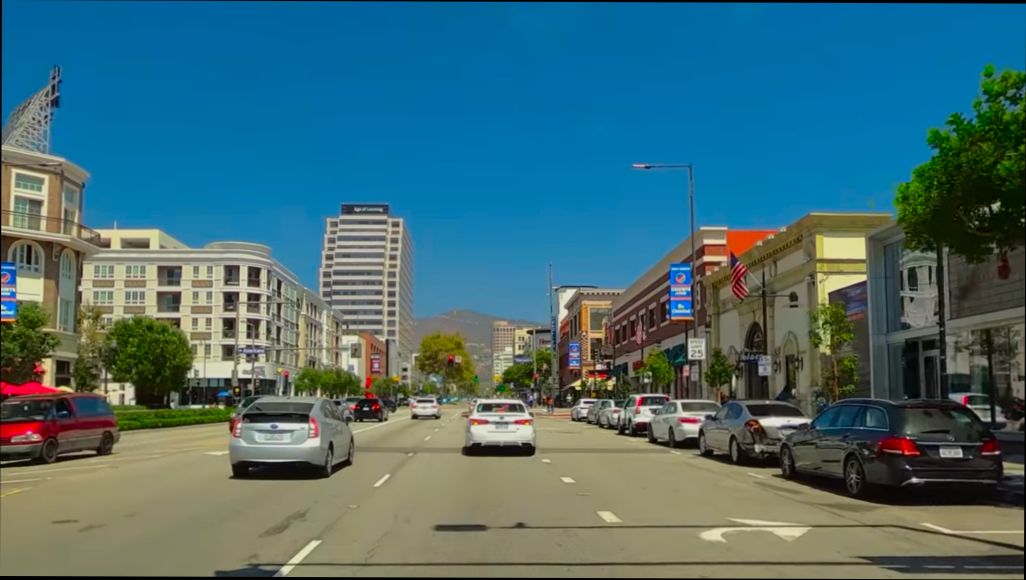
Glendale sees significant traffic congestion, particularly during peak hours. The city is strategically located near major freeways like the 134 and 5, making it a thoroughfare for those commuting to Los Angeles and surrounding areas.
- Average Commute Time: The average commute for Glendale residents is about 30 minutes, which is close to the Los Angeles average.
- Peak Hour Traffic: During rush hours, traffic can increase commute times by an additional 20-60% depending on the route.
- Public Feedback: Approximately 55% of Glendale residents express dissatisfaction with local traffic conditions, highlighting it as a primary concern.
Public Transportation Options
Public transportation in Glendale is robust but can vary in effectiveness depending on location and time of day.
- Metro Bus Services: Glendale is served by several Metro bus lines. For instance, Line 94 runs frequently to key locations like the Glendale Galleria and Downtown Los Angeles.
- Light Rail Access: The upcoming extension of the Metro light rail is set to improve connectivity, linking Glendale to areas like Burbank and Downtown LA by 2025.
- Rideshare Popularity: Rideshare services like Uber and Lyft have seen a 40% increase in usage among residents looking to avoid parking hassles downtown.
| Transportation Option | Description | Average Cost (USD) | Frequency |
|---|---|---|---|
| Metro Bus | City-wide service | $1.75 per ride | Every 15-30 minutes |
| Light Rail (Future) | Connects to nearby cities | TBD | TBD |
| Uber/Lyft | On-demand ridesharing service | $10-$30 per trip | On-demand |
Real-World Examples
A recent study showed that residents who rely on public transportation often need to plan their journeys up to an hour in advance due to variable bus schedules.
- For example, one commuter shared that their 20-minute drive to work via car could stretch to an hour if relying solely on the Metro bus, especially during peak hours.
Practical Implications for Residents
As you consider commuting options:
- Timing is Key: If you can, try to adjust your work hours slightly to avoid peak traffic rush, which can significantly reduce commute times.
- Explore Public Transit: Familiarize yourself with local bus schedules and routes. By using apps, you can track real-time bus arrival, making it easier to manage your travel.
- Plan for Hybrid Solutions: Many residents successfully use a combination of driving, public transit, and rideshare services based on their daily needs and schedule flexibility.
Specific Facts to Consider
- Residents who live closer to transit stops can reduce their average commute time by up to 15 minutes by utilizing public transport.
- Carpooling is another popular choice, with around 25% of commuters in Glendale opting for shared rides to cut costs and traffic stress.
Integrating these insights into your decision-making will not only help you navigate the commute in Glendale but also make your daily travel experiences smoother and more efficient.
Affordability vs. Quality of Life
When considering a life in Glendale, CA, striking the right balance between affordability and quality of life is crucial. Living in a vibrant city can come with its expenses, but it can also offer an exceptional lifestyle filled with engaging experiences and community connections. Let’s explore how these two factors interrelate in Glendale.
Key Points on Affordability and Quality of Life
- Housing vs. Income: Glendale’s median household income stands at approximately $70,000, while the median home price is about $800,000. This discrepancy highlights that while homeownership may be a challenge, it reflects Glendale’s desirable living conditions.
- Local Amenities: Residents benefit from a plethora of local amenities that enhance quality of life. For instance, over 40% of households report easy access to grocery stores and health facilities, making daily tasks more manageable despite higher living costs.
- Cost of Leisure: Engaging in recreational activities can be costly. With many residents spending around $200 per month on entertainment and leisure activities, it’s important to weigh these expenses against the rich outdoor and cultural offerings Glendale provides.
Comparative Table: Affordability vs. Quality of Life in Glendale
| Factor | Affordability (Monthly) | Quality of Life Indicators |
|---|---|---|
| Housing (Rent) | $2,400 | 83% satisfaction in community services |
| Groceries | $450 | Access to parks (over 35 parks available) |
| Transportation | $150 | Average commute time: 30 mins |
| Entertainment & Leisure | $200 | Various cultural events throughout the year |
Real-World Examples
- A family renting a two-bedroom apartment may find their monthly rent at $2,400. While pricey, the family enjoys community facilities and cultural events, exemplifying a trade-off where living costs are high but lifestyle benefits are significant.
- Young professionals seeking to enjoy the surrounding area often choose to spend on memberships for gyms and nearby recreational centers, averaging about $100 monthly. Despite higher costs, they find the enhanced fitness and social opportunities worth the investment.
Practical Implications for Residents
Living in Glendale demands a conscious choice regarding your budget and lifestyle priorities. Think about these actionable insights:
- Assess Priorities: It’s paramount to determine what quality of life means to you. Is it access to outdoor activities or cultural vibrancy? Understand how much you’re willing to allocate towards housing versus experiences.
- Research Rental Options: If you’re considering renting, explore various neighborhoods. Some areas may provide more affordable options while still granting you access to desirable amenities.
- Budget Accordingly: Create a budget that reflects both your living costs and discretionary spending. By anticipating higher costs in certain categories, you can better manage your finances while enjoying what Glendale has to offer.
By understanding the nuances between affordability and quality of life in Glendale, you can make informed decisions that align with your financial and lifestyle preferences.