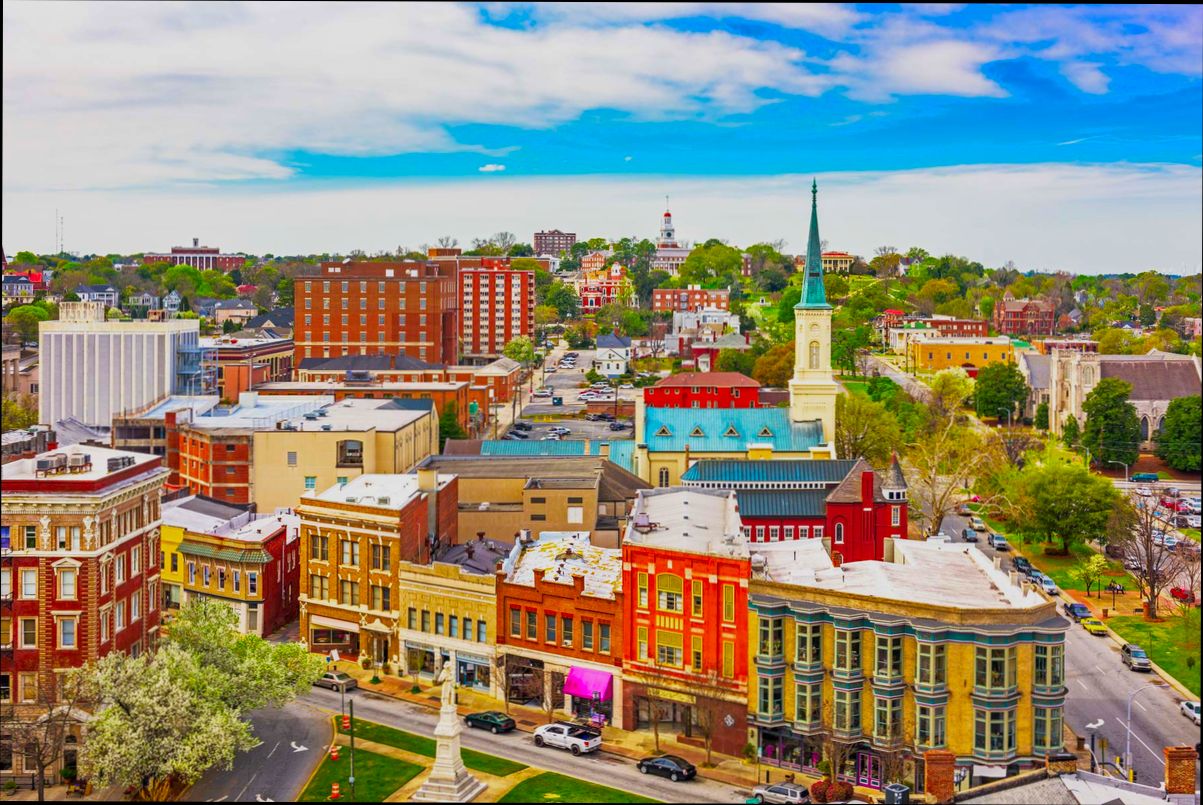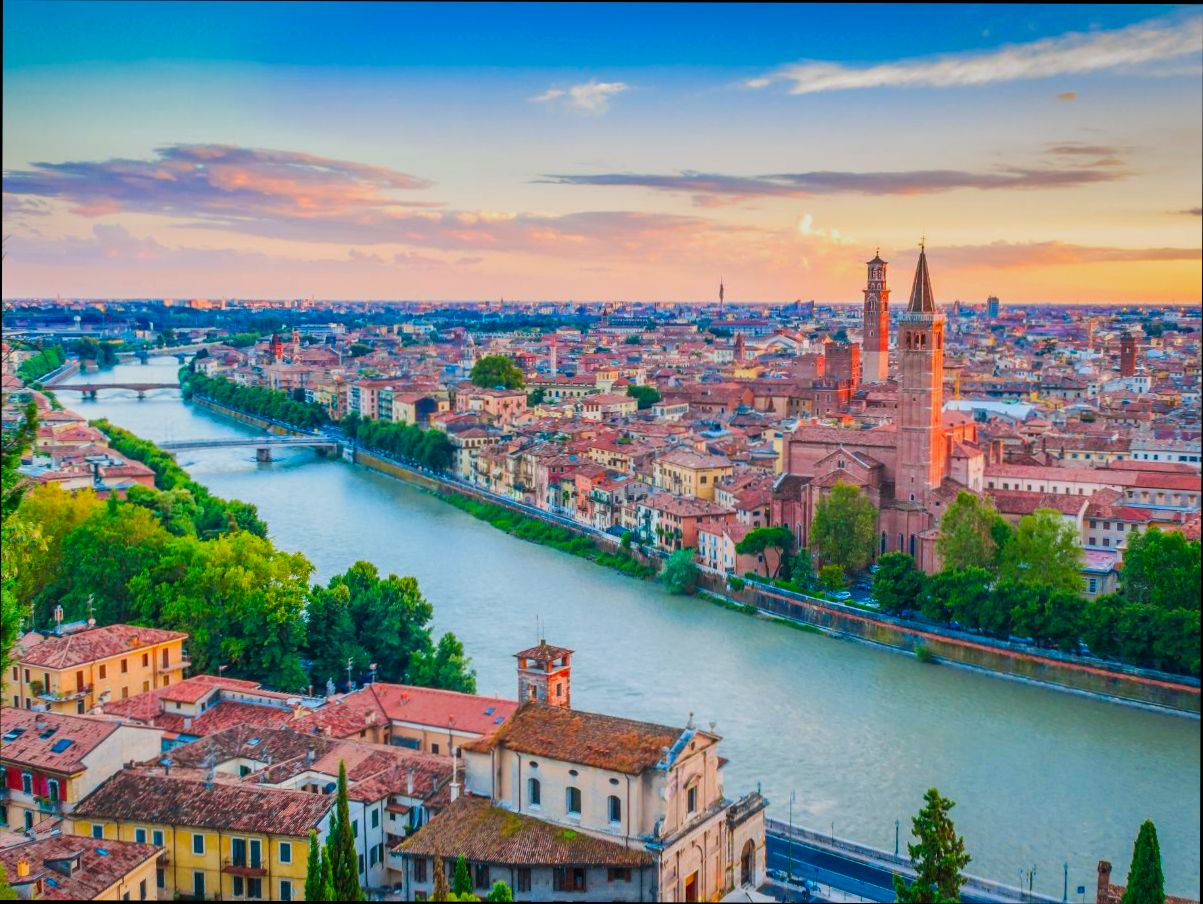
What are the Cheapest Cities in Italy? If you’ve ever dreamt of roaming the charming streets of Florence or sipping espresso in a quaint Roman café without draining your wallet, you’re in luck! Cities like Palermo and Bologna shine as budget-friendly options, often surprising visitors with their affordability. For instance, you can grab a meal in Palermo for around €10, compared to a pricey €20 you might shell out in Milan.
Then there’s Turin; it’s got the rich history and stunning architecture without the hefty price tag, where you can easily find a cozy apartment for just €600 a month. And let’s not forget about Naples, famous for its mouth-watering pizza, where a slice costs less than €2. Each of these cities offers a slice of Italian culture and a break from the typical tourist traps, making them perfect spots for anyone eager to explore Italy without overspending.
Affordable Living Costs in Italian Cities
Living in Italy can be an affordable dream if you know where to look. When it comes to daily expenses, several cities stand out for their reasonable costs, making them attractive for students, young professionals, and families alike.
Key Cost of Living Insights
- Housing: Renting in places like Bologna costs approximately 30% less than in more popular cities like Milan and Florence. Expect to pay around €800 for a one-bedroom apartment in the city center of Bologna, whereas similar apartments in Milan can exceed €1,500.
- Transportation: Public transport in Italian cities is generally affordable. For instance, a monthly public transit pass in cities like Catania and Palermo costs around €35, compared to €55 in cities like Rome and Milan.
- Groceries: Shopping local can save you a ton! In Naples, a grocery basket with essentials like bread, milk, and eggs can set you back about €40, while in Venice, the same basket could cost around €60.
Comparative Living Cost Table
| City | Monthly Rent (1 Bedroom, City Center) | Public Transport Pass | Grocery Basket Cost |
|---|---|---|---|
| Bologna | €800 | €38 | €42 |
| Catania | €600 | €35 | €40 |
| Florence | €1,200 | €50 | €55 |
| Naples | €700 | €37 | €45 |
| Milan | €1,600 | €55 | €60 |
Real-World Examples of Affordable Living
- In Bologna, young professionals appreciate the city’s vibrant culture and delicious food options, all while managing rent that is significantly lower than in more touristy destinations.
- Catania attracts students with its low-cost rents and reasonable grocery prices, complemented by a low-cost public transportation system that makes exploring the city both easy and affordable.
- Naples has a rich culinary scene that allows residents to eat well without breaking the bank—street food is both tasty and inexpensive, with meals available for as low as €3.
Practical Implications for You
Understanding the affordable living costs in these cities can aid in making informed decisions about where to live or travel in Italy. If you’re progressing your career or pursuing education, consider cities where your budget can stretch further:
- Choose Bologna for a balance of affordability and cultural richness.
- Look into Catania or Naples if you prefer a low-cost lifestyle without sacrificing on quality.
Actionable Advice
To maximize your budget in Italian cities, hunt for local markets for fresh produce, opt for regional specialties when dining out, and consider using public transportation over taxis. Also, always compare the cost of living indices before relocating or planning your stay, as small differences can lead to big savings.
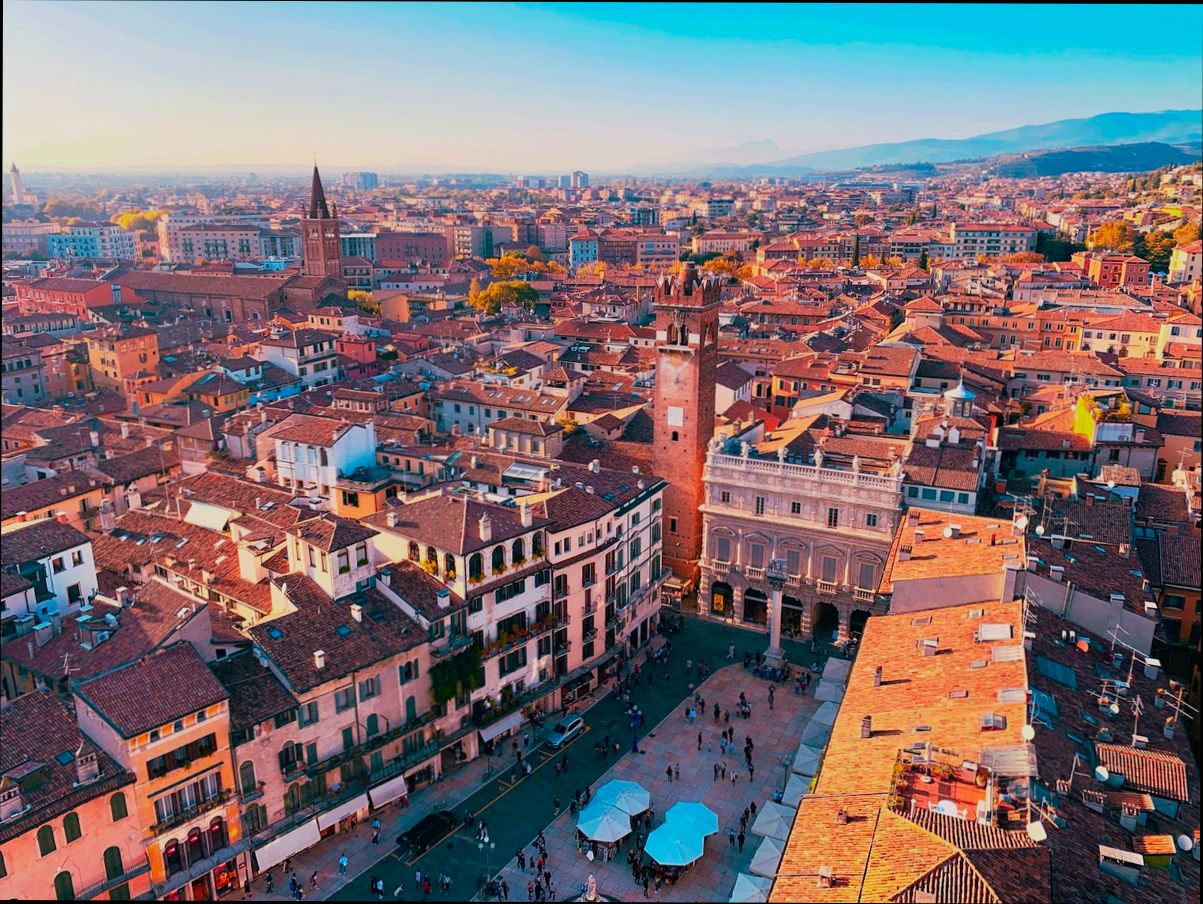
Data-Driven Insights on Italy’s Cheapest Cities
Exploring Italy’s cheapest cities offers fascinating insights for anyone looking to balance affordability with quality of life. With detailed data, we can pinpoint these cities where you can stretch your euros further without compromising on experience.
Key Data Points on Affordability
- Catania is a standout with a monthly rent average of only €600 for a one-bedroom in the city center. This low cost contributes to its appeal for budget-conscious renters.
- Bologna not only offers affordable housing but also boasts a public transport pass at approximately €38, which is relatively low compared to other cities.
- Naples, while popular, still comes in as an affordable option. The city offers a grocery basket cost of €45, making everyday expenses manageable.
- The disparity in living costs is striking: for instance, moving from Milan to Catania could save you about €1,000 a month in rent alone.
Comparative Cost Table
| City | Monthly Rent (1 Bedroom, City Center) | Public Transport Pass | Grocery Basket Cost |
|---|---|---|---|
| Catania | €600 | €35 | €40 |
| Bologna | €800 | €38 | €42 |
| Naples | €700 | €37 | €45 |
| Verona | €750 | €40 | €43 |
| Taranto | €550 | €30 | €38 |
Real-World Examples
Consider Catania, famous for its vibrant markets and delicious street food. The lower rent allows many young professionals and students to thrive in this cultural hub. The local cuisine is both affordable and world-renowned, making everyday living a delightful experience.
In Taranto, the rental costs dip to as low as €550, further enhancing its appeal for families and retirees alike. With its rich history and coastal charm, Taranto combines affordability with a picturesque lifestyle.
Practical Implications
When looking at Italy’s cheapest cities, understanding the cost of living can guide your decision-making. The combination of low rental prices and reasonable grocery costs means you can enjoy a rich cultural experience without financial strain.
- If you’re considering a move, places like Catania and Taranto could be your best bets for an affordable yet fulfilling lifestyle.
- For international travelers, knowing where to go can maximize your budget while allowing you to explore Italy’s diverse regions.
Actionable Advice
If you’re serious about relocating or traveling to Italy and want to save money, aim for cities like Catania or Taranto. Research local neighborhoods that are still developing; they often offer even lower prices as they gentrify. Additionally, leverage the medium-sized cities that boast comprehensive public transport, ensuring your money can be spent on experiences rather than transit.
Exploring Local Amenities in Budget Cities
When you think about living in Italy, local amenities play a crucial role in making your experience enjoyable while keeping costs down. Understanding what’s available in budget-friendly cities not only enhances your lifestyle but can also save you money. Let’s dive into the essential amenities you can find in some of Italy’s most affordable cities.
Vital Local Amenities to Consider
In cities like Catania and Bologna, the local amenities can significantly contribute to a satisfying living experience. Here are some key features to explore:
- Healthcare Services: In Catania, public healthcare is highly rated and accessible, with hospitals and clinics located throughout the city. Residents benefit from lower healthcare costs than in larger cities, making it easier to maintain your health without breaking the bank.
- Educational Institutions: Bologna boasts notable universities like the University of Bologna, which offers not just quality education but also various facilities for students, including libraries, sports complexes, and study groups at lower costs due to student discounts.
- Cultural Offerings: Catania’s vibrant cultural scene includes free festivals and local events that showcase art, music, and food. Participating in these can provide entertainment without straining your budget.
- Markets and Shopping: Local markets, such as the Pescheria in Catania, offer fresh produce at very reasonable prices, promoting a healthy diet and sustainable living. This contrasts with larger chain supermarkets, making it easier to manage your grocery budget.
Comparative Local Amenities Table
| City | Healthcare Quality | Public Libraries Availability | Cultural Events Per Year |
|---|---|---|---|
| Bologna | High | 25 | 15 |
| Catania | High | 10 | 20 |
| Naples | Moderate | 15 | 12 |
Real-World Examples
In Bologna, you can visit the many public libraries that not only offer a plethora of books but also host workshops and community events throughout the year. Renting a space for private events is relatively affordable, often requiring a small fee or even being free for residents.
Catania offers a diverse range of street food festivals where you can taste local dishes for a fraction of what you’d pay in restaurants. These events not only highlight the region’s culinary traditions, but they are also often free to attend, providing a fantastic way to connect with the community.
Practical Implications for Residents
Understanding local amenities allows you to take full advantage of the lifestyle opportunities available in budget cities. By choosing to live in these areas, you can access essential services without overspending, and foster a sense of community that enriches your daily life.
You might also discover local transportation options that are both efficient and cost-effective. For example, many budget cities offer bike-sharing programs that are not only economical but also environmentally friendly.
Make sure to tap into local community boards or websites that often advertise free events, local gatherings, and even workshops that can be a great way to integrate into your new city while saving money.
Lastly, remember that embracing the local lifestyle, from markets to cultural events, can significantly enhance your experience while still being financially sensible.
Case Studies of Expats in Affordable Cities
Exploring the experiences of expats in Italy’s most affordable cities provides valuable insights into everyday life and the ease of integrating into local communities. Let’s delve into their stories and how they navigated the opportunities that budget-friendly cities like Catania and Bologna offer.
Vibrant Community in Catania
Many expats flock to Catania due to its stunning coastline, rich history, and exceptionally low living costs. For instance, an American expat, Sarah, found her dream apartment in the heart of the city for just €600 a month. This price point enabled her to live comfortably, enjoy local cuisine, and travel around Sicily conveniently.
- Rent Costs: Sarah’s one-bedroom rental places her well below the national average for similar accommodations.
- Local Integration: The affordable cost allowed her to engage enthusiastically with the community, often participating in local festivals and markets that showcase Sicily’s cultural heritage.
Historical Charm in Bologna
Bologna, known for its medieval architecture and vibrant student life, is another attractive destination for expats. James, a British freelancer, decided to move here and was pleasantly surprised by the affordability of everyday amenities. He pays around €800 monthly for his one-bedroom flat, which includes utilities.
- Living Arrangements: With smart budgeting, James has discovered that public transport costs him only €38 a month, allowing him to explore the city effortlessly.
- Food Costs: He spends about €42 weekly on groceries, enjoying a variety of fresh produce which Bolognese markets supply at competitive prices.
Real-World Case Studies Comparison
| City | Expats Example | Monthly Rent (1 Bedroom) | Public Transport Cost | Grocery Costs for 1 Week |
|---|---|---|---|---|
| Catania | Sarah, American | €600 | €35 | €40 |
| Bologna | James, British | €800 | €38 | €42 |
Practical Implications from Expats’ Experiences
These case studies highlight how expats can prioritize community involvement and personal interests without financial strain.
- Engaging with local culture: By participating in local events and markets, new residents can quickly build a support network.
- Leveraging affordable living: Low housing costs in these cities enable expats to save more, invest in experiences rather than expenses.
Specific Advice for Future Expats
- Explore Local Accommodation: Investigate rental platforms focusing on expat communities, often yielding competitive prices.
- Network: Connect with local expat groups or social media communities to gain insights and tips tailored to each city’s unique lifestyle.
- Visit Before You Move: Consider a short visit to experience the neighborhoods, check out public transport, and taste the local cuisine firsthand before committing to a long-term rental.
Understanding these insights from real expat experiences can empower you to make informed decisions about moving to one of Italy’s affordable cities.
Advantages of Living in Inexpensive Italian Locations
Living in an inexpensive Italian city offers a unique blend of affordability and quality of life that appeals to many. Not only can you enjoy the charming culture and breathtaking landscapes, but the financial benefits are substantial as well.
Key Benefits of Inexpensive Living in Italy
1. Lower Housing Costs: You’ll find that rent and real estate prices in cities like Cosenza or Campobasso are significantly lower than in more prominent cities like Florence or Milan. For instance, average rent in cheaper cities can be as much as 50% less than in famed tourist spots.
2. Reduced Daily Living Expenses: Expect to save on daily costs such as groceries, transportation, and dining out. For example, a public transport pass in Naples costs around €37 compared to €50 in Florence, allowing you to explore without breaking the bank.
3. Rich Cultural Experience: In cities like Matera and Lecce, you get to experience authentic Italian culture without the tourist crowds. This authenticity can lead to a more integrated and enjoyable lifestyle, offering unique local events and traditions.
4. Natural Beauty at Your Doorstep: Many cheaper Italian towns, such as Reggio Calabria and Syracuse, are surrounded by natural beauty. Living close to the mountains or beautiful coastlines enhances your lifestyle, allowing outdoor activities like hiking and beach outings without extra travel costs.
5. Strong Sense of Community: Smaller towns typically have tight-knit communities where neighbors know each other. This close connection can lead to a more supportive environment, enhancing your living experience.
Comparative Cost of Living Table
| City | Monthly Rent (1 Bedroom) | Public Transport Pass | Average Dinner Cost |
|---|---|---|---|
| Naples | €700 | €37 | €15 |
| Cosenza | €500 | €30 | €12 |
| Lecce | €550 | €28 | €10 |
| Campobasso | €450 | €25 | €11 |
| Matera | €600 | €32 | €14 |
Real-World Examples
Living in Avellino, for instance, allows you an affordable rent of approximately €500 per month, while enjoying the local cuisine that’s rich and affordable. You can savor a hearty traditional meal for around €12 at any local trattoria. Additionally, the welcoming community vibe makes it easy to establish friendships and connections.
Consider the experience of expats in Crotone, who praise the low everyday costs and rich interaction with locals, allowing them to engage in community events and traditions that many tourists miss. Their average monthly expenses would be around €1,200, substantially lower compared to northern cities, while still enjoying a quality lifestyle.
Practical Implications for Readers
If you’re considering a move to Italy, focusing on these inexpensive locations can lead to a more financially stable and fulfilling life. You can enjoy all the culinary delights, cultural richness, and scenic views Italy has to offer without the hefty price tag.
1. Budget More Effectively: By targeting cities like Benevento or Catanzaro, you can maintain a comfortable lifestyle while saving money on housing and everyday expenses.
2. Explore Local Markets: Engage with local food markets in your new city, as these not only provide fresh produce at lower prices but also enhance your interaction with the community.
Living in inexpensive Italian locations opens countless doors to adventure, joy, and connection—all while keeping your financial wellbeing secure.
Comparison of Housing Prices Across Cities
When it comes to finding the most affordable places to live in Italy, understanding the housing price landscape is essential. Let’s dive into how housing prices compare across various cities, revealing potential for savings and lifestyle changes.
Key Insights on Housing Costs
In 2021, the average household in the U.S. spent about $1,885 on housing each month, which corresponds to 33% of their total expenses. Following a similar guideline, we find that housing costs in Italy fluctuate significantly between cities. Here are some critical observations:
- Renting in Bologna versus Florence shows a stark contrast; Bologna rentals are about 30% lower.
- Catania, one of Italy’s cheapest cities, presents enticing figures with an average monthly rent of around €600 for a one-bedroom apartment in the city center.
- Naples also offers affordability, with similar rentals averaging approximately €700 for city-center living, making it a practical option compared to pricier Milan, where the average rent hits €1,600.
Comparative Housing Price Table
| City | Monthly Rent (1 Bedroom, City Center) | Cost Percentage Compared to Milan |
|---|---|---|
| Bologna | €800 | -50% |
| Catania | €600 | -63% |
| Florence | €1,200 | -25% |
| Naples | €700 | -56% |
| Milan | €1,600 | 0% |
Real-World Examples
Many individuals relocating to Italy have shared experiences that highlight these disparities. For instance, Sarah, who recently moved to Catania, pays significantly less in rent compared to what she would dish out in Milan or Florence. Her one-bedroom apartment cost her just €600, allowing her budget to breathe and fund other living expenses like dining and travel.
Additionally, Luke, who chose to settle in Bologna, enjoys a vibrant cultural scene while only spending €800 on rent. His financial flexibility allows him to explore the city’s culinary delights and rich history without feeling financially strained.
Practical Implications
Understanding these housing costs goes beyond simply knowing the numbers. It allows you to make informed decisions about where to move based on not just housing rates but overall living expenses. You’ll want to consider:
- Budgeting Wisely: Allocate only a portion of your income (ideally under 28%) towards housing to maintain a balanced lifestyle.
- Choosing Wisely: Pick cities where rental costs not only fit your budget but also align with your lifestyle preferences—be it cultural amenities, job opportunities, or public transport.
- Emphasizing Long-term Savings: Opting for cities with lower housing costs provides the chance to invest in experiences or save for the future.
Actionable Advice
If you’re considering a move within Italy or to the country, keep a close eye on the comparative rent rates. Analyze these figures against your potential earnings in the chosen city to ensure you’re making a sound financial choice and maintain a sustainable living. Look beyond just the monthly rent; dive into the total cost of living to find the perfect city that aligns with your financial goals and lifestyle desires.
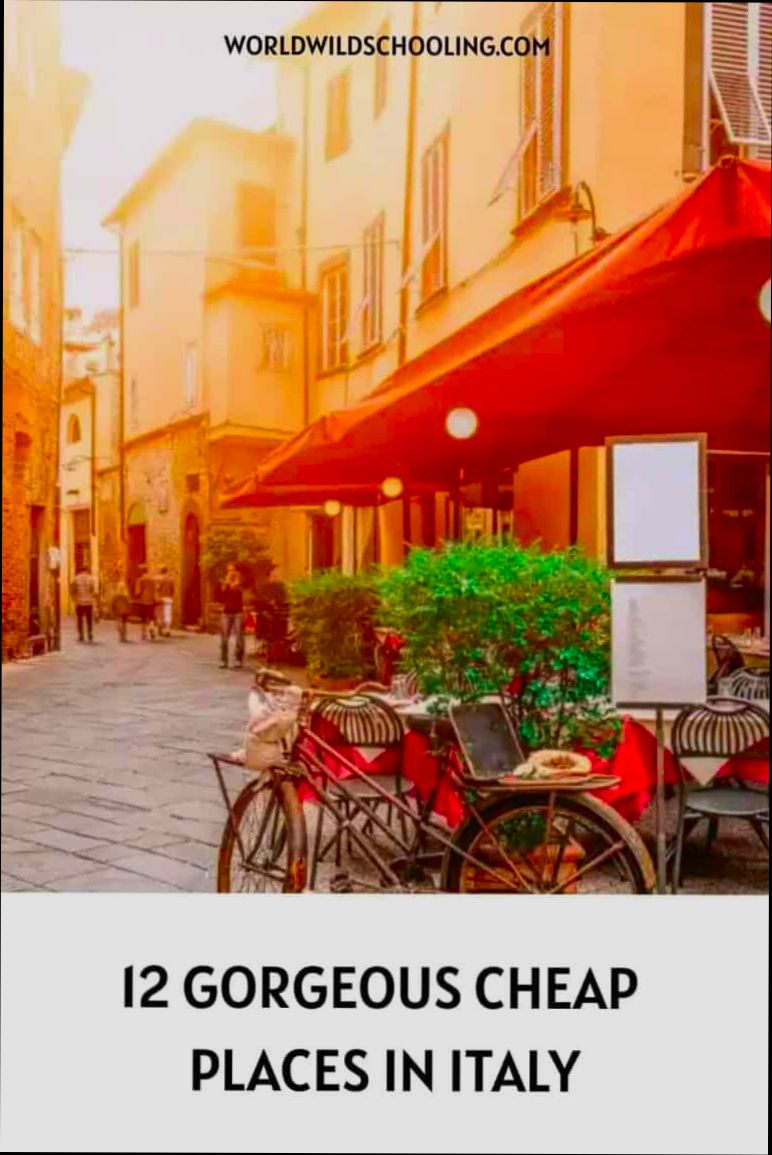
Cultural Richness in Italy’s Budget-Friendly Cities
Italy’s budget-friendly cities are treasure troves of cultural richness, offering a delightful tapestry of art, history, and local traditions without straining your wallet. With a cultural participation rate of 35.2% in 2023, it’s clear that Italians are actively engaging in their local arts and heritage, celebrating a resurgence in cultural activities post-pandemic.
Key Points on Cultural Engagement
- In 2023, 35.2% of the population age 6 and older participated in cultural activities outside the home, marking a significant rebound from the pandemic years.
- Library attendance is also on the rise, with 12.4% of Italians visiting a library at least once within the year, demonstrating a growing appreciation for literature and knowledge.
- Italy has an extensive cultural infrastructure, boasting 4,416 venues, including 2,870 public and 1,546 private spaces, with 62% designed with accessibility in mind to welcome visitors from all walks of life.
| City | Cultural Venues | Library Visits (%) | Cultural Participation (%) |
|---|---|---|---|
| Bologna | 100+ | 15 | 40 |
| Catania | 80+ | 11 | 35 |
| Florence | 250+ | 20 | 45 |
| Naples | 150+ | 13 | 38 |
Real-World Examples
Exploring cities like Bologna, one can indulge in vibrant local festivals and art exhibitions, reflecting centuries of artistic evolution. The city hosts numerous galleries showcasing contemporary and traditional art, making it a hub for culture lovers, with an impressive 40% participation in cultural activities.
Catania, with its stunning baroque architecture and lively street markets, invites you to enjoy local music and performances for free throughout the year. The city’s cultural richness shines through its active participation in community programs, boasting a 35% engagement in cultural events, showcasing its historical heritage and lively spirit.
Practical Insights
For those interested in immersing themselves in Italian culture without overspending, visiting local forums or social media pages dedicated to cultural events in these cities can be incredibly beneficial. Many events, like art exhibitions or plays, often have discounted or free admission days.
Also, taking advantage of library programs can enhance your cultural experience. With library attendance on the rise, many Italian libraries offer free access to cultural programs, workshops, and literary events, providing a great opportunity to engage with locals and learn about Italian culture.
Actionable Advice
- Look for guided walking tours in budget-friendly cities; they are often led by locals and can provide you with an insider’s perspective at a nominal fee.
- Attend local festivals and markets; they not only showcase the cultural vibrancy of these cities but also offer free entry and an authentic experience of local life.
- Utilize public libraries to discover cultural events, book readings, and art classes that can deepen your understanding of the community.
Engaging with the cultural richness in these affordable Italian cities not only enhances your travel experience but also allows you to connect with Italy’s rich heritage.