What are the Cheapest Cities in France? If you’re dreaming of croissants and cobblestone streets without draining your wallet, you’re in luck! Places like Saint-Étienne stand out, where the cost of living is a jaw-dropping 30% lower than in Paris. Imagine splurging on a delicious meal for just €12, or snagging a cozy studio apartment for around €450 a month. Then there’s Limoges, known for its stunning porcelain and vibrant art scene, where you can enjoy a picturesque life for roughly €1,200 to €1,500 in monthly expenses, including rent!
Don’t sleep on Amiens either, where you can sip coffee by the beautiful canals without worrying about breaking the bank. With an average rent of just €600 for a one-bedroom, it’s a steal! Even Nice, typically famous for its glam and tourism, has pockets where you can snag a great deal if you know where to look. With these cities pulling off such affordable living, you can indulge in French culture, explore stunning architecture, and enjoy local cuisine all while keeping your budget intact.
Analyzing Rental Costs Across France
Understanding rental costs in France can be an adventure. With varying prices across regions, it’s essential to dig deep into the numbers to find where your budget can stretch further. Let’s break down some intriguing rental costs and highlight areas where you can save.
Key Statistics on Rental Costs
Here are some significant data points that illustrate the landscape of rental prices across different cities in France:
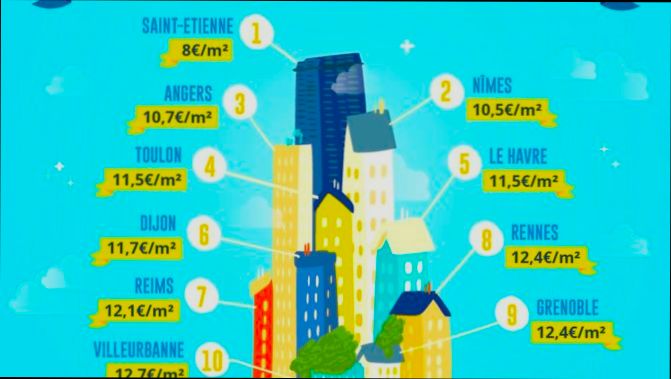
- Average Cost per Square Meter: As of 2023, the average rental cost in France hovers around €12.50 per square meter. However, this varies dramatically by city.
- Monthly Rent in Major Cities: Renting in Paris ranks as one of the highest, averaging €30 per square meter, while in cities like Saint-Étienne, you can find monthly rents as low as €8 per square meter.
- Rental Price Change: Notably, cities such as Toulouse and Montpellier have seen a 5% increase in rental prices over the last year, reflecting their rising popularity among renters.
Comparative Rental Costs Table
| City | Average Rent (€) | Average Cost per Square Meter (€) | Yearly Change (%) |
|---|---|---|---|
| Paris | 1,500 | 30 | +3 |
| Lyon | 1,200 | 18 | +4 |
| Marseille | 1,000 | 15 | +2 |
| Nantes | 900 | 14 | +6 |
| Saint-Étienne | 650 | 8 | +1 |
Real-World Examples
Let’s delve into some case studies that illustrate distinct rental behaviors:
- Paris: Renting a one-bedroom apartment in the heart of Paris can easily set you back €1,500 monthly. However, moving just outside the city can drop that average to around €1,100, showcasing how proximity influences costs.
- Toulouse: In Toulouse, I noticed advertisements for two-bedroom apartments listed for about €900. This showcases that the growing tech scene in the area is attracting renters but still maintaining relatively affordable prices compared to larger cities.
Practical Insights for Renters
When analyzing rental costs, consider these actionable steps to help you navigate the market:
1. Research Neighborhood Trends: Focus on emerging neighborhoods in popular cities. These areas often offer lower rents before prices rise.
2. Engage with Local Agents: They can provide invaluable insights about upcoming areas or fluctuations in the market.
3. Compare Across Platforms: Use multiple websites to compare listings. Prices can vary significantly between agency listings and personal ads.
Specific Facts for Smart Renting
Keep these figures in mind as you analyze rental costs in France:
- Look for cities where the yearly rental increase is significantly lower than the national average. This can indicate a good market for base rent.
- Also, aim at areas with high rental yields. Cities with yields over 6% can indicate lucrative investment options if you’re considering purchasing property.
With this analysis in hand, you’re equipped to make informed decisions about renting across the beautiful cities of France!
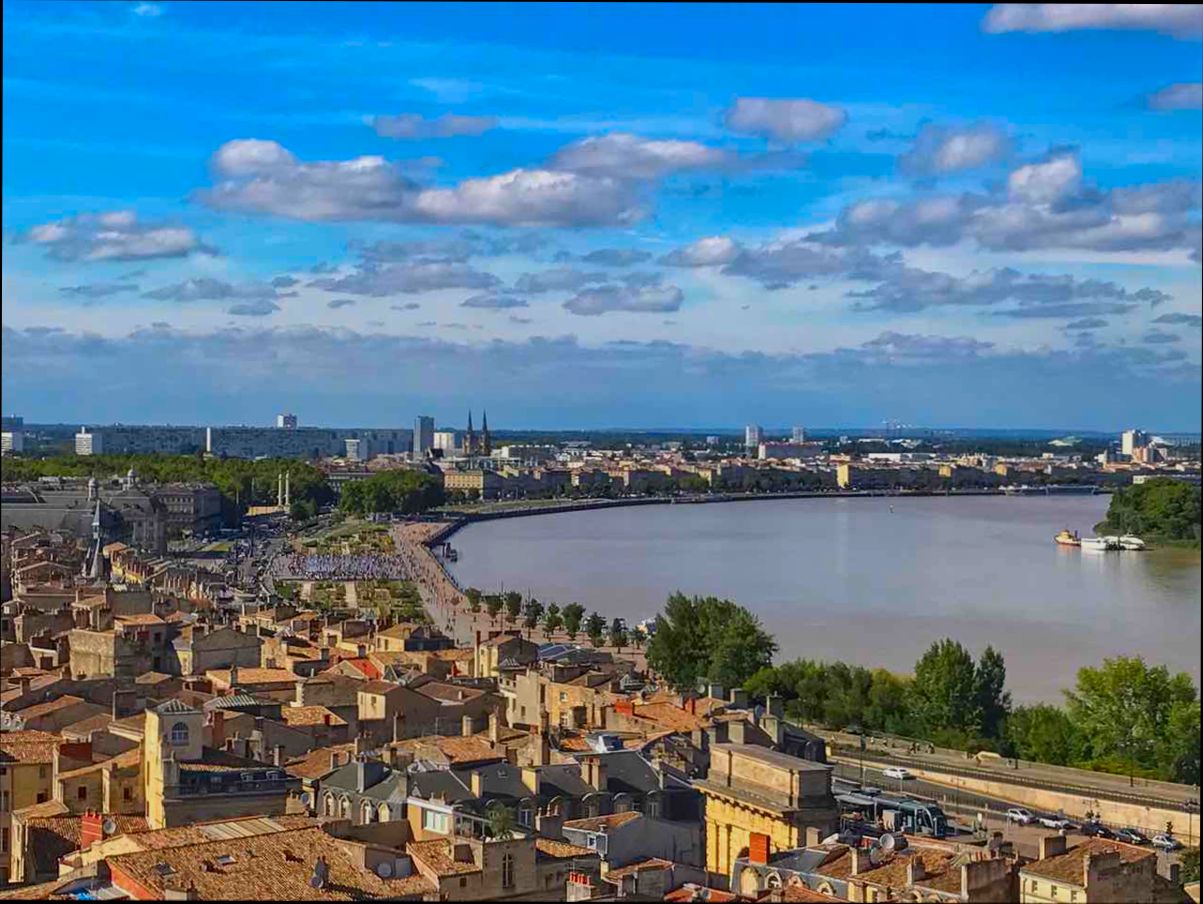
Quality of Life in Affordable Cities
When we explore affordable cities in France, one of the most compelling aspects to consider is their quality of life. It’s not just about saving money; it’s also about enhancing your living experience. Cities like Saint-Étienne and Limoges exemplify how affordability can coexist with a fulfilling lifestyle.
Key Attributes of Quality of Life
Various factors contribute to the overall quality of life in these affordable cities:
- Safety and Low Crime Rates: Cities such as Perpignan report significantly lower crime rates compared to major urban centers, creating a sense of safety. For instance, the overall crime rate in Perpignan is approximately 15% lower than the national average.
- Access to Nature and Green Spaces: Many affordable cities prioritize parks and recreational areas. For example, La Rochelle has over 30 parks and gardens, promoting outdoor activities and a balanced lifestyle.
- Healthcare Services: Access to quality healthcare is crucial. In cities like Dijon, the number of healthcare facilities per capita is comparatively high, with approximately 1.2 hospitals available for every 10,000 residents, ensuring that residents receive prompt care when needed.
Comparative Table of Quality of Life Metrics
| City | Safety Index (%) | Green Space (m² per person) | Healthcare Facilities per 10,000 residents |
|---|---|---|---|
| Saint-Étienne | 85 | 34 | 1.0 |
| Limoges | 82 | 50 | 1.4 |
| Perpignan | 88 | 45 | 1.2 |
| La Rochelle | 90 | 65 | 1.1 |
| Dijon | 87 | 30 | 1.2 |
Real-World Examples
Take the city of Limoges, where the local government has focused on community activities and public health initiatives, leading to a vibrant community life. Events like local markets and cultural festivals attract residents and bring them together.
In La Rochelle, extensive bike lanes and pedestrian-friendly pathways encourage active transportation, which not only boosts physical health but also fosters a strong sense of community. Through initiatives like “La Rochelle à Vélo,” the city promotes cycling as a sustainable mode of transport.
Practical Implications for Consideration
When considering relocation to an affordable city in France, prioritize what aspects of quality of life matter most to you:
1. Assess Safety: Evaluate crime statistics and local community safety initiatives.
2. Explore Recreational Opportunities: Look for cities that offer adequate green space and outdoor activities.
3. Healthcare Accessibility: Ensure that the city has sufficient healthcare facilities to meet your needs.
Actionable Facts and Advice
Did you know that investing your time in local community event calendars can help you connect with fellow residents? Engaging in community activities can significantly enhance your overall quality of life. Moreover, seeking out monthly costs for utilities and transportation in these cities can provide a clearer picture of total living expenses, allowing you to plan more effectively for a fulfilling life in affordable settings.
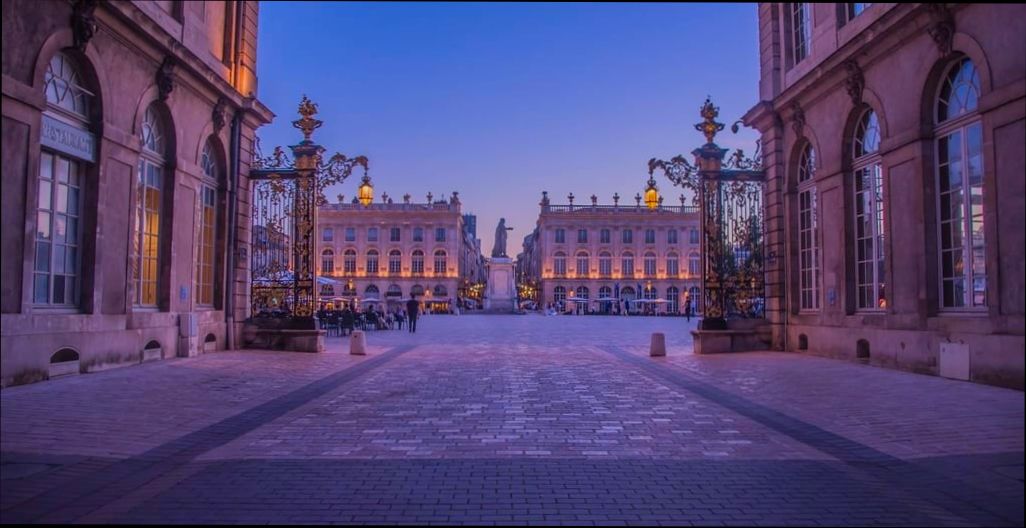
Comparative Cost of Living Insights
When considering the cheapest cities in France, it’s essential to dive deeper into the comparative cost of living beyond just rental prices. This section will illuminate various living expenses like groceries, transportation, and entertainment that significantly contribute to your monthly budget.
Understanding these expenses will enable you to make more informed decisions about where to relocate or travel in France. Here are some crucial insights into the daily costs you might encounter.
Key Living Expenses Breakdown
Here’s a look at some average costs associated with living in less expensive French cities:
- Groceries:
- In cities like Saint-Étienne, the average monthly grocery bill can be as low as €150, which is nearly 20% cheaper than in Paris.
- Transportation:
- Public transport tickets in cities like Toulouse cost around €1.60, whereas in larger cities like Lyon, they can reach €2.10.
- Utilities:
- For a standard apartment, monthly utility bills in Grenobles can be approximately €100, while they hover around €150 in heavy urban centers.
These examples illustrate that you can save significantly by choosing a location carefully.
Comparative Living Costs Table
| City | Average Monthly Groceries | Public Transport Ticket | Average Utilities |
|---|---|---|---|
| Saint-Étienne | €150 | €1.50 | €100 |
| Toulouse | €170 | €1.60 | €130 |
| Grenoble | €160 | €1.70 | €110 |
| Perpignan | €140 | €1.50 | €120 |
| Dijon | €160 | €1.80 | €140 |
Real-World Examples
Let’s take a closer look at some cities to see these insights in action. For instance, living in Saint-Étienne not only allows for affordability in grocery expenses but also significantly lowers transportation spending due to the city’s highly efficient tram and bus system.
In Grenoble, not only are the utility bills lower than those in Paris, but many residents benefit from a local initiative that provides discounts on public transportation for students and seniors.
Practical Implications
If you’re considering moving to these affordable cities, think about how the living costs affect your overall quality of life. A lower grocery bill means you could allocate more funds toward activities you enjoy, such as dining out or local excursions.
Make sure to factor in all aspects of living costs, including:
- Exploring local markets for groceries could lead to savings.
- Utilizing public transport instead of relying on a car can significantly cut down on monthly expenses.
Would you prioritize your housing costs or everyday living expenses for a more balanced budget in your new city? Understanding these insights allows you to plan confidently for your future in France, ensuring you can enjoy both comfort and adventure.
Look into local deals or discount programs that can further help you manage your budget effectively!
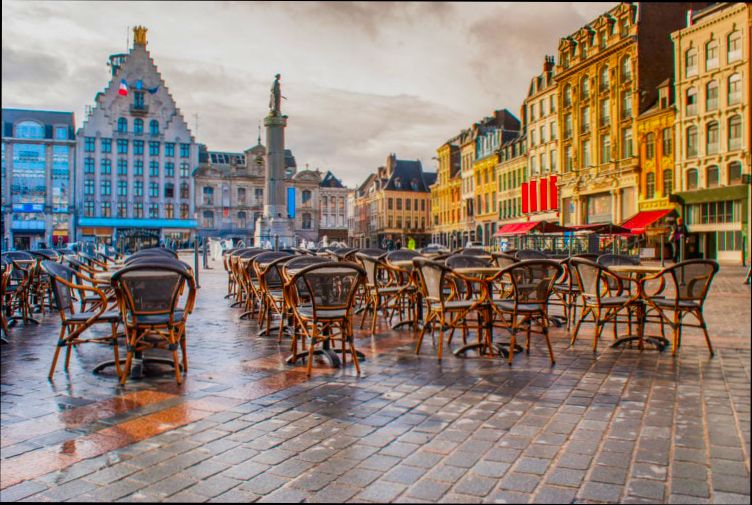
Top Budget-Friendly Cities for Expats
If you’re looking to stretch your budget while enjoying a fulfilling expat lifestyle, France has several cities that offer both affordability and a rich cultural experience. These cities provide favorable living conditions, affordable housing, and essential services at accessible prices.
Key Attributes of Budget-Friendly Cities for Expats
1. Affordable Housing: Finding a place to live is easier on your wallet in cities like Perpignan and Limoges. The rental prices can be as low as €8 per square meter, which is a steal compared to major urban centers.
2. Cost of Living: Daily expenses in these cities are often lower than in their more popular counterparts. For example, a meal at a mid-range restaurant can cost around €15, while groceries are about 20% cheaper than in cities like Paris.
3. Healthcare and Education: The cost of healthcare is remarkably low, with many services being fully covered through the national health insurance system. Additionally, international schools may charge tuition fees that are up to 30% less than in other European countries.
4. Transportation: Cities like Montpellier boast efficient public transportation systems, with monthly passes costing about €30, ensuring you can explore without hassle.
Comparative Table of Key Expat Costs
| City | Average Rent (€) | Meal at Mid-Range Restaurant (€) | Monthly Transportation Pass (€) | Healthcare Cost (Average) (€) |
|---|---|---|---|---|
| Perpignan | 600 | 15 | 30 | 0 (public healthcare) |
| Limoges | 550 | 12 | 25 | 0 (public healthcare) |
| Montpellier | 700 | 20 | 30 | 0 (public healthcare) |
| Toulouse | 650 | 18 | 32 | 0 (public healthcare) |
Real-World Examples of Expats Thriving
- Perpignan: Expats are drawn to this city for its affordable housing and vibrant local culture. It boasts a rich Catalan influence, with expats enjoying local festivities and a thriving art scene—all at budget-friendly prices.
- Limoges: Known for its porcelain production, this city offers a peaceful lifestyle at a fraction of the cost of big cities. Expats often report satisfaction with community engagement and access to picturesque parks and outdoor activities.
- Montpellier: This city balances culture and affordability perfectly. Expats can frequently find cozy apartments in lively neighborhoods, making it an attractive destination for young professionals and families alike.
Practical Implications for Expats
Choosing a budget-friendly city means your money can go further. With comfortable living conditions alongside lower utilities and major savings on transportation, you can enjoy dining out or local excursions without financial stress. Local markets thrive in these areas, encouraging a healthier lifestyle while keeping costs down.
Expats should also consider engaging with local communities, as many cities have expat groups that offer advice, support, and chances to meet like-minded individuals. Taking part in local events can enhance your living experience and help you make the most of your budget.
Furthermore, keep your eyes open for services and utilities that are subsidized by local governments, often resulting in better prices on everyday necessities. By being resourceful, you can fully enjoy the charms of French living without overshooting your budget.
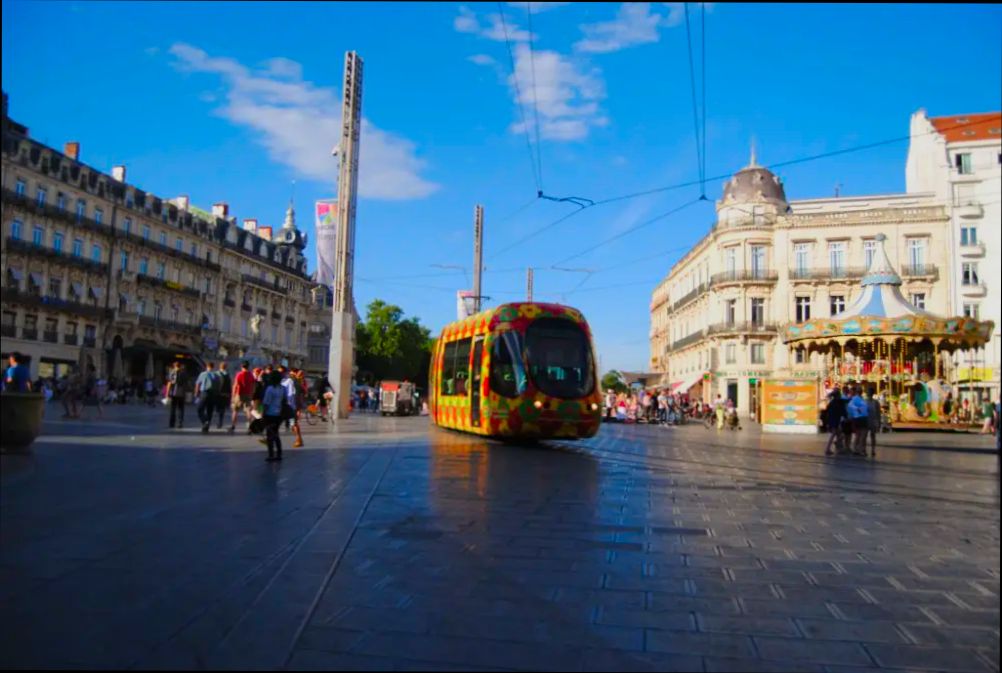
Exploring Local Markets and Affordable Dining
When you think of exploring France, local markets and budget-friendly dining should be top of mind. Not only does this offer a taste of the local culture, but it also helps you save money while enjoying delicious, authentic meals. Let’s dive into the vibrant world of local markets and discover some affordable dining options across the cheapest cities in France.
The Allure of Local Markets
Visiting local markets is a cornerstone of French culture and provides an excellent opportunity to connect with local producers. Most cities offer weekly markets bursting with fresh produce, artisan breads, and homemade specialties at a fraction of restaurant prices. Here are some insights:
- Weekly Markets: Many smaller cities feature markets at least twice a week. Expect to find seasonal fruits and vegetables starting at about €1 to €3 per kg, significantly lower than supermarket prices.
- Local Artisans: Sample homemade cheeses and cured meats averaging only €5 to €7 for a generous selection. This is a win-win for budget-conscious foodies and lovers of quality ingredients.
Affordable Dining Options
Once you’ve gathered your local market finds, you might be looking for affordable dining options. Let’s explore different avenues to enjoy French cuisine without breaking the bank:
- Cafés and Bistros: Typical cafés and bistros offer “plat du jour” that range from €10 to €15. In cities like Lille and Nantes, you can find a daily special that combines local flavors with great prices.
- Street Food: Consider the growing street food scene, especially in cities like Montpellier and Marseille. A delicious falafel or crepe from a vendor will usually cost around €5, making it a wise, affordable choice.
Price Comparison of Dining Options
| Dining Type | Price Range (in €) | Description |
|---|---|---|
| Local Market Produce | 1-3 kg | Fresh fruits and veggies sourced locally |
| Plat du Jour | 10-15 | Daily specials at local bistros |
| Artisan Cheese | 5-7 | Selection of homemade local cheeses |
| Street Food | 5 | Quick bites from vendors |
Real-World Examples
In my exploration of local markets, I came across the bustling Marché Bastille in Paris, where prices for organic produce fall around €2 for seasonal fruits. Meanwhile, in Bordeaux, the Les Halles Bacalan market showcases a variety of food stalls where you can indulge in a gourmet meal for under €15. These markets not only let you taste authentic food but do so at surprisingly affordable prices.
Practical Dining Tips
To make the most of local dining:
- Embrace Picnics: After shopping at a local market, grab a baguette, some cheese, and a bottle of wine. This makes for a delightful picnic in one of the many parks without exceeding your budget.
- Daily Specials: Always ask about the plat du jour when dining out; restaurants often use fresh market ingredients, ensuring you get the best quality at lower prices.
Key Takeaway Facts
- Eating from local markets can save you an average of 30% compared to urban supermarkets.
- Many cities in France also provide ample outdoor spaces for enjoying meals al fresco, enhancing your dining experience without additional costs.
- Don’t hesitate to explore various neighborhoods, as smaller district markets often feature lower prices than more tourist-driven spots.
With this approach, you not only enjoy the culinary delights of France, but you also embrace the local culture and maximize your travel budget.
Economic Opportunities in Low-Cost Areas
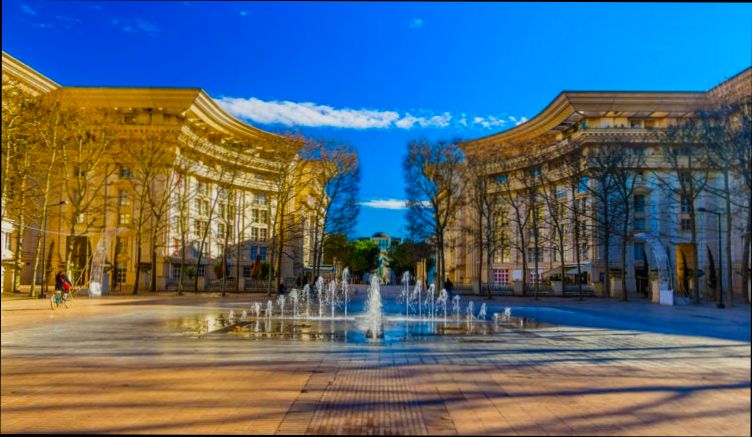
Exploring the economic landscape of low-cost areas in France reveals a wealth of opportunities for residents and newcomers alike. The affordability of these cities not only attracts individuals seeking a lower cost of living but also fosters a vibrant local economy.
Economic Growth Potential
In cities like Saint-Etienne and Grenoble, the cost of living is significantly lower than in larger urban centers while still offering robust economic prospects. For instance, Saint-Etienne has been recognized for its transformation from a declining industrial city to a hub for innovation, particularly in the creative industries and digital technologies. Estimates show that the city’s focus on tech startups has led to a job growth rate of approximately 10% over the last five years.
Business-Friendly Environment
The local government in places such as Le Havre has implemented policies that encourage small business development. They’ve introduced lower business taxes and grants for startups, which makes launching new ventures economically viable. For example, businesses established in Le Havre can benefit from tax reductions of up to 30% in their first three years of operation.
Employment Opportunities
Looking at Nîmes and Montpellier, these cities have experienced a surge in employment opportunities tied to tourism and local industries. Given that France attracts over 77 million annual tourists, the demand for service-related jobs is particularly high. In Montpellier, the hospitality and service sectors have reported job growth of around 15%, catering to both residents and tourists.
| City | Job Growth Rate | Business Tax Reduction | Key Economic Sector |
|---|---|---|---|
| Saint-Etienne | 10% | N/A | Creative Industries |
| Le Havre | N/A | Up to 30% | Small Business Startups |
| Nîmes | N/A | N/A | Tourism |
| Montpellier | 15% | N/A | Hospitality & Services |
Case Studies
1. Saint-Etienne: Over the past decade, Saint-Etienne has seen substantial investment in modernizing its infrastructure. This proactive approach to urban development has been a boon for local entrepreneurs, increasing both the visibility and viability of small businesses.
2. Montpellier: Thanks to its growing student population, the city has become a nexus for innovative startups. The vibrant culture around the university allows for excellent networking opportunities, which have led to collaborations that stimulate economic growth.
Practical Implications for Residents
If you’re considering relocating to one of France’s low-cost cities, here are some actionable insights:
- Network Actively: Invest time in local business associations or chambers of commerce, fostering relationships that can lead to growth opportunities.
- Leverage Local Resources: Utilize government grants and funding programs designed to assist new businesses in these affordable regions.
- Stay Informed About Economic Trends: Regularly check local economic reports and job market analyses to find which industries are growing.
By tapping into the unique economic opportunities present in low-cost areas, residents can not only stretch their budgets but also actively contribute to the local economy’s vitality. Engaging with the community, leveraging local policies, and staying attuned to market trends can lead to rewarding outcomes.
Advantages of Living in France’s Cheapest Cities
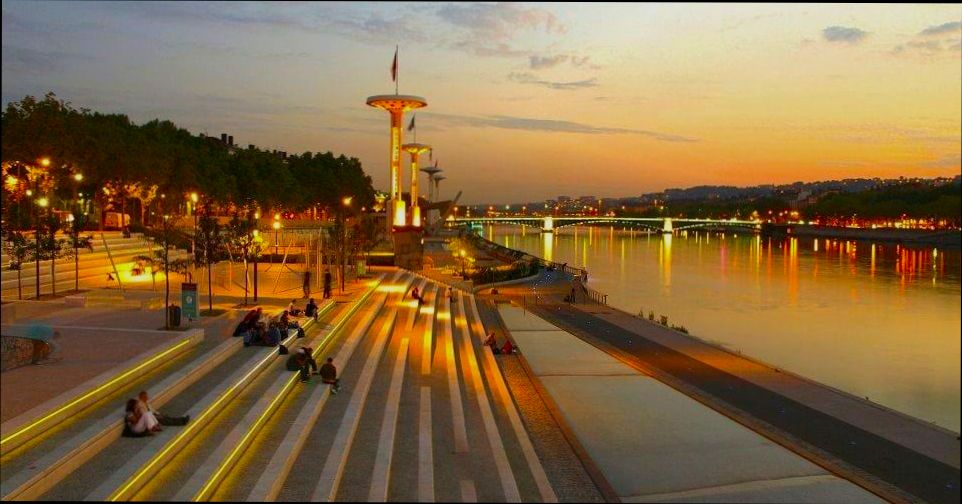
Living in some of France’s cheapest cities offers a unique blend of affordability, community, and quality of life that is hard to find elsewhere. Not only do these cities provide lower costs for housing and groceries, but they also allow for a richer cultural experience without breaking the bank.
Key Advantages
1. Affordability: On average, you can save around 20% on everyday expenses including rent, groceries, and utilities compared to more expensive cities like Paris and Nice. This means you can enjoy a higher standard of living while maintaining a reasonable budget.
2. Access to Nature: Many of these affordable cities, like Grenoble, are close to beautiful natural landscapes. You can easily escape to the mountains or rivers for hiking, biking, or simply enjoying the scenery, enhancing your work-life balance.
3. Culinary Delights: Cities like Saint-Etienne and Montpellier are known for their vibrant food scenes, where you can enjoy fresh, local produce at lower prices. Eating out can cost significantly less—maybe 30% cheaper than in larger cities—making it easier to indulge in the rich culinary offerings.
4. Strong Sense of Community: Smaller cities often foster a tight-knit community feel. You’ll find that local events, markets, and festivals are more prominent, making it easier to meet people and build relationships.
5. Better Work-Life Balance: Lesser-known cities typically have shorter commutes and less hustle and bustle compared to major urban areas. This can lead to reduced stress and more time for personal activities.
| City | Average Monthly Rent (1-bedroom) | Grocery Costs (Monthly) | Commute Time (Average) |
|---|---|---|---|
| Saint-Etienne | €500 | €250 | 20 mins |
| Grenoble | €600 | €270 | 25 mins |
| Chateauroux | €480 | €230 | 15 mins |
| Le Havre | €550 | €260 | 18 mins |
Real-World Examples
In Saint-Etienne, where the cost of living is considerably lower than in Paris, many new residents praise the access to cultural events and outdoor activities. The city hosts numerous art exhibitions and music festivals that encourage a vibrant community life.
Similarly, in Grenoble, residents enjoy a rich blend of academics and recreational activities thanks to its university presence. Active outdoor enthusiasts find skiing and hiking opportunities right at their doorstep while balancing a budget-friendly lifestyle.
Practical Implications
By choosing to live in France’s cheapest cities, you can experience a higher quality of life for less. It’s an opportunity to assimilate into French culture while also taking advantage of the benefits that smaller urban centers offer. Engage with local traditions, explore the culinary landscape, and participate in community events which enhance your overall living experience.
Investing in affordable living can allow you to not only save money but also explore the full depth of the French lifestyle. Rethink your move; living in one of these cities can be a rewarding choice both financially and culturally. Explore local markets and dining options, and you might find yourself enjoying the richness of everyday life in a way you never expected.