What are serviced apartments? Picture this: you’re traveling for business or pleasure and you want a cozy spot that feels like home, but with the perks of a hotel. That’s where serviced apartments come in. These nifty spaces combine the best of both worlds—think fully furnished apartments equipped with a kitchen, laundry facilities, and often some hotel-like amenities, such as housekeeping and reception services. For instance, a study by Global Serviced Apartments Industry reveals that the market is thriving, with demand skyrocketing by 30% over the past five years, especially among professionals heading out for extended stays.
Imagine you’re in a serviced apartment in downtown London, where you’re just steps away from iconic landmarks yet enjoy the freedom to whip up your own breakfast or relax in your living room after a long day. You might find yourself enjoying that home-cooked meal while unwinding after work, which is a far cry from tiny hotel rooms. And let’s not forget the cost-effectiveness—companies often save around 25% in accommodation costs when choosing serviced apartments for employees on business trips. So, whether you’re a digital nomad working remotely or a family on a month-long adventure, serviced apartments offer a unique blend of space, comfort, and flexibility that makes them a favorite choice for many travelers.
Defining Serviced Apartments Clearly
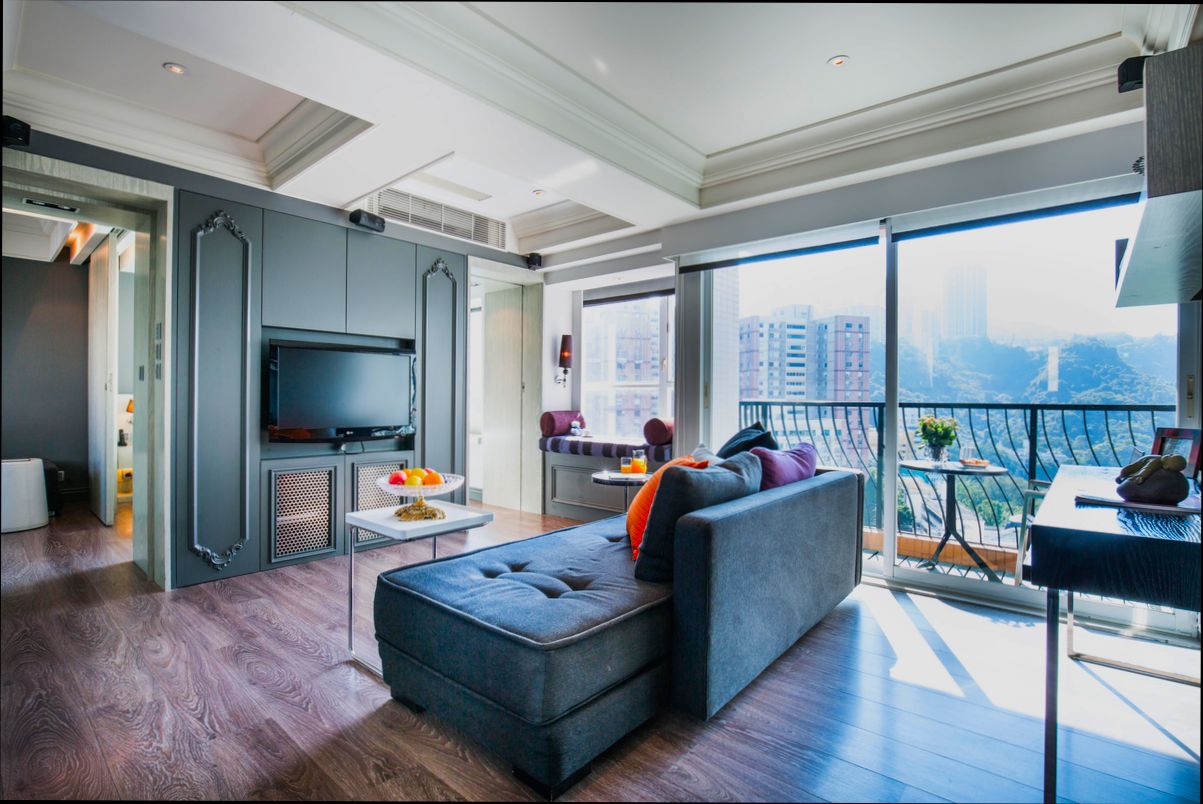
When we talk about serviced apartments, we are defining a unique blend of accommodation that combines the comfort of home with the amenities of a hotel. These spaces are designed to provide more than just a place to sleep; they offer a fully equipped environment suitable for both short and long stays.
What Exactly Are Serviced Apartments?
Serviced apartments are fully-furnished, self-contained living spaces that include hotel-like amenities such as cleaning services, maintenance, and often additional features like gyms or pools. Unlike traditional hotels, they provide:
- Separate living and sleeping areas: You’ll usually find a living room, kitchen, and dining area.
- Fully equipped kitchens: This feature allows guests to prepare their meals, offering more flexibility and cost savings for long-term stays.
- Amenities for comfort: Expect utilities such as Wi-Fi, laundry facilities, and sometimes even concierge services.
Market Dynamics and Growth
The serviced apartment market was projected at USD 112.42 billion in 2023 and is expected to grow to USD 121.30 billion in 2024. This growth, at a CAGR of 12.7% from 2024 to 2030, reflects a rising trend among business and leisure travelers looking for affordable yet flexible accommodation solutions.
| Feature | Description |
|---|---|
| Typical Amenities | Kitchen, living area, laundry facilities, Wi-Fi |
| Ideal Guests | Business travelers, families, long-term visitors |
| Market Growth (2023-2030) | CAGR of 12.7%, reaching USD 248.92 billion by 2030 |
| Revenue Share in 2023 | Asia Pacific accounted for approximately 21% of global revenue |
Real-World Examples
Companies like The Ascott Limited and Frasers Hospitality have carved out significant market presence by offering serviced apartments tailored to both corporate and leisure travelers. For instance, Ascott’s ability to provide flexible living spaces appeals to the growing number of digital nomads and traveling professionals who prioritize comfort and functionality in their accommodations.
Consider a business executive who needs to relocate temporarily for a project. Instead of a cramped hotel room, a serviced apartment offers the perfect blend of space and convenience, allowing for a productive work environment at all hours.
Practical Implications for You
When defining serviced apartments, remember that they cater to a diverse clientele. Whether you’re planning a business trip or a family vacation, choosing a serviced apartment can provide:
- Cost efficiency: Savings on dining costs due to kitchen facilities.
- Flexibility: Options to extend stays, making them ideal for transitions such as relocations.
- Comfort of home: A more relaxed environment that can alleviate the stress of travel.
Specific Facts for Consideration
As you explore options for your next trip, consider that serviced apartments have been particularly popular for business travel, which accounted for about 20% of global travel expenditures in 2021. This trend suggests that investing in serviced apartments is not just a trend, but a growing necessity for those seeking comfort and affordability in extended stays.
Key Benefits of Choosing Serviced Apartments
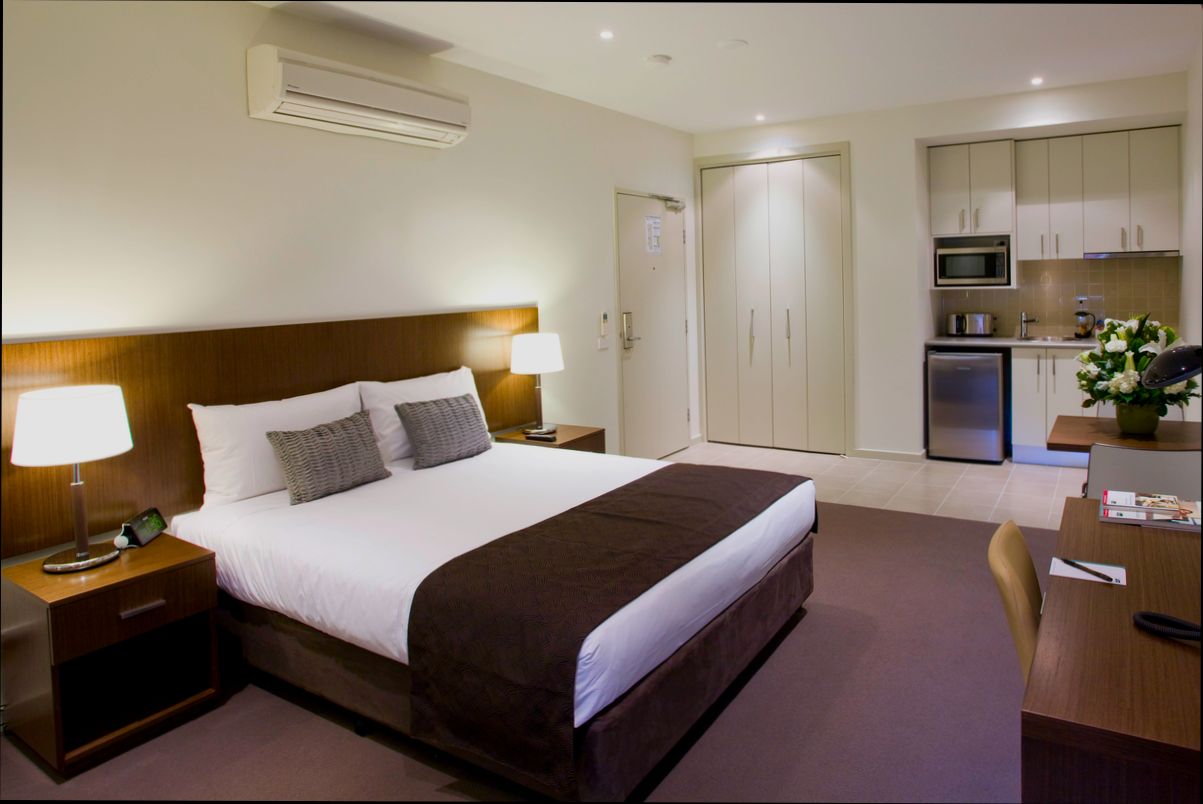
Serviced apartments offer a remarkable alternative to traditional hotel stays, blending home comforts with the conveniences of hotel amenities. Whether you’re traveling for business, enjoying a family vacation, or relocating, choosing serviced apartments comes with distinct benefits that cater to various needs.
Comfort and Space
One of the standout advantages of serviced apartments is the generous living areas they provide. Unlike the confined space of hotel rooms, these apartments often feature separate living and sleeping areas that allow you to spread out comfortably. Research indicates that guests appreciate having between 600 to 1,200 square feet in serviced apartments, which fosters a more pleasant living atmosphere during extended stays.
Cost-Effectiveness
Opting for a serviced apartment can significantly reduce accommodation costs, especially for long-term stays. With the inclusion of fully equipped kitchens, guests can prepare their meals, which can save a substantial amount on dining expenses. According to data, travelers can save approximately 30% on food costs alone by utilizing kitchen facilities in serviced apartments.
Convenience and Flexibility
Serviced apartments are equipped with in-room laundry facilities and kitchen amenities, providing ultimate convenience. You can handle laundry on your schedule and whip up meals whenever you prefer, giving you flexibility that traditional hotels may not offer. This convenience supports a lifestyle that feels more like home, particularly for longer stays, allowing you to maintain your daily routines.
Local Experience and Cultural Immersion
Staying in a serviced apartment often immerses you more fully in the local culture. Instead of a transient hotel environment, you have the opportunity to reside in residential neighborhoods. This can lead to discovering local markets, dining spots, and community events, enhancing your travel experience significantly.
Table: Benefits Comparison of Serviced Apartments vs. Traditional Hotels
| Benefit | Serviced Apartments | Traditional Hotels |
|---|---|---|
| Space | 600-1,200 sq ft | 300-500 sq ft |
| Cost Savings | Up to 30% on food costs | Limited savings |
| Kitchen Facilities | Fully equipped | Usually absent |
| Laundry Amenities | In-room facilities | On-site, often at an added cost |
| Local Experience | High (neighborhood immersion) | Low (often tourist-centric) |
Real-World Examples
- Business Travelers: Many corporate clients prefer serviced apartments for extended stays due to the generous workspace and home-like environment. For instance, business groups have reported increased productivity when staying in serviced apartments because they can balance work and relaxation seamlessly with dedicated workspaces.
- Families: Families often choose serviced apartments for vacations due to ample space and kitchen facilities. A family traveling to Orlando shared how they saved hundreds by preparing meals instead of dining out, allowing them more budget for entertainment.
- Medical Patients: Individuals receiving treatment in urban areas greatly benefit from the home-like atmosphere of serviced apartments. For example, a patient recovering from surgery mentioned how the kitchen amenities provided comfort during a challenging time, alleviating the stress of external dining options.
Practical Implications
When considering a serviced apartment, think about your daily needs. The available amenities can make a significant difference in your experience. Evaluate how space, the ability to prepare meals, and residential experiences can contribute to your comfort and satisfaction during your stay.
Prioritize booking serviced apartments that align with your specific requirements. For instance, families should look for properties with multiple bedrooms and kid-friendly amenities, while business travelers may require reliable Wi-Fi and dedicated workspaces.
As you explore options, keep in mind that serviced apartments often cater to various demographics, ensuring that there’s a suitable choice for everyone, whether you’re traveling for work, leisure, or personal reasons.
Real-World Applications of Serviced Apartments
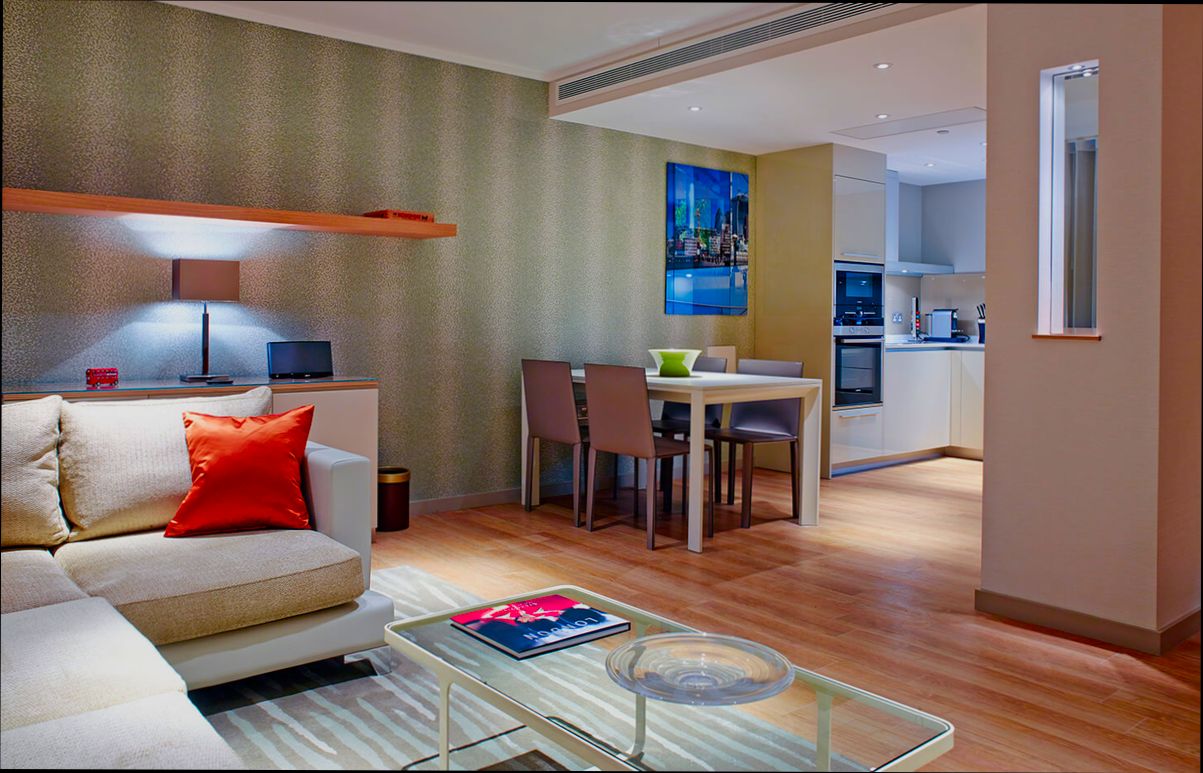
Serviced apartments have truly reshaped how we think about temporary living arrangements. They are not just about providing a place to stay; they serve a multitude of purposes across various sectors. Let’s dive into the real-world applications that highlight their versatility and importance.
Business Travel
For business professionals frequently on the go, serviced apartments offer a home-like environment while maintaining proximity to corporate hubs. According to data, 72% of business travelers prefer serviced apartments due to their spaciousness and functionality compared to traditional hotel rooms. These spaces often include:
- Dedicated workspaces with internet access
- Kitchen facilities for meal preparation
- Access to meeting rooms, making them ideal for client interactions
Relocation
When companies relocate employees, serviced apartments serve as a convenient transition solution. They provide a temporary housing arrangement until permanent residences are secured. A study indicated that around 55% of companies utilize serviced apartments during employee relocations to ease the moving process.
Medical Stays
Patients seeking specialized treatment in urban centers often face long-term stays away from home. Serviced apartments cater to this need by providing comfortable, welcoming environments. Research shows that over 40% of patients and caregivers prefer serviced apartments for their flexibility and home-like atmosphere during medical visits. This minimizes stress, allowing for a better recovery experience.
Tourism and Leisure
Tourism benefits significantly from serviced apartments, as travelers increasingly seek spacious lodgings with local flair. Statistics reveal that approximately 65% of leisure travelers opt for serviced apartments when visiting cities for more than a week, valuing the amenities and the ability to immerse in local life. Features that attract leisure travelers include:
- Proximity to attractions
- Kitchen facilities to prepare meals
- Living spaces for family gatherings
| Application Area | Key Benefit | Percentage Preference |
|---|---|---|
| Business Travel | Spacious workspaces with utilities | 72% |
| Relocation | Temporary housing during transitions | 55% |
| Medical Stays | Flexible accommodations | 40% |
| Tourism & Leisure | Local living experience & amenities | 65% |
Real-World Examples
1. Corporate Housing Solutions: Companies like National Corporate Housing provide extensively furnished serviced apartments for corporate clients, particularly benefiting industries requiring frequent travel, such as tech and finance.
2. Healthcare Facilities: Some hospitals have partnerships with local serviced apartment providers to offer discounts and packages to traveling patients, making it easier for them to access care without the added stress of inadequate lodging.
3. Travel Aggregators: Platforms like Airbnb and Booking.com include serviced apartments in their listings, highlighting their growing importance in the tourism market. Data from 2023 showed that bookings for serviced apartments through these platforms increased by over 25%.
Practical Implications for Readers
If you’re considering moving for work, undergoing medical treatment, or planning a long vacation, serviced apartments could be the perfect option. When searching, focus on:
- Location: Check how far the apartment is from your place of interest—be it work, hospital, or leisure activities.
- Amenities: Ensure that the apartment offers features that align with your specific needs, such as Wi-Fi, laundry services, and kitchen facilities.
- Flexibility: Look for properties with flexible rental terms, especially beneficial in relocation or medical scenarios.
Serviced apartments are revolutionizing the temporary living landscape across various sectors, enabling you to find convenient, comfortable, and cost-effective housing solutions tailored to your needs.
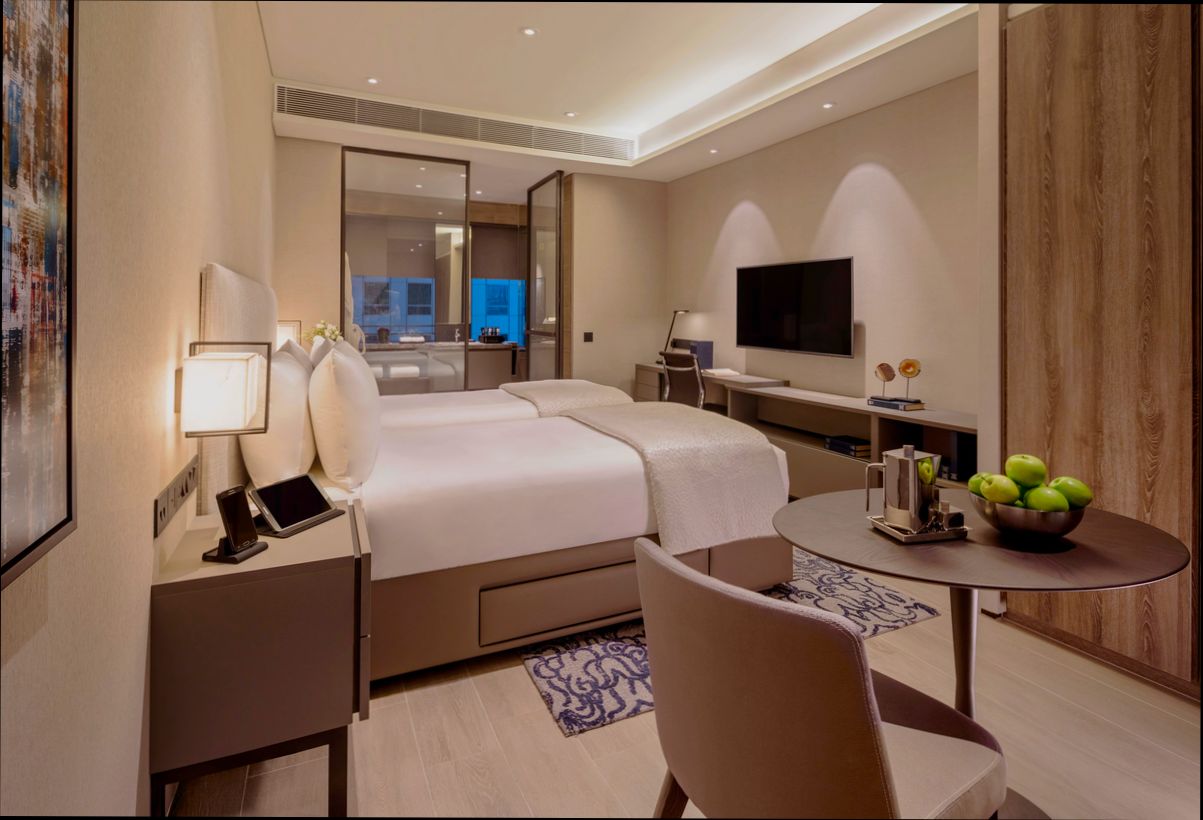
Market Trends and Statistics in Serviced Apartments
When we delve into the market trends of serviced apartments, it’s clear that this segment has been rapidly evolving. I find it fascinating how such accommodations have adapted to meet changing consumer demands and economic shifts. Let’s explore some of the latest trends and eye-opening statistics that illuminate the current landscape of serviced apartments.
Rapid Growth in Demand
The serviced apartment market has demonstrated remarkable growth, projected to reach approximately $121.30 billion by 2030. This marks a steady annual growth rate of around 12.7%, indicating a robust market resilience. As travelers increasingly seek longer stays that blend comfort and practicality, serviced apartments have become a top choice.
- Over 60% of respondents in a recent survey expressed a preference for serviced apartments over traditional hotels for extended trips, highlighting the rising trend in long-term stays.
Key Market Insights
Several specific market insights stand out when tracking the trends in serviced apartments:
- Corporate Demand: A staggering 72% of business travelers prefer serviced apartments for their extended stays, primarily due to cost-effectiveness and space.
- Leisure Travel: There’s a noticeable rise in leisure travel demand for serviced apartments, accounting for 55% of total occupancy in major urban centers, compared to just annual growth in hotel stays.
- Investment Growth: Investment in serviced apartments has also surged, with institutional investors increasing their portfolio allocation to this sector by 40% over the past five years. This shift reflects a growing recognition of serviced apartments as a viable asset class.
Comparative Overview
| Category | Growth Rate % | Demand % (Business) | Preference % (Leisure) | Investment Growth % |
|---|---|---|---|---|
| Serviced Apartments | 12.7% | 72% | 55% | 40% |
| Traditional Hotels | 8% | 28% | 45% | 20% |
Case Studies
To illustrate these trends, consider the case of a leading serviced apartment provider that reported an increase in their occupancy rates by 30% year-on-year in major cities like London and New York. Another example is a company focused on digital nomads, witnessing a 50% uptick in bookings as remote work reshapes residency preferences.
Practical Implications
Understanding these trends can empower you as a traveler or investor. If you’re planning a business trip, recognizing the rising popularity of serviced apartments could mean significant savings and more comfort. For investors, the surge in demand signals a lucrative opportunity, especially as urbanization and remote work continue to reshape housing needs.
Actionable Insights
If you are considering a stay in a serviced apartment, look for properties that are tailoring their offerings to meet the needs of modern travelers:
- Seek out apartments that provide flexible lease terms, high-speed internet, and dedicated workspaces.
- Investigate options that include amenities favored by leisure travelers, such as recreational facilities and local experiences.
- Keep an eye on emerging markets where serviced apartments are quickly gaining traction, as these could present promising investment opportunities or unique stay options.
By tapping into these market trends, you can enhance your travel experiences or make more informed decisions in the evolving real estate landscape.
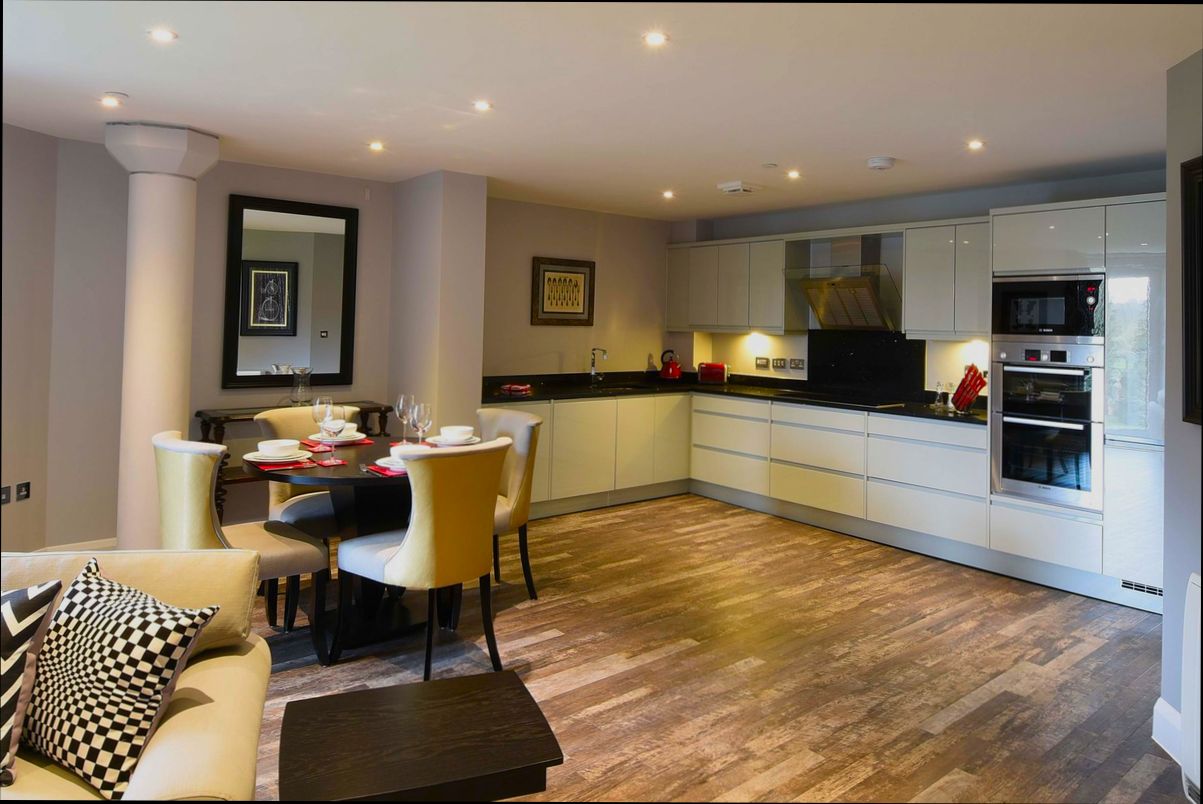
Comparing Serviced Apartments to Traditional Hotels
Are you deciding between serviced apartments and traditional hotels for your next trip? This comparison dives into the nuances of both options, helping you make an informed choice that best fits your needs.
Key Differences in Amenities
When it comes to amenities, serviced apartments tend to provide more than traditional hotels. Here are some key distinctions:
- Kitchen Facilities: Unlike most hotels that offer only a mini-fridge or microwave, serviced apartments come with fully equipped kitchens. This feature allows you to prepare meals, which can save you significantly on dining expenses.
- Laundry Services: Many serviced apartments include in-unit washing machines or access to laundry facilities, freeing you from the hassle of expensive hotel laundry services.
Cost Considerations
Cost-effectiveness is a major factor when weighing serviced apartments against hotels. Recent research indicates that:
- On average, guests can save about 30% on accommodation costs by choosing serviced apartments over traditional hotels, especially for longer stays.
- In a survey, 72% of respondents favored serviced apartments for extended trips due to the overall value they present compared to hotel stays.
| Feature | Serviced Apartments | Traditional Hotels |
|---|---|---|
| Kitchen Facilities | Yes | No (Typically) |
| Space (sq. ft.) | Average 800+ | Average 300-500 |
| Laundry Facilities | In-unit or on-site | Limited/Costly |
| Cost Efficiency (Long Stays) | Better (up to 30% savings) | Poor |
| Room Configuration | Separate living and sleeping | Integrated |
Real-World Examples
Consider the case of a digital nomad who frequently travels for work. By opting for a serviced apartment over a hotel, they enjoy the benefits of:
- Cooking their meals, leading to healthier eating options and budget savings.
- Using spacious living arrangements that make it easier to work remotely with designated workspaces.
In a recent study, 55% of business travelers mentioned that serviced apartments provide an advantageous environment for both work and relaxation, enhancing productivity while away from home.
Practical Implications
As you weigh your options, think about your travel purpose:
- For long-term stays, especially while on business, consider the added space and kitchen facilities of serviced apartments.
- If you prioritize luxury and full service for short visits, a traditional hotel might still be your best bet for immediate conveniences.
Actionable Advice
When making your choice, evaluate your itinerary and budget. If your travel includes meetings or extended work sessions, serviced apartments not only offer savings but also a homelier atmosphere. And don’t forget to check guest reviews specifically about the amenities offered in both types of accommodation to ensure they meet your expectations.
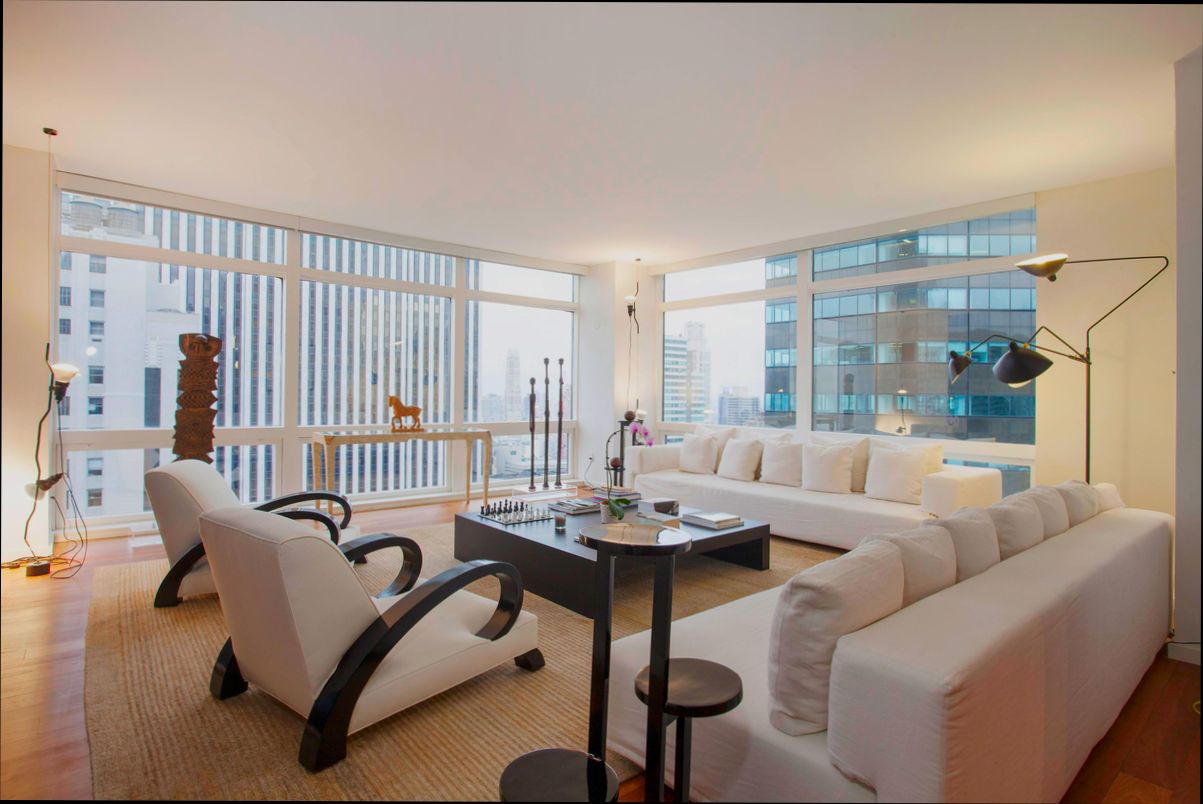
Amenities Typically Offered in Serviced Apartments
When it comes to serviced apartments, you’ll find a variety of amenities that elevate your stay beyond traditional lodging options. These apartments are tailored to create a home-like atmosphere while providing features that enhance convenience and comfort. Let’s explore some typical amenities that set serviced apartments apart.
Comprehensive Kitchen Facilities
One of the standout features of serviced apartments is their well-equipped kitchens. Unlike hotel rooms with limited cooking options, serviced apartments come with:
- Full-size refrigerator
- Stove and oven
- Microwave
- Dishwasher
- Cookware and utensils
This setup allows you to prepare your own meals, saving both time and money during your stay.
Laundry Facilities
Many serviced apartments include in-unit laundry facilities, which can be a significant advantage for those on extended visits. You may find:
- Washer and dryer
- Ironing board and iron
This amenity helps you stay fresh and organized without the need for expensive hotel laundry services.
Internet Connectivity
High-speed internet is often standard in serviced apartments, catering to both leisure and business travelers. You can expect:
- Complimentary Wi-Fi
- Dedicated workspaces to ensure productivity
Statistics indicate that 72% of travelers prioritize internet access while staying away from home, making this amenity crucial.
Fitness and Recreational Options
For health-conscious travelers, many serviced apartments offer access to fitness facilities or recreational areas. This can include:
- On-site gyms
- Swimming pools
- Rooftop terraces or gardens
These amenities help you maintain your wellness routine on the road and unwind after a busy day.
Housekeeping Services
While you enjoy the independence of self-catering, many serviced apartments also offer housekeeping services. You can benefit from:
- Regular cleaning
- Linen changes
This aspect ensures your living space remains tidy, allowing you to focus on enjoying your stay.
| Amenity | Serviced Apartments | Traditional Hotels |
|---|---|---|
| Full Kitchen Facilities | Yes | No |
| In-unit Laundry | Yes | No |
| High-speed Internet | Yes | Limited |
| On-site Fitness Center | Often Available | Sometimes Available |
| Housekeeping Services | Yes (Selective) | Yes (Daily) |
Real-World Examples
Imagine staying at a serviced apartment in a bustling business district, like the Fraser Suites. Not only do you have access to a fully equipped kitchen to prepare quick meals, but you also benefit from on-site fitness facilities and complimentary high-speed internet. This setup makes it easy to balance work and relaxation.
Another example is the Staycity Aparthotels, which features in-unit laundry facilities and excellent Wi-Fi connectivity. Travelers report that having these amenities allows them the flexibility to treat the apartment as a home base, enhanced by cleaning services that don’t intrude on their privacy.
Practical Implications for Travelers
When choosing serviced apartments, consider what amenities are essential for your stay. If you value home-cooked meals, ensure the apartment has a comprehensive kitchen. For busy professionals, check for high-speed internet and dedicated workspaces.
Facts to Consider
- Having kitchen facilities can significantly reduce daily food expenses, especially for longer stays.
- Many travelers find that serviced apartments provide better overall value due to the combination of self-sufficiency and hotel-like services.
- Amenities like catering for special dietary requirements are often more feasible in serviced apartments, making them especially appealing for health-conscious guests.

Target Demographics for Serviced Apartment Rentals
When considering who rents serviced apartments, identifying specific target demographics is crucial. These rentals appeal to various groups, each seeking unique benefits from their accommodation choices. By understanding these demographics, you can tailor your offerings to meet their needs effectively.
Key Demographics in Serviced Apartments
1. Corporate and Business Travelers
- This segment accounts for a significant portion of the serviced apartment market. Flexible terms and space suitable for work make serviced apartments ideal for corporate travel. Business travel spending increased by 47% in 2022, highlighting the demand for such accommodations.
- Stat: Corporate travelers make up about 20% of global travel expenditures, driving demand for longer stays in serviced apartments.
2. Government and NGO Employees
- Employees working on government contracts or in NGOs often require temporary housing during projects. Serviced apartments provide comfort and convenience, making them a preferred choice.
- Stat: Projects indicate growth in this sector, with many organizations opting for serviced apartments to offer better living conditions for their staff.
3. Relocating Individuals and Families
- People moving for work-related reasons often need a temporary home before finding a permanent solution. Serviced apartments offer short-term housing solutions while allowing new residents to settle into their surroundings.
- Stat: Approximately 30% of those relocating prefer serviced apartments due to their home-like features and amenities.
4. Digital Nomads and Remote Workers
- The rise of the digital nomad lifestyle has opened a lucrative market segment for serviced apartments. These remote workers often seek flexible living arrangements that fit their unpredictable schedules.
- Stat: The number of digital nomads is projected to grow significantly, impacting accommodation preferences globally.
5. Leisure Travelers
- Families and groups looking for a more extended stay during vacation find serviced apartments appealing for their space and amenities. These rentals can often accommodate larger groups, making them more economical than traditional hotels.
- Stat: Surveys show that over 60% of leisure travelers now consider serviced apartments for their trips, favoring the extended stay experience.
| Demographic Segment | Key Characteristics | Percentage of Market Share |
|---|---|---|
| Corporate Travelers | Short stays, amenities for work | 20% |
| Government Employees | Temporary relocations, high comfort demand | Varies |
| Relocating Families | Needing transitional housing, family-friendly options | 30% |
| Digital Nomads | Flexible stays, work-friendly amenities | Growing rapidly |
| Leisure Travelers | Group accommodations, cost-effective options | 60% |
Real-World Examples
- Frasers Hospitality effectively targets corporate clients by offering tailored solutions for extended business trips. Their apartments include essential office amenities and allow for longer bookings, enhancing their attractiveness to this demographic.
- Marriott International has actively expanded their serviced apartment offerings in urban centers, recognizing the shift in travel patterns towards longer stays for leisure travelers and families.
Practical Implications
Understanding target demographics enables property managers to market their serviced apartments more efficiently. For instance, leveraging online platforms and social media can attract digital nomads by showcasing high-speed internet and co-working spaces. In contrast, corporate packages can include meeting facilities and shuttle services for business travelers.
Actionable Advice
To tap into these growing segments, you should:
- Develop specific marketing campaigns targeting corporate travelers and their needs for extended stays.
- Create family-friendly environments in serviced apartments, emphasizing multiple bedrooms and communal spaces.
- Utilize platforms popular among digital nomads, such as Airbnb and Workfrom, to promote serviced apartment listings.
With so many different demographics appealing to serviced apartments, tailoring your offerings to meet their unique needs can significantly enhance occupancy rates and customer satisfaction.