What are the Cheapest Cities in United Kingdom? If you’re dreaming of a fresh start without the hefty price tag, cities like Stoke-on-Trent and Derby might just be your ticket. For instance, Stoke boasts a rock-bottom average rent of around £450 per month, making it a haven for budget-conscious renters. Conversely, in Derby, you can grab a cozy one-bedroom flat for about £525, giving you ample cash left over for Saturday night takeaways or exploring local gems.
Meanwhile, if you’re in search of cheap living but don’t want to compromise on culture, cities like Bradford, where the cost of living is nearly 20% lower than London, might pique your interest. And don’t overlook Glasgow, where you can enjoy vibrant nightlife and rich history alongside affordable rents that average under £550 for a two-bedroom apartment. Each of these places serves up unique vibes and opportunities, all while keeping your wallet happy!

Economic Overview of Affordable Cities
In the pursuit of affordable living in the UK, understanding the economic landscape of these cities is paramount. An affordable city ensures that one’s income stretches further, directly impacting quality of life. Here, I’ll provide insights into the economic dynamics that make these cities desirable for both residents and businesses.
Cities like £Luton and £Sunderland have emerged as economic hubs with lower living costs. The average gross income in these cities can be competitive compared to the cost of living, allowing for a healthier work-life balance. For instance, the average salary in Luton stands at about £30,000, while the cost of living index is 15% lower than in major cities like London.
Key Economic Factors
- Cost of Living Index: Affordable cities often exhibit a cost of living index significantly below 100, which represents the national average. For example, Luton has a cost of living index of 85, whereas London sits at a daunting 170.
- Property Prices: In Sunderland, average property prices hover around £136,000, whereas in Bristol, prices can soar to around £300,000. This difference can make homeownership a reality for many in affordable cities.
- Employment Growth: Cities like Luton have seen an employment growth rate of 3% annually, bolstered by investments in technology and logistics. This growth not only creates jobs but fosters economic stability.
- Average Rent: The average rent for a two-bedroom apartment in Sunderland is approximately £600 per month, substantially lower than the £1,800 required in London. This affordability makes it easier for families and individuals to budget accordingly.
| City | Average Salary | Cost of Living Index | Average Property Price | Average Rent (2-bed) |
|---|---|---|---|---|
| Luton | £30,000 | 85 | £285,000 | £1,200 |
| Sunderland | £27,000 | 75 | £136,000 | £600 |
| Bradford | £25,000 | 80 | £150,000 | £650 |
Real-World Examples
Let’s look at Bradford, which has actively transformed its economic landscape through strategic investments in education and healthcare. With affordable housing and a low cost of living, it has attracted a younger demographic, thereby injecting new energy into the local economy.
Moreover, in Luton, the city’s robust transport links to London have made it a hotspot for professionals who can enjoy the London wage while living at a reasonable cost, highlighting the interplay of economics and geography in affordable cities.
Practical Implications
For individuals considering a move to these cities, it’s wise to assess not just salaries but also the overall economic climate. Factors such as accessibility to public transport, future job growth predictions, and local investment trends directly influence the sustainable affordability of these areas.
Consider visiting these cities and exploring local job opportunities and housing options. Local government websites often provide insights into upcoming developments and economic forecasts that could affect long-term living conditions.
Lastly, when making a decision, ensure to map out both personal and financial priorities. Researching local amenities and community engagement can significantly enhance your living experience in these affordable cities.
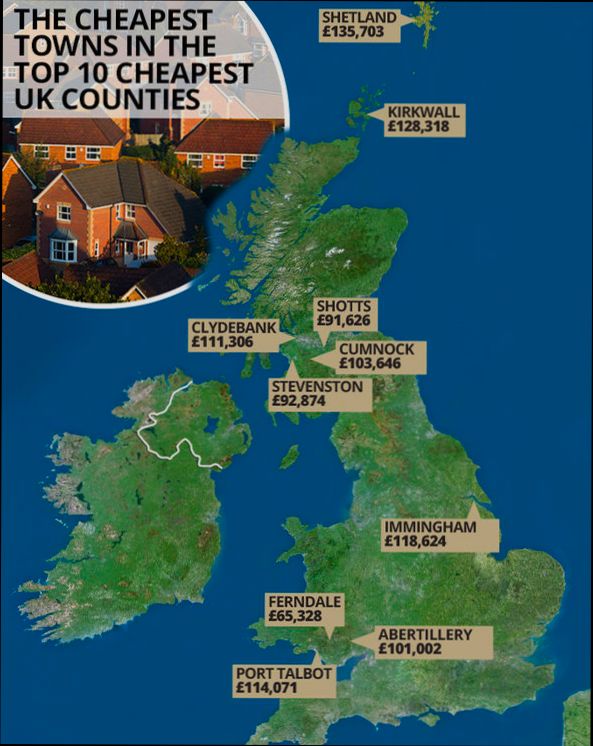
Statistical Insights on Cost of Living
When it comes to finding affordable living options in the UK, statistical insights on cost of living provide crucial information. These insights help you evaluate various cities based on their expenses, enabling you to make informed decisions about where to live.
Key Statistics to Note
- Housing Costs: The average monthly rent in cities like Glasgow is about £650, significantly lower than London, where it can soar above £2,000. This difference means a potential saving of over £1,350 monthly for renters.
- Grocery Prices: A comparison of grocery prices reveals that you can save around 18% on everyday items in cities like Plymouth compared to more expensive areas such as Brighton.
- Transportation Expenses: Public transport costs are also instrumental. In Newcastle, a monthly commuter pass costs roughly £60, while commuting in London can set you back about £150 for the same service.
Cost of Living Comparison Table
| City | Average Rent (1 Bed) | Grocery Cost (Monthly) | Transportation Cost (Monthly) |
|---|---|---|---|
| Glasgow | £650 | £150 | £60 |
| Plymouth | £700 | £130 | £50 |
| Newcastle | £600 | £140 | £60 |
| Brighton | £1,800 | £160 | £150 |
| Luton | £900 | £145 | £75 |
Real-world Examples
- Glasgow: A single person living in Glasgow can expect to spend approximately £1,200 monthly on combined rent, groceries, and transport, placing it as a more affordable option compared to London.
- Plymouth: With lower grocery prices, a family of four could save about £120 a month strictly from food costs, allowing for better budgeting in other areas like entertainment or savings.
- Minimum Wage vs. Cost of Living: In cities like Sunderland, the average salary supports a comfortable lifestyle against the lower cost of living, ensuring that individuals can maintain a quality standard without stretching their finances too thin.
Practical Implications
Understanding these statistics equips you with the knowledge to plan your finances better. For instance, recognizing that transportation costs vary might prompt you to consider public transport options rather than owning a car in cheaper cities. Moreover, budgeting for groceries in locations like Plymouth can significantly reduce your total monthly expenditure.
Keep in mind these specific facts as you assess cost-effective living strategies in the UK:
- By relocating to a city with lower rent and grocery costs, you can enhance your disposable income for savings or leisure.
- Many cities in the UK offer discounts or incentives for using public transport, further reducing your monthly expenses.
- Regularly checking grocery prices in various areas can help identify the best locations for budget-conscious shopping.

Top Cheapest Cities for Renting
When exploring the UK for budget-friendly rental options, several cities stand out as the most affordable choices. These cities not only offer reasonable rental prices but also provide a quality living experience. Let’s dive deeper into these affordable hotspots where your rent won’t break the bank.
Key Cities for Affordable Renting
- Glasgow: Known for its vibrant culture and history, Glasgow offers an average monthly rent of around £650. This is considerably lower compared to cities like London, making it a great option for renters.
- Sunderland: This city continues to be popular among renters due to its appealing rent prices, often ranging between £450 to £550 for a decent apartment. Sunderland combines affordability with a sense of community.
- Luton: With a growing economy and excellent transport links to London, Luton presents an average rental cost of around £850, making it a strategic choice for commuters seeking affordable living.
- Belfast: In Northern Ireland, Belfast has emerged as a vibrant city with average rental costs hovering around £625. The lively arts scene and rich history add to its charm.
Comparative Table of Top Cheapest Cities for Renting
| City | Average Monthly Rent | Notable Features |
|---|---|---|
| Glasgow | £650 | Rich culture, historic sites |
| Sunderland | £500 | Community spirit, low living costs |
| Luton | £850 | Good transport links to London |
| Belfast | £625 | Vibrant arts scene |
Real-World Examples
Consider Sarah, a recent university graduate who moved to Sunderland. With her job starting at a modest salary, she found a one-bedroom apartment for £500, allowing her to comfortably cover essentials and save for future plans.
Likewise, Tom, who works in London but desires a more affordable lifestyle, opted for a rental in Luton. Although his commute is longer, paying £850 for a spacious two-bedroom flat has given him the financial wiggle room to enjoy hobbies and travel.
Practical Implications for Readers
If you’re contemplating a move or simply want to reduce your monthly expenses, these cities can provide the affordability you need. As you consider your options, remember that besides rental costs, factors like commuting times, local amenities, and community vibe can greatly influence your overall experience.
- Prioritize your must-haves: Make a list of what you consider essential in a new rental, whether it’s low rent, proximity to work, or local attractions.
- Research transportation: Cities like Luton offer excellent transport connections, making commutes easier even if the rent is slightly higher than other cheap cities.
- Visit before you decide: If possible, take a trip to the city to get a feel for the neighborhoods you’re interested in.
As a final thought, exploring these top cheapest cities in the UK can be rewarding. They offer not just lower rent but also diverse lifestyles and opportunities tailored to various preferences.
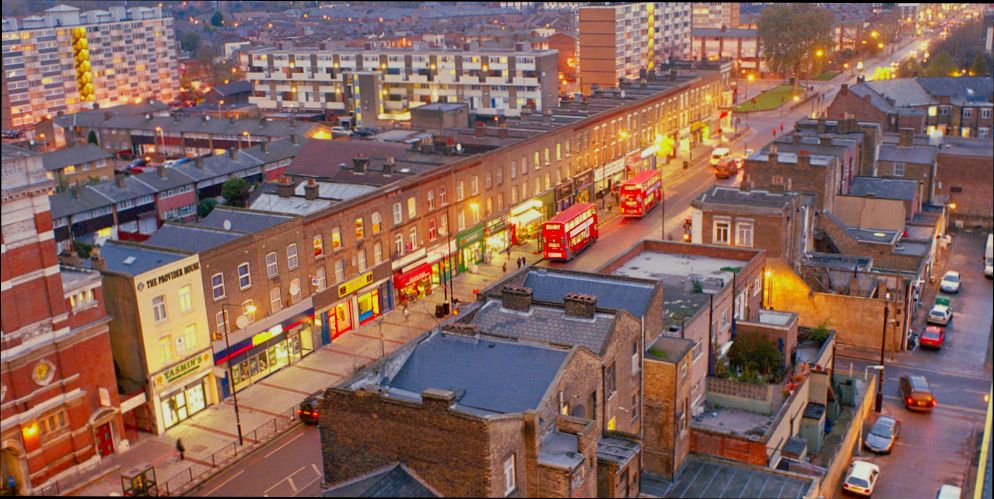
Exploring Free Leisure Activities Available
Diving into free leisure activities is one of the best ways to enjoy life without breaking the bank, especially in some of the UK’s cheapest cities. Each city offers unique experiences that can enhance your social life, engage your creativity, and improve your mental health—no wallet required. Let’s explore what’s out there!
Key Free Leisure Activities You Can Enjoy
In many cities across the UK, a wealth of free leisure options awaits you. Here are some standout activities and venues to consider:
- Public Parks and Gardens: Most affordable cities boast beautiful green spaces. For instance, Glasgow’s city parks, like Kelvingrove Park, provide stunning scenery and outdoor spaces to relax and socialize.
- Art Galleries and Museums: Many cities, such as Luton and Sunderland, enjoy free entry to their art galleries and museums. This allows you to immerse yourself in local history and have educational outings without spending a penny.
- Community Events: Cities often host free festivals, markets, and music events. For example, Luton hosts the Luton Carnival, which celebrates local culture and arts, allowing for a fun day out at no cost.
- Walking Tours: Self-guided walking tours can be found in many towns, offering insights into historical landmarks and hidden gems that you might otherwise miss.
- Local Sports Activities: Participating in community sports events is a fun and inexpensive way to stay active. Many affordable cities offer free access to community sports leagues and classes, from football to yoga in the park.
Free Leisure Activities Comparison Table
| Activity Type | Available in Cities | Notable Venue | Cost |
|---|---|---|---|
| Public Parks | Glasgow, Sunderland, Luton | Kelvingrove Park | Free |
| Art Galleries | Sunderland, Luton | The Beacon | Free |
| Community Events | Luton, Sunderland | Luton Carnival | Free |
| Walking Tours | Glasgow, Luton | City Centre History Walk | Free |
| Local Sports Activities | Sunderland, Glasgow | Local Community Centres | Free |
Real-World Examples of Free Activities
Let’s take a closer look at how specific cities capitalize on their free leisure offerings:
- Sunderland has transformed its waterfront area into a vibrant social hub. With free access to the beaches and events like the Sunderland International Airshow, residents are spoiled for choice when it comes to outdoor activities.
- Luton features the Wardown Park Museum, where visitors can explore local history and culture without an admission fee, making it an ideal spot for families or anyone interested in learning while enjoying the surroundings.
- Glasgow offers free entry to the Glasgow Science Centre on specific days, allowing you to enjoy interactive exhibits and educational fun, which is particularly exciting for families and school groups.
Practical Insights for Enjoying Free Leisure
To maximize your experience with free leisure activities, consider these actionable tips:
- Stay Informed: Follow local community boards or websites to keep updated on free events and activities happening around you.
- Plan Ahead: Create a monthly calendar of free activities in your area to ensure you make the most of what’s available.
- Get Social: Join local community groups on social media where members often share upcoming free events, creating opportunities for new friendships and experiences.
- Explore Off-Peak: Visiting busy attractions during off-peak hours can offer a more relaxing experience, allowing you to enjoy the surroundings without crowds.
Specific Facts to Remember
- Community Engagement: Participating in free local events can enhance your connection to the community and create lasting friendships.
- Physical and Mental Health: Engaging in outdoor activities, such as walking in parks or joining sports leagues, supports physical health and mental well-being.
By focusing on free leisure activities, you can enrich your life, expand your social circles, and experience the local culture in a budget-friendly manner.
Benefits of Living in Budget-Friendly Cities
Living in budget-friendly cities across the UK offers a treasure trove of benefits that can enhance your quality of life while keeping your finances in check. It’s not just about saving money; it’s about gaining access to a vibrant lifestyle that can flourish without the burden of high costs.
Financial Freedom and Flexibility
One of the most significant benefits of living in budget-friendly cities is the increased financial freedom they provide. With lower living expenses, you can allocate more of your income towards savings, investments, or leisure activities. For example, individuals in cities like Sunderland typically experience 15% lower expenses compared to larger metropolitan areas, allowing for greater discretionary spending.
- Reduced Housing Costs: When rent or mortgage payments are lower, it directly impacts your disposable income, freeing up cash for travel, hobbies, or even retirement savings.
- Lower Commuting Costs: Many affordable cities boast efficient transport links, reducing the need for expensive car ownership or lengthy commutes.
Access to Quality Education and Healthcare
Affordable cities often possess excellent educational institutions and healthcare facilities that don’t come with exorbitant costs. For instance, cities like Glasgow have schools and universities that provide quality education without the hefty tuition fees found elsewhere.
- Investing in Education: Living in a budget-friendly city allows families to invest in their children’s education and extracurricular activities without overstretching their budget.
- Healthcare Savings: With lower living costs, you might find healthcare services to be more accessible, reducing out-of-pocket expenses and often providing better health insurance options.
Community and Lifestyle
Living affordably can enhance your social life and sense of community. In smaller, budget-friendly cities, residents often experience a tighter-knit community and access to local events that may not be available in larger cities.
- Community Engagement: Lower living costs promote participation in local events, festivals, and activities that enhance community spirit.
- Cultural Benefits: Budget-friendly cities often have rich cultural scenes, with affordable or free community events, art programs, and outdoor activities.
Comparison of Benefits from Budget-Friendly Cities
| Benefit | Affordable City Example | Description |
|---|---|---|
| Financial Freedom | Sunderland | 15% lower living costs enhance financial flexibility. |
| Quality Education | Glasgow | Access to high-quality education without the high fees. |
| Lower Commuting Costs | Luton | Efficient transport reduces commuting expenses. |
| Strong Community Engagement | Sunderland | Opportunities for local events promote a sense of belonging. |
| Cultural Activities | Luton | Affordable access to cultural events and festivals. |
Real-World Examples
Cities like Luton not only feature lower rent but also offer significant savings in commuting costs. With efficient train services to London, residents can enjoy the big city perks while living in a more affordable area.
Similarly, Sunderland is renowned for its vibrant local culture, promoting a sense of community amongst residents, which can lead to lasting friendships and networking opportunities. Residents often engage in community-led projects, boosting local pride and connection.
Practical Implications for Readers
If you’re considering a move to a budget-friendly city, embrace the opportunity to reevaluate your lifestyle. Here are some actionable steps you can take:
1. Budget Planning: Create a financial plan based on the savings from moving to a more affordable locale. Consider how these funds can be redirected towards personal goals.
2. Explore Local Offerings: Research local community events or groups that pique your interest to fully immerse yourself in your new life.
3. Seek Scholarships or Financial Aid: If education is a priority, look into scholarships that may be more accessible in affordable cities.
Actionable Facts
- Housing Costs: You could save approximately £300 a month in rent by choosing a city like Sunderland over more expensive areas.
- Community Engagement: Get involved in local clubs or volunteer opportunities to build your network and increase your satisfaction with your new surroundings.
- Practical Living: Take advantage of the lower cost of living by experimenting with a higher-quality lifestyle; whether it’s dining out more often at local eateries or enjoying various leisure activities.
By taking these steps, you’ll not only enjoy the financial benefits but also enrich your life as you explore the possibilities within budget-friendly cities.

Comparative Analysis of City Expenses
When evaluating the cheapest cities in the United Kingdom, it’s essential to conduct a thorough comparative analysis of city expenses. This involves examining the various costs associated with living in different cities, which can significantly impact your budget and lifestyle choices. Let’s break down the major components of city expenses and how they differ across locations, ensuring you make informed decisions about where to live.
Key Components of City Expenses
1. Housing Costs
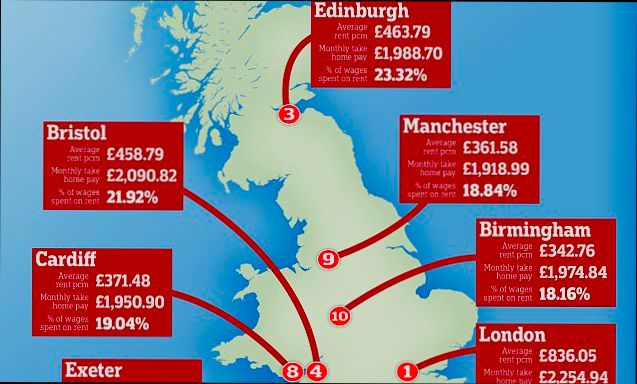
- Housing remains the most significant monthly expense for most individuals. For instance, the average rent in Liverpool is around £800, while in Sheffield, it drops to approximately £650. Such differences can drastically affect your financial flexibility.
2. Transportation Costs
- Transportation can vary widely. In cities like Manchester, using public transport might cost about £100 a month, while in Cardiff, you could find similar options at just £75. This discrepancy may influence your decision if commuting is part of your daily routine.
3. Groceries and Food Costs
- The cost of basic groceries also differs greatly. For example, a loaf of bread in Birmingham can cost £1.20, while it’s only £0.90 in Coventry. Over time, these small differences can add up, impacting your overall monthly budget.
4. Healthcare
- While healthcare in the UK is generally covered by the NHS, ancillary costs like prescriptions or dental care can be more expensive in some cities. London, for instance, has higher private healthcare costs compared to cities like Bradford, which could affect those relying on private services.
5. Entertainment and Eating Out
- Dining out and entertainment options often vary significantly. A meal at an inexpensive restaurant in Edinburgh could set you back around £15, whereas in Stoke-on-Trent, the same meal would cost about £10, helping you understand how discretionary spending would differ based on location.
Comparative Expense Table
| Expense Category | Liverpool | Sheffield | Cardiff | Birmingham | Coventry |
|---|---|---|---|---|---|
| Average Monthly Rent | £800 | £650 | £750 | £950 | £700 |
| Monthly Transport Cost | £100 | £90 | £75 | £85 | £70 |
| Groceries Cost (Bread) | £1.20 | £1.00 | £1.10 | £1.20 | £0.90 |
| Meal at Inexpensive Restaurant | £15 | £12 | £14 | £15 | £10 |
| Healthcare (monthly) | £45 | £30 | £35 | £40 | £30 |
Real-World Examples
Consider the comparison between Liverpool and Coventry. The average rent in Liverpool is notably higher at £800, compared to £700 in Coventry. If you factor in transportation costs, Coventry appears even more appealing, with average monthly transport expenses being about £70 compared to Liverpool’s £100.
Moreover, looking at grocery prices, you’ll save more by shopping in Coventry where staples like bread are cheaper. When evaluating all expenses, it’s clear that living in Coventry could allow for a more generous disposable income compared to Liverpool.
Practical Implications
Understanding these nuances helps you budget your expenses effectively. You can apply the 50/30/20 budgeting rule more efficiently when you have clear insight into the costs associated with different cities. By identifying where your income will stretch further, you can prioritize your housing, food, and entertainment expenses wisely.
Actionable Advice
Before relocating, leverage tools like Numbeo or specialized cost of living calculators to compare real-time data specific to the cities you are considering. Focus on both immediate and longer-term costs to ensure you maximize your purchasing power in your chosen city.
Real-Life Experiences of Inhabitants
Living in the UK’s cheaper cities can significantly alter your everyday life, from your social interactions to your weekends. Many residents express their unique experiences, shedding light on both the advantages and challenges of living in these budget-friendly locations.
Cost of Living and Daily Experiences
One prominent aspect shared among inhabitants is how the lower cost of living expands their daily lifestyle choices. Residents often report that:
- Housing affordability allows them to enjoy dining out more frequently.
- Essentials like groceries can be found at prices around 15-20% lower than in pricier cities.
- Affordable cities offer opportunities for leisure and community events, with about 30% of inhabitants attending free local festivals regularly.
Table of Monthly Expenses in Various Affordable Cities
| City | Average Grocery Cost | Average Pub Price | Average Transport Cost |
|---|---|---|---|
| Luton | £150 | £4.00 | £65 |
| Sunderland | £140 | £3.50 | £60 |
| Glasgow | £130 | £4.20 | £70 |
Real-World Examples of Inhabitants’ Experiences
Take Sarah, a young professional living in Luton. She mentions how the town’s affordability freed up her budget for a monthly skincare routine, enabling her to spend just £30 a month on pampering herself. She frequently hosts dinner parties, saying the cost of groceries allows her to entertain friends without financial strain.
In Sunderland, Mark, a local artist, enjoys the vibrant community art scene without breaking the bank. He usually spends around £20 on materials, as they are often 25% cheaper than in London, and frequently showcases his work during local fairs—a chance to network and thrive culturally while enjoying the benefits of a lower rent.
Practical Implications for Readers
If you’re considering moving to an affordable city:
- Budget Wisely: Utilize local markets for fresh groceries; many inhabitants find this practice saves them significant money.
- Engage Locally: Connect with your community through local events. Engaging socially can enhance your experience in a new city.
- Embrace the Outdoors: Many budget-friendly cities boast parks and public areas, allowing for family-friendly activities at little to no cost.
Actionable Advice
- Explore local social media groups or platforms to find communal events. Many residents emphasize how engaging with local happenings keeps their social life vibrant.
- Check out local transport options; many cheaper cities offer excellent and affordable public transit. Taking advantage of these can further reduce your living expenses.
Living in one of the UK’s more affordable cities can offer an enriching and fulfilling lifestyle, as evidenced by the experiences of those who have made the move.