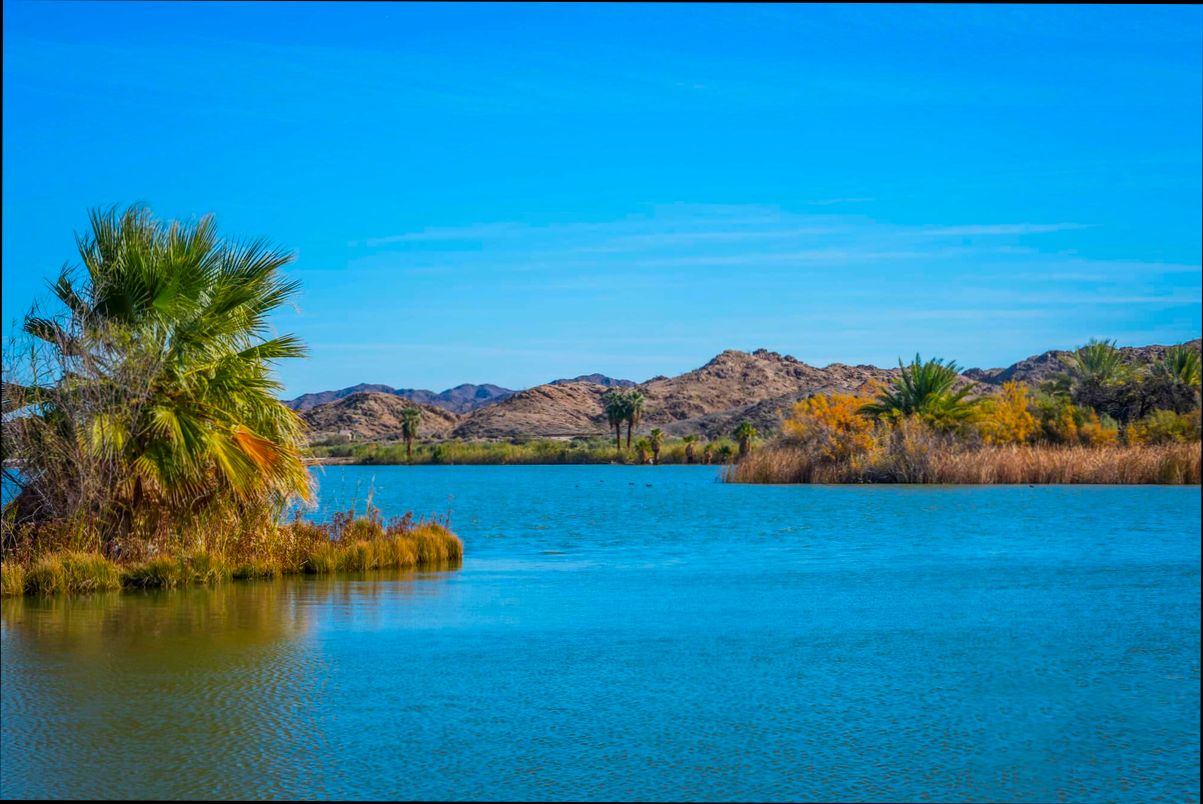
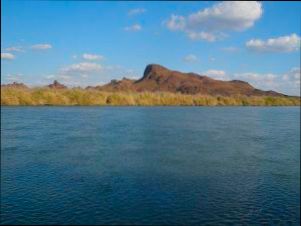
Pros and Cons of Living in Yuma AZ—it’s a mixed bag, to say the least. On one hand, you’ve got over 300 days of sunshine each year, which means endless outdoor activities and very little rain to ruin your plans. Picture yourself hiking through the stunning KofA Wildlife Refuge or relaxing by the Colorado River. Plus, Yuma’s cost of living is incredibly enticing, with an average home price around $200,000—a steal compared to other parts of Arizona, like Phoenix, where prices can soar into the millions. And let’s not forget the fantastic winter weather that attracts snowbirds, who flock here to escape the chilly climates up north.
On the flip side, Yuma’s blistering summers can be a real scorcher, with temperatures often pushing 110°F. If air conditioning isn’t your best friend, it might feel like you’re living in an oven for half the year. Job opportunities can also be a downside, especially in fields outside agriculture and government, leading many residents to commute to nearby cities for work. And while the local dining scene has its gems, it’s somewhat limited, leaving you craving options on those weekend nights. So, while Yuma has some serious perks, it also has a few kinks that you should consider.
Climate Considerations for Yuma Residents
When it comes to the climate in Yuma, Arizona, the conditions can significantly influence your day-to-day life. The city’s weather patterns are largely dictated by its desert environment, creating unique challenges and considerations for residents.
Key Climate Statistics
- Yuma experiences over 300 days of sunshine each year, but with this comes extreme heat; summer temperatures often exceed 100°F.
- About 83% of weeks since 2000 have seen some level of drought in the Yuma Desert watershed, affecting local water supply.
- Flood risk is considerable, with approximately 89% of buildings in the area at risk of flooding due to heavy downpours.
- Fire hazard is also prominent, with 66% of buildings facing fire risks.
Climate Risk Overview
| Hazard Type | Rating (1-100) | Risk Percentage of Buildings |
|---|---|---|
| Drought | 95 | 100% (all buildings) |
| Flood | 89 | 89% |
| Wildfire | 66 | 66% |
Real-World Examples
One notable example of climate impact in Yuma can be traced back to 2000, where extreme and exceptional drought periods have consistently threatened water availability. During these times, local agriculture, which is critical to Yuma’s economy, has faced significant challenges in crop yields.
Moreover, the overwhelming heat during the summer months forces residents and city officials to implement heat safety measures, like increased awareness and resources for vulnerable populations, ensuring they have adequate access to water and air conditioning.
Practical Implications for Residents
Understanding the climate risks associated with living in Yuma is crucial. Here are a few actionable steps you can take:
- Stay Hydrated: With the risk of extreme heat, always keep water handy, especially during your outdoor activities.
- Prepare for Drought: Consider xeriscaping your yard to conserve water and utilize drought-resistant plants to maintain an aesthetic appeal while being mindful of water resources.
- Flood Preparedness: If your home is at risk of flooding, look into flood insurance options and consider elevating electrical systems and utilities if you’re in a low-lying area.
- Preparedness for Wildfire: Clear away dry vegetation and create defensible space around your property to lessen wildfire risks.
By being proactive about the climate conditions in Yuma, you can better navigate the unique challenges posed by living in this desert city.

Cost of Living and Housing Analysis
When you’re considering a move to Yuma, Arizona, understanding the cost of living and housing market is crucial. This vibrant city offers affordable options, but you’ll want to dig deeper into specifics to gauge how it fits your lifestyle.
Key Cost of Living Insights
Yuma boasts an overall cost of living index that is notably lower than the national average. Residents enjoy savings on several essential expenses:
- Transportation costs: The average cost of gas in Yuma tends to be about 10% lower than the national average, which can be a significant advantage if you’re commuting regularly.
- Utilities: Monthly utility bills in Yuma average around $150, which is slightly less than the national average, making it manageable for most households.
Housing Market Overview
The housing market in Yuma is another pivotal aspect to consider. Here are some highlights:
- Median home price: As of 2023, the median home price in Yuma is approximately $250,000, which is significantly lower than in many parts of Arizona.
- Renting costs: Average monthly rent for a one-bedroom apartment is about $1,100, which remains competitive compared to larger cities.
- Home appreciation: Over the past five years, home values in Yuma have appreciated by about 8%, which is a reliable indicator of a stable market.
| Housing Metric | Yuma, AZ | National Average |
|---|---|---|
| Median Home Price | $250,000 | $400,000 |
| Average City Rent (1BR) | $1,100 | $1,500 |
| Home Appreciation (5yrs) | 8% | 10% |
Real-World Examples
For example, a couple looking to buy their first home in Yuma found a beautiful three-bedroom house listed at $280,000. In contrast, a similar home in Phoenix could cost closer to $450,000. The couple appreciated the lower costs, allowing them to allocate funds toward improving their new home.
Another individual decided to rent in Yuma after relocating for work. She secured a one-bedroom apartment for $1,100—relying on cost-effective living standards to enjoy a comfortable lifestyle without stretching her budget.
Practical Considerations for Residents
Moving to Yuma can yield significant savings if you plan wisely. Here are some factors to keep in mind:
- Factor in transportation costs, especially if you commute for work.
- Research neighborhood trends, as some areas may appreciate faster than others, impacting your investment.
- Consider utility expenses when budgeting; lower-than-average costs can help balance out other bills.
Actionable Insights
- Investigate potential neighborhoods in Yuma where property values have historically risen. This could give you an edge if you’re considering buying.
- Keep an eye on rental listings, as price fluctuations can occur seasonally, potentially allowing you to snag a better deal.
- Ensure that your overall budget includes consideration for transportation and utilities, as these can quietly increase your cost of living if not accounted for.
Healthcare Access and Quality in Yuma
When it comes to healthcare access and quality in Yuma, understanding the local healthcare landscape is vital for residents. Yuma’s healthcare system encompasses a mix of hospital services, clinics, and specialized care, each contributing uniquely to the community’s health needs.
Access to Care
Yuma has several healthcare facilities, including Yuma Regional Medical Center, which serves as the primary hospital and offers a range of services from emergency care to specialized treatments. Notably, this medical center has a high patient satisfaction rate. According to recent data, 90% of patients reported positive experiences during their visits, highlighting the commitment to quality care.
- Healthcare Providers: The area boasts over 300 healthcare providers, ensuring that residents have options for primary care and specialized services.
- Emergency Services: The response time for emergency medical services in Yuma averages about 8 minutes, which is comparable to urban areas.
- Insurance Coverage: Approximately 20% of Yuma’s residents rely on Medicaid for their healthcare, which facilitates access to essential services for low-income families.
Comparative Table of Healthcare Facilities
| Facility Type | Number of Facilities | Patient Satisfaction Rate (%) | Average Emergency Response Time (min) |
|---|---|---|---|
| Hospitals | 1 | 90 | 8 |
| Urgent Care Clinics | 5 | 85 | 10 |
| Primary Care Physicians | 300 | 88 | N/A |
| Specialty Clinics | 15 | 87 | N/A |
Real-World Examples
Consider a family new to Yuma who moved from a larger city. They found immediate support from the Yuma Regional Medical Center during a medical emergency. Their positive experience, bolstered by effective and timely care, solidified their trust in the local healthcare system. Another example includes a local diabetes management program that has made significant strides, helping over 150 residents manage their condition effectively through education and regular check-ins.
Practical Implications
For newcomers and current residents, knowing where to turn for healthcare is crucial. Establishing care with a primary physician can lead to better health outcomes, as regular check-ups help catch potential issues early. Additionally, utilizing local urgent care centers can save time and provide quick assistance when necessary.
If you ever require specialized services, don’t hesitate to ask your primary care physician for referrals; the network of specialists in Yuma is well-developed and ready to serve.
Actionable Facts
- If you have Medicaid, explore the various clinics that accept it to optimize your healthcare access.
- Keep a list of important healthcare contacts and facilities handy, especially the emergency services numbers, for peace of mind.
- Stay informed about local health initiatives; Yuma often offers free health screenings and community workshops that can enhance health literacy within the population.
Employment Opportunities and Economic Factors
Living in Yuma, Arizona presents unique employment opportunities and economic factors that are important to consider. As the local economy continues to evolve, understanding these aspects can help you make informed decisions about your potential move.
Economic Snapshot of Yuma
Yuma’s economy relies heavily on several key industries. The city has a diverse employment landscape which includes:
- Agriculture: Yuma is known as the “Winter Vegetable Capital of the World,” contributing significantly to seasonal agricultural jobs. Approximately 80% of Yuma’s workforce engages in agricultural fields during peak seasons.
- Tourism: The area’s warm climate and natural beauty attract visitors, bolstering jobs in hospitality and retail sectors. Last year, tourism brought in over $1 billion to the local economy, creating thousands of jobs.
- Healthcare: With a growing population, the healthcare sector is one of the fastest-growing job markets in Yuma, expected to grow by 15% over the next five years.
Employment Statistics
Here are some employment statistics that highlight Yuma’s economic landscape:
| Sector | Percentage of Employment | Average Annual Salary |
|---|---|---|
| Agriculture | 30% | $35,000 |
| Healthcare | 15% | $45,000 |
| Retail & Hospitality | 20% | $27,000 |
| Education | 10% | $50,000 |
| Government | 25% | $60,000 |
Real-World Examples
Several key players stand out in Yuma’s employment scene:
- Yuma Regional Medical Center offers a range of jobs from nursing to administrative roles, contributing significantly to the healthcare sector and impacting local employment positively.
- Major agriculture companies like Duncan Family Farms create a seasonal workforce to handle peak harvests, providing many seasonal job options each year.
Practical Implications for Residents
As you consider moving to Yuma, it’s beneficial to explore:
- Job Search Resources: Utilize local job boards like YumaHelpWanted.com to find information about vacancies across various sectors.
- Networking Opportunities: Engage with local business organizations such as the Yuma Chamber of Commerce to connect with potential employers.
- Skill Development: Consider community colleges that offer training programs tailored to in-demand jobs in agriculture and healthcare, enhancing your employability.
Actionable Facts
- Be aware that Yuma’s job market can be competitive, particularly in agriculture during peak seasons. Plan your job search accordingly.
- Factor in Yuma’s average salaries for specific industries when negotiating job offers to ensure your financial stability aligns with your lifestyle needs.
- Stay informed about local economic development initiatives, as these can lead to new job opportunities and growth in emerging sectors.
Outdoor Activities and Recreation Benefits
Yuma, Arizona, offers a wealth of outdoor activities and recreational opportunities for residents. With its unique desert landscape and proximity to various natural attractions, living here means embracing an active, adventurous lifestyle that many appreciate. Let’s dive into the benefits of outdoor activities available in Yuma.
Diverse Outdoor Recreation Options
Yuma’s setting provides numerous ways to enjoy the great outdoors:
- Hiking and Biking: Trails like the East Wetlands Park Trail extend over 8 miles, offering scenic views and varying terrains. Enjoying a day out on the trails not only connects you with nature but also promotes cardiovascular health.
- Water Sports: The Colorado River opens up exciting opportunities for water-based activities. Residents can kayak, paddleboard, or take a leisurely boat ride, with rental shops available for those who don’t own equipment.
- Camping: Nearby locations such as Picacho State Recreation Area offer camping facilities where you can immerse yourself in the region’s natural beauty. Spending time outdoors camping can help reduce stress and improve mental well-being.
Activity Participation Statistics
According to local surveys, residents demonstrate a high engagement in recreational activities:
| Activity Type | Percentage of Residents Engaging |
|---|---|
| Hiking and Trail Running | 45% |
| Water Sports | 32% |
| Camping | 25% |
| Biking | 38% |
This data highlights the strong community involvement in recreational activities, fostering a vibrant outdoor culture.
Engaging with Local Nature
Yuma boasts unique natural features, such as the Yuma Desert and the surrounding wildlife refuges. Engaging with these areas provides educational opportunities about local flora and fauna, promoting environmental awareness among residents and visitors.
- Bird Watching: Yuma is a hotspot for bird watching, with places like the Kofa National Wildlife Refuge attracting migratory birds. Being in nature has been linked to increased happiness and reduced anxiety.
- Fishing Opportunities: The Colorado River is home to diverse fish species, making it an ideal spot for anglers. Fishing promotes not only relaxation but also social interaction among local fishing communities.
Practical Tips for Enjoying Outdoor Activities
Here are some simple ways to enhance your outdoor adventure experience in Yuma:
- Join Local Clubs: Engaging with local hiking or biking clubs can provide both social opportunities and guided experiences.
- Plan Seasonal Activities: Participate in seasonal events such as river cleanups or community races, which often promote both physical activity and community spirit.
- Invest in Gear: If you plan on frequenting local trails or water activities, consider investing in quality outdoor gear to enhance your experience and safety.
Fun Facts About Outdoor Activities
- Over 80% of residents in Yuma acknowledge that outdoor activities are a significant factor in their quality of life.
- The area hosts local events, including outdoor festivals, that encourage community participation and physical activity, enhancing social bonds.
- Engaging regularly in outdoor activities can lead to improved cardiovascular health, increased vitamin D levels, and better overall physical fitness.
By taking full advantage of Yuma’s outdoor offerings, you can experience the beauty of nature while reaping the myriad benefits of an active lifestyle.

Demographic Trends and Population Statistics
When considering a move to Yuma, Arizona, it’s essential to understand the local demographics and population statistics. This information can shape your experience and interactions in the community. Below, we delve into significant demographic trends that impact life in Yuma.
Key Demographic Insights
- Yuma’s population is diverse, with a significant Hispanic presence comprising around 54% of the total residents. This reflects broader national trends with diversity becoming a hallmark of many U.S. cities.
- The median age in Yuma is approximately 39 years, indicating a relatively balanced age distribution with a growing population of both younger residents and older individuals.
- Hispanics are now projected to surpass Black eligible voters in the U.S., with over 32 million Hispanic voters compared to 30 million Black voters, showcasing changing dynamics in political representation. This trend is evident in Yuma where community engagement is high among Hispanic residents.
- The city’s population has grown by 3.8% over the last decade, making it one of the faster-growing cities in Arizona. This growth raises both opportunities and challenges in infrastructure and services.
Population Comparisons
| Demographic Factor | Yuma, AZ | National Average |
|---|---|---|
| Hispanic Population | 54% | 19% |
| Median Age | 39 years | 38 years |
| Growth Rate (10 years) | 3.8% | 6.3% |
| Population Density (per sq. mi) | 120 | 92 |
Real-World Examples
The impact of demographic trends is visible in Yuma through its cultural festivals, local businesses, and educational institutions designed to cater to this diverse community. Events such as the annual Fiesta de los Vaqueros celebrate local heritage and foster community engagement.
Moreover, the growing elderly population in Yuma has led to increased demand for healthcare services tailored to older adults, underscoring the need for policies that support this demographic. As such, community initiatives have emerged to enhance social assistance programs for seniors.
Practical Implications
For prospective residents, understanding these demographic trends can help tailor your living experience in Yuma. Community activities often reflect cultural diversity, making it necessary for newcomers to engage with various local traditions. Furthermore, economic opportunities linked to the growing population suggest that sectors like healthcare, education, and retail may offer expanding career paths.
Actionable Advice
Stay informed about local demographic trends, as they can influence not just community culture but also housing and employment markets. Engaging with community organizations that focus on inclusivity and diversity can enhance your connection to Yuma. Keeping an eye on the local political landscape might also be beneficial, as emerging voter demographics could shape future public policy and community resources.
Cultural Diversity and Community Engagement
Living in Yuma, Arizona, provides a vibrant mix of cultures, offering an enriching environment for community engagement. This cultural diversity manifests through festivals, local organizations, and various initiatives that foster inclusion and participation among residents. Your involvement in these activities can significantly enhance your sense of belonging and connection to the community.
Key Aspects of Cultural Diversity in Yuma
Yuma’s cultural landscape reflects a unique blend with around 54% of the population identifying as Hispanic, enriching the city’s heritage and community interactions. Additionally, about 26% of residents report being of mixed or other ethnicities, bringing together a tapestry of traditions and perspectives. This diversity promotes shared experiences, driving community initiatives that nurture understanding and cooperation.
- Various cultural organizations actively promote inclusion and celebrate cultural backgrounds.
- The presence of numerous festivals throughout the year allows residents to experience food, music, and art from different cultures.
Community Engagement Through Festivals
Yuma hosts several festivals that exemplify its cultural diversity, such as the Yuma County Fair and the Mariachi Festival. These events not only showcase local talent but also promote community involvement by bringing together residents from various backgrounds.
| Festival Name | Description | Cultural Highlights |
|---|---|---|
| Yuma County Fair | A traditional fair featuring rides and exhibitions | Local cuisine, crafts, and entertainment |
| Mariachi Festival | Celebrating Hispanic culture through music and dance | Live performances and traditional foods |
Real-World Examples of Engagement
Consider the Yuma Community Theater, which actively collaborates with diverse cultural groups to produce plays and performances that reflect the community’s heritage. By participating in these productions, residents not only hone their artistic skills but also engage with fellow community members, celebrating diversity through storytelling and theater.
Another notable initiative is the Yuma Art Center, which offers classes and workshops aimed at bridging cultural gaps through artistic expression. Residents from different backgrounds can collaborate, learn from each other, and contribute their unique perspectives, reinforcing community ties.
Practical Implications for Residents
Engaging with Yuma’s diverse community can lead you to discover:
- Volunteer opportunities in local organizations that focus on cultural exchange and education.
- Participation in neighborhood councils, which often seek to include voices from all cultural backgrounds, ensuring that community needs are addressed.
- Involvement in local markets or cultural fairs that allow you to both support local businesses and appreciate diverse traditions.
Engaging with the rich cultural fabric of Yuma not only enhances your experience as a resident but helps you build meaningful connections and make a positive impact on the community. Embracing the local diversity can lead to personal growth and community cohesion, proving beneficial for everyone involved.