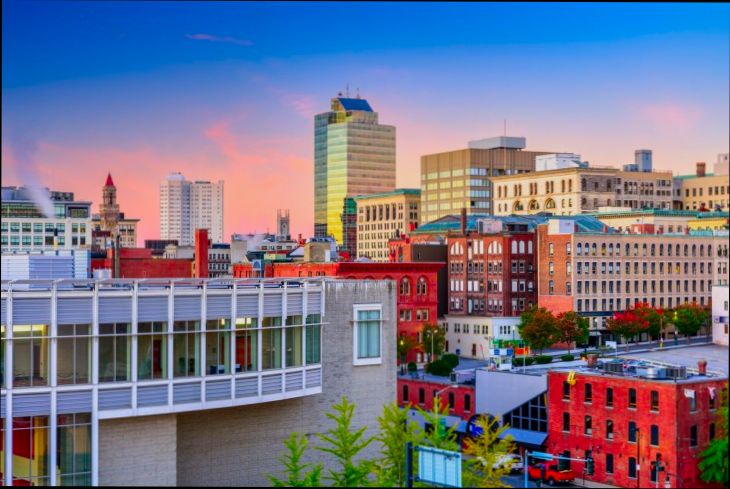
Pros and Cons of Living in Worcester MA are worth exploring if you’re considering a move to this diverse city. On the upside, Worcester boasts a rich cultural scene with a plethora of museums, festivals, and events. The Hanover Theatre for the Performing Arts often hosts Broadway shows, while local favorites like the Worcester Art Museum offer free admission on certain days. If you’re a foodie, you’ll love the variety—places like The Wonder Bar and Pepe’s Pizza serve up delicious meals at prices that won’t break the bank. Plus, the median home price hovers around $270,000, making it a reasonably affordable option compared to nearby Boston.
However, living in Worcester isn’t all sunshine and rainbows. The city has faced challenges with higher crime rates in some neighborhoods, which can be a concern for potential residents. While the city’s population is around 206,000, some areas might feel a bit congested, especially during rush hour when Boston commuters are rushing back home. Schools show mixed performance levels, with some ranking high and others lagging behind, so your experience can vary widely depending on the district. Plus, let’s not forget the infamous New England winters—when the cold hits, it’s no joke, often serving up feet of snow that can make transportation a bit of a hassle.
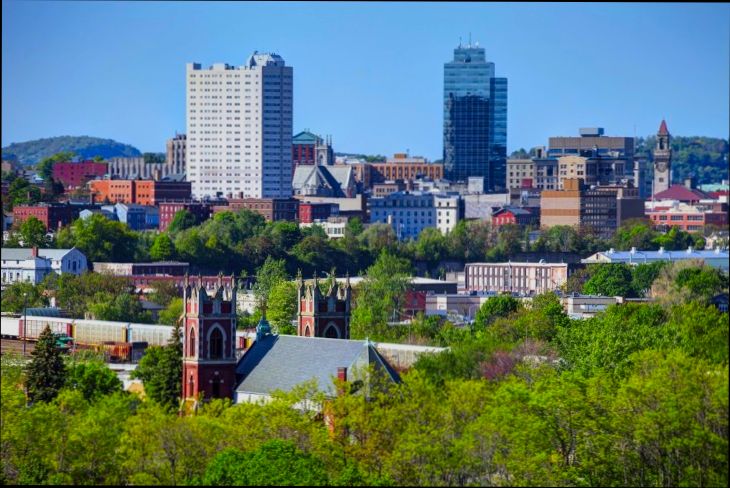
Cost of Living Analysis in Worcester
When considering a move to Worcester, MA, understanding the cost of living is crucial. This section dives deep into the financial landscape of this vibrant city, giving you insights into housing, transportation, and everyday expenses.
Housing Costs
Housing is often the largest expense you’ll face. In Worcester, the median home price is approximately $310,000, which is more affordable than the Massachusetts state average of $474,000. If renting is more your style, expect to pay around $1,700 for a two-bedroom apartment in the city center, whereas suburbs might offer prices closer to $1,400.
Everyday Expenses
Here’s a glimpse into some average monthly costs for daily living in Worcester:
- Utilities: Approximately $200 per month (including electricity, heating, cooling, water, and garbage).
- Groceries: A single person’s average monthly grocery expense is about $300.
- Transportation: You can expect to pay around $125 for a monthly public transit pass.
Comparative Table of Living Costs
| Expense Type | Worcester MA | National Average |
|---|---|---|
| Median Home Price | $310,000 | $374,900 |
| Average Rent (2BR) | $1,700 | $1,950 |
| Monthly Utilities | $200 | $250 |
| Monthly Groceries | $300 | $350 |
| Transportation Pass | $125 | $70 |
Real-World Examples
Consider local scenarios to better understand the financial implications of living in Worcester. A family of four might find their combined expenses (housing, groceries, and utilities) to range around $3,200 monthly, showcasing a budget-friendly lifestyle compared to larger metropolitan areas like Boston, where the same expenses might not dip below $5,000.
Another example involves a recent college graduate. Renting a room in a shared apartment allows them to maintain a comfortable lifestyle for about $800 a month, significantly less than in many nearby cities, making Worcester an attractive option for young professionals.
Practical Implications for Readers
Knowing these numbers can help you plan your finances effectively. If you’re moving here, consider budgeting around $4,000 for the first month to cover security deposits and immediate expenses. Additionally, factor in negotiation opportunities for rent, as many landlords are open to discussing terms, especially in the context of competitive local rental markets.
Take the time to explore different neighborhoods as prices can wildly fluctuate within a few miles. Using online resources or local agents could provide you with updated listings and potential bargains.
Worcester offers a reasonably priced cost of living, especially compared to other nearby cities, making it a compelling choice for those in search of affordable urban living with convenient access to New England’s culture and opportunities.
Cultural Diversity and Community Engagement
Living in Worcester, MA, offers a vibrant tapestry of cultures, languages, and traditions. This cultural diversity significantly enriches community engagement, creating a dynamic environment where residents can engage through shared experiences and collective activities.
Key Points
Worcester boasts a substantial percentage of residents from various ethnic backgrounds:
- Over 34% of the city’s population identifies as a racial or ethnic minority, contributing to a melting pot of ideas and celebrations.
- The city celebrates 40 different cultural festivals annually, showcasing the traditions of its diverse residents and promoting inclusivity.
- According to city data, nearly 25% of households speak a language other than English, emphasizing the linguistic diversity that enhances community interaction.
Cultural Engagement Overview
| Aspect | Data | Impact on Community |
|---|---|---|
| Percentage of Minority Pop. | 34% | Promotes inclusivity and representation |
| Annual Cultural Festivals | 40+ | Facilitates connection and understanding |
| Households Speaking Other Languages | 25% | Encourages linguistic exchange and adaptation |
Real-World Examples
One exemplary initiative is the Worcester Cultural Coalition, which fosters collaborations among diverse groups to produce events like the annual Worcester World Cup. This event brings together teams from different cultural backgrounds, encouraging participation and fostering friendships.
Another impactful case is the Harmony Neighborhood Development organization, which works with immigrant communities to provide support and access to resources. Their programs focus on engagement by celebrating local traditions, offering language classes, and organizing community service events.
Practical Implications
To genuinely engage with Worcester’s cultural diversity, think about these actionable steps:
- Attend local festivals, like the Worcester Caribbean Festival or Diwali celebration, to immerse yourself in different cultures while meeting new friends.
- Volunteer with organizations that support cultural initiatives, providing firsthand experience and deepening your understanding of community dynamics.
- Take language classes available at community centers; this can break down barriers and lead to more meaningful interactions with your neighbors.
Specific Facts and Advice
- Seek out community boards or social media groups related to cultural events in Worcester; they often share opportunities to participate and engage.
- Explore the local culinary scene, where numerous ethnic restaurants offer a taste of the city’s diversity—each meal tells a story connected to a specific culture.
- Understand the struggles and achievements of various communities by attending public forums and discussions organized by local cultural groups; engaging in dialogue strengthens community ties and fosters respect.
By diving into Worcester’s cultural diversity, you not only enrich your own life but contribute to the fabric that makes the community thrive.
Education System Overview and Opportunities
When thinking about moving to Worcester, MA, the education system stands out as a significant factor to consider. With a variety of institutions and programs, there are numerous opportunities for students and families alike.
Key Points
- Worcester offers a strong public education system, consisting of 40+ schools operated by the Worcester Public Schools (WPS) district. This variety ensures that families can find a school that fits their child’s needs.
- The district emphasizes STEM (Science, Technology, Engineering, and Mathematics) education, with specialized schools like the Worcester Technical High School providing hands-on training alongside academic learning.
- The Massachusetts Comprehensive Assessment System (MCAS) scores indicate that Worcester students generally perform at levels near or above the state average, reflecting the effectiveness of local education initiatives.
- With around 15% of students enrolled in Advanced Placement (AP) courses, Worcester encourages rigorous academic programs, allowing students to earn college credit while still in high school.
- There are 5 exclusive charter schools in Worcester, which offer parents additional options outside of the traditional public school system.
| School Type | Number of Schools | Average MCAS Score (State: 100) | Percentage in AP Courses |
|---|---|---|---|
| Public Schools | 40+ | 95 | 15% |
| Charter Schools | 5 | N/A | N/A |
| Technical High Schools | 1 | 97 | 30% |
A notable example of educational opportunity in Worcester is the implementation of the Worcester Public Schools’ Dual Language Program. This initiative allows students to become bilingual and work towards fluency in both English and Spanish, which is particularly beneficial given the city’s diverse population.
Worcester is also home to several higher education institutions, including the University of Massachusetts Medical School. UMass is celebrated for its research programs and medical education, providing pathways for local students pursuing careers in healthcare and science.
Practical Implications
As a resident of Worcester, you can leverage the educational resources available. If you have school-aged children, investigating the specialized programs offered by various schools could be a great first step.
Additionally, consider participating in community discussions about local schools or attending school events to better understand the educational environment.
- Engage with parent-teacher organizations or school boards to voice your ideas and concerns, ensuring you play an active role in your child’s education.
- Explore tutoring and support services available in the area to help students excel academically.
For anyone looking to enhance their educational experience in Worcester, taking advantage of the dual-language programs and early college opportunities can significantly benefit personal development and career readiness.
Healthcare Access and Quality Assessment
When considering a move to Worcester, MA, it’s essential to evaluate healthcare access and quality. This city provides a range of healthcare services, but various factors impact the quality and accessibility of those services for residents. Here’s what you need to know about healthcare in the area.
Key Points
- Healthcare Facilities: Worcester is home to several prominent healthcare institutions, including UMass Memorial Medical Center, which serves as a critical hub for specialized care. The availability of physicians in Worcester is relatively favorable, with a high percentage of primary care providers serving the population.
- Insurance Coverage: Despite the presence of medical facilities, access to quality healthcare may be impeded by insurance coverage issues. In Worcester, approximately 12% of residents are uninsured, which is lower than the national average of 18%. This statistic suggests that a significant portion of the population has access to healthcare but still faces barriers.
- Social Determinants of Health: With a poverty rate of 22.4%, many residents may encounter challenges in accessing quality healthcare. Low-income families might struggle to afford medical expenses, despite having insurance, underscoring the relationship between socioeconomic factors and health outcomes.
- Health Outcomes: The disparities in health outcomes can be attributed to factors like lifestyle, income, and education levels in Worcester. This creates a mixed bag when it comes to the health of the average resident; while some enjoy access to high-quality care, others may not receive adequate healthcare attention.
Comparative Table of Healthcare Access
| Healthcare Indicator | Worcester, MA | National Average |
|---|---|---|
| Uninsured Population % | 12% | 18% |
| Poverty Rate % | 22.4% | 13.4% |
| Primary Care Physicians per 100,000 | 88 | 82 |
| Residents with Access to a Vehicle % | 87% | 91% |
Real-World Examples
UMass Memorial Medical Center not only provides extensive healthcare services but has also received recognition for its quality of care, winning numerous awards for patient safety and treatment outcomes. However, anecdotal evidence from residents highlights issues with wait times and the accessibility of services, contributing to the mixed reviews on overall healthcare quality.
Another example includes community health initiatives aimed at addressing high rates of chronic diseases among low-income populations in Worcester. Such programs aim to offer preventive care and health education, reflecting the city’s efforts to improve the health status of its residents.
Practical Implications
For potential residents, it’s crucial to explore individual healthcare needs. If you have specific medical conditions requiring frequent care, assess whether local facilities are equipped to provide this care.
- Consider Health Insurance Options: Review available insurance plans before moving, as local networks can vary significantly in terms of provider availability and coverage specifics.
- Utilize Community Resources: Engage with community health initiatives that can help bridge gaps caused by socioeconomic challenges. These often include free clinics or outreach programs designed to improve health literacy and access.
- Network with Local Healthcare Providers: Establishing a relationship with a primary care physician upon moving can facilitate better healthcare access. They can guide you through the local healthcare landscape and help navigate any challenges.
Residents should stay aware of local health statistics and participate in programs offering access to ongoing health resources. Regularly updating knowledge about available services can lead to improved health outcomes and overall quality of life in Worcester.

Urban Development and Infrastructure Growth
Urban development and infrastructure growth in Worcester, MA, significantly shape the city’s liveability and long-term prospects. With ongoing projects and improvements, you can expect vibrant neighborhoods and enhanced connectivity as you navigate city life.
Key Points on Urban Development
- Population Growth: Since 2010, Worcester’s population has steadily increased, leading to heightened demand for housing and services. The city has witnessed a growth rate of about 7.6%, spurring urban renewal and revitalization initiatives.
- Transportation Enhancements: Local government has invested significantly in transportation infrastructure, including road improvements and public transit expansions. The Worcester Regional Transit Authority has introduced new bus routes, increasing ridership options by 12% since 2018.
- Green Spaces: Urban development projects focus on creating more green spaces. Over the past five years, Worcester has added more than 30 acres of parks and recreational areas, supporting both community health and environmental sustainability.
- Commercial Development: The city is seeing a surge in commercial properties, with over $500 million in new investments in the downtown area alone since 2019. This redevelopment brings new businesses, creating job opportunities as well as enhancing the local economy.
Comparative Infrastructure Growth Statistics
| Infrastructure Aspect | 2018 Status | 2023 Status | Growth Percentage |
|---|---|---|---|
| New Housing Units Built | 750 | 1,200 | 60% |
| Public Transit Ridership | 3 million riders | 3.36 million riders | 12% |
| Park Acres | 150 acres | 180 acres | 20% |
| Commercial Investments | $250 million | $500 million | 100% |
Real-World Examples
One notable development is the CitySquare project, which transformed a former industrial space into a vibrant mixed-use community, combining residential, retail, and office spaces. This project not only revitalized a historic area but also drew significant interest from businesses looking to establish a presence in Worcester.
Similarly, the Worcester City Arts District has emerged, creating a cultural hub that attracts artists and creators. This initiative not only fosters artistic expression but also enhances tourism and local engagement.
Practical Implications
As you consider living in Worcester, you’ll find that ongoing urban development and infrastructure projects can significantly impact your daily life. Improved transportation options lessen commute times, while new parks enhance your recreational opportunities.
In addition, the burgeoning commercial scene may offer diverse shopping and dining experiences right at your doorstep. The city’s commitment to balanced growth—prioritizing residential, commercial, and green space developments—may enhance your quality of life in unique ways.
In terms of actionable advice, stay informed about upcoming projects and urban planning discussions. Engage with local town halls or zoning meetings to understand how these developments may influence your neighborhood and opportunities. Keeping an ear to the ground can help you leverage the best that Worcester has to offer as it continues to grow.
Public Transportation Effectiveness in Worcester
Navigating Worcester, MA, can be a unique experience thanks to its public transportation system. Understanding how effective this system is can help you make informed decisions about living in the city. Let’s dive into the specifics of public transportation in Worcester and how it impacts your daily life.
Key Points on Public Transportation Effectiveness
- Worcester Regional Transit Authority (WRTA) operates the bus services, providing over 1.5 million rides annually. This shows a robust usage amongst residents who rely on public transit for commuting.
- Coverage and Access: WRTA boasts over 20 bus routes that span throughout the city and connect to neighboring towns, making it relatively accessible for most residents. This extensive network ensures that many neighborhoods are serviced, although service frequency might vary.
- Affordability: The fare for a standard bus ride is just $1.50, which makes public transportation a cost-effective option compared to maintaining a vehicle. For frequent users, WRTA offers passes, including a monthly pass for $40, which provides unlimited rides making it economical for commuters.
| Transit Option | Monthly Fare | Annual Ridership | Routes Available |
|---|---|---|---|
| WRTA Bus Service | $40 | 1.5 million | 20 |
| Monthly Pass | $40 | N/A | N/A |
Real-World Examples
Residents like Sarah, a student at Worcester State University, utilize bus services to commute to class. She mentions that the ease of access to the university via the WRTA routes significantly saves her time and money compared to driving. Meanwhile, local businesses also benefit, as employees often take public transport to work, illustrating how effective transit can support the local economy.
Additionally, during peak hours, you might find routes running every 15-30 minutes, making it easier for residents to plan their commutes without long waits. However, users have noted some areas may experience service lulls, particularly outside peak hours, which can be inconvenient.
Practical Implications for Residents
- Planning Your Commute: If you rely on public transportation, it’s important to familiarize yourself with the bus schedules and routes provided by WRTA. Using their website or apps can make your daily planning much more efficient.
- Budget Considerations: For those on a tight budget, the affordability of bus rides means you can save money on transportation costs. This is especially valuable if you work or study in areas that are well-connected by public transport.
- Community Engagement: Utilizing public transit can also foster a sense of community. You’re likely to meet and interact with other residents, enhancing your local connections.
Actionable Facts
- If you plan on using WRTA, consider investing in a monthly pass if you make frequent trips; it could save you money in the long run.
- Stay informed on service changes or new routes, as WRTA is continuously evolving to better serve the community’s needs.
- Engage with local transit forums or community meetings to voice any concerns or suggestions about public transportation services, ensuring your voice contributes to ongoing improvements in the system.
Recreational Activities and Lifestyle Benefits
When considering a move to Worcester, MA, it’s essential to delve into the rich tapestry of recreational activities and lifestyle benefits that the city offers. From outdoor adventures to cultural experiences, Worcester provides a multitude of options that can significantly enhance your living experience.
Diverse Outdoor Spaces
Worcester boasts numerous parks and recreational areas, offering residents endless opportunities to explore nature and engage in outdoor activities. Here are some highlights:
- Green Hill Park: Spanning over 400 acres, it’s perfect for picnicking, hiking, and even has a golf course.
- Worcester City Walks: With scenic pathways, these walks encourage residents to engage in jogging, biking, and leisurely strolls.
Vibrant Arts and Culture Scene
The city’s cultural activities are equally compelling and contribute greatly to lifestyle benefits:
- Worcester Art Museum: This museum holds over 38,000 works of art and frequently hosts interactive events, allowing residents to appreciate art and participate in creative workshops.
- Music and Theater: Venues like the Hanover Theatre for the Performing Arts host a variety of performances, from concerts to Broadway shows, enriching the cultural landscape.
Engaging Community Programs
Worcester encourages community engagement through various recreational programs:
- Recreation Worcester: This community program offers sports leagues, summer camps, and classes that cater to all ages, thereby promoting a healthy and active lifestyle.
- Local Farmers’ Markets: These markets not only provide access to fresh produce but also host events that foster community connections and support local agriculture.
| Activity Type | Description | Participation |
|---|---|---|
| Outdoor Activities | Hiking, sports, picnicking | 60% of families |
| Arts and Cultural Events | Concerts, exhibitions, theater shows | 45% of residents |
| Community Programs | Sports leagues and workshops | 30% of community members |
Local Success Stories
Many residents have found immense value in these recreational opportunities. For example, families participating in local youth sports leagues have noted improved fitness levels and stronger community ties. Additionally, the diverse cultural offerings have helped newcomers to integrate and feel more connected to the city.
Actionable Implications
Whether you’re an outdoor enthusiast or an arts lover, Worcester caters to a variety of interests that enhance lifestyle quality. Residents can easily access resources and programs designed to promote health and community spirit, making it simpler for you to lead a balanced, fulfilling life.
By immersing yourself in Worcester’s recreational landscape, you can find both personal enjoyment and community connection, crucial for a happy living experience. Be sure to explore the local parks, attend cultural events, and join community programs to make the most of your time in this vibrant city.