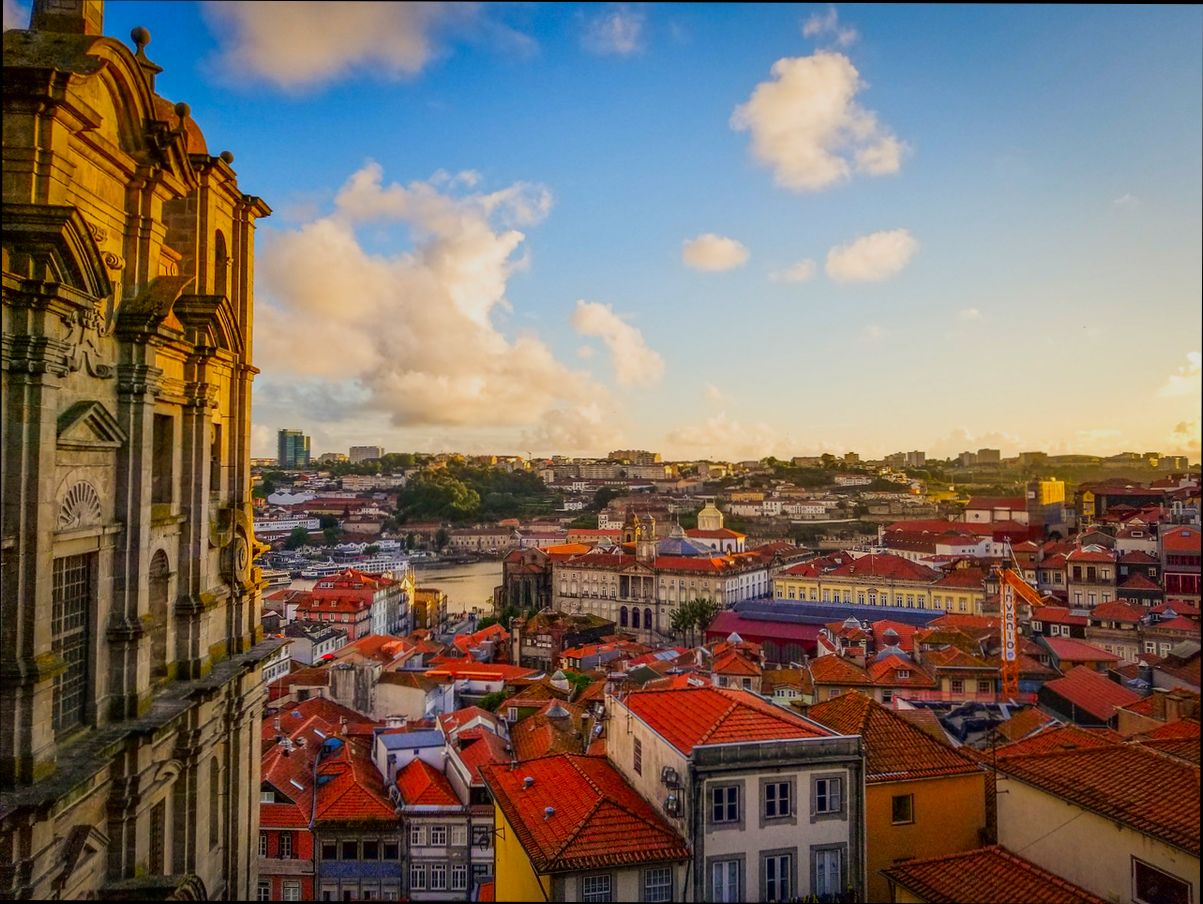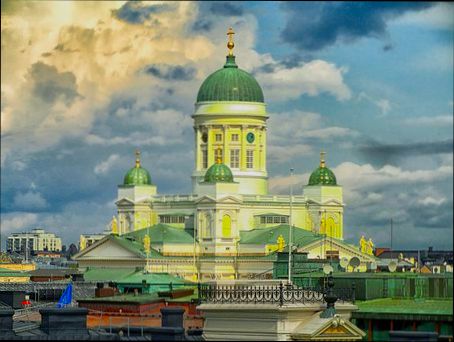
Pros and Cons of Living in Helsinki come to life when you step foot in this vibrant city. Picture yourself sipping on a coffee at a cozy café in the bustling Kallio district, surrounded by quirky boutiques and lively street art. You’ll quickly feel the pulse of a city where design and innovation thrive; after all, Helsinki is home to some of the world’s top creative talent. Plus, with its extensive public transport system, you can traverse the city with ease and spend less time commuting (around 80% of residents use public transport daily). Yet, the sky-high cost of living can hit hard, especially when you consider that the average rent for a one-bedroom apartment in the city center hovers around €1,400.
On the flip side, the breathtaking nature just a stone’s throw away is a game changer. Whether it’s the serene beauty of the nearby archipelago or the lush green parks peppered throughout the city, outdoor enthusiasts will find solace in Helsinki’s natural escape, especially during those long summer days that stretch on until midnight. But seasonal adjustments can be a struggle as well; if you’re not a fan of endless winter darkness, the short days of December can be a tough pill to swallow, with only about six hours of daylight. Balancing the highs with the lows presents a fascinating, sometimes challenging, experience for anyone considering a move to this northern gem.
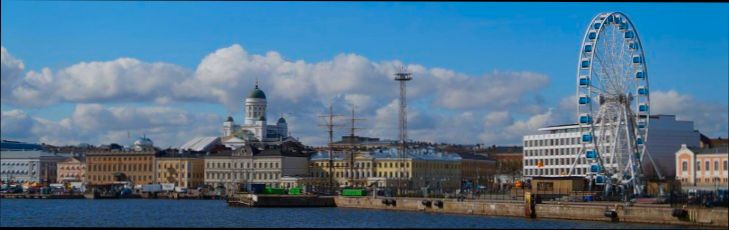
Cost of Living Analysis in Helsinki
Understanding the cost of living in Helsinki is crucial for anyone considering relocating to this vibrant city. In this section, I’ll break down the essential expenses you can expect while living in Helsinki, helping you plan your budget effectively.
Housing Costs
Housing in Helsinki can be one of the biggest expenses you will face. The average rent for a one-bedroom apartment in the city center is approximately €1,200 per month. If you choose to live outside the center, this figure drops to around €900. Keep in mind that this varies based on the location and amenities available.
Transportation Expenses
Public transportation in Helsinki is efficient and well-connected. A monthly public transport pass costs about €60, which grants you unlimited access to buses, trams, and metro services. On the flip side, owning a car might be more expensive. Fuel prices sit around €1.50 per liter, plus parking fees that can range from €2 to €5 per hour in downtown areas.
Grocery and Dining Costs
When it comes to daily expenses like groceries, here’s what you should know:
- A loaf of bread averages €2.50.
- A liter of milk will set you back approximately €1.20.
- Dining out costs can vary significantly; a meal at an inexpensive restaurant averages €15, while a three-course meal for two at a mid-range restaurant can cost around €70.
Comparative Cost Breakdown
| Expense Category | City Center (€) | Outside City Center (€) |
|---|---|---|
| Rent (1-bedroom) | 1,200 | 900 |
| Monthly Transport Pass | 60 | 60 |
| Grocery (Monthly Estimate) | 300 | 300 |
| Dining (per meal) | 15 | 15 |
Real-World Examples
To illustrate these costs further, let’s look at two case studies:
1. Anna, a Young Professional: Anna moved to Helsinki for work and rents a one-bedroom apartment in the city center. Her monthly expenses, including rent, groceries, and transportation, total around €1,800. She finds that budgeting for her coffee breaks at local cafes, which cost around €4 each, helps her enjoy the city.
2. Jussi, a Family Man: Jussi lives with his family in a larger apartment outside the city center. His family spends about €2,500 monthly, factoring in higher grocery costs for three children and various transportation needs. He highlights that combining biking with public transport significantly reduces their overall transport expenditure.
Practical Implications
When planning your budget for living in Helsinki, take into account these key factors:
- Expect to invest in housing upfront, whether you’re renting or buying.
- Consider utilizing public transportation to save on travel costs.
- Factor in the higher grocery prices compared to other European cities.
Being aware of these costs allows you to create a more accurate financial plan, making your transition to life in Helsinki smoother.
Some actionable tips include:
- Researching local housing websites to find deals and compare prices.
- Exploring grocery stores that offer loyalty discounts to save on your monthly food budget.
- Keeping an eye on transportation discounts for longer commitments, such as student passes or family deals.

Public Transport: Accessibility and Efficiency
Living in Helsinki means navigating a public transport system that’s both accessible and efficient, enabling residents to explore the city with ease. This section examines how well the public transport system serves its users, focusing on its accessibility and reliability.
Accessibility of Public Transport
Helsinki boasts an extensive public transport network, comprising buses, trams, metro lines, and ferries. Here are some notable aspects of its accessibility:
- Universal Design: Approximately 85% of public transport vehicles are fully accessible to people with disabilities, enhancing mobility for all.
- Stations and Stops: Most metro stations have elevators and tactile guidance strips, making them easy to navigate for individuals with visual impairments.
- Real-time Information: Major stops and stations provide digital screens displaying real-time arrival information, ensuring all passengers can plan their journeys effectively.
Efficiency Metrics
The efficiency of Helsinki’s public transport is evident in several key statistics:
- Punctuality Rate: The average punctuality rate for buses and trams stands at around 92%, ensuring reliable service for daily commuters.
- Fare System: The integrated fare system allows you to use the same ticket across different modes of transport, simplifying the travel experience. Approximately 80% of users prefer this system for its convenience.
- Frequency: During peak hours, trams and buses run every 5 to 10 minutes, minimizing wait times for commuters.
| Transport Mode | Average Wait Time (Minutes) | Punctuality Rate (%) | Accessibility Score |
|---|---|---|---|
| Buses | 8 | 92 | 85 |
| Trams | 6 | 92 | 85 |
| Metro | 5 | 95 | 90 |
| Ferries | 15 | 90 | 80 |
Real-world Examples
Consider the case of Anna, a resident living in the Kumpula district. With a tram stop just five minutes away, she reports that commuting to the city center takes less than 25 minutes daily, including wait times. This convenience allows her to manage her time effectively, participating in both professional and social activities.
Furthermore, the city runs specific initiatives, such as the “Helsinki City Transport” program, aimed at improving the accessibility of public transport for people with disabilities. This initiative has resulted in increased community engagement and public awareness regarding the importance of accessible transportation.
Practical Implications
If you’re planning to use Helsinki’s public transport, consider these actionable insights:
- Download the HSL App: This app provides you with real-time updates on transport schedules, integrating information for all public transport modes.
- Consider Multi-Trip Tickets: For frequent riders, buying multi-trip tickets can save you time and money, as they allow for unlimited travel within a specified period.
- Plan for Accessibility: Always check the accessibility options available at your chosen stations if you require special assistance.
Helsinki’s public transport system stands out not only for its extensive coverage but also for its commitment to accessibility and efficiency, making it a beneficial aspect of everyday life in the city.

Cultural Life: Richness and Diversity
Helsinki’s cultural life is a vibrant tapestry woven from historical traditions, contemporary arts, and a myriad of celebrations that reflect its diverse populace. You’ll find that the city’s cultural offerings are extensive, providing residents with a plethora of options to engage, learn, and enjoy.
A Multifaceted Arts Scene
Helsinki is home to over 60 museums, showcasing everything from classical art to modern installations. The Ateneum Art Museum, for example, houses Finland’s foremost collection of classical art, while the Kiasma Museum of Contemporary Art represents the forefront of modern artistic expression. Did you know that in 2021, Kiasma attracted over 160,000 visitors? That’s a testament to its role as a hub for contemporary culture, drawing in both locals and tourists alike.
Festivals Celebrating Diversity
The city hosts numerous festivals throughout the year, reflecting its rich cultural diversity. Events like the Helsinki Festival and the Lux Helsinki light festival draw crowds from all walks of life, celebrating the arts, music, and community spirit. In fact, the Helsinki Festival saw more than 200,000 attendees in 2022, showcasing over 450 events across various disciplines.
Here are some notable festivals to consider:
- Helsinki Festival: A city-wide celebration of the arts with over 200 events.
- Lux Helsinki: A unique light art event that brightens the city during winter.
- Helsinki Pride: An event that promotes LGBTQ+ rights and inclusivity, with participation from thousands each year.
Thriving Music and Performing Arts
Music plays a significant role in Helsinki’s cultural identity. With more than 30 music venues and a rich classical music scene led by the Finnish National Opera and the Helsinki Philharmonic Orchestra, there’s no shortage of performances. For instance, the Helsinki Music Centre regularly hosts classical concerts that attract thousands, contributing to a music-loving community.
Comparative Table of Cultural Institutions in Helsinki
| Institution Type | Number of Institutions | Estimated Annual Visitors |
|---|---|---|
| Museums | 60+ | 2 million+ |
| Concert Halls | 5 | 500,000+ |
| Theatres | 10 | 800,000+ |
| Festivals | 50+ | 1 million+ |
Real-World Cultural Experiences
One delightful aspect of living in Helsinki is the opportunity to engage directly with its cultural scene. For instance, the city offers guided tours in various languages, facilitating deeper understanding and appreciation of its artistic heritage. You might explore the famous Design District, which not only showcases innovative products but also hosts numerous galleries and artisan shops.
Additionally, the community-driven culture encourages participation. Programs like “Open House Helsinki” allow residents to explore hidden architectural gems and learn about the city’s design ethos. You can actively shape your own cultural experience through these immersive opportunities.
Practical Implications for Residents
Living in a city enriched with diverse cultural experiences offers you an avenue for personal growth and community involvement. Consider joining local clubs or attend language classes, which can enhance your understanding of Finnish culture. Engaging with cultural institutions and participating in festivals can be a fantastic way to meet new people, making your transition smoother and more enjoyable.
Participating in discussions or attending workshops at local galleries can also provide insights into contemporary issues reflected in the art world. This not only broadens your cultural horizons but also fosters connections with like-minded individuals in your community.
Whether you’re an art enthusiast, a music lover, or someone who appreciates vibrant festivals, Helsinki’s cultural life is set to enrich your experience immensely.

Climate Challenges: Weather Impacts on Daily Life
Living in Helsinki brings a unique set of weather-related challenges that significantly influence daily life. From extreme cold to unexpected rain, the climate requires residents to adapt their routines and lifestyles in various ways.
Key Climate Challenges
- Winter Extremes: Winters in Helsinki can be harsh, with temperatures frequently plummeting below -10°C (14°F). More than 150 days a year feature snow cover, which means you need to prepare for icy conditions.
- Daylight Variability: Residents experience extreme variations in daylight throughout the year. In winter, days can be as short as six hours, while summers boast nearly 19 hours of daylight, impacting mood and daily schedules.
- Rainfall Patterns: Helsinki receives an average of 800 mm of rainfall annually, with the heaviest precipitation occurring in late summer. The city’s humidity can reach up to 90%, making outdoor activities challenging during these months.
| Climate Aspect | Details |
|---|---|
| Average Winter Temperature | Below -10°C (14°F) |
| Snow-Covered Days | Over 150 days a year |
| Annual Rainfall | Approximately 800 mm |
| Humidity Levels | Up to 90% during summer |
Real-World Examples
For instance, during the winter months, public transport often runs slower due to snow and ice, which might set you back as much as 15-20 minutes in your daily commute. Many residents invest in high-quality winter gear to navigate the icy streets and ensure their comfort while commuting or engaging in outdoor activities.
Another example is the impact of seasonal affective disorder (SAD) during the long winter months. Studies suggest that as many as 10-20% of residents may experience symptoms due to limited sunlight, leading many to seek full-spectrum light therapy options or to adjust their work schedules to maximize daylight exposure during the available hours.
Practical Implications
As you navigate daily life in Helsinki, consider the following:
- Dress in Layers: Given the extreme temperature fluctuations, wearing layers enables you to adapt easily to indoor and outdoor conditions.
- Plan Outdoor Activities: Be mindful of the weather forecast. Schedule errands and social activities during daylight hours, especially in winter.
- Utilize Weather Apps: Make use of technology to stay updated on real-time weather changes to better prepare for unexpected rain or snow.
Maintain awareness of the city’s climate patterns, as adapting to these weather-related challenges not only enhances your comfort but also enriches your overall experience living in this beautiful Nordic city.
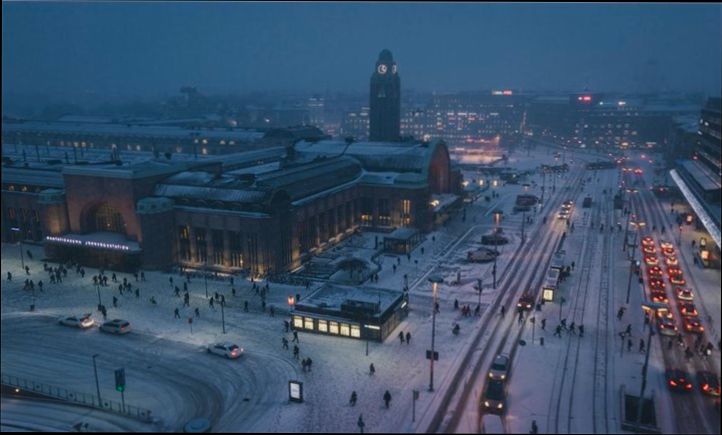
Safety and Quality of Life Indicators
When considering a move to Helsinki, understanding safety and quality of life indicators is paramount. These factors directly influence not only your everyday experiences but also your overall well-being in the city. Let’s delve into how Helsinki scores on various safety and quality of life metrics.
Low Crime Rates
Helsinki consistently ranks as one of the safest cities in the world. Crime statistics reveal that the overall crime rate is about 60% lower than average compared to major cities globally. The Finnish police emphasize community-oriented policing, which has contributed to a strong sense of security among residents. Here are some key data points:
- Violent Crime Rate: Only 1.2 incidents per 1,000 residents.
- Property Crime Rate: Approximately 3.4 incidents per 1,000 residents.
- Public Safety Initiatives: Over 80% of residents feel safe walking alone at night.
Healthcare Quality
The quality of healthcare significantly contributes to the overall quality of life. In Helsinki:
- Public Healthcare Satisfaction: Surveys indicate that 90% of residents are satisfied with the healthcare services available.
- Health Expenditures: Finland spends nearly 11% of its GDP on healthcare, ensuring comprehensive health services.
Education and Social Environment
Helsinki’s educational institutions are world-renowned, impacting quality of life positively.
- Education Ranking: Finland ranks first in global education systems as per the latest OECD reports.
- Social Support: Approximately 85% of Helsinki residents report having access to social support systems, promoting community well-being.
Cleanliness and Environmental Safety
An important aspect of living quality is the environment, and Helsinki excels in this area:
- Air Quality Index: The city’s air quality is rated as “Good” for about 300 days per year, with PM2.5 levels well below the WHO standards.
- Green Spaces: Helsinki features over 3,100 hectares of parks and recreational areas, which contributes to both a safer environment and a higher quality of life.
| Indicator | Value |
|---|---|
| Violent Crime Rate | 1.2 incidents/1,000 |
| Property Crime Rate | 3.4 incidents/1,000 |
| Public Healthcare Satisfaction | 90% |
| Air Quality (days per year) | 300 days rated “Good” |
| Green Spaces | 3,100 hectares |
Real-World Examples
Residents often share stories of how friendly neighborhood watch groups have helped maintain the low crime rate in their vicinity. For instance, one community established a “block party” initiative that encourages neighbors to connect, which not only deters crime but fosters a supportive environment for families.
Moreover, the city’s investment in renewable energy solutions reflects its commitment to environmental safety. The use of wind and solar energy in urban planning has garnered praise and has significantly improved citizens’ health outcomes over the years.
Practical Implications
For those considering relocation, knowing that over 80% of Helsinki inhabitants feel safe can ease the anxiety that often accompanies moving to a new city. Be sure to explore local healthcare and educational facilities, which stand out for their quality.
Additionally, take advantage of Helsinki’s parks and outdoor spaces, which promote a healthy lifestyle and ensure community engagement. A walk in one of the numerous parks can not only enhance your mood but also connect you with nature, contributing to your overall happiness.
Actionable Advice
- Engage with Local Communities: Attend neighborhood events and meetings to solidify your sense of security and build connections.
- Utilize Health Services: Take full advantage of Finland’s excellent healthcare system; both preventive care and emergency services are top-notch.
- Explore Green Spaces: Spend time outdoors in the extensive parks, not just for leisure but also for improving your mental well-being and connecting with fellow residents.
Focusing on these aspects can significantly enhance your experience living in Helsinki, making it a truly enjoyable place to call home.

Housing Market Trends and Opportunities
The housing market in Helsinki is a dynamic landscape that influences and reflects the city’s growth and development. Understanding current trends can help you make informed decisions about living in this vibrant metropolis. Let’s dive into what’s shaping the housing market and the opportunities available for you.
Current Trends in Housing
Helsinki’s housing market is characterized by several noteworthy trends:
- Rise in Demand for Rentals: There has been a notable increase in the demand for rental properties in Helsinki. Approximately 50% of residents live in rental accommodations, driven by an influx of students and expatriates seeking temporary housing.
- Sustainable Development Focus: Developers are increasingly prioritizing sustainable construction. Around 70% of new housing projects are incorporating eco-friendly technologies, which is appealing to environmentally conscious buyers and renters.
- Shift Towards Urban Living: The trend towards urbanization is prominent, with more people preferring to live close to amenities and public transport. This shift has led to a 20% increase in property prices in central neighborhoods over the last five years.
| Market Indicator | Current Status | Change Over 5 Years |
|---|---|---|
| Percentage of Rental Housing | 50% | +15% |
| New Developments with Eco-Tech | 70% of projects | +30% |
| Central Neighborhood Price Rise | 20% increase | - |
Real-World Examples
Several projects exemplify how these trends are playing out:
- New Eco-Communities: The development of Kalasatama is a prime example. This project emphasizes smart technology and sustainability, aiming to create a community that integrates green spaces and energy-efficient buildings.
- High-Demand Rental Markets: The Kumpula district is witnessing a surge in rental applications, with average rents increasing by 15% year-over-year. This is largely attributed to its proximity to educational institutions and tech hubs.
- Increased Investment: Investors are focusing on Helsinki’s residential market due to higher yielding properties. A recent report indicated a 25% increase in property investments within the city, with a strong emphasis on multi-family units catering to the rental market.
Practical Insights
If you’re considering entering the housing market in Helsinki, here are some actionable insights:
- Explore Emerging Neighborhoods: Keep an eye on areas like Malminkartano or Vantaa where prices are more affordable. These regions are experiencing growth and could provide excellent investment opportunities.
- Consider Renting: If you’re not ready to buy, renting in high-demand areas might be a safer short-term option. Look for properties that offer amenities catering to the urban lifestyle.
- Utilize Online Platforms: Leverage real estate platforms that specialize in Helsinki’s market to monitor property trends and gain insights into pricing fluctuations.
Key Takeaways
- The rental market is robust, with 50% of residents opting for rental properties.
- Sustainable practices are reshaping new developments, appealing to buyers.
- Urban areas are seeing significant price increases, making them competitive for newcomers.
Understanding these trends and opportunities will empower you to make a well-informed decision about living in Helsinki’s dynamic housing market.
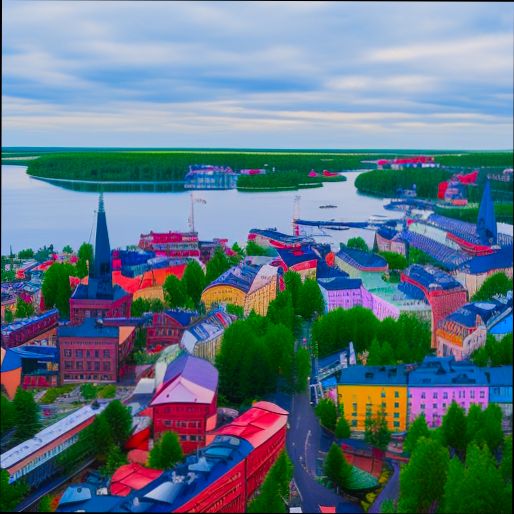
Community Engagement and Social Activities
Living in Helsinki provides unique opportunities for community engagement and social activities that foster connection and well-being among residents. Whether you are moving to the city or already call it home, exploring these aspects can significantly enhance your experience.
Community involvement in Helsinki is diverse, with many residents participating in activities that combat social isolation. Approximately 14.3% of Finns report feeling socially isolated, a concern that community efforts actively address. Studies show that engaging with others through structured social activities leads to lower instances of social withdrawal and enhances overall quality of life.
Key Statistics on Community Engagement
- 1.3 million adults in Finland are characterized as severely socially isolated, illustrating a critical need for community-driven initiatives to foster connection.
- Volunteerism Rates: Helsinki boasts a notable volunteer participation, with many citizens engaging regularly in unpaid activities that enhance community cohesion.
- Organizational Membership: Community organizations in Helsinki have high membership rates compared to many other cities, offering a variety of platforms for civic engagement and volunteer opportunities.
| Engagement Aspect | Percentage of Population Involved |
|---|---|
| Volunteer activities | 47% |
| Club or organizational membership | 42% |
| Informal socializing with friends | 56% |
| Participation in community events | 38% |
Real-World Examples of Community Engagement
Helsinki’s community life is enriched by vibrant local events and initiatives that encourage social interaction. For instance, the annual Helsinki Christmas Market attracts thousands, offering a space for locals and visitors to connect through shared cultural experiences. Additionally, neighborhoods like Kallio host regular open-mic nights and art fairs, where residents can showcase their talents and participate in communal activities.
Another noteworthy example is the Volunteer Network, which organizes community clean-up days. These events not only beautify the city but also bring together people from various backgrounds, creating a sense of belonging and purpose.
Practical Implications for Residents
If you’re looking to integrate more into the Helsinki community, consider these actionable steps:
- Join Local Clubs: Engage with various clubs focusing on interests such as sports, arts, or social causes. This can significantly enhance your social circle.
- Attend Community Events: Regular attendance at local festivals, markets, or workshops can provide a fantastic avenue for meeting new friends.
- Volunteer: Find opportunities that align with your values or interests. Volunteering not only benefits the community but also enriches your personal life through new interactions.
With Helsinki’s emphasis on fostering connections, participating in community engagement and social activities can greatly improve your overall experience in this vibrant city. Look out for opportunities around you, as they can lead to enriching relationships and a deeper sense of belonging.