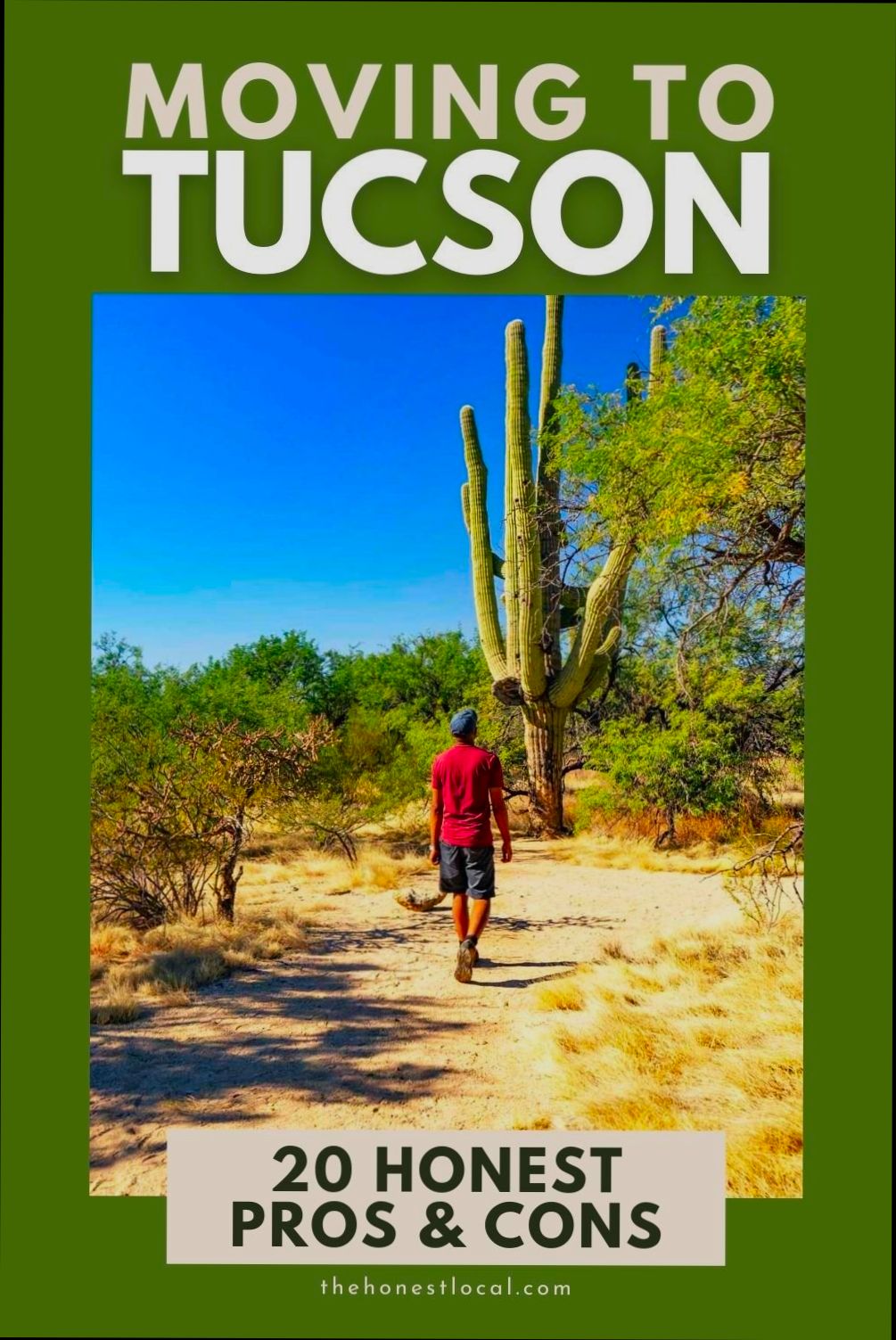
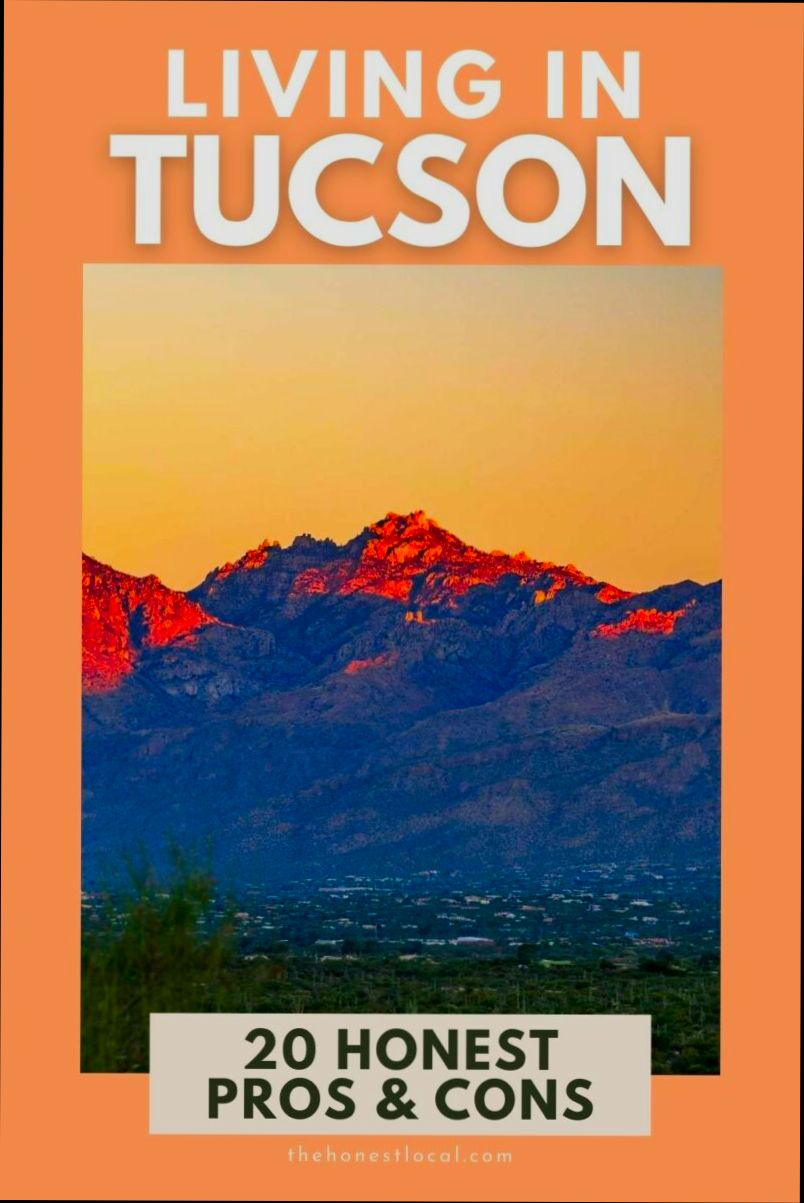
Pros and Cons of Living in Tucson AZ present a mixed bag that can be both thrilling and challenging. For starters, Tucson boasts over 300 days of sunshine a year, which means you’re likely to enjoy outdoor adventures like hiking in Saguaro National Park or splurging on fresh produce at the local farmers’ markets. The cost of living here is pretty appealing too—housing prices are about 14% lower than the national average, allowing you some extra cash to explore the vibrant arts scene or sample the local cuisine, which flaunts a unique blend of Mexican and Southwest flavors.
But it’s not all sunshine and tacos. Summer can be a scorcher, with temperatures often soaring above 100°F, leaving you craving air conditioning like a life raft. The job market can be hit or miss as well; while sectors like healthcare and education are solid, those looking for tech or high-paying roles might find themselves facing stiff competition. Traffic? Let’s just say that rush hour can feel like a crawl, with commuters spending an average of 25 minutes on the road. Balancing these ups and downs keeps the experience dynamic, but it’s definitely a ride worth noting.
Cost of Living Analysis in Tucson
When considering a move to Tucson, understanding the cost of living is essential. Tucson’s affordability compared to other metropolitan areas in Arizona makes it an attractive option for many. Let’s dive into the specifics that define the cost of living in Tucson, so you can make informed decisions.
Housing Costs
Housing is often the most significant expense when evaluating the cost of living. In Tucson, the median home price is around $300,000. This is significantly lower than the state average of $400,000 and the national average, which hovers around $400,000 as well. Renting is also manageable, with the average rent for a two-bedroom apartment falling just under $1,300 per month.
Utility Expenses
Utility costs in Tucson, which include electricity, heating, cooling, water, and garbage, typically total about $200 monthly. This is slightly lower than the national average of $250, providing a cost-effective living environment.
Transportation Costs
Transportation is another vital component of the cost of living. Residents of Tucson spend about $1,200 annually on public transportation. If you own a car, you can expect to pay the average gas price, which fluctuates around $4.00 per gallon, lower than the national average.
Food Costs
Grocery shopping in Tucson is quite reasonable. On average, a single person spends about $300 a month on groceries, while a family of four typically spends around $800 monthly. This is on par with the national averages, ensuring that your budget remains balanced.
| Expense Category | Tucson Average | National Average |
|---|---|---|
| Housing (Median Home Price) | $300,000 | $400,000 |
| Utility Bills | $200 | $250 |
| Public Transport (Annual) | $1,200 | $1,500 |
| Grocery Costs (Single Person) | $300 | $300 |
Real-World Examples
Consider the story of Sarah, who moved from Phoenix to Tucson. After relocating, her monthly housing expenses dropped by nearly $300 due to lower rent. Additionally, she found that her utility bills were about $50 less each month, freeing up extra funds for entertainment and leisure activities.
Another example is the Martinez family, who found their grocery expenses to be stable after moving to Tucson. They reported that they were able to maintain their budget despite a slight increase in food prices in different parts of the city.
Practical Implications
As you plan your relocation or budget, keep these insights in mind:
- Explore Neighborhoods: Different areas within Tucson can have varying costs of living, so explore neighborhoods that fit your financial criteria.
- Factor in Lifestyle: Your lifestyle choices will influence food, transportation, and entertainment expenses, so customize your budget accordingly.
- Utilities Planning: Be prepared for seasonal changes, especially during the hot summer months when utility bills might spike.
With these data points and real-life scenarios, you’ll see that Tucson offers a balanced cost of living—providing both affordability and quality of life.
Climate Considerations for Residents
Living in Tucson, AZ, brings unique climate challenges and advantages that you should consider. This desert city is known for its hot and dry conditions, so understanding the climate can help you prepare for everyday life in these surroundings.
Temperature Extremes
Tucson experiences significant temperature variations throughout the year:
- Summer highs regularly exceed 100°F (37.8°C). In July, you can expect average temperatures to remain above 104°F (40°C).
- Winter lows can drop to a chilly low of 34°F (1°C) in December and January, making it necessary to have heating solutions during those months.
It’s crucial to invest in proper cooling systems for your home, such as energy-efficient air conditioning units, to maintain a comfortable living environment in the summer.
Precipitation Patterns
Tucson has an annual average rainfall of approximately 11.6 inches. Despite being a desert, most of the rainfall occurs during two main seasons:
- Monsoon season from June to September accounts for nearly half of the annual precipitation. This period can see sudden and intense thunderstorms, leading to flash flooding.
- Winter precipitation, although less frequent, can include snow in the surrounding mountain ranges, which can affect travel and accessibility.
Air Quality Concerns
Air quality can be a significant consideration for residents, especially during the summer months when dust storms and high ozone levels are common:
- During peak pollution times, the Air Quality Index (AQI) can reach unhealthy levels, particularly from late spring to early fall.
- Monitoring local air quality reports is essential, as prolonged exposure to poor air quality can affect respiratory health.
Comparative Climate Data
| Month | Avg High (°F) | Avg Low (°F) | Precipitation (inches) | Peak Days for Dust Storms |
|---|---|---|---|---|
| January | 65 | 34 | 1.2 | 3 |
| April | 82 | 49 | 0.3 | 1 |
| July | 104 | 78 | 2.3 | 5 |
| October | 83 | 55 | 0.6 | 2 |
Real-World Examples
Many residents adapt their lifestyles to the climate. For instance, homeowners often implement xeriscaping—using drought-tolerant plants to minimize water use. This method not only conserves water but reduces yard maintenance in the heat.
Additionally, locals frequently shift daily activities to early morning or late evening hours to avoid the oppressive afternoon heat. For example, exercising in the cooler hours of the day can make a significant difference to comfort and safety.
Practical Implications for Residents
For those considering a move to Tucson, preparation is key. Here are some actionable insights:
- Invest in energy-efficient windows and insulation to mitigate summer heat.
- Plan outdoor activities during the cooler parts of the day to avoid heat exhaustion.
- Consider joining community groups focused on climate adaptation strategies for valuable tips from seasoned locals.
Actionable Facts and Advice
- Hydration is essential; always keep water accessible, especially during summer.
- Sunscreen and protective clothing can prevent sunburn and heat-related illnesses, especially when spending time outdoors.
- Stay informed about seasonal weather changes, so you can adapt your routine accordingly.
Keeping these climate considerations in mind will help ensure that living in Tucson is not just tolerable but enjoyable.
Cultural Diversity and Community Life
Living in Tucson provides an enriching experience marked by a rich tapestry of cultures and community life. With its distinctive blend of Native American, Hispanic, and Anglo influences, Tucson is a city where various traditions and lifestyles coexist, making it vibrant and welcoming for residents and newcomers alike.
Cultural Demographics of Tucson
Tucson’s population is home to a remarkable blend of ethnic backgrounds, contributing to its cultural diversity. Here are some compelling statistics:
- Hispanic or Latino: Approximately 43% of Tucson’s population identifies as Hispanic or Latino, which greatly influences local culture, festivals, and cuisine.
- Native American: The city has a significant Native American presence, especially from tribes such as the Tohono O’odham and Pascua Yaqui, which adds to the city’s historical significance and cultural richness.
- Black or African American: About 7% of Tucson residents identify as Black or African American, bringing unique cultural contributions and community frameworks to the area.
- Asian American: Approximately 2% of Tucson’s population identifies as Asian American, presenting opportunities for cultural exchange and diversity in community celebrations.
Comparative Table of Ethnic Composition in Tucson
| Ethnic Group | Percentage of Population |
|---|---|
| Hispanic or Latino | 43% |
| Native American | Significant presence |
| Black or African American | 7% |
| Asian American | 2% |
Community Life and Cultural Events
The cultural diversity in Tucson translates into vibrant community life, which you can experience through various events and festivals. Notable ones include:
- All Souls Procession: An annual event that honors lost loved ones, integrating various cultural practices from around the globe.
- Cinco de Mayo and Fiestas de Octubre: These celebrations showcase the rich Mexican heritage of Tucson, featuring music, food, and traditional dances.
- Tucson Native American Heritage Month: Every November, Tucson celebrates the history and culture of Native American tribes through art exhibits, performances, and educational activities.
Real-World Examples
Local organizations, such as the Tucson Arts Brigade, work tirelessly to promote cultural engagement through art in diverse neighborhoods. They create inspiring murals that reflect the community’s heritage, providing a visual history that educates and beautifies spaces.
Additionally, cultural centers like the Pascua Yaqui Tribe’s Cultural Center facilitate programs that promote traditional practices, ensuring preservation and respect for their history while fostering community involvement.
Practical Implications for Residents
Embracing Tucson’s cultural diversity can enhance your living experience. Here are a few actionable insights:
- Attend local cultural events to immerse yourself in the community and make connections with residents of different backgrounds.
- Explore diverse culinary options ranging from authentic Mexican food to Native American cuisine, which not only supports local businesses but also broadens your palate.
- Participate in community gatherings and workshops where you can learn about different cultural traditions, fostering understanding and mutual respect.
Specific Facts About Cultural Diversity
- Tucson’s varied cultural landscape means you can find bilingual services, improving accessibility for all residents.
- Engaging with diverse communities can lead to a stronger sense of belonging and contribute to civic pride.
- Learning about the various cultures present in Tucson can enhance social interactions and create a more inclusive environment for everyone.
Incorporating these opportunities into your life will enrich your experience in Tucson, making it a fulfilling place to live, learn, and grow.
Educational Opportunities and School Systems
When considering a move to Tucson, it’s essential to explore its educational opportunities and school systems. Families often prioritize quality education, and Tucson has much to offer in this regard, from its K-12 schools to its higher education institutions.
K-12 Education in Tucson
Tucson has a variety of public and private schools that cater to different educational philosophies and needs. The public school system is comprised of several districts, the largest being Tucson Unified School District (TUSD) and Vail School District. Here are some key points:
- Graduation Rates: The graduation rate for TUSD is around 78%, while Vail School District boasts a higher rate of approximately 92%. This indicates a strong emphasis on student retention in Vail.
- School Ratings: According to GreatSchools, several high-performing schools exist within the city. For example, the school Palma Academy is rated 10 out of 10, providing rigorous academics alongside a well-rounded education.
- Special Education Programs: Both TUSD and the Vail School District have programs tailored for students with special needs, enhancing inclusivity and support.
Comparative Educational Institutions
Below is a table that highlights the educational structures available in Tucson, providing a clearer picture of options for families:
| Institution Type | Number of Schools | Average Student-Teacher Ratio | Graduation Rate |
|---|---|---|---|
| Public Schools (TUSD) | 87 | 20:1 | 78% |
| Private Schools | 36 | 12:1 | 90% |
| Charter Schools | 15 | 15:1 | 83% |
| Vail School District | 23 | 18:1 | 92% |
Higher Education Options
Tucson is home to the University of Arizona, a significant research university that contributes to the educational landscape. This public institution offers diverse undergraduate and graduate programs and has a strong emphasis on research, with a range of opportunities for students.
- Enrollment Numbers: The university has over 45,000 enrolled students, making it a vibrant place for higher education.
- College Affordability: Tuition costs for in-state students average around $12,500 annually, compared to out-of-state tuition, which is approximately $38,000. This makes it accessible for many local families.
Real-World Examples
A key highlight is the impressive STEAM (Science, Technology, Engineering, Arts, and Mathematics) initiatives within certain schools. For instance, Santa Rita High School has a dedicated program focusing on robotics, which has led its students to participate in national competitions, gaining recognition and scholarships.
Another notable example is the collaboration between the University of Arizona and local high schools to provide dual-enrollment programs. This allows high school students to earn college credits, streamlining their educational journeys.
Practical Implications for Families
- Exploring Options: Investigating both public and private schools can lead families to find the best fit for their children’s educational needs.
- Dual Enrollment Benefits: Families with high school students should consider programs allowing them to take college courses, reducing future tuition costs and providing a head start.
- Focus on Special Programs: Identify schools with robust special education and STEM programs if your child has specific interests or needs.
As you explore educational opportunities in Tucson, keep in mind the strengths of its diverse school systems and the valuable options they offer families looking for quality education.

Healthcare Access and Quality of Services
Access to healthcare and the quality of services are crucial facets of living in Tucson, AZ. Understanding these factors can significantly influence your health and overall quality of life. In this section, I’ll walk you through the local healthcare landscape, including key statistics and practical tips to navigate the system effectively.
Key Insights on Healthcare Access
- Insurance Coverage: Many residents in Tucson struggle with healthcare access due to insurance disparities. Statistics indicate that individuals without health insurance face greater barriers to accessing essential medical care, particularly preventative services. For instance, individuals without a primary healthcare provider may find it hard to keep track of essential services like vaccinations or regular health check-ups.
- Healthcare Availability: Access to immediate care can fluctuate based on demographic factors. Data shows that Hispanic or Latino populations have worse access to care than their non-Hispanic White counterparts across 79% of access measurements. This discrepancy highlights significant healthcare equity issues, which can affect health outcomes.
- Emergency Services: Availability of emergency services is another critical component. In Tucson, various emergency departments are equipped to handle acute care but may experience high volumes during peak times. It’s vital to plan your healthcare usage to avoid unnecessary waits, especially during community emergencies or disasters.
Comparative Healthcare Access Table
| Access Measure | Tucson (%) | National Average (%) |
|---|---|---|
| Adults with health insurance | 85% | 90% |
| Residents with a primary care | 69% | 75% |
| Timely emergency care access | 75% | 80% |
Preventative services uptake | 55% | 60% |
Real-World Examples of Healthcare Services
In Tucson, local organizations play a crucial role in bridging gaps in healthcare access. For example, community health centers provide vital services to uninsured or underinsured residents, offering everything from routine check-ups to mental health services at reduced costs. During emergencies, agencies such as the Arizona Department of Health Services mobilize to ensure that those with special healthcare needs receive necessary care.
Practical Implications for Residents
If you’re considering moving to or living in Tucson, here are actionable insights to improve your healthcare experience:
1. Identify Local Providers: Make sure to find a primary healthcare provider early in your residency. This relationship is essential for managing your health effectively.
2. Know Your Rights: Familiarize yourself with Arizona’s emergency prescription refill laws. Understanding these can help you act quickly in case of a disaster or evacuation.
3. Leverage Community Resources: Engage with local healthcare agencies and community organizations focused on providing services to underserved populations. These resources can offer additional support and guidance.
4. Stay Updated on Vaccinations: Ensure you have a plan for vaccination needs, particularly if you have specific health concerns or conditions that require regular immunizations.
5. Understand Health Literacy: Take advantage of health literacy programs in the community, which can empower you with knowledge on how to navigate the healthcare system effectively.
By actively engaging with the healthcare landscape in Tucson, you can enhance your access to quality services and improve your overall well-being.
Outdoor Activities and Recreation Options
Living in Tucson offers a vibrant landscape filled with outdoor activities and recreation options that cater to all kinds of adventurers. From stunning hiking trails to recreational parks, the city’s arid climate and natural beauty foster a variety of outdoor pursuits year-round.
Hiking and Biking Trails
Tucson serves as a haven for outdoor enthusiasts interested in hiking and biking. The city is home to over 130 miles of bike lanes and trails, providing ample opportunities for exploration. Here are some notable locations:
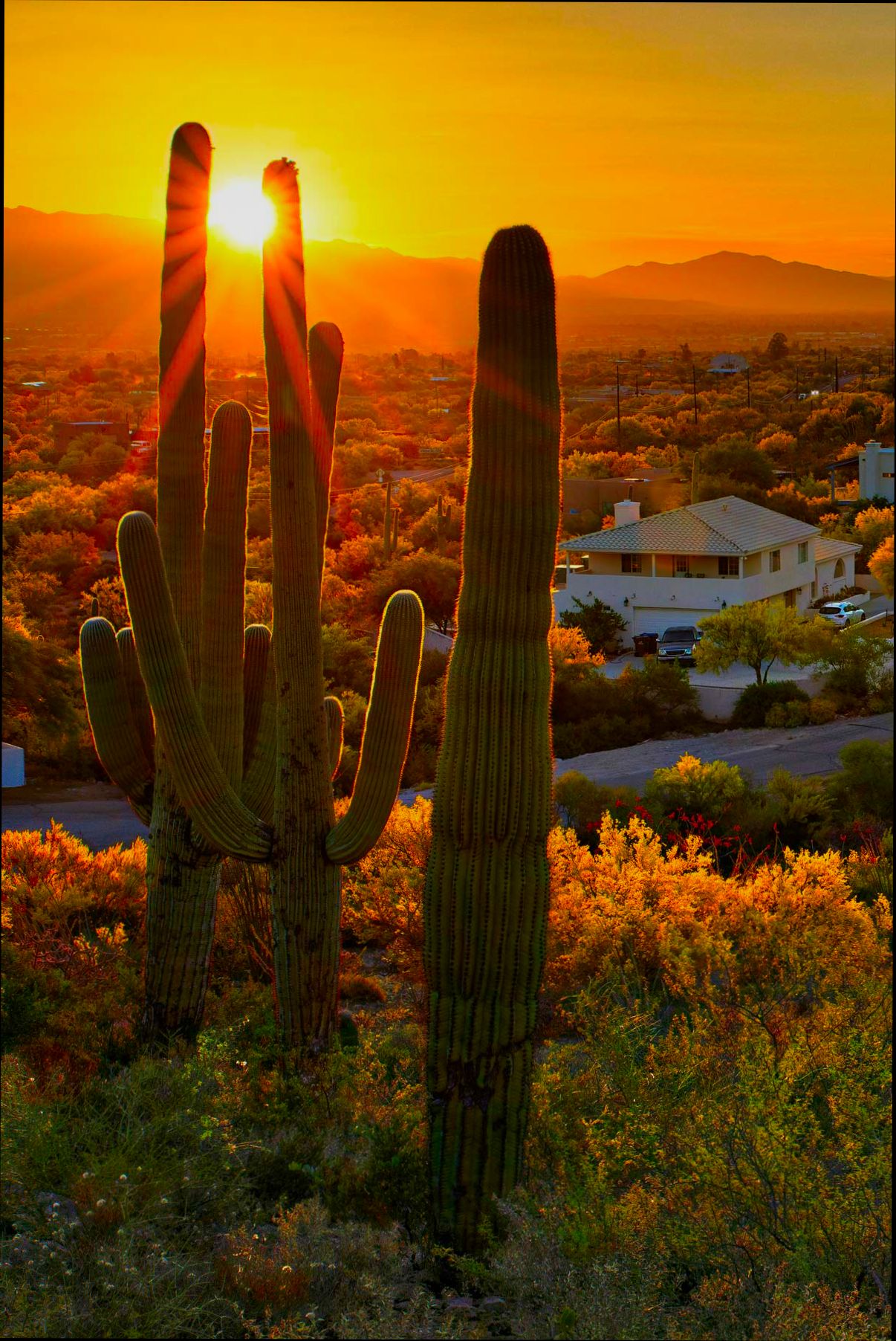
- Saguaro National Park: With its iconic saguaro cacti, this park features trails that range from easy strolls to challenging hikes.
- Mount Lemmon: Offers a climate change of scenery and elevation, perfect for hiking, mountain biking, and enjoying breathtaking views.
Parks and Recreation Areas
Tucson boasts numerous parks that enhance outdoor recreation. Approximately 15% of the city’s area is dedicated to parks and open spaces, making it easy to find a venue for relaxation or play. Some key parks include:
- Reid Park: Features a zoo, a golf course, and extensive picnic areas, ideal for family outings.
- Sabino Canyon: Known for its beautiful vistas and diverse wildlife, it provides opportunities for hiking, photography, and tram tours.
| Park Name | Area (Acres) | Amenities |
|---|---|---|
| Saguaro National Park | 91,442 | Hiking, wildlife viewing, picnic areas |
| Reid Park | 131 | Zoo, golf course, playgrounds |
| Sabino Canyon | 3,100 | Hiking trails, scenic views, tram tours |
Water-Based Recreation
Though Tucson is a desert city, there are water activities to enjoy as well. Lakes, rivers, and swimming pools offer an alternative to the dry heat:
- Lake Patagonia: Ideal for fishing, boating, and swimming, this lake draws those looking to enjoy water sports.
- Rillito River Park: A scenic trail running alongside the river creates a perfect spot for biking, hiking, and jogging.
Real-World Examples
Many residents engage in these outdoor options regularly. For example, local community groups often organize hiking excursions at popular spots like Tumamoc Hill, an essential part of the Tucson lifestyle. Additionally, cycling clubs utilize the robust bike lane system for their group rides, with many participants reporting an increase in health and social connections through their outdoor activities.
Practical Implications
If you’re considering outdoor recreation in Tucson, be sure to:
- Plan your activities around the cooler months: Early fall and spring are ideal for hiking and biking.
- Engage with local clubs: Join outdoor activity groups to enhance your experience and meet new people.
- Explore beyond the popular spots: Venture to less-known trails and parks to discover hidden gems.
Actionable Advice
To maximize your outdoor experience in Tucson, check out local event calendars for organized hikes, park clean-ups, and community sports leagues. Embracing Tucson’s outdoor lifestyle not only enhances physical health but also fosters connections with nature and the community.

Local Economy and Job Market Trends
Understanding the local economy and job market trends in Tucson, AZ, is essential for anyone considering making this vibrant city their home. With a diverse range of industries and employment opportunities, Tucson presents unique advantages and challenges that directly impact its residents.
Key Economic Sectors
Tucson’s economy is supported by several core sectors:
- Military and Defense: The presence of Davis-Monthan Air Force Base plays a vital role in local employment, contributing significantly to job creation.
- Education: With institutions like the University of Arizona, education serves as a major economic driver, providing thousands of jobs and attracting students from around the globe.
- Healthcare: As the region grows, the medical field remains a cornerstone, with facilities such as Banner University Medical Center leading the way in job opportunities.
Employment Statistics
The job market reflects a blend of growth and stability in Tucson:
- The unemployment rate in Tucson has hovered around 5.6%, slightly above the national average, indicating a competitive job market.
- Job growth is projected at 8.4% over the next decade, which can be appealing for job seekers and local economists alike.
- Median household incomes sit at approximately $53,000, providing a solid foundation for residents in terms of purchasing power and quality of life.
Comparative Job Market Data
| Metric | Tucson (AZ) | National Average |
|---|---|---|
| Unemployment Rate | 5.6% | 4.0% |
| Job Growth (10 years) | 8.4% | 6.3% |
| Median Household Income | $53,000 | $68,700 |
| Major Employment Sectors | Military, Education, Healthcare | Diverse |
Real-World Examples
For instance, organizations like Raytheon Missiles & Defense have a significant footprint in Tucson, employing thousands and contributing to the local economy. Their commitment to hiring local talent provides numerous opportunities for emerging professionals in engineering and technology.
Additionally, the rise of tech startups in downtown Tucson reflects a growing job market in sectors like software development and digital marketing. The Tucson Young Professionals organization speaks to this evolving landscape, fostering networking events that help connect recent graduates with potential employers.
Practical Implications
If you’re considering relocating to Tucson, this knowledge equips you to make informed decisions about your career and lifestyle. Engaging with local job fairs, industry meetups, or workshops at the University of Arizona can provide essential connections and insights into job openings.
Actionable Insights
- Regularly check job boards like Indeed or local classifieds for the latest listings in your field of interest.
- Leverage professional networking platforms such as LinkedIn to connect with industry leaders and professionals in Tucson.
- Attend local economic development meeting sessions to stay informed about emerging industries and workforce trends.
Understanding these facets of Tucson’s economy and job market trends can help you navigate your career path more effectively while optimizing your living experience in this markedly unique city.