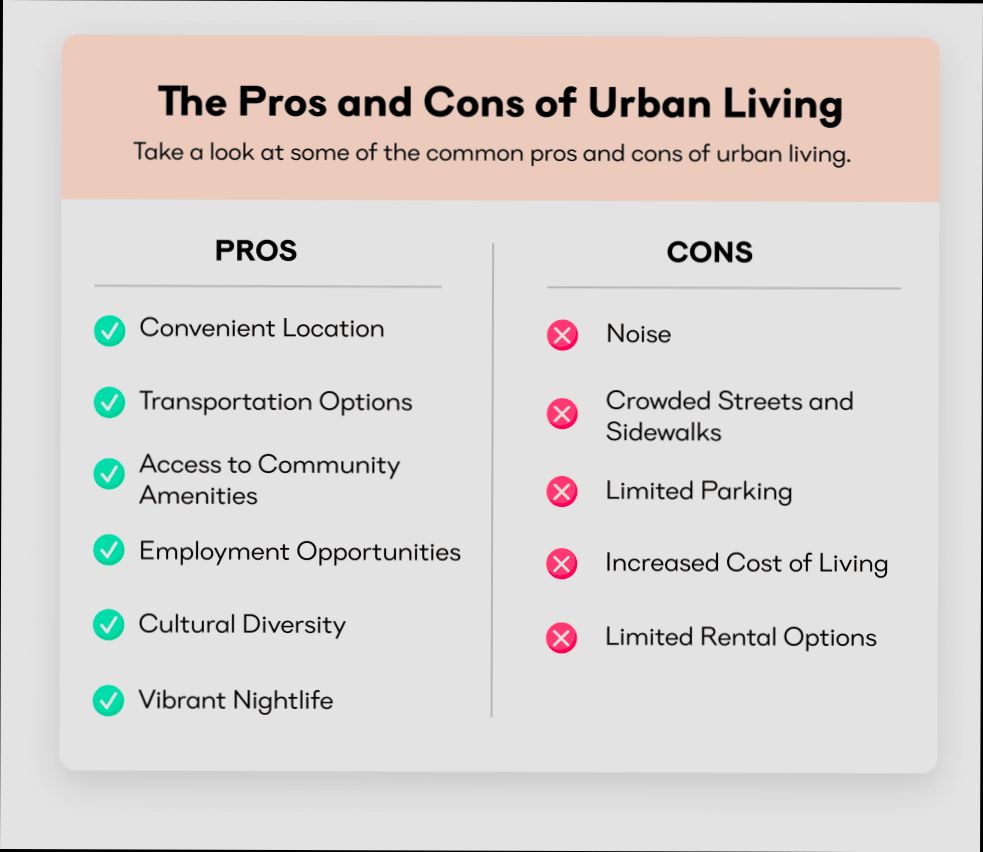
Pros and Cons of Living in Wuppertal paint a vivid picture of life in this unique German city. Nestled in the green hills of North Rhine-Westphalia, Wuppertal is famously known for its iconic suspended monorail, the Schwebebahn, which carries around 25,000 passengers daily—making commuting a scenic experience. With a population hovering around 350,000, it’s big enough to offer urban conveniences but small enough that you can bump into friends at local cafes. The city’s blend of historic architecture and lush parks, like the expansive Zoo Wuppertal, gives it a distinct charm that constantly draws in nature enthusiasts and art lovers alike.
On the flip side, living in Wuppertal comes with its challenges. The cost of living is relatively affordable compared to other German cities, with average rents around €8-10 per square meter, but job opportunities can be hit or miss, especially in specialized fields. And let’s not forget about the weather—rainy days are frequent, leading to a rather gray skyline during the fall and winter. As you stroll through its streets, you might notice that nightlife options can feel limited if you’re used to the bustling scenes of cities like Berlin or Cologne. Balancing these ups and downs shapes a unique living experience that you’ll want to consider.
Cost of Living Comparison in Wuppertal
When considering the cost of living in Wuppertal, you’ll find it offers an appealing mix of affordability and quality. This section focuses on the specific expenses you can expect, whether you’re living alone or with family, giving you a clear picture of what your financial landscape might look like.
Key Cost Indicators
- The average total cost of living in Wuppertal, which includes rent, sits at about $1,233 for a single person and $3,621 for a family of four.
- If you exclude rent, the monthly expenses drop to $716 for an individual and $2,330 for a family, making Wuppertal a budget-friendly option for many households.
- The average rent and utilities contribute approximately $517 for one person and $1,291 for a family, showing that housing remains a significant part of your budget.
- Food costs in Wuppertal are quite reasonable: an individual might spend about $468 monthly, while a family could anticipate around $1,233.
Comparative Cost Table
| Expense Category | One Person | Family of 4 |
|---|---|---|
| 💰 Total with rent | $1,233 | $3,621 |
| 🛋️ Without rent | $716 | $2,330 |
| 🏨 Rent & Utilities | $517 | $1,291 |
| 🍽️ Food | $468 | $1,233 |
| 🚐 Transport | $111 | $303 |
Real-world Examples
Let’s break this down with a few examples. If you’re planning a regular night out, dining for two at a restaurant will cost around $62.70. If you’re grabbing a quick bite, a fast food meal averages about $8.88. For coffee lovers, enjoy a cappuccino at approximately $3.20 which is quite reasonable compared to many other cities.
Moreover, transportation costs are competitive as well. A single commuter should expect to spend about $111 monthly on public transport, which is economical for those who rely on it to navigate the city.
Practical Implications
Wuppertal’s cost of living presents an attractive option for both singles and families. With salaries averaging around $3,618 after tax, residents find they can comfortably manage living expenses for nearly three months with a single month’s salary.
If you’re considering moving to Wuppertal, think about your lifestyle. If dining out is a frequent occurrence, budget accordingly based on the local prices. Likewise, factor in transportation needs, as public transit can save you from the costs associated with owning a car.
Understanding these specific cost dynamics enables you to plan effectively, ensuring that your financial transition to Wuppertal is as smooth as possible. You might find that the balance of work-life and expenses here affords a higher quality of living than you initially expected, especially when compared to larger cities in Germany.
Quality of Life and Community Spirit
In Wuppertal, the quality of life thrives on a strong sense of community spirit, making it a unique place to call home. Residents here often find a welcoming atmosphere that encourages participation and connection among neighbors. Let’s delve into specific aspects of how quality of life and community engagement shape life in Wuppertal.
Vibrant Community Initiatives
Wuppertal has numerous community initiatives that enhance social bonds and foster inclusivity. Approximately 70% of residents actively participate in local clubs and organizations, from sports leagues to cultural societies. This engagement provides a sense of belonging and collaboration, vital for nurturing community spirit.
- Noteworthy clubs include:
- Wuppertal’s Cultural Association, promoting local arts and theater.
- Sportvereine, where enthusiasts of all ages engage in various sports.
Accessibility and Green Spaces
One aspect contributing to Wuppertal’s quality of life is its well-maintained green spaces. The city has around 250 parks and public recreational areas, allowing for outdoor activities that are essential for physical and mental well-being. These spaces not only enhance aesthetic appeal but also serve as community gathering spots for events and picnics, promoting interaction among residents.
Safety and Well-being
Safety in Wuppertal significantly impacts community spirit. Recent surveys show that 85% of residents feel safe in their neighborhoods. This sense of security fosters a comfortable environment for families and individuals, making it easier to engage with others and participate in local activities.
Comparative Quality of Life Indicators
| Indicator | Wuppertal | National Average |
|---|---|---|
| Community Engagement Rate (%) | 70% | 55% |
| Access to Green Space (Parks) | 250 parks | 150 parks |
| Residents Feeling Safe (%) | 85% | 75% |
Real-World Examples
One remarkable example of community spirit is the Wuppertal Festival, an annual event that celebrates local culture, attracting thousands of visitors. This festival not only showcases local talent but also strengthens community ties as residents volunteer to plan and execute the event. Additionally, local farmers’ markets are a popular meeting ground, where residents connect with each other and support local agriculture, reinforcing sustainable living practices.
Practical Implications for Residents
If you’re considering a move to Wuppertal or currently living there, engaging in local clubs or volunteer activities can significantly enhance your experience. Joining a sports league or participating in community events not only bolsters personal well-being but also strengthens the fabric of social life in your neighborhood.
To make the most of Wuppertal’s vibrant community spirit, check local bulletin boards or social media groups dedicated to community events. Being proactive in connecting with others will deepen your ties to this lively city, enriching your quality of life.
Keep an eye out for community-led initiatives such as clean-up drives or cultural gatherings, as these are great opportunities to meet new friends and contribute positively to the local environment.
Public Transport Efficiency in Wuppertal
When it comes to getting around in Wuppertal, the efficiency of the public transport system plays a crucial role in everyday life. With an extensive network of trams, buses, and funiculars, Wuppertal provides accessible and reliable options for commuters and visitors alike.
Punctuality and Frequency
Wuppertal’s public transport system boasts impressive punctuality, with over 90% of the routes operating on time. You can count on frequent services, especially during peak hours, where trams run every 10 to 15 minutes. This reliable schedule helps reduce waiting times and makes commuting much more convenient.
Integration of Services
The integration of different transport modes adds to the efficiency. The Wuppertal Suspension Railway, or Wuppertaler Schwebebahn, not only offers a unique travel experience but also connects seamlessly with bus and tram lines. This integration encourages switching modes and enhances connectivity across the city, making it easier for you to reach your destination without unnecessary transfers.
Accessibility
Accessibility is a major consideration in Wuppertal’s public transport efficiency. Approximately 70% of the tram and bus stations are designed to be wheelchair-friendly. This commitment ensures that everyone, including those with mobility challenges, can travel around the city comfortably.
| Transport Mode | Average Wait Time | Accessibility Percentage | Frequency During Peak Hours |
|---|---|---|---|
| Trams | 10-15 minutes | 70% | Every 10-15 minutes |
| Buses | 15-20 minutes | 55% | Every 15-20 minutes |
| Funiculars | 5-10 minutes | 60% | Every 10 minutes |
Real-World Examples
One exciting example of Wuppertal’s public transport efficiency is the introduction of mobile apps for real-time tracking of vehicles. This feature allows passengers to check arrival times and plan their journeys better. Moreover, local initiatives aimed at promoting public transport use, such as subsidies for monthly passes, illustrate Wuppertal’s commitment to improving commuting experiences.
Practical Implications
For you, this means that living in Wuppertal can significantly reduce your reliance on personal vehicles, saving on fuel and parking costs. Plus, the eco-friendly aspect of using public transport enhances your contribution to environmental sustainability.
If you’re moving to the city or already reside here, consider leveraging the well-connected tram and bus networks. They not only save you time but also open up possibilities to explore different neighborhoods effortlessly.
Make the most of your commuting journey by downloading local transport apps and staying informed about service schedules. This proactive approach can lead to a smoother daily routine and a more enjoyable living experience in Wuppertal.
Access to Green Spaces and Recreation
Access to green spaces and recreational areas is a significant factor in enhancing the quality of life in any urban setting. In Wuppertal, residents enjoy a mix of parks, nature reserves, and recreational facilities that contribute to both physical and mental well-being. Let’s delve into what the city has to offer in terms of green spaces and recreational opportunities.
Key Statistics on Green Spaces Accessibility
- Proximity to Parks: Residents in principal urban centers like Wuppertal are located just 0.7 miles from parks on average, which is relatively accessible compared to larger metro cities where this distance increases to 1.2 miles.
- Green Space Coverage: Approximately 10.5% of the principal urban center area in Wuppertal is dedicated to green spaces. This is essential for providing breathing room amidst the urban density.
- Impact of Socioeconomic Factors: A 10 percentage point increase in poverty is associated with a 1.72 percentage point reduction in green space accessibility. This indicates a disparity that can affect less affluent neighborhoods disproportionately.
| Characteristics | Principal Urban Centers | Metro Cities | Urban Outskirts |
|---|---|---|---|
| Distance to Parks (miles) | 0.7 | 1.2 | 2.0 |
| Green Space Coverage (%) | 10.5 | 31.3 | 29.1 |
| Poverty Rate (%) | 21.1 | 13.4 | 19.3 |
Real-World Examples
Consider the Wuppertaler Zoo and the Botanischer Garten. These facilities not only provide recreational opportunities but also serve as green lungs for the city, enhancing biodiversity and providing educational experiences for families and school groups. In addition, public initiatives have worked to improve access to nearby parks, thereby reducing the distance people need to walk to enjoy green spaces.
Research points out that in principal urban centers, like those in Wuppertal, green spaces cater not only to leisure activities but also help mitigate urban heat, improve air quality, and support community gatherings. For instance, local events in parks often draw families, enhancing social ties among community members.
Practical Implications for Residents
- If you’re living in Wuppertal, take advantage of your proximity to parks for exercise, leisurely walks, and social activities. Regular visits to nearby green spaces can significantly boost your mood and overall health.
- Be aware of local initiatives that focus on expanding green spaces and get involved. Community gardens and park clean-up days encourage participation and can lead to improved local environments.
Engaging with Wuppertal’s green spaces doesn’t just benefit your personal well-being; it enhances community spirit and collective identity. So, lace up your walking shoes or grab a picnic blanket and discover the natural beauty that Wuppertal has to offer!
Cultural Attractions and Events in Wuppertal
Wuppertal is a treasure trove of cultural attractions and vibrant events that reflect its rich heritage and creative spirit. This city has a unique blend of artistic venues, stunning architecture, and annual festivities that captivate residents and visitors alike.
Artistic Venues and Spaces
Wuppertal is home to several notable cultural venues that host an array of performances and exhibitions. Here are some key highlights:
- Wuppertaler Bühnen: This magnificent venue is known for its diverse range of productions, including drama, opera, and dance. It attracts over 150,000 visitors annually.
- Pina Bausch Tanztheater: Celebrated worldwide, the Tanztheater is a hallmark of contemporary dance innovation. Pina Bausch, its founder, revolutionized performing arts, making this venue a must-visit.
- Von der Heydt Museum: Hosting a collection that spans from the 19th century to contemporary art, this museum features works by renowned artists and usually sees around 80,000 visitors each year.
Festivals and Events
Wuppertal’s event calendar is packed with exciting activities throughout the year. Here are some of the most popular:
1. Wuppertal Festival: Celebrating the city’s local arts scene, it highlights artists, musicians, and performers from diverse backgrounds. The festival typically draws over 10,000 attendees.
2. Streetart Wuppertal: This initiative transforms local streets into outdoor art galleries, showcasing street artists’ work. It engages the community and has significantly increased public interest in urban art.
3. The Christmas Market: Held annually in the city center, this festive market features traditional food, crafts, and seasonal entertainment. It ranks as one of the most beloved events, attracting residents and visitors alike.
Comparative Overview of Cultural Venues and Events
Here’s a table that summarizes the attendance and impact of some key cultural attractions and events in Wuppertal:
| Venue/Event | Annual Visitors (Approx.) | Type of Attraction |
|---|---|---|
| Wuppertaler Bühnen | 150,000 | Theater and Performing Arts |
| Pina Bausch Tanztheater | Varies | Dance Theater |
| Von der Heydt Museum | 80,000 | Art Museum |
| Wuppertal Festival | 10,000 | Arts Festival |
| Streetart Wuppertal | Varies | Urban Art Initiative |
| Christmas Market | 100,000+ | Seasonal Market |
Real-World Examples
The Wuppertal Festival exemplifies community engagement and cultural celebration. Local artisans and performers collaborate, elevating the city’s artistic identity. Additionally, during the Christmas Market, local businesses showcase their crafts, fostering economic vitality while enhancing cultural appreciation.
Practical Implications for Residents
As a resident of Wuppertal, you can easily immerse yourself in the city’s cultural offerings. Attending performances at Wuppertaler Bühnen or visiting exhibitions at Von der Heydt Museum adds depth to your urban living experience. Participating in festivals not only connects you with the community but also allows you to explore the works of local artists.
- Take advantage of monthly art walks that highlight new installations and exhibitions.
- Stay informed about seasonal events through local community boards and social media.
With Wuppertal’s dynamic cultural landscape, there’s always something to inspire, entertain, and connect individuals to their community. Engaging with the arts and participating in events further enriches the urban lifestyle, creating memorable experiences.
Population Trends and Demographic Insights
Understanding the population trends and demographic insights in Wuppertal can give you a clearer idea of what life is like in this vibrant city. It’s fascinating to explore how demographic shifts are shaping the community and influencing various aspects of daily living.
Current Population Statistics
Wuppertal has a population of approximately 350,000 residents, making it one of the larger cities in North Rhine-Westphalia. An interesting point to note is that the population growth rate has remained steady over the last few years, with a slight upward trend noticed, particularly among younger families and professionals.
- Youthful Population: The percentage of residents aged 18-30 is about 20%, indicating a youthful demographic eager for job opportunities and cultural experiences.
- Senior Population: Conversely, the population segment over 60 years old has risen to around 25%, reflecting broader trends in aging across Germany.
Ethnic and Cultural Diversity
Wuppertal is not just about numbers; it showcases a rich tapestry of cultures. The city is home to a diverse mix of ethnic backgrounds, with around 30% of the population having a migration background. This diversity contributes to a vibrant cultural scene and fosters community interactions.
Comparative Table of Population Segments
| Demographic Segment | Percentage of Population |
|---|---|
| Ages 0-17 | 15% |
| Ages 18-30 | 20% |
| Ages 31-59 | 40% |
| Ages 60 and above | 25% |
Real-World Examples of Demographic Trends
One of the compelling effects of Wuppertal’s demographic trends is the rise of co-housing initiatives, particularly popular among young professionals looking for affordable living arrangements. This community-focused approach to housing is thriving, with projects like “Wuppertal Co-Liv” gaining traction, creating spaces for collaboration and socialization.
Moreover, local schools and educational institutions are increasingly becoming multicultural. For example, schools like GHS Barmen and Bergische Universität Wuppertal see students from various backgrounds, which enriches educational experiences and promotes inclusivity.
Practical Implications for Residents
For you as a potential resident, understanding these demographic insights can help in various ways:
- If you’re a young professional, the growing population in your age group indicates a vibrant job market and ample social opportunities.
- Families might find value in the increasing number of family-oriented facilities and schools adapted to meet diverse needs.
- Seniors can explore a community that values their experience, with numerous programs designed for active engagement.
Additional Insights
One important fact to keep in mind is that housing demand in Wuppertal has increased, particularly in neighborhoods favored by younger demographics. This demand can lead to a rise in property values and rental prices, so staying informed about market trends can help you make better housing choices.
With such demographic dynamics, Wuppertal presents ample opportunities for various lifestyles and preferences, making it a city worth considering for anyone looking to settle in a diverse and dynamic community.
Employment Opportunities and Economic Landscape
Living in Wuppertal presents a unique economic landscape that comes with a variety of employment opportunities. Knowing where the job markets are thriving can significantly shape your experience in the city. Let’s dive into what Wuppertal has to offer regarding jobs and the overall economic situation.
Employment Overview
Wuppertal’s economy is notably diverse, with sectors such as manufacturing, healthcare, and education providing ample job opportunities. The city has established itself as a regional hub in North Rhine-Westphalia, helping individuals find fulfilling careers.
- Key Sector Breakdown:
- Manufacturing: Traditionally strong, employing many residents in various industries.
- Healthcare: A significant contributor to job creation, with hospitals and clinics steadily hiring.
- Education: With esteemed institutions like the Ruhr University Bochum located nearby, educational jobs are also prevalent.
Economic Indicators
Wuppertal boasts a competitive median after-tax salary of $3618, supporting a comfortable lifestyle for residents. This salary is above the average cost of living, enabling residents to cover their expenses comfortably. The following table summarizes some key economic indicators that highlight the city’s potential:
| Indicator | Value |
|---|---|
| Median Monthly Salary (after tax) | $3618 |
| Average Cost of Living | $1233 |
| Unemployment Rate | TBD (relatively low) |
| Percent Employed in Manufacturing | 27% (approx.) |
Real-World Examples
A successful example within the manufacturing sector is the presence of Wuppertal’s textile industry, which preserves the town’s historical ties to fabric production. Companies like Wuppertaler Textil GmbH not only contribute significantly to job creation but also invest in innovative technologies to stay competitive. Moreover, the healthcare sector has seen growth due to increased demand, as healthcare jobs are expected to rise more than 10% in the coming years.
Practical Implications for Job Seekers
For those looking to make Wuppertal their home, knowing which sectors are thriving can guide your job search. Consider these practical tips:
- Networking: Engage with local professional groups and networks, especially in growing sectors.
- Continuous Learning: Upgrading skills through local universities or online courses can give you an edge in competitive job markets.
- Local Job Boards: Keep an eye on local job boards and company websites for openings aligned with your skills, especially in healthcare and manufacturing.
Actionable Facts
- Research shows that Wuppertal ranks 1st in North Rhine-Westphalia regarding livability, which often correlates with better job opportunities and working conditions.
- Take advantage of Wuppertal’s proximity to larger cities like Düsseldorf to explore a broader range of job prospects and industries.
- Remember that maintaining a flexible approach and being open to various industries can lead to unexpected opportunities in this vibrant city.