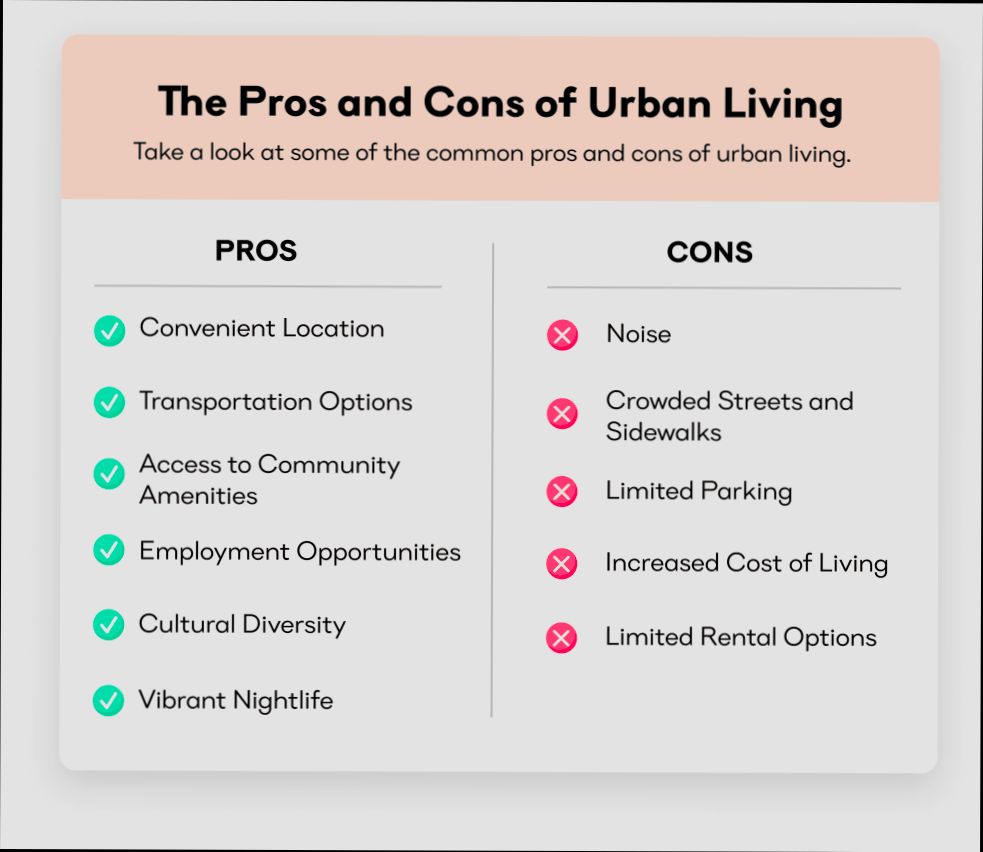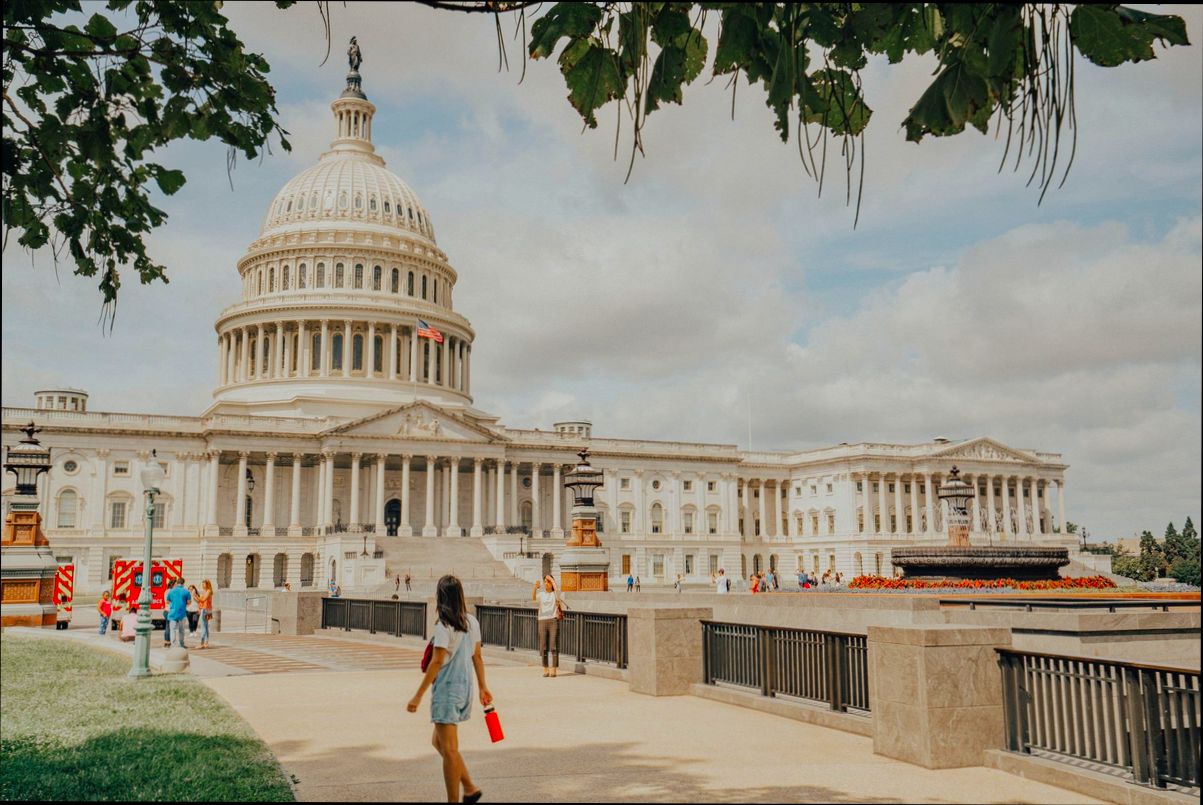
Pros and Cons of Living in Washington DC present a fascinating mix of excitement and challenges. On one hand, you’ve got a vibrant cultural scene, with over 70 museums in the Smithsonian Institution and iconic sites like the National Mall that are steps away from your front door. You can easily hit up a free concert at the Kennedy Center or explore the latest exhibit at the National Gallery of Art without spending a dime. Plus, the food scene? Absolutely incredible, from international eateries in Adams Morgan to the buzzing food trucks near the White House. It’s a city that never runs out of things to do.
But let’s not forget about the downsides. The cost of living can really hit you hard—average rent is hovering around $2,400 for a one-bedroom apartment, which is steep even for urban standards. Traffic is another beast entirely; the daily commute can feel like an endless episode of a reality show, with rush hour stretching well beyond what you might be used to. And if you enjoy a bit of green space, you’ll find that the city has a lot of parks, but it can be tough to escape the hustle and bustle without a little planning. Balancing these pros and cons is what makes living in DC such a unique experience.
Cost of Living Comparisons in Washington DC
Living in Washington DC often comes with a hefty price tag, and understanding the cost of living is crucial for anyone considering a move to the area. From housing prices to everyday expenses, let’s break down what you can expect.
Key Points on Cost of Living
- Housing Costs: The average home in DC can start at around $2 million, especially in prime locations like Capitol Hill. Rent prices in the city proper often exceed $2,300 for a one-bedroom apartment.
- Utilities and Services: Monthly utilities for an average apartment typically cost between $150 to $250, depending on usage.
- Food and Dining: Eating out can strain your wallet, with a standard entrée costing between $20 and $30, while a burger with fries can run you about $16 to $17. A glass of wine is priced at around $11 to $12.
- Transportation: Public transportation makes the city manageable, but owning a car comes with costs in terms of gas and parking, especially since an average monthly parking fee ranges from $150 to $300 in central areas.
Cost of Living Comparison Table
| Expense Category | Washington DC Average | Fairfax County, VA Average | Montgomery County, MD Average |
|---|---|---|---|
| Median Home Price | $675,000 | $615,000 | $515,000 |
| Rent (1 BR Apartment) | $2,300 | $2,000 | $1,800 |
| Utilities (Monthly) | $200 | $180 | $150 |
| Average Meal (entree) | $25 | $23 | $22 |
| Public Transportation | $120/month | $100/month | $100/month |
Real-World Examples
If you’re looking at housing, places in the District itself like Capitol Hill can easily push $2 million for a family home. In comparison, a similar house in places like Fairfax County, known for its family-friendly environment, might be around $615,000. With the number of residents living outside of DC proper—over 85%—the suburban areas are tempting for their comparatively lower housing costs.
Dining out in DC can also be pricey. A recent meal at a popular local restaurant may cost you a glass of wine at $11, while appetizers can be in the range of $8 to $15, which is significantly higher than suburban counterparts where prices range closer to $6 to $10 for similar dishes.
Practical Implications
When moving to Washington DC, be prepared for the reality that salaries may be high, but the cost of living can be even higher. It’s wise to budget accordingly. Look for neighborhoods just outside the city, where you can find more affordable housing without sacrificing too much on commute times.
If you’re thinking of daily expenses, keep in mind that your dining and nightlife experiences will typically cost more than in nearby areas like Arlington or Montgomery Counties. They may also offer a similar variety without the steep DC prices.
Specific Facts and Actionable Advice
- Investigate neighborhoods in DC’s metro area that fit your budget; some surrounding counties like Prince George’s and Loudoun have more affordable options.
- Consider public transportation as a cost-saving option to avoid parking and gas costs associated with car ownership in the city.
- Keep track of your monthly dining and entertainment expenditures, as they can add up quickly in DC compared to other regions.
Public Transportation Accessibility and Impact
Public transportation in Washington D.C. is a critical aspect of urban life, significantly influencing mobility, environmental sustainability, and community engagement. With a diverse population and a substantial number of government employees, the effectiveness and accessibility of public transit systems can shape the everyday experiences of residents.
One standout feature is the Washington Metropolitan Area Transit Authority (WMATA), which manages the Metrorail and Metrobus services. Approximately 5.8 million trips are taken on these systems weekly, providing essential connections across the city and into surrounding areas. This accessibility promotes inclusivity, especially for the nearly 40% of residents employed by government agencies who often rely on public transport to commute.
Key Statistics on Public Transportation
- Transit Accessibility: About 87% of D.C. households live within a half-mile of a Metro station, making it one of the most accessible transit systems in the nation.
- Commute Patterns: Nearly 32% of D.C. residents use public transportation for their daily commutes, compared to only 19% nationally.
- Environmental Impact: Public transit helps eliminate an estimated 232,000 metric tons of greenhouse gas emissions annually, highlighting its role in promoting a sustainable urban environment.
| Feature | Public Transportation in D.C. | National Average |
|---|---|---|
| Households near stations (%) | 87% | 50% |
| Public transport for commutes (%) | 32% | 19% |
| Annual greenhouse gas reduction (metric tons) | 232,000 | N/A |
Real-world case studies emphasize the importance of public transportation in D.C. In 2022, an initiative to improve Metrobus services resulted in a 15% increase in ridership. This spike showcases how enhancements in transit can directly affect user engagement. Additionally, studies have shown that neighborhoods near major transit hubs see property values rise due to the desirability of being close to public transport, enhancing community development.
For residents, the implications of efficient public transit are profound. With the ability to rely on fast and accessible transportation, you can decide to live further from your workplace, which can reduce housing costs while still maintaining a short commute. Moreover, appreciating the area’s diversity becomes easier when public transport allows easier access to various neighborhoods known for their cultural richness and unique offerings.
Keep in mind that while public transportation is a strength, it does face challenges like overcrowding during peak hours and maintenance-related delays. Staying informed about these aspects can help streamline your commuting experience. Enhance your daily routine by considering public transit not just as a means of getting from point A to point B, but as an integral part of life in a vibrant, connected city.
Cultural Diversity and Community Engagement
Living in Washington, DC, immerses you in a richly diverse environment that celebrates a multitude of cultures, beliefs, and backgrounds. This diversity is not just a characteristic of the city; it’s a vibrant part of daily life that shapes community dynamics and engagement opportunities.
Key Points on Cultural Diversity
- Washington, DC, has a population that is approximately 47% Black or African American, 43% White, 11% Hispanic, and 4% Asian. This mix creates a multicultural tapestry that brings a variety of perspectives and traditions to the forefront.
- The city has over 175 languages spoken, making it one of the most linguistically diverse cities in the United States. This level of diversity fosters an inclusive atmosphere where individuals can communicate across various cultural contexts.
- Nearly 36% of the population is foreign-born, contributing to a dynamic cultural scene that reflects the global influences present in the city.
Community Engagement Initiatives
| Initiative | Description | Impact |
|---|---|---|
| Cultural Festivals | Annual events like the National Cherry Blossom Festival and the DC Jazz Festival celebrate cultural heritage. | Draws thousands of attendees, promoting understanding and appreciation of diversity. |
| Neighborhood Partnerships | Programs connecting local organizations with community members encourage civic participation. | Fosters a sense of belonging and strengthens community ties among diverse populations. |
| Workshops and Classes | Language, art, and cooking classes offered through community centers highlight various cultures. | Engages residents and promotes cultural exchange, enhancing social cohesion. |
Real-World Examples of Engagement
One notable project is the DC Office of Latino Affairs, which organizes workshops and forums focused on issues pertinent to the Latino community. These programs not only address local needs but also empower residents through skill-building and advocacy.
Another impactful organization is the African American Civil War Museum, which provides educational resources about the roles African Americans played in the Civil War. By engaging communities through storytelling and history preservation, the museum serves as a cultural hub that fosters dialogue and understanding among diverse groups.
Practical Implications for Residents
If you’re considering making Washington, DC your home, engaging with local cultural organizations can significantly enhance your living experience. Attend neighborhood meetings to discuss community issues, participate in cultural festivals, or sign up for classes that interest you. These activities can increase your understanding of the city’s diverse fabric while helping you build connections with people from different backgrounds.
Specific Facts and Actions
- Make a point to explore different neighborhoods known for their cultural significance, such as Adams Morgan, which is celebrated for its Latin American community and vibrant nightlife.
- Immerse yourself in the multicultural art scene by visiting galleries in NE DC that feature works from diverse artists.
Living in Washington, DC allows you to experience firsthand the advantage of cultural diversity and community engagement, enriching both your personal and professional life.
Job Market Trends and Opportunities
Washington, DC’s job market is as dynamic as the city itself. With a population of over 670,000 residents within the city proper and more than 6.4 million in the metro area, employment opportunities abound, particularly in sectors driven by government and private enterprise. Let’s explore the key trends and possibilities for job seekers here.
Key Job Market Trends
- Dominance of Federal Employment: Approximately 25% of the workforce in the DC area is directly employed by the federal government. This makes government jobs a stable choice, especially during economic downturns.
- Rising Demand for Tech Professionals: The tech sector is booming in Washington, DC. Many companies are seeking skilled IT professionals to enhance cybersecurity, data analytics, and software development. This trend reflects a growing emphasis on technology and innovation in Washington’s job market.
- Remote Work Adoption: As remote work becomes more normalized, many organizations are offering flexible employment opportunities. This is particularly appealing to millennials, who represent 23% of the city’s population and prioritize work-life balance.
- Growing Influences of Non-Profits and NGOs: With many nonprofit organizations headquartered in the capital, there’s a rising demand for roles in social services, advocacy, and community engagement. This sector is particularly attractive for those focused on making a positive impact.
Comparative Overview of Job Sectors
| Job Sector | Percentage of Employment in DC Metro Area | Notable Employers |
|---|---|---|
| Federal Government | 25% | U.S. Department of Defense, VA |
| Technology | 10% | Lockheed Martin, Amazon Web Services |
| Non-Profit Organizations | 15% | World Wildlife Fund, Red Cross |
| Education | 8% | George Washington University, Georgetown |
| Health Services | 12% | Johns Hopkins Medicine, MedStar Health |
Real-World Examples
- Cybersecurity Analysts: With ongoing concerns about national security, roles in cybersecurity have surged. For instance, Booz Allen Hamilton, a major employer in the area, consistently hires cybersecurity experts to safeguard sensitive government and corporate information.
- Non-Profit Professionals: The American Red Cross employs over 20,000 staff across the country, with many positions based in DC focusing on disaster relief and community health programs.
Practical Implications for Job Seekers
- Networking Opportunities: Joining professional organizations or attending job fairs can position you favorably within the competitive DC job market. Many organizations here prioritize local candidates with established connections.
- Skill Development: As the job market shifts towards technology, consider upskilling in areas like data science or digital marketing through local workshops or online platforms.
- Take Advantage of Internship Programs: Many government agencies and NGOs offer internship programs, which can sometimes lead to full-time employment. This is an excellent way to make connections and gain relevant experience.
Actionable Advice
- Customize Your Resume: Ensure your resume speaks directly to the unique skills and requirements of the job you’re applying for, especially in tech roles where specifics matter greatly.
- Stay Informed on Job Trends: Regularly check platforms like LinkedIn to see which skills are in demand and adjust your job search strategies accordingly.
- Leverage Online Resources: Websites like USAJobs and Idealist can help you find opportunities suited to your expertise, especially within the government and non-profit sectors.
In Washington, DC, job market trends present both opportunities and challenges, but with the right approach, you can successfully navigate this vibrant job landscape.
Housing Market Challenges and Solutions
The housing market in Washington, DC, poses unique challenges, from skyrocketing prices to limited availability and high demand. Navigating this competitive landscape can be daunting, but understanding the issues and potential solutions can empower you to make informed decisions.
Key Challenges in the DC Housing Market
1. High Housing Costs: The average home in DC continues to rise, often exceeding $2 million in coveted neighborhoods. This financial barrier makes homeownership increasingly elusive for many residents.
2. Limited Inventory: With a metropolitan area population exceeding 6 million, the demand for housing outstrips supply. This mismatch creates pressure on prices and pushes many to consider options in suburbs like Fairfax and Montgomery County.
3. Zoning Regulations: Restrictive zoning laws contribute to the scarcity of available housing. Many areas are designated for single-family homes, limiting the potential for developing higher-density living spaces that could accommodate more residents.
4. Gentrification: Some neighborhoods are undergoing rapid transformation, which can displace long-term residents. While gentrification can bring investment and revitalization, it often leads to increased rents and home prices in historically affordable areas.
Solutions to Housing Challenges
- Increased Development: Local governments need to promote the construction of affordable housing units. This can include incentivizing developers to build mixed-income properties or simplifying the permitting process.
- Zoning Reforms: Advocacy for changes in zoning laws can allow for denser developments. Implementing policies that facilitate the construction of smaller, multi-family units could alleviate some supply pressures.
- Community Land Trusts: These nonprofit organizations can help stabilize neighborhoods by purchasing land and developing it for affordable housing, keeping prices manageable for future generations.
- Inclusionary Zoning: Implementing policies that require a percentage of new housing developments to be affordable can ensure that diverse income groups have access to city living.
Comparative Table of Housing Solutions
| Solution Type | Description | Key Impact |
|---|---|---|
| Increased Development | Encourages builders to create more units | Expands overall housing supply |
| Zoning Reforms | Changes regulations to allow denser building | Increases availability of housing |
| Community Land Trusts | Nonprofits manage land for affordable housing | Stabilizes and retains communities |
| Inclusionary Zoning | Mandates affordable units in developments | Maintains socio-economic diversity |
Real-World Examples
In Arlington County, VA, strategic planning has resulted in mixed-use developments that incorporate affordable housing options alongside market-rate units. These projects demonstrate how thoughtful planning can create inclusive neighborhoods without sacrificing urban character. Additionally, Montgomery County has seen success with its inclusionary zoning policy, requiring new housing developments to dedicate a portion to below-market-rate apartments.
Practical Implications for Residents
For those considering living or investing in DC, keeping an eye on zoning reform initiatives and community land trusts can be beneficial. Engaging with local advocacy groups may provide insights into upcoming developments and housing options that align with your budget. Be proactive in researching neighborhoods undergoing revitalization, as they may offer opportunities for more affordable housing.
Affordable housing is a pressing issue, but leveraging community engagement, advocating for policy changes, and exploring alternative housing models can lead to sustainable solutions in the DC area.
Quality of Education and School Options
When it comes to education in Washington, D.C., the landscape is a mixed bag of opportunities and challenges. The quality of education can vary significantly across schools and districts, making it essential for families to research their options carefully. Let’s delve into the statistics and details about the educational environment you can expect in the nation’s capital.
Educational Statistics and Overview
- Graduation Rates: While many aspire to higher education, only 68.5% of high school students in Washington, D.C., successfully graduate. This rate reflects broader challenges within the educational system, including disparities in resources and support.
- College Enrollment: A remarkable aspect is that when high schools excel, approximately 90% of graduates can head to college—a stark contrast to the overall graduation statistics in the city.
School Options in the DC Area
Selecting the right school for your child involves navigating a mixture of public, charter, and private institutions. In D.C. and the surrounding regions, here’s a brief overview of what’s available:
| School Type | Pros | Cons |
|---|---|---|
| Public Schools | Free, varied curriculum | Inconsistent quality |
| Charter Schools | More flexibility, often innovative programs | Enrollment lottery system |
| Private Schools | Smaller class sizes, personalized education | High tuition costs |
Comparative School District Insights
If you’re considering moving to the DC metro area, examining neighboring districts can provide additional options. Often, families choose to reside in nearby counties for their renowned educational systems:
- Fairfax County, VA: Known for its highly-rated schools, consistently ranking among the top in the state.
- Montgomery County, MD: Offers a strong public school system with abundant resources and extracurricular activities.
- Arlington County, VA: Frequently praised for its commitment to educational quality and student support services.
Real-World Examples
To give you a clear picture, let’s look at some exemplary educational institutions:
- D.C. Public Schools: While some schools struggle, others, like the School Without Walls at Francis-Stevens, boast an impressive college-bound rate of nearly 100%.
- Montgomery County Public Schools: They consistently provide high-performing schools that support student learning and development, evidenced by their high SAT and AP test scores.
Practical Implications for Families
When planning your move, think about the schools your children will attend. Researching individual schools and their performance ratings on platforms like GreatSchools can be beneficial. Consider the following:
- Attend school fairs or open houses to directly engage with teachers and administrators.
- Look for communities with strong PTA or community support to get involved.
Key Takeaways
- Understanding public school ratings and available options can significantly impact your child’s educational experience.
- Always consider proximity to sought-after school districts, especially when house hunting.
- Proactively participating in your child’s education, whether through PTA involvement or school events, fosters a supportive community.
Healthcare Access and Quality in Washington DC
When considering a move to Washington DC, it’s crucial to evaluate the healthcare access and quality the city offers. With a mix of state-of-the-art facilities and some disparities in healthcare delivery, understanding the nuances can help you make an informed decision.
Access to Healthcare Facilities
Washington DC boasts a variety of healthcare facilities, including:
- Top Hospitals: Some of the nation’s best hospitals, such as MedStar Georgetown University Hospital and George Washington University Hospital, are located here.
- Community Health Centers: Over 12 federally qualified health centers provide services to underserved communities, focusing on primary care and preventative services.
Despite these strengths, challenges remain. District data reveals that nearly 18% of residents experience difficulties accessing healthcare, often due to factors like transportation issues or a lack of insurance.
Quality of Care
The quality of care in Washington DC can vary significantly by neighborhood. While areas such as Northwest DC have access to high-quality services, other parts face healthcare shortages and higher rates of chronic illnesses.
- Preventive Care Statistics: According to the DC Department of Health, only 64% of adults in the District had a routine check-up in the last year, highlighting potential gaps in preventive care efforts.
Comparative Healthcare Statistics
Here’s a comparative table highlighting key healthcare access and quality metrics in Washington DC versus national averages:
| Metric | Washington DC | National Average |
|---|---|---|
| Uninsured Rate | 6.2% | 9.7% |
| Adult Routine Check-up Rate | 64% | 73% |
| Federally Qualified Health Centers | 12 | 1 per 100,000 |
| Life Expectancy | 77.4 years | 78.8 years |
Real-World Examples
Several initiatives showcase efforts to improve healthcare access. For instance, the DC Healthy Families Program aims to expand insurance coverage for low-income families. Additionally, the recent introduction of mobile health clinics has targeted neighborhood health disparities, bringing healthcare directly to those in need.
Furthermore, some local organizations focus on mental health services, addressing the rising demand in urban settings where stress levels can be heightened due to living conditions.
Practical Implications for Residents
For residents, understanding healthcare access means knowing where to find quality care and how to navigate the system effectively. Here are several actionable insights:
- Utilize Local Resources: Familiarize yourself with community health centers that offer affordable services based on your income.
- Participate in Health Screenings: Engage in local health fairs or community events that frequently offer free screenings as a means of preventive care.
- Insurance Awareness: Be proactive in understanding insurance options available in DC, including Medicaid and subsidized plans under the Affordable Care Act.
By keeping these considerations in mind, you can better navigate the healthcare landscape in Washington DC and make informed choices for your health and well-being.