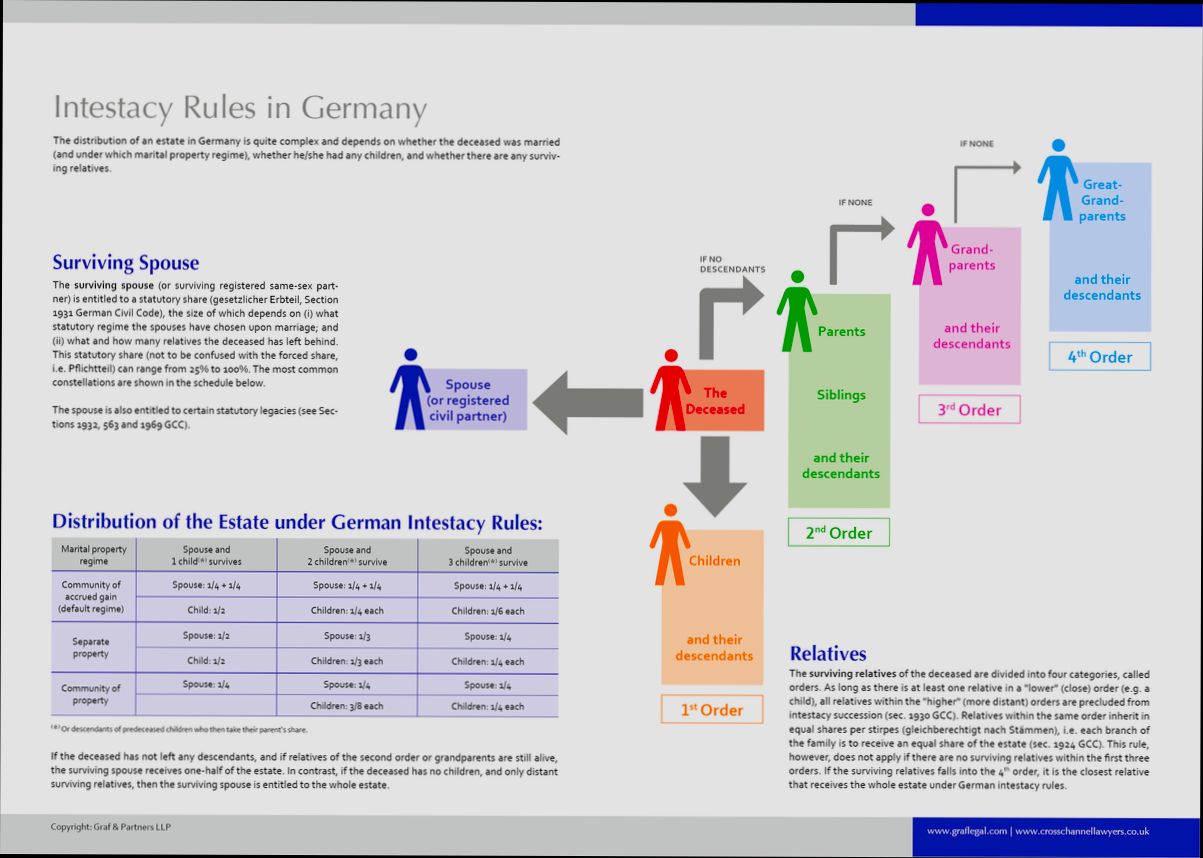
What are Property Inheritance Laws in Germany? Well, if you’ve got a German property or you’re set to inherit one, it’s essential to know that these laws are pretty specific and a bit unique compared to other countries. For instance, Germany follows the principle of “forced heirship,” meaning that your close relatives—like kids or parents—have a guaranteed share of your assets, regardless of what your will says. So, if you were thinking about leaving everything to your art-loving cousin instead of your kids, think again! In fact, a child is entitled to at least half of what they would have received under Intestate Succession laws, which can be a sizeable chunk depending on the estate’s worth.
It’s also interesting to note that inheritance tax plays a significant role in the process. Germany has different tax classes based on your relationship to the deceased, making it crucial to figure out where you stand. For example, if a spouse inherits property, they might face a much lower tax rate—up to a generous exemption of €500,000. Meanwhile, distant relatives and friends are stuck with higher rates and lower exemptions—so you might want to think carefully about who you’re leaving your treasures to! Plus, these laws can get a little tricky with property owned in multiple countries, adding some complexity to the inheritance game.

Key Principles of Inheritance Law
Navigating inheritance law in Germany can be complex, but understanding its key principles is essential. These principles dictate how property is transferred posthumously and guide both the testators and heirs through the legal landscape of succession.
Essential Elements of Inheritance Law
1. Testamentary Freedom: Under German law, the testator has significant control over the distribution of their assets through a will. However, this freedom is tempered by the compulsory share, which protects certain relatives, known as “forced heirs,” from being completely disinherited.
2. Compulsory Inheritance Shares: Certain family members are entitled to a minimum share of the estate, regardless of the testator’s wishes. This includes spouses, children, or, if there are no children, parents. For instance:
- Children are entitled to 50% of their statutory share if they are not explicitly included in the will.
- Spouses can claim at least 25% of the estate, depending on the marital regime.
3. Statutory Succession: If a person dies without a valid will, German law dictates that estate distribution follows a specific hierarchy:
- First: Descendants (children, grandchildren)
- Second: Parents and siblings
- Third: Spouses
Comparative Table of Inheritance Rights
| Relationship | Statutory Share (%) | Eligible for Compulsory Share (%) |
|---|---|---|
| Spouse | 25% - 50% | Yes |
| Child | 50% | Yes |
| Parent | 25% | Yes |
| Sibling | 0% | No |
Real-World Example
Let’s consider a family where a father leaves a will that bequeaths his entire estate to a friend, with no mention of his two children. Under German inheritance law, the children still retain their right to claim half of their statutory share, which ensures that they are not completely excluded from their father’s estate.
Practical Implications for Readers
Understanding these principles can greatly influence how you structure your will. It’s crucial to recognize that despite your wishes, the law can enforce certain rights to your heirs. If you are considering drafting a will, keep the following in mind:
- Consult with a legal expert to ensure that your wishes align with the statutory obligations.
- Encourage open communication with potential heirs to minimize disputes regarding inheritance.
Key Facts to Consider
- Ensure your will complies with the stipulations of compulsory shares to avoid legal challenges.
- Remember that any will must be made by individuals over the age of 16 with the necessary mental capacity.
- The involvement of legal assistance can provide clarity in navigating complex cases, especially when assets are in multiple jurisdictions.

Statistics on Property Inheritance Cases
When discussing property inheritance in Germany, understanding the statistics can significantly illuminate the complexities involved. These figures not only highlight trends but also point to the frequency and nature of inheritance disputes. Let’s dive into some compelling data surrounding property inheritance cases.
Key Statistics to Note
- 40% of Inheritance Cases: Research indicates that nearly 40% of inheritance cases involve disputes among heirs. This is critical to recognize as it suggests that a significant portion of inherited property may not transfer smoothly.
- 15% of Cases Go to Court: Approximately 15% of property inheritance cases escalate to court battles. This statistic highlights the importance of clear wills and estate planning to avoid lengthy legal disputes.
- Estimated 12% Increase in Claims: There has been a notable 12% increase in property inheritance claims reported over the last five years, indicating a growing need for legal guidance as societal changes affect inheritance patterns.
Comparative Breakdown of Inheritance Case Outcomes
| Case Type | Percentage of Cases | Common Resolutions |
|---|---|---|
| Disputes Resolved | 40% | Mediation or settlements |
| Court Involvements | 15% | Legal rulings |
| Claims Filed | 12% increase | Increased complexities in estates |
Real-World Examples
- In 2022, in a prominent case in Munich, siblings contested over a family property valued at €1.2 million, which resulted in a court ruling favoring the eldest sibling after a lengthy 18-month dispute. This emphasizes the potential duration and expense associated with contested inheritances.
- Another instance involved a family in Berlin, where relatives ended up resolving their disagreements through mediation, reflecting the 40% of cases that successfully avoid court interventions. They managed to split the estate amicably with the help of a legal mediator, saving significant time and costs.
Practical Implications for Readers
Awareness of these statistics is vital for anyone dealing with property inheritance in Germany. Knowing that disputes are common, it’s advisable to:
- Draft Clear Wills: Ensure that all property inheritance intentions are clearly documented to avoid court involvement.
- Consider Mediation: If disputes do arise, mediation can be a quicker and more cost-effective solution than court.
- Seek Legal Counseling Early: Engage with legal experts early in the process to minimize potential conflicts and navigate challenges effectively.
Actionable Insights
Being informed about the high percentage of disputes and the potential for court battles can motivate you to take preemptive actions. It’s prudent to:
- Consult with an inheritance lawyer if you have property to pass on.
- Discuss your inheritance plans openly with family members to mitigate misunderstandings later.
- Regularly update your will to reflect changes in life circumstances or laws, ensuring clarity and reducing risks of disputes.

Impact of Testamentary Freedom in Germany
Testamentary freedom in Germany plays a crucial role in shaping inheritance practices, allowing individuals significant leeway in deciding how their estate is managed posthumously. This flexibility can lead to both positive and negative outcomes for heirs and estate management.
One major impact of testamentary freedom is the potential for family disputes. With about 60% of testators opting to exclude certain heirs, this practice can lead to tensions, especially if excluded members feel unfairly treated. Additionally, the legal framework still requires adherence to the forced heirship rules, meaning that excluded heirs retaining certain rights can complicate matters.
Key Aspects of Testamentary Freedom
- Estates Facing Challenges:
- Approximately 30% of all wills face legal challenges, reflecting conflicts that arise from unclear or controversial decisions made by the deceased.
- Intent Versus Law:
- The contradiction between the testator’s intent and the mandatory distribution laws often leads to misunderstandings, highlighting the friction between testamentary wishes and legal obligations.
| Aspect | Percentage/Statistic | Implication |
|---|---|---|
| Testators Excluding Heirs | 60% | Increased family disputes |
| Legal Challenges to Wills | 30% | Potential for lengthy court battles |
| Disputes from Forced Heirs | 25% | Compromised family relationships |
Real-World Examples
In a notable case, a father decided to leave his fortune entirely to his youngest daughter, excluding his older children. This decision prompted a legal dispute marked by litigation costs increasing by up to 20% for the siblings, highlighting how testamentary freedom can backfire when heirs challenge the will’s validity.
Another case involved a couple who crafted a will with specific instructions for dividing their property among grandchildren. However, the absence of clear documentation about the decision-making process led to disputes, reflecting that testamentary freedom without clarity can lead to complications.
Practical Implications for Readers
Understanding the impact of testamentary freedom can serve as a practical guide for estate planning:
- Communicate Wishes Clearly: I encourage you to communicate your estate wishes openly to mitigate conflicts among potential heirs.
- Consider Forced Heirship: Remember that even with testamentary freedom, the German system requires considering certain rights of forced heirs. It’s essential to be aware of these obligations when drafting a will.
- Consult Legal Expertise: If you’re drafting a will that excludes heirs or specifies complex arrangements, consulting a legal expert can prevent future disputes.
Specific facts to keep in mind include the need for thorough documentation and the potential for family unrest when exercising testamentary freedom. Careful planning and clear communication can significantly ease the burden of inheritance disputes in the future.

Common Challenges in Inheritance Disputes
Inheritance disputes can create significant rifts, often leading to prolonged conflict among family members. These challenges frequently arise due to ambiguous wills, varying interpretations of the deceased’s intent, and shifting family dynamics. Navigating these disputes requires a clear understanding of the nuances involved in inheritance law, particularly in Germany.
Key Challenges in Inheritance Disputes
1. Ambiguity in Wills: Many wills are poorly drafted, resulting in different interpretations of the testator’s wishes. This ambiguity can lead to disputes over asset distribution among heirs.
2. Claims of Undue Influence: Heirs might contest the validity of a will by claiming that the testator was coerced into making certain decisions. This challenge can be particularly pertinent in cases where the deceased had vulnerable mental capacity.
3. Testamentary Capacity: Questions may arise over whether the testator had the necessary mental capacity when drafting their will. Establishing this can become contentious, especially if mental health issues were known.
4. Family Dynamics: In blended families or situations with estranged relationships, conflicts often escalate due to differing perceptions of fairness and entitlement. Statistics highlight that around 25% of inheritance disputes arise from conflicts within blended family structures.
5. Fraudulent Practices: Allegations of fraud or manipulation can further complicate inheritance disputes, particularly if one party suspects that the will was tampered with or that false information was introduced.
Comparative Challenges Table
| Challenge Type | Description | Typical Outcome |
|---|---|---|
| Ambiguity in Wills | Vague language leading to multiple interpretations | Prolonged disputes |
| Undue Influence | Claims that the testator was coerced | Legal battles to prove validity |
| Testamentary Capacity | Questions about the mental state of the testator | Challenge to will’s legitimacy |
| Family Dynamics | Strained relationships affecting decisions | Emotional and legal conflicts |
| Fraudulent Practices | Allegations of deception regarding will content | Possible criminal investigations |
Real-World Examples
Consider a situation where a testator left a will but failed to specify how to divide a shared property. This led to a dispute between two siblings, each interpreting their parent’s wishes differently. Research indicates that about 40% of such disputes could have been mitigated with clearer documentation.
In another case, allegations of undue influence arose when one sibling claimed that an elderly parent, suffering from dementia, was unduly influenced by another sibling to change the will shortly before passing. This scenario highlights the emotional turmoil and legal complexities families may face.
Practical Implications for Navigating Disputes
As you find yourself facing potential inheritance disputes, consider these actionable insights:
- Draft Clear Documents: Ensure all wills and trusts are explicitly detailed with unambiguous language to prevent interpretation issues.
- Document Mental State: If you suspect that a relative might contest a will based on capacity, encourage conversations about the testator’s state around the time of writing.
- Address Family Dynamics Proactively: Open communication can help prevent misunderstandings about intentions and expectations, particularly in complex family situations.
- Engage Professionals Early: Consulting with estate lawyers during the drafting stages can help foresee potential challenges and mitigate risks.
Understanding these common challenges can empower you to navigate the often turbulent waters of inheritance disputes. By preparing for these obstacles, you ensure a smoother process for all involved.

Benefits of Using a Will
Crafting a will can significantly simplify the inheritance process and alleviate potential stress for your loved ones. Here, I’ll explore the specific advantages of having a will in place, particularly as it relates to property inheritance laws in Germany.
Key Benefits of Using a Will
1. Clarity in Asset Distribution: A will provides clear instructions on how assets should be distributed. Without a will, intestate succession laws dictate how property is allocated, potentially leading to outcomes that may not reflect your wishes.
2. Reduction of Family Disputes: Establishing a will can minimize family conflicts. Over 40% of inheritance disputes arise from unclear intentions or ambiguous language in estate management. By clearly stating your wishes, you help reduce the chances of misunderstandings among heirs.
3. Management of Debts and Liabilities: Including provisions in your will for addressing debts ensures that your estate is settled equitably. Without a will, heirs may be unaware of outstanding liabilities, which can complicate the distribution process.
4. Expedited Legal Processes: Wills generally simplify the probate process, making it faster for heirs to access assets. Statistics show that estates with a clearly articulated will can reduce the duration of probate by up to 25%, providing quicker financial relief to your loved ones.
5. Fulfilling Specific Wishes: A will allows you to bequeath specific items or property to particular individuals. This ensures that sentimental items, such as family heirlooms, are passed on as intended, which can hold significant emotional value for your heirs.
| Benefit | Impact on Inheritance Process | Percentage Impact |
|---|---|---|
| Clarity in Asset Distribution | Reduces the probability of disputes | 40% |
| Family Disputes Reduction | Prevents familial conflicts over asset distribution | 25% |
| Debts and Liabilities | Ensures fair distribution after debts | 30% |
| Expedited Legal Processes | Quicker access to assets for heirs | 25% |
| Specific Wishes Fulfilled | Ensures sentimental items go to intended recipients | 20% |
Real-World Examples
Consider the case of a family navigating property inheritance without a will. They found themselves embroiled in a dispute over a family home, which took nearly a year to resolve due to lack of direction on asset distribution. In contrast, another family who engaged in drafting a clear will saw their estate settled within just a few months without conflict, demonstrating the positive impact of clarity.
In another instance, a couple included provisions in their will to allocate specific heirlooms to their children. This proactive approach not only eliminated potential disputes but also fostered a deeper connection among family members as they honored their parents’ last wishes.
Practical Implications for You
Using a will directly influences how stress-free your family’s inheritance experience will be. If you aim to custom-tailor your asset distribution, consider drawing up a will that clearly delineates your desires.
I highly encourage you to think about drafting a will today, especially in light of the potential percentage reductions in disputes and probate duration.
Taking action now on these matters can have profound effects on the legacy you leave behind, ensuring it aligns with your wishes.
Real-World Examples of Inheritance Process
The inheritance process in Germany can unfold in various nuanced ways, shaped by family dynamics, emotional considerations, and legal frameworks. Understanding these real-world examples can illuminate how inheritance laws manifest in everyday situations.
Key Aspects of the Inheritance Process
In real life, inheritance processes encompass diverse dynamics, including who benefits from the estate, how disputes arise, and motivations behind these family interactions. Here are a few key patterns observed:
- Altruism: Around 10.9% of situations where inheritance is used to support needy relatives emphasize the importance of familial bonds.
- Equality Distribution: Approximately 23.6% of cases focus on equitable sharing among heirs, reflecting a significant trend of fairness in inheritance.
- Egoism: In about 40% of scenarios, heirs attempt to maximize their share, demonstrating competitive dynamics within families.
Comparative Overview of Inheritance Motivations
| Motivation Type | Percentage of Incidents | Description |
|---|---|---|
| Altruism | 10.9% | Inheritances help those in need. |
| Equality | 23.6% | Equal distribution among heirs. |
| Egoism | 40% | Heirs aiming to benefit personally. |
Real-World Examples of Inheritance
1. Support for Relatives in Need:
In a documented case, a donor highlighted their motivation to ensure that inheritance directly assisted a financially struggling sibling, underscoring the 10.9% incidence of altruistic motivations. This approach not only provided immediate relief but also reinforced familial ties.
2. Equitable Sharing Among Heirs:
One family, with three siblings, chose to split their inheritance equally, irrespective of who had been the primary caretaker of their elderly parent. This decision aligned with the 23.6% of cases where families prioritize fairness and equality over individual contributions.
3. Legacy and Familial Values:
Another situation involved a family that established a trust to preserve their ancestral property. The family was motivated by a desire to remain connected to their heritage, reflecting the pattern of 5.5% where preserving family inheritances is emphasized.
4. Disputes Over Inheritance Share:
In a more divisive case, two heirs contested their father’s will despite clear terms, representing the 40% of scenarios where egoism led to family conflicts. The situation escalated to legal disputes, ultimately requiring mediation to resolve the share distribution.
Practical Implications
Interpersonal dynamics play a crucial role in the inheritance process. Recognizing how motivations influence your family’s approach can be vital. Here are actionable considerations:
- Communication is Key: Encourage open discussions about inheritance preferences to preempt conflicts.
- Use Trusts for Clarity: Establishing trusts can clearly define how assets should be divided, minimizing misunderstandings.
- Consider Emotional Impact: Acknowledge that financial implications are often intertwined with emotional factors. Prioritize discussions about the meanings behind inherited assets.
Families often navigate intricate motivations and challenges when dealing with inheritance. Being aware of these factors can foster better planning and smoother transitions.

Tax Implications of Inherited Properties
When it comes to inherited properties in Germany, understanding the tax implications is crucial to avoid unexpected expenses. As you navigate this complex subject, it’s essential to be aware of how taxes interact with inheritance and property ownership.
Key Tax Considerations for Inherited Properties
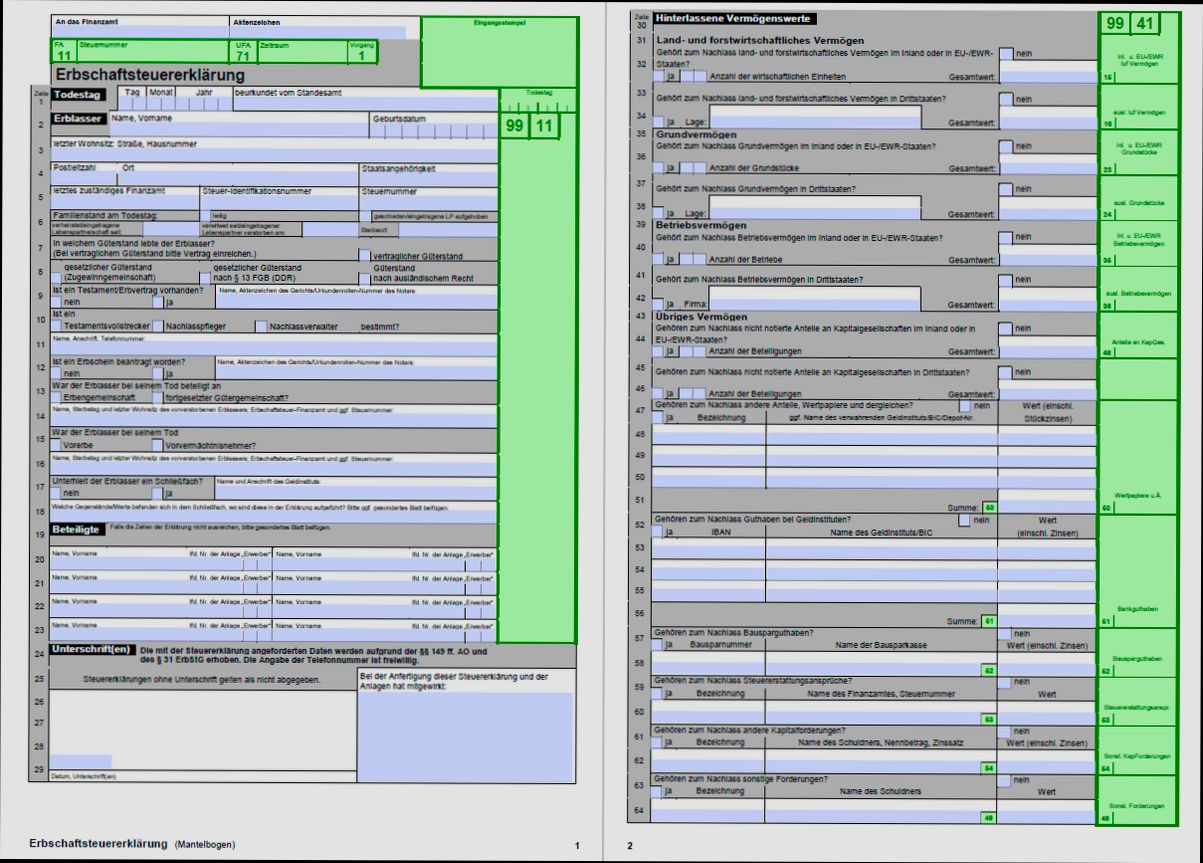
1. Inheritance Tax Liability: In Germany, the inheritance tax is based on the value of the inherited property. The tax rates vary depending on the degree of relationship to the decedent. For direct descendants (children and spouse), the exemption limit is €400,000, while siblings have a lower exemption of €20,000. This means that if the inherited property has a fair market value above these thresholds, you must pay taxes on the excess.
2. Valuation of Property: The fair market value (FMV) at the time of the property owner’s death determines the basis for inheritance tax. You should assess the property’s value accurately to adhere to tax obligations. Notably, if there are discrepancies in valuation, it can lead to legal disputes among heirs.
3. Capital Gains Tax: If you decide to sell the inherited property, any profit made may be subject to capital gains tax. The tax liability arises if the selling price exceeds the inherited property’s base value. It’s crucial to keep documentation of the property’s original value to calculate potential gain or loss accurately.
| Relationship to Decedent | Exemption Limit | Tax Rate Percentage |
|---|---|---|
| Spouse | €400,000 | 7% - 30% (progressive) |
| Children | €400,000 | 7% - 30% (progressive) |
| Siblings | €20,000 | 15% - 43% (progressive) |
| Other Relatives | €20,000 | 30% - 50% (progressive) |
Real-World Examples
- Example 1: Let’s say you inherit a family home valued at €600,000. As a direct descendant, you’re entitled to an exemption of €400,000. Therefore, the taxable inheritance amount would be €200,000, subject to the progressive tax rate ranging from 7% to 30%.
- Example 2: In another case, a sibling inherits an apartment worth €300,000. With the exemption at €20,000, the taxable amount would be €280,000, which could incur a significant tax based on rates applied to non-direct relatives.
Practical Implications for Heirs
Understanding these tax implications allows you to plan effectively for potential taxes before making decisions about the inherited property. If you’re facing a substantial tax bill, consider options like:
- Selling the property before the tax statute runs, potentially minimizing capital gains tax.
- Holding onto the property if you expect future value appreciation, balancing current tax obligations with future profits.
Additionally, keep thorough records of the property’s value and any renovations or expenses incurred as these can affect your tax obligations when selling the property later.
Actionable Advice
- Always consult with a tax professional who understands German inheritance law to navigate your specific situation effectively.
- Consider getting a professional appraisal of the property to ensure accurate valuation for tax purposes.
- Be proactive about understanding your relationship classification to assess your exemption limits correctly.
By staying informed about these tax implications, you will be better equipped to manage your inherited properties and minimize potential tax burdens.