Pros and Cons of Living in Virginia Beach VA: There’s a lot to love about this coastal gem, like the stunning 28 miles of sandy beaches and an average of 213 sunny days a year. Living here means you can enjoy beach volleyball in the summer and cozy bonfires in the cooler months. Plus, the vibrant arts scene and bustling boardwalk make every weekend feel like a mini-vacation. Local neighborhoods vary as much as the ocean currents, with areas like Hilltop offering family-friendly vibes while the oceanfront buzzes with nightlife and dining options that pack a punch.
However, it’s not all sun-soaked bliss. The cost of living can be a bit steep, especially if you’re eyeing homes close to the ocean, where prices average around $400,000. Traffic can be a real headache during peak tourist season, with the population swelling from around 450,000 to over a million. And don’t get me started on the humidity! Summers can feel sticky, pushing some folks to crank up their AC bills. So, while the lifestyle is pretty enticing, there are a few challenges lurking beneath the surface.

Cost of Living Considerations
When you’re thinking about making Virginia Beach your new home, the cost of living plays a crucial role in your decision. This vibrant coastal city has a variety of costs associated with housing, utilities, transportation, and lifestyle that can impact your budget. Let’s break down some key aspects of living expenses that you should consider.
Housing Costs
Housing represents the most significant portion of the cost of living in Virginia Beach. The median home price in the area hovers around $350,000, which is higher than the national average but comparable to other coastal cities. If you’re renting, the average monthly rent for a one-bedroom apartment is approximately $1,500, which can fluctuate depending on the neighborhood.
Utilities and Groceries
Living in Virginia Beach also entails regular monthly bills. The average utility bill for a standard apartment is about $150 per month, covering electricity, heating, cooling, water, and garbage. For those who love to eat, the cost of groceries can be a bit steep; expect to spend around 10% more than the national average when shopping for basic items.
Transportation Costs
Transportation is another critical aspect of the cost of living. With the average gas price near $3.50 per gallon, driving can add up over time. However, many locals rely on public transit systems or bike paths accessible throughout the city, providing alternative ways to save on transportation costs.
Comparative Table of Living Expenses
| Expense Type | Virginia Beach Average | National Average | Difference |
|---|---|---|---|
| Median Home Price | $350,000 | $295,300 | +18.6% |
| Average Rent (1BR) | $1,500 | $1,300 | +15.4% |
| Average Utility Bill | $150 | $145 | +3.3% |
| Average Grocery Bill | 10% higher | - | - |
| Gas Price | $3.50 per gallon | $3.25 | +7.7% |
Real-World Examples
Take Sarah, a young professional who recently moved to Virginia Beach from a smaller city. She found that her living expenses skyrocketed, especially in terms of rent. Back in her hometown, she paid around $900 for a similar apartment, highlighting the substantial difference in rental costs. Conversely, James, a local, found that his commute cost fewer gas expenses thanks to his choice to bike to work instead of driving.
Practical Implications
If you’re planning to move, it’s a good idea to budget meticulously. With the relatively high housing costs, consider looking into neighborhoods that offer more affordable options without sacrificing access to the beach.
Actionable Advice
- Research Neighborhoods: Explore various neighborhoods in Virginia Beach to find balance between costs and desired amenities.
- Monitor Utility Bills: Be proactive about energy efficiency which can help keep monthly bills down.
- Public Transportation: Consider using public transit or biking to save on gas and parking fees, allowing for more flexibility in your budget.
Being aware of these cost of living considerations will better equip you for a successful transition to life in Virginia Beach.

Quality of Life in Virginia Beach
When considering a move to Virginia Beach, the quality of life is paramount. The city’s blend of natural beauty, educational opportunities, and health facilities contributes significantly to its residents’ overall well-being. Let’s delve into what makes living in Virginia Beach an appealing option.
Educational Opportunities
Virginia Beach boasts a commendable education system. Approximately 94.7% of residents aged 25 years and older have graduated high school. Furthermore, about 40.4% hold a bachelor’s degree or higher. This level of educational attainment greatly enhances the community’s quality of life, as higher education is linked to better job opportunities and economic stability.
Health and Well-Being
Health services in Virginia Beach are robust, directly affecting residents’ quality of life. Notably, only 7.6% of individuals under 65 lack health insurance, indicating access to essential health care services. Additionally, 8.5% of the population under 65 live with a disability, demonstrating a relatively high level of overall health among the residents. This access to healthcare ensures that the populace remains healthy and active.
Housing and Living Costs
While housing costs are generally higher than the national average, the homeownership rate stands at 64.9%. The median value of owner-occupied housing units is $366,300. Although housing may represent a significant expense, it reflects the demand and desirability of living in this coastal city, often seen as a safe and vibrant community.
| Housing and Economic Indicators | Virginia Beach |
|---|---|
| Median Household Income | $90,685 |
| Per Capita Income | $47,372 |
| Percentage of Population in Poverty | 8.4% |
Community and Social Engagement
Virginia Beach is home to a diverse population, with a variety of cultures represented: 61.6% White, 18.9% Black, and 7.3% Asian, among others. This diversity fosters a rich cultural environment and facilitates community engagement through various festivals, events, and community programs, all enhancing residents’ social well-being.
Recreational and Environmental Factors
The city’s picturesque beaches, parks, and nature reserves contribute significantly to the outdoor lifestyle that many residents enjoy. Living near the Atlantic Ocean not only provides opportunities for outdoor activities but also enhances mental well-being through the calming effects of nature.
Practical Considerations
- Education: Take advantage of the educational resources available. The high percentage of residents with college degrees indicates a knowledgeable community where educational pursuits are valued.
- Health Access: Utilize the availability of healthcare services. Engage with local health programs to maintain your well-being, given the low percentage of uninsured individuals.
- Community Events: Get involved in local events and volunteer opportunities to immerse yourself in the diverse social fabric and enhance your quality of life.
By considering these specific aspects of quality of life in Virginia Beach, you can make informed decisions about moving and living in this vibrant city.

Analysis of Local Employment Opportunities
Understanding local employment opportunities is key when considering life in Virginia Beach. With a varied job market and growth potential, it’s essential to explore what the local economy has to offer.
Local Job Market Overview
Virginia Beach has a robust economy, heavily influenced by several key sectors:
- Tourism and Hospitality: This industry is a major employment source, especially during the peak summer season, accounting for approximately 30% of the local workforce.
- Military and Defense: Being close to military bases, Virginia Beach sees significant employment in defense contracting and support services.
- Healthcare: The healthcare sector has been growing, fueled by the expansion of facilities and services catering to the local population.
Employment Statistics
Here are some compelling statistics to consider:
- The unemployment rate in Virginia Beach stands at around 3.6%, which is lower than the national average of 4.3%, indicating a stable job market.
- In 2022, the area experienced a job growth rate of 2.1%, reflecting ongoing demand for workers.
- The median household income is approximately $74,000, which is competitive compared to many other regions in the state.
| Sector | Percentage of Workforce | Average Salary |
|---|---|---|
| Tourism | 30% | $32,000 |
| Military/Defense | 25% | $55,000 |
| Healthcare | 18% | $60,000 |
| Retail | 12% | $28,000 |
| Education | 10% | $54,000 |
Real-World Employment Examples
1. Tourism Jobs: Seasonal employment opportunities in hospitality increase each summer, with local hotels and restaurants often hiring additional staff. For instance, prominent resorts like the Hilton Virginia Beach Oceanfront regularly host job fairs during this peak season.
2. Military Contracts: Companies such as Northrop Grumman and General Dynamics own a substantial portion of the defense contracts in the area, consistently seeking skilled labor to fulfill their projects.
3. Healthcare Facility Growth: Organizations like Sentara Healthcare and Bon Secours are expanding their services in Virginia Beach, leading to increased recruitment efforts for healthcare professionals, including nurses and administrative staff.
Practical Insights for Job Seekers
For those looking to find a job in Virginia Beach, consider these actionable steps:
- Networking: Engage with local job fairs and industry networking events to build connections in your desired field.
- Skill Development: Take advantage of vocational training programs offered by local community colleges to enhance your qualifications.
- Stay Informed: Regularly check local job boards and company websites for opportunities as many positions are filled internally before being publicly advertised.
Quick Facts
- Virginia Beach traditionally ranks within the top 15 metropolitan areas for job growth in Virginia.
- The city sees a significant ratio of jobs to residents, approximately 1.5 jobs per resident, indicating a thriving job market.
These insights and statistics should equip you with a clearer picture of the employment landscape in Virginia Beach, making your transition smoother as you explore new opportunities.

Educational Resources and School Quality
When considering Virginia Beach as your new home, the quality of educational resources plays a pivotal role in the overall experience. Access to high-quality schools influences your family’s future and provides a foundation for your children’s learning and development.
Educational Achievement
Virginia Beach schools have a strong performance record compared to state averages. For instance, the high school graduation rate stands at around 90.3%, outpacing the national average significantly. This high rate reflects a commitment to student achievement and effective educational strategies.
School Ratings and Performance
Many schools in Virginia Beach consistently receive high ratings. According to GreatSchools, a popular school rating website, several schools boast scores above 8 out of 10. Some well-regarded institutions include:
- Kellam High School - Known for its advanced placement programs.
- Princess Anne High School - Offers a range of specialized programs including International Baccalaureate.
Resources Available
Virginia Beach provides a multitude of educational resources, creating a supportive environment for students and parents. Here are some key resources available in the area:
- Public Libraries: Virginia Beach has numerous public libraries, including the Virginia Beach Public Library, which offers tutoring programs and resources for students of all grades.
- Community Educational Programs: Various organizations, such as the Virginia Beach Education Foundation, provide grants and funding for innovative classroom projects, enhancing the learning experience.
| Resource Type | Description | Availability |
|---|---|---|
| Public Libraries | Access to tutoring and resources | Multiple locations across the city |
| Advanced Placement Programs | High-level courses available | Offered at several high schools |
| Community Learning Programs | Grants and support for teachers | Available via local organizations |
Real-World Examples
Virginia Beach’s educational landscape features many success stories. For instance, First Colonial High School has a strong emphasis on arts and sciences and leads the way in innovative educational approaches. This school integrates technology in classrooms, making lessons engaging and relevant. Many alumni have gone on to prestigious universities, highlighting the school’s role in nurturing talented individuals.
Another example is the Virginia Beach Central Library, which hosts after-school programs that serve hundreds of students. These programs focus on STEM education, providing a dedicated space for kids to explore concepts through hands-on activities.
Practical Implications
For families moving to Virginia Beach, evaluating school options should be a priority. Here are some actionable steps you can take:
- Visit Schools: Schedule visits to meet with educators and understand their programs.
- Research School Ratings: Use platforms like GreatSchools for additional information on school performance and parent feedback.
- Engage with Community Programs: Explore local educational programs that can enhance your child’s learning experience outside of traditional schooling.
Specific Facts: The city allocates more than $1.5 million each year specifically for educational initiatives aimed at improving student resources and programs in various schools. Engaging with these initiatives can significantly benefit your family and enhance educational quality.
Advantages of Proximity to the Beach
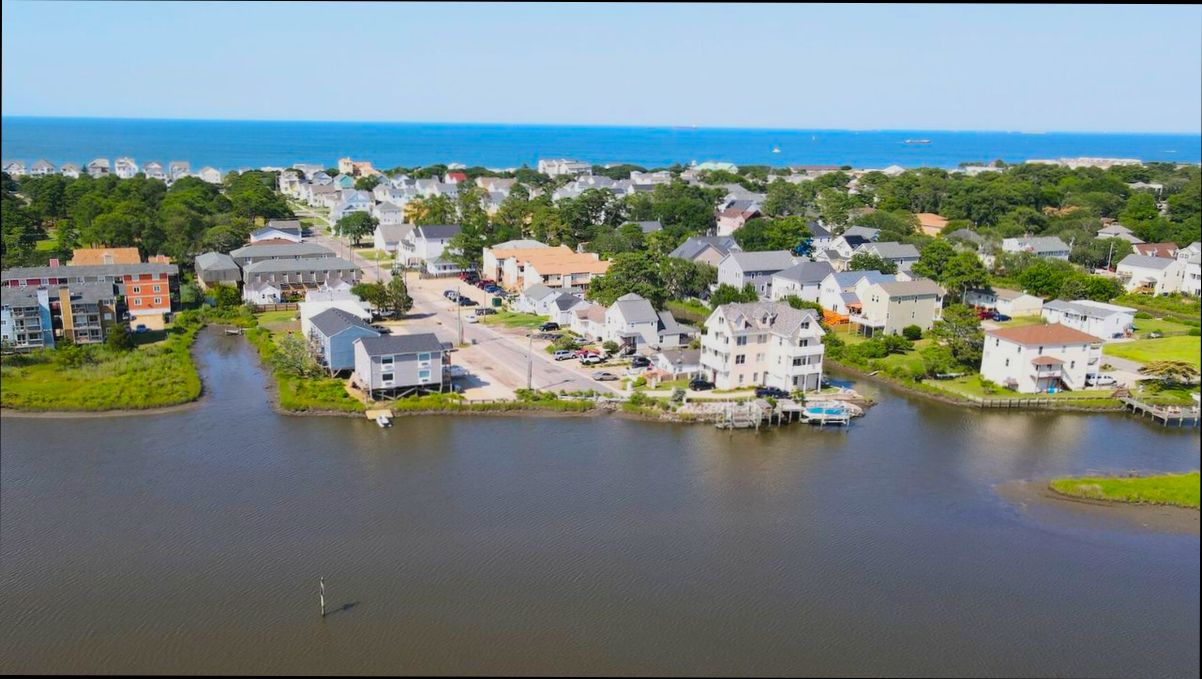
Living near the beach in Virginia Beach can be a thrilling experience. With sandy shores just a stone’s throw away, the allure of the ocean presents a unique set of advantages that enrich daily life.
Accessibility to Outdoor Activities
One major perk of being close to the beach is the abundance of outdoor activities available to you. From swimming and sunbathing to beach volleyball and surfing, the options are endless. Did you know that Virginia Beach attracts over 10 million visitors annually? Living nearby means you have easy access to all the beachside fun without the hassle of long-distance travel.
Health Benefits
Being proximate to the beach can offer significant health benefits. The sound of the waves and the salty air contribute to reduced stress levels and improved mental clarity. Research indicates that spending time by the ocean can lower cortisol levels, which improves overall well-being. With dozens of beach access points, it’s easy to incorporate these healing benefits into your daily routine.
Social Opportunities
The beach serves as a natural gathering place for social activities. Regular beach events, such as concerts and festivals, attract both locals and tourists, creating a vibrant social scene. You’re likely to find new friendships and connections through community events hosted along the coastline, contributing to a warmer, more welcoming community atmosphere.
| Activity | Frequency Near the Beach | Health Benefits |
|---|---|---|
| Beach Clean-ups | Monthly | Environmental Awareness |
| Surf Lessons | Year-round | Physical Fitness |
| Sunrise Yoga | Daily | Mental Well-being |
| Concerts and Events | Weekly | Social Engagement |
Real-World Examples
Consider local resident Jenna, who spends her weekends organizing beach clean-up events. Not only does she enjoy the stunning ocean views, but she also benefits from the mental tranquility that being near the water brings. Similarly, the annual Boardwalk Art Show attracts artists and spectators alike, fostering community engagement while celebrating local talent.
Practical Implications for You
If you’re someone who values outdoor living and community interaction, living near the beach can significantly enhance your lifestyle. Finding a home that offers beachfront access or is within walking distance to the sand can be a game-changer. Moreover, take advantage of community programs that promote physical activities, such as yoga classes on the beach, to fully immerse yourself in the vibrant coastal lifestyle.
Actionable Facts
- If you’re planning your daily routine, consider scheduling morning walks or yoga sessions by the beach to reap both physical and mental health benefits.
- Explore local groups or clubs that focus on beach activities—whether it’s surfing, paddleboarding, or beach clean-ups—to build connections with like-minded individuals.
- Keep an eye on local event calendars for upcoming festivals and social gatherings—a great way to meet new people and enjoy what the beach has to offer.
Embracing beach life is not just about the picturesque views; it’s also an investment in your overall lifestyle and well-being.

Impact of Tourism on Community Life
Tourism significantly shapes community life in Virginia Beach, affecting various aspects from local culture to economic stability. While it brings numerous benefits, it also introduces challenges. Understanding these effects can help you navigate daily life in this bustling coastal city.
Positive Impacts of Tourism
- Economic Growth: As a vibrant tourist destination, Virginia Beach draws in approximately 30 million visitors each year. This influx stimulates local businesses and creates jobs, sharply increasing revenue for restaurants, shops, and attractions.
- Cultural Exchange: The interaction between residents and tourists often fosters a rich cultural exchange. Local artists and musicians gain exposure through festivals and events, cultivating creative opportunities and appreciation for local talent.
- Community Events: Tourism funds several local events, such as the Virginia Beach Neptune Festival and Boardwalk Art Show. These celebrations not only showcase local culture but also strengthen community ties.
Negative Impacts of Tourism
- Overcrowding: With peak seasons witnessing a surge of visitors, residents may feel overrun, especially in popular areas. This can lead to a diminished quality of life as locals compete for space and resources.
- Impact on Local Infrastructure: The rapid increase in population during tourist seasons often strains infrastructure, resulting in more wear and tear on public amenities. This can affect the general upkeep of local parks, beaches, and roads.
- Noise and Disruption: Local neighborhoods can experience increased noise levels and disturbances. As tourists seek nightlife and entertainment, residents might find their quiet evenings disrupted, compromising their comfort.
| Impact | Positive Effects | Negative Effects |
|---|---|---|
| Economic | Jobs creation (30% of workforce in tourism) | Inflation in costs due to demand spikes |
| Community Engagement | Enhanced local culture through events and festivals | Strain on infrastructure and resources |
| Lifestyle | Opportunities for cultural exchange and art representation | Noise pollution and disruption from crowded areas |
| Resident Experience | Local businesses prospering due to visitor spending | Feelings of marginalization and cultural dilution |
Real-World Examples
Local businesses like “Waterman’s Surfside Grille” thrive during the summer months, boasting a significant percentage of their annual sales during the tourist season. Meanwhile, “Virginia Aquarium & Marine Science Center” reports increased attendance during the peak season, leading to better funding for conservation programs benefiting the local community. However, residents of neighborhoods near the boardwalk often voice concerns over noise levels from beachfront parties that disrupt nightly peace.
Practical Implications for Residents
Being aware of tourism’s seasonal patterns can help you prepare for crowded areas. For instance, consider scheduling beach visits during off-peak hours to avoid large crowds. Additionally, engaging in community discussions can allow your voice to be heard regarding local governance on tourism management.
- Stay Engaged: Participate in local community groups to share insights and stay informed about tourism’s impact on everyday life.
- Support Local: Prioritize shopping and dining at locally owned establishments to ensure that tourist dollars benefit residents and contribute to the local economy.
Understanding how tourism affects community life in Virginia Beach equips you with insights to enhance your living experience, ensuring you can enjoy both the benefits and the unique challenges it brings.

Demographic Trends and Population Statistics
Understanding the demographic trends and population statistics of Virginia Beach can provide valuable insights for anyone considering making this city their home. From age distribution to racial composition, these statistics help paint a comprehensive picture of who resides in this vibrant coastal city.
Key Population Statistics
- As of the last census in April 2020, Virginia Beach has a population of 459,470.
- The population estimate as of July 1, 2023, slightly decreased to around 453,649, reflecting a 1.3% decline since the last census.
- The percentage of residents under 18 years old is 22.1%, which indicates a healthy representation of younger families.
- Notably, those aged 65 and over make up 15.4% of the population, highlighting a significant senior demographic.
Racial and Ethnic Composition
Demographics in Virginia Beach showcase a diverse racial background:
| Racial/Ethnic Group | Percentage (%) |
|---|---|
| White alone | 61.6 |
| Black alone | 18.9 |
| Asian alone | 7.3 |
| Hispanic or Latino | 8.9 |
| Two or More Races | 9.4 |
- The White alone population constitutes 61.6%, while the Black alone demographic is recorded at 18.9%.
- The Hispanic or Latino population stands at 8.9%, contributing to the cultural diversity of the city.
Housing and Living Arrangements
Population statistics also give insights into living arrangements:
- Virginia Beach has approximately 179,800 households, with an average of 2.50 persons per household.
- The homeownership rate is quite robust at 64.9%, suggesting a stable community structure where many residents invest in property.
- The median value of owner-occupied housing units is $366,300, indicating the cost of purchasing a home in this area.
Educational Attainment
Education statistics further enhance the understanding of the demographic landscape:
- A staggering 94.7% of residents aged 25 years and older are high school graduates, reflecting a well-educated population.
- Furthermore, 40.4% hold a bachelor’s degree or higher, which underscores the city’s emphasis on educational achievement.
Practical Implications
For individuals and families considering moving to Virginia Beach, understanding these demographics can inform decisions about community engagement, schools, and employment:
- New residents can expect a young and diverse population, making it an inviting environment for families and individuals alike.
- The strong percentage of educated residents suggests a vibrant job market and community involvement opportunities.
Actionable Insights
- When evaluating where to live in Virginia Beach, consider not only proximity to work and schools but also community demographics which can impact social opportunities and lifestyle.
- Families focusing on education may find particular neighborhoods appealing, especially those with higher concentrations of educated residents and resources.
By analyzing these demographic trends and population statistics, you can make a more informed decision about living in Virginia Beach, aligning your lifestyle with the community dynamics.