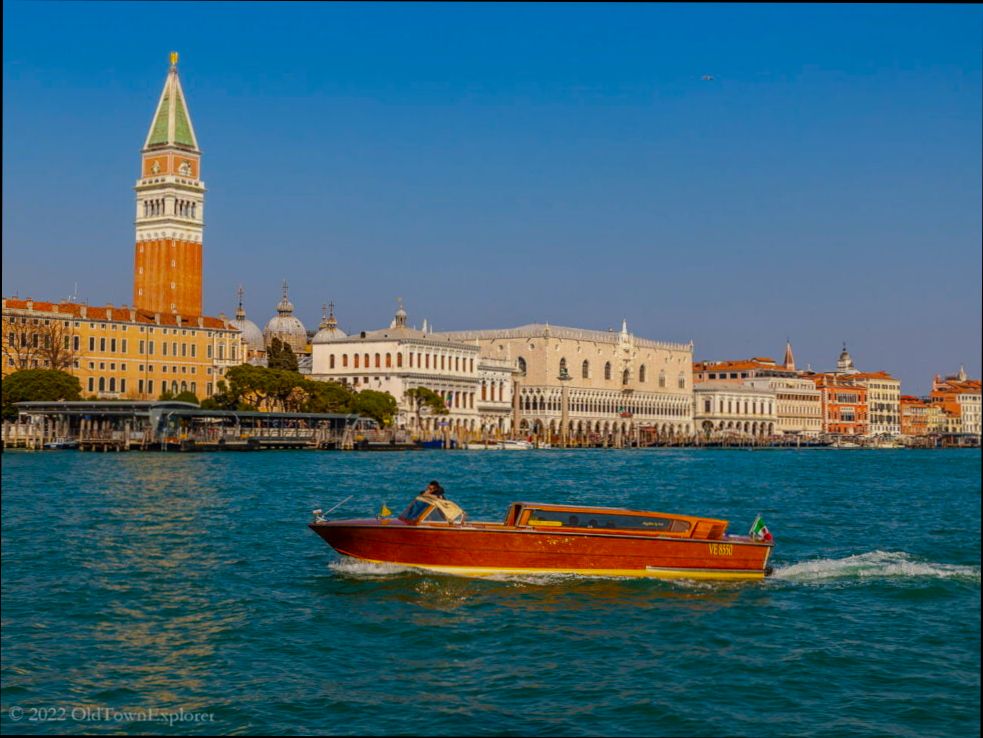
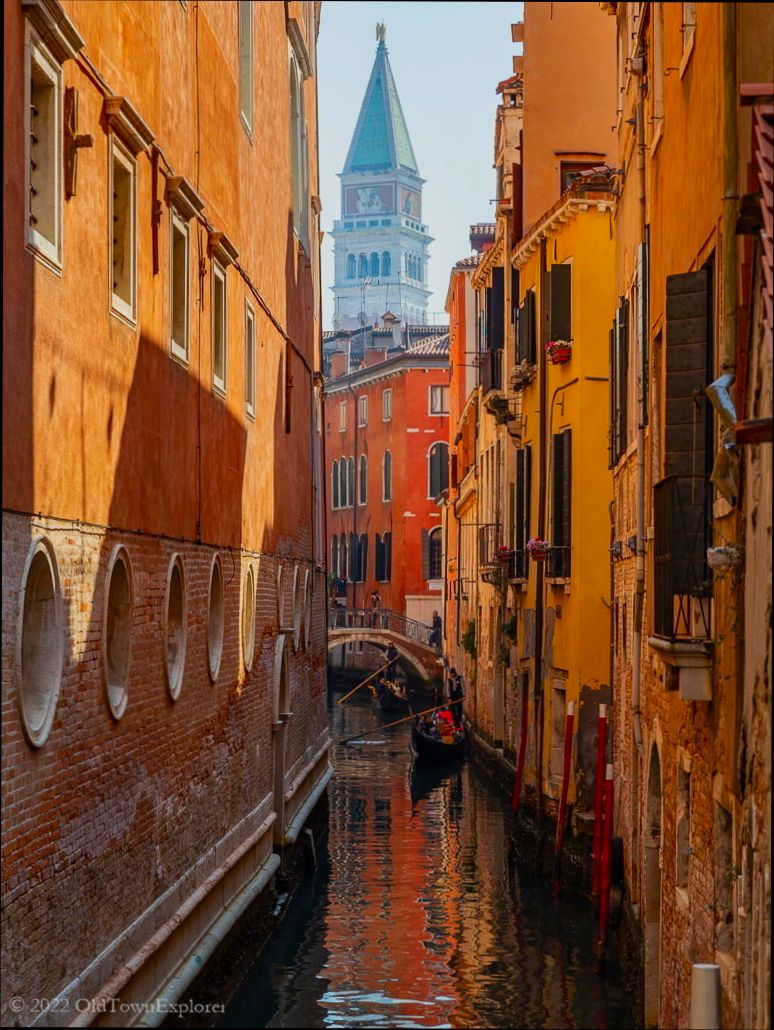
Pros and Cons of Living in Venice can really make you rethink what daily life looks like in this iconic city. On one hand, who wouldn’t love waking up to a view of the Grand Canal? Imagine sipping your espresso while watching gondolas glide past. Venice is a UNESCO World Heritage site, famous for its stunning architecture and rich history. You can explore 1,500 years of culture while strolling through winding alleys and crossing picturesque bridges. Plus, did you know that with only around 260,000 residents, Venice is perfectly sized for exploring on foot? It definitely has a cozy, intimate vibe that many larger cities lack.
But let’s not ignore the flip side. The magic of Venice comes with some real challenges. The cost of living is sky-high—housing prices have jumped by 40% in the last decade, making even a small apartment feel like a luxury. Then there’s the infamous acqua alta, where parts of the city can become flooded, especially during high tides. If you’re not a fan of lugging around waterproof boots, that can be a bit of a downer. And let’s face it, tourist crowds can be overwhelming, especially in peak season; it’s not uncommon to feel like you’re navigating a sea of selfie sticks. Living here is a blend of beauty and occasional frustration, and it’s essential to weigh both sides.
Cultural Richness and Historical Significance
Living in Venice immerses you in a cultural tapestry that weaves together art, history, and vibrant traditions. This city is a living museum, narrating stories through its architecture and cultural practices. Let’s explore how Venice stands out in terms of cultural richness and historical significance.
Cultural Vibrancy
Venice boasts over 1,500 years of history, making it one of the most storied cities in the world. This deep history influences its cultural landscape today. Here are a few key points that showcase its richness:
- Museums and Galleries: With around 30 major museums, including the renowned Peggy Guggenheim Collection and the Museo Correr, there’s something for every kind of art lover. Did you know that approximately 20 million tourists visit these cultural institutions every year?
- Festivals: The Venetian Carnival, dating back to the 12th century, showcases elaborate masks and costumes, attracting over 3 million visitors annually. This festival not only promotes regional crafts but also nurtures a unique sense of community.
Historical Significance
When you think about Venice, consider the immense historical weight it carries. Here are some intriguing facts:
- Architectural Heritage: Venice is home to over 1,000 distinct buildings dating back to the Middle Ages, reflecting Byzantine, Gothic, and Renaissance architectural styles. UNESCO recognizes this unique cultural landscape, leading to a preservation of around 80% of its historical sites.
- Cultural Institutions: The city houses the prestigious La Fenice Theatre, which has been pivotal in the development of opera since its opening in 1792. It produces over 200 performances each season, boasting an impressively high occupancy rate of 85%.
| Aspect | Venice | Comparison City |
|---|---|---|
| Number of Museums | 30 | 17 |
| Annual Carnival Visitors | 3 million | 1 million |
| % of Historical Buildings Preserved | 80% | 55% |
| Occupancy Rate of La Fenice | 85% | 70% |
Real-World Examples
- Artistic Influence: The Venetian artist Tintoretto, a major contributor to the Renaissance, produced iconic works like “The Last Supper,” which resides in the Church of San Giorgio Maggiore. Residents often engage in discussions about these artworks, enhancing their appreciation of local history.
- Traditional Crafts: Venice is famous for its Murano glass. Craftsmanship here has persisted for centuries, with artisan workshops still in operation. Living in this environment means you can observe and sometimes participate in the mastery behind glass-blowing techniques.
Practical Implications for Residents
As a resident of Venice, you can actively engage with its cultural richness. Attend local festivals or visit neighborhood museums to truly internalize the city’s history. Exploring lesser-known exhibitions can also deepen your understanding of Venice’s artistic legacy.
- Taking Classes: Sign up for workshops in traditional Venetian crafts such as glassblowing or mask-making, offering you practical skills and a deeper appreciation of your new home.
- Local Tours: Participate in guided tours focusing on historical landmarks; many offer insights not available in mainstream tourist brochures, connecting you to Venice’s legacy in a personal way.
Lastly, it’s worthwhile to remember that living in a city so steeped in history means every corner has a story to tell. With every stroll you take, you engage with a cultural richness that few cities can match.
Cost of Living and Housing Trends
When it comes to living in Venice, the cost of living and housing trends play a pivotal role. Understanding these elements can help you make a more informed decision about relocating to this picturesque city. Let’s dive into what you can expect in terms of expenses and housing options.
Rising Housing Costs
Housing costs in Venice are notably high, primarily due to the limited availability of space and the influx of tourists. Here are some key statistics:
- The average cost per square meter for real estate in Venice can reach approximately €3,800, which is significantly higher than other Italian cities.
- Rent for a one-bedroom apartment in the city center can range from €1,200 to €1,800 per month, while outside the city center, it may drop to €800 to €1,300.
Cost of Living Overview
The overall cost of living in Venice is about 20% higher than the national average in Italy. Here’s a more detailed breakdown:
| Expense Category | Estimated Monthly Cost |
|---|---|
| Groceries (2 adults) | €600 - €800 |
| Utilities (High Usage) | €150 - €250 |
| Public Transport Monthly | €55 |
| Dining Out (per meal) | €15 - €25 |
Housing Trends and Types
The types of housing available in Venice vary significantly:
- Historic Apartments: Many residents opt for refurbished historic apartments, often priced at a premium due to their architectural significance.
- Modern Constructions: There are newer developments but typically at a higher price point, reflecting the demand for modern amenities.
Real-World Examples
1. Case Study - San Marco District: A young couple in their late 20s moved to Venice hoping to experience the local culture. They found a one-bedroom apartment for €1,600 a month in the San Marco district, known for its iconic views and vibrant life. They budgeted around €2,500 a month, covering rent, groceries, and other essentials.
2. Case Study - Cannaregio Neighborhood: An expatriate family discovered that they could rent a three-bedroom apartment in Cannaregio for about €2,000. Despite the lower rental price compared to San Marco, they found that grocery costs still remained significantly high, often around €750 monthly for a family of four.
Practical Implications
- Budgeting: If you’re considering a move, ensure you’re prepared for not just high rent but also higher grocery and utility costs. A comprehensive budget that accounts for these expenses will serve you well.
- Location Matters: Researching neighborhoods is crucial; areas like San Marco may be pricier but offer more amenities, while neighborhoods further out like Cannaregio could provide better value for families.
- Negotiation Skills: Consider being flexible with your requirements, as landlords in Venice may be open to negotiating rental prices, especially during off-peak seasons.
Understanding the unique aspects of living costs and housing trends in Venice can help you navigate the financial landscape more effectively as you consider your move.
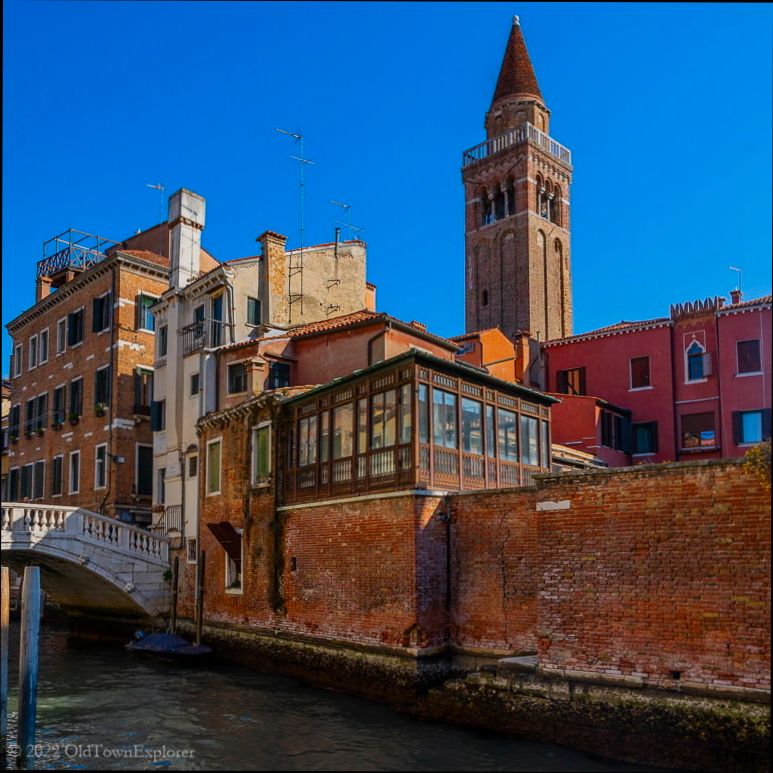
Navigating Transportation Challenges in Venice
Living in Venice comes with unique transportation challenges that anyone considering a move should understand. The city’s historic layout, combined with its reliance on water and foot traffic, creates a distinct set of mobility issues that can be both charming and frustrating.
Key Points on Transportation Challenges
- Limited Infrastructure: With only four bridges crossing the Grand Canal, navigating the city can be cumbersome, especially during peak tourist seasons. This restriction often leads to bottlenecks that impede both residents and visitors.
- Reliance on Water Transportation: The public water bus system, or Vaporetto, serves as the primary means of transport for many. Although effective, service disruptions can occur due to high demand, particularly during tourist influx periods. Interestingly, tourists represent a significant portion of the water transportation usage, adding strain to an already limited system.
- Walking as a Way of Life: A large segment of the local population opts to walk to their destinations. This mode of transport is often preferred for its accessibility, but navigating the narrow streets and occasional flood conditions can pose challenges. In fact, approximately 75% of locals utilize walking as their primary transportation method.
Comparative Table of Transportation in Venice
| Mode of Transport | Advantages | Disadvantages |
|---|---|---|
| Water Bus (Vaporetto) | Scenic views, multi-island access | Crowded, limited routes, schedule delays |
| Walking | Healthy, no fare costs | Can be exhausting, challenging pathways |
| Private Gondola | Unique experience, personalized journeys | Expensive, not practical for daily commute |
| Bicycles | Eco-friendly, faster than walking | Limited routes, often not permitted |
Real-World Examples
A recent initiative in September 2023 saw Venice implementing a €5 entrance fee for day-trippers. This decision aims to curb overtourism and improve the overall quality of life for residents, as they often feel the brunt of traffic congestion. Moreover, the anticipated outcome of this experimental policy seeks to balance tourist access with local needs, though its long-term effectiveness is still under evaluation.
During the peak months, I’ve witnessed firsthand how tourists crowd the Vaporetto stations, often leading to long wait times. Conversely, exploring smaller alleyways on foot during quieter hours reveals a different, slower-paced Venice. This duality underscores the need for residents to plan their movements strategically around tourism cycles.
Practical Implications
If you plan to live in Venice, consider learning the Vaporetto schedule and routes ahead of time to minimize wait times. Here are some tips to enhance your navigation experience:
- Travel Off-Peak: If possible, schedule your outings during off-peak hours to avoid large crowds at water bus stops.
- Adapt Your Routes: Familiarize yourself with the city’s layout to take alternate routes that may be less traveled.
- Stay Informed: Keep an eye on local news or transit apps for real-time updates regarding interruptions in service, especially during high tourist seasons.
Understanding these transportation challenges is essential for navigating daily life in Venice effectively. Whether it’s choosing the right mode of transport or opting for walking, being aware of the local dynamics can lead to a smoother experience.
The Allure of Venetian Lifestyle Benefits
Living in Venice is about much more than its breathtaking canals and historical architecture; it’s a lifestyle enriched by distinct benefits that appeal to many. The unique blend of tradition, culinary delights, and community engagement offers a lifestyle experience like no other.
Vibrant Culinary Scene
One of the undeniable charms of living in Venice is its diverse culinary landscape. The city is renowned for its local cuisine, which prioritizes fresh, seasonal ingredients. Here are some key highlights:
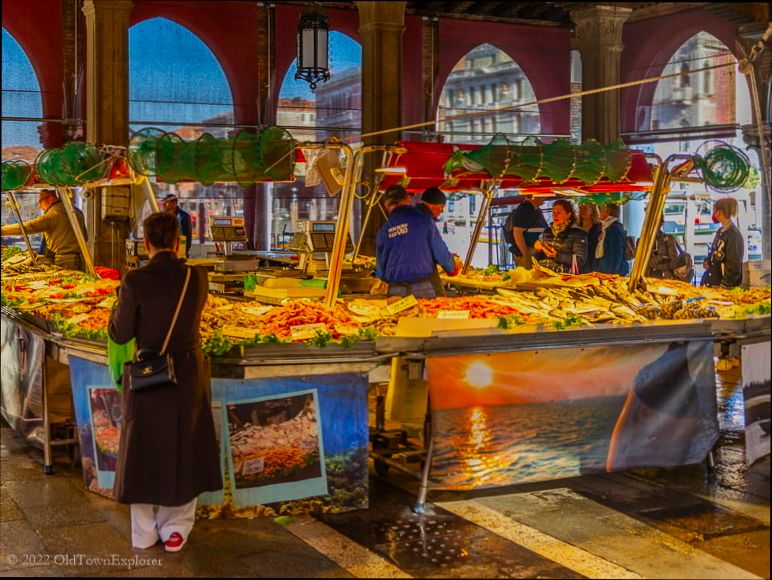
- Local Markets: The Mercati di Rialto features fresh seafood, regional vegetables, and artisanal products, making it easy to embrace a farm-to-table lifestyle.
- Culinary Festivals: Events such as the Festa del Riso celebrate local dishes, allowing residents to revel in the flavors of Venice.
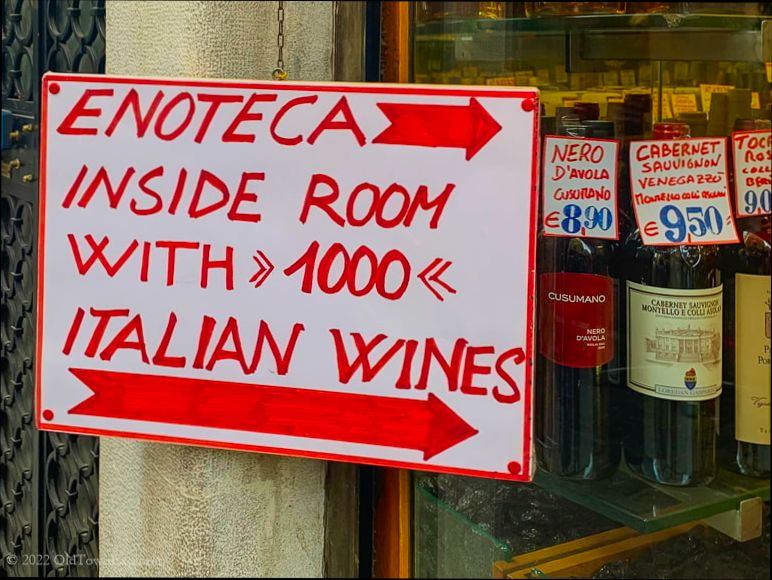
- Wine Culture: Venice is a gateway to the Veneto wine region, with around 20% of the prefecture’s production dedicated to high-quality wines like Prosecco.
Community and Cultural Engagement
Venice thrives on community involvement, fostering a sense of belonging among residents. Participation in local events fuels social connections and civic pride.
- Local Associations: Many neighborhoods have their own associations that organize events, markets, and gatherings to strengthen community ties.
- Volunteering: Opportunities abound for engaging with local heritage and environmental preservation, making it easy to contribute positively to society.
Lifestyle Activities and Leisure Time
Embracing the Venetian way of life can bring a variety of leisure options to your daily routine.
- Art and Literature: With about 15 annual literary and art festivals, residents have direct access to stimulating cultural experiences.
- Outdoor Activities: The city’s canals provide a plethora of water sports, from kayaking to stand-up paddleboarding—ideal for maintaining an active lifestyle.
| Lifestyle Benefit | Description | Impact on Residents |
|---|---|---|
| Culinary Offerings | Access to fresh, local ingredients and dishes | Enriched daily meals |
| Community Connection | Strong network via local associations | Increased social ties |
| Cultural Events | Frequent art and literature festivals | Engagement with arts |
| Outdoor Recreation | Opportunities for water activities | Active and healthy living |
Real-World Examples
- Local Gastronomy: Residents often rave about the annual “Venetian Food Week,” where local restaurants compete to showcase traditional recipes, keeping culinary traditions alive.
- Neighborhood Initiatives: In the Dorsoduro district, a local association successfully organized “Open Gardens,” allowing residents to explore private gardens while learning about horticulture and sustainability.
Practical Implications for Residents
Living in Venice invites you to dive deep into a lifestyle rich with opportunities for connection and enjoyment. Here are some actionable insights:
- Explore Local Markets Weekly: Consider making a weekly trip to the Rialto Market to discover seasonal produce and interact with local vendors.
- Join a Community Group: Engage with local associations to build friendships and play a role in community activities.
- Participate in Cultural Events: Make it a habit to attend local festivals, enriching your life with art, music, and storytelling.
Specific Facts to Enhance Your Venetian Experience
- Did you know Venice hosts around 150 events each year that focus on music and the arts? Taking part can greatly enhance your cultural experience.
- Regularly engaging in community events can improve your sense of well-being; studies suggest that active participation in local culture boosts happiness by up to 30%.
By embracing the allure of the Venetian lifestyle benefits, you set the stage for a vibrant and fulfilling living experience that goes beyond mere geography.
Impact of Tourism on Daily Life
Living in Venice offers a unique lifestyle shaped significantly by tourism, which can have both positive and negative effects on the daily routines of locals. With millions of visitors flocking to the city each year, the daily experiences of residents adapt to this bustling influx, creating a multifaceted relationship between travel and local life.
The Daily Disruptions of Tourism
Tourism impacts daily life in Venice in several tangible ways:
- Crowded Public Spaces: With more than 20 million tourists visiting annually, iconic sites like St. Mark’s Square can become incredibly congested, especially during peak seasons. This crowding is a nuisance for residents looking to enjoy their city freely.
- Service Industry Strain: The local economy thrives on tourism, yet it can also stretch resources thin. For example, many restaurants and shops cater primarily to tourists, negatively affecting service quality and prices for locals who frequent these establishments.
- Noise and Pollution: The influx of tourists contributes to increased noise levels and pollution. Research suggests that noise pollution levels can rise by up to 30% during peak tourist months, impacting the tranquil atmosphere that many residents cherish.
Comparative Data on Daily Life Experiences
| Aspect | Impact with Tourism | Impact without Tourism |
|---|---|---|
| Noise Levels | +30% during peak | Regular ambient levels |
| Price Inflation in Shops | Up to +20% | Stable pricing |
| Access to Public Spaces | Crowded & limited | Open & accessible |
Real-World Examples of Daily Life
Consider a local cafe in the heart of Venice. It may serve both locals and tourists, but during high season, menu prices could surge by about 20%, making it prohibitively expensive for regular patrons. Furthermore, this cafe might fill to capacity, leaving locals little choice but to seek out less desirable alternatives.
Moreover, local parks that once offered a peaceful retreat for residents now serve as crowded meeting points for tourists, diminishing their quality of life. This phenomenon is particularly exemplified in quieter areas like the Giardini della Biennale, where serene walks are overshadowed by large groups of visitors.
Practical Implications for Residents
For those living in Venice, awareness of these impacts can help in navigating daily life:
- Timing Visits: Plan outings to popular areas during off-peak hours—early mornings or later evenings can greatly enhance the experience away from the tourist rush.
- Prioritize Locally Owned Businesses: Seek out local cafes and shops rather than tourist traps. Supporting local businesses fosters community resilience and provides a more authentic experience.
- Community Engagement: Join local forums or groups that advocate for sustainable tourism practices, ensuring that residents’ voices are heard in discussions about managing tourist impacts.
Actions for Residents to Minimize Disruption
- Engage in Local Governance: Attend community meetings to voice concerns about overcrowding or resource allocation.
- Utilize Less Popular Areas: Discover hidden gems in Venice—areas less frequented by tourists can offer a refreshing escape from crowded hotspots.
- Advocate for Local Policies: Work with local leaders to address issues like noise and congestion, pushing for improvements in urban planning and community safety.
By understanding and tackling the everyday effects of tourism, residents can reclaim their city’s essence, ensuring that their daily life remains enjoyable despite the influx of visitors.

Environmental Sustainability Issues in Venice
Living in Venice means being at the intersection of beauty and environmental challenges. While the city’s splendor is undeniable, its sustainability is under serious threat from various factors that you should consider. Let’s delve into some significant environmental sustainability issues that Venice faces today.
Key Environmental Challenges
Venice is grappling with several pressing sustainability issues:
- Rising Sea Levels: The city experiences frequent flooding, known as aqua alta, exacerbated by climate change. The annual costs related to damages from flooding could reach €1 billion by 2050.
- Tourism Impact: The influx of approximately 20 million tourists annually puts immense pressure on local ecosystems, contributing to pollution and waste management problems.
- Water Pollution: Despite being known for its canals, Venice struggles with water quality issues. Over 70% of the lagoon’s waters show high levels of pollution, which threatens marine life.
- Waste Management: The city generates an estimated 250 tons of waste daily, and only about 40% of this waste undergoes recycling. Increasing tourism escalates this problem, creating a pressing need for sustainable waste solutions.
Comparative Environmental Impact Table
| Issue | Current Status | Future Projections |
|---|---|---|
| Sea Level Rise | Flooding incidents increase yearly | Costs could hit €1 billion by 2050 |
| Tourist Footprint | 20 million visitors annually | Rising due to airport expansion plans |
| Water Quality | 70% pollution level in lagoon | Threatens aquatic life |
| Waste Management | 250 tons waste daily, 40% recycled | Increased challenges due to higher tourist numbers |
Real-World Examples
An alarming instance of Venice’s environmental crisis occurred recently when a section of the Grand Canal turned fluorescent green. While local authorities attributed the color change to fluorescein, an ecologically harmless testing substance, it raised significant awareness regarding water management practices. This is reminiscent of the 1968 Biennale event where artist Nicolás García Uriburu dyed the Grand Canal in protest for ecological awareness, yet the same issue persists decades later, highlighting ongoing environmental vulnerabilities.
Moreover, Venice’s inclusion in the C40 Cities initiative reflects an ongoing effort to address climate risks through comprehensive urban and green planning. The city’s vulnerability is alarming, with reports underscoring the drastic need for immediate and coordinated environmental action.
Practical Implications for Residents and Visitors
For those living in and visiting Venice, understanding these environmental issues can help foster responsibility:
- Support Local Initiatives: Engage with local organizations focused on sustainable tourism and environmental conservation.
- Be Mindful of Waste: Make a conscious effort to reduce waste, recycle whenever possible, and participate in local cleanup activities.
- Choose Eco-Friendly Transportation: Opt for walking or using public transport rather than private boats to minimize emissions.
Actionable Insights
- Stay informed about city efforts to combat flooding, including new drainage projects or eco-friendly infrastructure development.
- Participate in local discussions or forums about sustainability practices and policies that affect the Venice lagoon and its ecosystem.
- Consider supporting businesses that prioritize sustainability, whether through eco-friendly practices or contributions to conservation efforts.
Awareness of these environmental sustainability issues is vital for anyone considering a life in Venice, as they directly impact the beauty and cultural heritage we all cherish.
Comparative Analysis of Local Economy and Employment
Understanding the local economy and job market in Venice is crucial for anyone considering a move to this enchanting city. Let’s dive into some specific elements that characterize Venice’s economic landscape and its employment opportunities to help clarify what living in Venice might entail.
Economic Landscape Overview
The Venetian economy is primarily driven by tourism, but it’s also supported by other significant sectors. Here are some critical points:
- Tourism Contribution: Tourism accounts for approximately 40% of Venice’s economy, highlighting its overwhelming influence on job availability and local businesses.
- Employment Concentration: About 70% of the workforce is engaged in tourism-related jobs, indicating a high dependency on seasonal employment patterns.
- Local Enterprises: Businesses that cater to local needs, like artisanal shops and restaurants, also contribute but often find it challenging to thrive due to the tourist influx.
Employment Rates
Employment rates fluctuate in Venice due to its reliance on seasonal tourism. Understanding these shifts can be pivotal for job seekers.
- Venice showcases an average unemployment rate of around 9%, which is notably lower than the national average of Italy, but the nature of these jobs can lead to job instability during off-peak seasons.
Comparative Employment Data
| Employment Type | Percentage of Workforce | Average Salary (€) | Job Stability (Seasonal) |
|---|---|---|---|
| Tourism Sector | 70% | 1,250 | High |
| Local Artisanal | 15% | 1,500 | Moderate |
| Retail | 10% | 1,200 | Moderate |
| Other Sectors | 5% | 1,800 | Variable |
Real-World Examples
One notable case is the rise of the Venetian artisan workshops, where skilled craftsmen make traditional goods. These businesses often face challenges during tourist off-seasons but can flourish during the bustling summer months. For instance, Murano glassmakers have adapted by offering workshops to tourists, boosting year-round income.
Similarly, there’s an increasing trend of remote work among locals who are shifting towards technology-driven jobs, offering them more flexibility. This change contributes positively to the local economy by retaining residents who can afford to work outside traditional sectors.
Practical Implications for Job Seekers
If you’re contemplating a move to Venice for work, consider:
- Exploring sectors that are not entirely dependent on tourism, such as local crafts or technology.
- Being adaptable to seasonal changes in employment, as many job opportunities will fluctuate based on the tourist calendar.
- Networking within local industries, as many jobs are filled through connections rather than formal job postings.
Actionable Insights
- If you’re in the market for a job, consider offering services or products that appeal to both tourists and locals, creating a more sustainable business model.
- Research local job fairs or events focused on artisan goods to connect with potential employers and gauge market demand.
- Look into opportunities that allow remote work or flexible hours to mitigate the effects of seasonal job fluctuations.
Understanding these dynamics will help you navigate the employment landscape effectively and make informed decisions about living in Venice.