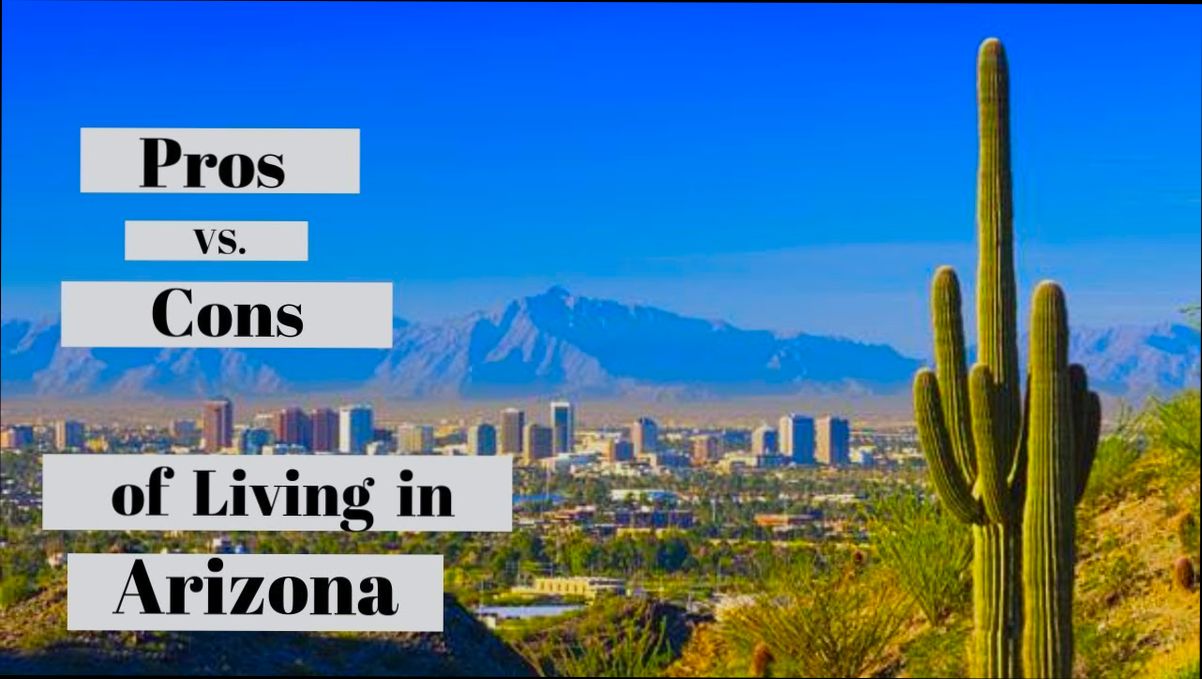
Pros and Cons of Living in Phoenix AZ can spark some pretty lively conversations! On one hand, you’ve got that incredible desert sunshine hitting a whopping 300 sunny days a year. That’s right—perfect for outdoor enthusiasts who can hike iconic spots like Camelback Mountain or explore the stunning landscapes of the Sonoran Desert. Plus, the cost of living is refreshingly low compared to other big cities; you’ll find yourself saving on housing, with median home prices around $400,000—much less than in places like Los Angeles or San Francisco.
But life in Phoenix isn’t all sunshine and cacti. The summer heat can be relentless, with temperatures soaring above 100°F for weeks on end, making it tough for anyone unaccustomed to that kind of heat. And let’s talk about traffic chaos; the population boom means commute times could stretch into an hour or more during peak hours. On top of that, the city can feel a bit spread out, which might not suit everyone’s vibe if you prefer the walkable charm of smaller towns. It’s a mixed bag, and each of these factors shape the daily life of a Phoenix local.

Climate and Weather Variances
When considering a move to Phoenix, AZ, the climate and weather variances play a critical role in everyday life. With its desert backdrop, you’ll experience some unique weather patterns that can be both an asset and a challenge. Let’s explore the distinctive aspects of Phoenix’s climate together.
Key Climate Characteristics
- Temperature Extremes: During the summer months, temperatures often soar above 100°F, and records indicate that Phoenix experiences an average of 110 days per year with temperatures hitting 100°F or higher. This kind of heat requires careful planning for outdoor activities and errands.
- Rainfall Variability: Phoenix experiences a bi-seasonal rainfall pattern, with an annual average of about 8 inches. Surprisingly, about 70% of this precipitation occurs during the monsoon season from June through September, leading to sudden storms and localized flooding.
- Humidity Levels: Although the heat can be intense, relative humidity in Phoenix averages around 30-40%. However, it can spike during the monsoon months, making the heat feel more oppressive at times.
- Winter Climate: Winters in Phoenix are mild, with average high temperatures ranging from 60°F to 70°F, and nights can cool down to the low 40s. This milder weather might appeal to those who want to escape harsh winter conditions elsewhere.
Comparative Climate Data Table
| Climate Factor | Phoenix, AZ | National Average |
|---|---|---|
| Annual Rainfall | 8 inches | 30 inches |
| Average Summer High | 105°F | 85°F |
| Average Winter High | 65°F | 40°F |
| Days Above 100°F | 110 days/year | 21 days/year |
| Humidity (average) | 30-40% | 50-60% |
Real-World Examples
In July 2021, Phoenix faced a significant heatwave, with temperatures reaching a scorching 117°F. Local residents reported taking extra precautions, such as limiting outdoor exercise to early morning or late evening. This incident exemplified the importance of adapting to extreme heat for safety.
During the monsoon season in August 2020, a sudden storm dropped over 2 inches of rain in just one hour, leading to flash floods in some neighborhoods. Many residents had to learn the hard way about the importance of being prepared for rapid weather changes during this time.
Practical Implications
For those living in Phoenix, understanding these climatic variances is essential:
- Stay Hydrated: Always carry water, especially during heatwaves, to avoid dehydration—a common issue in the hot summer months.
- Weather Preparedness: Since monsoon storms can strike suddenly, keep an emergency kit and stay informed about weather forecasts.
- Home Cooling: Invest in energy-efficient HVAC systems to combat excessive heat and maintain comfortable indoor temperatures.
Actionable Advice
As you think about living in Phoenix, consider scheduling outdoor activities during cooler parts of the day. This can help you enjoy the beauty of the area without succumbing to the harsh summer sun. Additionally, be sure to familiarize yourself with local weather apps that provide real-time updates, especially during the unpredictable monsoon season. Staying informed is key to thriving in Phoenix’s unique climate environment.

Cost of Living Considerations
When you’re thinking about moving to Phoenix, AZ, the cost of living is a vital factor to weigh. From housing to utilities, understanding these financial aspects will help you plan your budget effectively.
Housing Costs
Housing costs in Phoenix can vary widely depending on the neighborhood. On average, the median home price is approximately $400,000, which shows an increase of around 20% over the last few years. If you’re considering renting, the average monthly rent for a two-bedroom apartment is about $1,800. Here’s a quick breakdown of common housing costs in Phoenix:
- Median Home Price: $400,000
- Average Rent for Two-Bedroom Apartment: $1,800
- Average Price per Square Foot: $250
Utilities and Groceries
Utility costs are another crucial part of the cost of living puzzle in Phoenix. On average, residents spend about $200 per month on utilities, which include electricity, heating, cooling, water, and garbage. You’ll also want to be aware of grocery prices; the overall grocery index is about 5% higher than the national average. Here’s a summary of typical costs:
| Category | Estimated Monthly Cost |
|---|---|
| Utilities | $200 |
| Groceries | $350 |
| Transportation | $150 |
Transportation Expenses
Transportation costs can also impact your finances. If you’re relying on public transit, the cost of a monthly pass is around $64. However, if you choose to drive, keep in mind that gas prices tend to hover around $3.50 per gallon, which can add up quickly depending on your commuting distance and vehicle efficiency.
Real-World Examples
I spoke with Sarah, a recent transplanter from California, who shared that after moving to Phoenix, she noticed a significant dip in her monthly expenses. Her utility costs lowered by about 30%, and her rent decreased by $400 compared to her previous place in California. Additionally, John, a local resident, mentioned that he saves nearly $100 every month on groceries since moving to Phoenix. He noted that bulk-buying options and access to local farmers’ markets have greatly contributed to his lower grocery bills.
Practical Implications for You
- Consider adopting a budget that allocates about 30% of your income to housing expenses.
- Shop around for utilities; some companies may offer discounts for new customers.
- Explore grocery stores and farmers’ markets to find the best deals and keep your grocery bill manageable.
If you’re evaluating a move to Phoenix, it’s essential to factor in these cost-of-living elements to ensure you’re making a financially sound decision. Plan ahead, compare costs, and adjust your budget accordingly to enjoy your new life in this vibrant city.

Employment Opportunities and Job Market
When pondering a move to Phoenix, AZ, one of the most crucial aspects to evaluate is the employment landscape and job market. Understanding the local economy can save you time and help you make informed decisions about your career prospects in this vibrant city.
Growing Industries
Phoenix boasts a diverse economy with several expanding sectors. Here are some key industries where job growth is on the rise:
- Healthcare: With a significant population of retirees, healthcare jobs are booming. This sector has seen a 10% growth rate over the past year.
- Technology: The tech scene is rapidly emerging, leading to a surge in demand for software developers and data analysts with a growth rate of 15%.
- Construction: As the city grows, so does the need for construction roles. This industry has expanded by 12% recently due to ongoing developments.
Employment Statistics
To better understand the employment opportunities, let’s look at some numbers:
| Industry | Growth Rate (%) | Job Opportunities Available | Median Salary |
|---|---|---|---|
| Healthcare | 10% | 50,000 | $70,000 |
| Technology | 15% | 30,000 | $85,000 |
| Construction | 12% | 20,000 | $60,000 |
Job Market Insights
- The overall unemployment rate in Phoenix is around 4.5%, which is lower than the national average.
- The average salary across industries in Phoenix is approximately $65,000, making it competitive compared to other metropolitan areas.
- Workforce participation is high, with about 70% of residents aged 16 and older actively employed.
Real-World Examples
- Banner Health, one of the largest employers in the area, has expanded hiring, creating over 5,000 positions in the past year alone, primarily in nursing and support roles.
- Arizona State University continues to contribute to the job market by hiring faculty and support staff, fostering further educational and research opportunities.
Practical Implications for Job Seekers
For those considering job opportunities in Phoenix:
- Networking Events: Consider attending local job fairs or industry meetups—these are perfect for connecting with potential employers.
- Skill Development: Upskilling in high-demand areas like technology can greatly increase your employability.
- Online Job Platforms: Utilize platforms like LinkedIn and Glassdoor specifically tailored for the Phoenix market to find job postings and research companies.
Actionable Advice
If you’re entering the Phoenix job market, tailor your resume to highlight skills relevant to the growing industries. Don’t hesitate to connect with recruitment agencies specializing in your field; they can provide valuable guidance and job leads. Stay informed about local economic trends, as this can help you identify both emerging opportunities and prepare for future challenges.

Health and Wellness Implications
Living in Phoenix, AZ, presents various health and wellness implications that can significantly affect your daily life. From managing physical health in a dry, hot climate to accessing recreational facilities, it’s crucial to understand how these factors may impact your overall well-being.
Air Quality and Respiratory Health
Phoenix typically experiences a higher level of air pollution compared to other cities, primarily due to vehicle emissions and dust. The American Lung Association’s recent report notes that:
- Ozone Days: The city has about 85 days per year when air quality is considered unhealthy, which can exacerbate conditions like asthma.
- Dust Storms Impact: Increased dust storm frequency can lead to respiratory issues, particularly in children and the elderly.
Access to Healthcare Services
The healthcare landscape in Phoenix offers both benefits and challenges. With several top-tier hospitals and specialists available, residents do enjoy certain advantages:
- Hospital Density: There are 12 hospitals in the greater Phoenix area listed in the U.S. News & World Report rankings, providing a broad array of services.
- Emergency Room Visits: Reports indicate that summer months see a surge in emergency room visits due to heat-related illnesses, focusing on proper hydration and preventive measures.
Nutrition and Lifestyle Choices
The warm climate can promote an active lifestyle, but it can also lead to dietary challenges. Here are some factors to consider:
- Healthy Eating Access: While Phoenix has many farmers’ markets (over 15 located throughout the metropolitan area), convenience stores still dominate in certain neighborhoods, making it harder to access fresh produce consistently.
- Hydration Awareness: Due to the arid environment, we often overlook hydration, leading to health issues. Studies show that nearly 70% of residents report not drinking enough water daily.
| Factor | Phoenix Data | National Average |
|---|---|---|
| Ozone Days per Year | 85 days | 60 days |
| Top Hospitals in Metro Area | 12 | 10 |
| Farmers’ Markets Available | 15+ | 10+ |
| Percentage of Residents Not Hydrated | 70% | 50% |
Real-World Examples
Several residents of Phoenix have shared their experiences with managing health and wellness in the city:
- Jennifer, a Local Teacher: Jennifer highlights the importance of finding shaded areas for outdoor activities. She participates in community water yoga classes to stay active without overheating.
- Mark, a Retired Veteran: Mark stressed the significance of supporting local nutrition initiatives. He regularly visits farmers’ markets to ensure a diet rich in fresh fruits and vegetables, countering the heat’s impact on food quality.
Practical Implications
Understanding these health and wellness implications can empower you to make better lifestyle choices:
- Plan Your Outdoor Activities: Schedule exercise during cooler hours—early morning or late evening—to avoid heat-related issues.
- Stay Hydrated: Invest in a reusable water bottle to ensure you are drinking enough throughout the day.
- Explore Community Resources: Take advantage of local farmers’ markets and health workshops, helping you stay informed and healthier.
Here are specific actionable tips to enhance your health and wellness in Phoenix:
- Join Local Fitness Groups: Look for cycling, yoga, or walking clubs that meet in shaded areas or public parks.
- Consider Air Quality Solutions: If you have respiratory issues, invest in air purifiers for your home and check daily air quality reports before heading out.
Demographic Trends and Statistics
When considering a move to Phoenix, AZ, understanding the demographic trends and statistics is crucial. This data sheds light on the diverse population, cultural dynamics, and growth patterns, helping you gauge whether this lively metropolitan area aligns with your lifestyle.
Population Growth
Phoenix is one of the fastest-growing cities in the United States. Over the last decade, its population has surged by approximately 11%, reaching around 1.7 million residents. This rapid growth highlights the city’s appeal and potential for economic opportunities.
- Migration Patterns: A significant portion of the population influx comes from people relocating from other states, particularly California and Texas. In fact, nearly 1 in 5 new residents in recent years has moved from California, attracted by the warm climate and job prospects.
Diversity
Phoenix boasts a rich cultural tapestry, with a blend of ethnicities and backgrounds:
- Hispanic/Latino Population: About 43% of Phoenix’s population identifies as Hispanic or Latino, making up a large and vibrant community that shapes the city’s culture and economy.
- Asian Population: The Asian population has seen a notable increase, now representing around 4% of the total demographic. This growth reflects the city’s expanding job market and international connections.
Age Distribution
Understanding the age distribution in Phoenix can influence your decision:
- Young Professionals: Approximately 30% of residents are aged between 25 to 34 years. This demographic, often comprised of young professionals, contributes to a lively social scene and a strong job market.
- Seniors: Conversely, about 12% of the population is aged 65 and older. This demographic shift reflects the city’s appeal to retirees, driven by health care accessibility and recreational opportunities.
| Age Group | Percentage of Population |
|---|---|
| 0-14 years | 18% |
| 15-24 years | 12% |
| 25-34 years | 30% |
| 35-44 years | 14% |
| 45-54 years | 10% |
| 55-64 years | 10% |
| 65+ years | 12% |
Education Levels
The educational attainment in Phoenix shows a city with a well-educated populace:
- Bachelor’s Degree Holders: Around 30% of residents hold a bachelor’s degree or higher, indicating a workforce that is increasingly skilled and educated.
- High School Graduates: About 85% of adults in Phoenix have completed high school, which supports a robust labor market and diverse economic sectors.
Real-World Case Studies
One notable example of Phoenix’s demographic dynamics is the impact on housing and urban development. As the population grows, areas like Downtown Phoenix have seen a spike in new apartment complexes and commercial developments catering to the influx of young professionals. Neighborhoods are becoming more vibrant, with a rise in restaurants and activities catering to the evolving demographic.
Practical Implications
Understanding demographic trends in Phoenix can shape your expectations regarding community engagement, social activities, and neighborhood amenities:
- Networking Opportunities: The young professional population may provide ample networking opportunities, which could benefit your career or social life.
- Community Programs: The strong representation of Hispanic and Latino communities often leads to cultural festivals, community events, and markets that enrich the city’s social fabric.
Specific Facts and Actionable Advice
- When considering a neighborhood to settle in, look for areas with a higher concentration of your demographic, as it can enhance your living experience.
- Investigate local community centers and social groups that cater to your age or cultural background, as they can provide support and opportunities to connect.

Cultural Diversity and Community Dynamics
Living in Phoenix, AZ offers a rich tapestry of cultural diversity that deeply influences community dynamics. As you explore the Valley of the Sun, you’ll find a blend of traditions, languages, and lifestyles that contribute to a vibrant and interconnected community.
Key Cultural Insights
- Ethnic Composition: Over 40% of Phoenix’s residents identify as Hispanic or Latino, adding to the city’s multicultural landscape. This demographic shift enriches the local culture with festivals, culinary scenes, and language diversity.
- Language Variety: More than 150 languages are spoken throughout Phoenix. This highlights not only the city’s diversity but also the need for community programs and services that cater to multiple languages.
- Cultural Events: Phoenix hosts numerous cultural events annually. From the Arizona International Film Festival to the Phoenix Pride Festival, these events celebrate various identities and foster inclusivity, allowing residents to engage in shared experiences.
| Community Aspect | Percentage of Population | Notable Festivals/Events |
|---|---|---|
| Hispanic or Latino | 40% | Día de los Muertos, Fiestas Patrias |
| African American | 7% | Phoenix Black History Month |
| Asian American | 6% | Phoenix Asian Festival |
| Native American | 4% | Heard Museum Indian Fair & Market |
Real-World Examples
- Diversity in Neighborhoods: Areas like South Phoenix are notable for their strong Hispanic culture, where you can find authentic cuisine, art, and family-run businesses that reflect the traditions of this community. The blend of cultures can lead to unique collaborative projects, such as community murals that represent various heritages.
- Community Support Programs: Local organizations, such as the Asian American Association of Arizona, work tirelessly to support and advocate for the needs of Asian communities. Their efforts include language classes, cultural preservation initiatives, and educational outreach, showcasing the active dynamics of community involvement.
Practical Implications
As you dive into the cultural diversity of Phoenix, consider how this influences your daily interactions. You might find that participating in local cultural events offers an opportunity to build friendships and foster connections with people from various backgrounds. Engaging with the community can also expand your understanding of different customs and traditions, enriching your life in meaningful ways.
- Actionable Step: Attend local cultural events, such as music festivals or art walks, to immerse yourself in Phoenix’s diverse community offerings.
- Volunteering: Join organizations that focus on cultural education or community support. This will not only enrich your own experience but also contribute positively to the community fabric.
The dynamic cultural diversity in Phoenix not only reflects the city’s growth but also enhances the quality of life for its residents. Take advantage of this vibrant community as you navigate your new environment!

Outdoor Lifestyle and Recreation Options
Living in Phoenix, AZ, opens up a world of outdoor adventures and recreational opportunities. With more than 300 days of sunshine, you’ll find it hard to resist the call of the great outdoors. Whether you’re hiking in the mountains, biking along city pathways, or enjoying local parks, Phoenix presents a myriad of options for outdoor enthusiasts.
Vibrant Outdoor Activities
Phoenix is an outdoor lover’s dream, offering a variety of activities to enjoy year-round:
- Hiking: The Valley of the Sun features numerous hiking trails suitable for all skill levels. Iconic spots like Camelback Mountain and South Mountain Park boast trails with stunning views. The latter is one of the largest municipal parks in the U.S., covering over 16,000 acres, providing ample space for hiking, biking, and horseback riding.
- Parks and Recreation: With close to 200 parks, Phoenix encourages outdoor activities like picnicking, sports, and simply enjoying nature. Some notable parks include Encanto Park and Papago Park, both of which have scenic lakes and extensive pathways for walking or jogging.
- Cycling: For cycling enthusiasts, the city offers an expanding network of bike paths. You can take advantage of the dedicated bike lanes and routes in various neighborhoods, making it easy to explore the city on two wheels.
Comparative Table of Recreation Options
| Activity Type | Available Locations | Notes |
|---|---|---|
| Hiking | Camelback, South Mountain | Over 50 miles of trails |
| Parks | Over 200 parks | Great for families and gatherings |
| Cycling | Citywide bike paths | Ongoing expansion and improvements |
| Golfing | 200+ golf courses | Ideal for avid golfers |
Real-World Examples
- Hiking in Camelback Mountain: This popular destination offers challenging hikes with breathtaking views of the desert landscape. Visitors often share experiences of spotting local fauna, like jackrabbits and desert tortoises, making these hikes even more exciting.
- Cycling Events: The annual Tour de Phoenix attracts cyclists from all over Arizona. Participants enjoy a scenic ride through some of the city’s most picturesque routes, culminating in community celebrations that highlight local culture and cuisine.
Practical Implications for Outdoor Lovers
By choosing Phoenix as your home, you’ll find yourself immersed in a lifestyle that embraces outdoor living. Many local organizations host events like group hikes, fitness classes, and community sports leagues.
- Join Local Groups: Engaging with local hiking or biking clubs can enhance your outdoor experiences. These groups often organize activities that cater to various skill levels and interests, making it accessible for newcomers.
- Explore City Initiatives: The city has started various initiatives to promote outdoor activities, including park upgrades and the development of more sustainable bike trails, ensuring that your recreational options continue Growing.
With a wealth of outdoor lifestyle and recreation options at your fingertips, living in Phoenix, AZ, offers you an opportunity to lead an active and adventurous lifestyle year-round.