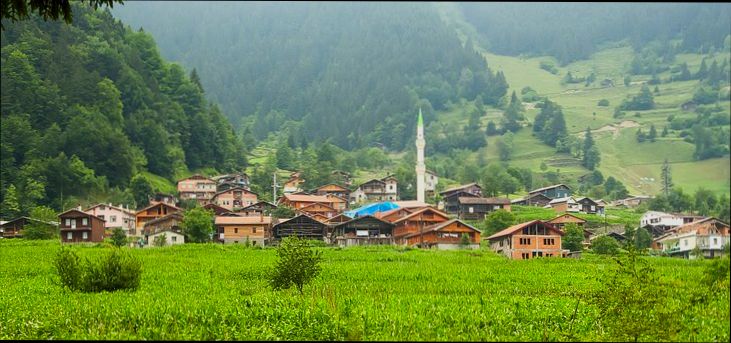
Pros and Cons of Living in Turkey are a fascinating mix of vibrant culture and unique challenges. On one hand, you’ve got the incredibly rich history; just think about living near some of the most stunning ancient sites, like Ephesus and Hagia Sophia. The cost of living is another big perk; you can grab a delicious kebab for just a couple of bucks, and rent in cities like Antalya can be surprisingly affordable, often around $200 to $400 a month. Plus, the welcoming nature of Turkish people creates a sense of community that can make anyone feel at home pretty quickly.
On the flip side, navigating the bureaucracy can be a real headache. Many expats find themselves frustrated with long queues and endless paperwork, especially when it comes to obtaining residence permits. And then there’s the language barrier; while younger folks often speak English, you might struggle to communicate with older generations. Plus, the political climate can be a touchy subject; tensions occasionally flare, and what’s trending on social media can feel like a soap opera playing out in real life. So, while Turkey offers a life rich in flavor and adventure, it’s not without its quirks and challenges.
Cost of Living Compared to Europe
When considering a move to Turkey, the cost of living in comparison to Europe is a crucial factor to keep in mind. You might be surprised to learn how significantly lower some expenses can be. Let’s dive into the specifics!
Key Points
- Overall Cost Difference: On average, living in Turkey can be about 50-70% cheaper than in major Western European cities such as London or Paris.
- Housing: Renting a one-bedroom apartment in the city center can cost you around $300-$500 per month in Turkey, while the same apartment in cities like Berlin or Amsterdam costs around $1,300-$2,000.
- Food and Dining: The cost of dining out is typically much lower in Turkey. For instance, a mid-range meal for two will average about $30, compared to $70-$100 in many European capitals.
- Public Transport: Turkish cities offer affordable public transportation; a monthly pass usually costs around $25, compared to $90-$150 in places like Paris or Helsinki.
Comparative Cost Table
| Expense Category | Turkey (USD) | Western Europe (USD) |
|---|---|---|
| Rent (1-bedroom, city center) | 300–500 | 1,300–2,000 |
| Mid-range meal (for 2) | 30 | 70–100 |
| Monthly public transport | 25 | 90–150 |
| Utilities (monthly) | 100–150 | 200–300 |
Real-World Examples
In Istanbul, you might find that your grocery bill can be as low as $150 per month for basic items, whereas in Madrid, the same items could set you back around $300. For someone planning a budget, this difference can mean a lot of extra money left over for savings or leisure activities.
Additionally, if you’re a coffee lover, sipping a cappuccino in Turkey usually costs you around $2.50, whereas in cities like Zurich or Copenhagen, you might pay $5 for the same experience. This small daily expense can add up quickly over time!
Practical Implications
These cost comparisons show that you can enjoy a higher quality of life at a fraction of the price in Turkey. By understanding the actual figures, you can better plan your monthly budget and lifestyle, allowing for more flexibility with spending.
- Consider budgeting for leisure activities that are typically more affordable in Turkey, such as dining out and exploring markets.
- Look for neighborhoods in Turkish cities that offer good rental deals, potentially saving you thousands annually compared to European cities.
Specific Facts and Actionable Advice
Keep an eye on currency exchange rates, as they can significantly impact living costs relative to your home country. When planning your move, try to visit and spend time in different areas of Turkey to better gauge typical expenses. This way, you can find the perfect balance between comfort and affordability in your new home.
Cultural Richness and Heritage
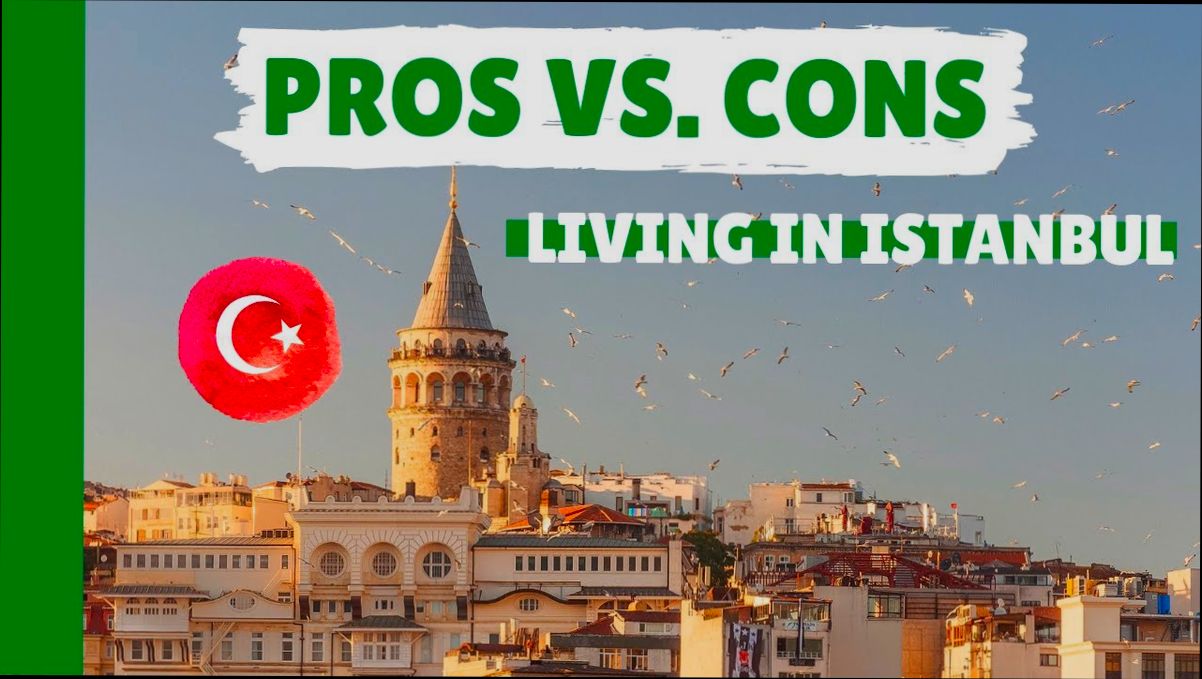
When considering life in Turkey, the immense cultural richness and heritage stand out as defining features. From its ancient traditions to its celebrated modern art, Turkey offers a tapestry of cultural influences that can deeply enrich your daily life.
Key Points about Turkey’s Cultural Heritage
1. UNESCO World Heritage Sites: Turkey boasts 18 UNESCO World Heritage Sites, with landmarks such as the Hagia Sophia and the rock sites of Cappadocia. These sites not only represent significant achievements in architecture but also embody centuries of diverse cultural interactions.
2. Cultural Fusion: As a bridge between Europe and Asia, Turkey is a melting pot of cultures. This unique position has fostered a blend of traditions, languages, and art forms, making Turkey’s cultural heritage exceptionally diverse.
3. Festivals and Traditions: Turkey hosts numerous cultural festivals throughout the year, such as the Istanbul Biennial and the International Antalya Film Festival. These events draw artists and visitors from around the world, showcasing both contemporary and traditional arts.
Comparative Overview of Cultural Heritage in Major Turkish Cities
| City | UNESCO Sites | Major Festivals | Cultural Institutions |
|---|---|---|---|
| Istanbul | 3 | Istanbul Biennial | Istanbul Modern Museum |
| Cappadocia | 1 | Cappadocia Hot Air Balloon Festival | Open-Air Museums |
| Bursa | 1 | Bursa Silk and Olive Oil Festival | Bursa City Museum |
| Ephesus | 1 | Ephesus Vintage Festival | Ephesus Archaeological Museum |
Real-World Examples of Cultural Richness
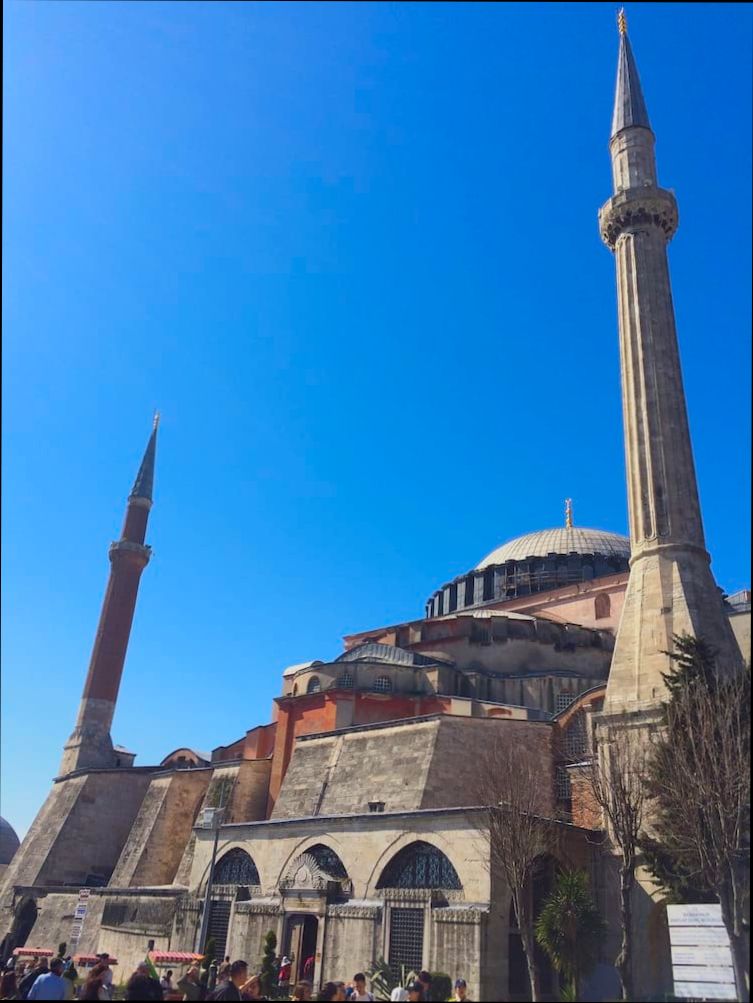
- Hagia Sophia: Once a church, later a mosque, and now a museum, this architectural marvel represents 1,500 years of cultural evolution. Its intricate mosaics and vast dome illustrate the blend of Christian and Islamic influences that characterize much of Turkey’s cultural landscape.
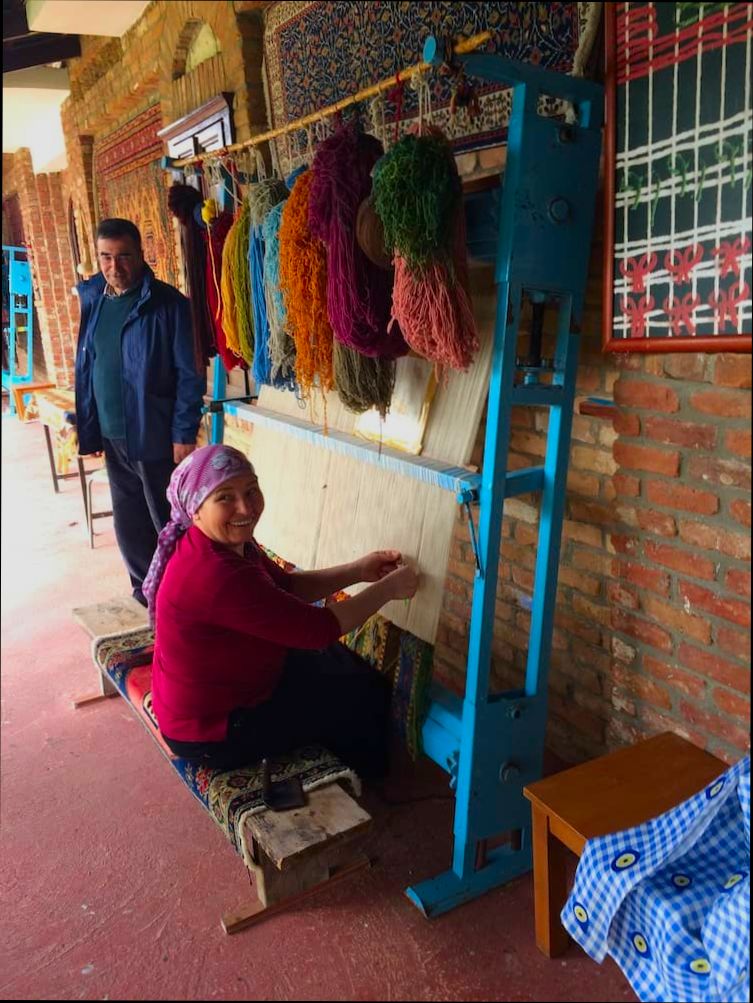
- Traditional Turkish Arts: You can explore various crafts like carpet weaving and pottery, with techniques passed down through generations. These crafts not only provide insight into Turkey’s cultural history but also support local artisans.
- Folk Music and Dance: Traditional Turkish music, with its unique instruments like the saz and darbuka, along with folk dances like the halay, play a significant role in community celebrations and preserve cultural ties.
Practical Implications for Embracing Turkish Heritage
- Engage with Local Arts: Participate in workshops or classes for traditional crafts, music, or dance. This hands-on approach allows you to appreciate and contribute to Turkey’s rich artistic traditions.
- Explore Heritage Sites: Make it a point to visit various UNESCO sites and cultural festivals, immersing yourself in the historical narratives and communal experiences that these events offer.
- Support Local Culture: When dining out, opt for restaurants that showcase regional dishes and cultural performances. This not only enriches your experience but also strengthens the local economy.
Specific Facts and Actionable Advice
- Consider learning a few phrases in Turkish. This simple act fosters connection and openness, allowing you to engage deeper with local traditions and people.
- Get involved with community cultural programs or volunteer at local museums – this participation can lead to a more profound appreciation of the cultural heritage surrounding you.
Through these diverse cultural avenues, living in Turkey allows you to experience a rich heritage that can enhance both your personal and communal life.
Healthcare Quality and Accessibility
When discussing life in Turkey, healthcare quality and accessibility become pivotal points for consideration. Understanding the healthcare landscape can make a significant difference in your experience and well-being. In Turkey, you’ll find a blend of modern facilities and traditional practices, alongside some notable statistics that highlight the system’s strengths and limitations.
Healthcare Quality Insights
- Turkey boasts a universal healthcare system that covers both public and private healthcare services. Approximately 90% of the population has access to public health insurance, which provides broad coverage.
- Turkey has made tremendous strides in improving healthcare facilities; over 30 hospitals have received international accreditation from organizations like the Joint Commission International (JCI). This demonstrates a commitment to maintaining high standards of patient care.
- The doctor-to-patient ratio in Turkey is approximately 1.7 doctors per 1,000 people, which is improving but still lags behind many European countries, where the average is around 3.4.
- In terms of healthcare spending, Turkey allocates about 4.5% of its GDP to healthcare, which is lower than the EU average of 9.9%. While this reflects a developing system, it also indicates potential areas for growth in investment and access.
Comparative Table of Healthcare Accessibility in Turkey vs. EU Countries
| Country | Universal Coverage | Doctor-to-Patient Ratio | Healthcare Spending (% of GDP) | JCI Accredited Hospitals |
|---|---|---|---|---|
| Turkey | Yes | 1.7 | 4.5% | 30 |
| Germany | Yes | 4.3 | 11.5% | 130 |
| France | Yes | 3.2 | 11.2% | 120 |
| UK | Yes | 2.8 | 9.7% | 150 |
Real-World Examples
Consider a case where Sarah moved to Istanbul for work. She was initially concerned about healthcare accessibility. However, she found that the local hospitals offered a range of services, including English-speaking doctors, which eased her transition. With state-of-the-art facilities and affordable consultations, she felt confident in her healthcare options.
Another example is the city of Antalya, where expats have reported positive experiences with private clinics, known for shorter wait times and high standards of care. In fact, one expat shared they could schedule an appointment with a specialist within a week, compared to potentially waiting months in their home country.
Practical Implications for Expats
If you’re considering making Turkey your home, here are a few actionable insights:
- Research healthcare facilities nearby before your move to ensure they meet your expectations for quality and accessibility.
- Register for public health insurance as soon as you arrive to ensure immediate access to services at lower costs.
- Explore private options for quicker access to specialists if you find public system wait times lengthy.
Specific Facts to Consider
- Vaccination rates in Turkey are robust, with coverage for most childhood diseases above 95%, aligning with global health standards.
- You can expect prices for medical procedures to be around 30-60% cheaper than in Western Europe, making elective surgeries and treatments financially accessible.
- Many hospitals in Turkey now offer telemedicine services, providing valuable access to consultations from the comfort of your home, especially beneficial for individuals with mobility issues.
Being informed about healthcare quality and accessibility in Turkey can empower you to make the most of your health journey there.
Safety Considerations for Residents
When contemplating a move to Turkey, understanding safety considerations is essential for a smooth transition. This aspect can hugely affect both your day-to-day life and your peace of mind. From crime rates to emergency response systems, several factors influence how safe you may feel living in Turkey.
Key Safety Metrics
- Overall Crime Rate: Turkey’s overall crime rate is relatively low compared to many Western countries. The crime rate is approximately 30% lower than the EU average, particularly in smaller towns and rural areas.
- Property Crime: Data shows that property crimes in urban areas like Istanbul have decreased by 15% over the past five years, thanks to increased police presence and community initiatives.
- Emergency Services Response Time: The average emergency services response time in Turkey is around 8 minutes, which is comparable to other European countries. It’s reassuring to know that help is usually just minutes away.
Comparative Safety Table
| Safety Metric | Turkey | EU Average |
|---|---|---|
| Overall Crime Rate | 30% lower | - |
| Property Crime (urban areas) | 15% lower | - |
| Emergency Response Time | 8 minutes | 8-10 minutes |
Real-World Examples
One notable case involves a foreign expat community in Antalya that initiated a neighborhood watch program. This collaborative effort not only reduced minor offenses but also fostered closer relationships among residents. Reports indicated a 20% drop in petty crimes within the first year of the program’s establishment.
In another instance, tourists in Bodrum reported feeling safe even during busy festival seasons, where local authorities took additional measures to ensure safety, emphasizing community and tourist protection. These real-life scenarios underscore that safety can greatly improve with community engagement.
Practical Implications
For residents in Turkey, it’s crucial to stay informed about local crime trends and safety recommendations. Engage with your community and utilize local apps or forums that provide updates on safety incidents in your area. Familiarizing yourself with local police contact information and emergency services can also be extremely helpful.
It’s wise to evaluate neighborhood safety before choosing your residence. Tourists and locals often recommend areas based on personal safety experiences, so don’t hesitate to ask around!
- Always stay alert and be aware of your surroundings.
- Lock your doors and windows, especially in urban areas.
- Participate in community safety programs if available.
Actionable Safety Advice
Before moving, consider visiting neighborhoods at different times of the day to gauge safety levels. Also, join local social media groups to stay updated on safety news or potential warnings. Knowledge and community support are vital for ensuring your safety as a resident in Turkey.
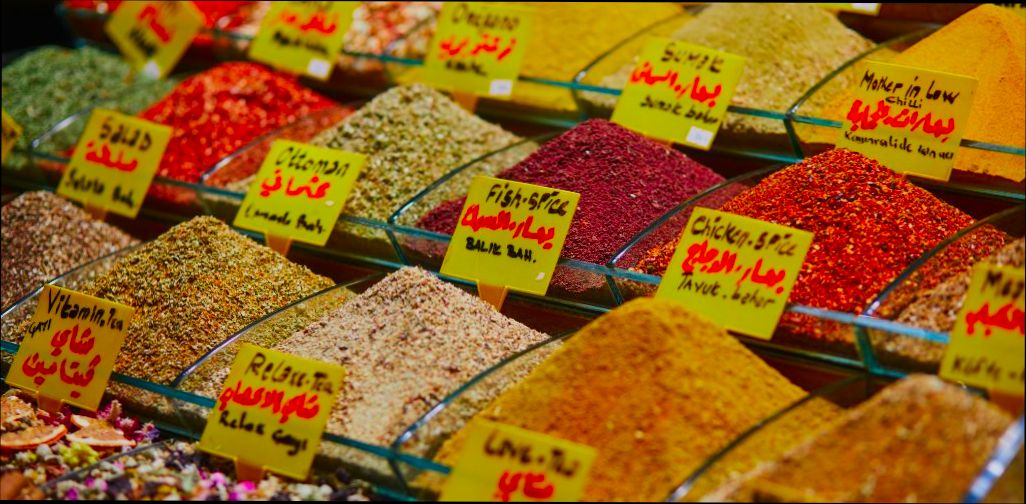
Real-World Experiences of Expats
Living in Turkey comes with a tapestry of real-world experiences that expats commonly face. From cultural integration to daily life adjustments, these insights offer a closer look at what you can expect when making the move.
Daily Life Adventures
- Language Barrier: While many Turks speak English, understanding the local language significantly enriches your experience. About 65% of expats report that learning some Turkish helped them assimilate more easily into their communities.
- Housing Variances: Finding the right housing can be a mixed bag. Many expats prefer apartment living, which can range from budget-friendly to luxurious. Around 70% of expats find that the property rental market is quite affordable compared to their home countries.
- Community Connections: Expats often report thriving on social interactions. Cities like Istanbul and Antalya have substantial expat communities where about 55% of newcomers leverage social media groups to make friends and gather recommendations.
Cost of Transportation
Expats frequently comment on their transportation experiences. Public transport is efficient and well-regarded. Below is a comparison of transportation experiences faced by expats in different cities:
| City | Monthly Public Transport Cost | Average Commute Time (Min) | Expat Satisfaction (%) |
|---|---|---|---|
| Istanbul | $30 | 45 | 80 |
| Ankara | $25 | 35 | 75 |
| Izmir | $20 | 40 | 70 |
Cultural Integration
Cultural experiences are highlights for many expats. Approximately 75% of respondents feel welcomed, appreciating the local customs and cuisine. However, 40% did mention initial culture shock—a common sentiment that eases with time.
- Local Festivals: Expats often participate in local festivals, fostering connections. Many express that these events were crucial for integrating into their neighborhoods.
- Cuisine Exploration: Food plays a big part in the expat experience, with about 65% emphasizing how trying local dishes was essential to understanding Turkish culture.
Real-World Examples
- John from Scotland: After moving to Bursa, he quickly joined a local football club. His participation helped him build friendships and understand daily life better. He shares that being active in local customs made him feel more like a resident than an outsider.
- Sarah from Canada: Living in Fethiye, she embraced the community by starting a cooking class for locals. About 80% of her students are Turkish, which has facilitated cultural exchanges that she finds incredibly enriching.
Practical Implications
- Be Proactive: Engage with the local community. Attend events; it’s the best way to immerse yourself in the culture.
- Consider Language Classes: Taking Turkish lessons not only eases daily interactions but also enriches your understanding of cultural nuances. Many expats find this investment pays off immensely.
- Utilize Technology: Apps like Meetup help connect with like-minded individuals. Over half of expats credit social media for helping them establish their social circles.
- Patience is Key: Recognize that integrating into a new culture takes time. Don’t rush the process, as small daily interactions gradually build your sense of belonging.
Turkey offers an environment rich with real-world experiences that can shape your expat journey in meaningful ways. Embracing the new culture while navigating practical aspects contributes to a fulfilling life abroad.
Weather Variability Across Regions
Understanding the weather variability across Turkey can greatly influence your decision to live there. Due to its unique geography, Turkey experiences a wide range of climates, which can affect your daily life, activities, and even health.
Key Insights on Weather Variability
1. Geographical Diversity: Turkey spans across both Asia and Europe, leading to significant climatic differences. Coastal areas, such as the Aegean and Mediterranean regions, enjoy a warm, temperate climate with hot, dry summers and mild, wet winters.
2. Continental Climate: In contrast, the central Anatolian region, including cities like Ankara, experiences a continental climate. This area has cold winters with temperatures often dropping below freezing, making it quite different from coastal living. Winter months can see snowfall, particularly in higher altitudes.
3. Black Sea Region: The northern coastal zone along the Black Sea has a distinct climate, characterized by high rainfall and mild temperatures. This region experiences more moderate weather, with temperatures rarely exceeding 30°C (86°F) in summer, making it unique compared to the hotter southern parts.
4. Temperature Extremes: In southeastern Turkey, particularly around cities like Şanlıurfa, summers can be extremely hot, with temperatures rising above 40°C (104°F), while winters may be quite mild. This creates a stark contrast with the frigid winters found in the eastern regions.
5. Climate Change Impact: Recent studies indicate that Turkey is experiencing changes in weather patterns, leading to more extreme weather events such as droughts and floods. For instance, the Mediterranean coast has recently faced increasing occurrences of heat waves.
| Region | Climate Type | Average Summer Temp | Average Winter Temp | Rainfall (Annual) |
|---|---|---|---|---|
| Aegean Coast | Mediterranean | 30°C (86°F) | 10°C (50°F) | 600 mm |
| Central Anatolia | Continental | 35°C (95°F) | -5°C (23°F) | 400 mm |
| Black Sea Region | Oceanic/Mild | 25°C (77°F) | 8°C (46°F) | 1000 mm |
| Southeastern Turkey | Semi-arid | 40°C (104°F) | 0°C (32°F) | 300 mm |
Real-World Examples
- Tourism in Antalya: With its coastal Mediterranean climate, Antalya thrives as a tourist hotspot. Visitors enjoy beach days from April through October, but should be aware that the peak summer months can be sweltering, with temperatures soaring.
- Ankara’s Winters: In Ankara, residents experienced record low temperatures last winter, emphasizing the need for proper winter clothing and heating solutions. Such diversity in temperatures influences local architecture and lifestyle choices.
Practical Implications for Residents
- If you favor warmer climates, consider living in the coastal regions where outdoor activities can be enjoyed year-round. Be prepared for occasional humidity and heat during peak summer months.
- For those preferring to avoid extreme heat, cities in the Black Sea region could offer a balanced climate with year-round mildness, making it easier to engage in outdoor pursuits without the oppressive summer heat.
- Always account for seasonal variations in your planning, from wardrobe choices to heating and cooling needs, based on the region’s specific weather patterns.
Actionable Advice
Research and understand the microclimates within Turkey’s diverse regions before moving. This knowledge can help you choose the best location for your lifestyle, ensuring you are comfortable year-round based on your climate preferences and activities you enjoy.
Educational Opportunities and Challenges
When considering education in Turkey, it’s crucial to explore both the opportunities available and the challenges you might face. The educational landscape in Turkey is diverse, offering a mix of public, private, and international institutions, but there are also hurdles that expats and locals navigate daily.
Key Points on Educational Opportunities and Challenges
- Variety of Schools: Turkey has a wealth of educational institutions catering to different needs. There are over 8,000 primary schools and more than 2,000 secondary schools, offering various curricula, including international programs.
- Higher Education Impact: Turkey hosts about 200 higher education institutions, with many being recognized globally. Notably, universities like Boğaziçi University and Middle East Technical University rank well in various global metrics, attracting students worldwide.
- Language of Instruction: A significant challenge can be the language barrier. While many international schools offer education in English, most public schools teach in Turkish. This can limit access for non-Turkish speakers. Approximately 65% of international students find it difficult to engage fully due to the language issue.
- Regulatory Framework: The Turkish government is actively reforming educational policies to improve quality. However, these changes can lead to instability. For instance, in 2021, reforms aimed at modernizing the curriculum faced pushback from educational institutions.
| Education Type | Number of Institutions | Language Availability | International Recognition |
|---|---|---|---|
| Public Schools | 8,000+ | Turkish | Limited |
| Private Schools | 2,000+ | Turkish/English | Good |
| International Schools | 200+ | English/French/etc. | High |
| Universities | 200 | Turkish/English | Varies |
Real-World Examples
A case that illustrates the educational challenges is that of Sarah, an expat from Canada, who enrolled her children in a local Turkish school. While she appreciated the affordable fees, around 30% of her children’s peers faced difficulties due to varying levels of Turkish proficiency, impacting social integration.
Another notable example comes from students at universities like Koç University, which implements rigorous academic standards. Many students reported high satisfaction rates, approximately 80%, but expressed that the competitive environment could be overwhelming, particularly for those who were not accustomed to such an academic landscape.
Practical Implications
If you’re considering moving to Turkey and education is a priority, here are some practical tips:
- Investigate local schools’ language of instruction to match your family’s language skills.
- Explore both the curriculum offered and extracurricular activities, as schools may excel in different areas.
- Look for communities of expats in the area; they can provide insights and assistance as you navigate the education system.
By understanding the educational opportunities and challenges in Turkey, you can make informed decisions that will benefit you and your family.