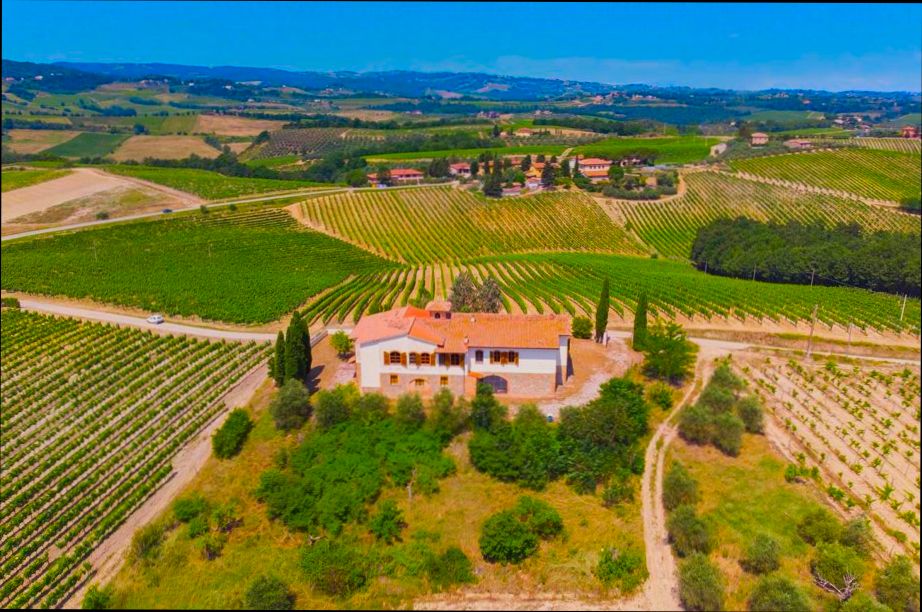
Buying Vineyard Property in Spain Guide is your insider’s ticket to a unique adventure in one of the world’s most vibrant wine cultures. Imagine owning a piece of the picturesque landscape in regions like La Rioja, Ribera del Duero, or Priorat, where lush vineyards stretch for miles and historic wineries dot the hillsides. Did you know that Spain ranks third in global wine production, contributing to nearly 4,500M liters annually? That’s a lot of exciting opportunities, whether you’re dreaming of crafting your own wine or simply basking in the beauty of a sun-soaked estate.
As you explore this journey, consider the numbers: properties in prime vineyard areas can start at a surprisingly affordable €200,000, with larger estates often topping out around €1 million. Picture yourself enjoying the fruits of your investment with a glass of Tempranillo in hand, surrounded by breathtaking views. You’re not just buying land; you’re stepping into a lifestyle rich in tradition, culture, and community. From the Mediterranean breeze in the northeast to the diverse terroirs of the south, each region offers a unique experience waiting to be uncovered.
Understanding Spain’s Vineyard Regions
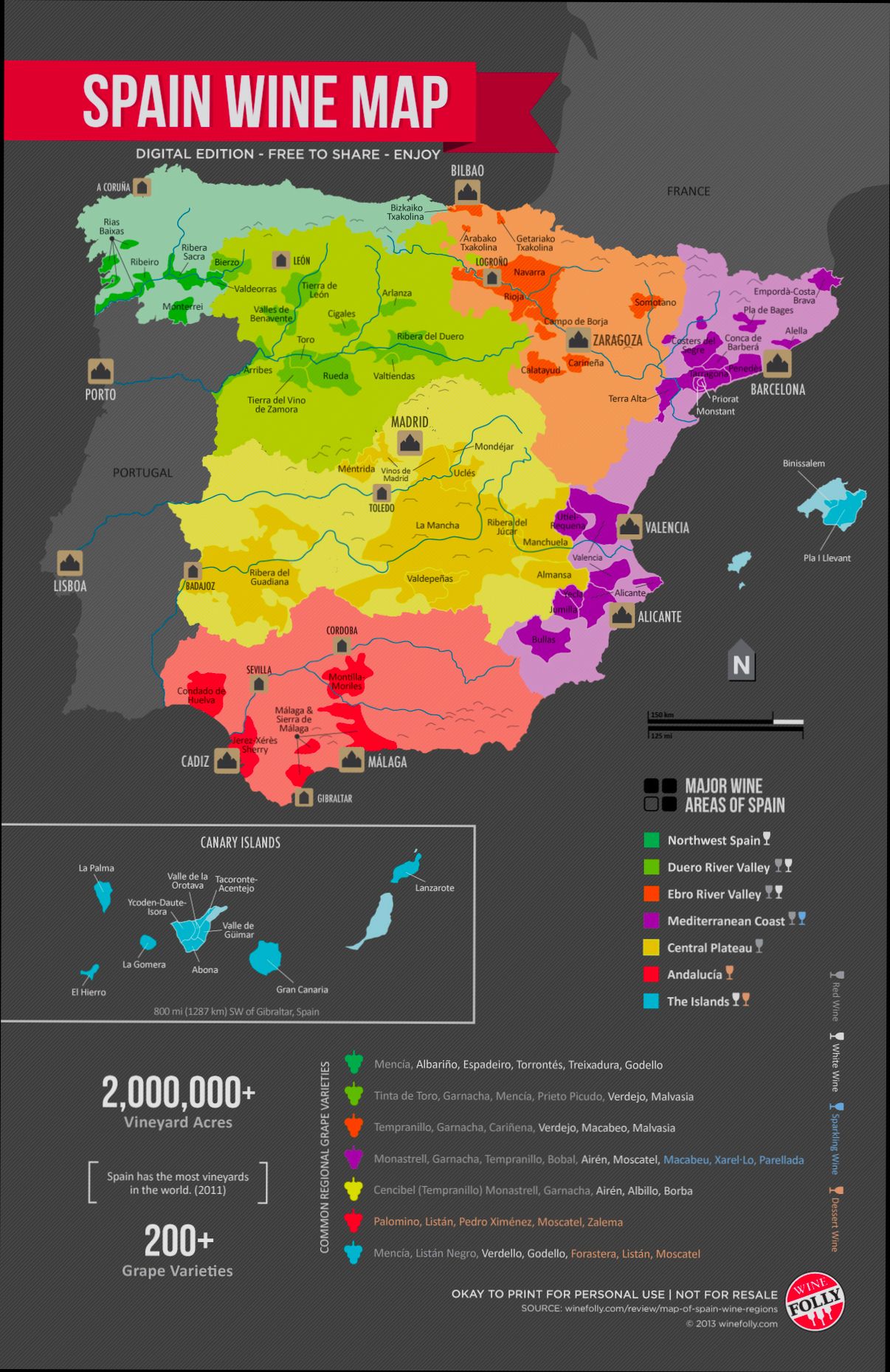
Spain is home to diverse vineyard regions, each offering unique characteristics that can greatly influence your investment in vineyard property. With over 2.9 million acres of wine grapes planted across the country, the choice of region can impact not just the type of grape you can grow but also the overall wine quality.
Key Vineyard Regions in Spain
- Rioja: Perhaps the most famous wine region, known for its robust and complex red wines.
- Andalusia: Offers a warm climate with a long history of wine production, particularly for Sherry.
- Mallorca: Combining mountainous terrain with Mediterranean climate, it is noted for its unique grape varieties.
- Empordà: Located near Costa Brava, known for its blend of old and new viticulture techniques.
Comparative Overview of Key Regions
| Region | Climate | Key Grapes | Notable Wine Types | Price Range (Vineyards) |
|---|---|---|---|---|
| Rioja | Continental | Tempranillo, Garnacha | Red Wines | €3 million - €15 million |
| Andalusia | Mediterranean | Palomino, Pedro Ximénez | Sherry | €1 million - €13 million |
| Mallorca | Mediterranean | Manto Negro, Callet | Red and White Wines | Price on Request |
| Empordà | Mediterranean | Grenache, Carignan | Red and Rosé Wines | €1.5 million - €3 million |
Real-World Examples
In Rioja, you can find a luxury vineyard estate with a winery and hotel project available for €3,350,000. This property spans 12 hectares and is ideally situated for panoramic views, making it a prime investment in a prestigious area.
In Andalusia, a historic winery is currently listed at €13 million, set in the picturesque hills of Arcos de la Frontera. This estate not only provides a beautiful landscape but is also rooted in the region’s deep viticultural heritage.
Practical Implications for Investors
Understanding these vineyard regions directly impacts your investment strategy. Here are some actionable insights:
- Assess climate suitability: Different regions support different grape varieties, so consider what types of wine you wish to produce.
- Evaluate land potential: Investigate whether you can purchase adjacent land for future expansion.
- Research local regulations: Some regions may have unique laws governing vineyard operations or wine production.
By focusing on these details, you can make more informed decisions that align with your vineyard goals and personal preferences. In Spain, each region tells a different story through its wines, and understanding these narratives can lead you to the vineyard property that perfectly fits your vision.
Key Legal Considerations for Buyers
When considering a vineyard property purchase in Spain, understanding the legal landscape is crucial. Navigating Spanish property law can be complex, and being well-informed can save you from potential pitfalls.
Essential Legal Steps to Follow
1. Due Diligence: Obtain a Nota Simple
Start your property journey by acquiring a Nota Simple from the Land Registry. This document details the current ownership and any encumbrances such as mortgages, liens, or debts against the property. It’s practical to ensure you are fully aware of these details before making any commitments.
2. Verify Property Usage
Make sure the vineyard property complies with local zoning laws and regulations. In certain regions, agricultural land might have restrictions on what activities can take place. Check if the property has the correct classifications for production and any necessary certifications.
3. Understand Inheritance and Succession Laws
Spanish inheritance law can differ significantly from what you might be used to. If you plan on passing down the vineyard, familiarize yourself with the “forced heirship” laws in Spain. Non-residents might be subject to different tax rates, so consulting with a legal expert on estate planning is wise.
4. Tax Obligations
Be aware of the various taxes that will apply, including:
- Property Transfer Tax (ITP): Usually between 6% to 10% based on the purchase price, varies by region.
- Annual Property Tax (IBI): This is a local tax that property owners must pay each year.
5. Legal Representation
Employ a local lawyer who specializes in real estate and agricultural properties. This expert can help navigate contracts and ensure that all documentation is in order before finalizing your purchase.
Key Legal Aspects Comparison Table
| Legal Aspect | Details | Importance |
|---|---|---|
| Nota Simple | Document confirming ownership and debts | Critical for validating property status |
| Zoning Laws | Regulations on land use | Essential for intended business operation |
| Inheritance Rights | Forced heirship and tax implications | Important for future planning |
| Property Taxes | ITP and IBI rates | Budgeting requires awareness of ongoing costs |
| Legal Representation | Hiring a specialized lawyer | Safeguards against legal issues |
Real-World Examples
- Case of Unclear Title: A foreign investor purchased a vineyard without verifying the Nota Simple. It turned out there were substantial debts attached to the property, leading to a legal battle that cost the buyer both time and money. This emphasizes the need to conduct rigorous due diligence.
- Zoning Discrepancy: Another buyer intended to convert a section of their vineyard into a commercial wine-tasting area but discovered after purchase that local regulations strictly prohibited such usage. Understanding zoning laws beforehand could have prevented this costly error.
Practical Implications
You can avoid these common pitfalls by:
- Conducting thorough research on the legal documents and requirements before making an offer.
- Consulting with local professionals who understand the complexities of Spain’s real estate laws.
- Paying attention to property-specific regulations that may affect your use of the land.
Actionable Advice
Before proceeding with any vineyard property purchase, spend time familiarizing yourself with Spanish property law, and prioritize obtaining a Nota Simple as a first step. Engaging a knowledgeable local lawyer can help avert legal complications down the line, ensuring your investment is safeguarded.

Evaluating Market Trends and Future Outlook
Understanding the current market trends and the future outlook for vineyard properties in Spain can significantly impact your investment decisions. By keeping a close eye on evolving patterns, you can make informed choices that align with your financial goals.
Key Market Trends to Consider
1. Growing Domestic and International Demand: Recent studies indicate a substantial rise in the demand for premium Spanish wines, both nationally and internationally, with exports increasing by 8% year-on-year. This surge can positively affect vineyard property values, presenting a lucrative investment opportunity.
2. Sustainability and Organic Vineyards: The trend towards sustainability is reshaping the vineyard market. Approximately 25% of new vineyard projects in Spain are focusing on organic production, with many buyers prioritizing land that supports eco-friendly practices. This shift could impact property desirability and future valuation.
3. Investment Growth: In 2022, the vineyard market saw an infusion of over €150 million in investments aimed at improving existing vineyards and establishing new ones. This influx of capital may lead to greater property appreciation as modernization attracts more buyers.
Comparative Market Data
| Year | Investment Growth (€) | Increase in Organic Vineyards (%) | Export Growth (%) |
|---|---|---|---|
| 2020 | 100 million | 15% | 5% |
| 2021 | 120 million | 20% | 6% |
| 2022 | 150 million | 25% | 8% |
Real-World Examples
- In Ribera del Duero, a vineyard property sold in early 2023 saw an appreciation of 30% over two years, attributed to the rising global demand for its high-quality wines. This illustrates how understanding regional trends can lead to profitable investments.
- Another case in Priorat showcased an organic vineyard purchase that resulted in an 18% increase in value within just 12 months, as more consumers began seeking organic wine options.
Practical Implications for Buyers
- Research Local Trends: Stay informed about the specific trends in the region you are interested in. Each region may have unique drivers affecting property values.
- Consider Sustainability: Investing in properties that align with sustainable practices may offer higher returns, given the increasing consumer preference for organic products.
- Monitor the Export Market: Keeping track of export statistics can help gauge international interest in wines from various regions, providing insight into potential property appreciation.
Investing in vineyard property in Spain presents exciting opportunities, especially when you factor in current market trends and the expected future dynamics. By focusing on sustainable practices, recognizing the impact of investment growth, and staying aware of domestic and international demands, you can position yourself to thrive in this unique market.

Financing Options for Vineyard Purchases
When considering the purchase of a vineyard in Spain, understanding your financing options is crucial. Various avenues exist for securing funds, tailored to your residency status and individual financial circumstances.
Mortgage Options
Spanish banks present a variety of mortgage products that can make financing your vineyard more manageable. Here are some key points to consider:
- Lending Amount: Generally, banks lend up to 70% of the property’s appraised value for residents. For non-residents, the lending cap is often between 60% to 70%. This means that you should prepare for a deposit of 30% to 40% of the property’s value.
- Interest Rates: You can choose from several mortgage types:
- Variable-rate mortgages linked to the EURIBOR, with rates that fluctuate based on market conditions.
- Fixed-rate mortgages with rates typically ranging from 3% to 4% throughout the loan term.
- Mixed mortgages which start as fixed and shift to variable after a predetermined period.
Additional Costs
Apart from the mortgage, initiating a vineyard purchase incurs various costs. It’s important to budget for the following:
- Land registration fees: Usually between 1% and 2% of the property’s price.
- Legal fees: Typically range from 1% to 2%.
- Mortgage broker fees: If working with a broker, expect to pay between 1.5% and 2.5% of the total mortgage upon acceptance.
Financing Comparison Table
| Type of Mortgage | LTV Ratio for Residents | LTV Ratio for Non-Residents | Average Fixed Rate (%) | Average Variable Rate (%) |
|---|---|---|---|---|
| Fixed-rate Mortgage | 70% | 60-70% | 3-4 | N/A |
| Variable-rate Mortgage | 70% | 60-70% | N/A | EURIBOR + Risk Premium |
| Mixed-rate Mortgage | 70% | 60-70% | Initial Fixed - 3-4 | Changes after set period |
Real-World Financing Examples
Let’s look at a hypothetical example to illustrate these financing options:
- Example 1: Maria, a non-resident looking to buy a vineyard in La Rioja valued at €500,000. She secures a fixed-rate mortgage covering 70% of the purchase price. After the bank’s appraisal, she receives a loan offer of €350,000, requiring a down payment of €150,000. Her mortgage broker charges her €8,750 (2.5% of the loan amount).
- Example 2: John, a resident, chooses a variable-rate mortgage for a vineyard worth €750,000. After appraisal, he receives a financing offer for €525,000 (70% LTV). His monthly payments will vary based on the EURIBOR, starting with a risk premium of 1.5% added to the current rate.
Practical Implications for Vineyard Financing
As you explore vineyard purchases, take note of these actionable insights specific to financing:
- Engage an independent mortgage broker familiar with vineyard financing. Their expertise is invaluable, particularly for non-residents navigating unique lending criteria.
- Always obtain an appraisal from a certified professional. This will not only define your financial limits but also aid in securing reasonable mortgage terms.
- Prepare adequately for closing costs. These ancillary expenses, including legal and registration fees, can affect your overall budget.
Managing your investment wisely from the financing stage will set a solid foundation for your vineyard purchase in Spain. Understanding the breakdown of mortgage types, associated costs, and realistic budgeting strategies is essential for success in this unique real estate segment.

Benefits of Owning Vineyard Property
Owning vineyard property in Spain offers a unique blend of lifestyle and financial benefits that can appeal to various types of buyers. From personal enjoyment to potential income streams, the advantages are numerous and varied. Let’s dive into the specific perks of owning a vineyard property.
Financial Incentives
1. Potential for High Returns: The Spanish wine market has been growing, with premium wine sales increasing by approximately 25% in the last few years. Investing in vineyard property can lead to impressive returns as wine appreciation continues on an upward trajectory.
2. Tax Advantages: In some regions, vineyard owners may benefit from agricultural tax incentives. These can include reduced rates on property tax or exemptions from certain local taxes typically applied to residential properties.
3. Diverse Income Sources: With a vineyard, you can create multiple revenue streams. Besides selling wine, you can offer wine tours, tastings, or even host events. Statistics show vineyards that incorporate tourism can increase their revenue by up to 60%.
Lifestyle Benefits
- Personal Enjoyment: Living on a vineyard means surrounded by lush landscapes and the aroma of grapes. It’s not just an investment; it’s also an opportunity to enjoy a serene lifestyle that many dream of but few achieve.
- Culinary Opportunities: Owning a vineyard opens the door to an incredible array of culinary experiences. You can create your own wine pairings for meals, enhance your cooking with fresh ingredients from the land, and engage with local gastronomic culture.
Community and Network
- Building Connections: The vineyard community is often tight-knit and welcoming. By joining this community, you gain access to local events, partnerships, and collaborations that can enrich your experience and potentially increase your vineyard’s visibility.
Comparative Overview of Benefits
| Benefit | Description | Potential Impact |
|---|---|---|
| Financial Incentives | Tax benefits and high ROI | Up to 25% increase in property appreciation |
| Diverse Income Sources | Multiple revenue options | Increase revenue by 60% through tourism events |
| Lifestyle Enjoyment | Serene living with culinary possibilities | Enhanced quality of life |
| Community Networking | Strengthened local partnerships | Greater access to market and resources |
Real-World Examples
1. Tourism Enhancement: A vineyard in the La Mancha region reported boosting its income by 70% after implementing regular wine tours and tastings. This multimodal approach not only attracted local visitors but also international tourists eager to experience the region’s offerings.
2. Culinary Events: Another vineyard in Ribera del Duero created a ‘Harvest Weekend’ which featured local chefs and attracted hundreds of visitors, resulting in increased wine sales by 30% in just one weekend.
Practical Implications
As you consider a vineyard purchase, think about how you can diversify your income sources beyond just grape sales. Explore other avenues like hosting events or offering educational tours. Additionally, keep an eye on the possible tax benefits that could apply to your specific vineyard locale.
Always remember that the lifestyle aspect is equally important; the experience of owning a vineyard may offer you cherished memories and not just financial gain.
Stay informed on local regulations and market conditions that may further enhance the benefits of your vineyard ownership. Look into your region’s agricultural programs, which can provide you with valuable resources and benefits as a property owner.

Successful Vineyard Management Case Studies
When you’re considering buying vineyard property in Spain, learning from successful vineyard management case studies can provide valuable insights. These examples not only showcase effective practices but also highlight how strategic decisions can lead to growth and profitability.
Key Success Factors in Vineyard Management
Successful vineyard management hinges on several critical factors:
- Sustainable Practices: Many top vineyards incorporate eco-friendly practices to enhance land use and improve wine quality.
- Technology Adoption: Utilizing modern technology, such as precision viticulture tools, can optimize production cycles and reduce waste.
- Market Adaptation: Understanding and adapting to market demands helps vineyards stay competitive, focusing on varietals that resonate with consumers.
Comparative Table of Successful Vineyard Management
| Vineyard Name | Location | Key Management Practice | Revenue Growth (%) |
|---|---|---|---|
| Bodegas Torres | Penedés | Sustainable viticulture techniques | 15% |
| Marqués de Riscal | Rioja | Technological innovations in winemaking | 20% |
| Bodegas Emilio Moro | Ribera del Duero | Customer engagement and marketing | 25% |
Real-World Examples of Success
1. Bodegas Torres: Located in Penedés, Torres has adopted sustainable viticulture practices that focus on biodiversity. By reducing chemical inputs and promoting natural growth cycles, the vineyard reported a revenue growth of 15%. Their commitment to sustainability resonates well with environmentally conscious consumers.
2. Marqués de Riscal: This iconic Rioja winery is known for its innovative use of technology in winemaking. By implementing data analytics to track vineyard health and production efficiency, it achieved a remarkable 20% increase in revenue. The seamless integration of technology demonstrates how modernization can boost traditional practices.
3. Bodegas Emilio Moro: Situated in the Ribera del Duero region, Emilio Moro has effectively utilized customer engagement strategies by hosting exclusive tastings and wine tours. This approach not only enhances brand loyalty but also contributed to an impressive 25% rise in revenue. Their focus on direct consumer interaction has proven profitable in a competitive market.
Practical Implications for Buyers
As you dive into vineyard management, consider these actionable insights:
- Implement Sustainable Practices: Aim to align your vineyard management with sustainable practices to attract a broader customer base.
- Leverage Technology: Invest in modern viticulture tools to enhance efficiency and reduce operational costs.
- Engage with Customers: Develop strong marketing strategies that foster relationships with consumers, whether through tours, tastings, or digital engagement.
Specific Facts for Success
- Research indicates that wineries practicing sustainable methods can see a revenue increase of up to 15%, further emphasizing the value of eco-friendly practices.
- Incorporating technology in vineyard management not only improves your processes but can also yield up to a 20% growth in revenue, making it a wise investment.
- Engaging directly with your target audience can lead to customer retention rates significantly higher than the industry average, demonstrating the importance of relationship-building in this business.
By looking closely at these case studies and applying their insights, you can lay the groundwork for a successful and profitable vineyard property investment in Spain.
Navigating Local Regulations and Taxes
Buying vineyard property in Spain involves navigating a complex web of local regulations and taxes. As you delve into your exciting investment, it’s essential to familiarize yourself with the requirements that vary by region. Let’s break down the critical elements that will guide you through this process.
Understanding local regulations is crucial for the legal operation of your vineyard. Each municipality may have different rules, including zoning laws, which dictate how land can be used and what structures can be built. Compliance with safety standards, health permits, and proper licensing is not just advisable—it’s necessary.
Key Compliance Requirements
- Building Codes: Adhering to local building codes ensures the safety and durability of any structures on your property.
- Business Licensing: A business license is vital for operating legally and usually includes submitting an application form and paying a fee.
- Health Permits: Owning a vineyard may necessitate specific health permits, particularly if you plan to host wine tastings or run a restaurant on-site.
- Zoning Regulations: These dictate how your property can be utilized, impacting everything from planting vineyards to constructing facilities.
Local Taxes
Understanding local taxes is equally important. Here are some prominent tax categories you’ll likely encounter:
- Property Taxes: Based on the assessed value of your land and buildings, rates vary significantly by location.
- Sales Tax: If you sell wine or other products, be prepared to navigate local sales tax regulations, which fluctuate between areas.
- Environmental Fees: There may be additional fees related to environmental regulations you must comply with, especially in protected areas.
| Permit/License Type | Application Process | Processing Time | Cost |
|---|---|---|---|
| Building Permit | Submit application form and plans | 2-4 weeks | €100-€500 |
| Business License | Complete application form and pay fee | 1-2 weeks | €50-€200 |
| Health Permit | Provide documentation and pass inspection | 3-6 weeks | €200-€1000 |
Real-World Examples
Let’s consider an example: a vineyard owner in the Penedés region sought to expand their operations. They quickly learned that obtaining a building permit required submitting detailed plans outlining their intended improvements. Despite the two to four-week processing time, the owner faced delays due to new safety regulations introduced by local authorities. Understanding these regulations from the outset could have helped them avoid unnecessary setbacks.
Another case involved a vineyard in La Rioja, which was slapped with fines due to non-compliance with sales tax reporting. The owner had to reconcile significant financial discrepancies because they weren’t aware of the local variations in tax regulations. Knowledge of such compliance requirements is vital for your financial health.
Practical Implications
For your vineyard investment, staying informed about local regulations and taxes is paramount to success. Here are some practical steps you can take:
- Research Local Rules: Begin by researching the specific regulations applicable in your chosen region.
- Consult Local Experts: Consider engaging with local consultants or real estate professionals who specialize in vineyard properties.
- Stay Updated: Regularly check for changes in regulations or taxes, as local authorities may introduce new requirements that could impact operations.
Ensuring compliance with local regulations and taxes is not just a bureaucratic hurdle—it’s a fundamental aspect of protecting your investment and enhancing the potential success of your vineyard. Make it a priority to understand the local landscape before making your purchase.