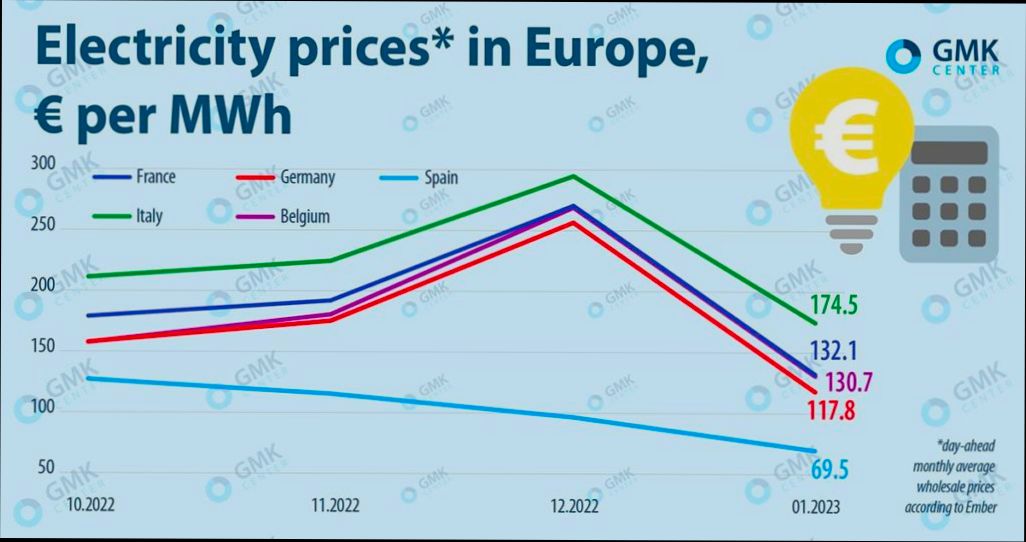
How Much Are Utilities in Germany? Well, if you’re planning a move or just curious about the monthly bills, you’re in for some interesting figures. In an average household, you can expect to pay around €300 to €400 every month for essentials like electricity, gas, water, and internet. For instance, electricity alone can cost you about €0.30 per kilowatt-hour, depending on your provider and usage. That might not sound like a huge deal, but when winter rolls in and the heating gets cranked up, those numbers can spike quickly, leaving you with a hefty bill.
Let’s talk specifics. If you live in a one-bedroom apartment in Berlin, you’re looking at around €90 a month for water, sewer, and waste collection. Add another €60 or so for internet, and suddenly your costs are adding up. In larger cities like Munich, don’t be surprised if your monthly gas bill hits €150 during colder months. Each of these expenses can fluctuate based on location and lifestyle; that cozy, sunlit apartment might come with a slightly higher price tag for utilities than a garden flat in the outskirts. It’s all about what fits your lifestyle and budget, but trust me, those bills can surprise you!
Understanding Average Utility Costs in Germany
When it comes to moving or living in Germany, getting accustomed to average utility costs is essential. These costs encompass electricity, natural gas, water, and waste disposal. Understanding these elements can significantly affect your monthly budget, allowing you to make informed decisions about where and how to live.
Key Insights on Average Utility Costs
- Electricity Pricing: The average cost for electricity in Germany is around 33.5 cents per kWh. This rate reflects the country’s commitment to renewable energy, with many providers offering options to source 100% of your electricity from green energy.
- Natural Gas Usage: Approximately 19 million homes in Germany utilize natural gas, primarily for heating. Notably, around 75% of all gas consumption goes towards home heating, emphasizing the importance of accounting for gas costs during colder months.
- Water Costs: The price of water varies significantly based on your location, but you can expect to pay an average of about 4 to 6 euros per cubic meter. Interestingly, tap water in Germany is safe to drink, which can help you save on bottled water.
- Waste Disposal Fees: Annual costs for waste disposal start at about 120 euros, depending on the municipality and type of waste. Germany practices a sorting system with three bins: one for organic waste (brown), one for paper (blue), and another for general waste (black).
Comparative Overview of Utility Costs
| Utility Type | Average Cost | Key Features |
|---|---|---|
| Electricity | 33.5 cents/kWh | Choose 100% green energy options available |
| Natural Gas | Approx. 6.5-7.5 euros per m³ | Mainly used for heating |
| Water | 4-6 euros/m³ | Drinkable tap water; varies by location |
| Waste Disposal | Starting at 120 euros/year | Three-bin sorting system |
Real-World Examples
One noteworthy example is the option to choose eco-friendly energy providers, such as LichtBlick or Greenpeace Energy. They allow you to fulfill your eco-consciousness while potentially saving on costs when compared to traditional energy suppliers.
Additionally, in cities like Berlin, average water costs might reflect higher due to the city’s extensive infrastructure, while more rural areas might see lower water rates. This variance shows the necessity to check local costs when budgeting.
Practical Implications for Residents
To accurately assess your utility costs, use comparison websites like Verivox or Check24 to evaluate different providers and tariffs tailored to your usage patterns. This approach is crucial as you can find potential savings by simply switching your provider or opting for eco-friendly options.
Moreover, becoming familiar with the local waste disposal regulations can save you both money and effort. Adopting recycling habits will ensure you make the most of your waste disposal fees and contribute to a sustainable environment.
Actionable Advice About Utility Costs
- Begin by analyzing your energy consumption to effectively choose the right electricity and gas supplier.
- Make it a priority to learn about local waste sorting regulations as they can vary widely, impacting disposal costs.
- Opt for a home with energy-efficient appliances to help reduce both electricity and gas consumption, ultimately lowering your monthly expenses.
Understanding these nuances of average utility costs in Germany can empower you to maintain control over your budget while enjoying the comfort of your new home.
Comparative Analysis of Regional Variations
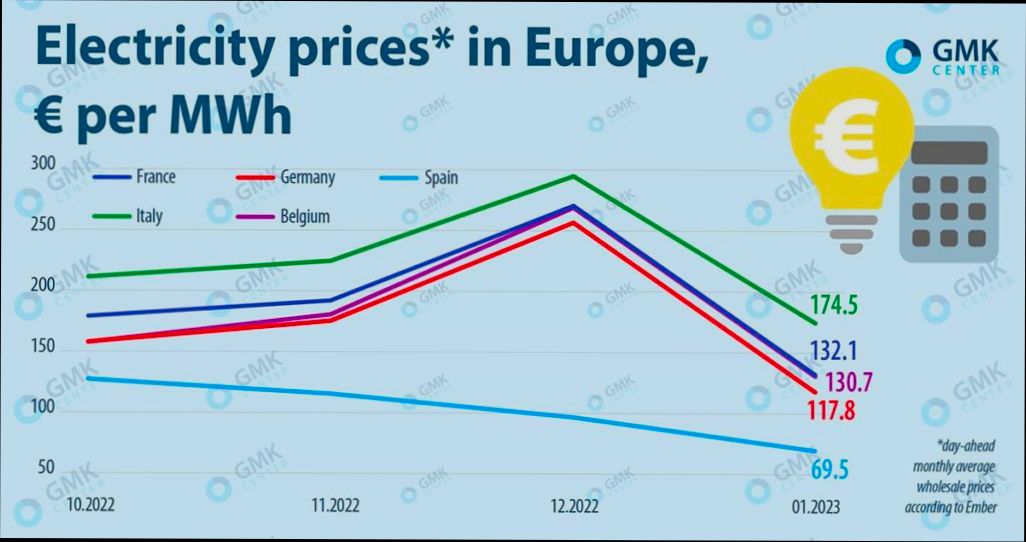
Understanding the regional variations of utility costs in Germany can help you make informed decisions about where to live or invest. These costs can fluctuate significantly from one region to another, influenced by factors such as local infrastructure, energy sources, and market competition.
Diverging Costs Across Regions
1. Electricity Costs: In Bavaria, homeowners may pay up to 35% more for electricity compared to those in Schleswig-Holstein, where policies promote renewable resources and local energy production.
2. Natural Gas Pricing: Some cities in North Rhine-Westphalia report natural gas prices that are 20% higher than the national average, affecting overall monthly utility expenses.
3. Water Charges: In Berlin, residents face an average Water utility cost of approximately €1.75 per cubic meter, while in smaller towns like Würzburg, the cost drops to around €1.20 per cubic meter, reflecting the impact of urban infrastructure costs.
| Region | Electricity Cost (per kWh) | Natural Gas Cost (per kWh) | Water Cost (per cubic meter) |
|---|---|---|---|
| Bavaria | €0.34 | €0.08 | €1.50 |
| Schleswig-Holstein | €0.25 | €0.06 | €1.30 |
| North Rhine-Westphalia | €0.30 | €0.10 | €1.35 |
| Berlin | €0.28 | €0.09 | €1.75 |
| Würzburg | €0.26 | €0.07 | €1.20 |
Real-World Examples
In examining the case of Munich versus Hamburg, Munich residents often report substantially higher utility bills. The integration of more expensive energy tariffs and less competitive markets in urban centers like Munich can result in total utility costs that exceed €300 per month.
Conversely, a study of rural areas in Lower Saxony shows that residents benefit from lower energy prices due to local renewable initiatives, resulting in average utility bills around €200 monthly. This showcases how rural versus urban living can dramatically affect utility expenses.
Practical Implications
When considering relocation in Germany, it’s pertinent to analyze utility costs by region. Here are some actionable insights:
- Research Local Rates: Identify regional tariffs through local utility companies to gauge utility costs accurately before moving.
- Explore Renewable Energy Options: Areas emphasizing renewable energy may offer lower long-term costs through incentives and government subsidies.
- Factor in Unique Regional Factors: Understand how regional policies impact utility costs, especially in larger metropolitan areas versus smaller towns.
Specific Facts to Keep in Mind
- Always check for city-specific utility regulations as some municipalities may levy additional fees.
- Investigate if your desired area has rising energy costs due to upcoming infrastructure changes or development projects.
- Utilization of energy-saving technologies or appliances can differ in payback periods depending on regional utility rates, influencing overall cost efficiency.
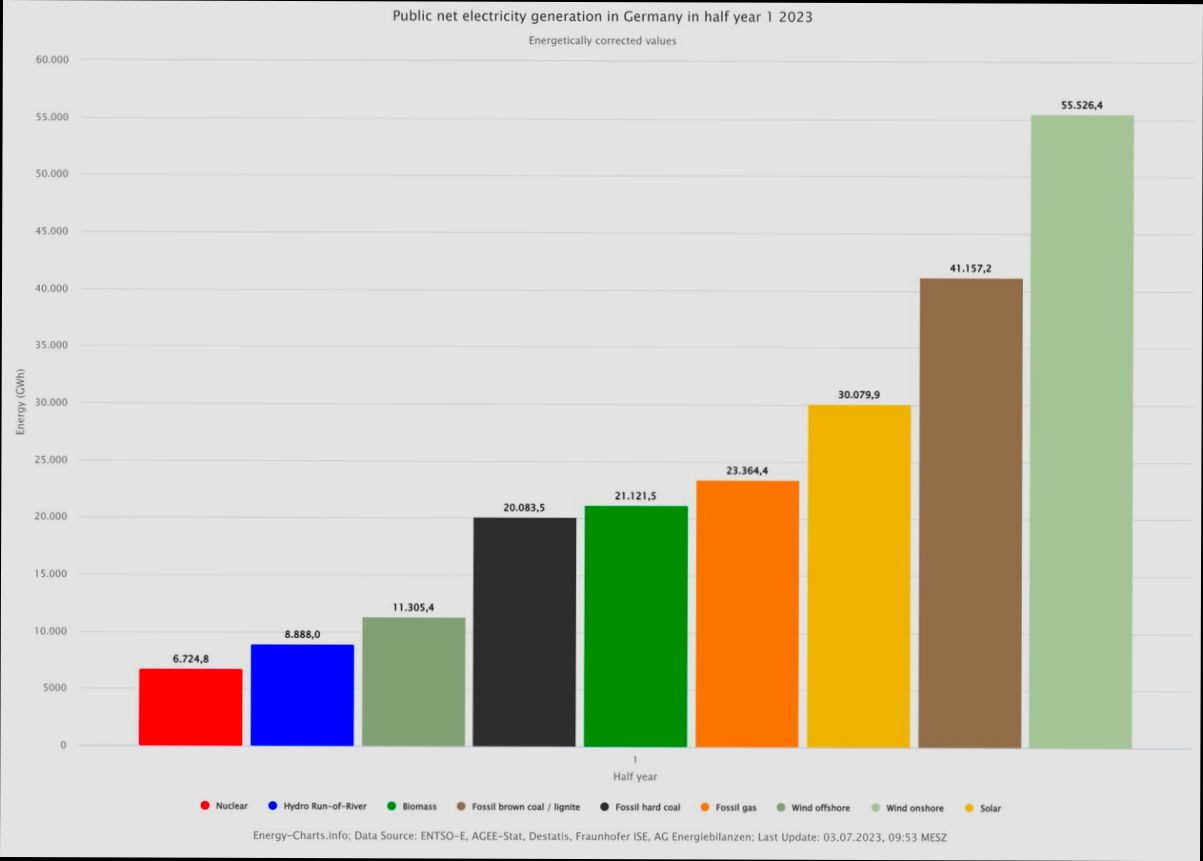
Key Factors Influencing Utility Prices
Understanding the factors that affect utility prices in Germany is crucial for managing your household budget. Various elements contribute to the rising costs of utilities, which can significantly impact your financial planning. Let’s explore the key factors that influence utility prices, enabling you to make informed decisions.
Regulatory Environment
Government policies play an instrumental role in determining utility prices. The European Union’s energy regulations, alongside national mandates in Germany, shape the market landscape. For instance:
- The Renewable Energy Sources Act (EEG) mandates financial support for renewable energy production, indirectly affecting traditional electricity prices.
- Taxes such as the value-added tax (VAT) on utilities add an extra layer of cost, with about 19% imposed on electricity.
Supply and Demand Dynamics
Utility prices fluctuate based on supply and demand. For example:
- During peak usage times, electricity costs can soar as providers manage load.
- Natural gas prices may spike during winter months when demand increases, potentially raising prices by as much as 25%.
Infrastructure and Maintenance Costs
The costs related to maintaining and upgrading infrastructure directly impact utility pricing. Network operators across Germany must invest heavily to ensure that delivery systems operate efficiently:
- In rural areas, utility companies might face higher operational costs due to longer distances and less population density, which can increase local utility rates by around 15%.
- Investment in smart grid technology is ongoing, influencing future prices as utilities pass these costs onto consumers.
Energy Sources
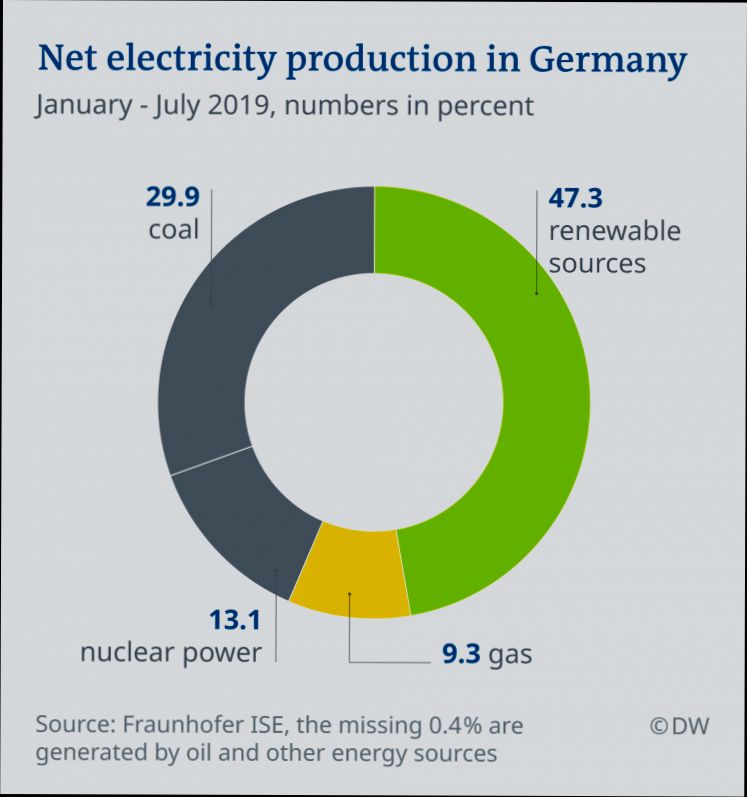
The composition of energy sources used influences overall pricing. Germany is transitioning from fossil fuels to renewable sources, which affects the pricing structure:
- The volatility of international fossil fuel markets means that gas and oil prices can lead to fluctuating costs for consumers, which might rise by 10% when global oil prices increase.
- Investments in solar, wind, and other renewable technologies can initially raise prices but are expected to stabilize costs in the long term.
| Factor | Influence on Prices | Estimated Impact |
|---|---|---|
| Regulatory Environment | Compliance with EU directives | Up to 19% |
| Supply and Demand Dynamics | Peak demand pricing | Up to 25% |
| Infrastructure Costs | Maintenance overhead | Up to 15% |
| Energy Source Composition | Fluctuations in fossil fuel prices | Up to 10% |
Real-World Examples
Consider a household in Bavaria, where high electricity costs are partly due to infrastructure and regulatory burdens. Residents often pay more per kWh, impacted by local renewable energy mandates. Contrastingly, in cities closer to industrial hubs, demand and competition can result in lower utility rates, showcasing how regional factors can define pricing.
Alternatively, think about a family living in a rural area where electricity distribution is costly because of long-distance transmission lines. They might experience utility prices that exceed average national figures by around 15%, highlighting the significance of local infrastructure in pricing.
Practical Implications
As you navigate your utility expenses, consider the following:
- Stay informed about government policies and their potential effects on your utility costs.
- Monitor peak usage times to adjust your energy consumption habits and save on billing.
- If you live in a rural region, it may be worth comparing various utility providers to find the most competitive rates.
Be proactive by understanding how these key factors influence utility prices, enabling you to make better choices that can lead to savings on your monthly bills. Engaging with local energy forums can also provide insights into community initiatives aimed at reducing costs.
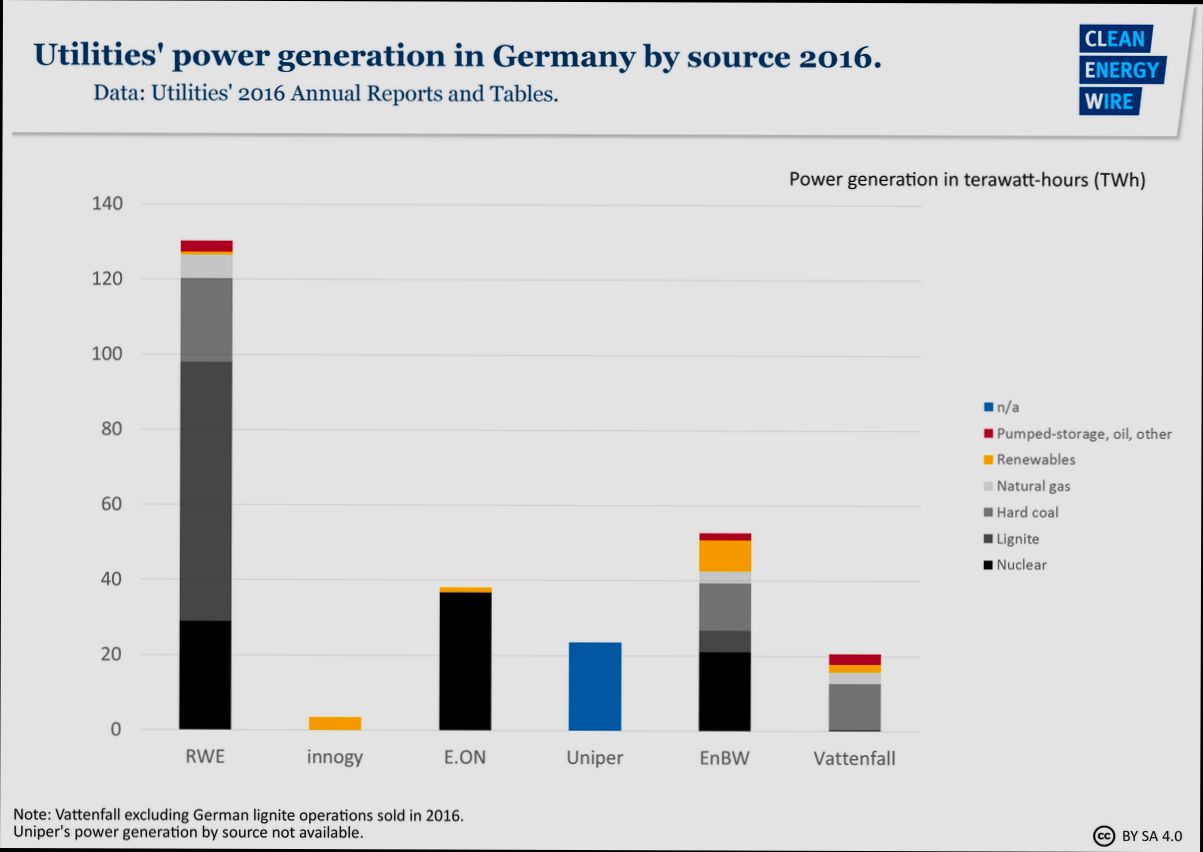
Real-World Examples of Utility Bills
When living in Germany, understanding how utility bills are structured and what they encompass is essential. Utility bills can be quite diverse, covering necessities from electricity to water, and can vary widely based on usage and location. Here, we will delve into real-world examples that highlight what you can expect in your monthly billing statements.
Key Utility Bill Insights
- Electricity Bill: In peak summer months, many residents have reported spikes in their electricity bills, often due to increased air conditioning use. It’s not uncommon for these bills to increase by 10-25% compared to cooler months.
- Water Bill: After addressing plumbing issues, such as leaky faucets, a typical household might notice their water bill drop by as much as 15-20%. This showcases the impact of maintenance on utility costs.
- Gas Bill: During winter, gas bills can nearly double due to heating needs. It’s important for residents to prepare for these fluctuations by budgeting for the colder months.
- Internet Bill: Packages for high-speed internet can vary widely, with average monthly costs between €30-€60, depending on the service provider and the package selected.
| Utility Type | Average Cost per Month | Common Variability |
|---|---|---|
| Electricity | €100-€200 | +10-25% in summer |
| Water | €30-€50 | -15-20% after plumbing fix |
| Gas | €50-€150 | +100% during winter |
| Internet | €30-€60 | Based on package chosen |
Real-World Examples of Utility Bills
1. Electricity Example: A family of four in Bavaria observed their electricity bill rise from €120 in November to €160 in July, illustrating how increased air conditioning during hot months significantly affects total costs.
2. Water Example: In a small apartment in Berlin, a tenant reduced their monthly water bill from €40 to €33 after repairing a leaking toilet, emphasizing the importance of regular maintenance.
3. Gas Example: A homeowner in Hamburg reported a gas bill of €80 in October, only for it to surge to €160 by January, highlighting the increased demand for heating during colder months.
Practical Implications
Understanding these examples can help you better budget your monthly expenses. By being aware of potential spikes—especially in heating or air conditioning months—you can allocate your finances more efficiently.
- Regular Maintenance: Fixing leaks or plumbing issues can lead to substantial savings, sometimes reducing bills by 15-20%.
- Energy Efficiency: Investing in energy-efficient appliances can significantly mitigate electricity costs.
Specific Facts and Actionable Advice
- If you’re in a shared living situation, make sure to discuss utility practices to avoid inflated bills.
- Consider setting reminders to check your utility bills monthly; early identification of spikes can prevent future overages.
- Look into various internet providers to find plans that best suit your needs while keeping costs manageable.
Statistical Insights into Energy Consumption
Understanding energy consumption in Germany provides a fascinating glimpse into how households and businesses utilize energy resources. By analyzing energy habits, we can gain insights into cost-saving opportunities and environmental impacts.
Key Insights on Energy Consumption in Germany
- Electricity Consumption Trends: The average electricity consumption per household in Germany stands at approximately 3,500 kWh annually. This figure can vary significantly based on family size and lifestyle.
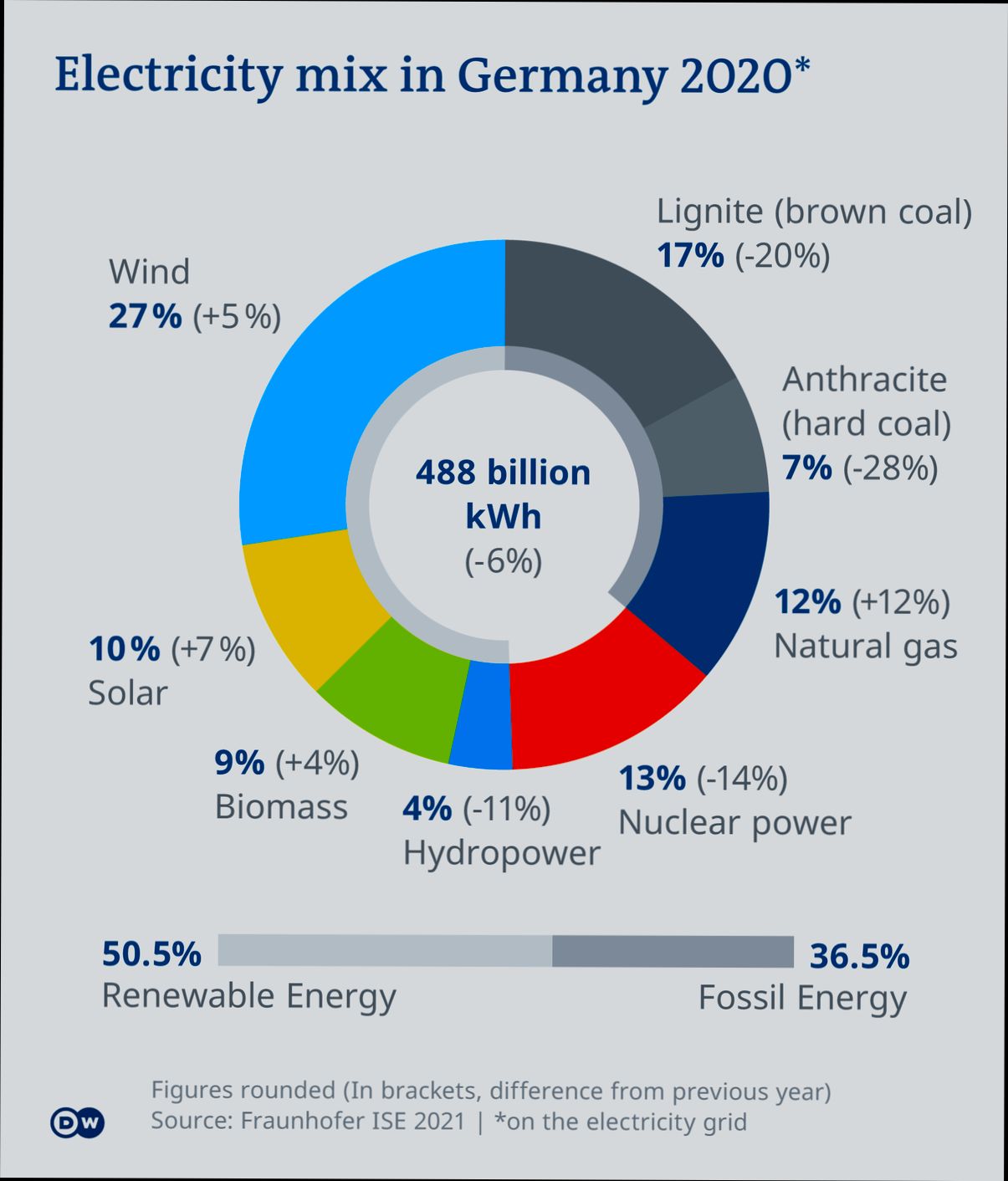
- Renewable Energy Impact: As of 2022, renewable energy sources contributed to about 42% of Germany’s total electricity consumption. This shift not only influences market dynamics but also offers a sustainable path forward for energy usage.
- Peak Consumption Patterns: Notably, household electricity demand peaks during the evening, particularly between 6 PM and 8 PM. This information can guide consumers in planning their energy usage more effectively.
- Sector-Specific Consumption: The industrial sector accounted for nearly 42% of Germany’s total energy consumption in 2021, highlighting the significant role that industries play in driving overall energy demand.
- Energy Intensity: Germany has made strides in improving energy efficiency, recording an 18% reduction in energy intensity from 2000 to 2020, reflecting better utilization of energy across sectors.
Comparative Overview of Energy Consumption
| Year | Total Electricity Consumption (TWh) | Percentage from Renewable Sources | Average Household Consumption (kWh) |
|---|---|---|---|
| 2020 | 550 | 42% | 3,500 |
| 2021 | 540 | 40% | 3,600 |
| 2022 | 560 | 45% | 3,500 |
Real-World Examples of Energy Consumption Insights
In urban areas, high-rise buildings demonstrate typical consumption patterns where energy use can spike during the winter months, particularly in January, leading to higher utility bills. For instance, households that traditionally use gas heating reported increases of up to 30% in energy consumption during extremely cold spells.
A case study in Bavaria illustrated that residents who invested in energy-efficient appliances reduced their annual energy consumption by approximately 15%, proving that upgrades can lead to tangible savings.
Practical Implications for Energy Consumers
You can act on these insights by:
- Monitoring your energy usage patterns, particularly during peak hours, to make informed decisions about when to use major appliances.
- Considering energy audits to identify inefficiencies within your home, which could reveal opportunities to save on electricity costs.
- Investing in renewable energy solutions, such as solar panels, to contribute to the growing percentage of renewable energy consumption and reduce reliance on conventional energy sources.
Actionable Insights on Energy Consumption
- Take advantage of time-of-use pricing from your utility provider by shifting energy-intensive tasks, like laundry and dishwasher cycles, to non-peak hours.
- Join local energy co-operatives that promote collective buying options for renewable energy, which can lead to lower prices for participants.
- Regularly review and adjust your energy contracts to ensure you are still receiving the best rates in light of fluctuating market conditions.
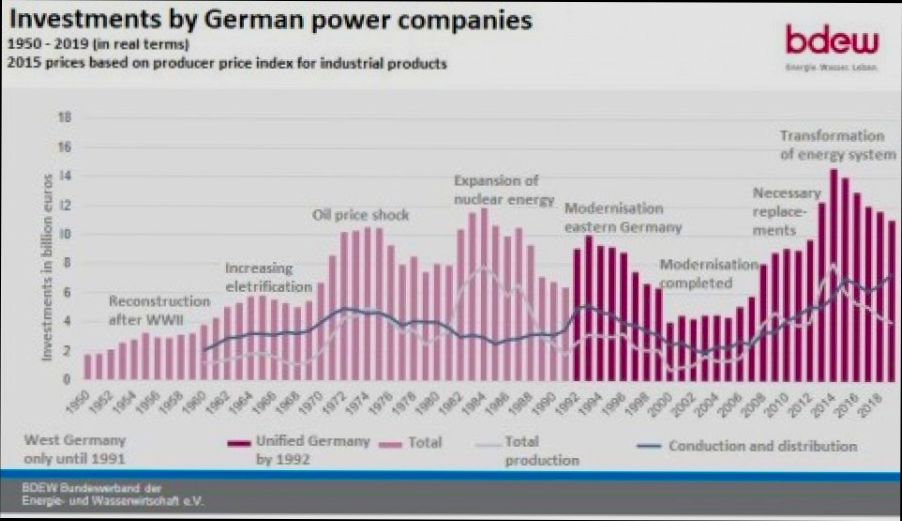
Benefits of Energy Efficiency Practices
Energy efficiency practices not only help in reducing utility bills but also offer numerous environmental and health benefits. Embracing these practices can pave the way for significant savings and improvements in our surroundings. Let’s delve into the tangible benefits that energy efficiency can provide.
Cost Savings
Implementing energy-efficient measures can lead to substantial savings on utility bills. Estimates suggest you can save anywhere from 5% to 30% on your electricity costs simply by upgrading to energy-efficient appliances. For instance, a household that spends €150 per month on electricity could see a reduction in costs by €7.50 to €45, depending on the efficiency improvements made.
Environmental Impact
One of the most compelling benefits of energy efficiency is its effect on greenhouse gas emissions. Research indicates that by optimizing energy consumption, we can reduce overall emissions by 25% to 30%. This reduction not only contributes to cleaner air but also plays a vital role in mitigating climate change.
Health Benefits
Investing in energy-efficient technologies can also yield health benefits. Studies have shown that energy-efficient buildings and appliances have a benefit-cost ratio of over 4 to 1, with approximately 75% of these benefits attributed to health advantages. Improved indoor air quality, less exposure to pollutants, and increased comfort can enhance overall well-being, especially for vulnerable populations like children and the elderly.
Comparative Savings Analysis
To illustrate the potential savings, here’s a comparison based on various energy-efficient practices:
| Energy-Efficient Practice | Estimated Savings on Utility Bills (%) | Environmental Impact (GHG Reduction %) |
|---|---|---|
| Upgrading to LED Lighting | 10-20% | 25-30% |
| Installing Energy Star Appliances | 5-30% | 25% |
| Improving Home Insulation | 15-30% | 30% |
| Implementing Smart Thermostats | 10-15% | 25% |
Real-World Examples
Consider a family that replaced their traditional heating system with a modern, energy-efficient one. This not only saved them around 20% on their heating costs but also reduced their carbon footprint significantly. Similarly, businesses that have adopted energy-efficient lighting have reported substantial reductions in both energy costs and operational expenses.
Practical Implications
For you, incorporating energy efficiency practices could mean more than just lower utility bills. It could also mean a healthier living environment and a proactive step toward environmental stewardship. Begin by evaluating your home’s energy consumption and consider simple steps like switching to LED bulbs or using energy-efficient appliances.
By making these changes, you can start reaping the multiple benefits of energy efficiency today. Remember, even small changes have the potential to result in significant improvements over time.
Navigating Utility Regulations in Germany
Navigating utility regulations in Germany can put you on the right path to managing your utility costs effectively. Understanding these regulations will help you to set up services efficiently and could save you money in the long run.
One of the significant regulatory elements to be aware of is the ongoing support from the German government through subsidies. For instance, a EUR 5.5 billion subsidy has been initiated to counteract rising electricity costs and aid consumers. This is essential news for households grappling with rising energy bills.
Steps for Setting Up Utilities
To navigate the utility landscape smoothly, follow these well-defined steps:
1. Check Existing Provider: Speak with your landlord or the previous tenant to find out the current electricity provider. You can decide to stick with the current provider or switch.
2. Choose a Provider: Major electricity companies include E.ON, Vattenfall, EnBW, RWE, and Stadtwerke. Make good use of platforms like Check24 and Verivox for comparing rates.
3. Sign a Contract: When you choose a provider, you’ll need to provide necessary details such as your address, meter number (Zählernummer), initial meter reading (Zählerstand), and payment information for SEPA direct debit.
4. Confirm Start Date: Let your provider know your intended move-in date to ensure services are available from day one.
Understanding Other Utility Regulations
| Utility Type | Registration Requirement | Inclusions | Important Considerations |
|---|---|---|---|
| Water | Usually included in Nebenkosten | Yes | Ensure proper meter reading at move-in |
| Gas | Requires provider selection | Rarely | Informing your landlord is a must |
| Internet | Contract with chosen provider | No | ID and bank details needed |
Water charges typically fall under the service charges (Nebenkosten) and are paid monthly along with rent. It’s vital to ensure that the water meter is read both upon your arrival and departure to avoid unwanted billing disputes.
For gas, if your apartment utilizes gas for heating and cooking, make sure to identify your gas consumption needs. Signing up with a gas provider, especially in regions where natural gas is essential for household heating, is important. Generally, more regional providers exist, such as Stadtwerke, which may have varying rates.
Real-World Example
Consider a newcomer who moved into an apartment in Berlin. They learned from their landlord that the local Stadtwerke manages water services. Upon moving in, they verified the water meter reading at their arrival and followed up periodically to ensure there were no discrepancies. Additionally, they opted for a gas provider through Verivox, comparing plans and securing one that fit their heating needs efficiently.
Practical Implications
As a new resident, understanding the nuances of utility regulations is paramount. Make sure you’re fully informed about your rights, including the ability to switch utility providers without incurring penalties. Most contracts in Germany are flexible, allowing you to choose between fixed-term or monthly contracts, providing a level of adaptability that can cater to your needs.
Actionable Advice
If you find yourself overwhelmed by options, start by checking out the numerous comparison tools available. Websites like Check24 and Verivox can clarify your choices and help you make informed decisions. Always keep your important documents, such as your ID and bank account details, ready for utility registration to expedite the process. Make it a habit to monitor your utility usage regularly to stay ahead of any unexpected costs, leveraging the provided subsidies when available.