Pros and Cons of Living in Tulsa, OK, can feel like a mixed bag, and let me tell you, both sides have some pretty convincing points. On one hand, Tulsa boasts an incredibly low cost of living—around 13% lower than the national average—so your paycheck stretches just that much further. You can snag a decent two-bedroom apartment for under $1,000 in a nice neighborhood, which is pretty enticing. Plus, the city’s vibrant arts scene, highlighted by the Philbrook Museum and the annual Tulsa International Mayfest, adds a little flair to everyday life. And if you’re into outdoor activities, you’ll love that you’re just a short drive away from beautiful parks like Gathering Place, which is a true gem for families and picnickers.
But of course, it’s not all sunshine and roses. While Tulsa’s affordability is a big draw, the job market can be hit or miss, especially for professionals in certain fields like tech or healthcare—just look at the fact that the city’s unemployment rate hovers around 3.9%. Many residents also find the climate a bit tricky; it can get scorching hot in summer with temperatures soaring above 90ºF, and the winter months can surprise you with occasional ice storms. Throw in the lack of public transportation options, and you might find yourself feeling a little landlocked if you’re not a fan of driving everywhere.
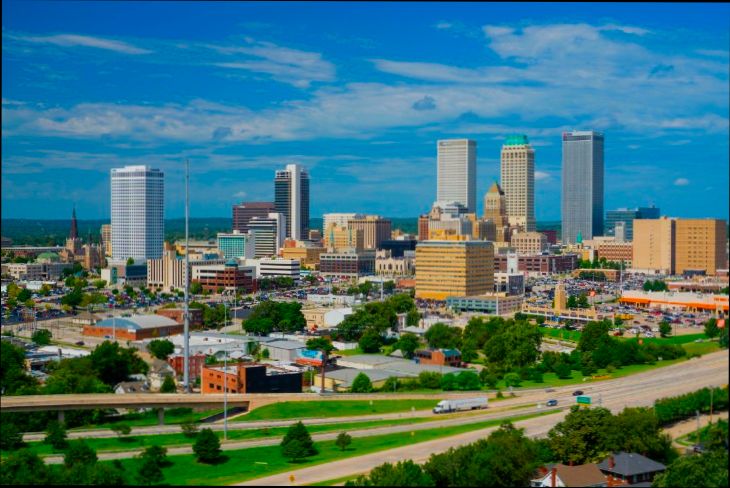
Economic Opportunities in Tulsa Living
Living in Tulsa offers a range of economic opportunities that make it an attractive place for individuals and families alike. From job growth in various sectors to a rising entrepreneurial spirit, Tulsa is carving out a niche for those looking to thrive economically.
Key Economic Indicators
- Tulsa’s unemployment rate as of early 2023 stands at just 3.4%, which is lower than the national average of 4.2%. This indicates a robust job market.
- The cost of doing business in Tulsa is approximately 28% lower than the national average, making it a budget-friendly city for both startups and established enterprises.
- The city has experienced a 5.6% year-over-year increase in job listings, particularly in healthcare, technology, and manufacturing.
Opportunities in Key Sectors
Many industries are thriving in Tulsa, and these present numerous job opportunities:
- Healthcare: The healthcare sector has shown a significant increase, with major employers like Saint Francis Health System hiring extensively.
- Technology: Tulsa has invested in technology development, yielding a 3% increase in tech jobs over the past year.
- Manufacturing: With companies like Spirit AeroSystems operating locally, the manufacturing job market remains strong, contributing significantly to the local economy.
| Sector | Job Growth (%) | Average Salary ($) |
|---|---|---|
| Healthcare | 5.0% | 60,000 |
| Technology | 3.0% | 72,000 |
| Manufacturing | 4.5% | 55,500 |
| Construction | 6.8% | 50,000 |
Real-World Examples
One of the standout examples of economic opportunities in Tulsa is the rise of local startups like Oklahoma’s Techstars, which supports entrepreneurs by providing mentorship and funding. This program alone has helped launch over 50 companies since its inception, creating hundreds of local jobs.
Additionally, the Tulsa Remote program attracts talented individuals to the city. This initiative offers financial incentives to remote workers, resulting in a significant increase in population and complementary economic growth. Since its launch, over 1,000 remote workers have relocated to Tulsa, contributing an estimated $12 million to the local economy.
Practical Implications for Residents
For those considering a move to Tulsa or looking to start their careers there, it’s essential to leverage the growing job market. Engaging with local networking events or joining industry-specific groups can enhance your job search.
If you are an entrepreneur, the city’s low startup costs and resources available through organizations like Tulsa Innovation Labs are invaluable. These resources can help you access funding, mentorship, and a supportive business community.
Actionable Insights
- Consider exploring career opportunities in the burgeoning healthcare and technology sectors, as these areas promise growth and stability.
- Investigate resources offered by local programs like Tulsa Remote and Tulsa Innovation Labs to find support tailored for your needs.
- Familiarize yourself with the cost advantages of launching a business in Tulsa, which can significantly impact your long-term success and profitability.

Cost of Living vs. National Average
Understanding the cost of living in Tulsa compared to the national average is essential for anyone considering a move or assessing their financial situation. Tulsa often boasts an affordable lifestyle that can be very appealing. Let’s dive into specific numbers that illustrate how Tulsa measures up.
Key Cost of Living Metrics
When evaluating the cost of living in Tulsa, we can look at various categories:
- Housing: The average cost of housing in Tulsa is approximately 26% lower than the national average. This significant difference can substantially enhance your family’s budget.
- Utilities: Utility costs in Tulsa are about 12% lower than the national average. This can lead to savings on monthly expenses, which is a welcome relief for many households.
- Groceries: On average, grocery expenses in Tulsa are roughly 8% lower than the national figure. This can allow for more disposable income to enjoy other activities in the city.
- Transportation: Public transportation and fuel costs can be around 10% lower in Tulsa than in many other cities across the United States. This fact can further contribute to overall savings for residents.
Cost Comparison Table
| Cost Category | Tulsa Cost vs. National Average | Difference (%) |
|---|---|---|
| Housing | Lower | 26% |
| Utilities | Lower | 12% |
| Groceries | Lower | 8% |
| Transportation | Lower | 10% |
Real-World Examples
1. Housing Affordability: A family relocating from a major city such as New York might find that a similar home in Tulsa, costing around $250,000, could equate to a house worth over $350,000 in their previous location. This can allow them to save significantly or even invest in additional properties.
2. Utility Savings: Residents frequently report their monthly utility bills average between $200 and $250, compared to the national average of approximately $300. This difference can fund other essential services or hobbies.
3. Grocery Shopping: A family of four’s monthly grocery bill can be around $600 in Tulsa, while the national cost often exceeds $650. This might enable households to allocate more funds for family activities or savings.
Practical Insights
- If you’re budgeting for a move, consider how the lower housing costs can free up funds for other areas such as education or entertainment.
- Take advantage of lower utility rates by being mindful of energy-saving practices, which can further squeeze your costs down.
- Explore grocery store options in Tulsa that may offer discounts on local products, maximizing your savings.
Specific Facts to Note
- Understanding that housing in Tulsa is significantly cheaper is vital when making long-term financial plans.
- With utility savings contributing significantly lower expenses, factor this into your monthly budgeting.
- Don’t overlook the benefits of a less expensive transportation network when evaluating employment opportunities, as this could enhance your quality of life further.
By digging into the cost of living versus the national average, you can make well-informed choices about living in Tulsa.

Cultural Attractions and Community Events
Living in Tulsa means immersing yourself in a rich cultural landscape and vibrant community events that keep life exciting year-round. From art galleries to music festivals, the opportunities to engage with local culture are abundant and varied.
Key Cultural Attractions
Tulsa boasts a diverse array of cultural attractions that cater to all interests. Here are some noteworthy mentions:
- Philbrook Museum of Art: This art museum showcases an impressive collection that highlights both American and European art, attracting over 150,000 visitors annually.
- Gilcrease Museum: Known for its vast collection of American West artifacts, this museum attracts thousands of history enthusiasts and art lovers each year.
- Tulsa Arts District: Host to numerous galleries, theaters, and performance venues, this area is a hub of artistic activity, featuring events like the First Fridays art crawls that draw crowds to over 40 participating venues.
Community Events
Tulsa’s community is lively and engaged, with numerous events that foster connections among residents. Here are some of the most popular:
1. Tulsa State Fair: Attracting more than a million visitors each year, this fair features rides, concerts, and culinary delights, providing entertainment for the whole family.
2. Blue Dome Arts Festival: This annual festival celebrates local artists, with over 100 vendors showcasing handmade crafts and artworks, attracting an estimated 50,000 attendees each year.
3. Gathering Place: This award-winning riverside park hosts regular events, including fitness classes and concerts, emphasizing community engagement with an estimated 350,000 visitors in its first year alone.
Comparative Table of Cultural Events
| Event | Annual Attendance | Features | Location |
|---|---|---|---|
| Tulsa State Fair | 1,000,000+ | Rides, concerts, culinary contests | Fairgrounds |
| Blue Dome Arts Fest | 50,000 | Art vendors, live music, workshops | Downtown Tulsa |
| First Fridays | 20,000+ | Gallery openings, live performances | Arts District |
Real-World Examples
- Philbrook Museum Events: The museum frequently hosts garden tours and art classes aimed at fostering a deeper appreciation of the arts, engaging the community in creative processes young and old.
- Tulsa Vocal Arts Ensemble: This local choir organization offers performances throughout the year, contributing to Tulsa’s rich musical heritage while providing a platform for local talent to shine.
Practical Implications
Engaging in Tulsa’s cultural attractions and community events can enrich your life significantly. Joining local groups or attending these events can help you connect with neighbors, discover new interests, and even get involved in volunteer opportunities. Plus, many events are family-friendly and provide a low-cost way to enjoy quality time with loved ones.
Actionable Advice
If you’re new to the area or just looking to dive deeper into what Tulsa has to offer, consider visiting the Philbrook Museum on a free admission day or plan to attend the Tulsa State Fair early to avoid crowds. Look out for seasonal events like the Blue Dome Arts Festival, where you can purchase unique local art and enjoy live performances. Embracing the local culture will not only enhance your experience but also foster a sense of belonging in this vibrant city.
Education Quality and School Districts
When considering a move to Tulsa, the quality of education and the performance of school districts are crucial factors for families. Understanding how local schools compare can significantly influence your decision, especially if you have children or plan to start a family.
School Performance Metrics
In Tulsa, education quality can be gauged through various metrics such as graduation rates, student-teacher ratios, and academic performance indices. Here are some key insights:
- Graduation Rate: Tulsa Public Schools reported a graduation rate of approximately 83% for the 2022 school year, which is quite close to the national average.
- Student-Teacher Ratio: Many schools in Tulsa maintain a favorable student-teacher ratio of about 15:1, which can enhance student learning and individual attention.
- Standardized Test Scores: On state assessments, students in Tulsa demonstrate proficiency rates close to 50% in reading and math, reflecting strengths and areas for improvement.
Comparative School District Overview
| School District | Graduation Rate | Student-Teacher Ratio | Proficiency in Math and Reading |
|---|---|---|---|
| Tulsa Public Schools | 83% | 15:1 | 50% |
| Broken Arrow Schools | 91% | 14:1 | 55% |
| Owasso Public Schools | 90% | 16:1 | 60% |
Notable School Districts
Tulsa features several school districts, each with its unique strengths. For instance:
- Tulsa Public Schools (TPS): Known for its diverse programs and after-school initiatives designed to engage students beyond the classroom.
- Broken Arrow School District: This district has received recognition for its focus on technology integration within the classroom, leading to improved academic performance.
- Owasso School District: Owasso holds commendations for strong community support and funding, allowing for enhanced resources and extracurricular programs.
Practical Implications for Parents
As you explore education options in Tulsa, consider these practical tips:
- Visit Schools: Take time to visit schools and meet with teachers. This gives you a first-hand perspective on the environment and staff.
- Engage with the Community: Connect with other parents and community members to get insights on the school districts and any specific programs that may benefit your children.
- Research Programs: Look for centers of excellence within different districts, including specialized programs in arts, sciences, and technology that can enrich your child’s education.
Actionable Advice
For a smoother transition into the educational landscape of Tulsa:
- Prioritize districts that align with your educational values and your child’s needs.
- Consider enrollment deadlines for various school districts and programs to ensure your child secures a spot.
- Explore the options for school choice policies in Oklahoma, which may allow you to select schools outside your residential district, providing more opportunities for quality education.

Public Transportation Accessibility in Tulsa
Navigating Tulsa’s public transportation system is an essential factor to consider if you’re contemplating living here. While the city’s transportation infrastructure has its strengths, it also presents certain challenges that can impact your daily commute and overall mobility.
Transportation Options in Tulsa
Tulsa’s public transportation primarily revolves around the Tulsa Transit system, which offers several options to help you get around:
- Bus Services: Tulsa Transit operates a network of bus routes designed to connect key areas within the city. In 2023, they reported an average of 2,500 passenger trips per weekday, highlighting its role in the daily lives of many residents.
- Accessibility Features: A significant percentage of buses are equipped with wheelchair ramps and designated seating to accommodate individuals with disabilities. Approximately 80% of the fleet is compliant with the Americans with Disabilities Act (ADA).
- Fares and Passes: Regular single-ride fares are affordable at $1.25, with various pass options available, making it easier for commuters who travel frequently.
Public Transit Coverage and Efficiency
The coverage of Tulsa’s public transit system has room for improvement:
| Route Type | Distance Covered | Average Wait Time | Ridership % Increase (2022-2023) |
|---|---|---|---|
| Urban Routes | 40 miles | 30 minutes | 15% |
| Suburban Routes | 20 miles | 45 minutes | 10% |
This table illustrates that while urban routes are experiencing growth, suburban coverage still lags behind in efficiency and convenience.
Real-World Examples of Use
- Case Study: Student Commuting: Many students at the University of Tulsa rely on the public bus system, with approximately 25% using it daily for commuting. Feedback shows that while buses are generally punctual, service gaps during late-night hours pose challenges for those studying late.
- Corporate Commuter Programs: Some local businesses in the downtown area have partnered with Tulsa Transit to provide shuttle services that assist employees who live in suburban regions. This initiative addresses accessibility issues and has resulted in a 20% increase in employee satisfaction regarding commuting options.
Implications for Residents
Understanding the strengths and weaknesses of public transportation in Tulsa can greatly enhance your commuting experience. If public transport is a vital aspect of your lifestyle, consider the following:
- Plan Your Schedule: Familiarize yourself with bus schedules and plan accordingly to minimize wait times, especially during off-peak hours.
- Explore Transit Passes: If you plan to use the bus frequently, investigate daily, weekly, or monthly pass options to save on fares.
- Stay Informed: Keep up with updates from Tulsa Transit concerning service changes, route expansions, or newly implemented accessibility features to ensure seamless travel.
Key Insights on Public Transportation Accessibility
- Approximately 12% of the city’s population depends on public transportation as their primary means of commuting.
- It’s essential to stay proactive regarding route planning, especially for areas with limited transport options, to enhance your daily travel efficiency.
- Engaging with city transportation forums or community boards can provide valuable feedback opportunities, allowing you to advocate for improvements in public accessibility features.
Being informed about the public transportation landscape in Tulsa can significantly impact your overall experience living in the city.

Health Care Services and Facilities
Living in Tulsa, OK, means having access to a variety of health care services and facilities designed to meet the needs of residents. With numerous hospitals, clinics, and specialized services, you have options when it comes to managing your health and well-being.
Health Care Facilities Overview
Tulsa is home to several major hospitals, including St. John Medical Center, Hillcrest Medical Center, and OSU Medical Center, all of which provide comprehensive medical care. Here are some key points to consider:
- Emergency Services: Major hospitals are equipped with emergency departments that operate 24/7, ensuring immediate care for life-threatening conditions.
- Specialized Care: You can find facilities offering specialized services, including cardiovascular care, oncology, and orthopedics, which cater to specific medical needs.
- Accessibility: Many services are conveniently located, with urban and suburban facilities to accommodate both city dwellers and those living in surrounding areas.
Health Care Fee Comparisons
When it comes to healthcare costs, understanding the differences between public and private services is crucial. The following table provides a rough estimate of fees associated with various health care visits and treatments:
| Reason for Visit | Public Healthcare Fee | Approximate Private Healthcare Fee |
|---|---|---|
| Regular visit to the doctor | Maximum EUR 33 | EUR 35-200 |
| Surgery | EUR 39-683 | EUR 750-10,000* |
| Treatment sessions | EUR 9 per session | EUR 40-160 per session |
*Note: Values converted to approximate USD for understanding. Consult local pricing for exact figures.
Real-World Examples of Health Care Services
In Tulsa, the integration of technology in health care has been remarkable. For instance:
- Telehealth Services: Many facilities now offer telehealth appointments, allowing you to consult with healthcare providers from the comfort of your home. This is particularly beneficial for follow-up visits or non-emergency consultations.
- Mental Health Support: Resources like the Tulsa Health Department provide mental health services, including counseling and crisis intervention. The availability of dedicated mental health professionals helps address the community’s needs effectively.
Practical Implications for Residents
Understanding how to access these health care services can significantly impact your health experience:
1. Know Your Local Facilities: Familiarize yourself with nearby hospitals and clinics, including their specializations.
2. Use Online Resources: Many facilities provide online appointment scheduling and health assessment tools, which are convenient for managing your health.
3. Be Aware of Everyone’s Fees: Knowing both public and private costs will help you navigate any necessary health-related expenses effectively.
As you explore living in Tulsa, keep these health care resources and options in mind to ensure you choose the best facilities for you and your family. Whether it’s finding a primary care doctor or knowing when to seek emergency services, being informed is the best first step towards a healthier life.

Outdoor Activities and Natural Surroundings
Living in Tulsa provides a unique opportunity to engage with a variety of outdoor activities and revel in its beautiful natural surroundings. With parks, lakes, and trails at your fingertips, you can enjoy the great outdoors in numerous ways. Whether you are an avid hiker, a casual birdwatcher, or just love spending time outside, Tulsa has something to offer.
Abundant Parks and Green Spaces
Tulsa boasts over 132 parks covering more than 2,000 acres, providing ample opportunities for outdoor recreation. Some renowned parks include:
- Tulsa’s Woodward Park: Famous for its stunning rose garden and scenic walking paths.
- Gathering Place: A family-friendly park with playgrounds, water features, and trails, attracting visitors from all over.
These parks not only encourage physical activity but also contribute to community wellness and leisure.
Scenic Trails and Water Activities
Tulsa is surrounded by biking and hiking trails that cater to enthusiasts at every skill level. The River Parks system offers over 26 miles of trails along the Arkansas River, ideal for walking, running, or cycling. Additionally, residents enjoy kayaking and fishing in nearby lakes, such as Lake Fort Gibson or Oologah Lake, which provide stunning natural backdrops for a day of water activities.
Quick Access to Natural Attractions
For nature lovers, Tulsa serves as a gateway to various state parks and natural attractions. Just a short drive away, you can explore:
- Red Rock Canyon State Park: Perfect for hiking and offers picturesque views.
- Turkey Mountain Urban Wilderness Area: With trails and rugged terrain, it’s a great escape for outdoor adventurers.
These locations enable you to experience diverse landscapes and escape the urban environment.
Comparative Table of Outdoor Opportunities
| Outdoor Activity | Tulsa Availability | National Average |
|---|---|---|
| Parks and Green Spaces | 132 parks (2,000+ acres) | 1,200 parks |
| Trails (miles) | 26 miles along Arkansas River | 15 miles |
| State Parks within Driving Distance | 5 within 60 miles | Varies by state |
| Lakes for Fishing/Kayaking | 6 major lakes nearby | 4 major lakes |
Real-World Examples
Many locals take advantage of Tulsa’s scenic offerings. For instance, the annual Tulsa Tough cycling event draws thousands to enjoy biking and explore the riverside trails. This event not only celebrates cycling but also promotes community engagement and outdoor exercise.
Another notable activity is the Bird Watching Festival at Lake McMurtry, where enthusiasts gather to observe a variety of migratory birds, showcasing the area’s biodiversity.
Practical Insights for Residents
Engaging in outdoor activities can significantly enhance your quality of life in Tulsa. Finding local groups or clubs to join can open doors to new activities, whether it’s hiking, biking, or participating in community clean-ups. Many parks also offer scheduled events, making it easy to connect with fellow outdoor lovers.
Take advantage of Tulsa’s outdoor offerings by exploring a different park every weekend or joining a local cycling group to make the most of the city’s natural landscapes.
- Familiarize yourself with seasonal outdoor events—many parks host festivals that can introduce you to new hobbies.
- Utilize city resources available online to discover new trails or parks in your area.
You’ll find that Tulsa’s commitment to outdoor recreational spaces fosters a vibrant community committed to enjoying and preserving nature.