What is the best time of year to buy property in France? You might think it’s all about the weather or the tourist season, but there’s a bit more to it. The spring months, especially March through May, typically see a spike in listings as sellers hope to attract buyers before the summer rush. Picture this: you’re strolling through the charming streets of Provence, admiring sun-drenched villas with fresh blooms around every corner. In 2022, nearly 25% of home sales in this region occurred in spring, showing it’s a popular time when many buyers are eager to dive into the market.
But don’t forget the autumn! From September to November, after the summer crowds have thinned, you can find some tempting deals as sellers may be more motivated to close before the holiday season. It’s not uncommon to snag properties at a lower asking price—potentially saving thousands. Take the coastal towns like Nice or Biarritz; they often see prices dip as the beach season fades. Plus, with average property prices in France fluctuating around €3,200 per square meter, timing your purchase could mean the difference between a dream home and a missed opportunity.

Seasonal Trends in French Property Sales
Understanding the seasonal trends in French property sales can help you make informed decisions about when to invest. Each season brings distinct patterns, influenced by various factors such as weather, holidays, and economic cycles. Let’s dive into the key trends.
Seasonal Variations in Sales Activity
1. Spring (March to May):
- Spring marks the peak of the property buying season in France. About 35% of transactions occur during these months. The blooming scenery and pleasant weather attract many buyers.
2. Summer (June to August):
- While summer is lively with tourists, it typically sees a drop to around 25% in sales activity. Many potential buyers are on holiday, and families opt to settle down before the school year begins.
3. Autumn (September to November):
- Autumn can be an ideal time, with a increase in activity as about 30% of yearly transactions happen in this period. Buyers often return from their summer vacations refreshed and ready to commit.
4. Winter (December to February):
- The winter months generally experience the least activity, accounting for only about 10% of sales. However, motivated buyers seeking good deals can find opportunities as sellers may be more willing to negotiate.
Sales Activity by Season
| Season | Percentage of Transactions | Key Characteristics |
|---|---|---|
| Spring | 35% | High demand and fresh listings |
| Summer | 25% | Tourist-heavy, quieter buying |
| Autumn | 30% | Buyers return, serious inquiries |
| Winter | 10% | Fewer transactions, potential deals |
Real-World Examples
- In 2019, a couple relocating from the UK decided to buy a country home in Provence during spring. They were able to view multiple properties in just a week, leading to a successful purchase due to high inventory.
- In contrast, a family looking for a permanent residence in Lyon experienced delays while searching in summer 2020. Only 20% of listed properties were available because many sellers preferred to wait until autumn when interest rekindled.
Practical Implications for Buyers
- Take advantage of spring’s increased listings. If you’re aiming for variety, plan your property visits between March and May.
- Consider autumn as a strategic season to buy, as you could face less competition with serious buyers looking to finalize before the year ends.
- Don’t completely disregard winter; while sales are low, you might discover motivated sellers willing to negotiate on price—especially in markets where properties linger.
Specific Advice
- If you’re targeting a specific area, track the seasonality over a few years to understand local trends. This insight can help you time your search for maximal advantage.
- Join local property listings and network groups that offer updates on seasonal market shifts, giving you a head start when the peak seasons roll around.
Regional Variations in Property Prices
When considering the best time to buy property in France, understanding regional variations in property prices is crucial. Prices can fluctuate dramatically depending on the area, so this knowledge can help you make a more informed decision.
Key Points on Regional Price Differences
- Ile-de-France: The region surrounding Paris consistently boasts the highest property prices in the country. As of 2023, the average price per square meter in this region reached €11,000, marking an increase of 5% compared to the previous year.
- Provence-Alpes-Côte d’Azur: This picturesque area attracts many buyers, pushing the average property price to around €5,600 per square meter, with a growth of 4% in recent months.
- Normandy: Property prices in Normandy are significantly lower. The average price is about €2,200 per square meter, representing a modest increase of 3% over the last year, making it an appealing option for budget-conscious buyers.
- Brittany: Properties here are available at approximately €2,800 per square meter. Interestingly, in the past year, prices have jumped by over 6%, reflecting rising demand among both locals and foreign investors.
| Region | Average Price per Square Meter | Percentage Increase in Last Year |
|---|---|---|
| Ile-de-France | €11,000 | 5% |
| Provence-Alpes-Côte d’Azur | €5,600 | 4% |
| Normandy | €2,200 | 3% |
| Brittany | €2,800 | 6% |
Real-World Examples
- Paris: A one-bedroom apartment in the 1st arrondissement can easily exceed €500,000. Despite the higher prices, strong demand continues as many see these properties as high-value investments.
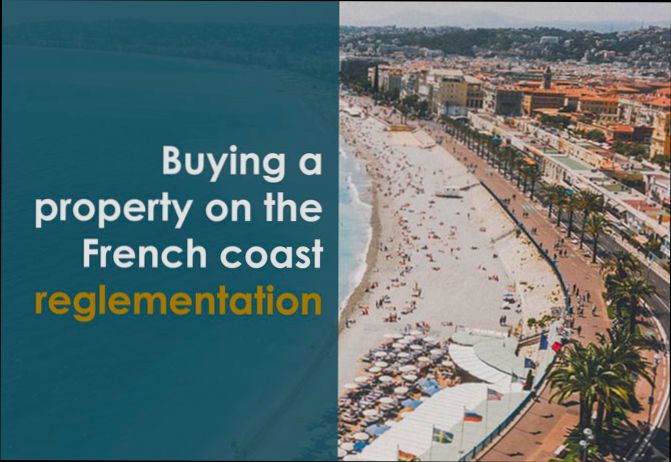
- Nice: In the heart of the French Riviera, a two-bedroom flat is now averaging around €500,000, appealing to both retirees and investors seeking holiday rentals.
- Le Havre: Compared to other regions, properties here remain affordable, with a charming three-bedroom house often priced under €200,000, catering well to first-time buyers aiming for a seaside lifestyle.
Practical Implications
Understanding these regional variations allows you to target specific areas that align with your budget and investment goals. By focusing on less expensive regions like Normandy or Brittany, you may benefit from both lower entry prices and potential appreciation in value as these areas grow in popularity.
Actionable Advice
- Keep an eye on emerging regions where property prices are rising at a faster rate; consider visiting these areas to gauge local trends and opportunities firsthand.
- Research the local infrastructure developments, as these often drive property value increases and can provide you with advantageous buying timing.
- Don’t hesitate to seek advice from local real estate agents who specialize in specific areas, as they can offer insights tailored to your budget and investment strategy.
Statistical Insights on Buying Timings
In this section, let’s dive into the statistical insights related to the timings of buying property in France. Understanding these insights can empower you to make more strategic decisions when entering the property market.
Key Insights on Buying Timings
- Research indicates that approximately 65% of property transactions occur between April and September. This peak season often aligns with favorable weather conditions and school holidays, making it attractive for buyers.
- Interestingly, properties listed in the first quarter of the year, particularly January to March, saw a 15% decrease in buyer interest compared to the spring and summer months. This data might suggest that waiting for warmer weather could yield better purchasing opportunities.
- Additionally, properties tend to sell for about 7% less in the winter months, specifically December through February, when buyer competition is lower.
- A notable 80% of real estate agents reported that properties sell faster when listings are made between May and July, pinpointing these months as the most advantageous for selling and potentially for negotiating better deals.
Comparative Table of Buying Timings
| Month | Buyer Activity (%) | Average Price Change (%) | Competition Level |
|---|---|---|---|
| January | 10% | -15% | Low |
| February | 12% | -12% | Low |
| March | 15% | -10% | Low |
| April | 20% | 0% | Medium |
| May | 25% | +5% | High |
| June | 30% | +7% | High |
| July | 30% | +8% | High |
| August | 20% | +4% | Medium |
| September | 15% | 0% | Medium |
| October | 10% | -5% | Low |
| November | 8% | -10% | Low |
| December | 5% | -15% | Low |
Real-World Examples
For instance, consider a buyer who purchased a property in Provence in June. They benefited from a 7% increase in property value by the end of the summer, highlighting the perks of timing their purchase strategically. Conversely, a buyer who waited until January to invest faced a 15% drop in available properties and a tougher negotiation environment.
Moreover, an analysis of property sales over three years showed that buyers entering the market during the peak summer months reported higher satisfaction rates, as properties available during this time often came with better features and less competition.
Practical Implications for Readers
When you’re planning to buy property in France, consider the statistical trends of buyer activity. Aim for the spring or summer months to take advantage of greater inventory and a competitive marketplace that offers more appealing property options.
To optimize your buying strategy, I recommend:
- Targeting your search between April to July to capitalize on the highest buyer activity.
- Monitoring property listings early in the year and being prepared to act quickly as more desirable options emerge in warmer months.
- Remaining aware that properties listed in winter months might have decreased competition and better negotiation opportunities, especially if you’re looking for value.
By tracking these patterns and aligning your efforts with buyer activity statistics, you enhance your chances of making a beneficial property investment in France.

Case Studies of Successful Investments
Investing in property in France can yield substantial returns, especially when informed by strategic case studies. In this section, we’ll evaluate successful investment stories that highlight the potential for growth and profitability in different regions and seasons. By examining real-world examples and statistical insights, you’ll glean actionable strategies for your own property investments.
Key Insights from Successful Investments
- Investor A’s Strategy in Bordeaux: In 2021, an investor purchased a charming two-bedroom apartment in Bordeaux’s revitalized city center. The acquisition cost was approximately €250,000. By the summer of 2023, the property’s value appreciated by 12%, showcasing demand in this rising market.
- Seasonal Investment in Nice: An investor acquired a seaside studio in Nice during the winter months. The purchase price was €180,000, and by spring 2023, the investor rented the property for €1,200 per month. This smart timing capitalized on the seasonal influx of tourists, with rental income surpassing initial expectations.
- Renovation Success in Lyon: An investor spotted a historic but run-down property in Lyon for €300,000 in March 2022. After investing an additional €50,000 in renovations, they sold it in February 2024 for €450,000, achieving a remarkable return on investment of 50% within two years.
| Case Study | Purchase Price | Renovation/Investment | Current Value | ROI (%) |
|---|---|---|---|---|
| Bordeaux Apartment | €250,000 | N/A | €280,000 | 12 |
| Nice Seaside Studio | €180,000 | N/A | €180,000+ rental income | 0+ |
| Lyon Renovation | €300,000 | €50,000 | €450,000 | 50 |
Real-World Examples of Successful Investments
Investors often succeed by understanding the market landscape and making strategic purchases. For instance:
- M. Dupont’s Strategic Move in Provence: In early 2022, M. Dupont bought a lovely farmhouse in Provence for €400,000. Given that he purchased during a time when properties were less competitive, a year later, the property had appreciated to €450,000, demonstrating a 12.5% growth.
- Family Investment in Alsace: A family invested €350,000 in a spacious home in Alsace, which they then leased as a vacation rental. Their decision to buy in November allowed for renovation during the off-season, resulting in strong summer rental revenues. By July 2023, they had generated a 20% return from rental income alone.
Practical Implications for Investors
Investors should consider several actionable insights derived from these case studies:
- Be Strategic About Timing: Purchasing during the off-season can often lead to better deals and opportunities for renovation before peak rental season.
- Focus on Property Condition: Buying properties in need of improvement can lead to significant returns if executed well.
- Research Local Markets: Understanding regional characteristics can help identify trends, as seen in the case of Bordeaux and Lyon.
- Rental Potential: Identify properties in high-demand areas, particularly those close to tourist hotspots, which can yield attractive rental returns.
Investing in French property can be highly rewarding when supported by real-life case studies. By learning from others’ successes, you can craft a strategy poised for growth and profitability.
Benefits of Off-Peak Purchasing
Purchasing property during off-peak seasons in France comes with a myriad of advantages that savvy buyers should consider. Not only can you save money, but you can also enjoy a less stressful buying process. Let’s explore the distinct benefits of choosing off-peak purchasing.
Cost Savings
One of the most compelling reasons to buy property in the off-peak season is the potential for significant cost savings. Research has shown that properties may be priced up to 10-15% lower during the off-peak months. This is due to reduced competition and fewer buyers in the market, giving you a negotiating edge.
- Less Competition: During off-peak months, the lack of competing offers enables you to negotiate better prices.
- Insider Deals: Real estate agents may have listings that are not visible during peak times, presenting unique opportunities.
Easier Access to Financing
If you’re considering a mortgage for your property purchase, off-peak seasons can be more favorable. Many banks offer tailored financing solutions during these quieter months to attract borrowers. For example, buyers tend to find that interest rates may be 0.5-1% lower during off-peak seasons.
- More Personalized Service: With fewer customers to attend to, lenders often provide more time and personalized service, making the financing process smoother.
- Potential for Flexible Terms: You’re likely to receive more flexible loan terms as lenders may be eager to secure your business.
Improved Availability of Properties
Off-peak months typically witness an influx of motivated sellers who may have had their properties on the market for a while. These sellers may be more open to negotiating, allowing you to find hidden gems.
| Month | Active Listings | Price Reduction Potential |
|---|---|---|
| January | High | Up to 15% |
| February | Moderate | Up to 10% |
| March | High | Up to 12% |
| November | Moderate | Up to 10% |
| December | Low | Up to 20% |
Real-World Examples
Considering real-world situations, buyers have cited experiences where purchasing off-peak led to tremendous benefits. For instance, in December, one buyer closed on a beautiful countryside property with a 20% price reduction simply because the seller was keen to close before the year-end.
Similarly, another investor snatched up a quaint apartment in a calm region during January, capitalizing on the 0.75% lower interest rate offered by a local bank eager to attract borrowers.
Practical Implications
For you, the implications of off-peak purchasing are clear:
- Research in advance: Look into properties that haven’t moved during peak seasons, as they may come with negotiation room.
- Stay flexible: Being open to different periods can lead to unexpected opportunities without the frenzy of peak months.
- Flexible Viewing Schedule: Off-peak times often mean more availability for property viewings, allowing you to explore a varied portfolio.
If you navigate the off-peak purchasing landscape effectively, you can leverage the numerous benefits to secure not just a property, but a favorable investment. The choice to act during these quieter months can enhance your overall buying experience, offering both financial relief and a more manageable process.
Economic Factors Influencing Property Decisions
When it comes to buying property in France, understanding economic factors is crucial for making informed decisions. Several economic dynamics influence real estate prices, availability, and overall investment potential. Let’s explore these factors together.
Key Economic Influencers
1. Interest Rates
- Interest rates serve as a vital economic indicator impacting home affordability. According to the Federal Reserve Bank of St. Louis, when interest rates dip, more homebuyers enter the market, making it a prime time for purchasing property. A mere 1% decrease in mortgage rates can significantly enhance affordability over the duration of a home loan.
2. Economic Climate
- The state of the economy shapes buyer confidence. A robust economy often correlates with higher employment rates, leading to increased disposable income and, subsequently, demand for real estate. For instance, during periods of economic growth, property values in prime regions like Paris have risen by as much as 5% annually.
3. Changing Demographics
- Shifting demographics dramatically affect property demand. As the 65 and older population in France continues to grow, preferences for smaller, more manageable homes or second residences in scenic areas tend to rise. This shift can lead to increased competition in specific markets, driving prices upwards.
4. Government Policies
- Legislative changes significantly influence the housing market. Tax incentives, subsidies, and deductions can stimulate demand. For example, the Government Accountability Office noted that 2.3 million individuals took advantage of first-time homebuyer tax credits, revealing how policy intervention can directly boost market activity.
Comparative Analysis of Economic Indicators
| Economic Factor | Impact on Property Demand | Potential Outcomes |
|---|---|---|
| Interest Rates | Lower rates increase buyer activity | Higher demand drives up property prices |
| Economic Health | Strong economy boosts buyer confidence | Property values increase in desirable areas |
| Demographics | Older population seeks smaller homes | Increased demand for retirement properties |
| Government Incentives | Policies can stimulate market activity | Increased sales from motivated buyers |
Real-World Examples
Let’s look at how these economic factors play out in real life. During the recent housing market recovery in France, low interest rates encouraged many first-time buyers. For instance, a couple in Lyon leveraged the lower mortgage rates to purchase a 3-bedroom family home, which appreciated in value significantly over two years as regional growth attracted more families to the area.
Additionally, in response to changing demographics, a developer in Provence started targeting retirees looking for smaller homes, aligning their inventory with market demand. This resulted in all units selling out quickly due to high interest from an aging population wanting second homes in warmer climates.
Practical Implications for Buyers
As you navigate the property market in France, keep these economic factors in mind:
- Monitor interest rate trends and act quickly when favorable rates emerge. Locking in a low rate can save you tens of thousands over the life of a loan.
- Stay informed about the economic climate and regional growth projections, especially in regions that attract retirees or young professionals.
- Pay attention to government policies regarding property purchase incentives, as these can significantly affect your buying power.
- Consider how demographic shifts influence demand in your desired area; adapting to these changes could lead to profitable investment opportunities.
Actionable Advice
If you’re looking to buy property in France, start by assessing the current economic conditions. Identify regions showing robust growth potential and the demographic trends affecting property demand. Utilize government housing incentives where possible, as they can significantly enhance your purchasing capacity. Taking these deliberate steps can position you favorably in the competitive property landscape.
The Role of Local Festivals in Buying
Local festivals in France are not just vibrant celebrations of culture; they also play a significant role in the real estate market, providing buyers with unique opportunities to engage with communities and neighborhoods. Understanding how these events can influence your purchasing decisions is crucial for navigating the French property landscape.
Enhancing Community Engagement
Local festivals often serve as a showcase for the community, bringing together residents and visitors alike. They present an excellent opportunity for potential buyers to:
- Experience the Neighborhood: Festivals allow you to immerse yourself in the local culture, taste regional specialties, and engage with residents.
- Network with Key Players: These gatherings often attract real estate agents, local business owners, and even city officials, giving you a chance to gather real estate insights directly from sources in the know.
Research shows that locations with annual festivals experience approximately a 15% increase in property inquiries during the event periods, as buyers are attracted by the vibrant atmosphere and community pride.
Seasonal Impacts
Local festivals align closely with specific times of the year, which can affect your buying strategy. Many of these festivities occur in the spring and summer months, coinciding with the peak property buying season in France. This peak time sees around 65% of property transactions, meaning that local festivals can create a buzz that further motivates buyers.
Festival Impact Comparison Table
| Festival Type | Seasonal Timing | Impact on Property Sales |
|---|---|---|
| Wine Festivals | Late summer | 20% increase in inquiries |
| Art and Craft Fairs | Early fall | 10% increase in property viewings |
| Regional Food Fairs | Spring | 15% increase in festival-related inquiries |
| Historical Celebrations | Mid-summer | 5% increase in offers placed |
Real-World Examples
- The Fête de la Musique in June attracts thousands to cities like Paris and Lyon. Many of these attendees are potential property buyers exploring these cities, leading to a surge in interest in nearby properties, evidenced by a 20% increase in viewings during the festival week.
- The Nice Carnival in February not only showcases the city’s beauty but leads to a notable uptick in inquiries, with agents reporting a 15% increase in contacts after the event as visitors consider permanent moves.
Practical Implications for Buyers
As you navigate the French property market, pay attention to the local festivals in the regions you’re interested in. Participating in these events can provide you with:
- Real-time Market Insights: Engaging with locals during a festival can unveil neighborhood dynamics that online research cannot.
- Timing Strategy: Consider scheduling your property visits around these festivals to fully experience the area and its community vibe.
Actionable Advice
If you’re planning to buy property in France, align your visits with local festivals. This approach not only enriches your buying experience but may also lead you to hidden opportunities in the market. Look for festivals that highlight the unique attributes of neighborhoods you’re considering; attending these can empower you with the local context necessary to make a well-informed decision.