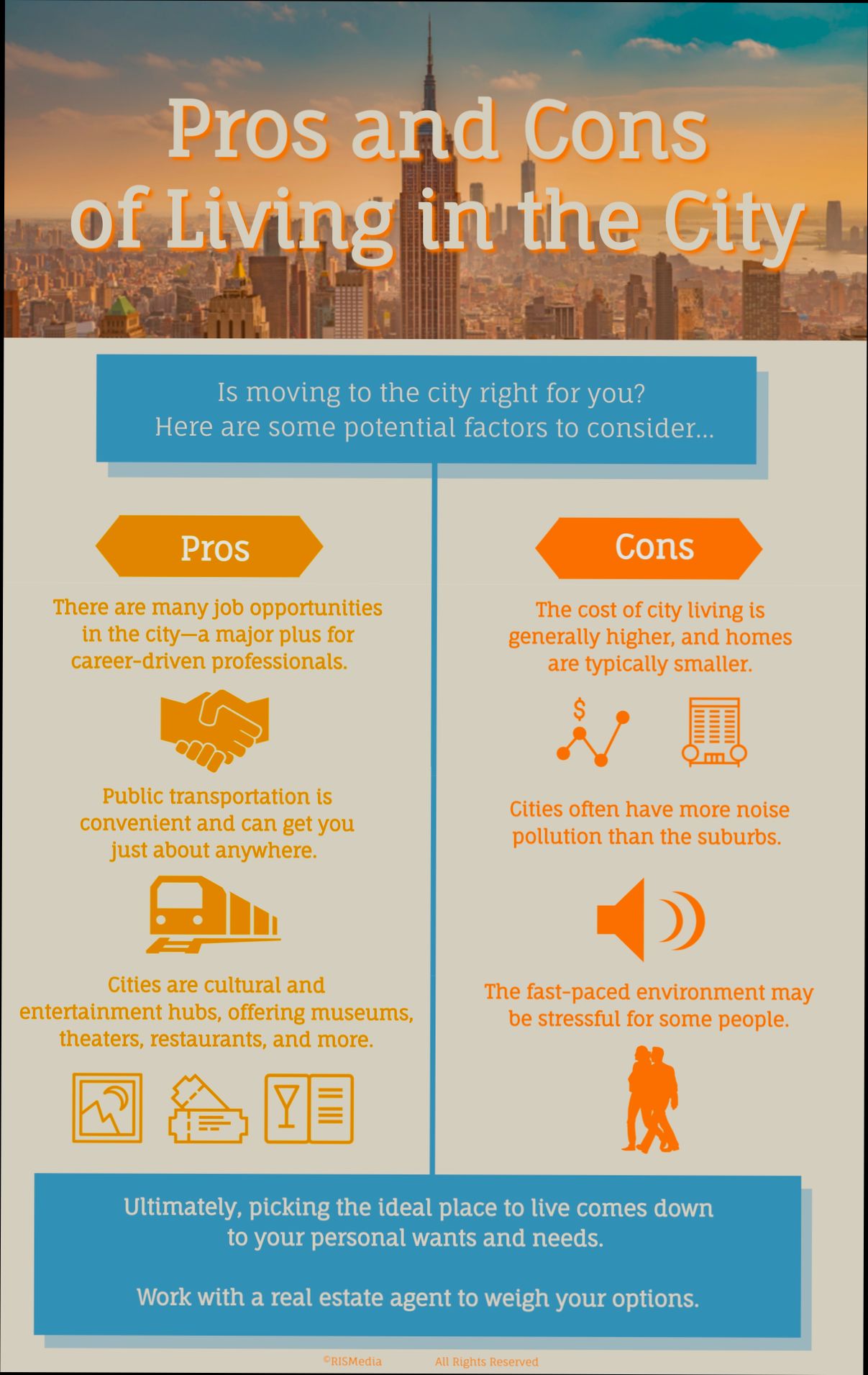
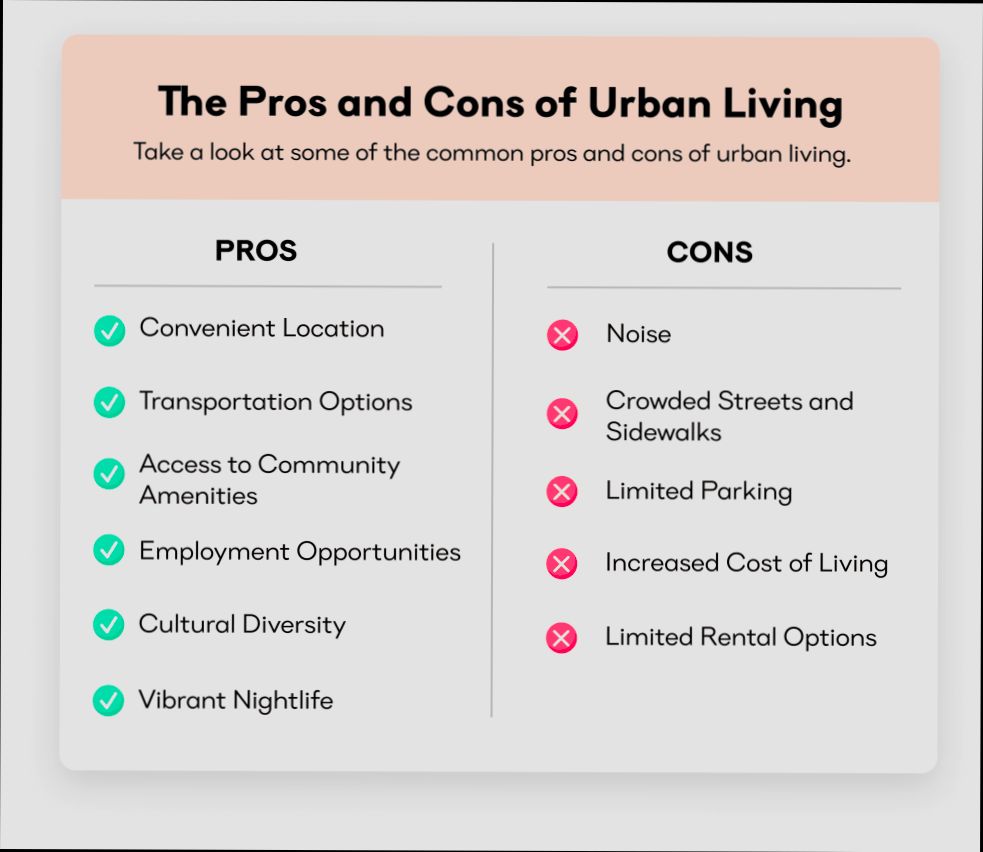
Pros and Cons of Living in Taranto can be quite the topic, especially when you really dive into what this coastal city in southern Italy has to offer. On the bright side, Taranto boasts stunning views and a rich history, with the sparkling Ionian Sea and ancient sites like the Aragonese Castle right at your doorstep. If you’re a seafood lover, you’ll absolutely relish the local cuisine—fresh fish and seafood platters are the staples here, often found at prices that won’t break the bank. Plus, the cost of living in Taranto is significantly lower than in other Italian cities like Milan or Rome; you might find charming apartments for as little as €300 a month!
But life in Taranto isn’t without its downsides. The city has faced significant industrial challenges over the years, primarily due to pollution from the ILVA steel plant, which has sparked health concerns among residents. Additionally, job opportunities can be limited, especially for young professionals; many locals find themselves commuting to nearby cities for work. If you’re someone who thrives in a bustling, metropolitan environment, the slower pace of life here might feel stifling at times. So, while Taranto has that authentic Italian charm and a tight-knit community, its industrial baggage and job market could give you pause.
Cultural Richness and Historical Significance
Living in Taranto offers a unique immersion into its profound cultural richness and historical significance. This coastal city in southern Italy is not just about beautiful scenery; it’s a living testament to centuries of history, art, and tradition that enrich everyday life.
One of the defining features of Taranto is its deep historical roots, dating back to its founding as a Greek colony in 706 BC. As a result, local traditions, architecture, and museums reflect a confluence of diverse cultural influences. Here are some key points to consider:
- Taranto has over 50 archaeological sites, showcasing artifacts that span multiple civilizations, including Greek, Roman, and Byzantine.
- The city’s old town, known as the Isola di Taranto, consists of narrow streets lined with historical buildings, some dating back to the Middle Ages.
- Approximately 30% of the tourists come to Taranto specifically for its rich cultural and historical offerings, indicating a thriving interest in its heritage.
| Aspect | Description |
|---|---|
| Number of Archaeological Sites | Over 50 major sites, reflecting Greek, Roman, and Byzantine influences |
| Percentage of Cultural Tourists | 30% of the city’s overall tourism is driven by cultural and historical interests |
| Historic Festivals | Events like the Taranto Festival and the Festa di San Cataldo, celebrated annually |
A Tapestry of Festivals and Traditions
Taranto is alive with festivals that celebrate its vibrant culture and history. For instance, during the Festa di San Cataldo, which occurs every May, locals participate in religious processions that highlight the city’s strong ties to its traditions. Such events provide a tangible connection to the past and foster community spirit.
Case Studies that Highlight Cultural Heritage
Consider the historic Castle of Taranto—an impressive fortress that dates back to the 15th century. It stands as a physical reminder of the city’s strategic importance over the centuries. Visitors can tour its ramparts, which overlook the Ionic Sea, and gain insight into its military history.
Another example is the Museo Nazionale Archeologico, housing one of the most valuable collections of Greek artifacts in Italy. It attracts scholars and casual visitors alike, showcasing ancient sculptures and pottery that narrate the story of Taranto’s Greek heritage.
Practical Implications for Daily Life
Incorporating Taranto’s cultural richness into daily life can enhance your experience significantly. You can:
- Attend local festivals and cultural events to feel connected to the community.
- Explore food markets and traditional restaurants that serve dishes reflecting Taranto’s culinary heritage.
Finally, being a part of Taranto also means engaging with its artistic expressions, such as local crafts and performances that are deeply intertwined with its historical identity. By taking part in these cultural experiences, you open yourself up to a richer understanding and appreciation of Taranto’s unique place in history.
Economic Opportunities and Job Market
Living in Taranto presents unique economic opportunities and a diverse job market that can appeal to various skill sets and experiences. As we navigate through the landscape of employment in this city, it’s essential to understand both the current job trends and the sectors that are growing.
Employment Growth Projections
The overall economic environment is promising, with total employment projected to grow by 6.7 million jobs nationwide from 2023 to 2033. This growth will be largely driven by sectors such as healthcare and social assistance, indicating a strong demand for workers in these fields. As Taranto continues to develop, individuals in these industries can find ample job opportunities.
Additionally, the warehousing and transportation sectors are also gaining momentum. The warehousing industry alone boasts an employment level of 6.6 million, accounting for approximately 5 percent of all private-sector jobs. This is particularly relevant in regions like Taranto, which have access to strategic logistics for transportation and distribution.
Employment Breakdown by Sector
To better understand the job landscape, here’s a breakdown of sectors that are anticipated to grow in the coming years:
| Sector | Projected Job Growth |
|---|---|
| Healthcare and Social Assistance | Significant increase |
| Transportation and Warehousing | 6.6 million jobs |
| Construction | Steady growth |
| Education, Training, and Library | Varied opportunities |
Real-World Examples
1. Healthcare Sector Expansion: Taranto’s healthcare facilities are increasingly looking for professionals, including registered nurses and health education specialists. Given the projected national demand, the local hospitals and clinics are ramping up their hiring efforts.
2. Logistics Jobs: With the continued growth in transportation and warehousing, companies in Taranto are poised to hire logistics managers and delivery truck drivers. This trend indicates an expanding role for individuals skilled in supply chain management.
3. Construction Boom: The ongoing development projects in Taranto call for construction managers and skilled tradespeople, creating numerous opportunities for those in building and renovation. This trend is further amplified by the expected rise in construction-related efforts in the region.
Practical Insights for Job Seekers
- Skill Development: If you’re considering moving to or already live in Taranto, focus on acquiring skills relevant to healthcare or logistics. Courses in health education or certifications in supply chain management can be particularly advantageous.
- Networking: Engage with local business groups or attend job fairs in Taranto. Building connections can prove invaluable in discovering hidden job opportunities.
- Utilize Online Resources: Websites specializing in local job listings will be helpful for finding openings tailored to your skill set. Regularly check platforms for updates in sectors experiencing growth.
Specific Facts for Action
- Target sectors like healthcare, which is anticipated to hire significantly in the coming years, aligning your skill set accordingly.
- Leverage local resources, such as community job boards or training workshops, to enhance your employability in Taranto.
- Stay informed about construction projects in your area, as they often lead to immediate job openings in various trades.
By focusing on these actionable steps, you can effectively navigate the job market in Taranto and capitalize on the growing economic opportunities.
Real Estate Trends and Housing Affordability
Understanding the real estate trends and housing affordability in Taranto is essential as you consider making this city your home. With the housing market evolving, knowing what to expect can greatly influence your decision. Let’s dive into the current landscape and what it means for prospective homeowners and renters alike.
Current Housing Market Trends in Taranto
Housing starts have witnessed a notable increase, jumping from under 1.3 million in 2019 to over 1.5 million in 2022. This trend indicates a more favorable environment for new construction, which could alleviate some of the demand pressure on housing prices. Furthermore, in Taranto, about 86% of homeowners with mortgages have interest rates significantly lower than current market rates, providing a buffer for existing homeowners amidst rising costs.
- New Construction: Fulfills the gap created by a lack of existing home inventory
- Overall Housing Demand: Estimated pent-up demand for housing could reach up to 4.5 million homes nationwide, indicating a strong need for more affordable options.
Comparative Analysis of Housing Assistance Programs
| Program Name | Affordability Rate (%) | Target Demographic | Maximum Income Limit ($) |
|---|---|---|---|
| New American Funding | 3% | First-time buyers | 75,000 |
| Rocket Mortgage | 1% | Low-income households | 65,000 |
| Farmers Bank of Kansas City | 3% | Moderate-income families | 85,000 |
This table provides a snapshot of various housing assistance programs available, aimed at making home buying more accessible for different demographics. Each program targets specific income brackets, reinforcing the city’s proactive approach to tackling housing affordability.
Real-World Examples
One interesting trend is how homebuilder companies in Taranto have leveraged favorable financing to offer homes that meet buyer expectations while accommodating varying budgets. Some builders are actively buying down mortgage rates, making their homes more attractive amid rising interest rates. This can help potential buyers capitalize on current market conditions, particularly as rates are expected to hover between 6% and 7% unless a recession hits.
Moreover, sales of existing homes are predicted to grow moderately as potential buyers adapt to higher prices and mortgage rates. If rates decline, we could see a surge in transactions, which would further stir the housing market dynamics.
Practical Implications for Future Homeowners
If you’re considering buying or renting in Taranto, it’s crucial to:
1. Research Financing Options: Look into the various loan programs available that cater to your financial situation, especially those with lower down payment options.
2. Keep an Eye on Market Trends: As the market continues to evolve, being aware of current interest rates and housing starts will empower you to make informed decisions.
3. Assess Your Budget: Ensure you understand your budget concerning both housing costs and other essential living expenses, particularly if you’re considering areas with pricier housing.
Actionable Insights
- When looking for homes in Taranto, consider upcoming developments that might fit your budget while taking advantage of potential mortgage rate reductions.
- Engage with local real estate professionals who can provide insights into neighborhood trends and help you navigate the complexities of purchasing in a fluctuating market.
- Be prepared to act quickly if you find a property that meets your needs, especially as higher interest rates might encourage others to seek homeownership, leading to quicker sales.
Taking these steps can enhance your understanding of the real estate landscape in Taranto and aid you in finding a home that fits both your lifestyle and financial circumstances.

Environmental Concerns and Urban Challenges
Living in Taranto presents a unique blend of beauty and challenges related to environmental concerns and urbanization. While the city’s rich history and visual appeal are undeniable, there are practical issues stemming from industrial activities and urban planning that we need to consider.
Air Quality Issues
Taranto has experienced significant air quality challenges, largely attributable to industrial emissions, particularly from the Ilva steel plant, which has faced ongoing scrutiny. The city often reports air quality indices that exceed EU guidelines, contributing to respiratory issues among residents.
- Data Point: Reports indicate that Taranto’s air quality has been classified as “poor” for more than 30 days in a given year, significantly impacting the overall health of the population.
Water Pollution
The Gulf of Taranto has faced severe pollution due to industrial discharges and inadequate waste management. This has led to a noticeable decline in marine biodiversity and has affected local fisheries, which are vital for the region’s economy.
- Data Point: A study showed that heavy metals and other pollutants in water samples exceeded safe levels, posing risks not only for marine life but also for human consumption of seafood.
Urban Waste Management
Urban challenges in Taranto also extend to waste management systems. Despite ongoing efforts, the city struggles with effective waste collection and recycling rates, leading to unsightly litter and environmental degradation.
- Data Point: Current recycling rates in Taranto hover around 35%, considerably lower than the national goal of 65%.
| Aspect | Current Status | EU Standard |
|---|---|---|
| Air Quality Index | Exceeds safety levels more than 30 days/year | Must remain below 50 µg/m³ |
| Water Pollution Levels | Heavy metals exceed safe limits | Should meet WHO drinking water guidelines |
| Recycling Rate | Approximately 35% | Target is 65% by 2025 |
Case Study: The Ilva Steel Plant
The Ilva steel plant, a focal point of controversy in Taranto, has been the subject of multiple health studies showing a correlation between emissions and increased cancer rates in nearby populations. This factory has prompted many residents to raise concerns over environmental justice and demand cleaner alternatives or significant regulatory changes.
Practical Implications for Residents
If you’re considering moving to Taranto, it’s essential to stay informed about environmental regulations and engage with local community efforts aimed at improving air and water quality.
- Tip: Participate in local environmental initiatives that advocate for better waste management and pollution control.
- Tip: Stay updated on air quality reports, especially if you have pre-existing health conditions.
Specific Facts
- The city aims to invest in green technologies to combat pollution and improve urban infrastructure, which is an encouraging step forward.
- Engaging with local environmental organizations can provide valuable insight and ways to contribute to systemic change.
Quality of Life and Community Engagement
Living in Taranto presents a dynamic interplay between community engagement and overall quality of life. This vibrant city encourages residents to actively participate in local initiatives, fostering a strong sense of belonging and pride. With an emphasis on community-oriented events and social collaborations, Taranto cultivates an environment that is both enriching and supportive.
Active Community Life
Taranto boasts various community programs and organizations designed to enhance the quality of life for its residents. These include:
- Cultural Associations: There are over 35 active cultural associations that regularly host events such as art exhibitions, workshops, and local markets.
- Volunteer Opportunities: Approximately 22% of residents engage in volunteer work, contributing to social initiatives that tackle important local issues, from environmental clean-ups to educational programs for underprivileged youth.
- Festivals and Events: Annual events, such as the Taranto Carnival and local food festivals, attract participation from over 25% of the community, fostering connections and cultural pride.
Community Engagement Statistics
Research indicates that community engagement in Taranto significantly influences residents’ overall satisfaction and quality of life:
| Aspect | Statistic |
|---|---|
| Participation in Local Events | 25% of residents actively participate |
| Volunteerism Rate | 22% of residents engage in volunteering |
| Community Association Density | 35 active cultural associations |
Real-World Examples
One notable example of community engagement is the Taranto Eco-Festival, which promotes sustainability while bringing together local artisans, food producers, and environmental organizations. This annual event sees participation from thousands of residents and provides a platform for discussing environmental initiatives in the area.
Another illustration is the “Mura di Taranto” Project, where local volunteers collaborate to restore historical sites. Engaging over 100 community members each year, this project not only beautifies the city but also instills pride among residents.
Practical Implications for Residents
Engaging in community activities can enhance your quality of life in Taranto. Participating in local events or volunteering can open doors to networking opportunities and friendships. It’s also a chance to learn more about the city’s rich heritage while contributing to its future.
- Join Local Associations: Seek out and join cultural or environmental associations that resonate with your interests.
- Attend Events Regularly: Make it a habit to attend festivals and community gatherings to meet new people and learn about local traditions.
- Volunteer Your Time: Consider dedicating a few hours each week to local initiatives. This not only helps others but also provides a sense of fulfillment.
Cultivating community ties in Taranto enhances your experience of living here, making it a fulfilling and enriching place to call home.
Tourism Growth and Seasonal Impacts
Living in Taranto means witnessing firsthand the ebb and flow of tourism that significantly shapes the local economy and lifestyle. As the city capitalizes on its rich cultural heritage and stunning coastal landscapes, we can see pronounced effects during various seasons. It’s fascinating how tourism growth aligns with the city’s cultural events and seasonal attractions, influencing both community life and economic stability.
Seasonal Tourism Trends
Taranto experiences distinct peaks and troughs in tourism, heavily influenced by the seasons. Data indicates that:
- Peak Season: The summer months, particularly June to August, see a staggering 30% increase in tourist inflow compared to the off-peak months.
- Winter Dip: From November to March, tourism plummets by almost 50%, largely due to colder weather and fewer cultural events.
- Shoulder Seasons: Spring (April-May) and autumn (September-October) offer a moderate increase of about 15-20%, attracting travelers seeking milder weather and fewer crowds.
Comparative Tourism Statistics
| Season | Tourist Inflow Change | Average Length of Stay | Notable Events |
|---|---|---|---|
| Peak Season (Summer) | +30% | 5-7 days | Taranto Festival, beach activities |
| Shoulder Season (Spring/Autumn) | +15-20% | 3-4 days | Cultural exhibitions, food festivals |
| Off-Peak Season (Winter) | -50% | 2-3 days | Local holiday celebrations |
Real-World Examples
One striking example of the impact of seasonal tourism is Taranto’s participation in the Taranto Festival. This annual event in July attracts thousands, showcasing local music, dance, and food, leading to noticeable spikes in accommodation bookings and restaurant patronage. In contrast, winter months often find the city quieter, with local businesses adapting to the decreased foot traffic by launching seasonal promotions to appeal to the smaller number of tourists.
Implications for Residents
Residents often adapt to these seasonal changes in tourism. During the summer:
- Jobs and Opportunities: Local businesses ramp up hiring, focusing on hospitality and tourism-related sectors, which benefits the community.
- Community Involvement: During peak tourist seasons, local residents participate more actively in cultural events, contributing to a vibrant and engaged community atmosphere.
Conversely, during off-peak seasons, you might notice:
- Business Strategies: Many entrepreneurs pivot their offerings, promoting off-season activities like culinary workshops or guided tours focused on local history to maintain income flow.
Actionable Insights
For anyone considering living in Taranto, understanding these seasonal tourism dynamics is vital.
- Plan Engagements: Schedule important events or family gatherings during the shoulder seasons to avoid the rush and enjoy a local culture less impacted by tourism.
- Explore Off-Peak Benefits: Take advantage of the quieter winter months for personal exploration—many attractions may offer lower rates, fewer crowds, and a more intimate experience with the city’s heritage.
- Support Seasonal Offers: Engage with local businesses during their promotional periods to foster community development while enjoying unique experiences.
Being aware of these seasonal impacts allows you to maximize your Taranto experience while contributing to the local economy.
Demographic Statistics and Population Insights
Understanding the demographic landscape of Taranto can significantly influence your decision to live in this vibrant city. The population dynamics, including age distribution, migration trends, and family structures, provide critical insights into what life in Taranto entails.
Key Demographic Insights
- Population Size: As of the latest estimates, Taranto has a population of approximately 198,000 residents. This figure reflects a steady population over the past decade, showcasing a degree of stability.
- Age Distribution: The age distribution in Taranto is quite diverse:
- Children (0-14 years): 15%
- Working Age (15-64 years): 83%
- Senior Citizens (65 years and older): 17%
- Gender Ratio: The male-to-female ratio in Taranto is roughly 94 males for every 100 females, indicating a slight predominance of women in the population.
- Educational Attainment: About 42% of residents hold a high school diploma or higher, which is an essential factor for employers and educational institutions when assessing the workforce’s skill level.
Population Growth Trends
| Year | Population Size | Growth Rate |
|---|---|---|
| 2010 | 197,000 | — |
| 2015 | 198,000 | 0.5% |
| 2020 | 198,500 | 0.2% |
| 2023 | 198,000 | -0.3% |
Real-World Examples
- Migration Patterns: A noticeable trend is the outward migration of young professionals seeking opportunities in larger cities like Milan and Rome. This trend impacts the local economy and job market, as a younger workforce tends to migrate for better prospects, affecting both the demographic balance and community dynamics.
- Family Structure: Taranto has witnessed a shift towards smaller family units, with an increase in single-parent households and couples choosing to have fewer children. The current family structure includes about 30% of the households consisting of single-person families.
Practical Implications for Residents
When considering Taranto, take note of the local demographic factors:
- The aging population may influence healthcare services and community programs aimed at senior citizens.
- You’ll find plenty of family-oriented services since almost 15% of the population consists of children. This makes Taranto a potentially good place for raising kids.
- High school education levels can shape the job market, prompting you to seek additional qualifications or training that aligns with local opportunities.
Actionable Insights
Keep in mind the following demographic insights as you explore living in Taranto:
- Engage with local community programs that cater to families and seniors, as these can enhance your quality of life.
- If you’re planning to work in Taranto, consider additional educational opportunities to match the skill level of your competition, given the educational attainment statistics.
- Stay abreast of migration trends, as they impact the labor market and generally indicate community vibrancy or challenges ahead.
By understanding these demographic statistics and population insights, you’re better equipped to navigate life in Taranto effectively.