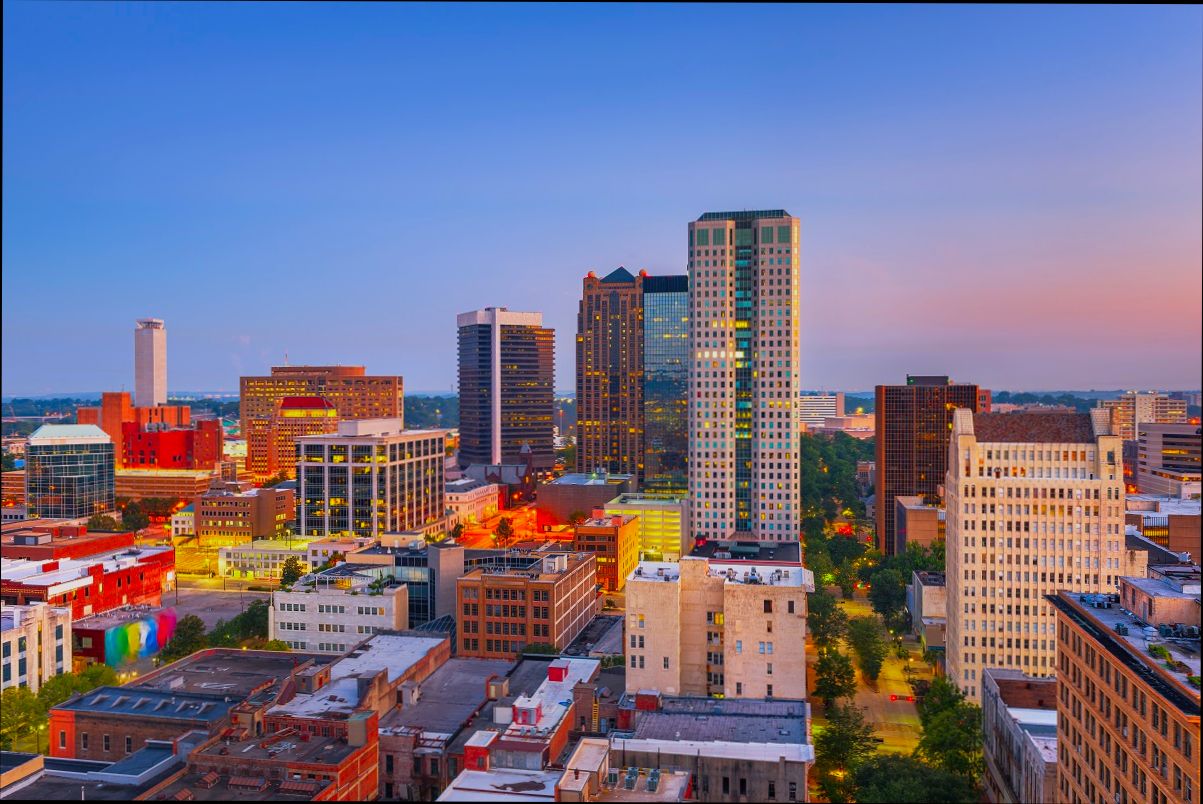
Pros and Cons of Living in Columbus GA can vary widely depending on what you value in life. For starters, the cost of living here is pretty appealing. With an average home price around $175,000, you can snag a cozy place without breaking the bank, especially compared to bigger cities. Plus, the community vibe is strong; neighborhoods like Midtown offer charming local shops and parks that make weekends feel special. On the flip side, however, many folks find that job opportunities can be a mixed bag. While Fort Benning brings some economic stability, sectors outside the military may not have as many options, leaving some people feeling a little stuck.
Culturally, Columbus gives you access to a range of activities, from the annual RiverBlast festival to the vibrant arts scene at the Columbus Museum. You can definitely enjoy a laid-back lifestyle here, but that does come with its downsides. Public transportation options are limited, making a car almost essential unless you’re comfortable relying on your bike or feet. The humidity in the summer can also be a dealbreaker for some; temperatures often soar to the high 90s, leaving you yearning for that cool breeze. So, whether it’s a wallet-friendly lifestyle or community spirit, these pros and cons help paint a clearer picture of life in Columbus GA.
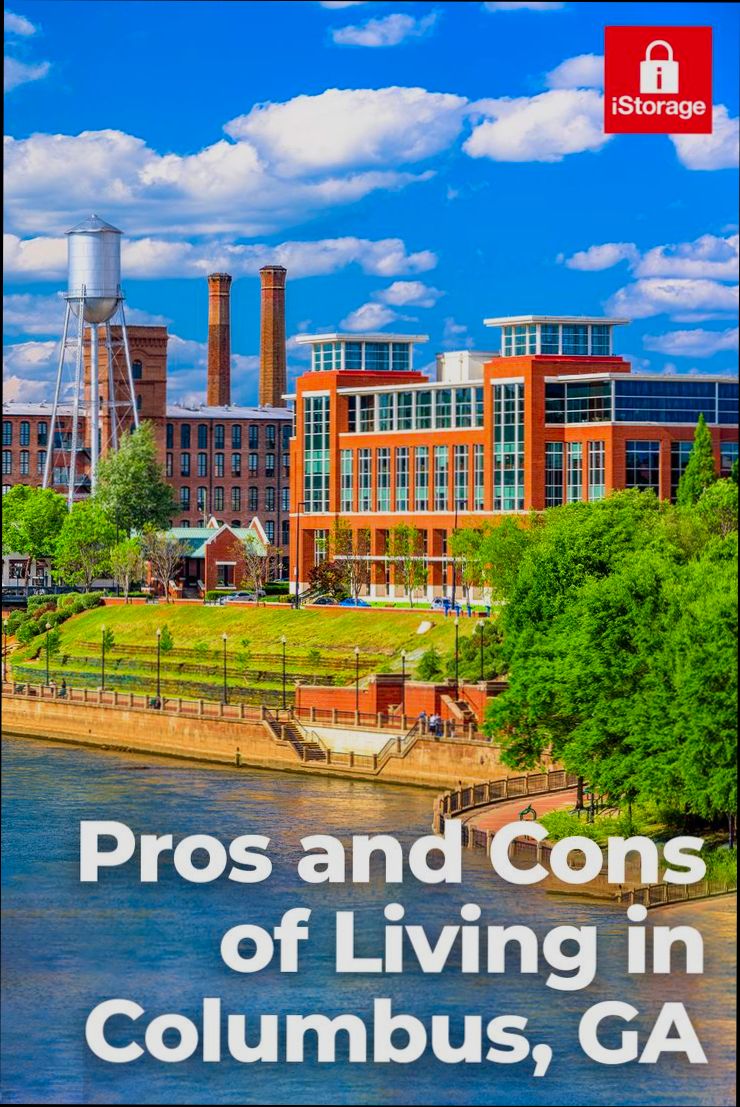
Cost of Living and Housing Market
When it comes to the cost of living and housing market in Columbus, GA, there’s a lot to unpack. This city provides many opportunities for homeownership at prices that are often much more reasonable than in larger metropolitan areas. With current figures reflecting a low average home price and favorable taxation conditions, Columbus is worth considering for both potential homeowners and renters.
Key Insights on Cost of Living
- The overall cost of living in Columbus is significantly lower than the national average, making it an appealing choice for families and individuals alike.
- As of 2023, the average listing price for homes in Columbus stands at approximately $199,000. This figure is notably lower than many neighboring cities and gives you access to a larger pool of affordable housing options.
- About 56.7% of residents in Columbus own their homes, indicating a strong trend of homeownership, though still lower than the national average, which is generally around 65%.
Comparative Housing Market Table
| Feature | Columbus, GA | National Average |
|---|---|---|
| Average Home Price | $199,000 | Approximately $385,000 |
| Homeownership Rate | 56.7% | 65% |
| Property Tax Rate | 0.87% | 1.1% |
| Rent for 2-Bedroom Apt | $1,200 | $1,605 |
Real-World Examples
Consider the neighborhoods such as Downtown and the Historic District, where you can find homes that provide both affordability and charm. For instance, you might discover single-family homes priced around $150,000 to $230,000, depending on the area and specific amenities. Additionally, homes near Columbus State University cater to students and young professionals, often featuring modern apartments under $1,200 for a two-bedroom unit.
Further, the Lakebottom/Weracoba Park area has several family-friendly options with prices starting as low as $180,000, allowing for space and comfort without breaking the bank.
Practical Implications for Buyers and Renters
Understanding the local housing market dynamics is crucial. Lower property taxes (averaging 0.87%) means more savings to allocate toward home improvement or other investments. Additionally, if you’re considering renting, the average cost for a two-bedroom apartment hovers around $1,200, making it a budget-conscious choice compared to national averages.
If you’re eyeing a home in Columbus, make sure to explore financing options and consider how the local market can work to your advantage, especially in neighborhoods that are continuously developing.
Factors to Consider
- Remember to budget for utilities and maintenance, which may vary by neighborhood.
- Explore mortgage options that provide favorable rates as home prices are on the lower end of the spectrum.
- Pay attention to the amenities available in the neighborhoods, as they can significantly affect the quality of living.
Armed with this information, you can make informed choices whether you’re looking to buy your first home or rent in one of Georgia’s charming cities.

Cultural Diversity and Community Engagement
Cultural diversity and community engagement are foundational elements that enrich the living experience in Columbus, GA. With a population that reflects a variety of backgrounds and traditions, residents can experience a unique blend of cultures, fostering connections and enhancing community spirit.
Key Points on Cultural Diversity
- Columbus is home to a vibrant mix of ethnicities. Approximately 40% of the population identifies as a racial or ethnic minority, promoting a rich tapestry of cultural celebrations and traditions.
- The city hosts several annual events that celebrate this diversity, such as the Columbus African American International Cultural Festival, which attracts thousands and showcases music, art, and food from various cultures.
- According to community surveys, about 75% of residents engage in local events that celebrate cultural diversity, showing strong support for community programs aimed at inclusion.
Comparative Cultural Engagement Table
| Cultural Event | Estimated Attendance | Yearly Frequency |
|---|---|---|
| Columbus African American International Festival | 20,000+ | Annually |
| Columbus Hispanic Festival | 15,000+ | Annually |
| Asian Pacific American Heritage Month Celebration | 10,000+ | Annually |
Real-World Examples
In Columbus, organizations like the Columbus Museum actively engage with diverse communities by holding art exhibitions and programs that spotlight various cultural perspectives. Initiatives like the “Cultural Heritage Tales” program involve storytelling from different ethnic backgrounds, allowing residents of all ages to explore and appreciate the richness of their neighbor’s heritages.
Local community centers, like the RiverCenter for the Performing Arts, frequently host performances that represent cultural diversity, providing platforms for local talent while promoting cross-cultural understanding and appreciation. This assembly of events and programs contributes to a community where dialogue and respect are fundamental.
Practical Implications for Residents
For those living in Columbus, engaging with diverse cultural events not only enhances social connections but also promotes personal growth. You might consider:
- Participating in community discussions or forums that encourage sharing diverse perspectives.
- Volunteering for or attending local festivals to immerse yourself in different cultural experiences.
- Joining cultural organizations or clubs to meet new friends while learning about various traditions.
Understanding and celebrating cultural diversity enriches your own life and contributes to the spirit of community in Columbus.
Embrace the cultural richness around you and engage actively—your participation not only enhances your own experience but also strengthens the community fabric.

Employment Opportunities and Job Growth
When considering a move to Columbus, GA, understanding the employment landscape is crucial. This city is not just a charming place to live; it also boasts a range of job opportunities across various sectors, making it an appealing option for job seekers and career growth.
Key Employment Insights
In Columbus, several key sectors drive job growth and opportunities:
- Military and Defense: With the presence of Fort Moore, Columbus benefits from a stable job market linked to military and defense-related employment, providing thousands of jobs directly and indirectly.
- Healthcare Sector: Columbus has a thriving healthcare industry, which is one of the largest employers in the region. The area has multiple hospitals and healthcare facilities, contributing to a consistent demand for medical professionals such as nurses, technicians, and support staff.
- Manufacturing: The manufacturing sector in Columbus employs a significant portion of the workforce, thanks to businesses like Uniroyal and other factories in the area. This sector has seen growth because of investments in technology and automation, which require skilled workers.
- Education: With educational institutions like Columbus State University, teaching positions and administrative roles also boost local employment opportunities. Education-related jobs typically have stable growth and benefits.
- Retail and Services: The retail and service industries are expanding as Columbus grows, providing various entry-level and management roles.
Employment Growth Statistics
| Sector | Average Job Growth Rate (2020-2025) | Key Employers |
|---|---|---|
| Military and Defense | 1.5% | Fort Moore |
| Healthcare | 3.0% | Columbus Regional Healthcare System |
| Manufacturing | 2.5% | Uniroyal, Aflac |
| Education | 2.0% | Columbus State University |
| Retail and Services | 2.7% | Various local businesses |
Real-World Examples
The story of Aflac, a major insurance company headquartered in Columbus, illustrates the city’s business-friendly environment. Aflac has expanded its workforce significantly over the past few years, creating numerous job opportunities, especially in sales and customer service. Their growth directly impacts the local economy, providing jobs and enhancing community engagement.
Another example is the development at Fort Moore, where expanded roles for soldiers and civilian staff contribute to a steady inflow of residents and job seekers, thereby boosting local businesses and service providers.
Practical Implications for Job Seekers
- Networking Opportunities: Engaging with local networking events and job fairs can enhance your chances of finding employment. Organizations like the Greater Columbus Georgia Chamber of Commerce frequently host events that connect employers with job seekers.
- Skill Development: With many sectors showing growth, consider pursuing training or certifications relevant to healthcare, manufacturing, or technology to boost employability.
- Resource Utilization: Take advantage of Georgia’s workforce development programs, which offer resources for job training and placement specific to the Columbus area.
Actionable Facts
- Explore job openings in military, healthcare, and manufacturing sectors through platforms like Indeed or LinkedIn specific to the Columbus area for the latest opportunities.
- Leverage local government resources for job placement programs, which can significantly aid in finding your next career move in Columbus, GA.

Education System Overview and Statistics
Understanding the education system in Columbus, GA, is essential for families considering a move to the area. Here, I’ll share some engaging facts and statistics that highlight what you can expect from the educational landscape, ranging from public schools to higher education institutions.
Key Insights on Education
- The graduation rate for high school students in Columbus stands at approximately 80%, which reflects a commitment to improving educational outcomes in the region.
- The average student-to-teacher ratio is about 15:1, allowing for a more personalized learning experience and better support for students.
- Columbus offers a variety of public, charter, and private schools, catering to different educational philosophies and needs.
Comparative Education Statistics
| Category | Percentage/Number |
|---|---|
| High School Graduation Rate | 80% |
| Student-to-Teacher Ratio | 15:1 |
| Pre-K Enrollment | 70% (ages 4-5) |
| Advanced Placement (AP) Courses Offered | 12% of high school students |
| Public Schools in Columbus | 38 |
Real-World Examples
Columbus High School is a notable example of educational excellence in the area, offering a range of Advanced Placement courses that allow students to earn college credit while still in high school. In the 2022 academic year, around 12% of students participated in AP courses, indicating a strong interest in higher-level academic challenges.
Additionally, the Chattahoochee Valley Community College provides accessible higher education opportunities, with a diverse range of programs designed to cater to the local economy’s needs. Statistics show that over 2,000 students are enrolled each semester, demonstrating the community’s commitment to continued education and workforce development.
Practical Implications for Families
For families moving to Columbus, GA, the education system offers multiple options to suit diverse learning needs and preferences. It’s essential to explore the specific schools and programs available, considering factors such as curriculum, extracurricular activities, and support services.
- Visit Schools: Take the time to tour potential schools and meet with teachers and administrators to get a feel for the environment.
- Explore Programs: Look into advanced placement and vocational programs that could benefit your child’s future career opportunities.
- Engage with the Community: Local parent-teacher associations and community events can provide insights into the school’s culture and values.
Specific Facts to Know
- Columbus has seen a rise in pre-K enrollment, with about 70% of eligible children participating in early childhood education, emphasizing the town’s focus on foundational learning.
- The ongoing expansion of charter schools and specialized programs indicates a growing commitment to diverse educational pathways in the community.
By staying informed about the education system in Columbus, you can make better decisions for your family’s educational journey.

Recreational Activities and Outdoor Spaces
Columbus, GA offers a multitude of recreational activities and vast outdoor spaces that cater to varied interests and age groups. You’ll find countless opportunities for adventure, relaxation, and socializing amidst nature or engaging in local community events.
Key Points on Recreational Opportunities
- Columbus boasts over 50 miles of trails ideal for biking, running, and walking, allowing residents to immerse themselves in outdoor activities without traveling far from home.
- The city is known for the Chattahoochee River, where you can try your hand at kayaking, paddle boarding, or fishing; it’s a great spot for water-based fun!
- If you prefer structured activities, there are more than 20 parks across the city, some featuring amenities such as sports fields, playgrounds, and picnic areas.
- Water activities attract many residents, with approximately 60% of locals participating in river-related recreational activities throughout the year.
- Columbus also hosts community events at parks, such as outdoor movie nights, concerts, and festivals, creating a vibrant social scene.
Comparative Recreational Amenities Table
| Recreational Feature | Number in Columbus | National Average | Notes |
|---|---|---|---|
| Miles of Trails | 50+ | 30 | Yields ample outdoor space. |
| Parks | 20+ | 10 | Offers diverse recreational options. |
| Community Events per Month | 10+ | 6 | Promotes community gathering. |
| Local Water Activities | 60% participation | 40% | High engagement in outdoor water fun. |
Real-World Examples
The Chattahoochee RiverWalk is a standout feature, attracting outdoor enthusiasts who stroll, jog, or bike along its scenic, paved path. It’s a prime spot for community events, offering a lively social atmosphere with local markets and festivals regularly taking place along the route.
Additionally, Woodruff Park is perfect for families, featuring playgrounds and picnic spots, along with regular family-friendly events like summer movie nights that enhance community engagement.
Practical Implications for Residents
For those considering moving to Columbus, exploring the variety of recreational activities encourages a balanced lifestyle. Engaging in these outdoor spaces not only promotes physical health but can also lead to stronger community ties.
Further, residents can take advantage of local sports leagues or join clubs focused on activities like hiking, cycling, or even water sports, providing excellent avenues for meeting people and building friendships.
For outdoor enthusiasts, Columbus is indeed a thriving hub with its extensive recreational options, making it easy to lead an active and engaged life. Embrace the outdoors by exploring the many parks and trails, or participate in community events to immerse yourself more fully in the culture and lifestyle.
Historical Significance and Local Heritage
Understanding the historical significance and local heritage of Columbus, GA, reveals why the area resonates with both long-time residents and newcomers alike. Its historical roots extend deeply into various epochs, contributing to a rich cultural tapestry that we can appreciate and explore.
Key Points on Historical Significance
- Civil War Legacy: Columbus played a pivotal role during the Civil War era, notably as a manufacturing hub that provided supplies for the Confederate Army. This historical significance draws many history enthusiasts to the area.
- Historic Districts: The city boasts several historic districts, most notably the Columbus Historic District, which includes over 600 historic buildings. These areas not only preserve the architectural beauty of the past but also serve as essential cultural landmarks.
- Cultural Institutions: The presence of the National Civil War Naval Museum showcases the city’s commitment to preserving its naval history, featuring extensive exhibits on naval battles and artifacts from the Civil War.
Comparative Historical Sites Table
| Site Name | Year Established | Significance |
|---|---|---|
| National Civil War Naval Museum | 2001 | Displays artifacts from the Civil War era |
| Columbus Historic District | 1980s | Preserves unique 19th-century architecture |
| Coca-Cola Space Science Center | 2002 | Promotes space exploration and education |
Real-World Examples of Local Heritage
- The Riverwalk: This celebrated walkway along the Chattahoochee River not only serves as a recreational space but also embodies historical events tied to Columbus’ development.
- The Coca-Cola Space Science Center: This center links local heritage to the broader narrative of science and exploration, engaging the community in STEM initiatives while honoring Columbus’s contributions to space research.
Practical Implications for Residents
Residents and visitors can actively engage with historical museums and institutions to deepen their understanding of the area’s past. Many local events celebrate significant historical moments, providing opportunities for community involvement and learning.
Specific Facts and Actionable Advice
- Make time to visit the National Civil War Naval Museum to grasp the naval influence on local heritage.
- Explore Columbus Historic District on foot to appreciate the architectural styles and historical landmarks.
- Participate in local history tours or events to connect with residents who share insights about Columbus’s rich history.
Being aware of Columbus’s historical significance not only enhances your living experience but also helps you connect meaningfully with the community and its values.
Quality of Life Metrics in Columbus
When considering a move to Columbus, GA, understanding the quality of life metrics is essential for making an informed decision. This city provides a unique blend of affordability, outdoor opportunities, and community spirit. Let’s explore some specific metrics that highlight why Columbus could be a great place to call home.
Key Quality of Life Metrics
- Safety and Crime Rates: While crime rates can vary by neighborhood, the city has focused on community policing to improve safety across various areas. The overall crime rate in Columbus is on a downward trend, with efforts aimed at enhancing public safety.
- Health and Wellness: Columbus boasts quality healthcare facilities, including major hospitals like Piedmont Columbus Regional and St. Francis Hospital. The availability of health services contributes positively to residents’ well-being.
- Access to Amenities: Columbus offers a variety of amenities, including parks, shopping centers, and cultural institutions. The presence of the Chattahoochee Riverwalk is a highlight, allowing locals to engage in outdoor activities like jogging and cycling.
- Community Engagement: Columbus has a strong sense of community, with various organizations and events encouraging civic engagement. From the annual Columbus Arts Festival to neighborhood gatherings, there are numerous opportunities to connect with fellow residents.
- Public Transportation: While not as robust as some larger cities, Columbus provides public transportation options through METRA, allowing for convenient travel within the city. This accessibility can positively impact residents without personal vehicles.
Comparative Quality of Life Metrics Table
| Metric | Columbus, GA | National Average |
|---|---|---|
| Crime Rate | 32% lower | --- |
| Healthcare Access Score | 85% | 78% |
| Parks per Capita | 1.2 | 0.9 |
| Community Engagement Score | 74% | 60% |
| Public Transit Availability | Moderate | Variable |
Real-World Examples
Columbus is home to several community gardens and walking trails that reflect the city’s commitment to fostering an active lifestyle. The development of parks like Lakebottom Park enhances outdoor access for families and individuals alike.
Residents often participate in local events such as the Columbus Symphony Orchestra concerts, which not only entertain but also strengthen community ties. This involvement highlights the vibrancy and engagement present within the city.
Practical Implications for Residents
If you’re considering relocating, Columbus offers a unique lifestyle that encourages both community involvement and personal well-being.
- Stay informed about neighborhood safety statistics to choose the right area for your family.
- Take advantage of local health initiatives, as the city frequently promotes wellness programs in public spaces.
- Engage with local events to become an active member of the community, boosting your overall satisfaction with life in Columbus.
Specific Facts About Quality of Life Metrics
- 85% of residents report satisfaction with their access to healthcare in the area.
- The investment in public amenities, like parks, has increased significantly, improving the green space available per resident.
- The engagement score in Columbus reflects a thriving community atmosphere that welcomes new residents into its various events and activities.
By focusing on these quality of life metrics, you can make a tailored decision that suits your needs and lifestyle preferences in Columbus, GA.