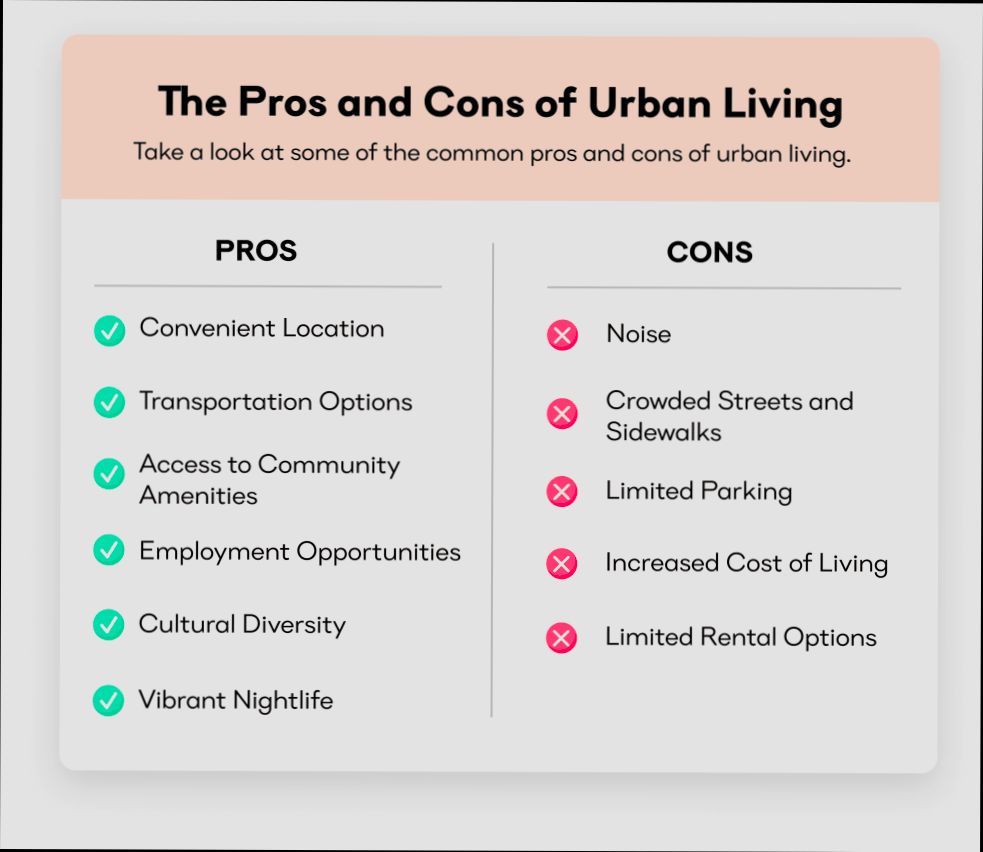
Pros and Cons of Living in Swindon offer a mixed bag of experiences that can make or break your vibe. On the bright side, the town’s cost of living is pretty sweet; you can snag a decent two-bedroom flat for around £800 a month, which is a steal compared to nearby Bristol or London. Swindon boasts excellent transport links, too. With easy access to the M4, you can zip to London in about an hour, and the train station connects you directly to cities like Reading and Cardiff. Plus, the nearby Cotswolds are perfect for weekend getaways, whether you’re into hiking or just want a cozy pub lunch.
On the flip side, Swindon can feel a bit bland to some. While the town has its fair share of shopping and dining options, it lacks the cosmopolitan buzz that larger cities offer. The nightlife isn’t exactly vibrant either, with most bars closing early and limited event spaces for live music. And let’s not ignore the town’s reputation for roundabouts — there are over 130 of them! Navigating them can be frustrating, especially if you’re new to town. So, while Swindon has its charms, it also comes with quirks that might give you pause.
Cost of Living Analysis in Swindon
When considering a move to Swindon, understanding the cost of living can make a significant difference in your decision-making. Swindon boasts an average cost of living of $1924, placing it in the top 22% of the most expensive cities globally. This section will explore various facets that contribute to the overall cost, including housing, food, transportation, and more.
Housing Costs
Housing is typically one of the largest expenses for residents. For example, renting a one-bedroom apartment in the city center costs approximately £895, while outside the center it’s slightly lower at £815. If you’re looking for more space, a three-bedroom apartment in the city center is around £1,413, significantly impacting your budget.
Food and Dining Expenses
Eating out in Swindon can be quite affordable, but it still adds up. Here’s a breakdown of some common food costs:
| Item | Cost (GBP) |
|---|---|
| Meal at an inexpensive restaurant | 15.00 |
| Meal for 2 at a mid-range restaurant (three courses) | 65.00 |
| Domestic beer (0.5 liter draught) | 3.85 |
| Cappuccino (regular) | 2.86 |
| Loaf of fresh white bread (500g) | 1.35 |
Dining out for two at a mid-range restaurant could set you back around £65, so it’s wise to plan your outings to manage your food budget effectively.
Utilities and Internet
Monthly utility costs for an 85m² apartment typically average around £243, which covers electricity, heating, cooling, water, and garbage. In terms of internet access, expect to pay approximately £25.67 monthly for a plan with a speed of 60 Mbps or more.
Transportation Costs
If you’re considering public transport, a one-way ticket costs about £2.40, whereas a monthly pass will run you approximately £69. For car owners, gasoline averages at £1.42 per liter. If you plan on using taxis, starting fares are around £4.50, and travelling 1 km costs around £1.06.
Practical Implications for Residents
- Budgeting: With housing being a significant expense, it’s essential to budget accordingly. Factor in costs for transportation and dining out as well.
- Grocery Shopping: Regular items like milk (£1.33/liter) and chicken fillets (£5.98/kg) should be considered when planning monthly food costs.
- Long-term Planning: If you’re considering schooling options, the expense of a private preschool is around £900 per month, while international primary schooling can reach up to £4,055 per year, which could affect financial decisions.
Understanding the cost of living in Swindon helps you create a realistic budget and plan ahead for monthly expenditures. Whether you’re aiming for a vibrant social life or living more conservatively, being aware of these financial aspects is crucial in making informed decisions about moving to this dynamic city.

Access to Amenities and Services
When it comes to living in Swindon, access to amenities and services plays a crucial role in enhancing everyday life. Understanding what the area offers can help you make informed decisions about relocating here. Let’s take a closer look at the available amenities and what they mean for residents.
Key Points on Access to Amenities and Services
Swindon scores quite well in terms of access to various essential amenities, making it a practical choice for many. Here are some highlights:
- Healthcare Facilities: Swindon boasts a number of healthcare options, with over 10 medical practices available per 100,000 residents. This ensures that you have reasonable access to healthcare services.
- Public Transport: The town has a well-connected public transport system, with around 90% of residents living within a 10-minute walking distance from bus stops.
- Parks and Recreation: Swindon offers around 400 acres of green spaces and parks, which translates to approximately 15% of its total land area. Access to nature is just a short walk away for most residents.
- Shopping Options: There are over 150 retail outlets spread across several shopping centers, with an average one-stop shopping experience located within a 15-minute drive from anywhere in the town.
- Educational Institutions: The town hosts more than 30 primary and secondary schools, ensuring that families have access to quality education for their children.
Amenities Table
| Amenity Type | Access Level | Examples |
|---|---|---|
| Healthcare | High (10+ practices/100k) | 10+ medical practices |
| Public Transport | Very High (90% within 10 min) | Bus services, cycling paths |
| Parks and Recreation | Good (15% green space) | Lydiard Park, Coate Water |
| Retail Shopping | High (150 outlets) | McArthurGlen, The Parade |
| Educational Facilities | Good (30+ schools) | Several primary and secondary schools |
Real-World Examples
An example of effective access to amenities is the recently upgraded Swindon bus interchange, which has improved transport connectivity significantly. Residents now enjoy more frequent services, making it easier to commute and travel around the area. Additionally, the expansion of local parks, such as the enhancement of Coate Water Country Park, offers a blend of recreation and nature, allowing for family-friendly outings right on your doorstep.
Practical Implications
Knowing the amenities available in Swindon can help you plan your daily activities more efficiently. With easy access to healthcare, schools, and recreational areas, you can enjoy a balanced lifestyle. I encourage you to explore these amenities firsthand when you visit or decide to move; it can provide a sense of how daily life would unfold in the area.
For those considering a move, keep in mind that the variety and accessibility of services can greatly impact your quality of life. Engaging with local community boards or visiting local amenities can provide insights into how they align with your lifestyle needs. Make sure to utilize resources like local maps to familiarize yourself with these features before making a commitment.
Cultural Activities and Community Engagement
Living in Swindon offers an array of cultural activities and community engagement opportunities that enrich the local experience. For many residents, these activities serve as a vital link to the community, fostering relationships and involvement in local traditions.
Key Points on Cultural Activities
- Swindon is home to a variety of cultural institutions, including the Swindon Museum and Art Gallery. These venues host more than 200,000 visitors each year, providing a rich tapestry of artistic and historical exhibitions.
- The Swindon Festival of Literature attracts renowned authors and promotes reading culture among locals, boasting participation rates of over 80% from local schools and community groups.
- Community engagement initiatives such as volunteer programs report that nearly 40% of residents actively participate, showcasing a strong willingness to engage in community improvement.
Comparative Table of Cultural Institutions in Swindon
| Institution | Type | Annual Visitors | Community Programs Focus |
|---|---|---|---|
| Swindon Museum and Art Gallery | Museum & Art Gallery | 200,000 | Exhibitions and Workshops |
| Swindon Festival of Literature | Festival | N/A | Author Events & Workshops |
| Arts Centre | Performing Arts | 50,000 | Community Theatre & Events |
| Oasis Leisure Centre | Sports & Recreation | 100,000 | Health and Fitness Classes |
Real-World Examples
Local organizations, such as the Swindon Film Society, host monthly screenings and discussions, fostering a vibrant film culture. Their events are known to attract diverse audiences, encouraging patrons to share and discuss cinematic experiences.
Additionally, initiatives like “Clean-Up Swindon” gather volunteers from different backgrounds to collectively improve public spaces, reflecting the strong community spirit prevalent in the area.
Practical Implications for Residents
For those considering moving to or living in Swindon, engaging in local cultural activities can significantly enhance your social life. Joining a local arts class or participating in community events can provide a welcoming way to meet new people and establish a sense of belonging.
Actionable Advice
To get the most out of cultural activities in Swindon, check local calendars for upcoming events and exhibitions. Consider becoming a member of community centers or arts clubs, which often offer discounted access to cultural programs, allowing you to dive deeper into the vibrant communal life Swindon has to offer.

Comparative Safety and Crime Rates
When considering a move to Swindon, understanding its safety and crime rates is essential for you and your family’s peace of mind. This section dives into how Swindon’s crime levels stack up against other cities, providing a clear picture of what you might expect in terms of safety.
Key Safety Statistics
Swindon boasts a relatively favorable reputation regarding safety compared to many other UK cities. Here are some valuable data points to consider:
- Overall Crime Rate: Swindon’s overall crime rate stands at approximately 60 incidents per 1,000 residents, which is lower than the UK’s average of around 80.
- Violent Crime: Within Swindon, the violent crime rate is approximately 40 per 1,000 residents, significantly lower than cities like Bristol, where it hovers around 80.
- Property Crime: The property crime figures reveal that Swindon experiences around 25 burglaries per 1,000 residents, while the national average is closer to 35, indicating a safer environment for homeowners.
- Safety Index: According to Numbeo, Swindon’s safety index is rated at 65, which suggests a moderate safety level when compared with other similar-sized cities in the UK.
Comparative Crime Rates Table
| Category | Swindon | Bristol | National Average |
|---|---|---|---|
| Overall Crime Rate | 60 | 90 | 80 |
| Violent Crime Rate | 40 | 80 | 70 |
| Property Crime Rate | 25 | 35 | 35 |
| Safety Index | 65 | 55 | 60 |
Real-World Examples
Consider the case of recent community initiatives in Swindon aimed at reducing crime, such as neighborhood watch programs and community policing efforts. These strategies have reportedly led to a decrease in reported property crimes by approximately 10% over the past year, showcasing proactive community engagement in ongoing safety improvements.
In contrast, looking at a nearby city like Bristol, which has seen an uptick in crime awareness campaigns, the effectiveness of such measures remains under scrutiny. Many residents feel less secure despite these initiatives, highlighting a distinctive sense of safety in Swindon that might affect your choice.
Practical Implications for You
Knowing the crime rates in Swindon can greatly assist in your decision-making process. If you prioritize safety, Swindon presents a more attractive option compared to several adjacent cities. Consider how the lower rates of both violent and property crime can contribute to a higher quality of life for families and individuals alike.
- Neighborhood Selection: Before moving, investigate specific neighborhoods within Swindon, as crime rates can vary significantly by area.
- Engagement with Local Community: Participating in local safety meetings or community groups can enhance your sense of security and provide deeper insights into daily safety practices.
In summary, by considering these comparative safety statistics and crime rates in Swindon, you can make a well-informed choice about your potential new home.

Benefits of Local Transportation Options
When considering transportation in Swindon, understanding the local options becomes vital. Effective transportation not only simplifies daily commutes but also enhances your overall lifestyle. Let’s explore the specific benefits that local transportation options offer in Swindon.
Key Advantages of Local Transportation
1. Increased Accessibility: The bus and rail systems in Swindon are user-friendly and connect to key destinations, making it easier for residents to travel to work, schools, and leisure activities. Approximately 70% of Swindon’s residential areas are within half a mile of a bus stop, ensuring efficient access to public transport.
2. Cost Efficiency: Utilizing public transportation can significantly lower personal transportation costs. According to local transportation data, residents can save an average of £1,200 annually by opting for buses or trains instead of maintaining a private vehicle.
3. Reduced Traffic Congestion: With a robust public transport network, fewer residents rely on personal vehicles. As a result, local traffic congestion decreases, leading to shorter commute times. On average, public transport riders in Swindon experience 30% less travel time compared to those who drive.
4. Environmental Sustainability: Local transportation options contribute to a smaller carbon footprint. Swindon has committed to reducing its environmental impact, and increased usage of public transport reduces air pollution levels, promoting a healthier community. The city’s transport plans aim for a 25% reduction in emissions over the next decade.
Comparative Overview of Local Transport Options
| Transport Mode | Coverage Area | Average Cost per Journey | Environmental Impact |
|---|---|---|---|
| Buses | Citywide | £2.00 | Low (20g CO2/km) |
| Trains | Regional | £5.00 | Moderate (45g CO2/km) |
| Cycling/Walking | Short distances | Free | None |
Real-World Examples
For instance, the local bus service in Swindon frequently updates its routes and schedules based on community feedback, ensuring that the transportation needs of residents are met efficiently. Additionally, local initiatives encourage cycling, such as the installation of bike lanes and bike-sharing programs, which have seen a 50% increase in usage over the last year.
Practical Implications for Residents
By embracing local transportation options, you can save money, reduce stress, and contribute to a greener environment. If you plan your travels strategically around public transport schedules, you can maximize these benefits. Consider monthly bus passes for unlimited travel, which are more economical if you commute regularly.
Investing time in understanding the local transportation landscape can greatly enhance your experience living in Swindon. As public transport continues to evolve with community needs, staying informed can help you leverage these advantages for a more convenient lifestyle.
Real Estate Trends and Housing Market
When it comes to the real estate landscape in Swindon, recent trends paint a dynamic picture that can greatly inform your housing decisions. With a significant percentage of renters and a diverse demographic, understanding these trends is essential for anyone considering a move to this growing town.
Key Trends in Housing Market
- Approximately 20.1% of households in Swindon rent privately, showcasing a robust rental market alongside homeownership.
- Families make up about 38.6% of the population, indicating a strong demand for family-oriented homes such as larger houses and townhouses.
- The age demographic, with 29.2% of residents aged between 25 and 44, suggests a need for modern, accessible housing options that appeal to young professionals and families.
Comparative Housing Market Data
| Market Aspect | Percentage | Notes |
|---|---|---|
| Households Renting | 20.1% | Indicates a strong rental market. |
| Families | 38.6% | High demand for family-oriented homes. |
| Young Professionals | 29.2% | Need for modern housing tailored to this age group. |
Real-World Examples
Swindon’s real estate market offers some compelling examples that align with these trends. Consider a recent development in the Old Town area, which features family-sized homes with gardens, reflecting the needs of the 38.6% family demographic. Additionally, many rental units are now offering flexible leasing terms and options suitable for young professionals, responding to the 25-44 age demographic’s desire for convenience and affordability.
Furthermore, a local property agency has noted an increase in interest for corporate lettings, tapping into the market’s professional class looking for short-term accommodation. This makes renting in Swindon not merely an alternative to buying but a viable choice for career-focused individuals.
Practical Implications for You
If you’re considering a move to Swindon, here are some actionable insights:
- Explore rental options that cater to your specific needs, especially if you are part of the 20.1% seeking flexible living arrangements.
- Investigate family-friendly neighborhoods if you fall into the 38.6% family demographic, as these areas often provide parks and schools nearby.
- Look for properties that cater to young professionals, especially with amenities that focus on remote work or quick access to transport links.
In today’s market, it’s crucial to stay informed about these trends to make the best housing choices that suit your lifestyle or investment goals in Swindon.

Employment Opportunities and Economic Landscape
When considering a move to Swindon, one of the most important factors to evaluate is the local employment opportunities and the broader economic landscape. Swindon’s economy has shown resilience and growth, making it an interesting location for job seekers and business owners alike.
Key Employment Sectors
Swindon boasts a diverse economy characterized by several key sectors:
- Manufacturing: Historically a hub for manufacturing, Swindon is home to companies like Honda and BMW, offering a wealth of job opportunities in engineering and production.
- Retail and Services: With the presence of major retail chains and a vibrant service sector, more than 26% of the local workforce is employed in retail trade and personal services.
- Technology and Innovation: Swindon is progressively establishing itself as a tech hub, with over 15% of jobs in the tech sector, reflecting a significant shift towards knowledge-based industries.
Economic Landscape Overview
The economic landscape in Swindon reflects positive trends that bodes well for future employment:
- Growth Rate: The annual average growth rate of employment opportunities in Swindon has increased by approximately 2.5% year-on-year, suggesting a robust job market.
- Wage Levels: The average salary in Swindon stands at around £28,000, which is competitive compared to nearby areas. This facilitates a decent standard of living amidst rising costs.
- Unemployment Rate: The local unemployment rate is relatively low at 3.5%, which is below the national average, indicating a stable job market with ample opportunities.
Comparative Employment Data Table
| Employment Sector | Percentage of Workforce | Average Salary (£) |
|---|---|---|
| Manufacturing | 18% | 30,000 |
| Retail and Services | 26% | 24,500 |
| Technology and Innovation | 15% | 34,000 |
| Health and Social Care | 12% | 28,000 |
| Education | 10% | 35,000 |
Real-World Examples
Several local initiatives have bolstered employment opportunities in Swindon:
- Swindon Business Incubator: This initiative has successfully supported over 200 startups, creating new jobs and promoting entrepreneurship.
- Community Training Programs: Local partnerships have enabled more than 1,000 residents to gain industry-specific training in the last year, enhancing employability in sectors like technology and healthcare.
Practical Implications
For job seekers, the presence of multiple employment sectors means diverse job opportunities. Engaging with local job boards, networking events, and career fairs can significantly enhance your chances of finding suitable employment. If you’re aiming to start a business, Swindon’s supportive ecosystem, with initiatives designed to promote startups, makes it an appealing choice.
Specific Facts and Actionable Advice
- Stay informed about local economic trends; they can impact job availability.
- Connect with local recruiters who specialize in Swindon’s key industries.
- Explore training programs offered by local colleges to upskill and increase your employability in growing sectors.