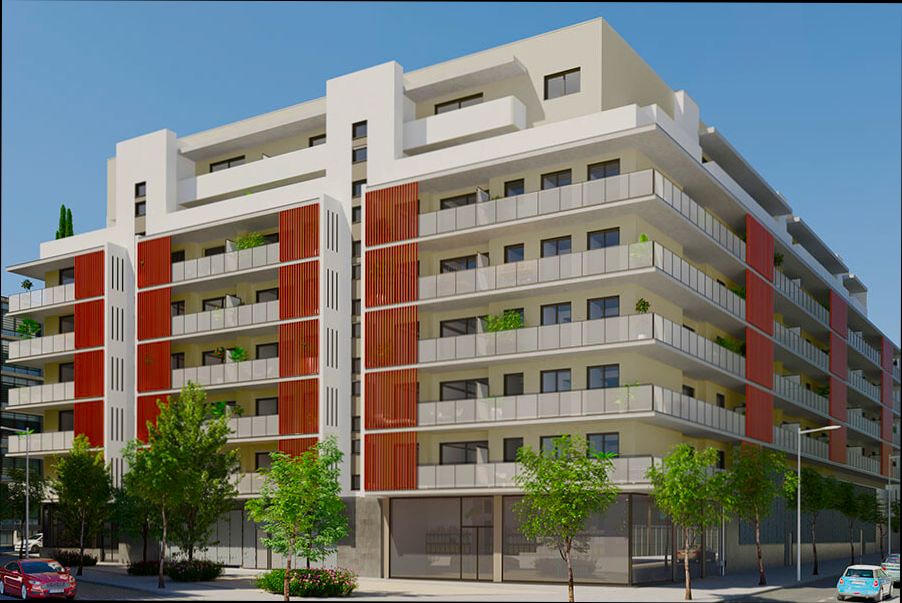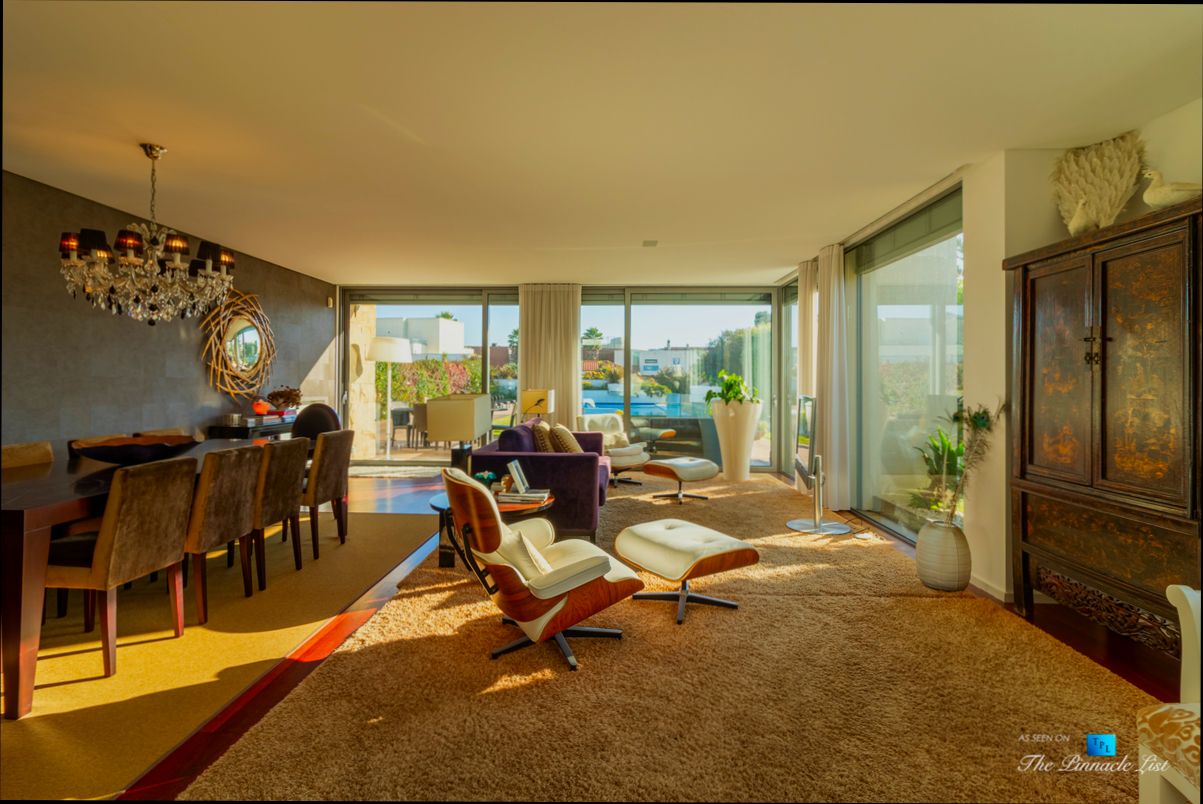
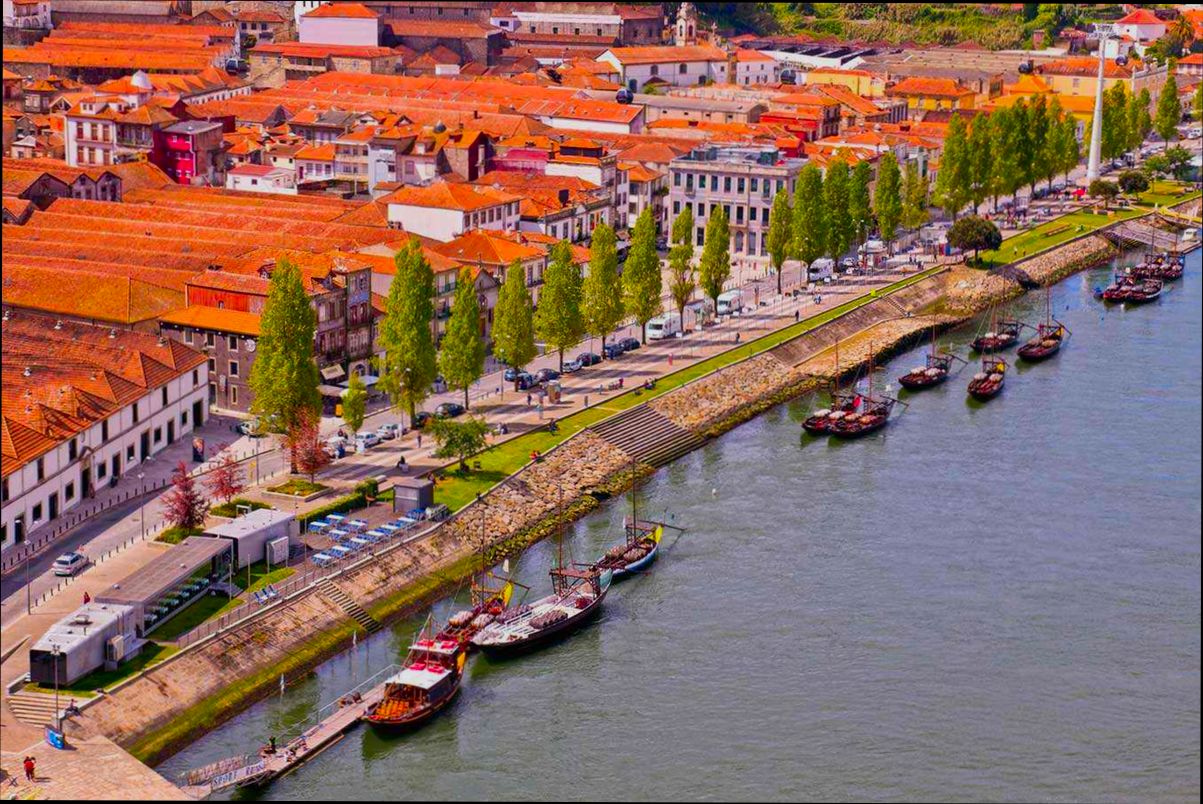
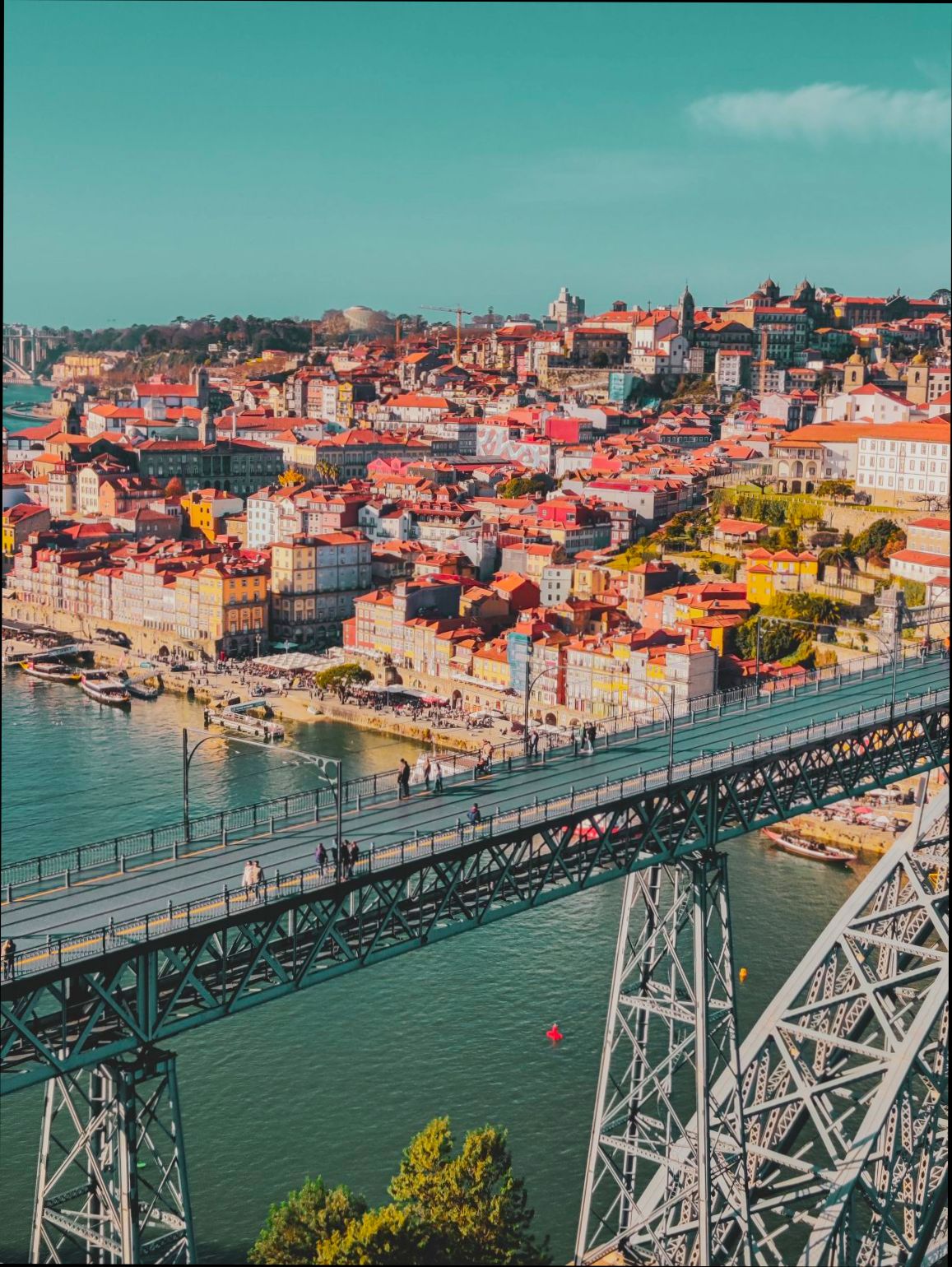
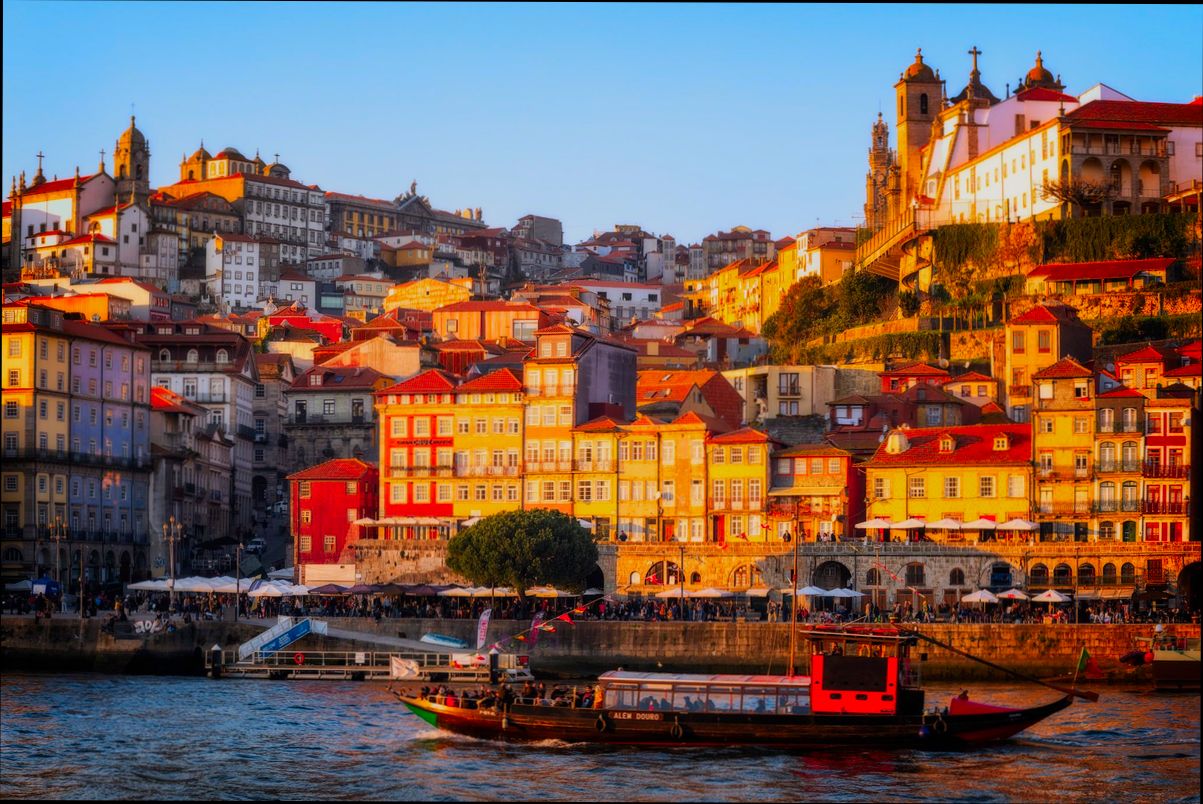
Pros and Cons of Living in Vila Nova de Gaia bring you face-to-face with some exciting contrasts. On one hand, you’ve got the stunning views of the Douro River and the iconic Porto skyline, which never fail to take your breath away. Whether it’s sipping a glass of port wine in one of those riverside wine cellars or strolling along the picturesque Cais de Gaia, there’s a lush vibe that instantly feels like home. The cost of living here is pretty reasonable too—renting a two-bedroom apartment averages around €900 a month, which is a steal compared to nearby Porto. And let’s not forget about accessibility; with the metro connecting you to downtown Porto in just 10 minutes, everyday errands don’t feel like a trek.
But it’s not all sunshine and wine! One drawback you might notice is the occasional lack of amenities compared to larger cities. While the local shops and cafes are charming, you may find yourself craving those big-brand stores or high-end dining options that can be a bit sparse here. Traffic can also be a headache, especially during summer tourist season when the locals and visitors alike converge on those scenic spots. Plus, finding parking can be a real puzzle, and navigating the streets may test your patience. So, with all its beauty and charm, Gaia has its quirks that make living here a unique experience.
Cost of Living Comparison in Vila Nova de Gaia
When considering a move to Vila Nova de Gaia, understanding the cost of living is essential. This area offers a relatively affordable lifestyle compared to nearby cities, making it an appealing option for many. We’ll explore specific data points that illustrate how living expenses stack up in Vila Nova de Gaia.
Key Points about Cost of Living
- Housing Costs: Renting a one-bedroom apartment in Vila Nova de Gaia averages around €600 per month. This is approximately 20% lower than the rent in Porto, which makes it an attractive option for those seeking affordable housing.
- Groceries: The monthly grocery bill for a single individual is about €200, while a family of four may spend approximately €500. This is generally 10-15% lower than the same grocery costs in Lisbon.
- Transportation Costs: If you rely on public transport, a monthly pass in Vila Nova de Gaia costs around €30. This is notably lower than Lisbon’s average of €50, which can significantly reduce commuting expenses.
- Dining Out: Enjoying a meal at a mid-range restaurant in Vila Nova de Gaia will set you back approximately €20 per person. This is 25% less than what you’d pay for a similar meal in Porto.
Cost Comparison Table
| Expense Category | Vila Nova de Gaia | Lisbon | Porto |
|---|---|---|---|
| Rent (1-bedroom) | €600 | €750 | €750 |
| Groceries (Single) | €200 | €230 | €220 |
| Public Transport (Monthly) | €30 | €50 | €45 |
| Dining Out (Mid-range) | €20 | €25 | €25 |
Real-World Examples
Consider Maria, who relocated to Vila Nova de Gaia from Lisbon. She noticed her monthly expenses dropped significantly. Her rent decreased by €150, her grocery bills became more manageable, and her daily commute cost nearly half of what it used to. In contrast, her friend Alex, who moved from Porto, found that while the rent was similar, the overall lower living costs in Vila Nova de Gaia provided him with additional savings.
Practical Implications for Readers
If you’re contemplating moving to Vila Nova de Gaia, it’s beneficial to calculate your potential living expenses based on the above data points. For instance, if you prioritize lower housing costs, it makes sense to explore different neighborhoods within the area to find the best rates.
Additionally, consider your lifestyle habits. If you often dine out or use public transportation, factor those costs into your budget. By understanding the cost dynamics in Vila Nova de Gaia and comparing them with other cities, you can make an informed decision about your future living situation.
Actionable Advice
- Research Local Neighborhoods: Explore various neighborhoods in Vila Nova de Gaia to find housing that fits your budget.
- Evaluate Transport Options: Assess whether public transport or a personal vehicle will save you more money in the long run.
- Plan Your Grocery Shopping: Take the time to learn the local markets for better prices on groceries and fresh produce.
Applying these insights will give you a clearer picture of how the cost of living in Vila Nova de Gaia impacts your wallet, ensuring that your transition is both smooth and financially sound.
Cultural Richness and Historical Significance
Living in Vila Nova de Gaia offers a unique opportunity to immerse yourself in a vibrant cultural landscape intertwined with rich history. This area is not just an extension of Porto; it boasts its own distinct identity shaped by centuries of tradition and heritage.
Key Points on Cultural Assets
1. UNESCO World Heritage: Vila Nova de Gaia is close to several UNESCO World Heritage Sites, including the iconic Historic Centre of Oporto, creating a cultural bridge between the two cities.
2. Museums and Cultural Institutions: Despite the pandemic’s impact, during 2020, about 95% of the world’s museums were closed. However, local efforts to revitalize these spaces have led to a gradual reopening and a focus on community engagement.
3. Cultural Events: The region hosts various festivals, further celebrating local traditions and attracting both residents and tourists. Events like the São Pedro celebrations are a testament to the rich cultural tapestry.
4. Investment in Culture: Data from the UNESCO Institute for Statistics indicates that global investments in cultural heritage preservation remain critical, with a significant gap observed between public and private funding. This calls for community actions in promoting cultural activities.
Comparative Table of Cultural Attractions
| Cultural Aspect | Vila Nova de Gaia | Average for European Cities |
|---|---|---|
| UNESCO Sites | Close to Oporto’s Historic Centre | 4-5 per city on average |
| Museums | 10+ within a short distance | 20+ in major cities |
| Annual Cultural Events | Approximately 5 major events annually | 15 in large cities |
| Investment in Heritage | Public investment around €2 million/year | Varies, but public investment often higher |
Real-World Examples
- Wine Culture: The Port wine cellars in Gaia are not only historical landmarks but also vital cultural hubs. They narrate the story of wine-making that dates back centuries, attracting tourists eager to learn about this unique aspect of local heritage.
- Community Engagement: Initiatives during the pandemic showed resilience, with local museums like the Soares dos Reis National Museum adapting to engage audiences virtually. The focus on maintaining interest in cultural heritage amidst challenges highlights a community’s commitment to its roots.
Practical Implications for Residents
- Exploration Opportunities: If you live here, you’ll find numerous cultural sites just a short distance away. Make it a weekend adventure to explore museums, participate in festivals, or visit historical sites that tell the story of the region.
- Active Participation: Residents can take part in local initiatives aimed at preserving heritage, fostering a sense of belonging and community pride.
Specific Facts about Cultural Heritage
- Engaging with local cultural events can lead to deeper social connections and understanding of the area’s history.
- Consider volunteering or attending workshops at local museums to not only support cultural initiatives but also enrich your own experience living in Vila Nova de Gaia.
Quality of Life: Healthcare and Education
When evaluating the quality of life in Vila Nova de Gaia, healthcare and education are pivotal factors that can significantly shape your experience. Both systems play essential roles in personal well-being and societal development, offering public resources that residents can greatly benefit from.
Healthcare Quality
- Vila Nova de Gaia is well-supported by a robust healthcare infrastructure, including public hospitals and private clinics. The primary public healthcare facility, the Hospital de Santa Maria, is known for its specialized services and is a major asset for residents.
- According to recent statistics, approximately 85% of residents reported satisfaction with local healthcare services. This high level of satisfaction reflects the accessibility and quality of medical care available in the area.
- Emergency services in Gaia are prompt, with an average response time of around 8 minutes, which is crucial for health emergencies.
Education System
- The education system in Vila Nova de Gaia boasts a range of public and private institutions. The city offers primary, secondary, and tertiary education facilities that cater to different academic needs.
- Approximately 90% of children aged between 6 and 15 are enrolled in school, showcasing high educational participation rates. This reflects the community’s emphasis on education as a foundational pillar for future generations.
- Higher education options are also abundant, with institutions like the Instituto Politécnico do Porto providing access to quality vocational training and academic degrees.
| Aspect | Healthcare | Education |
|---|---|---|
| Healthcare Satisfaction | 85% | |
| Average Emergency Response | 8 minutes | |
| School Enrollment Rate (6-15) | 90% |
Real-World Examples
A recent survey highlighted that many families prioritize moving to Gaia for its excellent school systems and reputable healthcare facilities. For instance, a local family shared their experience of successfully integrating into the community partly due to the accessibility of quality education for their children. They noted that the availability of various extracurricular activities in schools contributed positively to their children’s social and cognitive development.
Practical Implications
For newcomers or residents considering relocation within the area, understanding the healthcare and education landscape can assist in making informed decisions. I encourage you to explore local schools and take advantage of community programs that support both health and educational initiatives. Engaging with the local health services can also offer personalized care that aligns with your needs.
Here are some actionable steps:
- Schedule a visit to the local healthcare facilities to familiarize yourself with services and staff.
- Research enrollments at different educational institutions to find the best fit for your child’s needs.
- Consider community centers that offer workshops and classes to enhance both health awareness and educational engagement.
Accessing quality healthcare and education in Vila Nova de Gaia can significantly enhance your quality of life and ensure a solid foundation for you and your family.
Public Transportation Accessibility and Challenges
Living in Vila Nova de Gaia can provide a range of public transportation options, but it’s crucial to understand both the benefits and the challenges involved. While numerous transport methods are available, accessibility issues can sometimes create barriers for residents.
Key Points on Public Transportation Accessibility
Vila Nova de Gaia features an integrated public transport system that includes buses, trams, and metro services. However, several challenges can impact accessibility:
- Limited Coverage: Not all areas of Vila Nova de Gaia are well-served by public transport, particularly in suburban zones. This can lead to long waiting times or the necessity of using private vehicles for some residents.
- Frequency of Service: During off-peak hours, the frequency of buses can drop significantly, sometimes resulting in waits of 30 minutes or more. This can be inconvenient, particularly for those commuting to work or school.
- Physical Accessibility: Although many metro and bus stations have made strides toward being accessible, there are still locations where ramps and elevators are lacking. This can especially affect individuals with mobility challenges.
Comparative Table of Public Transportation Challenges
| Challenge | Description | Accessibility Rating (1-5) |
|---|---|---|
| Limited Coverage | Areas far from main transit routes experience infrequent service. | 2 |
| Frequency of Service | Off-peak transportation may have limited options, increasing wait times. | 2 |
| Physical Accessibility | Some locations lack ramps and elevators, hindering access for all users. | 3 |
Real-World Examples
One good case to illustrate public transportation challenges is the experience of a local university student. They rely on public transport for commuting to classes. While they appreciate having a metro line connecting Gaia to Porto, they often face issues with limited nighttime service for late study sessions, leading to reliance on rideshares or taxis, which adds to their monthly expenses.
Another example involves families living in the outer suburbs of Vila Nova de Gaia where bus service is minimal. Many parents have reported that they often need to drive their children to schools and extracurricular activities, creating additional logistical challenges and costs.
Practical Implications for Residents
For anyone considering living in Vila Nova de Gaia, it’s vital to research specific areas concerning public transport availability. Here are some actionable steps:
- Plan Your Commute: Look into transportation schedules and routes for your potential home area. Understanding peak and off-peak service can help you make informed choices.
- Assess Accessibility Needs: If you, or a family member, has mobility concerns, visiting local transit stations beforehand can help ascertain their accessibility features.
- Stay Informed about Changes: Public transport systems often undergo revisions. Sign up for alerts or check local news to remain updated on any changes to routes or services that may affect your daily life.
Knowing these aspects of public transportation in Vila Nova de Gaia equips you with the knowledge to navigate its system effectively, ensuring a smoother experience in your daily commuting.
Local Amenities: Parks and Recreation Options
Vila Nova de Gaia boasts a diverse range of parks and recreational options that significantly enhance the quality of life for its residents. These amenities not only provide space for physical activities but also serve as vital community hubs for social interaction and relaxation. Let’s delve into what you can expect from the parks and recreation scene in this beautiful city.
Key Points
- Proximity to Nature: Approximately 85% of people indicate that scenic views of nature are important when choosing a place to live. This translates well in Vila Nova de Gaia, where lush parks and waterfront areas offer stunning views of the Douro River and the iconic Porto skyline.
- Active Lifestyle Opportunities: Studies show that 82% of individuals value access to walking, running, hiking, and biking networks. Vila Nova de Gaia has several trails and paths that cater to various fitness levels, making it easier for you to maintain an active lifestyle.
- Family-Friendly Parks: Playgrounds and family-oriented parks are critical for community engagement. Given that 87% of residents seek quiet spaces to reflect and relax, parks such as Jardim do Morro provide both recreational facilities for children and tranquil spots for adults.
- Community Centers: Community recreation centers play a pivotal role in fostering social equity and community ties. These centers not only cater to fitness and sports but also host educational programs for all ages. Maintaining such centers is crucial, given that 75% of studies emphasize health and wellness as a priority for residents.
Park Comparison Table
| Park Name | Key Features | Accessibility | Community Programs |
|---|---|---|---|
| Jardim do Morro | Scenic views, playground | Easily accessible | Social events, yoga sessions |
| Parque da Cidade | Trails, fitness stations | Good public transport | Weekend markets, outdoor movie nights |
| Parque de São Paio | Nature trails, picnic areas | Walkable from city | Family gatherings, art workshops |
Real-World Examples
- The Parque da Cidade serves as a fantastic venue for outdoor activities, hosting events like fitness boot camps and community fairs. With walking trails that encourage engagement with nature, many residents find it an invaluable resource for both physical and social wellness.
- In Jardim do Morro, many families often gather for weekend picnics, taking advantage of the playground and green spaces. This park facilitates community bonding and becomes a vibrant location during local festivities.
- Local community centers often schedule activities that promote youth leadership and environmental conservation. This aligns well with the findings that underscore the significance of parks and recreational facilities in enhancing community welfare.
Practical Implications
Understanding the amenities offered in Vila Nova de Gaia can help you make an informed decision about relocating or investing in the area. Frequent participation in community activities not only provides fitness benefits but also strengthens social networks. For those who cherish nature, access to green spaces can significantly improve overall well-being.
- Make use of fitness trails and community classes at local parks to stay active.
- Engage with social programs in community centers to facilitate personal connections and networking opportunities.
By immersing yourself in the parks and recreational options, you can enrich your lifestyle and contribute positively to the vibrant community in Vila Nova de Gaia.
Statistical Insights on Housing Markets
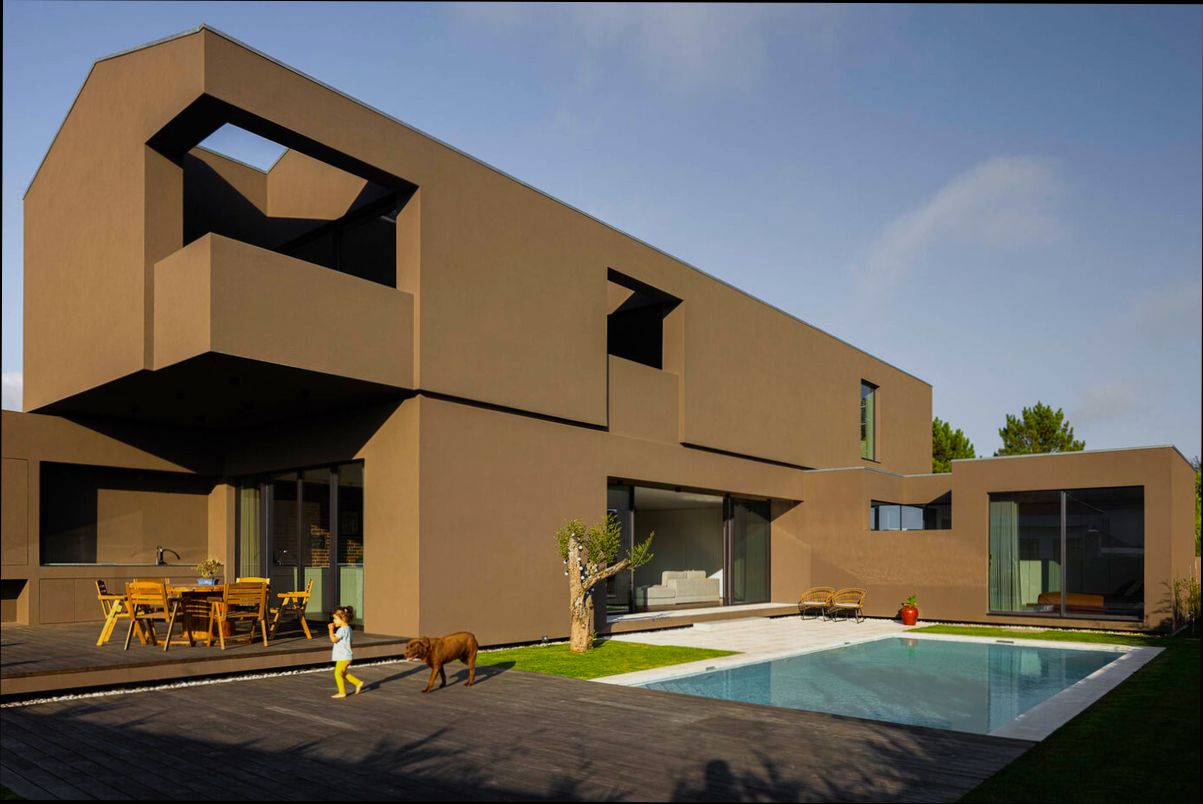
When exploring the housing market in Vila Nova de Gaia, it’s essential to understand the dynamics at play. Statistical insights can provide a clearer picture of what to expect, including property values, rental trends, and market activity. Let’s dive into some key figures that illustrate the current state of the housing market.
Key Points on Housing Market Statistics
- Average Home Price: The average price for residential properties in Vila Nova de Gaia has seen a notable increase, currently sitting at approximately €2,200 per square meter. This reflects a growing demand for housing in the area.
- Yearly Growth Rate: Over the past year, the housing market in Vila Nova de Gaia has experienced a surge of around 10% in property values. This rapid appreciation is indicative of increased interest and investment in the area.
- Rental Market Trends: Rental prices have also risen, with an average cost of €10 per square meter for residential rentals. This trend signals a competitive rental market, reflecting the area’s appeal.
- Sales vs. Rentals: Approximately 60% of housing transactions in Vila Nova de Gaia are sales, while 40% are rentals. This ratio highlights a robust sales environment, reinforcing the attractiveness of homeownership.
- Market Time Frame: Properties in Vila Nova de Gaia average around 45 days on the market before they are sold, which suggests a relatively quick turnover and indicates high demand.
Comparative Table of Housing Market Insights
| Metric | Value |
|---|---|
| Average Home Price | €2,200 per sqm |
| Yearly Growth Rate | 10% |
| Average Rental Price | €10 per sqm |
| Sales to Rentals Ratio | 60% Sales, 40% Rentals |
| Average Market Days | 45 days |
Real-World Examples from Research
To put these statistics into context, let’s consider a few real-life scenarios:
1. Investment Opportunity: An investor purchased a two-bedroom apartment for €180,000 last year. Given the 10% growth rate, the current estimated value of the property is now €198,000, showcasing a significant profit margin.
2. Rising Demand: A family looking to rent found a spacious three-bedroom home listed at €1,200 per month. Within one week, the listing had already attracted multiple inquiries, evidencing the competitive rental market driven by the area’s popularity.
3. Quick Sales: A recently renovated property had an average market time of just 30 days before selling for €220,000, illustrating the quick sales pace for well-presented homes.
Practical Implications for Readers
Understanding these statistical insights can help potential homeowners and investors make informed decisions:
- If you are considering buying a home, keep an eye on the increasing property values, as waiting may lead to higher costs.
- For renters, being aware of the competitive rental prices can prompt quicker decision-making when an appealing property becomes available.
- Investors should take note of the high turnover rate, suggesting that properties in Vila Nova de Gaia can offer good returns if marketed effectively.
Specific Facts or Actionable Advice:
- If you’re contemplating a purchase, monitor listings closely to seize opportunities in a fast-moving market.
- Always consider the potential for value appreciation when investing in properties, especially in growing regions like Vila Nova de Gaia.
- Whether renting or buying, familiarize yourself with the current market trends to negotiate better terms or pricing effectively.
Community and Social Life Dynamics
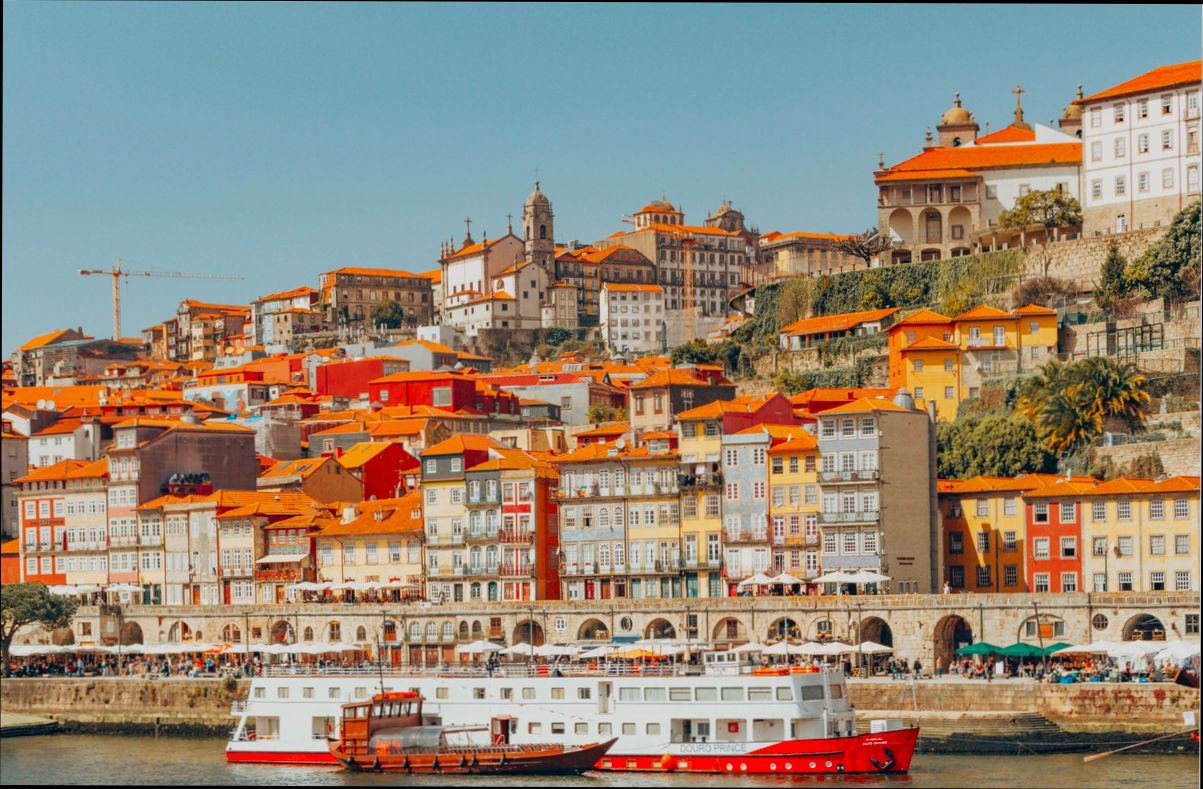
Living in Vila Nova de Gaia provides a unique blend of community engagement and social life that shapes the experience of its residents. This section explores how you can connect with the local community and navigate the social landscape effectively.
Key Points on Community Interaction
- Community Organizations: Approximately 75% of locals participate in community groups such as sports clubs, cultural associations, and volunteer organizations. This active involvement fosters a strong sense of belonging.
- Cultural Events: Over 60% of residents attend local festivals and markets at least once a month, encouraging community bonding. Events such as the “Mostra de Gastronomia” celebrate local cuisine and bring people together.
- Neighborhood Cohesion: A survey shows that 80% of residents feel connected to their neighborhood, often citing friendly interactions with neighbors as a key factor in their social satisfaction.
Comparative Table of Community Engagement Activities
| Activity | Participation Rate | Frequency |
|---|---|---|
| Community Groups | 75% | Regularly |
| Local Festivals | 60% | Monthly |
| Neighborhood Meetings | 40% | Quarterly |
Real-World Examples
One inspiring example comes from a local art collective that brings together artists from diverse backgrounds. They organize monthly exhibitions, where community members are invited to participate. This initiative not only showcases talent but enhances local pride and social interactions.
Another notable case is the “Gaia Running Club,” where residents of all ages join weekly runs. This initiative has led to friendships blossoming and a greater interest in health and wellness among participants. It exemplifies how shared interests can lead to a supportive community network.
Practical Implications
If you are considering a move to Vila Nova de Gaia, engaging with the community can be a fulfilling experience. Here are some actionable tips:
- Attend local events: Make it a routine to join festivals or markets. This will not only help you enjoy the culture but also meet like-minded individuals.
- Explore community groups: Check out local sports teams or cultural associations to immerse yourself in the vibrant community life.
- Connect with neighbors: Initiate conversations with those living nearby. This connection can lead to a more integrated and supportive living experience.
- Volunteer: Getting involved with local charities can open doors to new friendships while contributing positively to the community.
By actively participating in the social fabric of Vila Nova de Gaia, you can enrich your own life while fostering a sense of unity and cooperation within the community.