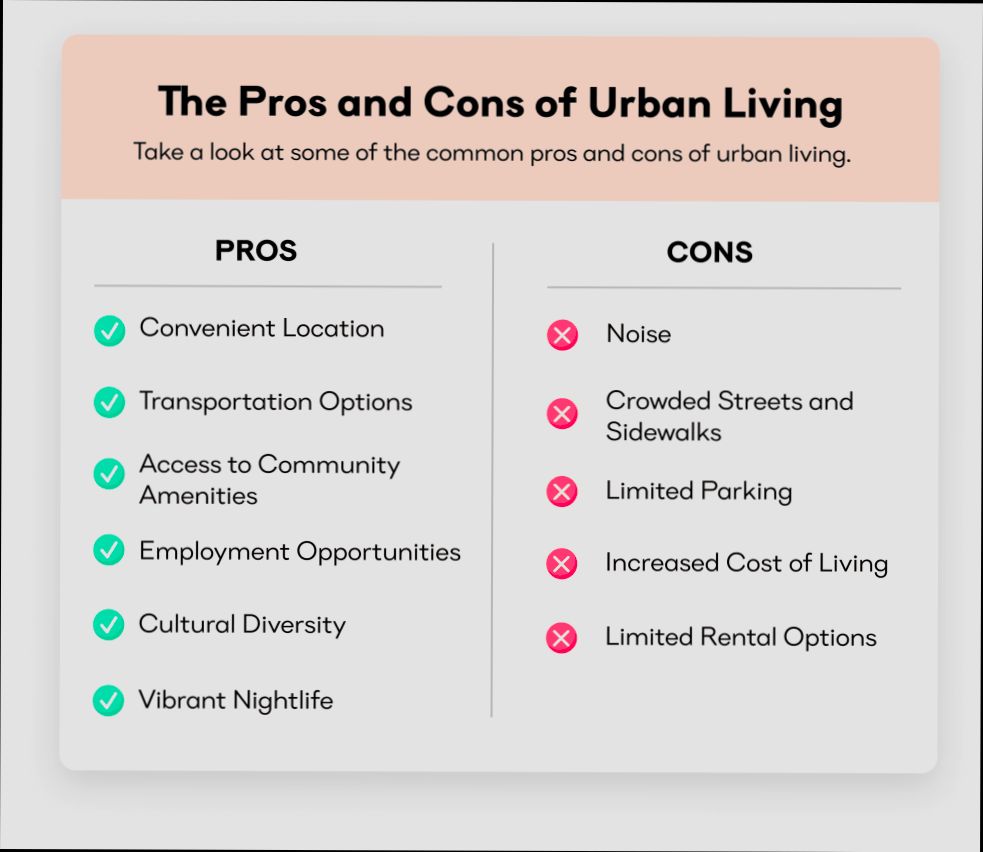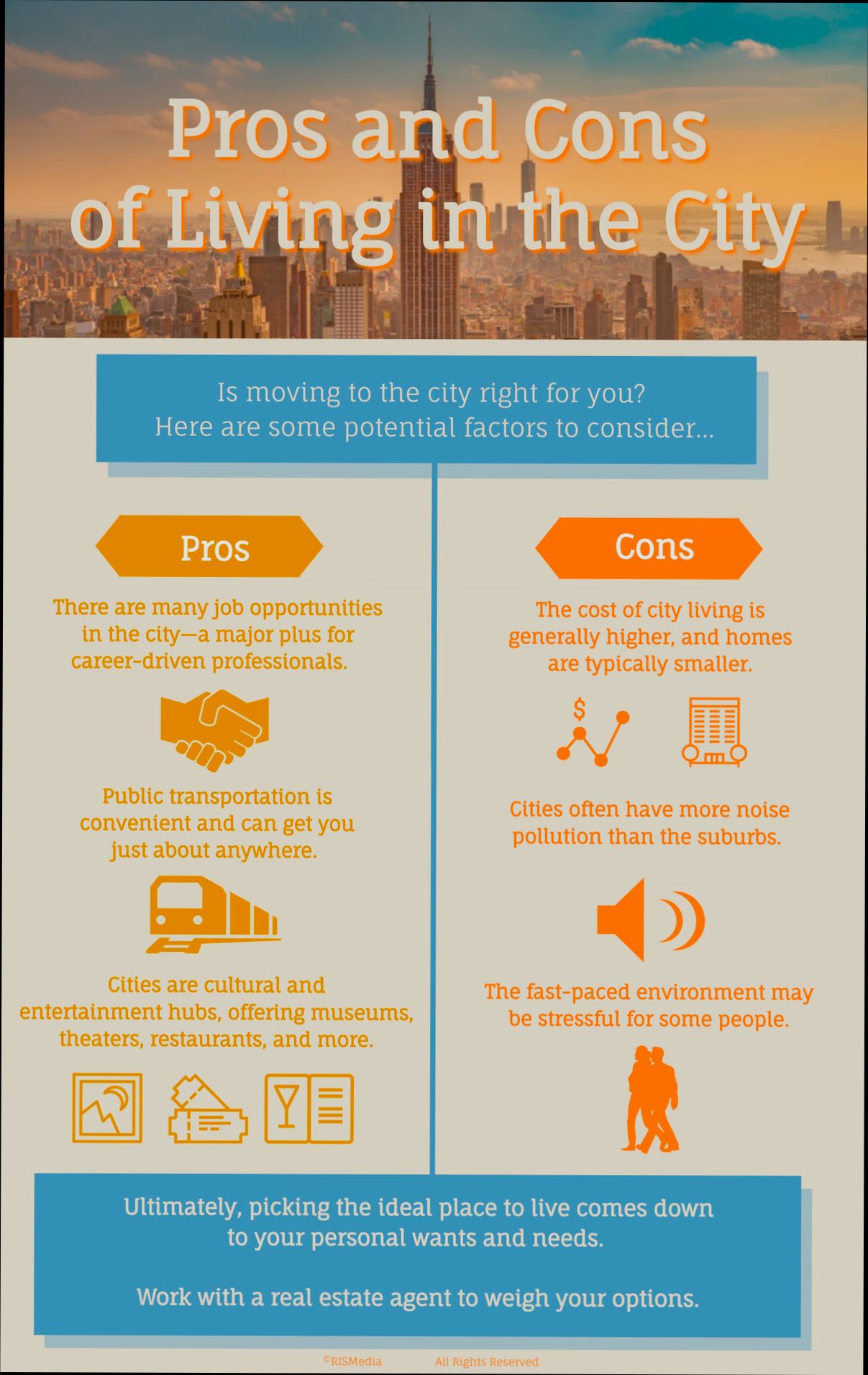
Pros and Cons of Living in Sunderland can really give you a sense of what to expect. On one hand, you’ve got a vibrant seaside vibe that’s hard to beat. Think about living just a stone’s throw away from the stunning beaches like Roker and Seaburn, where you can enjoy a sunny day out or even catch a winter walk by the waves. Plus, the cost of living here is pretty appealing; with average rent prices hovering around £550 for a one-bedroom flat, it’s much cheaper than cities like Newcastle. And don’t forget about the local culture! There’s a growing coffee scene, and the recently transformed Hope Street Exchange is perfect for grabbing a bite with friends.
Now, let’s flip the script and consider some downsides. Employment opportunities can feel a bit limited, especially if you’re in specialized fields; the average salary here sits at about £25,000, which can be a challenge for those used to bigger paychecks in larger cities. The transport links can be another hiccup—while Sunderland’s metro system is decent, it’s not the most extensive. It might take longer than you’d like to head over to neighbouring Newcastle or Durham for a night out. So, while Sunderland has its charm and affordability, it’s essential to weigh these factors against your lifestyle and goals.
Economic Landscape and Employment Opportunities
Sunderland’s economic landscape offers a mix of challenges and opportunities that can shape your career prospects in various sectors. Understanding this environment is crucial whether you’re considering relocating or just exploring options.
Key Economic Metrics
- Unemployment Rate: As of the latest statistics, Sunderland’s unemployment rate stands at approximately 5.3%, slightly higher than the national average of 4.5%. This indicates a competitive job market, but there are still opportunities for growth.
- Top Industries: Key sectors driving employment include manufacturing, healthcare, and retail, with over 30% of jobs tied to manufacturing alone.
- Average Salary: The average salary in Sunderland is reported to be around £26,000 annually, offering a cost-effective living when compared to the economic output.
Job Growth Forecast
Sunderland has seen a job growth rate of 1.2% over the past year, primarily due to new investments in local infrastructure and incentives for businesses to set up in the area.
| Industry | Employment Percentage | Average Salary |
|---|---|---|
| Manufacturing | 30% | £28,000 |
| Healthcare | 20% | £24,000 |
| Retail | 15% | £22,000 |
| Tech | 10% | £30,000 |
| Education | 5% | £29,000 |
Real-World Examples
One standout initiative in Sunderland is the Sunderland Software City, which has actively fostered growth in the tech industry. Companies like Tharsus, which specializes in robotics and automation, have seen substantial growth and are offering apprenticeships and skilled positions to local residents.
Additionally, the University of Sunderland drives job creation through its focus on graduate employability. They recently launched a program that connects students with local businesses, leading to over 200 job placements annually.
Practical Implications for Residents
Residents can capitalize on the growing sectors by pursuing skills development, especially in tech and manufacturing. Workshops and training programs are readily available at local community centres, helping to upskill the workforce to meet industry demands.
It’s also beneficial to network locally; join professional groups related to your field to learn about potential job openings and industry trends.
Actionable Insights
- Explore Local Opportunities: Check platforms such as Sunderland’s job portals or community boards for openings in the manufacturing and tech sectors.
- Upskill with Local Education Providers: Consider courses offered by the University and other institutions to enhance your qualifications, particularly in high-demand fields.
- Leverage Networking Events: Attend local job fairs and seminars to connect with potential employers and learn about current market needs.
By understanding Sunderland’s economic landscape and the varying employment opportunities available, you can make informed decisions that may enhance your career trajectory.

Housing Affordability in Sunderland
Housing affordability in Sunderland is a critical aspect to consider if you’re contemplating moving to this vibrant city. With a range of property types available at relatively low prices, you might find yourself in a favorable position when it comes to purchasing or renting a home.
Key Housing Data
When exploring the housing market in Sunderland, it becomes evident that the prices are significantly lower compared to the national average in Great Britain. Here are some essential statistics to consider:
- The average property price in Sunderland as of January 2025 is £141,000.
- For comparison, here’s the breakdown of average house prices for various property types:
- Detached properties: £258,000
- Semi-detached properties: £150,000
- Terraced properties: £121,000
- Flats and maisonettes: £81,000
Moreover, rental prices provide additional insight into housing affordability:
- The average rent for:
- One-bedroom apartments: £492
- Two-bedroom apartments: £608
- Three-bedroom homes: £726
- Four or more bedrooms: £1,031
Comparative Table of Housing Prices
| Property Type | Average Price in Sunderland | Average Rent (Monthly) |
|---|---|---|
| Detached properties | £258,000 | £1,001 |
| Semi-detached | £150,000 | £690 |
| Terraced properties | £121,000 | £679 |
| Flats and maisonettes | £81,000 | £574 |
Real-World Examples
To illustrate how these prices manifest in real estate, consider the case of first-time buyers in Sunderland. The average home price for first-time buyers was around £125,000 this January, which is considerably cheaper than many other areas across the UK. For anyone entering the housing market, this makes Sunderland an attractive option.
In the rental market, private rents increased to an average of £666 in February 2025. Though this shows a year-on-year increase of 9.4%, it remains competitive compared to other regions in the North East, making it accessible for individuals and families alike.
Practical Implications
If you’re thinking about renting or buying in Sunderland, you should be aware of the benefits of its housing affordability. With an array of options, from affordable flats to semi-detached homes, it caters to diverse budgets and lifestyles.
For those considering a rental option, the lower average rent compared to larger cities means you might have more disposable income for other expenses or savings.
Actionable Advice
- Investigate Financing Options: If you’re a potential homeowner, look into local government schemes, such as Help to Buy, which could assist you in securing a more favorable mortgage arrangement.
- Explore Neighborhoods: Different areas may offer distinct advantages, so be sure to explore various neighborhoods in Sunderland to find the one that suits your lifestyle and budget.
By understanding the nuances of housing affordability in Sunderland, you’ll be better equipped to make informed decisions in your search for a home.

Cultural Attractions and Community Events
Living in Sunderland offers a rich tapestry of cultural attractions and community events that are sure to enhance your lifestyle. Whether you crave artistic experiences, local festivals, or a sense of community, Sunderland packs a vibrant punch.
Key Cultural Attractions
Sunderland boasts several cultural institutions that reflect its unique heritage and contemporary flair:
- Sunderland Museum and Winter Gardens: This popular museum focuses on local history, art, and natural history. The accompanying Winter Gardens is a beautifully housed collection of plants, making it a perfect spot to unwind.
- National Glass Centre: An ode to Sunderland’s glass-making heritage, this center offers live glass-making demonstrations and workshops, inviting you to get hands-on with your creativity.
- The Arts Centre Washington: Just a short distance away, this venue hosts theatres, galleries, and exhibition spaces, fostering a thriving arts scene within the community.
Community Events and Festivals
Sunderland hosts various events throughout the year that bring together its residents and celebrate local culture:
- Sunderland International Airshow: Attracting over 1 million visitors each year, this event showcases stunning aerial displays and is accompanied by a vibrant festival atmosphere along the coast.
- The Sunderland Festival of Illustration: Celebrating local artists, this event features exhibitions, workshops, and talks that highlight the importance of illustration in the arts.
- The Mela Festival: This vibrant multicultural festival celebrates diversity with food stalls, performances, and activities focusing on various cultures from around the world.
Here’s a comparative look at community engagement through events in Sunderland versus neighboring cities:
| Event | Sunderland Attendance | Newcastle Attendance | Gateshead Attendance |
|---|---|---|---|
| International Airshow | Over 1 million | 500,000 | 200,000 |
| Mela Festival | 30,000 | 40,000 | 20,000 |
| Festival of Illustration | 10,000 | 15,000 | 5,000 |
Real-World Examples
- The Sunderland Festival of Illustration not only showcases local talent but has seen partnerships with universities to promote student work, making it both an artistic and an educational experience.
- The Sunderland International Airshow has led to increased local business revenues, with cafes and shops reporting up to a 45% rise in sales during the event.
Practical Implications
Engaging with these cultural attractions can significantly enrich your living experience in Sunderland. Participating in local events fosters relationships and builds a sense of belonging. You might consider:
- Joining community groups associated with these events to stay updated and connected with fellow residents.
- Volunteering at a local festival, offering a chance to meet new people and get involved in community initiatives.
The vibrant culture and numerous community events in Sunderland present an excellent opportunity for personal growth and social networking. With so much to experience, you’ll find your new home brimming with life and creativity!

Public Transport Accessibility for Residents
Public transportation is a vital component of urban life, allowing residents to navigate the city with ease. In Sunderland, however, public transport accessibility presents both challenges and opportunities for various groups of residents. Understanding these dynamics can significantly enhance your commuting experience.
The Current State of Accessibility
Accessibility features in Sunderland’s public transport system often fall short. Existing infrastructure typically lacks essential elements such as:
- Ramps and elevators: Many bus stations and transit areas do not have the necessary facilities for those with mobility challenges.
- Inconsistent quality: The availability of tactile guide paths and audio announcements can vary greatly from one station to another.
Retrofitting these systems to meet accessibility standards can be both costly and complex, and lacks uniform regulations. This inconsistency can deter residents with disabilities from using public transport.
Understanding Diverse Needs
Different user groups rely on public transport systems in various ways:
- Wheelchair users require seamless access to vehicles, while visually impaired individuals need reliable auditory cues.
- The elderly might need additional support when boarding or alighting, and parents with strollers face challenges navigating busy stations.
It’s crucial for transport authorities to gather feedback from these groups. Implementing effective data collection mechanisms can lead to informed improvements tailored to diverse needs.
Clarity and Safety in Public Transport
To improve user experience, Sunderland’s public transport system can focus on enhancing clarity and safety:
- Clear signage: Using large print and high-contrast colors for easy visibility is essential.
- Real-time information: Integrating technologies such as mobile apps can provide immediate updates on schedules and disruptions.
Moreover, investing in training for transport staff can ensure they are equipped to assist passengers with diverse needs effectively.
Enhancing Physical Accessibility
Physical accessibility features can significantly improve comfort and safety for all passengers:
- Wide gates and priority seating: Ensuring these are present in stations makes it easier for those with disabilities or mobility challenges to navigate.
- Safety measures: Incorporating surveillance cameras and emergency intercoms can enhance passenger security.
Strategies for Improvement
Sunderland can look towards comprehensive strategies that have been successfully implemented in other cities. For instance, cities like Tokyo and London offer integrated transport planning that continuously assesses user feedback to enhance accessibility.
| Feature | Sunderland | Tokyo | London |
|---|---|---|---|
| Accessibility Infrastructure | Limited elevation and ramps | Extensive elevators and ramps | Comprehensive facilities |
| User Feedback Mechanisms | Inconsistent | Continuous feedback loops | Regular surveys and audits |
| Technology Integration | Limited real-time updates | Advanced mobile app features | Extensive information systems |
Real-World Applications
Consider case studies where successful models of accessible public transport have been adopted. Tokyo’s integrated planning allows for seamless transfers between different modes of transport, significantly benefiting users with varying accessibility needs. This model is a valuable reference for Sunderland as it moves towards enhancing its public transport accessibility.
Practical Implications
For residents of Sunderland, highlighting the importance of accessible routes can foster a more inclusive travel culture. Advocating for improvements such as increased funding for retrofitting existing infrastructure and pushing for the implementation of universal design standards can benefit all residents.
It’s vital to stay informed and actively support initiatives aimed at improving accessibility within public transport. Together, we can promote a more inclusive environment where everyone in Sunderland can navigate the city effortlessly and safely.

Educational Institutions and Opportunities
Sunderland is home to a variety of educational institutions that cater to different educational needs, from primary schools to higher education. Whether you’re looking to enroll your children in school or pursue your own studies, Sunderland offers impressive opportunities.
Key Educational Institutions and Statistics
- Universities: Sunderland is home to the University of Sunderland, which has over 20,000 students enrolled across various degree programs. The university is known for its focus on employability, with approximately 94% of graduates entering employment or further studies within six months of completing their degrees.
- Schools: There are over 100 primary and secondary schools in Sunderland, serving thousands of local families. The latest data show that around 75% of schools in the area are rated ‘good’ or ‘outstanding’ by Ofsted.
- Further Education: Sunderland College provides a range of courses and vocational training options. Approximately 5,000 students are enrolled in higher education courses at the college, which emphasizes apprenticeship programs and skills development.
Comparative Table of Educational Institutions in Sunderland
| Institution Type | Number of Institutions | Average Rating (Ofsted) | Students Enrolled |
|---|---|---|---|
| Primary Schools | 80 | 75% ‘Good’ or ‘Outstanding’ | 15,000 |
| Secondary Schools | 42 | 73% ‘Good’ or ‘Outstanding’ | 10,000 |
| Colleges (including FE) | 3 | Not rated | 5,000 |
| Universities | 1 | 94% employability | 20,000 |
Real-World Examples
The University of Sunderland has established partnerships with local businesses to enhance internship and work placement opportunities. A notable partnership with Nissan allows students in engineering to gain hands-on experience, equipping them with essential skills before graduation. Additionally, Sunderland College has seen success in its NHS apprenticeship programs, with many students stepping directly into healthcare roles post-certification.
Practical Implications for Residents
Living in Sunderland provides access to diverse educational resources, catering to learners of all ages. If you have kids, you can choose from several reputable schools, as well as enjoy the benefits of well-structured further education. For adults looking to enhance their skills, Sunderland’s colleges provide relevant courses that align with local job market needs.
Investing in education in Sunderland can be particularly advantageous. With the university’s substantial focus on employability, both students and parents can feel confident in the educational framework supporting future job opportunities in the region.
Recent initiatives in Sunderland aim to integrate more digital and technology-focused courses in schools and colleges, preparing a tech-savvy workforce ready for future advancements.
Notably, as of 2023, Sunderland’s educational institutions boast a retention rate of approximately 90%, reflecting the supportive and engaging learning environments they foster.
By choosing to engage with these educational opportunities, you position yourself or your family for lifelong learning and growth in the community.

Statistics on Quality of Life in Sunderland
When considering the quality of life in Sunderland, it’s essential to look at various statistical metrics that reflect living conditions. These metrics include health services, crime rates, leisure opportunities, and overall happiness among residents.
Key Quality of Life Statistics
- Life Expectancy: Residents of Sunderland enjoy an average life expectancy of 79.1 years for men and 82.9 years for women, slightly below the national average but still indicative of decent healthcare and living conditions.
- Crime Rates: Sunderland has seen a reduction in crime rates over the past few years. The total recorded crime rate per 1,000 residents is approximately 67, which is lower than the national rate of 85.
- Green Spaces: Nearly 60% of residents live within a 10-minute walk to green spaces, which supports a healthier lifestyle and enhances overall well-being.
- Healthcare Accessibility: According to the latest data, over 88% of residents reported being satisfied with local healthcare services, reflecting the availability of GP practices and hospitals.
- Public Safety Perception: Around 74% of Sunderland residents feel safe in their neighborhoods at night, indicating a positive sense of community security.
| Quality of Life Metric | Sunderland | National Average |
|---|---|---|
| Average Life Expectancy (years) | 79.1 (men) / 82.9 (women) | 79.4 (men) / 83.1 (women) |
| Recorded Crime Rate (per 1,000 residents) | 67 | 85 |
| Proximity to Green Spaces (%) | 60 | N/A |
| Satisfaction with Healthcare (%) | 88 | N/A |
| Feeling of Safety (%) | 74 | N/A |
Real-World Examples
The city’s focus on enhancing public green spaces is evident in initiatives like the restoration of Roker Park, where the local council has worked to create a more inviting environment for families and outdoor enthusiasts. This commitment to green space has significantly contributed to the perception of safety and well-being within the community.
Moreover, a community project named “Sunderland in Bloom” has encouraged local residents to actively engage in improving the aesthetics of their neighborhoods, bolstering the sense of pride that contributes to overall life satisfaction.
Practical Implications
For prospective residents or those evaluating their quality of life, these statistics provide crucial insights. Knowing that a high percentage of the community feels safe can influence your decision if safety is a priority. Additionally, the availability of green spaces suggests that you can enjoy outdoor activities close to home, contributing to a healthier lifestyle.
Furthermore, the strong satisfaction ratings for healthcare services can provide peace of mind, particularly for families or individuals with ongoing health needs.
Finally, consideration of life expectancy can inform your long-term planning, especially for families considering the best environment for children and elders alike.

Local Cuisine and Dining Experiences
Sunderland offers a delightful array of local cuisine and dining experiences that reflect the city’s unique character and cultural heritage. With a diverse food scene, you can explore everything from traditional dishes to contemporary gastronomy.
Culinary Delights
One of the highlights of dining in Sunderland is the availability of authentic local dishes. You should definitely try:
- Sunderland Stottie Cake: This traditional bread is dense and perfect for sandwiches, often filled with meats like pease pudding.
- Seafood Specialties: Given Sunderland’s coastal location, you’ll find an abundance of fresh seafood options, particularly in local fish and chip shops.
Moreover, Sunderland boasts numerous eateries offering diverse cuisines, including Italian, Indian, and Chinese. Approximately 84% of restaurants in Sunderland receive positive ratings for local and international cuisines.
Dining Environment
When it comes to dining, Sunderland presents a mix of cozy, family-owned restaurants and modern bistros. For instance:
- The Waiting Room: This is a local favorite known for its homely atmosphere and farm-to-table approach, with a focus on local produce.
- Havannah: An excellent seafood restaurant that emphasizes sustainability, bringing freshness from local waters straight to your plate.
Dining Experiences Statistics
Local dining experiences vary significantly across Sunderland. Here’s a snapshot of the dining landscape:
| Type of Cuisine | Percentage of Popularity | Average Cost (£) |
|---|---|---|
| British | 30% | 20 |
| Italian | 25% | 25 |
| Indian | 20% | 15 |
| Chinese | 15% | 20 |
| Other International | 10% | 30 |
Real-World Examples
Several local events highlight the culinary talents in Sunderland, such as the annual Sunderland Food Festival. This event draws foodies from near and far, showcasing local chefs and their specialties, and is attended by over 10,000 people each year. You can find:
- Cooking Demonstrations: Learn how to prepare local dishes from talented chefs.
- Food Stalls: Try an assortment of local delicacies, offering a taste of Sunderland’s culinary diversity.
Practical Implications
Knowing the dining options helps you navigate Sunderland’s food landscape effectively. Consider:
- Meal Deals: Many restaurants offer mid-week specials, making it both affordable and enjoyable to dine out.
- Reservations: If you’re planning to eat at popular spots, especially on weekends, consider booking a table in advance.
Takeaway Facts
- Sunderland has over 200 restaurants, with a growing number focusing on sustainable and local ingredients.
- On average, dining out in Sunderland is around 15% cheaper than in larger UK cities like London or Manchester. This means you can enjoy high-quality meals without breaking the bank.
Exploring the local cuisine not only satisfies your palate but also connects you to Sunderland’s vibrant community and culture.