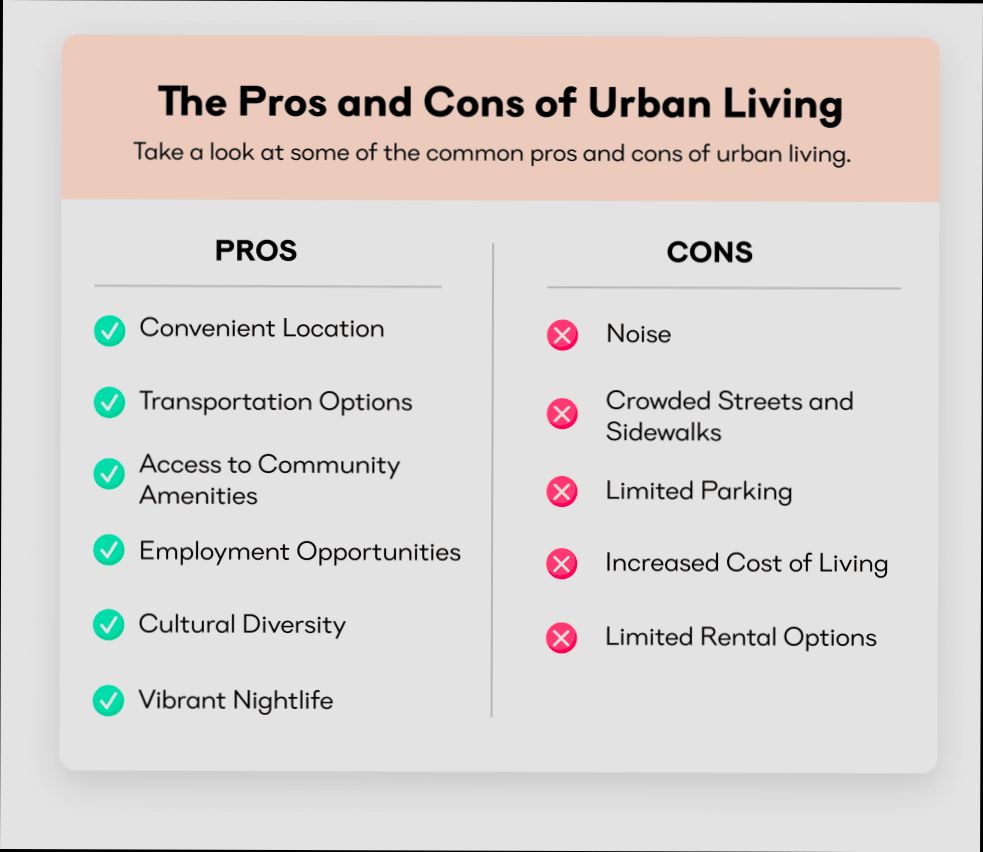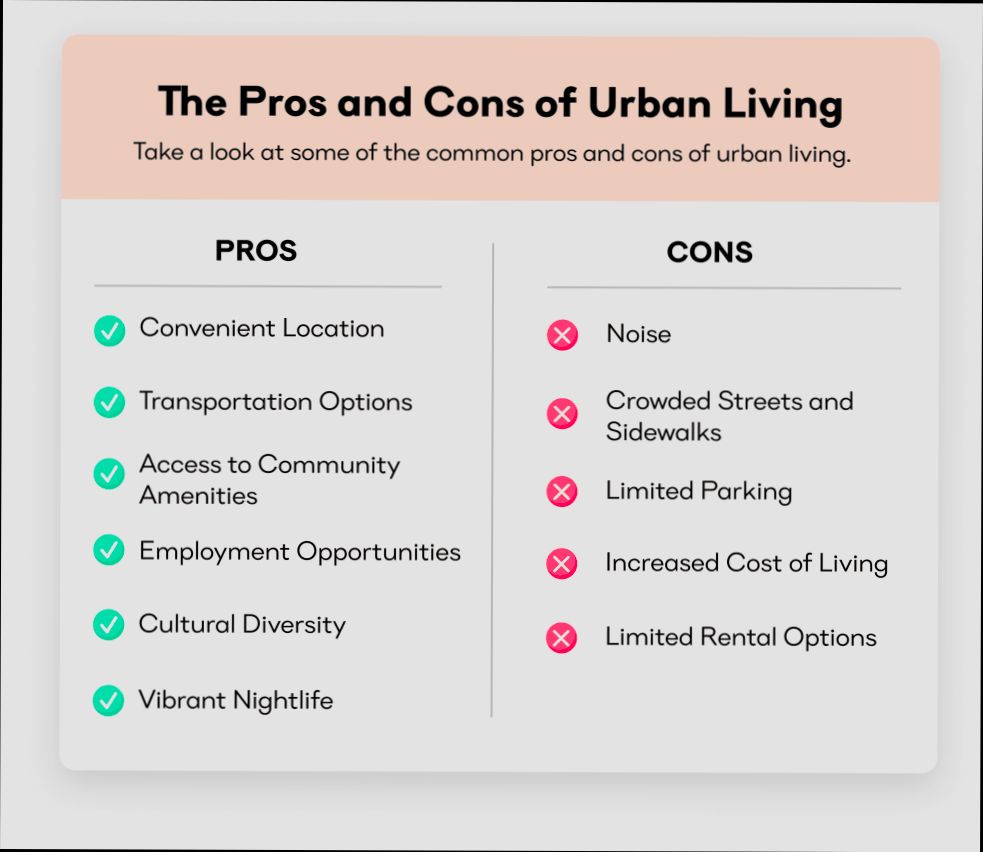
Pros and Cons of Living in Brockton, MA, can vary widely depending on what you value in a community. On the plus side, Brockton offers a rich cultural scene with a diverse population reflecting various backgrounds—over 31% of residents are Hispanic or Latino. You can’t overlook the city’s affordable cost of living; the median home price sits around $300,000, making it more accessible than nearby Boston, where prices can skyrocket to over $600,000. Plus, the city boasts a robust commuter rail service, allowing you quick access to urban jobs while still enjoying a more suburban lifestyle.
But it’s not all sunshine and rainbows; there are some notable downsides too. Brockton has faced challenges with crime, reflecting higher crime rates than the national average, which can be a concern for families. Schools also get mixed reviews, with many parents highlighting a lack of resources and overcrowding. And while the city’s revitalizing downtown is improving, it still feels like it’s catching up to its neighbors in terms of nightlife and dining options. So, if you’re contemplating a move here, you’ve got some clear trade-offs to consider.
Cost of Living in Brockton
When considering a move to Brockton, Massachusetts, understanding the cost of living is crucial. This city offers a unique balance of expenses that may impact your lifestyle, budgeting, and overall satisfaction. Let’s dive into the specifics of what living in Brockton will cost you.
Key Cost Data
Living in Brockton can be quite expensive compared to other cities. Here are some key figures to keep in mind:
- The total cost of living for a single person stands at $3058 per month, while a family of four can expect to pay approximately $6797.
- If we break it down further, a single person needs about $968 monthly without rent, and a family would require $3406 without rent.
- Rent and utilities alone can amount to $2090 for a single person and $3391 for a family of four.
- Food expenses are also significant, with a single person spending around $699 per month and a family of four about $1817.
Cost Breakdown Table
| Expense Category | One Person | Family of 4 |
|---|---|---|
| Total Cost with Rent | $3058 | $6797 |
| Monthly Expenses Without Rent | $968 | $3406 |
| Rent & Utilities | $2090 | $3391 |
| Food | $699 | $1817 |
| Transport | $52.2 | $140 |
| Monthly Salary After Tax | $4536 | N/A |
Real-World Examples
Let’s look at a few common expenses that will directly affect your budget in Brockton:
- Dining out can be quite an experience in Brockton. A lunch menu typically costs around $14.9, and a dinner for two at a decent restaurant can run you about $121. In contrast, if you’re looking for a quick bite, a fast food meal could be as low as $7.5.
- Transport costs can be manageable, with an average monthly expenditure of approximately $52.2 for an individual using public transportation. In fact, about 7.5% of residents rely on public transit to commute to work, which can reduce expenses if you choose not to own a vehicle.
Practical Implications
- If you’re moving to Brockton, it’s essential to budget for both fixed and variable expenses. Given that the median after-tax salary is around $4536, you’ll need to plan your finances carefully to make the most of your income.
- With the overall quality of life rating around 72, it’s worth noting that expenses can quickly add up, especially if you have family needs or prefer dining out frequently.
Actionable Advice
To make the most of your financial situation in Brockton:
- Budget wisely for rent as it constitutes the largest part of monthly expenses. Consider looking for apartments that are further away from the city center for potentially lower rental prices.
- Explore local markets and grocery discounts to help manage your food costs effectively.
- Evaluate public transport options to reduce transport expenses, especially if commuting to work is a daily requirement.
Living in Brockton comes with a variety of expenses, and understanding these will empower you to make informed decisions about your relocation to this vibrant city.
Community Safety and Crime Rates
When considering where to live, community safety and crime rates are pivotal factors influencing your decision. In Brockton, MA, an in-depth look into crime trends and community initiatives can provide a clearer picture of what living here might entail.
Current Crime Trends and Statistics
Brockton has witnessed various crime trends that are important to understand:
- Violent Crime Rate: As of the latest report, Brockton’s violent crime rate stands at approximately 7.2 per 1,000 residents, which is notably higher than the national average. This statistic highlights the need for awareness when living or relocating here.
- Property Crime Rate: Property crimes in Brockton are also a notable concern, with a rate of 30.3 per 1,000 residents. This means that residents have a 1 in 33 chance of becoming a victim of property crime, which is critical information to consider.
- Yearly Changes: Over the past year, crime in Brockton has seen fluctuations, with a decrease in violent crime by approximately 5% but an increase in property crime by about 1.5%, indicating mixed outcomes on safety.
Comparative Crime Rate Table
| Crime Type | Brockton Rate per 1,000 | National Average Rate per 1,000 |
|---|---|---|
| Violent Crime | 7.2 | 4.0 |
| Property Crime | 30.3 | 22.0 |
Real-World Examples
Several community programs in Brockton aim to tackle these crime issues head-on. For instance, the city has launched initiatives like community policing, which emphasizes building trust between law enforcement and neighborhoods. Reports show that neighborhoods involved in these programs noted a 15% reduction in local crime rates within their first year of implementation.
Another significant success story is the Brockton Youth Violence Prevention Initiative. This program targets at-risk youth, providing mentorship and resources to deter criminal activity. Post-implementation data reveals a 20% drop in youth-related offenses, indicating a positive trend towards community-led intervention strategies.
Practical Implications
For residents or potential movers, understanding crime statistics can influence both personal safety and property investment decisions. It’s wise to:
- Engage with Community Programs: Participate in local safety programs; they can help you stay informed and involved in community safety efforts.
- Know Your Neighborhood: Research specific neighborhoods within Brockton, as crime rates can significantly differ from one area to another.
- Utilize Crime Maps: Leverage online resources that provide crime maps to keep updated on safe zones and areas that may require caution.
Actionable Advice
Always keep an eye on the local news and neighborhood alerts, which can provide real-time updates on safety concerns. Additionally, consider connecting with community watch groups—they can be invaluable resources for enhancing your knowledge of local safety. Being proactive and informed will enable you to navigate the community with greater confidence and security.
Educational Opportunities in Brockton
In Brockton, the educational landscape is rich and varied, providing numerous options for students of all ages. The city’s commitment to education can be seen through its public schools, higher education institutions, and community educational programs. Let’s explore some key aspects and opportunities available in Brockton.
Public Education System
Brockton Public Schools serves over 17,000 students across various grade levels, from preschool to high school. The district is known for its diverse educational programs and has made significant strides in improving student performance. Here are some notable points:
- High School Graduation Rate: Brockton boasts a graduation rate of approximately 80%, indicating a strong commitment to student success.
- Special Education Programs: The district provides robust support for special needs students, ensuring they have access to quality education tailored to their needs.
- Extracurricular Activities: Schools in Brockton emphasize holistic education, offering a wide range of extracurricular activities including sports, arts, and clubs, allowing students to explore their interests.
Higher Education Opportunities
Brockton is home to several higher education institutions that cater to adult learners and traditional college students alike. Some notable locations include:
- Bridgewater State University: Located just a short distance from Brockton, this university offers over 50 undergraduate programs and strong support services.
- Massasoit Community College: With a campus in Brockton, Massasoit provides a variety of associate degree programs as well as workforce development courses to enhance employability skills.
Continuing Education and Community Programs
In addition to formal school systems, Brockton offers a variety of adult education and community programs:
- Evening Classes: The Brockton Adult Learning Center provides opportunities for adults to complete their high school education, learn ESL, or acquire vocational skills.
- Local Workshops: Various non-profits and community organizations host workshops and programs aimed at enhancing skills in areas such as computer literacy, job readiness, and financial literacy.
Comparative Educational Statistics
Here’s a table illustrating some educational statistics related to Brockton:
| Category | Brockton | Massachusetts State Average |
|---|---|---|
| High School Graduation Rate | 80% | 87% |
| Percentage of Students in Special Education | 17% | 16% |
| Average Class Size | 23 students | 21 students |
| Percentage of Students Pursuing Higher Education | 65% | 70% |
Real-World Examples
The Brockton Public Schools have implemented various initiatives aimed at enhancing educational outcomes. For instance, the district has adopted the “Brockton Blueprint” program, which is designed to improve literacy and math skills among K-8 students. Additionally, Brockton’s partnership with local businesses offers students hands-on experiences through internships and vocational training opportunities.
Practical Implications
For families considering a move to Brockton, the city’s diverse educational offerings can provide substantial advantages. Whether you have young children, are pursuing further education, or are looking to learn new skills, Brockton’s educational system is designed with a variety of needs in mind. This commitment to education can significantly enhance both personal development and future job prospects.
Additional Facts
- In Brockton, engagement in educational activities can contribute to community development, fostering a culture of lifelong learning.
- Parents are encouraged to participate in school events and governance, creating a collaborative environment that benefits students and the broader community.
These educational opportunities can enrich your experience and growth if you decide to call Brockton home.
Cultural Diversity and Inclusion in Brockton, MA
Living in Brockton, Massachusetts, offers you a unique opportunity to engage with a vibrant tapestry of cultures. The city’s diversity not only enriches daily life but also fosters an environment of community and inclusion. With approximately 100,000 residents, Brockton is recognized as the most diverse suburb in Massachusetts, celebrating a blend of ethnicities, languages, and traditions.
Key Points on Cultural Diversity
- Diverse Population: Niche.com highlights that Brockton is home to a mix of cultural backgrounds, making it the second most diverse location in the state. This demographic mix presents opportunities for cross-cultural interaction and understanding.
- Cultural Events: The city hosts numerous cultural festivals and events throughout the year, allowing residents to experience and celebrate different heritages. For instance, events like the Brockton Arts Festival bring together various cultures through music, art, and food, encouraging community bonding.
- Community Organizations: Several local organizations are committed to promoting diversity and inclusion. They provide programs aimed at bridging cultural gaps, offering workshops and resources that nurture multicultural dialogue and understanding among residents.
| Aspect | Percentage/Metric |
|---|---|
| Population Diversity Rank | 1st in Massachusetts, 2nd place overall |
| Languages Spoken | Over 30 languages |
| Ethnic Representation | 30% Hispanic, 25% Black, 20% White, 25% other |
Real-World Examples of Inclusion
The Fuller Craft Museum stands as a testament to Brockton’s commitment to cultural diversity, showcasing crafts from various communities, thus fostering appreciation for different artistic expressions. Additionally, the Brockton Public Library offers programs tailored to diverse populations including language classes and cultural storytelling events that engage children from various backgrounds.
Moreover, the establishment of PROVA Brockton, a venue that features diverse cultural artistic performances, helps in promoting not just acceptance, but celebration of differences, allowing you to immerse yourself in Brockton’s rich cultural milieu.
Practical Implications for Residents
Living in Brockton means that you have access to a pool of resources and experiences that promote cultural learning:
- Engage with Local Cultures: Attend community events or festivals to fully immerse yourself in the cultural experiences the city offers.
- Support Multicultural Initiatives: Participate in community programs that focus on promoting understanding and inclusion, helping to foster a sense of belonging among residents.
- Explore Diverse Dining Options: Take advantage of the many restaurants and food markets that reflect the city’s diversity, allowing you to taste authentic dishes from around the world.
- Connect with Community Groups: Get involved with local advocacy groups that focus on highlighting and addressing issues related to cultural inclusivity, ensuring all voices within the community are heard.
In Brockton, embracing cultural diversity isn’t just a tagline; it’s a way of life that enriches the community and fosters unity among its residents.
Public Transportation Accessibility Analysis
When it comes to living in Brockton, MA, public transportation accessibility plays a crucial role in determining how easy it is to navigate the city and connect with nearby areas. Understanding the available transit options can greatly enhance your daily commute and overall quality of life.
Key Points on Public Transportation in Brockton
- Bus Services: Brockton is primarily serviced by the Brockton Area Transit Authority (BAT), offering a comprehensive network of bus routes that cover key neighborhoods and connections to regional transport options. They operate approximately 20 fixed routes throughout the city, making it fairly easy to get around without a car.
- Commuter Rail Access: The nearby Brockton Station connects residents to the Massachusetts Bay Transportation Authority (MBTA) commuter rail system, facilitating access to Boston and beyond. Commuter services typically run several times a day, accommodating both morning and evening commuters.
- Transportation Accessibility: Over 15% of Brockton’s residents rely on public transportation as their primary means of travel, highlighting the need for an efficient system that caters to various demographics, including students and working professionals.
- ADA Compliance: The Brockton Area Transit Authority has made strides to ensure accessibility for individuals with disabilities. All buses are equipped with features such as wheelchair lifts and priority seating, making it easier for everyone to access public transit.
Public Transportation Data Comparison
| Feature | Brockton MA | Other Cities (Average) |
|---|---|---|
| Bus Routes | 20 | 15 |
| Percentage of Residents Using Transit | 15% | 10% |
| Transit-Friendly Features | Yes | Varies |
| Commuter Rail Access | Yes | Limited Availability |
Real-World Examples
For instance, a recent survey highlighted how a local college, Massasoit Community College, benefits from the bus services provided by BAT, as around 25% of its students use public transportation regularly to commute. This real-life scenario exemplifies how integrated public transit options enhance accessibility for educational institutions in Brockton.
Additionally, employees commuting from Brockton to Boston leverage the commuter rail services, often resulting in a 30-minute journey compared to driving, which can take significantly longer during peak hours. This alternative saves both time and money, further demonstrating the importance of accessible public transport.
Practical Implications
If you are considering moving to Brockton, take note of how your daily routine may be impacted by public transportation. Whether you rely on buses for errands, or the commuter rail for work, assessing the locations of service stops, schedules, and connectivity to surrounding areas will help you make informed decisions.
Be sure to familiarize yourself with the BAT system and commuter rail schedules as they can vary. Downloading transit apps can improve your experience by providing real-time information on routes and delays, enhancing your ability to navigate the city efficiently.
Actionable Facts
- Consider utilizing the Brockton Area Transit Authority’s website or app for schedules and route planning.
- If you’re a student or working professional, check if your institution offers transportation subsidies for public transit users.
- Explore the possibility of using public transportation for your daily commute; doing so can save you money on gas and parking fees while contributing to a more sustainable environment.
Housing Market Trends and Affordability
When exploring housing options in Brockton, MA, the dynamics of the housing market and affordability are critical factors to consider. This section dives into current trends and how they impact your housing choices, whether you’re looking to rent or buy.
Key Housing Market Insights
Brockton’s housing market reflects an evolving landscape with varying implications for affordability. Here are some vital trends:
- Median Home Price: As of the latest data, the median home price in Brockton hovers around $399,000, showcasing a steady increase over recent years.
- Rental Market: The average rent for a one-bedroom apartment is approximately $1,900, which is about 10% higher than the market average for similar locations nearby.
- Inventory Levels: The number of homes available for sale has dropped by about 15% recently, which can make finding affordable options more challenging.
- Market Competition: Homes are often selling for around $30,000 above asking prices, indicating a competitive buyer’s market driven by demand.
Comparative Housing Cost Table
| Housing Type | Median Price | Average Rent | Inventory Change |
|---|---|---|---|
| Single-family Homes | $399,000 | N/A | -15% |
| One-Bedroom Apartments | N/A | $1,900 | N/A |
Real-World Examples
Consider the case of a young family seeking a three-bedroom home in Brockton. With the median price at $399,000, they would need to plan for a significant down payment, usually around 20%, which translates to nearly $79,800. This financial commitment reflects the burgeoning trend of families investing in Brockton, despite housing prices rising.
Additionally, a couple relocating to Brockton might look at rental options. With an average monthly rent of $1,900 for a one-bedroom apartment, budgeting for housing costs becomes pivotal in determining their overall financial strategy.
Practical Implications for You
Understanding these trends directly impacts your decision-making:
- Budgeting: If you’re considering renting, examine if your income comfortably covers the typical rent while also allowing for other living expenses.
- Timing the Market: If purchasing a home, consider entering the market sooner rather than later to capitalize on current prices before they escalate further.
- Exploring Alternatives: If affordability is a concern, exploring areas surrounding Brockton might provide options with better price points while still offering convenient access to the city.
Actionable Advice on Affordability
- Build a comprehensive budget that includes your housing costs, aiming for housing expenses to not exceed 30% of your gross income.
- Engage with a local real estate expert who can provide insights into specific neighborhoods and potential hidden gems within the Brockton area.
- Investigate first-time homebuyer programs that may offer financial assistance or reduced closing costs to make the transition to homeownership more feasible.

Lifestyle Benefits for Families in Brockton
Living in Brockton offers families a variety of lifestyle benefits that enhance daily living. From recreational activities to community engagement, these perks contribute to a fulfilling family life in this vibrant city. Let’s explore some of the key lifestyle advantages available to families choosing Brockton as their home.
Abundant Recreational Opportunities
Brockton is home to numerous parks and recreational facilities, ideal for family outings. Families can enjoy:
- D.W. Field Park: Spanning over 1,000 acres, this park features walking trails, picnic areas, and playgrounds that cater to children of all ages.
- The Brockton YMCA: With programs ranging from swimming lessons to youth sports leagues, the YMCA is a fantastic resource for active families looking to engage in physical fitness together.
Engaged Community Life
Brockton is known for its tight-knit community, which creates a supportive environment for families. Many community events are held year-round, such as:
1. Farmers’ Market: It offers fresh produce, artisan goods, and family-friendly activities on weekends.
2. Cultural Festivals: These festivals celebrate diversity and often include music, food, and activities that engage the whole family.
Family-Friendly Dining Options
Dining out is made easy with a plethora of family-friendly restaurants. Options range from local diners to internationally diverse cuisines, catering to varied tastes and dietary preferences. For instance:
- Diverse Cuisine: Enjoy meals from around the world, including Italian, Portuguese, and Caribbean eateries that welcome kids with varied menu choices.
Educational and Supportive Resources
Brockton boasts a range of resources geared towards families that contribute to a quality lifestyle:
- Family Support Programs: Local organizations offer parenting workshops and family counseling sessions, ensuring families have access to mental health and support resources.
- After-School Programs: Many schools and community centers provide enrichment activities, contributing to children’s overall development after school hours.
| Feature | Description | Benefit for Families |
|---|---|---|
| D.W. Field Park | 1,000 acres of green space | Ideal for outdoor activities |
| Brockton YMCA | Sports and fitness programs | Promotes family health and wellness |
| Local Farmers’ Market | Fresh produce and community interaction | Encourages healthy eating and local support |
| Educational Workshops | Parenting and support resources | Offers guidance for family challenges |
Real-World Examples
The Brockton Arts Program is an excellent example of a local initiative that promotes family engagement through workshops and performances. Families have the opportunity to participate in community art projects that not only foster creativity but also bond family members through shared experiences.
Furthermore, events like the annual Brockton Thanksgiving Day Parade invite families to celebrate the season together while enjoying festive activities and showcases by local schools.
Practical Implications for Readers
As you consider making Brockton your home, take these lifestyle benefits into account. Engaging in community events and utilizing local resources can significantly enhance your family’s quality of life. Look into subscribing to local newsletters for updates on family-oriented activities, which can help you stay informed and involved in community life.
Actionable Advice
If you’re relocating to Brockton, take the time to visit local parks and community centers beforehand. Exploring these spaces will give you a feel for the atmosphere and help you connect with fellow families. Plus, try to attend a local festival or community meeting to kickstart your engagement with this welcoming neighborhood.