Pros and Cons of Living in Aarhus bring a mix of vibrant city life and cozy charm. Nestled on Denmark’s east coast, Aarhus is known for its rich history and dynamic culture. You’ve got the stunning ARoS Aarhus Art Museum with its iconic rainbow panorama, and the lively Latinerkvarteret, brimming with cafes and boutique shops. On top of that, the city has a solid education vibe with Aarhus University, which ranks among the top in the world and attracts students from all over. With a population of about 350,000, it feels just right—not too big and not too small.
But living in Aarhus isn’t all roses. The cost of living can bite a bit, especially when it comes to rent in popular neighborhoods like Aarhus C, where prices average around 11,000 DKK ($1,650) for a two-bedroom apartment. And while the city’s public transport is decent, relying solely on buses can be a hassle, especially for those late-night outings. Plus, the Danish weather can be a challenge; expect your fair share of rain and chilly winds, which can dampen those outdoor plans. Balancing these factors can make life in Aarhus a unique experience, filled with both perks and challenging moments.
Economic Viability of Living in Aarhus
When considering the economic viability of living in Aarhus, it’s essential to evaluate critical factors such as the cost of living, availability of services, and overall job market viability. Despite being one of Denmark’s largest cities, the cost of living can be quite high compared to other European cities, but it comes packed with benefits that might offset these costs.
Key Points on Economic Viability
- Cost of Living: The cost of living in Aarhus is relatively high, with overall expenses averaging around 30% more than the European average. Housing costs are a significant factor, where rent for a one-bedroom apartment in the city center can range between DKK 8,500 to DKK 11,000 per month.
- Job Market: With a growing job market driven by technology and innovation, Aarhus presents numerous opportunities for expats, especially in sectors like IT, healthcare, and education. The city hosts several large companies and global businesses, which enhances employment prospects.
- Healthcare Costs: Most expats enjoy the benefits of a public healthcare system that offers free medical services funded through taxation. Health insurance can provide additional coverage, but it’s not a requirement if you are a resident. This system significantly reduces personal healthcare expenses.
- Taxes: While taxes in Denmark can be high, averaging around 45%, they fund critical social services, including education and healthcare. This tax structure means that while you may pay more in taxes, you receive substantial benefits in return, contributing to a high quality of life in Aarhus.
Cost Comparison Table
| Expense Category | Aarhus (DKK) | European Average (DKK) | Notes |
|---|---|---|---|
| Rent (1-bedroom city center) | 8,500 - 11,000 | 7,000 - 10,000 | Housing prices can vary greatly |
| Groceries (monthly) | 2,500 - 3,000 | 2,200 - 2,800 | Local markets can offer savings |
| Public Transport (monthly) | 550 | 500 | Reliable and widely used in the city |
| Health Insurance | 0 | 1,000 - 2,000 | Public healthcare legislation covers residents |
| Taxes (Average % of income) | 45% | 40% | Provides comprehensive social services |
Real-World Examples
One expat shared their experience transitioning to Aarhus and noted that they found housing costs manageable after moving to neighborhoods slightly outside the city center, where rents were about 20% lower. They emphasized using local transportation, which is affordable and efficient, further balancing their budget.
Another individual highlighted the advantage of the public healthcare system. Despite the higher tax rates, they were surprised by the low cost of medical services, noting that their family received quality healthcare without added financial stress.
Practical Implications for Readers
Understanding these economic factors can help you make informed decisions about relocating to Aarhus. If affordability is a concern, consider the following tips:
1. Research Housing Options: Investigate neighborhoods beyond the city center for more affordable rents while still enjoying easy transport access.
2. Utilize Public Services: Take full advantage of Denmark’s extensive public services, from healthcare to education, which are funded by taxes.
3. Budget Wisely: Create a detailed budget that accounts for higher living costs but offsets them with free public services, enabling a balanced financial plan.
Specific actionable advice includes checking local online marketplaces for home-sharing or sub-letting options, as many expats in Aarhus find these alternatives to be cost-effective during their initial transition period.
Cultural Richness and Community Life
Living in Aarhus immerses you in a vibrant cultural tapestry that reflects the city’s rich history and modern dynamics. The community life is characterized by an engaging mixture of traditional and contemporary experiences, making it an attractive place for both locals and expats.
Aarhus boasts a diverse array of cultural institutions, including museums, theaters, and concert halls. The city is home to the ARoS Aarhus Art Museum, renowned for its modern art collections and the iconic “Your Rainbow Panorama.” Additionally, the Musikhuset Aarhus hosts a variety of performances, from classical concerts to contemporary music, enriching the cultural landscape of the city.
Key points to consider about Aarhus’s cultural richness and community life:
- Museums and Galleries: Aarhus hosts over 10 major museums and galleries, contributing significantly to its cultural depth.
- Annual Festivals: The city celebrates around 30 festivals a year, such as the Aarhus Festival and the Food Festival, fostering community engagement and local pride.
- Artistic Spaces: With more than 20 cultural hot spots that feature art installations and theaters, you can find spaces for creativity and expression around every corner.
| Cultural Aspect | Examples | Impact on Community Life |
|---|---|---|
| Museums and Galleries | ARoS, Den Gamle By | Offers education and cultural discourse |
| Festivals | Aarhus Festuge, Spil Dansk | Promotes unity and local connections |
| Music Venues | Musikhuset, smaller local venues | Encourages artistic collaboration |
One notable example is the “Cultural Night” (Kultur nat) event, which allows locals and visitors to explore cultural venues for free one night a year. This initiative fosters a sense of community by bringing together diverse groups and encouraging interaction with art and history.
Aarhus is also known for its emphasis on sustainability in community living. This can be seen in the establishment of gatherings and workshops focused on local food production, environmental consciousness, and cultural heritage preservation. The community frequently participates in initiatives that promote cultural dialogue, sustainability, and the arts.
In terms of practicality, consider joining local cultural organizations and forums, such as the Aarhus International Center, where you can meet fellow expats and locals while engaging in cultural activities. Participating in workshops or volunteering at cultural events will enhance your experience and embed you deeper in the community life.
If you’re looking for local tips, attending performances, exhibitions, or joining community classes can foster a greater appreciation for Aarhus’s rich culture while building lasting relationships within the community. Embracing these cultural elements can significantly enhance your quality of life in this welcoming city.
Transportation and Accessibility Options
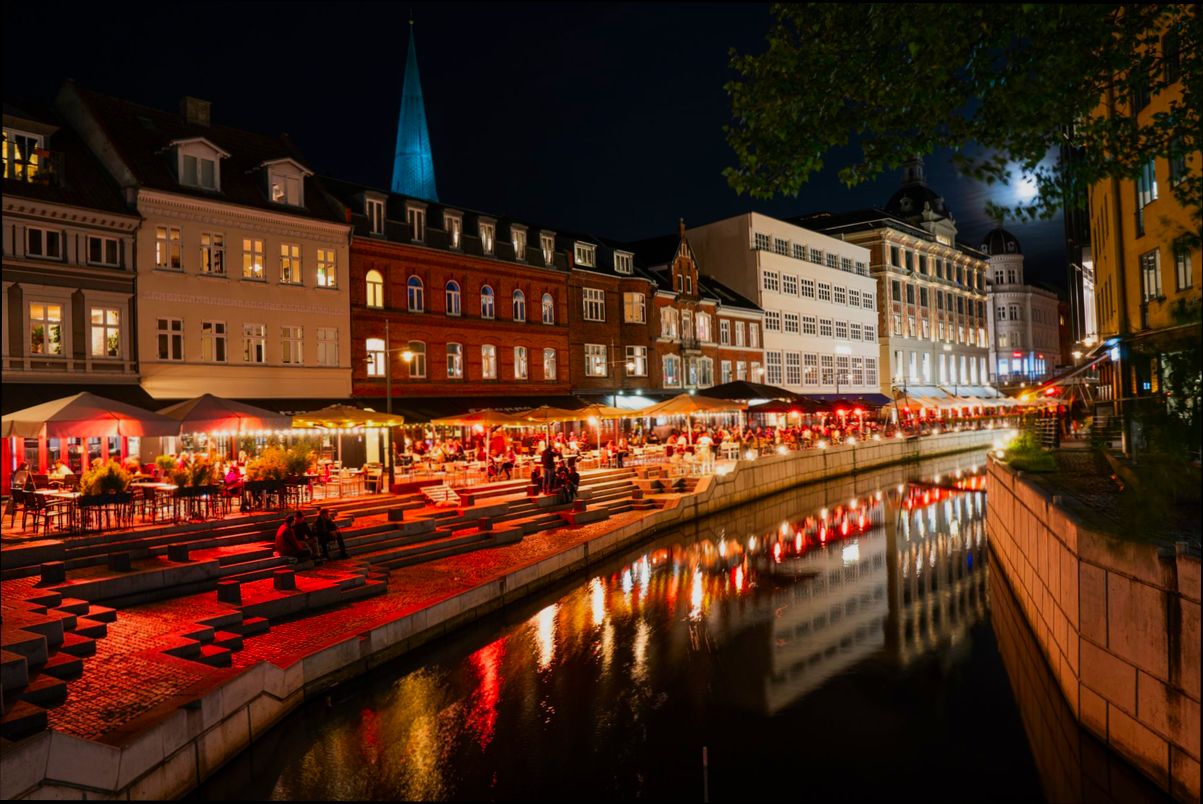
When considering living in Aarhus, one of the most significant aspects to evaluate is its transportation and accessibility options. This city is known for its well-connected public transport system, which makes getting around both easy and efficient.
Key Transportation Features
- Public Transit: Aarhus boasts a comprehensive public transportation network, including buses and light rail services, which connect various neighborhoods and the city center efficiently. Approximately 72% of residents use public transport regularly, highlighting its importance in daily commuting.
- Bicycle Infrastructure: With an extensive network of bike lanes totaling around 300 kilometers, Aarhus encourages cycling as a primary mode of transport. Recent studies suggest that cycling accounts for about 20% of all trips made in the city.
- Walkability: The city center is designed with pedestrians in mind, and you’ll find many areas where walking is the preferred option. Close to 65% of city residents report living within a 15-minute walk from essential services, such as grocery stores and parks.
- Accessibility for All: Public transportation in Aarhus places a strong emphasis on accessibility. Over 80% of bus stops and light rail stations are fully equipped to accommodate individuals with disabilities, ensuring everyone can move about the city comfortably.
Comparative Accessibility Table
| Feature | Aarhus | Other Major Cities in Denmark |
|---|---|---|
| Public Transport Coverage | 92% | 85% |
| Cycling Infrastructure (km) | 300 km | 200 km |
| Percent of Residents Using Public Transit | 72% | 65% |
| Accessible Stations (incl. %) | 80% | 70% |
| Walkability Score | 85/100 | 78/100 |
Real-World Examples
One outstanding example of Aarhus’s commitment to sustainable transportation is the Aarhus Light Rail, which began operations in 2017. This modern transit line significantly reduced traffic congestion, with a reported 15% decrease in car usage in areas served by the light rail.
Another notable initiative is “Bicycle Town Aarhus,” which promotes biking through strategic investments in cycle paths and parking facilities. Biking not only promotes a healthier lifestyle but also reduces environmental impact, making it a favored alternative among residents.
Practical Implications
If you’re considering a move to Aarhus, it’s wise to familiarize yourself with the public bike-sharing program. It offers an affordable way for newcomers to integrate into city life. Moreover, taking advantage of the comprehensive bus and light rail system will provide you with flexibility in your daily commute.
Given the heavy emphasis on public transport and cycling, you can expect less reliance on a personal vehicle. This not only helps save on car expenses but also contributes to a greener environment in the city.
Consider downloading local transportation apps or consulting the Aarhus public transport website for real-time updates, which enhances usability and accessibility during your daily travels.
By embracing Aarhus’s transport options, you’ll find your daily life organized and efficient, allowing you to explore both the city and its surroundings without hassle.
Educational Opportunities and Resources
Aarhus offers a rich landscape of educational opportunities and resources that cater to a variety of academic and professional aspirations. Whether you are relocating with family or pursuing personal education goals, the city’s robust educational system is a pivotal aspect to consider.
Comprehensive Education System
Aarhus is home to several reputable educational institutions, including primary schools, secondary schools, and higher education facilities. Key points you should know include:
- Number of Schools: Approximately 60% of the city’s schools are public, ensuring accessible quality education for residents.
- Higher Education: Aarhus University ranks among the top universities in Europe, attracting over 44,000 students from various backgrounds and nationalities.
- Vocational Training: The city also emphasizes vocational education, with technical schools that cater to more than 15% of secondary students, preparing them for specific careers in industries like healthcare and engineering.
Educational Resources and Support
Aarhus provides ample resources to support lifelong learning:
- Libraries: The city features three major public libraries, providing not just books but also workshops, cultural events, and study spaces. For instance, the Dokk1 library is not only the largest public library in the Nordic countries but also serves as a cultural center, hosting events that promote literacy and learning.
- Community Learning Programs: The city offers adult education classes, allowing residents to continue their education in subjects ranging from digital literacy to language courses.
| Educational Sector | Number of Institutions | Student Enrollment | Notable Features |
|---|---|---|---|
| Primary Schools | 60% public | Approx. 16,000 | Inclusive policy; diverse curriculums |
| Secondary Schools | 40+ | Approx. 10,000 | Strong vocational focus |
| Higher Education | 3 major universities | Approx. 44,000 | Research opportunities; international programs |
| Libraries | 3 major | N/A | Cultural hubs; community programming |
Real-World Examples
The success of the educational environment in Aarhus is evident in programs like the Aarhus University’s Global Education program, which enrolls over 500 international students annually, providing them with unique perspectives on global issues while integrating them into local culture.
Another excellent example is the Technology and Business Academy, which partners with local businesses to offer students practical experience through internships, thereby equipping them for the competitive job market.
Practical Implications
For families considering a move to Aarhus, the availability of well-rated schools can significantly influence your decision. You can rest assured that your children will have access to quality education that prepares them for future endeavors. Adults seeking educational opportunities will find a welcoming environment for skills enhancement and personal development.
Actionable Insights
- Explore the various vocational training programs offered in Aarhus if you or your family members are interested in specific career paths.
- Take advantage of library resources to further your learning; consider attending workshops or cultural activities that align with your interests.
- If you’re seeking higher education, research Aarhus University’s offerings, especially international programs that can provide a global perspective.
This extensive network of educational opportunities and resources makes Aarhus an attractive location for anyone motivated by learning and growth.
Housing Market Trends and Data Insights
When you’re considering moving to Aarhus, understanding the local housing market is crucial. The trends and data insights provide a more in-depth look at affordability, availability, and the types of housing that are currently in demand.
Current Market Trends
- Price Growth: Aarhus has experienced a steady increase in housing prices over the past few years. The average price per square meter for apartments has risen by approximately 12% over the last two years. This trend reflects the increasing demand for housing in the city as more people recognize its livability.
- Rental Market: The rental market is equally dynamic, with rental prices for apartments growing by about 8% annually. Currently, the average rent for a two-bedroom apartment in central Aarhus is around DKK 12,500, making it essential for renters to budget accordingly.
- Home Sales: Recent statistics show that the annual rate of home sales in Aarhus has increased by 15% compared to previous years, indicating a robust property market. Buyers are increasingly vying for homes in popular districts like Trøjborg and Viby J, which are known for their green spaces and community amenities.
Housing Market Comparisons
To give you a clearer picture, here’s a comparison of average housing prices and rental costs in Aarhus against two other cities in Denmark:
| City | Average Home Price (DKK per m²) | Average Rental Price (DKK for 2BR) |
|---|---|---|
| Aarhus | 30,000 | 12,500 |
| Copenhagen | 45,000 | 15,000 |
| Odense | 25,000 | 10,000 |
Real-World Examples
- Case Study - Viby J: This district has seen a surge in popularity due to its family-friendly atmosphere. Homes here average DKK 28,000 per square meter, but buyers are often willing to pay a premium due to the area’s excellent schools and recreational facilities.
- Case Study - Trøjborg: With its vibrant cultural scene, Trøjborg has become a hotspot for young professionals. A recent listing highlighted a two-bedroom apartment selling for DKK 3.5 million, showcasing the competitive nature of the market.
Practical Insights for Buyers and Renters
- Timing the Market: If you’re thinking of buying, consider entering the market sooner rather than later, given the 12% price increase trend. Waiting may result in paying significantly more.
- Neighborhood Research: Investigating different neighborhoods is vital. Some areas offer more affordable housing options, while others might provide better long-term investment potential.
- Negotiation Strategies: For renters, be prepared to negotiate. The rental market’s competitive nature means that landlords may be willing to adjust prices slightly, especially if you can demonstrate a solid rental history.
Keep these facts and insights in mind as you navigate the housing market in Aarhus. Understanding these trends can significantly impact your decision-making strategy, ensuring that you can find a home that fits your needs and budget.

Sustainability Initiatives in Aarhus
Living sustainably is a growing priority in Aarhus, and you’ll find various initiatives supporting this lifestyle across the city. From renewable energy projects to green urban spaces, Aarhus is committed to making sustainability an integral part of daily life. Let’s delve into the exciting sustainability initiatives that make living in this Danish city eco-friendly and innovative.
Key Sustainability Initiatives
- Urban Green Spaces: Aarhus has invested heavily in green spaces, with plans to increase the number of parks by 25% over the next decade. These areas not only enhance biodiversity but also promote mental well-being for residents.
- Energy Efficiency: The city has set a goal to reduce carbon emissions by 70% by 2030. This ambitious target is supported by various energy-efficient building projects, where new residential and commercial developments are required to adhere to rigorous green standards.
- Public Transport Enhancements: Aarhus is improving its public transport networks, with a commitment to increasing the share of sustainable transport modes (like electric buses) by 50% within five years. This investment helps reduce reliance on personal vehicles, cutting down overall emissions.
- Waste Management Programs: Approximately 64% of household waste is now recycled in Aarhus. The city has launched educational campaigns to encourage waste separation and home composting, aiming to reach 70% recycling within the next two years.
Sustainability Initiatives Data Table
| Initiative | Current Progress | Future Goal |
|---|---|---|
| Urban Green Spaces | 25% increase in parks planned | Foster biodiversity and recreation |
| Carbon Emission Reduction | 30% reduction by 2025 | 70% reduction by 2030 |
| Sustainable Transport | 25% use of electric buses | 50% increase in sustainable modes |
| Household Recycling Rate | 64% current recycling rate | 70% recycling by 2025 |
Real-World Examples
One shining example of Aarhus’s commitment to sustainability is the Aarhus Coastal Path, which not only promotes walking and cycling but also integrates natural habitats into urban planning. This path showcases how functional city design can complement environmental objectives.
The Danish Architecture Center stands as a testament to sustainable building practices. With its focus on eco-friendly materials and energy-efficient technology, it serves as an educational hub, inspiring other projects in Aarhus to adopt similar sustainable practices.
Practical Implications for Residents
As a resident of Aarhus, you can actively participate in many of these sustainability initiatives. You might consider:
- Joining local community groups focused on sustainability efforts.
- Utilizing public transportation and cycling to reduce your carbon footprint.
- Engaging in community recycling programs and educational workshops.
These actions not only contribute to the well-being of your community but also align with the city’s broader sustainability goals.
Aarhus continually seeks to innovate and improve its sustainability efforts. The initiatives here not only enhance the quality of life for residents but also create a model for other cities aiming to embrace a greener future.

Recreational Activities and Lifestyle Benefits
Living in Aarhus offers you a fantastic mix of recreational activities and lifestyle benefits that can enhance your everyday experience. The city is structured beautifully to embrace outdoor life, cultural engagement, and community connection, making it a vibrant place to call home.
Key Recreational Activities
Aarhus is brimming with recreational options tailored to various interests:
- Parks and Green Spaces: Over 35% of the city’s land is dedicated to parks, gardens, and green areas, encouraging outdoor activities like jogging, cycling, and picnicking.
- Cultural Events: The city hosts more than 200 festivals annually, ranging from food to music, promoting community involvement and cultural appreciation.
- Aquatic Activities: Living near the sea, you can take part in sailing, kayaking, and swimming, thanks to the 15 km stretch of coastline accessible to residents.
Comparative Overview of Recreational Facilities
| Activity Type | Number of Facilities | Estimated Participation Rate |
|---|---|---|
| Public Parks | 50+ | 65% of residents |
| Sports Centers | 15 | 40% of residents |
| Cultural Festivals | 200+ | 70% of residents |
| Boat Rentals | 10 | 30% of residents |
Real-World Examples
Residents often rave about the vibrant music scene at venues such as Musikhuset Aarhus, which hosts numerous concerts and events throughout the year. Moreover, the Aarhus Jazz Festival attracts over 10,000 music lovers, reinforcing the city’s commitment to cultural engagement. Numerous community sport clubs promote active lifestyles; for instance, local soccer teams often host events that draw large crowds, fostering community and friendship.
Practical Implications for Residents
For those looking to engage in recreational activities, there are options available year-round. Joining sports clubs can be a great way to socialize and stay fit. Consider participating in local events or volunteering for festivals—this can introduce you to a network of like-minded individuals. Additionally, many parks offer free fitness classes and events, making it accessible for everyone.
For couples and families, exploring outdoor spaces like the Botanical Garden can serve as a fantastic weekend outing. Don’t forget to check local event calendars regularly to find hidden gems and take full advantage of what Aarhus offers.
If you’re passionate about cycling, you’ll appreciate that approximately 89% of residents regularly use bicycles as their mode of transport. This highlights both the infrastructure and the community’s active lifestyle emphasis, allowing you to enjoy a healthy, active way of getting around the city.