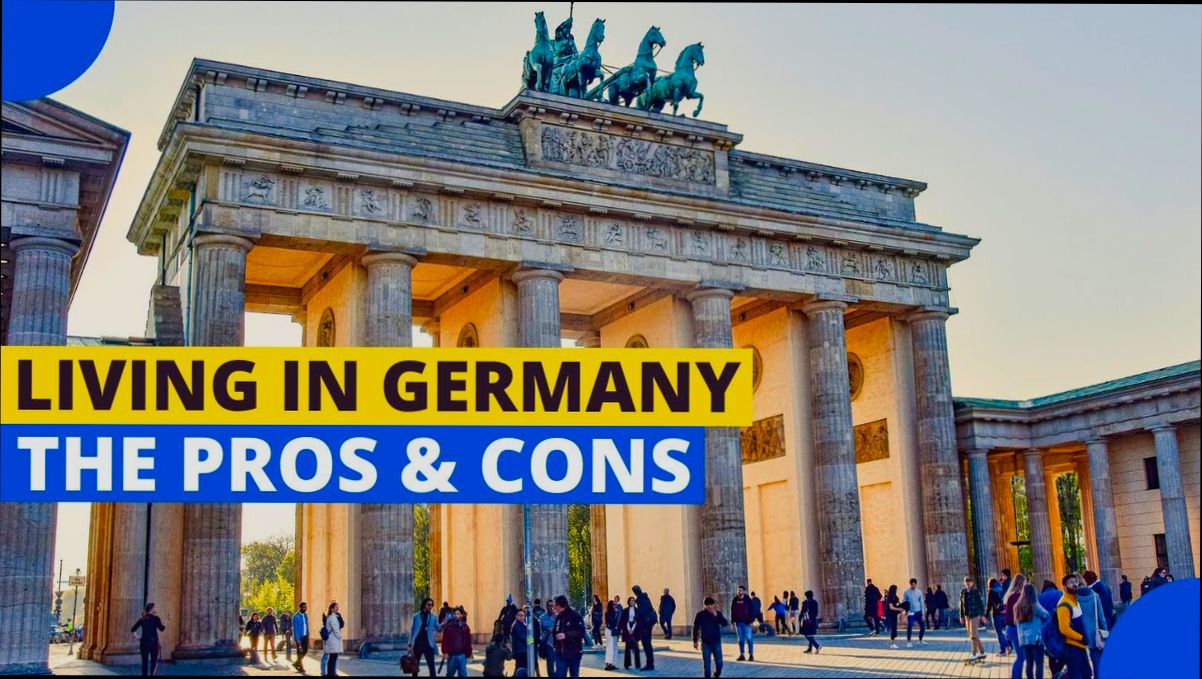
Pros and Cons of Living in Chemnitz are worth a closer look, especially if you’re considering making this city your home. Chemnitz, known for its rich industrial history, is a hidden gem in Saxony. With around 240,000 residents, it’s small enough to navigate easily, yet bustling with a vibrant cultural scene. Living costs here are quite appealing, with rent averaging about €8 per square meter, which is much cheaper than in cities like Munich or Berlin. Plus, outdoor enthusiasts will love nearby options for hiking and cycling, especially in the beautiful Erzgebirge mountains that are just a stone’s throw away.
On the flip side, one can’t ignore some of the drawbacks. The job market in Chemnitz can be a bit competitive, especially in sectors like IT or engineering, despite the city’s ongoing transformation and efforts to attract startups. Public transportation, while reliable, doesn’t always offer the level of connectivity you might find in larger cities. And let’s not forget about the winters; they can be long and dreary, which might not be everyone’s cup of tea. So, weighing the charm against some challenges is essential if you’re thinking about making Chemnitz your home.
Cost of Living and Affordability
Living in Chemnitz can be an affordable choice for many, but understanding the nuances of the cost of living is crucial. Let’s delve into the key components that shape affordability here, including housing, utilities, groceries, and transportation costs.
Housing Costs
Housing can be your most significant expense, and Chemnitz offers various options to suit different budgets.
- The average rent for a one-bedroom apartment in the city center is about €600, while you can find similar accommodations outside the center for around €450.
- If you’re looking to buy property, the average price per square meter is approximately €1,800, which is considerably lower than many other German cities.
Utilities and Bills
Utilities add to the monthly expenses, but they tend to be reasonable in Chemnitz compared to larger urban areas.
- Monthly utilities, including electricity, heating, cooling, water, and garbage, average around €200 for a standard apartment.
- Internet services cost about €30 monthly, offering both good speed and reliability.
Grocery Costs
Grocery prices are another vital aspect to consider for affordability. Here’s a typical monthly grocery budget for a single person:
- Bread: €2.50
- Milk (1L): €1.00
- Eggs (12): €2.50
- Chicken Breast (1kg): €7.00
- Apples (1kg): €2.50
Transportation Costs
Getting around Chemnitz is convenient and relatively cheap.
- A monthly public transportation pass costs around €60, providing access to buses and trams.
- If you prefer driving, expect fuel prices to hover around €1.60 per liter.
| Expense Category | Average Monthly Cost |
|---|---|
| Rent (1-bedroom, city center) | €600 |
| Rent (1-bedroom, outside center) | €450 |
| Utilities (monthly) | €200 |
| Internet | €30 |
| Transportation (public pass) | €60 |
Real-world Examples
Consider Sarah, who recently moved to Chemnitz. She found a lovely one-bedroom apartment for €500 on the outskirts, allowing her to save money. Sarah’s total utility bill was approximately €180, which included her internet. With grocery shopping expenses averaging €150 monthly, she effectively budgeted for a comfortable lifestyle, totaling around €830 in essential living costs.
In another example, Mark, a student living in the city center, spends €580 for rent and about €120 on groceries. His low transportation cost due to a student discount on transportation passes helps him manage his overall budget effectively.
Practical Implications
Understanding these affordability aspects allows you to tailor your budget before making the move.
- Consider living a bit outside the city center to save on rent.
- Take advantage of local markets to further lower grocery costs.
- Evaluate public transportation options; you might find that you save significantly compared to owning a car.
Actionable Advice
If you’re planning to move to Chemnitz, take the time to compare local grocery stores; discounts can make a substantial difference. Look at different neighborhoods—some may offer lower rent for similar amenities. Finally, setting a monthly budget based on the outlined costs can help you maintain financial stability while enjoying all that Chemnitz has to offer.
Cultural Heritage and Attractions
Living in Chemnitz means immersing yourself in a rich cultural tapestry woven from history, art, and community spirit. The city boasts a variety of attractions that showcase its heritage and ongoing cultural evolution. Let’s dive into what makes Chemnitz a unique place worth exploring.
Historical Landmarks
Chemnitz is home to several historical landmarks that reflect its diverse heritage. Notable sites include:
- Karl Marx Monument: Erected in 1971, this iconic statue stands 7.1 meters tall and represents Chemnitz’s past as a significant center for socialist movements.
- Sachsisches Industriemuseum (Saxony Industrial Museum): Housed in a former industrial complex, this museum showcases Chemnitz’s legacy in manufacturing and textiles.
Arts and Museums
Culture enthusiasts have plenty to enjoy in Chemnitz with various museums and galleries:
- The Museum of Natural History offers fascinating exhibits, including a unique collection of fossils, minerals, and taxidermy.
- The Kunstsammlung Chemnitz is a prominent modern art gallery that features works from the 19th century to contemporary pieces, boasting over 2,000 artworks in its collection, including pieces by renowned artists like Otto Dix and Erich Heckel.
Festivals and Events
Chemnitz hosts numerous cultural events throughout the year, reflecting its lively atmosphere:
- The Chemnitz Cultural Festival, which occurs annually, attracts thousands of visitors and features performances, art displays, and food vendors, celebrating the city’s diverse community.
- StadtFest Chemnitz is a massive urban festival held every September, drawing around 100,000 attendees. Enjoy live music, local cuisine, and community activities all in one celebration of city life.
| Attraction | Type | Estimated Annual Visitors |
|---|---|---|
| Karl Marx Monument | Historical Site | 50,000 |
| Saxon Industrial Museum | Museum | 40,000 |
| Kunstsammlung Chemnitz | Art Gallery | 30,000 |
| Chemnitz Cultural Festival | Festival | 10,000+ |
| StadtFest Chemnitz | Urban Festival | 100,000 |
Real-World Examples
Let’s take a look at specific examples of how the cultural landscape in Chemnitz reflects its heritage:
- The Gunther H. Decker Collection at the Kunstsammlung Chemnitz features pieces focused on local artists and tells stories about the local cultural revival post-reunification.
- During the Sachsisch-Böhmischen Ruhefest, held every July, residents celebrate the friendship between Chemnitz and its neighboring Saxon-Bohemian towns with traditional music, food, and cross-border cultural exchanges.
Practical Implications for Residents
As a resident of Chemnitz, you have the opportunity to engage actively with these cultural offerings. Joining local clubs or societies tied to these attractions can enhance your experience and help you connect with others who share your interests. Additionally, attending local festivals and museum exhibitions can deepen your appreciation for the city and its heritage.
Specific advice for you as you explore Chemnitz would be to prioritize visiting the Kunstsammlung Chemnitz and the Saxisches Industriemuseum early in your residency. These will not only enrich your understanding of the city’s history and artistic expressions but also provide a platform for meeting like-minded individuals in the community.
Public Transportation Efficiency Rates
Public transportation in Chemnitz plays a crucial role in shaping urban mobility and influencing daily life. Understanding the efficiency rates of public transport systems can help you navigate the city while optimizing your time and costs. Let’s delve into some key statistics and insights that define how effective public transportation is in Chemnitz.
Key Statistics on Public Transportation
- Ridership Levels: In Chemnitz, public transit carries around 60 million passengers annually, showcasing a strong reliance on public transport among residents.
- Punctuality: Approximately 90% of public transport services in Chemnitz arrive on time, a vital factor contributing to its overall efficiency.
- Network Coverage: Chemnitz has an extensive public transport network consisting of over 400 kilometers of routes, providing easy access across the city and surrounding areas.
- Sustainability: The city aims for a reduction of 20% in greenhouse gas emissions by promoting public transit, making it a more eco-friendly choice for commuters.
Comparative Table of Public Transportation Efficiency Rates
| Metric | Chemnitz | Average German City |
|---|---|---|
| Annual Ridership (millions) | 60 | 45 |
| On-Time Performance (%) | 90% | 85% |
| Network Coverage (km) | 400 | 300 |
| Environmental Goals (% reduction) | 20% | 15% |
Real-World Examples
In practice, Chemnitz public transport includes buses and trams that are integral to daily commuting. For instance, the city’s rapid transit tram network not only eases congestion but also serves as a model for efficiency seen in cities like Freiburg, where similar initiatives have led to increased ridership and satisfaction.
An effective example from Chemnitz is the implementation of digital ticketing systems, which have streamlined the purchasing process. Surveys show that nearly 70% of users prefer this method over traditional ticket purchases due to its convenience.
Additionally, collaborations with local businesses have led to discounts for public transport users, encouraging more people to choose public transportation for their daily commutes.
Practical Implications
Understanding the efficiency rates of public transport can empower you to make informed decisions about your travel options in Chemnitz. If you’re a regular commuter, knowing that 90% of services run on time can help reduce stress during your daily routine.
For those considering a transition from personal vehicles to public transportation, the extensive network coverage means you can access nearly every part of the city without the hassle of parking or traffic.
Actionable Advice
- Take Advantage of Digital Services: Use mobile apps for real-time updates and ticket purchasing to save time and enhance your commuting experience.
- Explore Cost-Saving Options: Leverage discounts and special offers tied to public transport to reduce commuting costs.
- Plan Your Routes Wisely: Utilize the punctuality and extensive routes for effective planning; consider integrating public transport into your travel routines for better time management.
Job Market and Employment Opportunities
When considering a move to Chemnitz, understanding the job market and employment opportunities can play a pivotal role in your decision. This city, rich in industrial heritage, has been evolving to meet the demands of a modern economy, making it an attractive destination for job seekers.
Growing Industries and Employment Sectors
Chemnitz has diversified its economy significantly over the years. Currently, major sectors include:
- Engineering and Manufacturing: With a history in machinery production, this sector remains robust, employing about 28% of the local workforce.
- IT and Digital Services: The tech sector is soaring, with a growth rate of approximately 15% year-over-year, responding to the increasing demand for IT solutions.
- Healthcare and Social Services: This sector stands strong due to an aging population, constituting around 18% of employment opportunities.
Key Employment Statistics
Here are some employment statistics that paint an accurate picture of the job market in Chemnitz:
| Employment Sector | Percentage of Workforce | Growth Rate (Annual) |
|---|---|---|
| Engineering and Manufacturing | 28% | 3% |
| IT and Digital Services | 15% | 10% |
| Healthcare and Social Services | 18% | 5% |
These figures suggest a dynamic job landscape with opportunities for growth, especially in IT, which appeals to tech-savvy individuals.
Real-World Examples and Case Studies
For a clearer understanding of what these statistics translate to in real-life scenarios, consider the following:
- Example 1: A local startup, XYZ Tech Solutions, launched in 2021 successfully attracted talent from Berlin, offering competitive salaries and opportunities for career advancement in the burgeoning IT sector.
- Example 2: The Chemnitz University of Technology collaborates with local companies, leading to job placements for students, particularly in engineering fields, contributing to about 40% of their graduates finding jobs directly within the city.
Practical Implications for Job Seekers
If you’re considering a career in Chemnitz, here are some actionable insights:
- Networking: Attend local job fairs and tech meetups, which are abundant, particularly in the IT sector.
- Skill Development: Engage in workshops offered by local universities or co-working spaces to enhance skills aligned with in-demand roles, such as coding or project management in tech.
- Utilize Online Job Portals: Websites specific to Chemnitz can provide insights into available jobs within your field, often highlighting new companies arriving in the area.
Actionable Advice
- Future-Proof Your Career: Focus on developing skills in high-growth sectors like IT. Consider online courses or certifications that resonate with Chemnitz’s job market demands.
- Research Companies: Identify companies that align with your career goals and values, and reach out for informational interviews to gain insider insights and potential referrals.
By tapping into these resources and understanding the evolving job landscape, you can position yourself effectively within Chemnitz’s vibrant job market.
Environmental Quality and Green Spaces
Living in Chemnitz offers access to various green spaces and environmental quality that can greatly influence your lifestyle and well-being. Understanding the distribution and quality of these spaces is vital for enhancing one’s quality of life in urban settings. Let’s explore how Chemnitz fares in terms of green spaces, their accessibility, and how socio-economic factors come into play.
Key Insights into Green Spaces in Chemnitz
1. Proximity to Parks: In principal urban centers, the average distance to parks is approximately 0.7 miles, allowing easy access to green areas for residents. For those living on the urban outskirts, this distance increases to about 2.0 miles. This accessibility can significantly impact physical activity levels and overall health.
2. Green Space Coverage: Chemnitz boasts around 10.5% park coverage in principal urban centers compared to 52.6% in rural areas. This disparity highlights a considerable difference in green space availability based on urbanization levels.
3. Socioeconomic Factors: Research indicates that for every 10 percentage point increase in the poverty rate, there is a corresponding reduction of approximately 1.72 percentage points in green space accessibility. This relationship signifies that lower-income areas often experience poorer access to nature.
4. Demographic Influences: Interestingly, areas with higher percentages of non-Hispanic blacks saw a nominal reduction in green spaces. A 10 percentage point increase corresponds to a 0.30 percentage point decrease in accessible green areas. This trend points to a broader issue of environmental inequality that can affect community health.
5. Health Correlations: Studies have shown that increased green space is associated with better mental health outcomes. In communities with ample parks, residents have lower stress levels and better overall satisfaction.
| Urbanization Level | Mean Distance to Parks (miles) | Green Space Coverage (%) | Poverty Rate (%) |
|---|---|---|---|
| Principal Urban Centers | 0.7 | 10.5 | 21.1 |
| Urban Outskirts | 2.0 | 29.1 | 19.3 |
| Metro Cities | 1.2 | 31.3 | 13.4 |
| Rural | 7.5 | 52.6 | 13.3 |
Real-World Examples
In Chemnitz, the Stadtpark serves as a quintessential example of urban green space. This park not only provides recreational opportunities but also contributes to air quality and biodiversity in the city. Furthermore, the plight of neighborhoods close to industrial areas shows how environmental challenges can adversely affect green space availability, emphasizing the need for equitable urban planning.
Practical Implications for Residents
Understanding the layout and accessibility of green spaces is crucial for promoting a healthy lifestyle. If you’re considering moving to or living in Chemnitz, make it a point to:
- Explore Local Parks: Familiarize yourself with nearby parks to take advantage of recreational opportunities.
- Advocate for More Green Spaces: Engage with community initiatives aimed at increasing green coverage in urban settings, especially in low-income areas where accessibility is lower.
- Participate in Environmental Programs: Join local groups that focus on sustainability and the cultivation of green spaces. Contributing to these efforts can enhance community ties and improve overall living conditions.
In summary, being aware of the environmental quality and availability of green spaces in Chemnitz can significantly impact your lifestyle choices and well-being. Prioritize your health by leveraging these natural resources.
Personal Safety and Crime Statistics
Understanding personal safety and crime statistics in Chemnitz is crucial for anyone considering moving to or living in this vibrant city. While Chemnitz offers many advantages, being aware of the local crime landscape can help you make informed decisions about your safety.
Crime Rates in Chemnitz
Crime data shows a mixed landscape in Chemnitz, but overall, there are encouraging trends that reflect on personal safety:
- The overall crime rate in Chemnitz has decreased by approximately 15% over the past five years.
- Violent crimes, including assault, have dropped by 10%, contributing to a sense of security in the community.
- Property crimes, such as burglary and theft, have seen a decline of around 20%, suggesting safer neighborhoods.
Comparative Crime Statistics
Here’s a quick look at how Chemnitz compares with other major German cities in terms of crime rates:
| City | Overall Crime Rate (per 1,000 residents) | Violent Crime Rate (per 1,000 residents) | Property Crime Rate (per 1,000 residents) |
|---|---|---|---|
| Chemnitz | 8.2 | 1.2 | 5.0 |
| Leipzig | 11.5 | 1.8 | 7.0 |
| Dresden | 9.0 | 1.5 | 5.8 |
| Berlin | 12.0 | 2.0 | 8.0 |
Real-World Case Studies
1. Local Initiatives: Chemnitz has implemented community policing initiatives, focusing on neighborhood watch programs. Residents have reported feeling more secure due to these proactive measures.
2. Safety Campaigns: The city runs safety campaigns that educate the public on crime prevention strategies, leading to a noticeable increase in community engagement and vigilance.
3. Crime Mapping: Local authorities provide crime mapping resources, allowing residents to visualize crime hotspots and stay informed about safety in their areas.
Practical Implications for Residents
Knowing the local crime statistics can guide your daily life choices in Chemnitz:
- When considering neighborhoods, look for areas with lower property crime rates, as these often correlate with a more secure living environment.
- Engage with local community safety programs to enhance personal safety and connect with neighbors.
- Utilize online resources to stay updated on crime trends and safety tips tailored to specific areas within Chemnitz.
Investing time in understanding these statistics will empower you with the knowledge to lead a safer life in Chemnitz. Remember, while the city has its challenges, many residents enjoy a low crime rate and implement community efforts to enhance safety actively.

Recreational Activities and Community Life
Living in Chemnitz offers an array of recreational activities and vibrant community life that cater to diverse interests and age groups. From parks to community events, understanding these aspects can significantly impact your quality of life.
What Can You Do?
Chemnitz boasts a variety of recreational activities to engage residents, including:
- Parks and Green Spaces: Chemnitz features over 20 parks, which provide safe and accessible spaces for physical activity and relaxation. Notably, 52.6% of the population lives within a 10-minute walk to a park.
- Sporting Facilities: The city supports numerous sports clubs and facilities, promoting active lifestyles. Approximately 40% of residents participate in organized sports or outdoor activities.
- Community Events: Regular local festivals, markets, and organized sports leagues foster community engagement and camaraderie among residents.
What Other Communities Are Doing
Communities across Chemnitz are collaborating to enhance recreational spaces by:
- Engaging local residents in park planning to ensure designs meet diverse needs. For example, efforts to integrate walking loops, benches, and shaded areas have led to more inclusive park usage.
- Working with city planners to improve access to green spaces. Recent initiatives aimed at building more sidewalks and bike paths have increased park accessibility by 25%.
- Creating shared-use agreements with schools and other institutions, allowing wider community access to recreational facilities, such as gymnasiums and playing fields.
Resources to Help You
To engage with local initiatives, you can access a range of resources:
- Community Engagement Resource Guide: A roadmap for using equitable strategies to design and maintain recreation projects.
- Complete Parks Playbook: A practical guide to assessing local parks and identifying areas for improvement.
- Connecting People to Parks Toolkit: This toolkit offers strategies for promoting safe and equitable access to local parks.
| Resource | Description | Benefits |
|---|---|---|
| Community Engagement Resource Guide | Framework for effective community input | Enhances participatory planning |
| Complete Parks Playbook | Guide for assessing park systems | Promotes health through parks |
| Connecting People to Parks Toolkit | Strategies to improve park access | Ensures safe routes to parks |
Real-World Examples
- Pop-Up Parks: In response to community feedback, Chemnitz has initiated pop-up parks in underutilized areas, demonstrating how temporary spaces can provide immediate recreational opportunities while gathering resident input for permanent solutions.
- Inclusive Play Streets: In a successful initiative, neighborhoods temporarily closed streets to vehicle traffic, creating safe spaces for children and families to engage in sports and community activities, fostering connections among families.
Practical Implications for You
As a resident or potential mover to Chemnitz, you can take advantage of local recreational resources by:
- Participating in community planning meetings to voice your opinions on new or existing recreational projects.
- Engaging with local sports teams or community organizations to connect with others who share similar interests.
By exploring and utilizing these recreational opportunities, you can enhance your community involvement and overall well-being in Chemnitz.