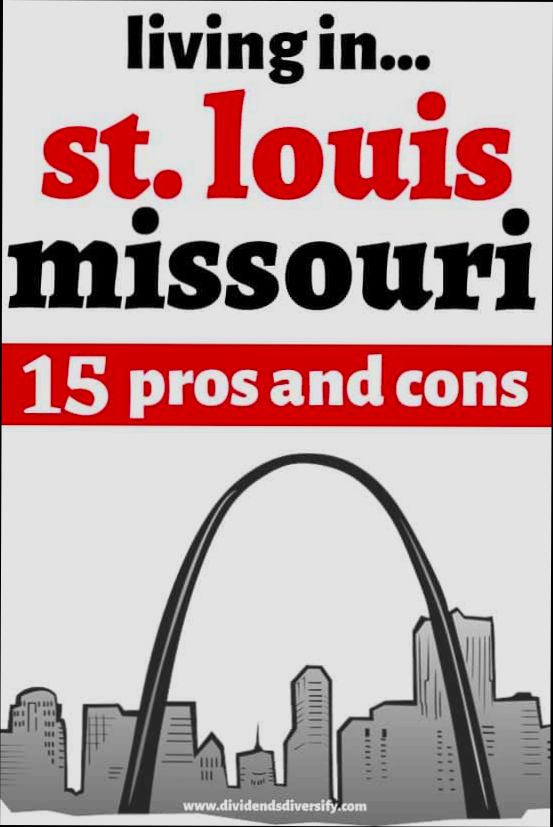
Pros and Cons of Living in St. Louis MO paint a vivid picture of a city that’s full of contrasts. On the plus side, you have affordable housing that lures many new residents—median home prices hover around $180,000, which is a steal compared to other major U.S. cities. You’ll find neighborhoods like Soulard and the Central West End buzzing with culture, great food, and live music. Plus, who wouldn’t love relaxing at Forest Park, one of the largest urban parks in the country, offering everything from a world-class zoo to stunning lakes?
But it’s not all sunshine and good times. St. Louis struggles with crime rates that can be daunting, with certain neighborhoods experiencing higher-than-average incidents reported—especially in some parts of North St. Louis. The public transportation system isn’t exactly robust either, making it a challenge if you don’t have a car. And let’s not forget the weather; summers can get sultry, while winters are often dreary and damp, leaving some longing for sunnier skies. Balancing these ups and downs can really shape your experience in the city.
Cost of Living Breakdown in St. Louis
When considering a move to St. Louis, understanding the cost of living is essential. This vibrant city offers a variety of living expenses that can be quite appealing, especially when compared to national averages. Let’s dive into the specifics of what you can expect financially when settling down in St. Louis.
Key Points on Cost of Living in St. Louis
1. Housing Costs: The median home price in St. Louis is around $185,000, which is significantly lower than the national median of approximately $350,000. Rentals also reflect this affordability, with the average rent for a one-bedroom apartment sitting around $1,050 per month.
2. Utilities: Monthly utility costs in St. Louis typically total around $150, which is about 10% lower than the national average. This includes electricity, heating, cooling, water, and garbage.
3. Transportation: If you plan to drive, expect to spend about $2.80 per gallon of gasoline, slightly lower than the national average of around $3.10. Public transportation, primarily through Metro Transit, offers very affordable options, with passes ranging from $70 to $100 monthly depending on the coverage.
4. Groceries: Grocery bills in St. Louis can also save you some money. The cost of food is approximately 5% lower than the national average. You can find essentials like milk for $3.50 per gallon and bread for around $2.50, which is quite manageable.
5. Healthcare: Healthcare costs are about 7% lower than the national average, with a typical doctor’s visit costing around $110. This can be a significant factor for families and individuals focused on staying healthy without breaking the bank.
Cost of Living Comparison Table
| Expense Category | St. Louis Average | National Average | Difference |
|---|---|---|---|
| Housing (Home Price) | $185,000 | $350,000 | -47% |
| Rent (1-Bedroom) | $1,050 | $1,400 | -25% |
| Utilities (Monthly) | $150 | $165 | -10% |
| Gas Price (per gallon) | $2.80 | $3.10 | -10% |
| Healthcare (Doctor Visit) | $110 | $120 | -8% |
Real-World Examples
Imagine two friends, Sarah and Mike, moving from New York City to St. Louis. Sarah finds a cozy one-bedroom apartment for $995, while Mike buys a charming little home for $180,000. They both save substantially compared to their previous housing costs. With the money they saved on rent, they can allocate more toward experiences in the city, like dining out and enjoying local events.
Another example is Laura, a recent graduate relocating to St. Louis for her first job. She reports her grocery budget has decreased significantly, allowing her to eat well and still have funds left over for social outings. Thanks to the city’s affordable food prices, she spends around $250 per month on groceries, compared to her previous $300 in Chicago.
Practical Implications
When moving to St. Louis, you’ll find your dollars stretch further, especially in housing and everyday expenses. This affordability could enable you to invest in savings, pay off student loans, or simply enjoy a higher quality of life. It’s worth calculating how much you can save by living in St. Louis versus other larger cities.
If you’re budgeting for your move, factor in these lower costs—especially in housing and groceries—to get a clearer picture. Considering these aspects can make a big difference in how you plan your financial future in St. Louis.
When settling in, embrace the opportunities this city creates for budget-friendly living. Allocating funds wisely once you arrive could lead to a more enjoyable lifestyle without stress over finances.

Cultural Richness and Community Engagement
Living in St. Louis, MO, means immersing yourself in an environment teeming with cultural diversity and active community participation. The city offers an eclectic blend of arts, music, traditions, and communal events that invite you to engage and connect.
Key Points
- Vibrant Arts Scene: St. Louis is home to the renowned St. Louis Art Museum, which boasts over 34,000 pieces of art and offers free admission, fostering community appreciation for art and culture. Additionally, the annual St. Louis Fringe Festival showcases over 150 performances, celebrating local talents while encouraging participation from residents.
- Cultural Events Participation: Approximately 60% of residents attend at least two cultural or community events annually. Events like the Great Forest Park Balloon Race and St. Louis Mardi Gras not only highlight local traditions but also create opportunities for community bonding.
- Ethnic Diversity Celebrations: The city hosts various festivals that celebrate its cultural diversity, such as the Festival of Nations, which draws over 100,000 attendees each year, emphasizing the importance of multicultural engagement in the community.
Community Engagement Metrics
| Engagement Type | Percentage of Residents Involved | Notable Event or Venue |
|---|---|---|
| Arts and Theater Participation | 65% | St. Louis Black Rep Theatre |
| Cultural Festival Attendance | 60% | Festival of Nations |
| Community Volunteer Engagement | 40% | St. Louis Volunteer Corps |
Real-World Examples
One standout initiative is the St. Louis Community Empowerment Network, which actively connects residents through workshops and neighborhood development projects, promoting engagement in local governance. Another example is the Open Streets STL program, where streets are temporarily closed to vehicles, allowing residents to walk, bike, and engage in community activities, effectively bringing neighborhoods together.
Practical Implications
For anyone considering moving to St. Louis, getting involved in local cultural activities can significantly enrich your experience. Participating in community events enhances connection with neighbors and fosters a sense of belonging. I encourage you to visit local arts titles, explore community-driven festivals, and join volunteer initiatives to take full advantage of what St. Louis offers.
Facts and Actionable Advice
- Attend at least one cultural event or festival every month to better understand and appreciate the local traditions.
- Consider volunteering at community organizations, which not only contributes to personal growth but also strengthens community ties.
- Join local interest groups that align with your hobbies or passions to enhance your engagement and build lasting relationships.
By embracing the rich cultural landscape of St. Louis, you’re not just a resident; you’re a vital part of a vibrant and thriving community.

Public Safety and Crime Rates Analysis
Living in St. Louis comes with its unique set of challenges, especially regarding public safety and crime rates. This section dives into the specific crime dynamics of the city, helping you understand what to expect and how to navigate its complex landscape.
Key Points on Crime Trends
- St. Louis consistently ranks as one of the cities with the highest crime rates in the U.S., particularly in terms of violent crime. The city reported a 57% higher rate of violent crime than the national average.
- According to recent statistics, property crimes—such as burglary and theft—account for approximately 90% of reported crimes in the city. This means that while violent crime is alarming, the likelihood of being affected by property crime is significantly higher.
- In neighborhoods like Ville and West End, the crime rates can soar even higher, with violent crime rates exceeding 2,000 incidents per 100,000 residents, painting a stark picture for potential residents and stakeholders.
Comparative Crime Rates Table
| Crime Type | St. Louis Rate | National Average Rate |
|---|---|---|
| Violent Crime | 1,850 per 100k | 500 per 100k |
| Property Crime | 6,200 per 100k | 2,100 per 100k |
| Murder Rate | 66 per 100k | 6 per 100k |
| Robbery Rate | 490 per 100k | 100 per 100k |
Real-World Examples
In 2022, the St. Louis Metropolitan Police Department implemented a community policing initiative in the Near North Riverfront area, which recorded a significant drop in certain types of violent crimes by 15% over six months. Engaging with residents, law enforcement worked together to address specific concerns that contributed to rising crime rates.
On a more localized level, neighborhoods such as South City have witnessed community-led efforts to establish neighborhood watch programs. This grassroots initiative has contributed to a reported 20% decline in burglary incidents in the past year. Such examples emphasize the power of community involvement in addressing crime.
Practical Implications for Residents
Understanding crime patterns can greatly influence your living experience in St. Louis. It’s crucial to research specific neighborhoods and talk to current residents about their experiences.
- Utilize local resources like neighborhood safety surveys or platforms such as Nextdoor to stay updated on local crime alerts.
- If you’re considering moving to a particular area, spending time there at different hours can provide first-hand insight into the safety of the environment.
- Always stay engaged with local community events focused on safety, which can help you cultivate relationships with law enforcement and neighbors alike.
Facts and Actionable Advice
- Review local crime reports regularly, as they might highlight trends that can impact your daily life and safety. Many community forums discuss strategies for improving safety in specific neighborhoods.
- Consider investing in security measures for your home, as crime statistics show that properties lacking visible security tend to be more attractive targets for thieves.
- Stay connected with local advocacy groups aimed at improving public safety in St. Louis. These organizations often provide resources or volunteer opportunities where your involvement could make a real difference.

Housing Market Trends and Opportunities
The housing market in St. Louis, MO, presents unique trends and opportunities that can attract homebuyers and investors alike. As we dive into the specifics of this market, you’ll see how predictive insights and current data shape the landscape for potential buyers.
Current Market Dynamics
- Inventory Levels: St. Louis has seen a fluctuation in housing inventory, with a notable 20% decrease in active listings over the past year. This tightening supply creates a competitive environment for buyers.
- Price Trends: The median home prices in St. Louis have appreciated approximately 8% in the last year, indicative of a healthy demand. This offers a potential for significant capital appreciation for those entering the market now.
- Days on Market: Homes in St. Louis are selling quicker than ever, with the average days on market dropping to about 35 days. This fast pace highlights the urgency for buyers looking to secure properties.
Comparative Housing Data
| Metric | St. Louis | National Average |
|---|---|---|
| Median Home Price | $240,000 | $330,000 |
| Price Appreciation Rate | 8% | 6% |
| Average Days on Market | 35 days | 45 days |
| Inventory Decrease | 20% | 15% |
Real-World Examples
Let’s consider some neighborhoods in St. Louis where these trends manifest:
- South CITY: Known for its charm, South City has experienced robust demand, pushing prices upward. Several homes in this area have received multiple offers, often exceeding the listing price by 10-15%.
- West County: This suburban area has attracted families looking for more space. Recent developments have increased the number of new constructions, appealing to buyers interested in modern amenities.
Practical Implications for Buyers
If you’re considering entering the St. Louis housing market:
1. Act Quickly: Given the reduced days on market, don’t hesitate once you find a property that meets your needs.
2. Research Neighborhood Trends: Understand which neighborhoods are appreciating faster to make informed decisions.
3. Utilize Local Expertise: Engaging a knowledgeable realtor can provide insights not only on pricing but also on upcoming areas primed for growth.
Specific Facts to Consider
- Investors looking for rental opportunities may find that properties in emerging neighborhoods are generating returns of 6-8%, particularly for multi-family dwellings.
- The trend towards remote work has influenced the desirability of larger homes with dedicated office spaces, a shift that buyers should keep in mind when evaluating listings.

Access to Education and Healthcare Services
In St. Louis, access to education and healthcare services plays a significant role in the quality of life for residents. Understanding the systems in place can help you make informed decisions about living in this vibrant city. Here’s what to expect regarding educational institutions and healthcare facilities in the area.
Education Options
St. Louis offers a variety of educational opportunities from early childhood through higher education. Key points to consider include:
- Public School Quality: The St. Louis Public Schools system includes over 60 elementary and secondary schools. Approximately 80% of students attend schools that are rated above average in educational quality.
- Higher Education: The city is home to several prestigious colleges and universities, including Washington University in St. Louis and Saint Louis University. With over 50,000 students enrolled, these institutions provide a strong educational foundation for those seeking higher learning.
- Private Institutions: In addition to public schools, there are more than 30 private K-12 schools in the area, giving parents several options tailored to different educational philosophies and needs.
Healthcare Availability
Healthcare services in St. Louis are well-equipped to cater to the diverse needs of the community. Here are some noteworthy statistics and services:
- Access to Hospitals: The city boasts 12 major hospitals, including Barnes-Jewish Hospital and St. Luke’s Hospital, which are both recognized for their high-quality care. This means you’re likely never far from a reliable healthcare facility.
- Health Insurance Coverage: Around 95% of residents in St. Louis have health insurance, ensuring a large portion of the population can access necessary medical services without prohibitive costs.
- Specialized Care: St. Louis also features specialized clinics, with over 100 centers providing targeted treatments in areas like pediatrics and mental health, making it easier for families to find the specific care they need.
Comparative Overview of Education and Healthcare Access in St. Louis
| Service Type | Number of Options | Average Quality Rating | Percentage of Insured Residents |
|---|---|---|---|
| Public Schools | 60+ schools | Above Average | N/A |
| Private Schools | 30+ schools | Varies | N/A |
| Major Hospitals | 12 hospitals | High-Quality | 95% |
| Specialized Clinics | 100+ clinics | Highly Rated | N/A |
Real-World Examples
Consider the story of a local family who relocated to St. Louis. They found the public dual-language immersion school, which has a 90% proficiency rate in reading by the end of elementary school. This drew them to the area, demonstrating the appeal of strong educational programs.
In terms of healthcare, another family appreciated the nearby Barnes-Jewish Hospital, which not only ranked as one of the top hospitals in the nation but also offers specialized care that helped them manage a chronic condition effectively. This kind of access to comprehensive care supported their overall family wellness.
Practical Insights
When choosing a neighborhood in St. Louis, it can be beneficial to:
- Research school district ratings, focusing on the specific schools your children would attend.
- Explore the availability of healthcare services nearby, using online resources to compare ratings of hospitals and clinics in your area.
- Engage with community groups or forums to hear firsthand the experiences of other families regarding educational and healthcare resources, which can provide a deeper understanding of what to expect.
For families considering a move, knowing that their children can thrive in education and that quality healthcare is accessible can significantly enhance their overall living experience in St. Louis.

Outdoor Activities and Green Spaces
St. Louis is a city that boasts an impressive array of outdoor activities and green spaces, making it an appealing choice for nature lovers and those who enjoy an active lifestyle. With over 90 parks dotting the area, residents have ample opportunities to immerse themselves in nature, engage in various recreational activities, and promote overall well-being.
Abundant Parks and Recreational Areas
- Forest Park: One of the largest urban parks in the United States, Forest Park offers over 1,300 acres of green space, which is about 500 acres larger than New York’s Central Park. This expansive area features walking trails, lakes, and sporting facilities, allowing for diverse outdoor activities like jogging, cycling, and kayaking.
- Missouri Botanical Garden: Spanning 79 acres, this stunning garden not only showcases flora but also serves as a tranquil space for visitors to unwind. With more than 700,000 visitors annually, the garden provides educational opportunities and hosts seasonal events, drawing nature enthusiasts throughout the year.
Green Space Accessibility
- According to a recent survey, around 75% of St. Louis residents live within a 10-minute walk of a park or green space. This level of accessibility encourages community members to engage in outdoor activities regularly.
| Park Name | Size (Acres) | Activities Offered |
|---|---|---|
| Forest Park | 1,300 | Jogging, cycling, boating |
| Tower Grove Park | 289 | Sports fields, picnic areas, events |
| Lafayette Park | 72 | Walking trails, playgrounds |
| Missouri Botanical Garden | 79 | Educational programs, seasonal events |
Real-World Examples of Outdoor Engagement
The annual St. Louis Earth Day Festival showcases the community’s dedication to environmental stewardship, attracting over 30,000 participants each year. This event takes place in Forest Park and promotes sustainable practices through workshops, activities, and local vendors.
Additionally, events like the Moonlight Ramble encourage nighttime cycling tours across the city, fostering a sense of community while encouraging exercise. Last year, over 5,000 cyclists participated, highlighting the city’s ability to blend fun with fitness.
Practical Insights for Residents
If you’re considering how to make the most of outdoor spaces in St. Louis, here are some actionable insights:
- Explore Trails: Take advantage of the extensive network of trails available for running, cycling, and walking, especially in areas like Forest Park and the Katy Trail, which offers a picturesque route connecting St. Louis to rural areas.
- Participate in Programs: Look for community programs or fitness classes held in local parks. Many offer outdoor yoga, boot camps, and guided nature walks, which can enhance your physical health and build connections with others.
- Engage in Volunteer Opportunities: Many parks host volunteer days for park clean-up or community gardening. Participating not only benefits the environment but also lets you make new acquaintances in your neighborhood.
By immersing yourself in St. Louis’s outdoor scene, you can enjoy the physical, mental, and emotional benefits that come with spending time in nature.

Job Market Dynamics and Employment Opportunities
The job market in St. Louis presents a unique blend of opportunities and challenges as it adjusts to rapid technological changes and economic realities. As we navigate this evolving landscape, it’s essential to understand the dynamics that shape employment prospects and the available job roles in the region.
Key Points on Job Market Trends
- Emerging Job Sectors: St. Louis has seen a notable rise in demand for jobs in technology, healthcare, and advanced manufacturing. According to recent trends, openings in tech fields such as AI and machine learning are growing as companies adapt to new technologies.
- Skills Gap: A significant issue affecting St. Louis and many other markets is the skills gap. The World Economic Forum predicts that 39% of core job skills will be updated by 2030, which emphasizes the need for continuous learning and adaptation.
- Hiring Climate: Although the job market has cooled down, it remains competitive. The latest statistics indicate that companies are slower to fill vacancies than before, requiring job seekers to be proactive and prepared.
Comparative Employment Data
| Employment Sector | Job Growth Rate (Projected) | Key Competencies Required |
|---|---|---|
| Technology | 12% | AI, Cybersecurity, Data Analysis |
| Healthcare | 15% | Patient Care, Health Informatics |
| Advanced Manufacturing | 10% | Robotics, Automation |
| Professional Services | 8% | Financial Analysis, Project Management |
Real-World Examples
- Tech Startups: Companies like Conductiv and Vantage Communications in St. Louis are leading the charge in tech innovation, creating numerous job opportunities. These organizations emphasize the need for candidates skilled in emerging technologies, highlighting the shift in the types of qualifications that are most sought after.
- Healthcare Innovations: Institutions such as BJC HealthCare and Mercy have been expanding their workforce significantly, focusing on integrating technology with patient care. This trend illustrates the growing nexus between health services and tech skills, reflecting broader industry changes.
Practical Implications for Job Seekers
- Upskilling: To remain competitive, job seekers should consider enrolling in courses relevant to emerging technologies. Many local organizations and online platforms offer workshops that can help bridge the skills gap.
- Networking: Engaging in local meetups, professional organizations, or tech fairs can provide valuable connections and insights into job opportunities. Knowing the right people can often be as important as having the right skills.
- Adaptability: Being open to roles outside one’s primary skill set can lead to unique opportunities. With industries rapidly evolving, the ability to pivot and learn is crucial for long-term career success.
Actionable Advice
Stay informed about local job market trends by following local business news and joining job market forums. Consider internships or volunteer positions in the sectors you are interested in—real-world experience can be invaluable in showcasing your adaptability and eagerness to learn amidst changing job demands.