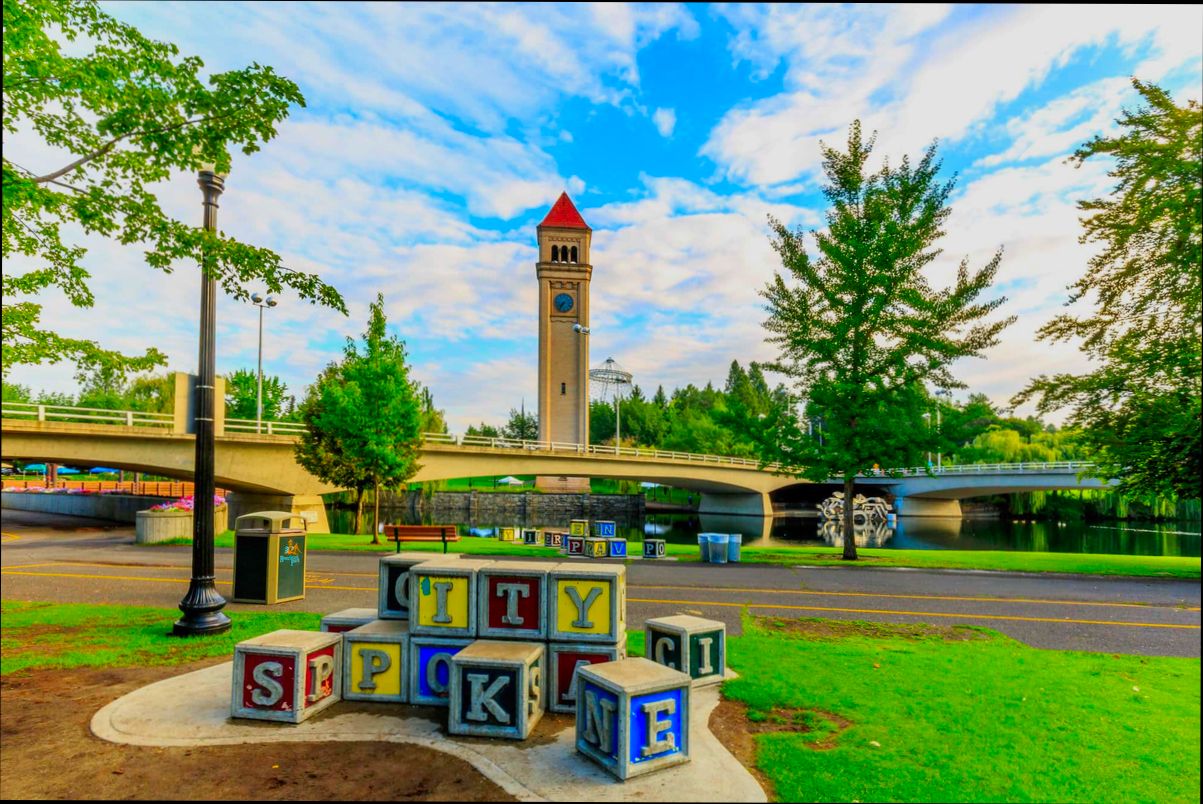
Pros and Cons of Living in Spokane WA. Let’s dive right in! Spokane boasts a vibrant lifestyle filled with breathtaking scenery and a tight-knit community feel. Nestled near the picturesque Spokane River and surrounded by stunning mountains, it’s a haven for outdoor enthusiasts. Picture yourself hiking through Riverside State Park or exploring the iconic Manito Park, where you can lose yourself in a kaleidoscope of blooms. Plus, the cost of living is refreshingly low compared to bigger cities like Seattle—housing prices are about 14% cheaper, giving you more room in your wallet for life’s adventures.
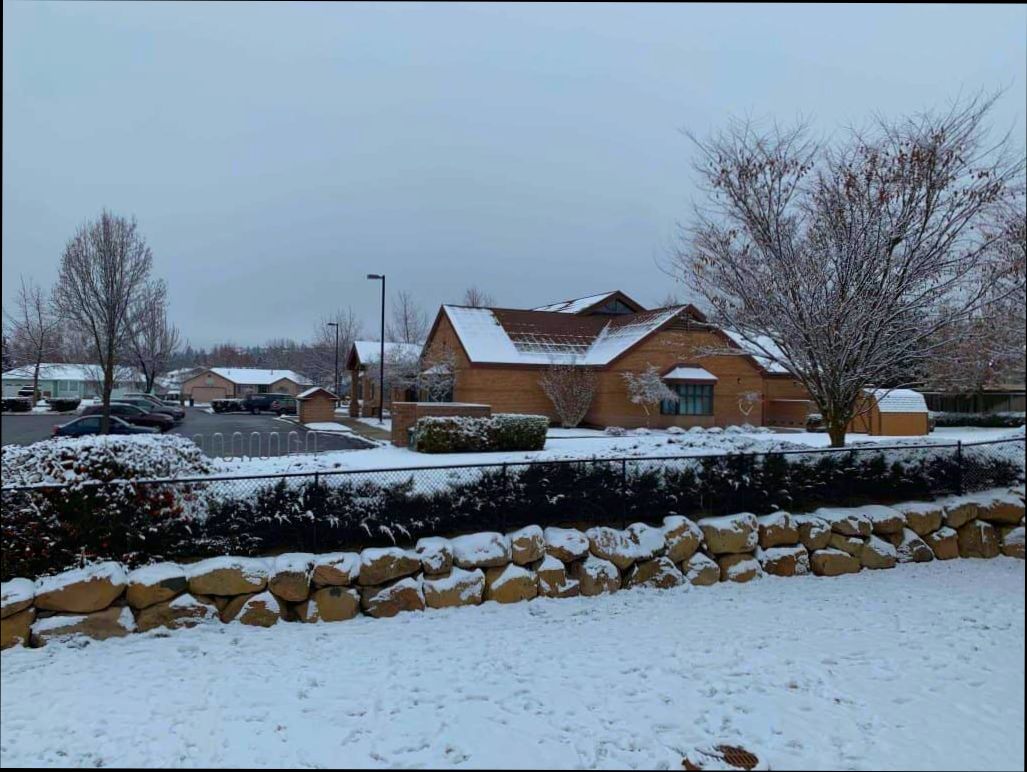
But it’s not all sunshine and rainbows in Spokane. Winters can be a real challenge, with average snowfall hitting around 45 inches and temperatures dipping into the teens. If you’re not a fan of the cold, you might find yourself longing for warmer climes. And while the city offers a quaint downtown vibe and a burgeoning food scene, the job market can be a tad limiting. With a population of about 225,000, career opportunities in specialized fields might not be as plentiful as in larger metropolitan areas. It’s a mixed bag that can make this charming locale a perfect fit—or a challenge—depending on what you’re after.
Cost of Living in Spokane
When considering a move to Spokane, the cost of living is a crucial factor to weigh. Spokane offers a unique blend of affordability and accessibility, which can significantly impact your budget. Let’s explore some key insights into the costs associated with living in this vibrant city.
Housing Costs
Housing is often the most significant portion of your budget. In Spokane, the median home price is around $400,000, which is considerably lower than the national median of approximately $430,000. If renting is more your style, expect to pay an average of $1,600 per month for a two-bedroom apartment.
Utilities and Services
The average utility bill in Spokane sits at about $150 per month for a standard apartment, including electricity, heating, cooling, water, and garbage. Compared to cities like Seattle, where utilities can easily exceed $200, Spokane provides more budget-friendly options.
Groceries and Transportation
When it comes to groceries, a family of four spends around $900 monthly in Spokane. This figure is about 10% lower than the national average for similar-sized families. Additionally, public transportation is reasonable, with a monthly pass costing about $45, which is quite competitive for a mid-sized city.
Comparative Cost Table
| Category | Spokane Average | National Average |
|---|---|---|
| Median Home Price | $400,000 | $430,000 |
| Average Rent (2BR) | $1,600 | $2,200 |
| Average Utilities | $150 | $200 |
| Monthly Groceries (Family of 4) | $900 | $1,000 |
| Public Transit Pass | $45 | $70 |
Real-World Examples
Let’s consider a young couple, Sarah and Josh, who recently moved to Spokane from Portland. They found a charming two-bedroom apartment for $1,500, allowing them to save $700 compared to their previous rent. Their total monthly bill for utilities amounts to $130, offering them further savings.
Another example is Jenna, a single mother raising her two kids. After budgeting for groceries, she discovered that local stores offered better deals, helping her spend only $850 a month on groceries, compared to the national average.
Practical Insights for Potential Residents
If you’re thinking about relocating to Spokane, budget strategically. Start by researching neighborhoods that fit your financial plan. Visit local grocery stores to familiarize yourself with pricing.
Also, examine transportation needs—consider whether you’ll use public transit or need a vehicle, as this will influence your overall budget.
For those considering homeownership, take advantage of Spokane’s relatively lower home prices, but keep in mind that these can vary based on the area.
Specific Facts and Actionable Advice
- Explore various neighborhoods to find housing within your budget; South Hill and the Garland District often have more affordable options.
- Utilize local resources and apps to track grocery prices and take advantage of sales to further cut costs.
- Keep an eye on utility providers and look for energy-efficient practices to lower those monthly bills.
Spokane’s cost of living may surprise you with its affordability, making it an attractive choice for anyone looking to balance work, life, and leisure without breaking the bank.
Climate and Weather Considerations in Spokane, WA
When thinking about moving to Spokane, WA, understanding the local climate and weather is essential. Spokane experiences a unique blend of seasonal changes that can impact your living experience. Let’s dive into what you can expect in terms of weather patterns and climate characteristics.
Climate Overview
Spokane has a semi-arid climate, characterized by warm summers and cold, snowy winters. This leads to distinct seasonal weather patterns that can greatly influence day-to-day life. Here are some key climate facts:
- Summer Temperatures: Average highs in the summer months (June to August) can reach up to 85°F (29°C), making outdoor activities enjoyable and accessible.
- Winter Temperatures: Winter months (December to February) can see average lows dropping to 25°F (-4°C), and it’s not unusual for temperatures to dip even lower during cold fronts.
- Precipitation: Spokane receives about 16.5 inches of rainfall annually, significantly less than the national average, which allows for drier conditions during summer months but may necessitate supplementary irrigation for gardens.
Weather Patterns
Weather in Spokane can vary dramatically from day to day. Here are some interesting weather phenomena you might encounter:
1. Snowfall: Spokane averages approximately 45 inches of snow per year, creating picturesque winter scenes, but also necessitating snow removal efforts.
2. Thunderstorms: Summer months may bring sporadic thunderstorms, typically during the late afternoon, with quick bursts of heavy rain and lightning.
3. Fog: During late fall and winter, fog can frequently cover the area, especially in the early mornings, affecting visibility for commuters.
Local Climate Data Comparison
| Month | Avg High (°F) | Avg Low (°F) | Precipitation (inches) | Snowfall (inches) |
|---|---|---|---|---|
| January | 32 | 21 | 1.5 | 24 |
| April | 60 | 37 | 1.6 | 0 |
| July | 85 | 56 | 0.5 | 0 |
| October | 57 | 39 | 1.6 | 0 |
Real-World Examples
- Seasonal Activities: The heavy snowfall in winter supports numerous winter sports such as skiing and snowboarding at nearby resorts like Mount Spokane, while residents can enjoy hiking and cycling during the long summer days.
- Gardening Considerations: Due to the semi-arid climate, it’s common for residents to focus on drought-resistant landscaping with native plants to thrive during the hot months.
Practical Implications
The climate in Spokane is conducive to four distinct seasons, offering diverse recreational opportunities. However, keep in mind:
- Winter Preparations: Investing in a good snow shovel and winter tires can make a significant difference when navigating snowy conditions.
- Summer Heat: Air conditioning can be beneficial for cooling down during particularly warm spells, ensuring comfort in your home.
Actionable Insights
- If you love winter sports, consider moving to Spokane, as the ample snowfall provides excellent conditions.
- For gardening enthusiasts, researching native plants that can thrive in the semi-arid conditions can enhance your landscaping efforts.
- Stay updated on weather forecasts, especially during the transitional months when conditions can shift rapidly from sunny to stormy.
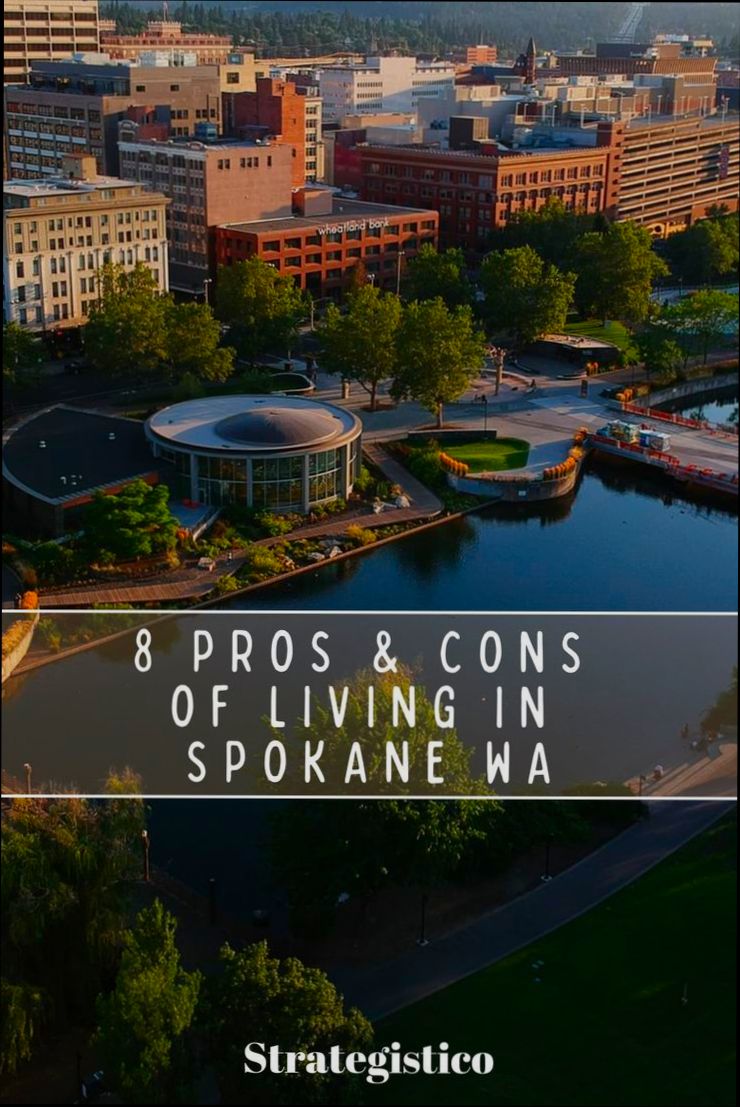
Access to Outdoor Activities and Recreation
Spokane, WA, is renowned for its stunning landscapes and abundant recreational opportunities. If you’re someone who treasures the great outdoors, you’ll be pleased to know that Spokane boasts countless options for outdoor activities that can enhance your quality of life.
Abundant Outdoor Spaces
- Spokane has over 80 parks within the city limits, ensuring that you’re never far from green spaces.
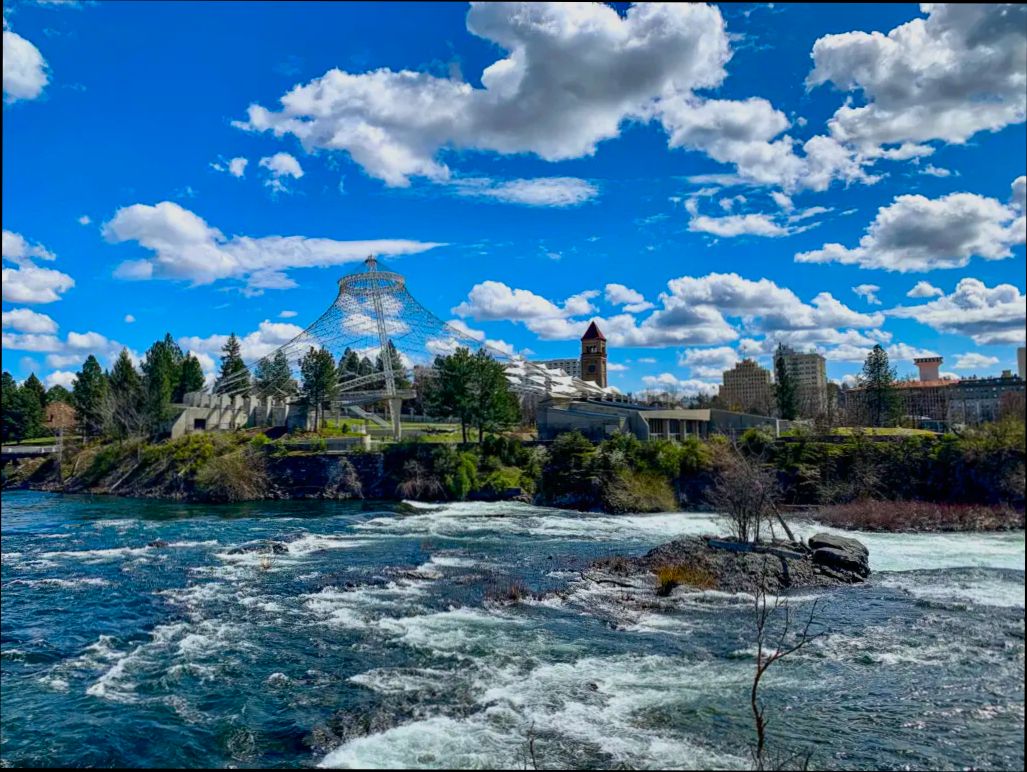
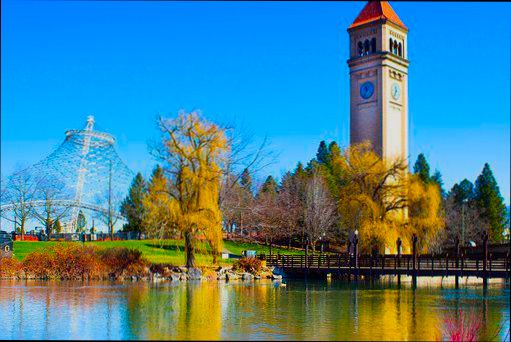
- Riverfront Park, which includes walking and biking paths, picnic areas, and even a gondola, is a hub of outdoor activity spanning 100 acres.
- Additionally, the city is just a short drive away from the Columbia River Gorge, offering even more opportunities for hiking, fishing, and water sports.
Nearby Natural Attractions
- The Coeur d’Alene National Forest lies approximately 30 miles from Spokane, presenting a vast playground for campers, hikers, and nature enthusiasts.
- Mount Spokane State Park provides a range of winter and summer activities, including skiing, snowboarding, hiking, and mountain biking. It includes over 100 miles of trails, making it a favorite for outdoor adventurers.
Annual Outdoor Events
- Spokane hosts several outdoor events throughout the year, such as the Lilac Festival Run, which encourages community participation in activities ranging from fun runs to marathons.
- Many events promote health and wellness, focusing on outdoor fitness, with over 5,000 participants in recent years.
| Activity | Location | Frequency | Participants |
|---|---|---|---|
| Hiking | Mount Spokane | Year-round | 3,000 annually |
| Biking | Riverfront Park | Weekly | 1,500+ weekly |
| Fishing | Spokane River | Year-round | 2,000+ annually |
| Skiing / Snowboarding | Mount Spokane | Winter only | 35,000 seasonally |
Real-World Examples
The Spokane River is a fantastic example of local outdoor engagement, popular for both kayaking and rafting. In recent years, community efforts have increased access to these activities, leading to a 40% rise in river sports participation. Events like the Spokane River Challenge have not only provided a platform for competitive kayaking but also brought awareness to river conservation.
Moreover, the Spokane Parks and Recreation Department has implemented programs specifically designed for youth and families to engage in outdoor adventures, resulting in a 30% increase in outdoor activity participation among local communities.
Practical Implications
For residents, taking advantage of Spokane’s outdoor activities can significantly contribute to a healthier lifestyle. Consider joining a local hiking club or taking part in group fitness classes at the park. You can also explore seasonal passes for ski resorts or in-town recreational classes, which often offer discounts and unique experiences.
Additionally, utilizing Spokane’s excellent trail system can promote not only physical health but also social connections with like-minded individuals who share similar interests in outdoor adventures.
Spokane’s outdoor recreation offerings can easily become a vital part of your lifestyle, encouraging a balance of activity, relaxation, and community involvement. Adjust your weekly routine to include outdoor pursuits, and you may find yourself more energized and engaged with the world around you.

Quality of Education and Schools in Spokane, WA
The quality of education in Spokane is a critical factor to consider if you’re thinking about moving to this vibrant city. With a range of public and private options, the schools in Spokane cater to various educational needs and preferences, aiming to provide students with a solid foundation for their future.
Public School Rankings
Spokane’s public school system has shown notable performance in several areas:
- The Spokane Public Schools district serves over 30,000 students across 40+ schools.
- Approximately 85% of high school graduates successfully move on to post-secondary schools, showcasing a commitment to higher education.
- The student-to-teacher ratio hovers around 16:1, reflecting a good balance of personalized attention for students.
School Performance Metrics
When assessing the quality of education, it helps to look at standardized test scores:
| School Type | Average SAT Score | Average ACT Score |
|---|---|---|
| Public High Schools | 1100 | 24 |
| Private High Schools | 1250 | 28 |
This comparison indicates that private high schools generally provide higher average scores, which might be a deciding factor for parents prioritizing academic rigor.
Special Programs and Initiatives
It’s also important to note the innovative programs offered in Spokane:
- Over 50% of schools feature Advanced Placement (AP) courses, allowing motivated students to earn college credits while still in high school.
- The district has introduced STEM-focused programs in response to the growing demand for skills in science, technology, engineering, and mathematics.
Real-World Examples
For instance, Ferris High School, part of the Spokane Public Schools system, is recognized for its robust curriculum and extracurricular activities. The school offers a diverse range of AP courses and has a dedicated program for academic clubs, athletics, and the arts, significantly enhancing student engagement.
On the other hand, St. George’s School, a private institution, stands out with its emphasis on small class sizes and individual learning paths. The school boasts a 100% college acceptance rate for its graduating class, a statistic that speaks volumes about its educational quality.
Practical Implications for Residents
If you’re considering a family move to Spokane, here are actionable insights:
- Research local school ratings through GreatSchools or Niche to find the best fit for your child’s needs.
- Attend school district meetings or open houses to get a feel for the community and educational philosophies.
- Explore extracurricular activities offered at different schools—these can significantly enhance your child’s educational experience.
By understanding these aspects of Spokane’s education system, you can make informed decisions that align with your family’s educational values and aspirations.
Demographic Trends and Population Insights
Understanding the demographic trends and population insights of Spokane, WA, can provide a clearer picture of what life is like in this city. The evolving makeup of Spokane’s residents impacts everything from cultural vibrancy to community services, making it essential to delve into these aspects before making a move.
Population Growth and Composition
Spokane has experienced continual population growth over the past decade, transitioning from a small city to a more significant urban center. As of the latest data, Spokane’s population stands at approximately 228,989.
- The population density is roughly 3,800 people per square mile, showcasing a blend of urban living with spacious landscapes.
- Notably, about 20% of the population is under the age of 18, indicating a robust youth demographic, while 15% of residents are aged 65 and older, reflecting a balanced age distribution.
This demographic diversity fosters a dynamic environment where different perspectives and experiences converge.
Racial and Ethnic Diversity
Spokane is predominantly Caucasian (approximately 79%), but the community is becoming increasingly diverse:
- Hispanic or Latino residents account for around 12% of the population.
- Asian residents make up about 4%, with growing communities of Vietnamese and Chinese residents contributing to the cultural mosaic.
This multicultural aspect is crucial for those looking to experience a variety of cultural events and traditions throughout the year.
| Demographic Group | Percentage of Total Population |
|---|---|
| Caucasian | 79% |
| Hispanic or Latino | 12% |
| Asian | 4% |
| Other Races | 5% |
Age Trends
The age trends paint an interesting picture of Spokane’s resident longevity and youthful energy:
- Spokane has seen an increase in its median age, now hovering around 36 years, a change driven by both an influx of younger residents and a growing retired population.
- The city is increasingly popular among young professionals and families, with a rise in tech industry jobs contributing to this trend.
Economic Influences on Demographics
The economic landscape greatly influences demographic shifts, particularly concerning job availability and population retention:
- Spokane’s job market is projected to grow, with the healthcare and education sectors leading the way. This growth is enticing for both young graduates and those seeking mid-career changes.
- As housing becomes more affordable compared to major metropolitan areas such as Seattle, the city is attracting individuals who can work remotely, further diversifying the population.
Real-World Examples
Consider the case of newcomers to Spokane, many of whom are relocating from pricier cities. For instance, recent surveys indicate that around 35% of residents who moved to Spokane did so for job opportunities, while 25% cited affordability as a key reason.
This influx of new residents contributes to a vibrant economic environment, driving demand for new businesses catering to both long-time residents and newcomers.
Practical Implications
1. Networking Opportunities: With growing industries, make connections with professionals in fields like healthcare and tech.
2. Cultural Events: Engage with diverse communities through local festivals, cultural gatherings, and food events that reflect Spokane’s multicultural makeup.
3. Housing Choices: If you’re considering a move, explore neighborhoods appealing to young families and professionals, as these areas are witnessing quicker growth and development.
Specific Facts and Actionable Advice
- If you’re fascinated by community dynamics, check out Spokane’s local social media groups to learn more about the day-to-day experiences of residents.
- Becoming involved in community affairs or local organizations can provide insights into emerging demographic trends and help you feel more connected to this changing city.
This focus on demographic trends highlights the evolving community in Spokane and how its rich diversity and growth shape the lifestyle you can expect when living there.

Cultural Events and Community Engagement
Living in Spokane offers a unique opportunity to immerse yourself in a vibrant cultural scene and engage with a welcoming community. Understanding the range of cultural events and how actively residents participate can help you appreciate the social fabric of the city.
Key Highlights of Cultural Engagement
- Live Events: A recent study found that 25.0% of U.S. adults attended at least one live, in-person performance or art exhibit within the previous month. This statistic underscores the popularity of cultural events in enhancing community bonds.
- Art Creation: Approximately 16.3% of adults reported engaging in creating, practicing, or performing artwork in the same timeframe. This creative outlet is crucial for personal expression and community identity.
- Social Connectedness: About 62.2% of adults expressed agreement with the notion that there are ample opportunities for involvement in local arts and cultural activities. This sentiment resonates more significantly with older adults, enhancing the community’s sense of belonging.
Participation Statistics
| Activity Type | Percentage of Participants |
|---|---|
| Attendance at Live Performances | 25.0% |
| Engagement in Art Creation | 16.3% |
| Community Agreement on Cultural Opportunities | 62.2% |
Real-World Examples
In Spokane, community events like the “Spokane International Film Festival” draw participants from various demographics, fostering an appreciation for cinematic arts. Additionally, the “First Friday” art walk showcases local talent in galleries and public spaces, providing both social engagement and cultural enrichment. These recurring events help maintain strong ties within the community.
Practical Implications for You
Getting involved in cultural events not only enriches your life but also connects you to others. Whether you are attending a local theater production or participating in an art class, you’ll find that these experiences create friendships and foster a sense of identity within the Spokane community.
- Get Involved: Sign up for workshops or community classes. The 16.3% of adults creating art reflects a thriving atmosphere where you can express your creativity while meeting like-minded individuals.
- Attend Local Events: Regularly check community boards or social media for updates on local performances and festivals. With 25.0% of adults attending live events, you won’t be alone in exploring what Spokane has to offer.
- Volunteer: Many local cultural organizations rely on volunteers to succeed. Engaging in volunteer opportunities can deepen your connection to the community and enhance your experience living here.
These actions not only bolster your social life but also contribute to a dynamic and culturally rich Spokane.
Employment Opportunities and Job Market in Spokane, WA
When considering a move to Spokane, one key aspect to explore is the local job market and employment opportunities available. Spokane’s economy is diverse, with various sectors providing a range of job options that can cater to many professional skills and interests.
Job Growth and Unemployment Rates
As of the latest statistics, Spokane boasts an unemployment rate of approximately 4.7%, which is relatively stable compared to national averages. This indicates a healthy job market, which is a promising sign for potential job seekers.
Key sectors driving job growth in the region include:
- Healthcare: With healthcare facilities like Providence Health & Services employing a significant number of residents, the sector continues to expand due to the increasing demand for healthcare services.
- Education: Institutions like Gonzaga University and Washington State University Spokane offer numerous employment opportunities in both teaching and administration.
- Manufacturing: Manufacturing remains a cornerstone of Spokane’s economy, with companies such as Kaiser Aluminum and Ponderay Newsprint Co. actively hiring skilled labor.
Comparative Job Market Overview
| Sector | Number of Jobs | Average Salary |
|---|---|---|
| Healthcare | 22,000 | $75,000 |
| Education | 10,500 | $60,000 |
| Manufacturing | 15,000 | $55,000 |
| Retail | 20,000 | $32,000 |
| Technology | 5,000 | $80,000 |
Real-World Examples
For instance, the health sector’s growth can be exemplified by the expansion of hospitals and clinics, which led to a significant increase in nursing positions—numbers have risen by 12% over the past five years. Similarly, the education sector has seen robust hiring, particularly for positions related to STEM (Science, Technology, Engineering, and Math).
In technology, the emergence of startups and tech incubators in Spokane has given rise to community initiatives that not only foster innovation but also attract young professionals. Companies like Snap! Raise have shown success here, providing internship opportunities that help new graduates gain valuable work experience.
Practical Implications for Job Seekers
If you’re considering a job in Spokane, here are a few actionable steps:
- Networking: Engage with local job fairs and professional organizations to expand your connections.
- Skill Development: Take advantage of local workshops and continuing education programs available through community colleges to enhance your qualifications.
- Job Search Resources: Utilize online job portals like Indeed and LinkedIn specifically for the Spokane area, which can yield tailored job postings.
Key Takeaways
- Focus on sectors like healthcare and technology, as they offer promising job growth and competitive salaries.
- Building connections within the vibrant local community can significantly enhance your job search success.
- Explore local educational opportunities to stay competitive in preferred job markets.