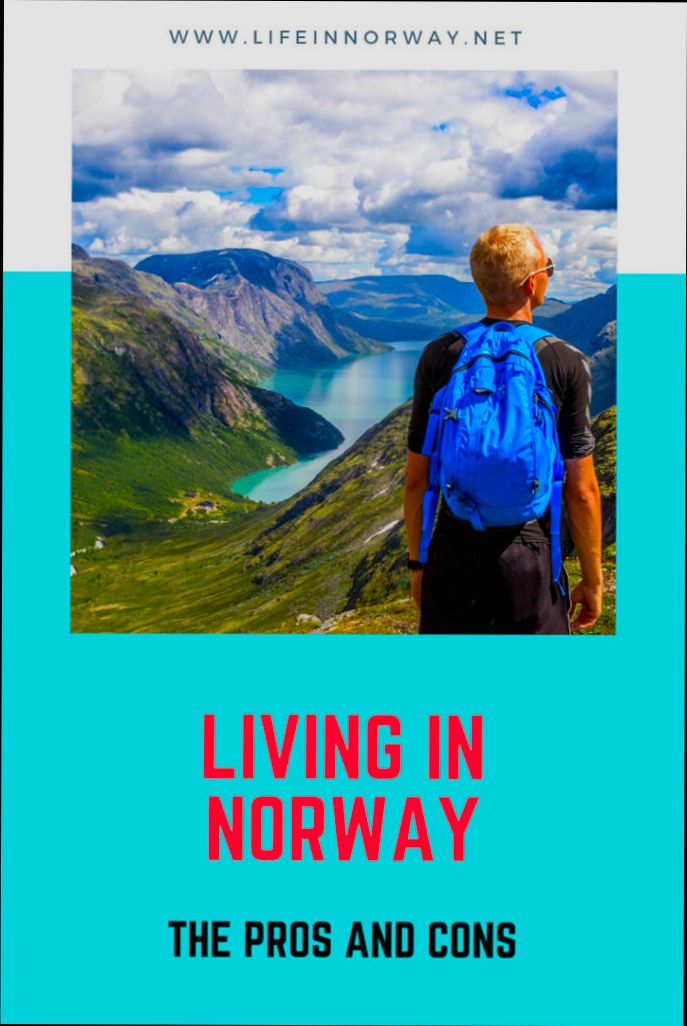
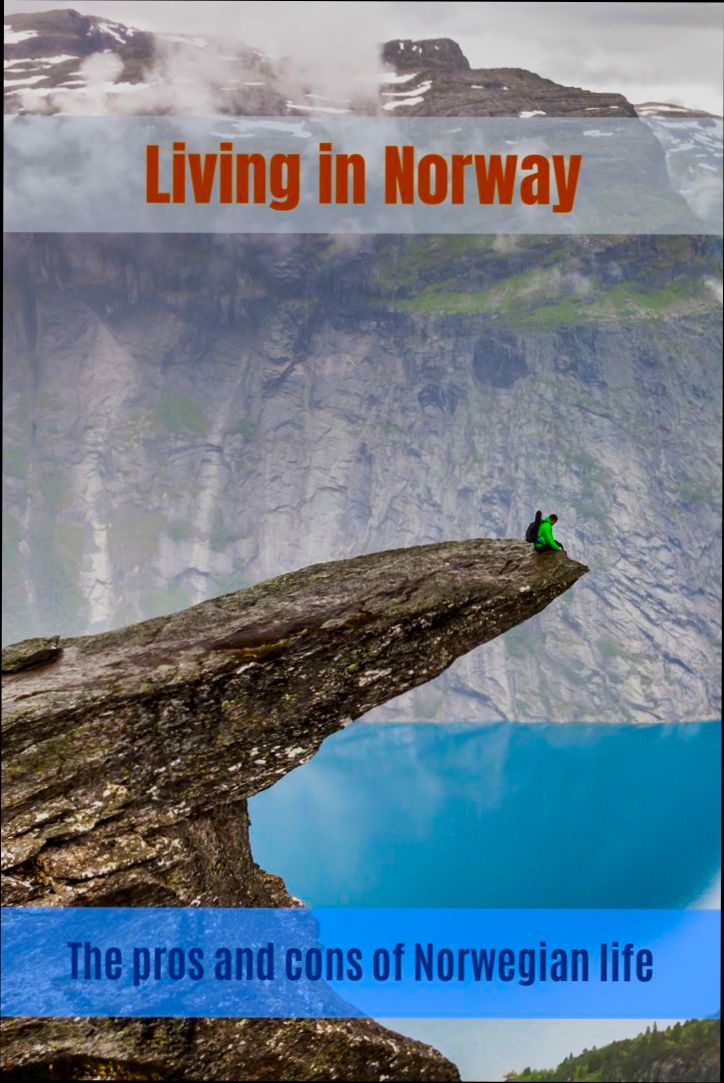
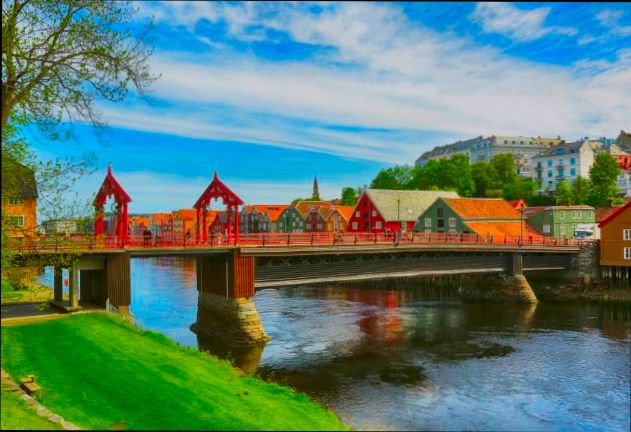
Pros and Cons of Living in Norway—let’s dive into the real deal. On the plus side, Norway consistently ranks high in quality of life, thanks to its stunning natural beauty and generous welfare system. With oil wealth funding free healthcare, education, and even generous parental leave policies, it’s no wonder the country often tops happiness charts. And let’s not forget about the jaw-dropping fjords! Imagine waking up to views of crystal-clear waters and snow-capped mountains right outside your window—it’s something right out of a postcard.
But it’s not all sunshine and Nordic vibes. Living expenses here can take a serious bite out of your budget. A simple meal in a restaurant could set you back around 200 NOK (about $20), and don’t get me started on housing prices in places like Oslo! The long, dark winters can also be a challenge, especially if you’re used to abundant sunlight. Seasonal Affective Disorder (SAD) isn’t just a buzzword; many locals feel the weight of those dark months. So, while Norway has its perks, it also has some real-life curves that make you think twice.
Cost of Living and Affordability
Navigating the cost of living in Norway can feel overwhelming, especially when you first arrive. It’s a country known for its high standard of living, but that often comes with a hefty price tag. Let’s break down what you can expect regarding costs and affordability.
Key Cost Considerations
- Housing Expenses: Renting an apartment in Oslo averages around NOK 16,500 per month for a one-bedroom in the city center. In contrast, smaller cities like Trondheim may offer the same for about NOK 12,000.
- Food and Groceries: Eating out is quite expensive, with a meal at a mid-range restaurant costing about NOK 900 for two people. However, grocery prices can vary, with basic staples like bread costing NOK 30, milk at approximately NOK 20 per liter, and a dozen eggs around NOK 40.
- Transportation: Public transport is efficient but can add up. A monthly public transit pass in Oslo costs around NOK 800, while a single ticket is about NOK 40. In smaller cities, these prices decrease slightly but remain significant.
Quick Comparison of Living Costs in Major Norwegian Cities
| City | Rent (1-bedroom) | Meal for 2 (Mid-range) | Monthly Transport Pass |
|---|---|---|---|
| Oslo | NOK 16,500 | NOK 900 | NOK 800 |
| Bergen | NOK 15,000 | NOK 800 | NOK 740 |
| Trondheim | NOK 12,000 | NOK 750 | NOK 700 |
| Stavanger | NOK 14,500 | NOK 850 | NOK 780 |
Real-World Examples
Let’s look at Maria, who moved to Oslo for work. She quickly learned to budget for her new living expenses:
- Rent: She pays NOK 17,000 for a two-bedroom apartment, which includes utilities but requires her to share space to manage costs effectively.
- Groceries: Maria finds herself spending about NOK 2,500 monthly on groceries. She opts for budget-friendly stores like Rema 1000 to keep this under control.
Meanwhile, John, living in Trondheim, shares a flat with a friend, paying NOK 6,000 in total rent while managing to keep their monthly food costs around NOK 1,800 by cooking together.
Practical Implications
Understanding these expenses is crucial for budget planning. Consider:
- Location Matters: Choosing where you live significantly impacts your overall expenses. Research different cities to find the best balance between cost and quality of life.
- Eating Habits: Cooking at home can save you hundreds of NOK each month compared to dining out frequently.
- Transport Options: Familiarize yourself with local transport discounts or options like biking, which can help mitigate costs.
Remember, while the cost of living in Norway is on the higher side, planning and adjustments can lead to a comfortable lifestyle.
Actionable Advice
- Look for Shared Housing: To cut down on rent, consider co-living or shared rooms. This approach not only reduces costs but also fosters community.
- Grocery Shopping: Utilize local markets and discount grocery shops. Many offer quality produce for much less than supermarkets.
- Public Transport Savings: Purchase monthly or annual transit passes if you rely heavily on public transport; it’s often a cost-saver over single tickets.
Familiarizing yourself with these costs and strategies will certainly ease your transition to living in Norway while helping you maintain your financial health.
Quality of Education and Childcare
When considering moving to Norway, the quality of education and childcare systems can significantly influence your decision. Norway boasts a comprehensive approach to both, ensuring children receive not just academic instruction but also support in personal development.
Key Highlights of Education and Childcare
- Public Education: Norway provides free education for children from ages 6 to 16, ensuring accessibility for everyone. Approximately 99% of children attend public schools.
- Teacher-Student Ratios: In primary schools, the average teacher-student ratio is 1:12, which allows for more personalized attention for each student.
- Kindergarten Enrollment: About 90% of children aged 1 to 5 attend kindergartens, which are an essential part of early childhood education in Norway.
| Aspect | Statistics | Comments |
|---|---|---|
| Public School Enrollment | 99% | Almost all children are enrolled in public education. |
| Teacher-Student Ratio | 1:12 | Facilitates personalized learning experiences. |
| Kindergarten Attendance | 90% | High enrollment underscores the importance placed on early education. |
Real-World Examples
One compelling case highlighting Norway’s educational quality is the approach taken by the Oslo International School. The school implements an International Baccalaureate curriculum that focuses on critical thinking and intercultural understanding. Feedback from parents emphasizes that the small class sizes contribute to a supportive learning environment.
Another noteworthy example comes from Skedsmo municipality, which recently launched a program aimed at enhancing the social skills of children in kindergarten. This program emphasizes play-based learning, helping children develop emotional intelligence from a young age. The measurable outcomes have shown significant improvements in collaboration and communication skills among participating children.
Practical Implications for Families
If you’re considering relocating with children, understanding the educational landscape can help you feel more at ease. Here are a few actionable insights:
- Explore Local Kindergartens: Inquire about the curriculum and teacher qualifications. Many kindergartens offer a tour for prospective families, providing a glimpse into the environment your child will experience.
- Utilize Parental Leave: Norway offers generous parental leave policies that allow parents to spend quality time with their young children during crucial developmental years. Make sure to leverage this benefit.
- Engage with Schools: Attend school open houses or community events. This can help you connect with other parents and get a sense of the school culture and parent-teacher involvement.
Specific Facts to Remember
- Norway’s education system emphasizes inclusivity, ensuring that diverse needs are met within the classroom.
- Parental segments show that children in Norway, when compared with peers in other countries, often display higher levels of social skills and emotional well-being due to the supportive educational framework.
- Engaging in your child’s education can enhance not only their academic success but also your family’s integration into Norwegian society.
By understanding these facets of Norway’s quality education and childcare offerings, you can make informed choices beneficial for your family and your child’s future.
Natural Beauty and Outdoor Activities
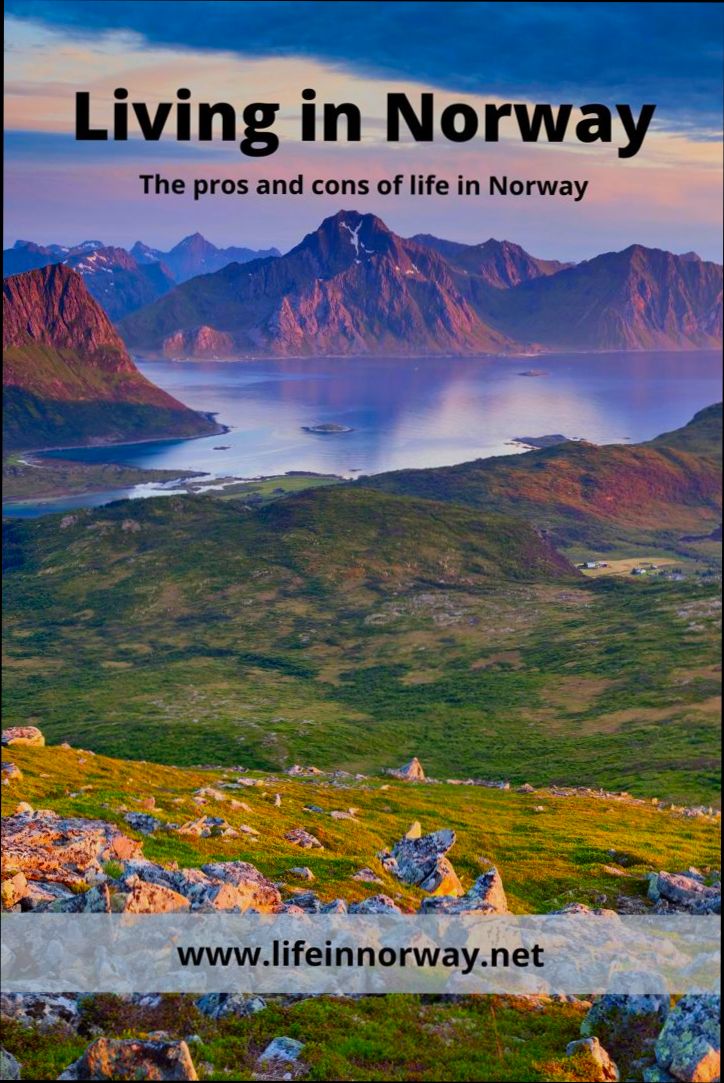
Living in Norway means embracing an outdoor lifestyle surrounded by stunning landscapes that can leave any nature enthusiast in awe. With its majestic fjords, towering mountains, and vast wilderness areas, Norway offers countless opportunities for outdoor activities that cater to every adventurer’s taste.
Highlights of Natural Beauty
- Diverse Landscapes: Norway’s natural beauty is strikingly diverse, ranging from the rugged coastline of the North Atlantic to lush valleys and glaciers. Each region offers its unique charm.
- Rich Biodiversity: Over 40% of Norway’s land area is protected, making it a haven for wildlife enthusiasts. You can spot reindeer, elk, and even whales in certain coastal areas.
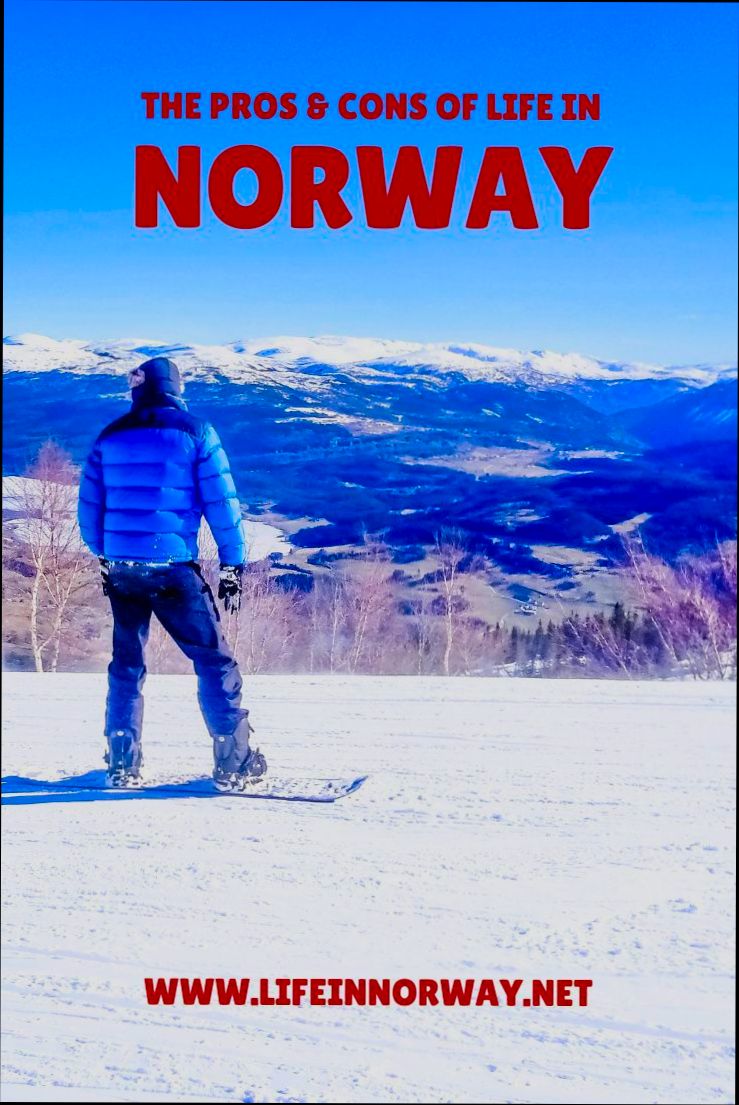
- All-year-round Activities: With four distinct seasons, outdoor activities in Norway vary throughout the year, from skiing and snowboarding in winter to hiking and kayaking in summer.
Popular Outdoor Activities
Whether you are looking for adrenaline-pumping experiences or serene moments within nature, Norway provides a range of outdoor activities:
1. Hiking: Norway boasts some of Europe’s best hiking trails. The famous Pulpit Rock (Preikestolen) offers breathtaking views and attracts around 300,000 hikers annually.
2. Skiing: With over 1,200 ski resorts nationwide, you’ll have no shortage of options. The well-known resort of Hemsedal is designated as the “Scandinavian Alps,” attracting both locals and tourists.
3. Kayaking: Paddling in the fjords is a must! The Nærøyfjord, a UNESCO World Heritage site, is one of the most popular kayaking destinations and is renowned for its spectacular scenery.
| Activity | Best Time | Popular Locations | Estimated Participants Annually |
|---|---|---|---|
| Hiking | Summer | Preikestolen, Besseggen Ridge | Approximately 300,000 for Preikestolen |
| Skiing | Winter | Hemsedal, Trysil | About 1.5 million across all resorts |
| Kayaking | Spring to Fall | Nærøyfjord, Lofoten Islands | Hundreds of thousands throughout summer |
Real-World Examples
Consider the ongoing efforts in Lofoten, where locals promote eco-friendly tourism, ensuring that visitors can enjoy striking beaches and dramatic peaks while preserving the delicate environment. This region has seen an increase in sustainable activities, attracting tourists who want to explore without harming nature.
Another notable case is the annual Arctic Adventure Race in Tromsø, which draws participants worldwide. It combines running, skiing, and kayaking, showcasing Norway’s vast wilderness while fostering community engagement and promoting physical well-being.
Practical Implications
If you’re transitioning to life in Norway, harness these natural wonders and outdoor activities by investing in quality gear for the seasons. Build a social circle with fellow enthusiasts through local clubs or digital communities focused on hiking, skiing, or other outdoor pursuits.
Don’t forget to explore the vast national parks, such as Jotunheimen and Rondane, where you can immerse yourself in serene surroundings. Many parks also offer guided tours, making them accessible for beginners.
For those new to outdoor activities, local workshops or guided experiences can provide not only skill development but also an opportunity to meet like-minded individuals and explore Norway’s stunning scenery safely.
Opting for a weekend outdoors is more than just a recreational activity; it’s a lifestyle enhancement. With approximately 80% of Norwegians engaging in outdoor activities regularly, you’re likely to find a welcoming community and endless exploration opportunities.
Healthcare System Accessibility and Quality
When considering a move to Norway, the accessibility and quality of the healthcare system play a crucial role in your overall experience. Norway boasts a universal healthcare system that allows residents to access necessary medical services, but there are nuances you should know about.
Key Points on Accessibility and Quality
- Universal Coverage: Every resident in Norway is entitled to healthcare services funded through taxation. This means that whether you’re a local or an expatriate, you’ll have access to the same level of care.
- Waiting Times: Although healthcare is accessible, waiting times for non-emergency procedures can vary. On average, patients waited about 43 days for elective surgeries in 2022, which shows there can be delays, particularly for specialized services.
- Healthcare Workforce: Norway employs approximately 45,000 nurses and has a ratio of about 10 doctors per 1,000 inhabitants, indicating a strong healthcare workforce tasked with ensuring quality and accessibility.
- Patient Satisfaction: A recent survey reported that around 82% of Norwegians expressed satisfaction with their healthcare services, highlighting the overall quality and responsiveness of the system.
| Aspect | Statistics | Comments |
|---|---|---|
| Universal Coverage | 100% | All residents eligible for public healthcare. |
| Average Waiting Times | 43 days | For non-emergency procedures and surgeries. |
| Healthcare Workforce Ratio | 10 doctors per 1,000 | Reflects a balanced healthcare provider workforce. |
| Patient Satisfaction Rate | 82% | High satisfaction reflects quality of care given. |
Real-world Examples of Healthcare Accessibility and Quality
One example is the implementation of the “Fast-Track Surgery” program in selected hospitals, designed to reduce the wait times for surgeries significantly. In areas where this program operates, patients have reported waiting times reduced to as low as 14 days for certain elective surgeries.
Another noteworthy initiative is the Mental Health Care Act, which has enhanced access to mental health services, making psychological counseling and support systems available to residents, with a focus on reducing stigma and promoting early intervention.
Practical Implications for Readers
Understanding the nuances of Norway’s healthcare system can significantly influence your living experience. With universal coverage, you can generally expect to receive necessary care without the burden of exorbitant costs. However, be prepared for potentially longer waiting times for certain non-urgent procedures, so it’s wise to register with a general practitioner soon after relocating.
Specific Facts to Keep in Mind
- Always ensure you are registered in the national registry to access healthcare services seamlessly.
- Explore local health centers, which often provide services more quickly than major hospitals for non-critical issues.
- Familiarize yourself with the various healthcare apps or online systems available to book appointments and manage health records efficiently.
Statistical Insights on Norwegian Happiness
When considering living in Norway, one of the most compelling factors is the overall happiness of its residents. This section explores various statistical insights that detail the level of happiness across the nation, providing a clearer picture of why many see Norway as a desirable place to call home.
Key Happiness Statistics
Data from recent surveys shed light on the happiness levels among Norwegians. Here are some pivotal statistics:
- Happiness Index: Norway consistently ranks among the top countries in the World Happiness Report, often securing a spot in the top five. In the latest report, Norway achieved a score of 7.5 out of 10.
- Life Satisfaction: Approximately 90% of Norwegians express that they are satisfied with their lives, reflecting a strong sense of well-being.
- Social Support: About 88% of respondents report having someone they could count on in times of trouble, indicating robust social networks that significantly contribute to happiness.
Comparative Happiness Metrics
| Metric | Norway (%) | Global Average (%) |
|---|---|---|
| Life Satisfaction | 90 | 64 |
| Social Support | 88 | 66 |
| Freedom to Make Life Choices | 85 | 75 |
| Healthy Life Expectancy | 82 | 70 |
Real-World Examples
In many Norwegian cities, you can observe how lifestyle factors contribute to high happiness levels. For instance:
- Oslo’s Community Activities: Local councils promote community gatherings and cultural events, improving social cohesion. Residents often highlight these activities as essential for fostering friendships and enhancing community spirits.
- Outdoor Happiness Programs: Many municipalities organize outdoor adventures, appreciating Norway’s breathtaking landscapes while promoting physical health and happiness—evidence shows that Norwegians are 40% more likely to engage in outdoor activities compared to individuals in other countries, directly influencing their life satisfaction.
Practical Implications for Readers
If you’re contemplating a move to Norway, consider how social relationships and community involvement can play a significant role in your happiness. Engaging with local groups and participating in cultural activities can greatly enhance your sense of belonging and satisfaction.
Specific Facts for Actionable Insights
- Seek out local community events when you arrive. Doing so can connect you with fellow residents and establish a support network—vital for personal happiness.
- Embrace the outdoors! Participate in hiking, skiing, or biking. Given that Norwegians who regularly partake in these activities report higher satisfaction levels, you might find your happiness thriving in the fresh air.
By focusing on these elements, you can set the foundation for a joyful life in Norway, where happiness is not just a statistic but a way of life.
Cultural Experiences and Community Engagement
Living in Norway opens up a vibrant tapestry of cultural experiences and opportunities for community engagement. You’ll find a unique blend of traditional and modern influences that create a rich cultural landscape. From festivals honoring Viking history to contemporary art curation, there’s always something exciting around the corner.
Key Highlights of Cultural Engagement
Norwegian society places great value on cultural experiences, fueling a sense of togetherness through various community activities. Here are some insights:
- Festivals and Events: Norway hosts numerous festivals throughout the year, such as the Bergen International Festival, attracting over 100,000 visitors annually, showcasing a mix of music, dance, and art.
- Local Traditions: Engaging in local customs, such as cooking traditional dishes or participating in folk dancing, fosters a deep connection with community values.
- Volunteerism: Approximately 43% of Norwegians actively engage in volunteer work, significantly enhancing community ties and providing support to local initiatives.
| Cultural Aspect | Percentage/Participation | Comments |
|---|---|---|
| Festival Attendance | 100,000 visitors | Bergen International Festival |
| Youth Participation in Cultural Activities | 72% | Strong youth engagement in arts |
| Volunteerism Rate | 43% | Indicates high community involvement |
Real-World Examples
One exemplary case of community engagement is the “Grillfest” initiative in Oslo, where residents come together in local parks during summer, sharing food, stories, and music. It not only strengthens neighborhood bonds but also revitalizes public spaces, demonstrating how culture fuels community cohesion.
Another great example is the “Kulturminnefondet” (Cultural Heritage Fund), where citizens can participate in restoring historical sites. This program has involved communities across Norway, emphasizing cultural preservation and local pride.
Practical Implications for Residents
As you dive into Norwegian life, get involved in local events and volunteer opportunities. This not only enhances your experience but also helps you form valuable connections. Consider attending a monthly cultural event at your local community center or joining a group focused on preserving local traditions.
- Look out for neighborhood festivals or art exhibits.
- Participate in local workshops to learn about traditional crafts or music.
- Engage with community organizations that align with your interests to foster deeper connections with your new neighbors.
Actionable Advice
To fully embrace the cultural texture of Norway, be proactive. Attend at least one local festival each season and explore volunteer options that resonate with your passions. This will not only enrich your understanding of Norwegian culture but also weave you into the community fabric, establishing friendships that can last a lifetime.
Job Market Trends and Employment Opportunities
Navigating the job market in Norway can be both exciting and challenging, especially with the shifts brought on by technological advancements and the green transition. Understanding these trends can significantly enhance your job hunting strategy.
Key Trends Shaping the Job Market
1. Shift to Green Jobs: The shift toward a greener economy is estimated to create around 170 million new jobs globally by the end of the decade, highlighting a demand for roles focused on sustainability.
2. Job Displacement: Alongside this growth, about 92 million jobs may face displacement due to automation and technological advancements, urging workers to adapt their skill sets continuously.
3. Hybrid Work Models: Approximately 52% of global companies now have formalized hybrid work arrangements, reflecting a growing preference for flexible work environments.
4. Salary Flexibility: A survey indicates that 62% of employees are willing to accept a 10% pay cut to maintain remote work arrangements, which demonstrates the importance of flexibility in attracting talent.
Comparative Table of Job Market Trends
| Trend | Statistic | Impact |
|---|---|---|
| New Green Jobs | 170 million by 2030 | Increased demand for sustainability roles |
| Job Displacement | 92 million at risk | Need for reskilling and adaptation |
| Hybrid Work Arrangement | 52% of companies | Shift toward remote and flexible work options |
| Salary Cut for Remote Work | 62% willing | Prioritization of work-life balance over salary |
Real-World Examples
For instance, many tech companies in Norway have adapted to this trend by not requiring four-year degrees for certain roles, opening opportunities for diverse candidates with relevant skills rather than formal qualifications. Additionally, businesses are harnessing AI to create a more efficient workforce, emphasizing the need for continuous learning and upskilling.
Another example is the increase in demand for roles in the renewable energy sector in Norway, which is aligned with the global green initiatives. Companies are actively seeking professionals who can help implement sustainable practices, driving innovation in this area.
Practical Implications for Job Seekers
For you as a job seeker in Norway, embracing these trends can enhance your employability. Here are actionable steps you can take:
- Upskill: Regularly update your skills, particularly in areas related to technology and sustainability, to stay competitive in the job market.
- Leverage Remote Work: If you’re flexible about your location, consider applying for remote positions that allow you to work from anywhere, both locally and internationally.
- Explore Emerging Sectors: Investigate opportunities in green industries, which are anticipated to grow rapidly, and consider roles in renewable energy, sustainable agriculture, or environmental consulting.
Specific Facts and Advice
- Investigate companies that have a strong commitment to environmental sustainability when applying for jobs.
- Stay informed about local labor market demands by following industry-specific job boards and networking groups on social media.
- Seek out mentorship or career coaching to gain insights on navigating the evolving workforce landscape.
By understanding these key trends and adapting your job search strategies, you can better position yourself to seize opportunities in the Norwegian job market.