How to Move to Spain from United Kingdom After Brexit in 2025 can feel like a maze of paperwork and regulations, but don’t let that scare you off! Following the UK’s exit from the EU, changes in residency laws have made relocating a bit more complex, yet plenty of Brits are still making the leap. For instance, approximately 350,000 British expats were living in Spain as of 2021, showcasing that the allure of Mediterranean sunshine and vibrant culture is as strong as ever.
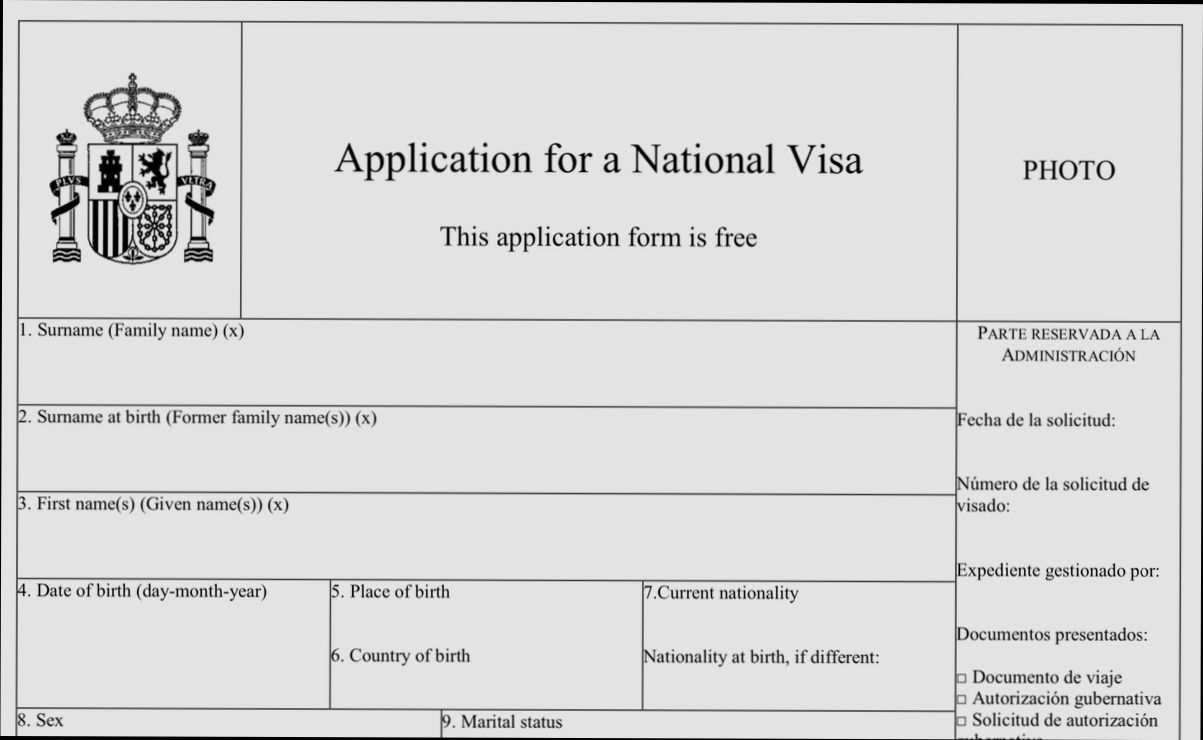
You might have heard about the new visa requirements, especially with the introduction of new processes for non-EU citizens. With the right paperwork, such as proof of income and health insurance, you could find yourself sipping sangria in a sun-soaked village in Andalusia before you know it. Additionally, Spain now demands a different approach for retirees or individuals looking to work; some options include the non-lucrative visa for those looking to enjoy their retirement or the work visa for those eager to jump into the vibrant job market. Knowing these details can significantly shape your plan, ensuring you’re ready for the adventure ahead.

Navigating Visa Requirements After Brexit
Navigating the new visa landscape after Brexit can be challenging, especially for those from the UK looking to move to Spain. With the changes in immigration policies, it’s essential to stay informed about what you need to enter and stay in Spain legally.
The points-based immigration system has redefined how visas are managed. If you plan to work, study, or reside in Spain, you’ll need to familiarize yourself with various visa types and their requirements. As of 2023, around 40 million international arrivals visited the UK, showing the importance of understanding these regulations amid ongoing global travel changes.
Key Visa Types and Requirements
Here’s a quick overview of the primary visa types you may encounter when planning your move:
| Permit Type | Eligibility | Application Process |
|---|---|---|
| Skilled Worker Visa | Job offer from an approved employer | Online application with document submission |
| Health and Care Worker Visa | Employment in eligible health professions | Application through NHS or approved employer |
| Global Talent Visa | Recognition in specific fields (e.g., science, arts) | Endorsement from a designated body |
| Temporary Worker Visa | Short-term job offer | Application with sponsorship from employer |
Understanding each type of visa can save you time and streamline your application process. For instance, the Skilled Worker Visa requires not only a job offer from an approved sponsor but also a specific minimum salary threshold, which impacts eligibility.
Real-World Examples
Let’s look at how different applicants have approached their visa requirements:
- A UK-based software engineer recently secured a Skilled Worker Visa by obtaining a job offer from a licensed sponsor in Spain. They had to ensure that their job met the required skill level and salary standards, which speak to how you can leverage your qualifications for easier processing.
- An international student from the UK successfully transitioned from the Student Visa to a work permit after graduating, thanks to their university’s license as a student sponsor. This path demonstrates the importance of securing your studies first to later navigate the workforce.
Practical Implications
When planning your move to Spain, take note of the following actionable insights:
- Start Early: Visa applications can be time-consuming. Begin your application process early, ideally several months before your intended move date.
- Check Eligibility Requirements: Each visa type has specific eligibility criteria. Make sure you understand what is expected to avoid delays.
- Prepare Required Documentation: Being organized can ease the application process. Typical documents required include your passport, proof of accommodation, and evidence of financial means to support yourself.
- Stay Informed: Changes in immigration laws can happen rapidly. Regularly check official government websites for updated information to ensure you’re adhering to the latest regulations.
Actionable Advice
Before applying for your visa, gather all necessary documents such as proof of employment, financial statements, and accommodation details. Statistics indicate that improper documentation leads to approximately 30% of applications being delayed or denied, so preparation is key. Remember, planning ahead makes for smoother transitions, allowing you to focus on settling into your new life in Spain.
Understanding the Cost of Living in Spain
Moving to Spain is an exciting opportunity, but understanding the cost of living is essential for a smooth transition. Let’s delve into various expenses you’ll encounter to help you prepare for your new life in the country.
Average Cost of Living for a Couple
On average, couples residing in Spain can expect to spend between €2,000 and €2,800 monthly. This range can vary based on lifestyle choices and the city in which you choose to live. For instance, urban areas tend to have higher expenses compared to smaller cities.
Key Living Expenses
Here are some significant costs you’ll face when living in Spain:
- Rent: The average monthly rent varies by city. For a one-bedroom apartment in the city center, here are some examples:
- Barcelona: €1,300
- Madrid: €1,364
- Alicante: €858
- Utilities: Monthly utility bills typically average around €192, which includes electricity (approximately €63), water (€40 to €60), and natural gas (€60 to €95). Keep in mind that seasonal variations may affect these costs due to heating or cooling needs.
- Groceries: Basic grocery items can be quite affordable. For instance:
- A loaf of bread: €1.31
- One dozen eggs: €2.54
- 1kg of chicken breasts: €7.20
Detailed Comparison of Cities
Here’s a comparative view of the average monthly spending and rental costs for a couple without accommodation as of January 2025.
| City in Spain | Average Monthly Spending for a Couple | Average Cost of Rental Property: 1-Bed Apartment in City Centre |
|---|---|---|
| Alicante | €1,260 | €858 |
| Valencia | €1,278 | €1,065 |
| Málaga | €1,262 | €1,058 |
| Murcia | €1,196 | €635 |
| Palma de Mallorca | €1,498 | €1,085 |
| Barcelona | €1,529 | €1,300 |
| Madrid | €1,464 | €1,364 |
Real-World Examples
In vibrant cities like Madrid, dining out can range from €14 for a meal at an inexpensive restaurant to about €50 for a mid-range three-course dinner for two. Even within the social scene, you can enjoy affordable fun, such as tapas bars where you often receive free tapas with your drinks! For instance, the average cost of a beer in these bars is between €2 and €4, which can make an enjoyable night out quite affordable.
Practical Implications
Understanding these costs helps in budgeting effectively. If you plan to live comfortably, aiming to prove an income of 400% of the IPREM (around €28,800 annually) will ensure you can manage these expenses without financial stress. This is especially important given the potential fluctuations in costs due to inflation or other economic factors impacting Spain.
Ultimately, having a clear idea of these costs will empower you to make informed decisions about your lifestyle in Spain, ensuring you can enjoy all the wonderful experiences the country has to offer while staying financially secure.

Essential Steps for Relocating to Spain
Relocating to Spain can be a thrilling adventure, but it’s essential to take the right steps to ensure a smooth transition. Knowing what to do before, during, and after your move can help you settle in more comfortably in your new environment. Here’s a breakdown of crucial steps to consider.
Before the Move: Background Work
Preparing for your relocation involves careful planning and thorough research. Here are some essential tasks to address before you make the move:
1. Check Visa Requirements: Understand the type of visa you will need for your stay. Many people might still need to secure residency permits or work permits, especially post-Brexit.
2. Housing Decisions: Decide whether to rent initially or jump straight into purchasing property. If you’re renting, look for short-term leases in your desired area while you explore long-term options.
3. Financial Planning: Set a budget that includes moving costs, housing expenses, utility setup fees, and daily living costs. With an average monthly expense for a couple around €2,000 to €2,800, being financially prepared is crucial.
4. Healthcare Considerations: Research the public and private healthcare options in Spain. Ensure you have health insurance that covers you during your transition.
5. Sell or Rent Your Home in the UK: If you own property, consider whether to sell it or rent it out. Renting can provide you with some income during your initial months in Spain.
Once You Have Arrived: Settling In
Upon arrival in Spain, there are immediate steps to take for a successful settling-in process:
- Register with Local Authorities: Within 30 days of arrival, register at your local town hall (Ayuntamiento) to ensure you start on the right foot with your residency paperwork.
- Open a Spanish Bank Account: Having a Spanish bank account simplifies your financial transactions, including paying bills and receiving wages.
- Learn the Language: If you aren’t already fluent, consider taking Spanish language classes. This not only helps with daily interactions but also helps in building relationships with locals.
- Get Your NIE (Número de Identificación de Extranjero): This identification number is essential for any official process, including buying property or setting up utilities.
The Next Step: Once You’re Settled In
Once you feel settled, the focus can shift toward integrating into your new community:
- Understand local customs and laws: Familiarize yourself with laws, social norms, and cultural practices unique to your region in Spain.
- Network with Other Expats: Join local expat groups or forums to find support and build a social network. This is particularly resourceful for learning from others’ experiences.
- Explore Employment Opportunities: If you plan to work, start networking, updating your CV for the Spanish job market, and checking job boards focused on your field.
Comparative Table of Important Steps
| Step Category | Key Actions | Timeframe |
|---|---|---|
| Visa | Choose appropriate visa and apply | 3-6 months before |
| Housing | Decide between renting or buying | 2-6 months before |
| Finances | Budget for relocation expenses | Ongoing |
| Healthcare | Research insurance providers | 2-3 months before |
| Registration | Register at the local Ayuntamiento | Within 30 days |
Real-World Examples
For instance, Sarah and Mark, a couple from the UK, found success relocating by initially renting in Valencia while searching for a permanent home. They enrolled in Spanish classes immediately, which helped them adapt faster and connect with locals. It turned out to be a wise move, as they built a network that led to job referrals and valuable social connections.
Practical Implications
Understanding the timeline and requirements for moving can alleviate stress during the process. By breaking down steps into manageable tasks, you can track your progress and celebrate small victories along the way. Will you need to book a storage unit for items you can’t take immediately? Knowing that ahead of time makes everything easier.
- Make it a priority to immerse yourself in the culture and language early on.
- Keep track of deadlines for paperwork to avoid last-minute stress.
- Stay organized by creating checklists for each stage of the moving process.
By approaching your move to Spain with a structured plan, you increase your chances of a successful transition and fulfilling experience in your new home.
Real-Life Experiences of Expats in Spain
Moving to a new country can be both thrilling and daunting, especially when it comes to navigating day-to-day life in a foreign culture. Expats in Spain have shared a myriad of experiences that can both illuminate the challenges and highlight the rewards of relocating from the UK.
One aspect that many expats talk about is the warmth and friendliness of the locals. According to a survey, 78% of expats feel welcomed and embraced by their communities. This friendly atmosphere can significantly ease the transition for newcomers.
Cultural Adjustments and Challenges
Even though Spanish culture is vibrant and appealing, some expats encounter challenges while trying to adapt. Some common experiences include:
- Language Barrier: Over 60% of expats reported that initially, the language barrier resulted in feeling isolated. Learning Spanish often becomes a priority.
- Different Social Dynamics: Many expats have mentioned the distinct differences in social interactions, with Spaniards often enjoying late nights and longer meal times.
Work-Life Balance
Many expats praise the relaxed pace of life in Spain. A significant 73% of expats believe that the typical work-life balance is more favorable here compared to their home country. Here are some implications of this balance:
- Longer Vacations: Expats often enjoy extended vacations, contributing to their overall happiness.
- Flexible Working Hours: Approximately 68% of expats noted that their work hours feel less rigid, allowing for more time with family and leisure activities.
Comparative Table of Common Expat Experiences
| Experience Type | Percentage of Expats | Comments |
|---|---|---|
| Feeling Welcome | 78% | Most expats experience a warm reception. |
| Language Barrier | 60% | The language gap can lead to feelings of isolation. |
| Improved Work-Life Balance | 73% | Many value the work culture as unhurried. |
| Flexible Hours | 68% | Allows for better family time and relaxation. |
Real-World Examples
1. Clara from Manchester: Clara felt overwhelmed with the language barrier upon her arrival. However, after enrolling in a local language school, she quickly made new friends and began feeling integrated into her new community. Clara now actively participates in local events, indicating a successful adjustment.
2. David and Sarah from London: This couple relocated for retirement and reported a significant improvement in their quality of life. They embraced the local dining culture and enjoy socializing with their Spanish neighbors, leading to built-in support networks that enhance their experience.
Practical Implications
For those considering a move, it’s crucial to prepare for the cultural adjustment by:
- Engaging with Language Classes: This proactive approach not only helps with the language barrier but also builds community connections.
- Participating in Local Events: Attending Spanish festivals and community gatherings can facilitate smoother integration and help make friends.
If you’re moving to Spain, keep in mind that immersing yourself in the local culture can lead to enriching experiences that are well worth the challenge. Prioritize finding ways to connect with both fellow expats and locals to create a supportive network.
Many expats emphasize the importance of flexibility and open-mindedness when it comes to adapting to a new way of life. By embracing the cultural differences, expats often find their new lives in Spain both rewarding and fulfilling.

Evaluating the Benefits of Moving to Spain
Considering a move to Spain? Beyond the sunshine and beach vibes, there are numerous compelling reasons you might find beneficial. This section explores the unique advantages of relocating to Spain, especially for those contemplating this decision following Brexit in 2025.
Key Benefits of Moving to Spain
1. Work-Life Balance: In Spain, many companies prioritize employee well-being, promoting a favorable work-life balance. The concept of horario intensivo, especially during summer, allows you to enjoy longer evenings. This flexibility supports spending more time with family and friends.
2. Healthcare System: Spain boasts an excellent public healthcare system, which is both comprehensive and accessible. The World Health Organization consistently ranks Spain’s healthcare among the best in the world, ensuring that residents receive high-quality medical care without the burden of exorbitant costs.
3. Cultural Diversity: Spain’s rich cultural mosaic is incredibly captivating. From the vibrant festivals of Valencia to the artistic wonders of Barcelona, each region has its own unique charm. Living in such a culturally diverse environment enriches your life experiences and introduces you to varied lifestyles.
4. Public Transport: Spain has a well-connected public transport network, with high-speed trains (AVE) facilitating travel between major cities. This accessibility makes commuting significantly easier and can be a strong advantage for those considering job opportunities across different regions.
5. Gastronomic Paradise: Spain is renowned for its culinary diversity, offering everything from tapas to Michelin-starred restaurants. You’ll discover a vibrant food culture that celebrates local produce and traditions, allowing you to indulge in new flavors regularly.
Comparative Table of Key Advantages
| Benefit | Description | Importance Level |
|---|---|---|
| Work-Life Balance | Flexible working hours encourage a better lifestyle | High |
| Healthcare | Comprehensive public health system with minimal costs | High |
| Cultural Diversity | Rich variety of cultures and traditions across regions | Moderate |
| Public Transport | Efficient rail and bus networks for easy commuting | High |
| Gastronomic Paradise | Unique flavors and rich culinary heritage | High |
Real-World Examples
Many expats highlight their appreciation for Spain’s work-life culture. For instance, Maria, a British expat in Seville, noted how the siesta culture allows for a perfect afternoon break, enhancing her productivity and leisure time. Additionally, John, who relocated recently, expressed satisfaction with Spain’s healthcare, especially after experiencing seamless consultations and treatments without overwhelming costs.
Practical Implications for Your Move
If you’re seriously evaluating a move to Spain, consider integrating into communities that celebrate local culture. Join local groups, attend cultural events, or participate in community festivals. Engaging with locals not only enhances your experience but can facilitate smoother adjustments to life in Spain.
- Explore Local Eateries: Try different regional cuisines and participate in cooking classes to understand local traditions better.
- Use Public Transport: Familiarize yourself with the public transportation systems early on to make commuting effortless.
- Health Coverage: Investigate the specifics of both public and private healthcare options before making your move to ensure you choose the best fit for your needs.
For a smooth transition to life in Spain, embrace the cultural adjustments and prepare for an enriching experience in your new surroundings, where work-life balance, healthcare, and culinary delights await you.

Key Statistics on UK Expats in Spain
If you’re considering moving to Spain from the UK, it helps to understand the current landscape of UK expats living there. Knowing the statistics can provide you with valuable insights into your future community, lifestyle, and even potential challenges. Here, we’ll dive into some intriguing key statistics about UK expats in Spain that can shape your relocation journey.
Demographics of UK Expats in Spain
- As of 2023, there are approximately 300,000 British citizens living in Spain, forming a significant expatriate community primarily concentrated in regions like Costa Blanca and the Balearic Islands.
- Interestingly, around 20% of these expats are retirees, showing that many choose Spain for its appealing climate and lifestyle after their working years.
- The average age of UK expats in Spain is around 57 years, which highlights the trend of mature individuals seeking a more relaxed living environment.
Economic Contributions
- UK expats contribute about €4 billion annually to the Spanish economy, which includes spending on housing, healthcare, and local businesses, demonstrating their vital role in the economy.
- Reports indicate that around 40% of UK expats own property in Spain, with a significant percentage investing in luxury real estate, primarily in coastal areas.
Challenges Faced by Expats
- A survey conducted among UK expats revealed that 65% encountered difficulties with the language barrier, underlining the importance of learning Spanish for smoother integration.
- Additionally, 50% reported navigating the Spanish healthcare system as a challenge, emphasizing the need for familiarity with local regulations and practices.
Breakdown of Expats by Region
| Region | Estimated Number of UK Expats |
|---|---|
| Costa del Sol | 100,000 |
| Costa Blanca | 60,000 |
| Balearic Islands | 40,000 |
| Canary Islands | 30,000 |
| Other Regions | 70,000 |
Real-World Examples
Take John and Sarah, a couple in their late fifties who moved to Costa del Sol. They quickly became part of a vibrant community that not only enriched their retirement but also allowed them to start a small art business, reflecting the entrepreneurial spirit among expats. Similarly, Mark, a recent retiree in the Balearics, reported that he found a thriving community of English-speaking retirees, helping ease his transition.
Practical Implications
Understanding these statistics can help you determine where to settle based on community size, economic opportunities, and overall lifestyle choices. For example:
- If you’re drawn to vibrant cultural scenes, consider regions like Costa del Sol or the Balearic Islands, where many UK expats reside.
- Knowing the challenges, such as language barriers and healthcare navigation, prepares you for a more successful transition.
Specific Insights
It’s beneficial to engage with local expat communities online or in-person before your move. This can provide insight regarding housing options and help you familiarize yourself with local customs. Also, ensure to budget for language lessons to combat the communication challenges many face when settling in.
Setting Up Healthcare in Spain
Setting up your healthcare in Spain is a crucial step when you move from the UK. It involves navigating a new healthcare system, understanding your options, and ensuring you have the necessary coverage. With the right information, you can enjoy peace of mind as you transition into your new life.
Understanding the Spanish Healthcare System
Spain’s healthcare system is a mix of public and private services. As a resident, you’re entitled to access the public healthcare system, known as the Sistema Nacional de Salud (SNS). However, there are a few key points to consider:
- Public Healthcare Entitlement: EU citizens previously had easy access, but post-Brexit rules mean UK citizens need to meet specific residency requirements to access the public system.
- Private Health Insurance: While the public system offers comprehensive services, many expats prefer private insurance for faster access to specialists and shorter waiting times.
- Registration: To access public healthcare, you need to register with the local health authority and obtain a health card (Tarjeta Sanitaria).
Key Steps to Set Up Your Healthcare
1. Decide Between Public and Private:
- Evaluate the benefits of both systems and choose according to your health needs.
2. Gather Necessary Documents:
- You’ll need proof of residency, your NIE (Número de Identificación de Extranjero), and identification.
3. Register for Healthcare:
- Visit your local health center to register. Bring your documentation, and you’ll be issued your health card on the spot in many cases.
4. Consider Private Insurance (if needed):
- Research options and compare plans. Major providers include Sanitas, Mapfre, and Adeslas.
Healthcare Options Comparison
| Healthcare Option | Public Healthcare (SNS) | Private Healthcare |
|---|---|---|
| Cost | Free at point of access | Monthly premiums apply |
| Wait Times | Can be lengthy | Usually quicker access |
| Coverage | Comprehensive | Flexible packages |
| Specialist Access | Requires referral | Direct access |
Real-World Examples
A retired couple, the Smiths, found that while Spain’s public healthcare was adequate, they faced long wait times for specialist appointments. After discussing their options with neighbors, they switched to a private plan with Sanitas, allowing them to see doctors without delays. They quickly felt relieved and confident in their care.
In contrast, Jane, a young professional, registered with the SNS upon moving. She utilized her public health card during her first year and found local clinics effective for routine check-ups. She later decided to maintain her public insurance while occasionally using private services for convenience.
Practical Implications
- Ensure you’re thoroughly informed about both the public and private healthcare systems before making a decision.
- Keep track of registration deadlines to guarantee uninterrupted healthcare access after your move.
- Familiarize yourself with local health centers and services available in your community.
- Engage with local expat forums or neighborhood groups to learn about personal experiences regarding healthcare services.
If you’re considering a private plan, take the time to compare rates and services, as many providers offer tailored packages for expats, which can significantly enhance your healthcare experience in Spain.