Pros and Cons of Living in San Mateo CA reveal a mixed bag that can make or break your decision to call this vibrant area home. Nestled right between San Francisco and Silicon Valley, it boasts a cool coastal climate, with summer highs averaging around 75°F and winter lows rarely dipping below 40°F. If you love the outdoors, San Mateo is your playground. With parks like Coyote Point and the gorgeous waterfront along the Bay, you can easily spend weekends hiking, biking, or soaking up the sun. Plus, the food scene here is mouth-watering—from local favorites like the famed dumplings at Delicious Dim Sum to a wide variety of restaurants perched along El Camino Real.
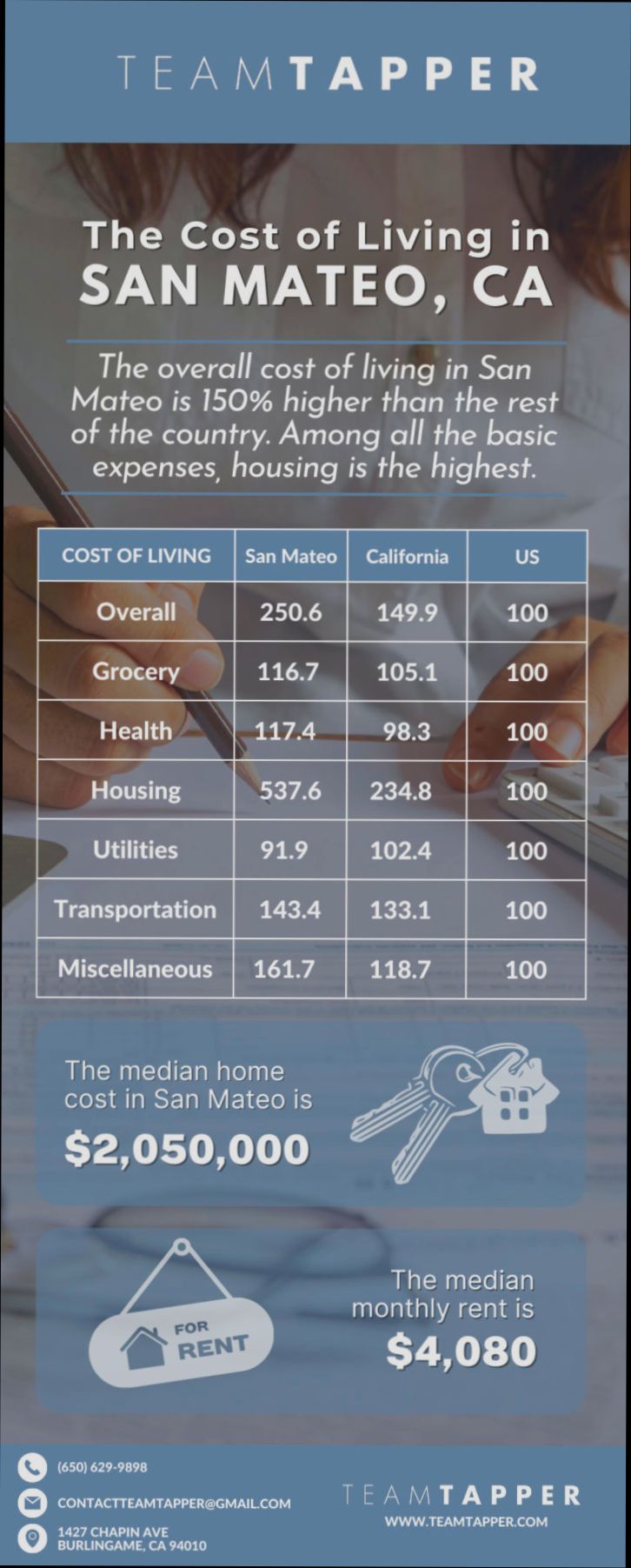
On the flip side, living in San Mateo can hit your wallet pretty hard. The median home price hovers around $1.5 million, which can feel downright daunting for first-time buyers or renters looking for a decent pad. Traffic can also be a real headache, especially during rush hour when your commute to San Francisco or Silicon Valley can stretch well over an hour. And while the schools are top-rated—San Mateo High School Alumni have gone on to impressive careers—it might come with a hefty price tag when it comes to property taxes. All these factors paint a vivid picture of an area that has much to offer, but also challenges that you can’t ignore.

Cost of Living Breakdown in San Mateo
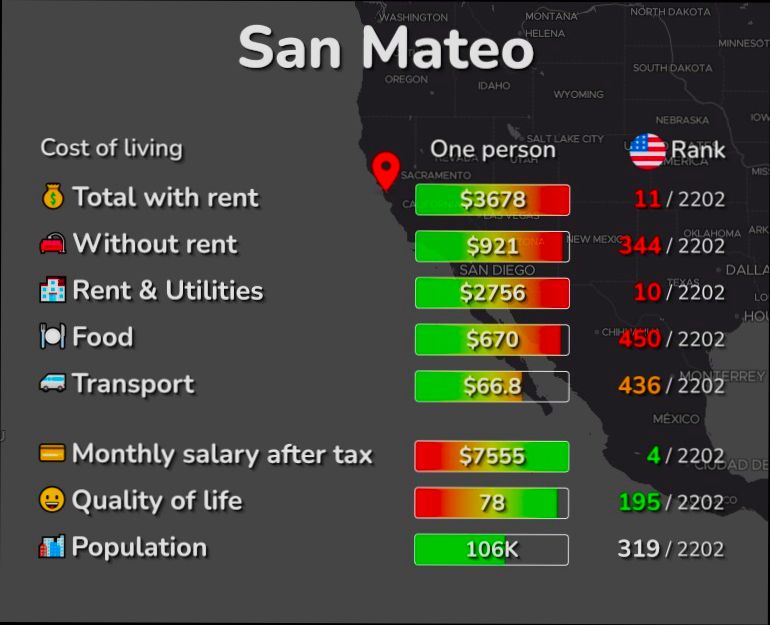
Understanding the cost of living in San Mateo is essential for anyone considering making it their home. From housing and transportation to groceries and utilities, each component significantly impacts your budget.
Housing Costs
Housing remains one of the largest expenses for residents. In San Mateo, the median home price is approximately $1.5 million, which is about 70% higher than the national average. Rent is also on the rise; a one-bedroom apartment typically costs around $3,200 monthly.
- Home Price: $1.5 million (70% above national average)
- Average Rent: $3,200 for a one-bedroom
Transportation Expenses
Transportation costs can vary widely depending on your commuting needs. The average monthly public transportation cost in San Mateo is around $70, while owning a car incurs average insurance premiums of $1,200 annually. Gas prices hover around $4.50 per gallon, a figure that’s notably above the national average.
- Public Transport Cost: $70/month
- Car Insurance: $1,200/year
- Gas Prices: $4.50/gallon
Grocery Costs
Grocery prices can also feel steep in San Mateo. On average, a typical family of four spends around $1,200 monthly on groceries, which is roughly 15% higher than the national average. Common items, such as milk and eggs, are noticeably pricier, influencing your food budget significantly.
- Monthly Grocery Bill: $1,200 (15% higher than national average)
- Example Prices:
- Milk: $4.50 per gallon
- Eggs: $3.00 per dozen
| Expense Category | San Mateo Cost | National Average Cost |
|---|---|---|
| Median Home Price | $1.5 million | $900,000 |
| Average Rent | $3,200/month | $1,800/month |
| Public Transport | $70/month | $50/month |
| Car Insurance | $1,200/year | $1,000/year |
| Monthly Groceries | $1,200 | $1,040 |
Real-World Examples
Consider the Martin family, who recently relocated from Texas. They found their monthly expenses increased significantly due to higher housing and grocery costs. Previously, they paid $1,800 for rent in Texas, but now face $3,200 in San Mateo. Similarly, their monthly grocery bill jumped from $800 to $1,200 as they adjusted to local prices.
Practical Implications
If you’re budgeting for life in San Mateo, expect to allocate more for housing and groceries than you might be accustomed to. To mitigate some costs, consider:
- Exploring less expensive neighborhoods around San Mateo.
- Using public transportation, which can save you money compared to owning a car.
- Shopping at local farmers’ markets for potentially lower grocery prices compared to supermarkets.
Actionable Advice
To effectively manage your budget in San Mateo, I suggest tracking your monthly expenses closely for the first few months. Utilize budgeting apps to stay organized. Make adjustments as needed to align with the higher cost of living—whether that’s changing transportation habits or exploring budget-friendly grocery options.

Family-Friendly Amenities and Activities
Living in San Mateo offers a treasure trove of family-friendly amenities and activities that make it an attractive option for parents and children alike. Whether you’re looking for parks, community events, or educational resources, San Mateo provides a thriving environment for families.
Parks and Recreational Areas
San Mateo is home to over 200 acres of public park space, perfect for family outings. Here are some key highlights:
- Central Park features playgrounds, picnic areas, and an off-leash dog park, making it a great spot for families with furry friends.
- Los Prados Park is renowned for its playgrounds and walking trails, often filled with families enjoying the outdoors.
Community Events and Activities
Throughout the year, San Mateo hosts various family-oriented events:
- The San Mateo County Fair, which attracts over 100,000 visitors annually, includes free rides for kids and educational workshops.
- Movies in the Park are held during summer weekends, allowing families to enjoy outdoor film screenings.
Educational Enrichment Opportunities
Families will appreciate the wide range of educational amenities:
- The San Mateo Public Library system has been recognized as one of the best in California, offering programs specifically for children, including storytime and summer reading challenges.
- Cody District Park provides access to sports leagues and recreational activities specifically geared toward youth, including soccer and baseball.
Comparative Table of Parks and Activities
| Park/Event | Location | Features | Recommended Age Group |
|---|---|---|---|
| Central Park | 50 E 5th Ave | Playground, dog park, picnic areas | All Ages |
| Los Prados Park | 101 Los Prados Ave | Walking trails, playgrounds | Toddlers to Teens |
| San Mateo County Fair | San Mateo Fairgrounds | Rides, games, educational exhibits | All Ages |
| Movies in the Park | Various locations | Free outdoor films, picnic-friendly | All Ages |
| San Mateo Public Library | Multiple locations | Storytime, summer reading challenges | Infants to Teens |
Real-World Examples
- During last year’s San Mateo County Fair, families enjoyed kid-friendly activities such as arts and crafts that encouraged creativity, attracting thousands of children along with their parents.
- Local parks regularly host family sports days, like “Family Sports Saturday” at Cody District Park, which saw over 150 local families participating in activities and games.
Practical Implications
For families considering a move to San Mateo, taking advantage of these amenities can significantly enhance your quality of life. Regular attendance at community events and utilizing parks can foster a sense of belonging and community spirit among families.
Actionable Advice
- Be sure to explore the seasonal events organized by the city to keep your family engaged and entertained.
- Don’t miss out on the various workshops and programs offered at the San Mateo Public Library, which are perfect for encouraging a love of reading in your children.
Living in San Mateo can provide your family with endless opportunities for enjoyment, education, and community involvement through its rich array of family-friendly amenities and activities.
Public Transportation Accessibility in San Mateo
Public transportation accessibility in San Mateo is an increasingly vital aspect of the community’s infrastructure. With strategic developments and policies in place, residents and visitors alike can enjoy various options that make getting around easier and more efficient.
One of the standout features is the Caltrain service, which connects San Mateo to key areas in the Bay Area. The three Caltrain stations—Downtown, Hillsdale, and Hayward Park—serve as hubs for commuters, with the additional benefit of the 2022 Transit-Oriented Development Pedestrian Access Plan. This plan emphasizes enhancing pedestrian routes to these stations, ensuring that everyone, regardless of age or ability, can safely access public transportation.
Key Highlights of Public Transportation Accessibility
- The Transit-Oriented Development Pedestrian Access Plan (adopted in November 2022) aims to improve pedestrian safety and comfort around transit stations.
- Over 50% of San Mateo residents live within a half-mile radius of a Caltrain station, which encourages walking and biking.
- The city is committed to closing gaps in access to transit, identified under the Metropolitan Transportation Commission’s Transit Oriented Communities (TOC) policy.
| Transportation Feature | Accessibility Rating | Distance to Nearest Station |
|---|---|---|
| Caltrain Stations | High | Average 0.5 miles |
| Bus Services | Moderate | Varies (1-2 miles) |
| Bicycle Routes | High | Accessible from most areas |
One excellent example of these improvements is the focus on bicycle infrastructure around the Caltrain stations. The TOD plan recognizes the need for secure bike parking and safer biking routes, which benefits commuters who use bicycles as a mode of transport.
Real-World Examples
The Hillsdale Caltrain station has recently seen upgrades that include improved bicycle racks and enhanced crosswalks. Additionally, the city’s efforts to increase visibility and safety around transit stops align with the wider goals of community connectivity. This means that you’ll find well-lit pedestrian paths and safer intersections designed to make your journey to transit options more manageable.
Practical Implications
For you as a resident or visitor, these developments mean that accessing public transportation can be more straightforward and reliable. Knowing that improvements are in place could encourage you to consider using public transit for commuting or leisure, thereby reducing traffic congestion and your carbon footprint.
Specific tangible benefits of using public transportation include:
- Lower transportation costs compared to maintaining a vehicle.
- Reduced stress from navigating traffic or finding parking.
- Greater convenience with well-planned routes and schedules.
Be sure to explore the San Mateo public transportation website or mobile apps to stay updated on service changes, routes, and special events that may enhance your commuting experience.
Demographics and Population Trends
Understanding the demographics and population trends in San Mateo gives you insight into the community’s diversity and growth. This information is essential for anyone considering relocating or trying to get a feel for the local culture and environment.
Population Growth Patterns
San Mateo has experienced a steady increase in population over the last decade. The current population is approximately 105,000, reflecting a growth rate of about 7% since the last census. This growth rate indicates a vibrant community that attracts newcomers, making it a dynamic place to live.
- The population density is around 6,500 people per square mile, which is relatively high compared to neighboring areas, reflecting the city’s allure.
- The average household size stands at 2.9, suggesting that families and multi-generational households make up a significant portion of the community.
Ethnic Diversity
San Mateo is known for its rich diversity, which contributes to a vibrant community atmosphere.
- The racial composition is approximately:
- 40% White
- 30% Asian
- 15% Hispanic or Latino
- 10% Black or African American
- More than 30% of residents speak a language other than English at home, showcasing the multicultural environment.
Age Distribution Trends
Another critical aspect of San Mateo’s demographics is its age distribution, which impacts the community’s service needs and educational structures.
- About 20% of the population is under 18 years old, indicating a significant presence of families with children.
- The elderly population (65 years and older) comprises approximately 15%, showing a community that values its seniors and may require more services tailored to this demographic.
| Age Group | Percentage of Total Population |
|---|---|
| Under 18 | 20% |
| 18-24 | 10% |
| 25-44 | 30% |
| 45-64 | 25% |
| 65 and over | 15% |
Real-World Examples
An example of the impact of these demographics appears in local schools and amenities. The diversity in age and ethnicity influences programs in schools, creating multilingual curricula and cultural events that celebrate the community’s various backgrounds.
Community organizations often develop programs targeting specific demographic groups. For instance, there are youth programs focused on the needs of the growing younger population, while local senior centers provide activities for the older residents.
Practical Implications
For potential residents, these demographics suggest a supportive community network. If you value cultural diversity and family-oriented activities, San Mateo offers a plethora of resources tailored to various groups. Additionally, businesses might find a robust consumer base across age groups and cultures, indicating potential for entrepreneurial growth.
- Families may benefit from the community’s emphasis on educational resources and family-oriented amenities.
- Young professionals can network in a diverse environment that carries a dynamic vibe thanks to the influx of new residents.
Specific facts like the 7% growth rate and the diverse cultural representation allow anyone considering making San Mateo their home to see that it could be a fitting match for their lifestyle and values.
Climate Considerations Throughout the Year
Understanding San Mateo’s climate is crucial for anyone considering living in this diverse area. The city enjoys a Mediterranean climate characterized by mild, wet winters and warm, dry summers. Let’s dive into the specific climate nuances throughout the year that can affect your daily activities and overall lifestyle.
Seasonal Insights
1. Winter (December to February):
- Average high temperatures around 55-65°F.
- Rainfall is frequent, accounting for approximately 60% of the annual precipitation, which totals around 20 inches.
- Expect cooler evenings, with lows dipping into the mid-40s°F. Keeping warm indoor layers handy is a must!
2. Spring (March to May):
- Temperatures begin to rise, with averages between 60-70°F. This is an ideal season for outdoor activities as the weather transitions towards more sunshine.
- Rainfall decreases significantly, making way for clearer skies and blooming nature—perfect for visiting local parks.
3. Summer (June to August):
- Summer temperatures can peak at about 75-85°F, especially in July and August. The weather becomes drier, which means less humidity and more comfortable evenings.
- It’s the best time to enjoy outdoor activities and events, such as the local farmer’s markets.
4. Fall (September to November):
- Fall sees temperatures cooling slightly, ranging from 60-75°F. The transition to fall is often marked by beautiful foliage and fewer crowd levels in local attractions.
- The weather remains relatively dry, allowing for ample outdoor enjoyment before winter kicks in.
Climate Comparison Table
| Season | Average High (°F) | Average Low (°F) | Precipitation (inches) |
|---|---|---|---|
| Winter | 55-65 | 40-45 | 12 |
| Spring | 60-70 | 45-50 | 5 |
| Summer | 75-85 | 55-60 | 1 |
| Fall | 60-75 | 45-50 | 3 |
Real World Climate Impacts
Living in San Mateo allows you to enjoy a range of activities throughout the year tailored to the changing climate. For example, families often frequent parks during the spring and summer months, taking advantage of the 200 acres of public park space. Schools may plan outdoor educational field trips in the spring when the weather is more favorable, while winter months could encourage indoor family activities at museums.
Practical Implications
- Preparing for Rain: Since winter brings considerable rainfall, having a sturdy umbrella and waterproof gear can enhance your daily commutes and outings.
- Outdoor Living: With long, warm summers, consider investing in outdoor furniture or a grill for entertaining friends and family in the backyard.
- Adjusting Your Routine: As temperatures fluctuate throughout the year, adjusting your wardrobe and daily routines can maximize comfort—preparing light layers for unpredictable spring breezes or cozy sweaters for cooler winter nights.
Specific facts such as San Mateo’s average rainfall distribution—60% occurring during the winter months—means you can plan your home landscaping with drought-resistant plants, making it not only eco-friendly but also cost-effective in the long run. Stay informed, adapt, and enjoy all that San Mateo’s climate has to offer year-round!

Job Market Opportunities and Challenges
Navigating the job market in San Mateo, California, presents unique opportunities and challenges, especially given its location in the heart of Silicon Valley. With a diverse economy and a plethora of industries, residents can find ample job prospects, yet competition can be fierce.
Thriving Industries
San Mateo’s job market thrives in various sectors, particularly technology, healthcare, and education. The city is conveniently situated near major tech companies, which can lead to exciting job opportunities in software development, data analysis, and more. Here’s a snapshot of key industries:
- Technology: Major players are often within commuting distance, offering roles in innovation and tech support.
- Healthcare: Hospitals and clinics in the area often seek qualified staff, providing stable employment.
- Education: Schools and educational institutions also rank high on the employment radar.
Employment Rates and Salaries
Understanding employment statistics gives you valuable context about job opportunities in San Mateo. For instance:
- The unemployment rate in San Mateo County has consistently hovered around 4.5%, slightly below the national average.
- The median household income is approximately $130,000, reflecting a robust earning potential for residents.
Comparative Job Market Data
| Metric | San Mateo | California | National Average |
|---|---|---|---|
| Unemployment Rate | 4.5% | 5.5% | 6.0% |
| Median Household Income | $130,000 | $75,000 | $70,000 |
| Job Growth Rate (2022-2023) | 2.2% | 1.8% | 1.5% |
Real-World Examples
Many residents have successfully landed roles at tech giants and startups alike, thanks to San Mateo’s strategic positioning. For example, individuals often transition from smaller firms to established corporations in Silicon Valley, leveraging networking opportunities available at local tech meetups and professional expos.
Moreover, companies like SAP and Visa have a presence in the vicinity, providing a steady influx of positions and growth for job seekers. It’s not uncommon to find positions advertised at competitive salaries due to the high demand for skilled workers.
Practical Implications
When considering job opportunities in San Mateo, here are some actionable insights:
- Networking is Key: Attend local tech meetups and career fairs to connect with industry leaders.
- Skill Development: Engage in continuous education and certification programs offered by local universities and training centers, as this can significantly broaden your job prospects.
- Stay Informed on Market Trends: Regularly check job boards and local business publications to stay updated on emerging sectors and companies hiring in San Mateo.
Key Takeaways on Job Market Challenges
While opportunities abound, the challenges of living in San Mateo’s job market include:
- High competition for desirable roles, especially within tech.
- The necessity for specialized skills, which means ongoing education is critical.
- Cost of living adjustments—ensure your salary aligns with the expense of living in the area.
By arming yourself with this knowledge, you can navigate the job market in San Mateo more effectively, increasing your chances of finding rewarding employment.
Community Engagement and Local Events
Living in San Mateo opens the door to a vibrant community that thrives on engagement and participation. The city boasts a variety of local events and opportunities for residents to connect, contribute, and celebrate together. This section highlights some of the ways you can get involved and the events that enhance community life.
Diverse Community Events
San Mateo hosts a plethora of events throughout the year, ensuring there’s always something happening. Here’s a snapshot of key community events you might consider:
- San Mateo County Fair: This annual event attracts over 100,000 attendees and showcases local businesses, arts, and food.
- Parks and Recreation Month: Each July, the community celebrates with outdoor gatherings, workshops, and activities, highlighting the importance of parks.
- Music in the Parks: A series of summer concerts that bring together diverse genres and artists, fostering a love for music and community bonding.
Table of Community Engagement Events
| Event Name | Description | Average Attendance |
|---|---|---|
| San Mateo County Fair | A week-long fair featuring local culture | 100,000+ |
| Fourth of July Celebration | A festive day with fireworks and family fun | 30,000+ |
| Music in the Parks | Free summer concerts in local parks | Varies by event |
| Farmers Market | Weekly gathering supporting local farmers | 2,500+ |
Local Volunteer Opportunities
Engaging with your community isn’t just about attending events; it also involves giving back. San Mateo offers numerous volunteer opportunities, helping you connect with others while making a difference:
- Gardening Groups: Join local groups that work on community beautification projects, often leading to long-lasting friendships.
- Food Drives: Participate in food collection efforts, which are held seasonally and benefit families in need.
- Youth Mentorship Programs: Many organizations seek mentors for local youth, allowing you to share your skills and experiences.
Spotlight on Community Involvement
One standout event is the San Mateo’s Cultural Celebration, where residents celebrate the diverse heritages in the city. This festival features:
- Cultural performances from various ethnic groups
- Authentic food tastings
- Artisan booths showcasing local crafts
Many residents report increasing their understanding and appreciation of different cultures through their participation.
Practical Engagement Tips
As you settle in San Mateo, consider these practical tips for getting involved:
1. Check the Local Calendar: Visit the city’s official website for a comprehensive calendar of events and volunteer opportunities.
2. Join Local Social Media Groups: Connect with neighbors through platforms like Facebook or Nextdoor, where events and volunteer needs are often shared.
3. Participate Actively: Attend events regularly to meet new people and learn about new initiatives in your area.
Stay informed about neighborhood events, and consider bringing a friend or family member along to share the experience.
Actionable Insights
Get ready to dive into local life! Look for the upcoming events in your calendar and mark them down. Attend at least one community event this month to start making connections and exploring what San Mateo has to offer. Embrace the community spirit, and you will find it rewarding both personally and socially!