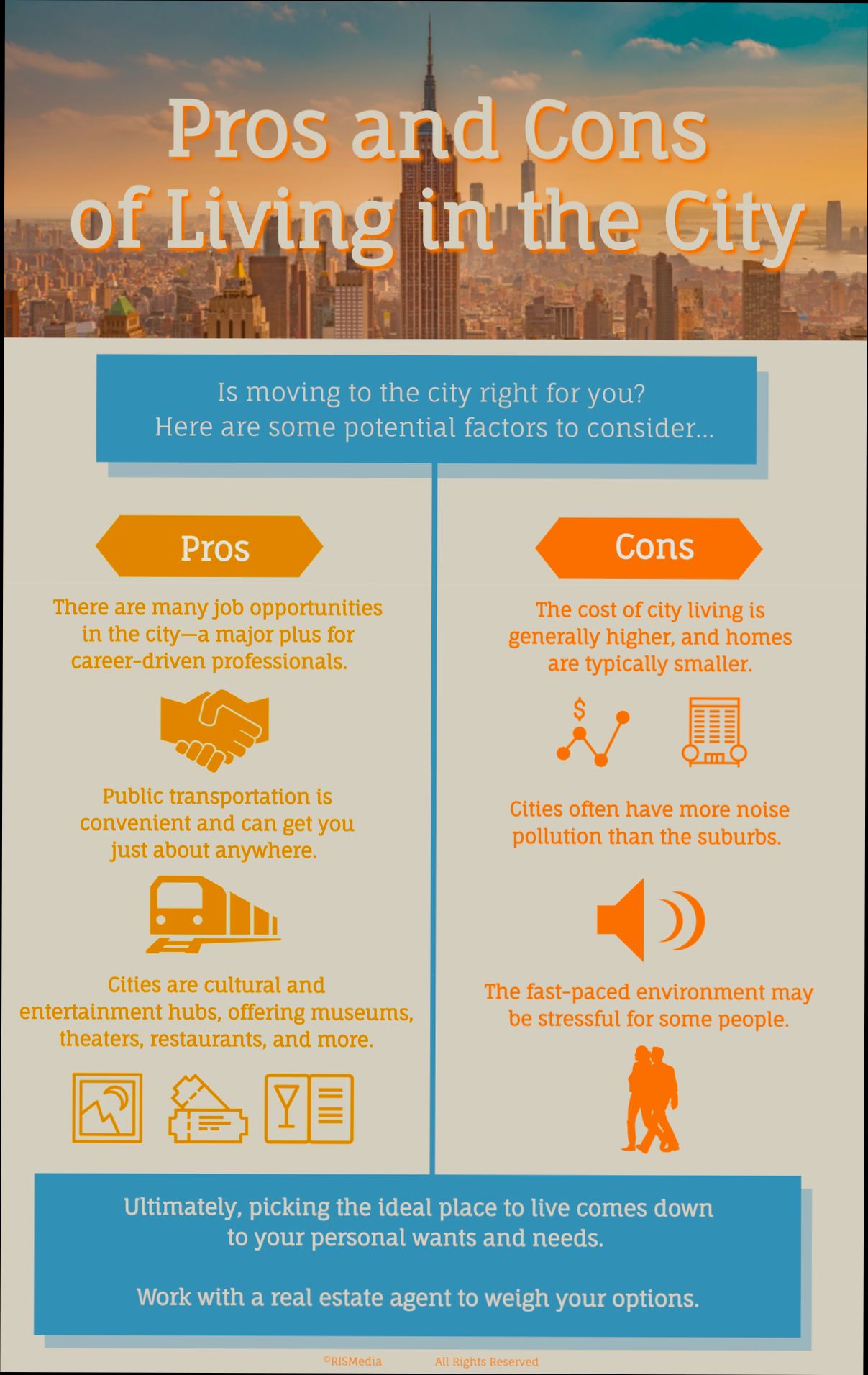
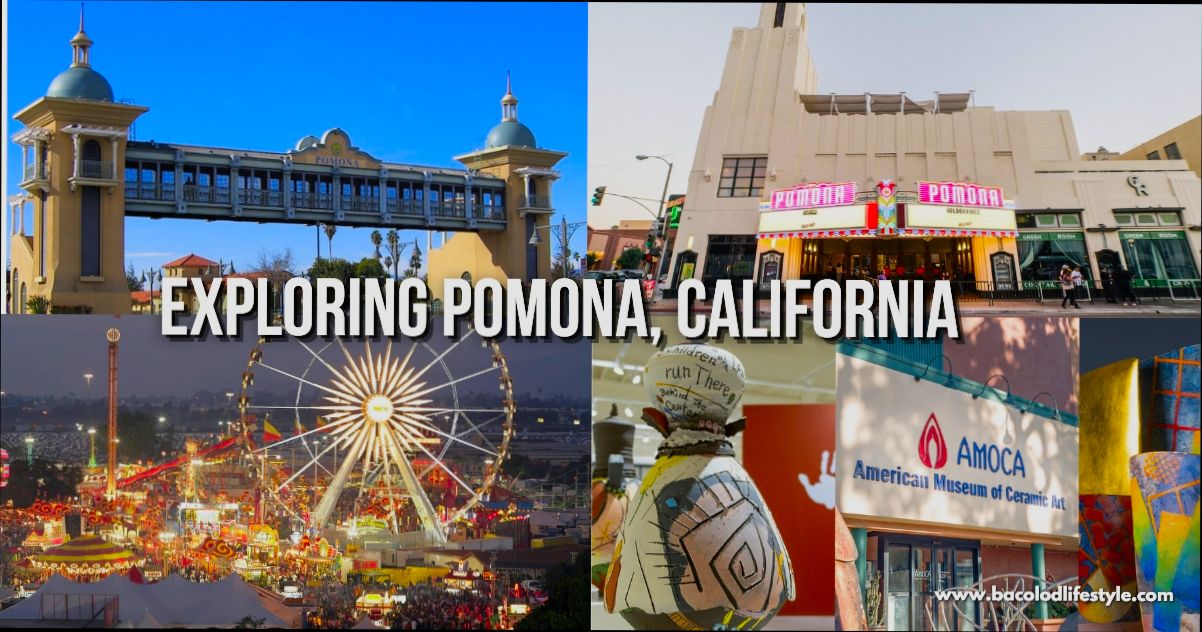
Pros and Cons of Living in Pomona CA can make a big difference in deciding whether to pack up and move. Nestled in the heart of Los Angeles County, Pomona boasts a vibrant mix of cultural diversity and local charm. With a population of around 150,000, you’ll find everything from a lively art scene to unique events like the annual Pomona Fairplex’s LA County Fair. Plus, the cost of living is more affordable compared to nearby cities like Pasadena or Claremont, which means you can snag a decent one-bedroom apartment for around $1,800—way less than L.A. proper, right?
On the flip side, Pomona has its share of challenges. The city grapples with higher crime rates than the national average, which can impact your peace of mind. Traffic can also be a headache, especially on busy routes like the 10 and 60 freeways when rush hour hits—trust me, I’ve sat in that gridlock more times than I’d like to admit. Public transportation is spotty, too, making you really rely on your car to get around. Whether you’re drawn to Pomona’s affordability and community vibe or put off by safety concerns and commuting woes, there’s a lot to weigh when exploring life in this bustling city.
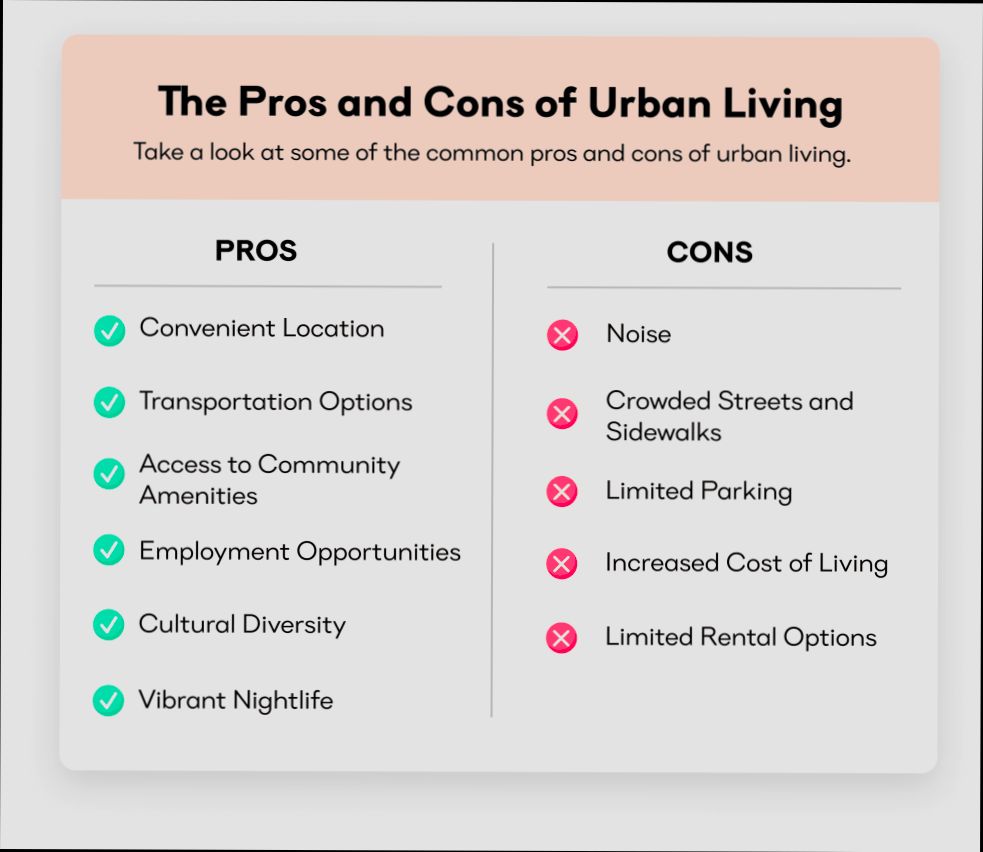
Cost of Living Analysis in Pomona
Living in Pomona, CA, brings with it a unique blend of lifestyle opportunities and financial considerations. Understanding the cost of living is crucial for making informed decisions about relocating or adjusting your budget to thrive in this vibrant city. Let’s dive into the key aspects of living expenses in Pomona.
Housing Costs
Housing is usually the most significant expense for most residents. In Pomona, the average rent for a one-bedroom apartment typically hovers around $1,800 per month. For those looking to buy, the median home price is approximately $570,000.
- Average Rent: $1,800 for a one-bedroom.
- Median Home Price: $570,000.
These figures make Pomona slightly more affordable compared to nearby cities like Los Angeles, where median home prices can soar above $800,000.
Transportation
I know how vital transportation costs can be. In Pomona, residents spend around $200 per month on public transport. The average cost of gasoline in the area is about $4.20 per gallon, which is on par with the California state average.
Here’s how some transportation expenses break down:
| Transportation Type | Monthly Cost |
|---|---|
| Public Transit | $200 |
| Gasoline (per gallon) | $4.20 |
| Average annual insurance | $1,500 |
Groceries and Dining
Let’s talk about food. You can expect to spend about $400 a month on groceries for one person. Eating out at restaurants in Pomona remains affordable, with meal prices averaging:
- Inexpensive Restaurant: $15 per meal
- Mid-range Restaurant: $60 for two
These prices are generally lower than in other metropolitan areas, allowing for a more budget-friendly dining experience.
Utilities and Internet
Utilities in Pomona can also impact your monthly budget. On average, basic utilities for an 85 m² apartment will set you back about $150 per month, including electricity, heating, cooling, water, and garbage. Internet services average around $60 per month, which is reasonable and on par with national averages.
Real-world Examples
Consider a local family that moved to Pomona from San Francisco. They previously paid $3,000 in rent for a two-bedroom apartment but found a similar space in Pomona for about $2,200. This transition not only saved them $800 a month but also allowed them to enjoy a larger living space, making a significant difference in their quality of life.
Practical Implications
For individuals considering relocation, it’s essential to prioritize your expenses. If you’re leaning toward renting in Pomona, use the median home price and rental costs as benchmarks to assess your financial plans.
- Budget Wisely: Calculate how housing fits within your overall budget, keeping in mind transportation and grocery costs.
- Explore Areas: Some neighborhoods might offer even lower rent or property prices, perfect for those on a tighter budget.
Living in Pomona offers a range of financial benefits. Understanding these details empowers you to make the most informed decisions regarding your potential living situation in this vibrant city.
Family-Friendly Amenities and Activities
When it comes to family-friendly amenities and activities in Pomona, CA, there’s a wealth of options that cater to all age groups. From parks and recreational facilities to educational institutions, Pomona offers a dynamic environment for families to thrive. Let’s explore some of the top amenities and activities that can enrich your family life here.
Abundant Parks and Recreational Areas
Pomona boasts a variety of parks that provide spaces for children to play and families to bond. Notable parks include:
- Gale’s Park: A favorite spot with a playground, picnic areas, and walking paths.
- Pomona’s Fairplex: Hosting events throughout the year, it features spaces for family activities and community gatherings.
Statistics show that 68% of families plan to vacation during summer holidays, making local parks an ideal staycation destination. These amenities encourage outdoor fun and promote a healthy lifestyle for children.
Engaging Educational Institutions
Education is crucial for families, and Pomona has several highly-rated schools and educational programs.
- Pomona Valley Hospital: Offers family events focused on health and wellness, including nutrition workshops for parents.
- La Casa de San Gabriel: Provides tutoring and after-school programs that assist students of various age groups, contributing to the educational development of children.
Research indicates that 85% of parents are likely to travel with their children in the next year. Having local educational amenities bridges the gap, allowing families to engage in their community while also focusing on learning.
Table of Family-Friendly Amenities
| Amenity Type | Name of Facility | Activities Available |
|---|---|---|
| Park | Gale’s Park | Playgrounds, picnicking, walking paths |
| Educational Facility | La Casa de San Gabriel | Tutoring, workshops, after-school programs |
| Community Resource | Pomona Valley Hospital | Health workshops, family fitness events |
| Event Venue | Pomona’s Fairplex | Year-round fairs, family festivals |
Real-World Examples
Pomona’s focus on family-friendly activities can be seen in local events like the L.A. County Fair, which attracts families from across the region and strengthens community ties. This event taps into the data showing that 53% of people plan to travel with family this year, providing an excellent opportunity for shared experiences and creating memories.
Moreover, Pomona plays host to various summer camps and recreational classes that align with the 62% of parents who travel with children under five years old, offering activities tailored to the youngest community members.
Practical Implications for Families
For families considering Pomona, leveraging amenities can greatly enhance your lifestyle. Engage in local parks and participate in recreational programs to foster social connections and enrich your children’s development. Remember, 44% of travelers between the ages of 18-35 bring their children, so you’re in good company when exploring local attractions.
Actionable Tips
- Take advantage of local parks for free activities such as picnics, playdates, and exercise classes.
- Look into community resources for educational workshops that support your child’s learning journey.
- Regularly check the events calendar for family-focused happenings at Pomona’s Fairplex to plan your visits accordingly.
By actively participating in the family-friendly amenities available in Pomona, families can create lasting memories while enjoying a nurturing community environment.
Crime Rates and Safety Perceptions
When considering a move to Pomona, CA, one of the pressing concerns for many potential residents is safety. Understanding the local crime rates and the general perception of safety in the community can greatly influence your decision. Let’s dive into the statistics and insights that shed light on this critical aspect of living in Pomona.
Crime rates in Pomona reveal varying trends when compared to state and national averages. According to recent data:
- The overall crime rate in Pomona is approximately 40% higher than the national average.
- Property crime is notably prevalent, making up about 80% of total reported crimes.
- Violent crime rates, while lower than the peak in previous years, still remain concerning, with a significant rise observed since the last decade.
| Crime Type | Pomona Rate per 1,000 residents | California Rate per 1,000 residents | National Rate per 1,000 residents |
|---|---|---|---|
| Property Crime | 28.3 | 23.0 | 19.3 |
| Violent Crime | 4.2 | 4.0 | 3.7 |
| Total Crime | 32.5 | 29.5 | 24.9 |
Community Perspectives on Safety
Perceptions of safety can often differ from statistical realities. A recent survey indicated that:
- Approximately 65% of residents feel safe walking alone during the day, while that number drops to about 40% at night.
- Many residents cite a strong community effort in crime prevention and neighborhood watch programs, which enhance feelings of security.
- An increase in visible police presence has positively influenced public sentiment, with over 50% of respondents noting they feel more secure as a result.
Real-World Examples
A notable case in Pomona involved a local neighborhood that experienced a spike in package thefts. Residents banded together to establish a community alert system. Within months, they reported a 30% decline in such incidents, thanks to increased vigilance and cooperation. This example demonstrates how engaged communities can play a critical role in enhancing safety perceptions.
Practical Implications
If you’re contemplating a move to Pomona, consider the following actionable insights:
- Engage with Local Resources: Get involved in community safety programs or neighborhood watch initiatives.
- Stay Informed: Keep up with local crime reports and police activity in your area to stay aware of any emerging trends.
- Utilize Technology: Consider investing in home security systems that can help deter criminal activity in your neighborhood.
In navigating the complexities of crime rates and safety perceptions, it’s essential to balance statistics with community experiences. By understanding the dynamics of crime in Pomona, you can better prepare yourself for living in this vibrant city.
Cultural Diversity and Community Dynamics
Living in Pomona, CA, you’ll find an intriguing tapestry of cultural diversity that enriches community dynamics. With a population representing various ethnic groups, the city embodies a vibrant cross-section of cultures that fosters a unique communal atmosphere.
A Snapshot of Cultural Composition
Pomona showcases a multifaceted demographic landscape. Approximately 60% of residents identify as Hispanic or Latino, contributing significantly to the local culture, from cuisine to festivals. The city also hosts large communities of African American, Asian, and Caucasian residents, creating a melting pot of traditions and lifestyles.
- Hispanic or Latino: 60%
- African American: 16%
- White: 18%
- Asian: 5%
This variety not only influences the cultural events but also the day-to-day interactions within the community.
Community Engagement and Events
Community dynamics in Pomona thrive through numerous cultural festivals and events that encourage participation from all residents. Annually, the Pomona Art Walk and Korean American Festival draw diverse crowds, highlighting local artists and traditional performances.
| Event | Cultural Influence | Attendance |
|---|---|---|
| Pomona Art Walk | Visual arts, local culture | Over 2,000 |
| Korean American Festival | Korean culture | About 5,000 |
| Latino Heritage Celebration | Hispanic traditions | 3,000+ |
Real-World Examples
Take the Pomona Cultural Arts Commission as an example; it works to promote cultural awareness and preserve the city’s diverse heritage. They organize workshops, art exhibitions, and community dialogues aimed at fostering understanding and collaboration among different groups.
Additionally, local restaurants reflect this diversity. Establishments like Elvira’s Mexican Cuisine or Dim Sum House serve as gathering spots where people from various backgrounds meet, breaking down barriers and building community.
Practical Implications for Residents
For those considering making Pomona their home, the cultural diversity offers numerous opportunities:
- Engage in local cultural festivals, enhancing your understanding and appreciation of various traditions.
- Explore diverse culinary experiences that result from this rich mosaic of cultures.
- Participate in community dialogues that encourage cross-cultural exchange and understanding.
Actionable Insights
To fully embrace the cultural diversity in Pomona:
- Attend upcoming events and engage with different cultural communities, which can foster relationships and expand your social circle.
- Volunteer with local organizations focused on cultural education to learn and give back.
- Explore neighborhoods that showcase different cultural influences, as this experience can enrich your daily life.
Transportation Options and Commute Realities
When considering a move to Pomona, it’s essential to understand the transportation landscape and commuting implications that come with living in this vibrant city. From public transit options to the realities of daily commutes, recognizing how these factors impact your day-to-day life will help you make a more informed decision.
Public Transportation Availability
Pomona is served by several public transportation options, which enhance accessibility throughout the region. The Metrolink train service operates out of the Pomona station, providing easy access to Los Angeles and surrounding areas. In addition to the train, the Foothill Transit bus service connects Pomona to neighboring cities and key destinations.
- Average Metrolink Rides: Commuters can expect to pay approximately $4.50 for a one-way trip to Los Angeles.
- Bus Service Coverage: Foothill Transit has routes that cover a substantial part of Pomona, making it easier to navigate without a car.
Traffic Conditions and Commute Times
Commute times in Pomona can vary, but understanding peak traffic hours is crucial for planning your day. If you drive, keep in mind that rush hour can significantly extend your travel times.
- Average Commute Time: Residents typically spend around 30 minutes commuting to work, but this can stretch to over an hour during peak hours.
- Traffic Index Rating: Pomona’s traffic index sits at 23, indicating moderate traffic conditions compared to other cities in California.
Commute Patterns
Many residents choose to work in nearby cities due to Pomona’s strategic location in the Inland Empire. The commuting patterns highlight the city’s role as a residential hub for those employed in larger metropolitan areas.
- Percentage of Residents Who Commute: Approximately 70% of Pomona’s workforce commutes to locations outside of the city, particularly to Los Angeles, Chino, and Ontario.
- Preferred Mode of Transportation: About 60% of residents rely on personal vehicles, while a smaller percentage utilizes public transit.
Comparison of Transportation Modes
| Transportation Mode | Average Cost Per Trip | Average Commute Time (Minutes) | Commuter Preference Percentage |
|---|---|---|---|
| Metrolink Train | $4.50 | 45 | 25% |
| Foothill Transit Bus | $1.75 | 35 | 15% |
| Personal Vehicle | Fuel + $5 for parking | 30-60 | 60% |
Real-World Examples
To illustrate the commuting dynamics, consider John, a Pomona resident who works in downtown Los Angeles. He opts for the Metrolink train, enjoying a stress-free ride while catching up on emails during his 45-minute commute. Meanwhile, Lisa frequently uses her car for her job in Chino and faces daily frustration with peak hour traffic, which often extends her commute past an hour.
Practical Implications for Residents
If you’re planning to live in Pomona:
- Consider public transit: Utilizing the Metrolink or Foothill Transit can save you time and parking costs.
- Plan around peak hours: If you must drive, aim to travel before or after rush hour to reduce your total commute time.
- Explore flexible working options: Many employers in the area may offer remote or hybrid work schedules, which can significantly alter your commuting realities.
Pomona’s transportation options present a mixed bag of conveniences and challenges that are worth considering if you’re thinking about relocating. Understanding your commute can be the first step in optimizing your daily routine.
Housing Market Trends and Opportunities
The housing market in Pomona, CA, presents a dynamic landscape filled with trends that can offer both challenges and opportunities for potential residents and investors. Understanding these market movements will help you navigate the complexities of living in or investing in this area.
Current Market Trends
- Median Home Prices: Recent data shows that the median home price in Pomona has steadily increased, reaching approximately $580,000. This reflects a growth of around 8% year-over-year, indicating a strong demand in the market.
- Rental Market: The rent prices are also on the rise, with average rent increasing by 6% compared to last year. This trend highlights a competitive rental market, particularly for one-bedroom units, commonly attracting young professionals and families alike.
- Home Sales Dynamics: Homes in Pomona are selling faster than ever, with an average time on the market currently at just 30 days. This swift turnover can point to a robust demand, especially in desirable neighborhoods.
Comparative Housing Market Data
| Market Aspect | Pomona | Los Angeles County | California Average |
|---|---|---|---|
| Median Home Price | $580,000 | $895,000 | $750,000 |
| Average Rent Price | $1,800 for 1-BR | $2,500 for 1-BR | $2,200 for 1-BR |
| Average Days on Market | 30 days | 45 days | 40 days |
| Yearly Price Growth | 8% | 5% | 6% |
Real-World Examples
- New Developments: A few new housing developments, such as the Arbor Pines community, have emerged, offering modern homes well-designed for families. These properties are capitalizing on the demand for larger living spaces with amenities, driving interest from homebuyers.
- Investor Opportunities: The trend of increasing rents means potential for investors to acquire rental properties that yield a higher return. An example includes multi-family units currently available for purchase that can generate rental income upwards of $3,200 a month.
Practical Implications for Buyers and Investors
As you explore housing opportunities, consider the neighborhood dynamics. Areas like Downtown Pomona are seeing revitalization efforts, making them attractive not only for homebuyers but also for business investments. With the average home selling within 30 days, it’s essential to act promptly if you find a property of interest.
Additionally, keep an eye on upcoming urban development plans. The city’s commitment to improving local infrastructure may present opportunities for property value appreciation in the coming years.
Specific Advice
- Market Analytics: Regularly check housing trend reports and keep abreast of changes in median prices to strategize your purchasing or investment decisions more effectively.
- Networking: Engage with local real estate agents who specialize in Pomona; their insights can help uncover hidden opportunities in this evolving market.
Educational Institutions and Their Impact
When considering life in Pomona, CA, the influence of educational institutions plays a pivotal role in shaping community engagement and economic prospects. With several colleges and schools in the area, these institutions contribute significantly to the local culture and provide various opportunities for residents.
Key Points on Educational Institutions
- Pomona is home to several notable higher education institutions, including California State Polytechnic University, Pomona (Cal Poly Pomona) and Western University of Health Sciences. Cal Poly Pomona consistently ranks as one of the top public universities in the West, offering diverse degree programs and fostering a strong emphasis on hands-on learning.
- The presence of these institutions significantly impacts the workforce development in Pomona. About 20% of the residents are enrolled in colleges, which indicates a strong educational foundation that attracts businesses looking for skilled personnel.
- K-12 education is also a critical factor in decision-making for families. The Pomona Unified School District encompasses a range of schools, with a graduation rate of approximately 85%, helping students transition successfully into higher education or the workforce.
- Moreover, there are educational outreach programs and partnerships developed between local businesses and educational institutions. These partnerships help students gain valuable internships and practical experience, which can enhance their employment prospects post-graduation.
| Institution Type | Number of Institutions | Average Enrollment | Key Features |
|---|---|---|---|
| Higher Education (Colleges) | 2 | 33,000 | Diverse degree programs, Hands-on learning |
| K-12 Schools (Public) | 26 | 14,000 | High graduation rate, STEM focus |
| Community Learning Centers | 5 | Varies | Adult education, Vocational training |
Real-World Examples
Cal Poly Pomona recently partnered with local industries to create a job-readiness program aimed at preparing students for the workforce. This initiative has resulted in a 15% increase in job placements for graduates, showcasing how educational institutions can directly benefit both students and the local economy.
Additionally, the Pomona Unified School District’s after-school programs promote STEAM (Science, Technology, Engineering, Arts, and Mathematics) education. Engaging over 1,200 students annually, these programs foster skills that are increasingly vital in today’s job market.
Practical Implications for Residents
For families considering a move to Pomona, the educational landscape means access to quality schooling options, which can greatly enhance family life and community involvement. Moreover, those seeking further education or training will find a range of institutions ready to meet their needs, whether through traditional degrees or vocational training.
Also, engaging with local educational institutions provides residents with opportunities to participate in community events, workshops, and volunteer initiatives, fostering a sense of belonging and connection.
- Be proactive by exploring local colleges for continuing education courses or events that could enhance your professional skills.
- If you have children, researching the specific schools within the Pomona Unified School District can provide insights into their offerings and performance metrics.
By understanding the importance of educational institutions in Pomona, you can better assess how they fit into your lifestyle choices and future opportunities in this vibrant community.