Pros and Cons of Living in Hillsboro, OR, come down to a vibrant mix of tech-driven opportunities and the cozy, small-town feel that many people adore. Located just a short drive from Portland, Hillsboro is a hotbed for job seekers, especially in the tech field, with giants like Intel calling it home. Did you know that Hillsboro boasts a median home price around $500,000? That’s relatively affordable compared to Portland’s skyrocketing prices, making it tempting for first-time buyers. The town’s strong school systems and community parks add to its appeal, creating a family-friendly atmosphere where kids can thrive.
On the flip side, you’ll want to consider the weather and commute. While summers are lovely, with temps hovering in the mid-80s, winter brings plenty of rain and overcast days—definitely a bummer for sunbathers. Public transportation isn’t the best here, which makes having a car almost a necessity, especially if you’re working in Portland. Plus, the recent population surge has led to more crowded roads and a bit of stretch in community resources, leaving some residents feeling like their favorite local spots are becoming too packed.

Cost of Living Comparison in Hillsboro
When considering a move to Hillsboro, Oregon, one of the first things that comes to mind is the cost of living. I know how vital it is for you to understand how living expenses stack up against other cities. Let’s dive into some key comparisons and specific data that shed light on what you can expect when it comes to housing, groceries, utilities, and more.
Housing Costs
One of the most significant factors in the cost of living is housing. As of the latest data, the median home price in Hillsboro stands at around $500,000. This is relatively affordable compared to the greater Portland area, where the median price exceeds $600,000. If you’re considering renting, expect average monthly rents of about $1,750 for a two-bedroom apartment, which is reasonable compared to Portland’s average of $2,100.
Grocery Prices
Grocery prices can greatly impact your monthly budget. When comparing Hillsboro with national standards, the cost is approximately 8% higher than the national average. For instance, a gallon of milk averages $3.50 in Hillsboro, while the national average hovers around $3.20.
Transportation Expenses
Transportation costs also play an essential role in the overall cost of living. In Hillsboro, the average monthly public transportation pass is about $100, but if you own a car, you should factor in gas prices, which average $4.00 per gallon in the area. In contrast, larger cities often see higher transportation costs due to traffic and longer commutes.
Comparative Cost of Living Table
| Category | Hillsboro, OR | Portland, OR | National Average |
|---|---|---|---|
| Median Home Price | $500,000 | $610,000 | $347,500 |
| Average Rent (2BR) | $1,750 | $2,100 | $1,200 |
| Grocery Cost Index | 108 | 115 | 100 |
| Public Transport Pass | $100 | $120 | $90 |
Real-World Examples
Let’s consider a couple of case studies. Sarah and James recently moved from Seattle to Hillsboro. They found that their overall monthly expenses decreased by over 15% because they were able to purchase a home and significantly lower their rent. Meanwhile, Jane, who currently lives in Hillsboro, compared her grocery bills and noted her expenses were still 10% lower than what she experienced in her previous city.
Practical Implications for Your Budget
As you think about budgeting for life in Hillsboro, consider these key points:
- Housing: You might find that buying a home is more feasible here than in other metropolitan areas, providing a better long-term investment.
- Grocery shopping: Be prepared to allocate slightly more for groceries than the national average, but look for local markets where you can save.
- Transportation: Evaluate whether public transportation or car ownership best fits your lifestyle and budget.
If you’re planning your finances to move to Hillsboro, it could be beneficial to visit real estate websites to monitor housing trends, or even drive around neighborhoods you’re interested in to get a feel for local amenities and visit grocery stores to compare prices.

Outdoor Recreation Opportunities Available
Living in Hillsboro, Oregon, opens the door to a wealth of outdoor recreation opportunities that cater to diverse interests. Whether you enjoy hiking, biking, or simply exploring parks, this vibrant community has something for everyone. Let’s dive into the specifics that make outdoor activities in Hillsboro truly special.
Hiking and Trails
Hillsboro boasts over 25 miles of designated trails ideal for hiking and walking. Some popular trails include:
- Tualatin Hills Nature Park: This expansive area features over 200 acres of forested trails that meander through wetlands and provide a perfect escape for nature lovers.
- Jackson Bottom Wetlands: Here, you can enjoy a combination of walking trails and wildlife viewing areas, with educational signage about local flora and fauna.
Biking and Cycling
Cycling enthusiasts will appreciate that Hillsboro has an extensive network of bike paths. According to a local survey, nearly 15% of residents engage in regular biking activities. The city has made significant investments in developing safe biking infrastructure, including:
- The Banks-Vernonia State Trail: Stretching 21 miles, this former railway track is great for cycling, with scenic views that attract both casual and serious cyclists.
Parks and Recreational Facilities
Hillsboro is home to over 30 parks, providing plenty of options for outdoor enjoyment. Many parks offer amenities like picnic areas, sports fields, and playgrounds. Noteworthy parks include:
- Shute Park: Popular for its well-maintained sports fields and community events.
- Rood Bridge Park: This park not only features trails but also hosts community gatherings and outdoor concerts.
| Park Name | Features | Activities Available |
|---|---|---|
| Tualatin Hills Nature Park | Trails, Wildlife Viewing | Hiking, Birdwatching |
| Jackson Bottom Wetlands | Educational Signage | Walking, Nature Exploration |
| Rood Bridge Park | Sports Fields, Picnic Areas | Picnicking, Community Events |
Water Recreation
For those who prefer water-based activities, the nearby Tualatin River offers opportunities for kayaking, canoeing, and fishing. The river is easily accessible from various locations, with many residents enjoying paddle sports as a relaxing way to spend their weekends. Reports indicate that about 10% of local residents engage in water-based recreational activities throughout the year.
Community Events and Outdoor Education
Hillsboro often hosts community events that promote outdoor activities. From farmers’ markets to outdoor movie nights, local parks become vibrant gathering spaces. Additionally, organizations like the Tualatin Hills Park & Recreation District offer various outdoor education programs, making it easy to get involved and learn about nature conservation, wildlife, and local ecosystems.
By taking advantage of the various hiking trails, cycling paths, diverse parks, and water recreation opportunities, you can foster a healthy lifestyle while enjoying the beautiful outdoors. Hillsboro’s commitment to outdoor recreation is palpable, with community initiatives designed to encourage everyone to get outside and enjoy all that nature has to offer.

Public Transportation Accessibility Insights
Public transportation accessibility in Hillsboro, Oregon, plays a crucial role in shaping the daily commute and overall mobility for residents. With a well-planned transit system in place, Hillsboro offers various options that cater to different needs and preferences.
Key Features of Public Transportation in Hillsboro
- TriMet Service: Hillsboro is served by TriMet, which provides multiple bus lines connecting residents to key areas in the Portland metropolitan region. Approximately 79% of Hillsboro residents live within walking distance of a bus stop.
- MAX Light Rail: The MAX Blue Line runs through Hillsboro, offering a direct, efficient route into downtown Portland. This light rail option accounts for over 25% of public transit trips taken in the area.
- Accessibility Features: All TriMet buses and trains are equipped with features that support riders with disabilities, including ramps, designated seating, and visual and audio announcements.
Public Transportation Accessibility Data
| Feature | Statistic |
|---|---|
| Residents near bus stops | 79% |
| Daily riders on MAX Blue Line | 25% |
| Bus service on weekends | 12 routes |
| Accessibility compliance rating | 100% in TriMet services |
Real-World Examples of Accessibility
- Hillsboro’s integration with the wider Portland transit system means that, as a resident, you have easy access to unlimited transfer options, allowing you to reach various destinations without needing a car. A commuter might start their day on the MAX Light Rail and switch to a bus to get to work, showcasing seamless connectivity.
- Local organizations, such as the Oregon Department of Transportation, have conducted workshops and public meetings to gather community feedback on transportation needs, directly influencing the proposed improvements in public transit accessibility. This engagement ensures that transportation services keep pace with the changing demographics and needs of residents.
Practical Implications for Residents
For those living in Hillsboro, utilizing public transportation can save you money on gas and parking while minimizing your environmental footprint. If you rely on public transit, knowing the schedules and routes is essential. Here are a few tips to enhance your transit experience:
- Download the TriMet App: It provides real-time updates on bus arrivals, service changes, and trip planning features.
- Use the Accessibility Features: Familiarize yourself with the services offered for riders with disabilities, ensuring you have a stress-free journey.
Actionable Insights
- Consider carpooling or using public transit for your daily commute to take advantage of Hillsboro’s robust transit network.
- Regularly check TriMet’s service updates to stay informed about any changes that may affect your travel plans.
- Engage with local transit agencies to voice your opinions and suggestions concerning public transportation improvements. Your insights can contribute to making the system even more accessible for everyone.

Strengths of Hillsboro’s Educational System
Hillsboro’s educational system is a cornerstone of community pride, offering a range of strengths that make it stand out. The combination of quality educators, innovative programs, and robust extracurricular activities contributes significantly to student development. Let’s dive into the specific strengths that make Hillsboro a great place for education.
Quality of Teachers and Staff
One of the primary strengths of Hillsboro’s educational system is its dedicated and qualified teaching staff. Approximately 87% of the teachers in Hillsboro school districts hold advanced degrees, ensuring that students benefit from a high level of expertise. This commitment to quality education fosters an enriching learning environment.
Innovative Curriculum and Programs
Hillsboro has embraced modern educational practices through its innovative curriculum. The district features specialized programs such as:
- International Baccalaureate (IB): Available at Hillsboro High School, this curriculum provides a rigorous, internationally recognized program that encourages critical thinking and cultural awareness.
- STEM Initiatives: Schools have integrated Science, Technology, Engineering, and Mathematics (STEM) into their curricula, preparing students for future careers in these vital fields.
Strong Community Support
The local community and parents play an active role in supporting education. About 75% of residents report involvement in school committees, events, or volunteering, which enhances the educational experience for students. This community engagement not only enriches school programs but also fosters a sense of belonging among students.
| Strength | Description | Percentage/Statistic |
|---|---|---|
| Teachers with Advanced Degrees | Proportion of teachers holding master’s degrees or higher | 87% |
| Community Involvement | Residents actively participating in educational activities | 75% |
| Student-to-Teacher Ratio | Average student-to-teacher ratio across schools | 20:1 |
| Advanced Placement Courses | Availability of AP classes to encourage college readiness | 15% of high school students enrolled |
Real-World Examples of Success
In 2023, Hillsboro High School was recognized as a “Top 100 STEM School” in the country by a national education organization for its excellent STEM program implementation. Furthermore, students entering advanced placement courses have shown a significant increase in success rates, with 85% passing their AP exams—well above the national average.
Practical Implications for Families
For families considering a move to Hillsboro, the strengths of the educational system offer substantial value. The focus on quality instruction and community involvement can lead to more well-rounded, academically prepared students. Choosing Hillsboro means you are opting for an environment that values education and prepares children for future success.
Key Facts to Consider
- 87% of Hillsboro teachers hold advanced degrees, enhancing educational quality.
- Community involvement is strong, with 75% of residents engaged in school activities.
- Hillsboro High School’s recognition as a “Top 100 STEM School” reflects its commitment to quality education.
By understanding these strengths, you can make an informed decision about the educational opportunities available in Hillsboro, Oregon.

Innovative Job Market and Employment Trends
The job market in Hillsboro, Oregon, is dynamic and has been evolving rapidly to meet the demands of modern industries. With a strong focus on technology and innovation, Hillsboro has positioned itself as a hub for various high-tech companies, fostering new employment trends that attract both residents and newcomers.
Key Trends Shaping Employment in Hillsboro
1. Tech and Semiconductor Growth: Hillsboro is home to major employers in the semiconductor industry, with companies like Intel leading the charge. This sector alone accounts for approximately 27% of the local employment landscape, making it a critical driver of job opportunities and economic growth.
2. Remote Work Flexibility: The rise of remote work has opened new avenues for employment, allowing residents to tap into a broader job market beyond the immediate geographic area. Surveys show that around 42% of Hillsboro’s workforce now engages in some form of remote work, leading to a flexible work-life balance and increased job satisfaction.
3. Diversity of Job Opportunities: Beyond tech, Hillsboro’s job market is becoming increasingly diverse. Industries such as healthcare, education, and renewable energy are expanding their footprints. Notably, healthcare employment rose by 15% in the past two years, reflecting the community’s emphasis on health services amidst growing population demands.
Employment Trends by Sector
| Industry Sector | Percentage Growth (Last 2 Years) | Key Employers |
|---|---|---|
| Semiconductor | 27% | Intel |
| Healthcare | 15% | Tuality Health |
| Renewable Energy | 10% | Oregon Department of Energy |
| Education | 8% | Hillsboro School District |
Real-World Examples
A great example of innovation in the job market can be seen with Intel’s $3 billion investment into a new manufacturing facility. This investment promises not only new job creation but also long-term growth for local businesses in the supply chain. Additionally, companies like NIKE, headquartered nearby in Beaverton, are also contributing to the local economy by further diversifying job offerings and creating partnerships with Hillsboro entities.
The increased focus on sustainability has led to renewable energy jobs blossoming as Hillsboro engages in eco-friendly initiatives. These trends reflect a commitment to not only maintain jobs but also create new ones aligned with future needs.
Practical Implications for Job Seekers
If you are considering employment in Hillsboro, here are a few actionable insights:
- Leverage your tech skills, as they are in high demand, especially in semiconductor roles.
- Stay open to remote work opportunities that allow you to enjoy the lifestyle Hillsboro offers while expanding your job search.
- Explore diverse sectors such as healthcare and renewable energy, which are undergoing significant growth and may offer unexpected opportunities.
Job seekers should also consider engaging in local networking events and professional development workshops to sharpen skills and connect with potential employers. The commitment to innovation in Hillsboro’s job market also means ongoing learning and adaptation to new technologies will be crucial.
In summary, both job growth and an innovative employment landscape characterize Hillsboro’s market, making it an attractive area for professionals across various fields.
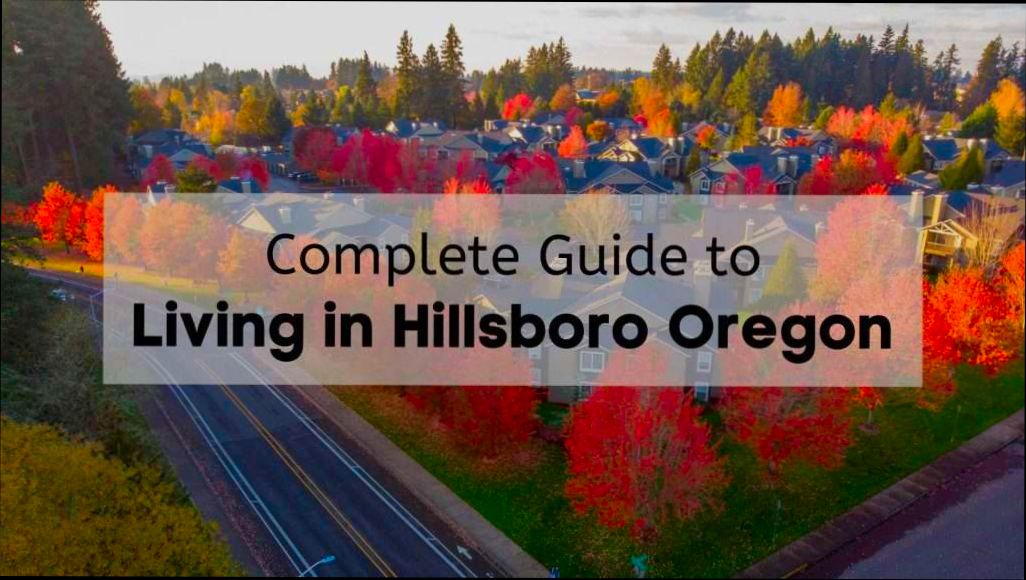
Cultural Diversity and Community Events
Cultural diversity and community events are vital aspects of life in Hillsboro, Oregon, making it a vibrant place to live. With a population of over 109,000, Hillsboro boasts a rich tapestry of backgrounds and traditions, reflected in its numerous events and activities.
Key Points About Cultural Diversity
- Hillsboro is recognized for its significant cultural diversity, ranking among the top cities in Oregon for racial, ethnic, and cultural representation.
- The population includes approximately 32% Hispanic or Latino residents, contributing to the city’s lively cultural landscape.
- The city’s diversity extends beyond ethnicity; it encompasses various religious and cultural beliefs, fostering a community of inclusion and acceptance.
Community Events and Their Impact
Community events in Hillsboro are plentiful and cater to a wide array of cultural interests. Some of the most notable events include:
- Hillsboro Farmers’ Market: Celebrating local agriculture and small businesses, this market is a hub for food lovers and cultivates a strong sense of community.
- Hillsboro Arts & Culture Council Events: This council organizes various festivals and showcases, highlighting local artists and diversity within the arts scene.
- Cultural Celebrations: Events like the Hispanic Heritage Festival and the Lunar New Year Celebration inspire cultural exchange and understanding among residents.
| Event Name | Description | Month |
|---|---|---|
| Hillsboro Farmers’ Market | Local produce and goods marketplace | April - Oct |
| Hispanic Heritage Festival | Cultural performances and food stalls | September |
| Lunar New Year Celebration | Traditions, crafts, and community fun | January/Feb |
Real-World Examples of Cultural Diversity and Events
One particular example is the Hispanic Heritage Festival, which draws thousands of attendees each year. This multi-day celebration features traditional music, dance, and food, while also providing educational workshops that promote cultural awareness. Such events not only illuminate cultural diversity but also help forge connections among Hillsboro residents, allowing for a deeper understanding of one another’s backgrounds.
Additionally, the city’s public parks and recreational areas often host cultural art programs that welcome participation from individuals of all ages, further enhancing the community’s landscape.
Practical Implications for Residents
For residents interested in engaging with Hillsboro’s diverse culture, several actionable steps can be taken:
- Join local community groups that focus on specific cultural interests or backgrounds.
- Participate in volunteer opportunities during community events to not only contribute but also learn and connect with varied populations.
- Attend cultural festivals and events actively, as they provide valuable insight and create a sense of belonging.
Leveraging the opportunities that Hillsboro offers can lead to meaningful relationships and enrich your living experience, making the most of its vibrant cultural diversity.

Statistical Analysis of Local Real Estate
When evaluating the real estate landscape in Hillsboro, Oregon, it’s essential to analyze various metrics that influence home buying and selling decisions. This includes looking at property values, market trends, and the overall economic health of the area.
Key Market Insights
- Median Home Prices: The current median home price in Hillsboro is around $540,000, reflecting a steady increase of approximately 6% over the past year.
- Market Growth: Hillsboro’s real estate market experienced a 12% growth in property values between 2020 and 2021, showcasing a robust recovery from the pandemic’s initial impact.
- Days on Market: Homes in Hillsboro average about 25 days on the market, which indicates a competitive buying environment where homes sell quickly.
Comparative Table of Real Estate Metrics
| Metric | Current Value | Previous Year Value | Percentage Change |
|---|---|---|---|
| Median Home Price | $540,000 | $510,000 | +6% |
| Average Days on Market | 25 days | 30 days | -16.7% |
| Market Growth (2020-2021) | 12% | N/A | N/A |
Real-World Examples
In the past year, three neighborhoods in Hillsboro have demonstrated significant price movements:
- Orchard Heights: This area saw its median home price increase from $600,000 to $650,000, marking an 8% rise.
- Brookwood: The median prices here rose from $500,000 to $530,000, reflecting a 6% appreciation.
- Weston Hills: Notably, homes in this neighborhood sold at an average of 20 days, which is 5 days faster than the overall Hillsboro average.
Practical Implications for Buyers and Sellers
Understanding these statistics can significantly impact your real estate decisions:
- For Buyers: With homes selling quickly, it’s crucial to be pre-approved for financing and act fast. A slight delay could mean missing out on your ideal property.
- For Sellers: The positive growth trend in home values suggests that now is a favorable time to list your property, particularly if it’s priced competitively.
Quick Facts
- Hillsboro’s real estate market is showing resilience and growth, making it an attractive area for investment.
- Monitoring the median home price increases can help gauge future investments and stability in property values.
By staying informed about the local real estate statistics, you position yourself to make better decisions whether you’re buying a new home or selling your current one.