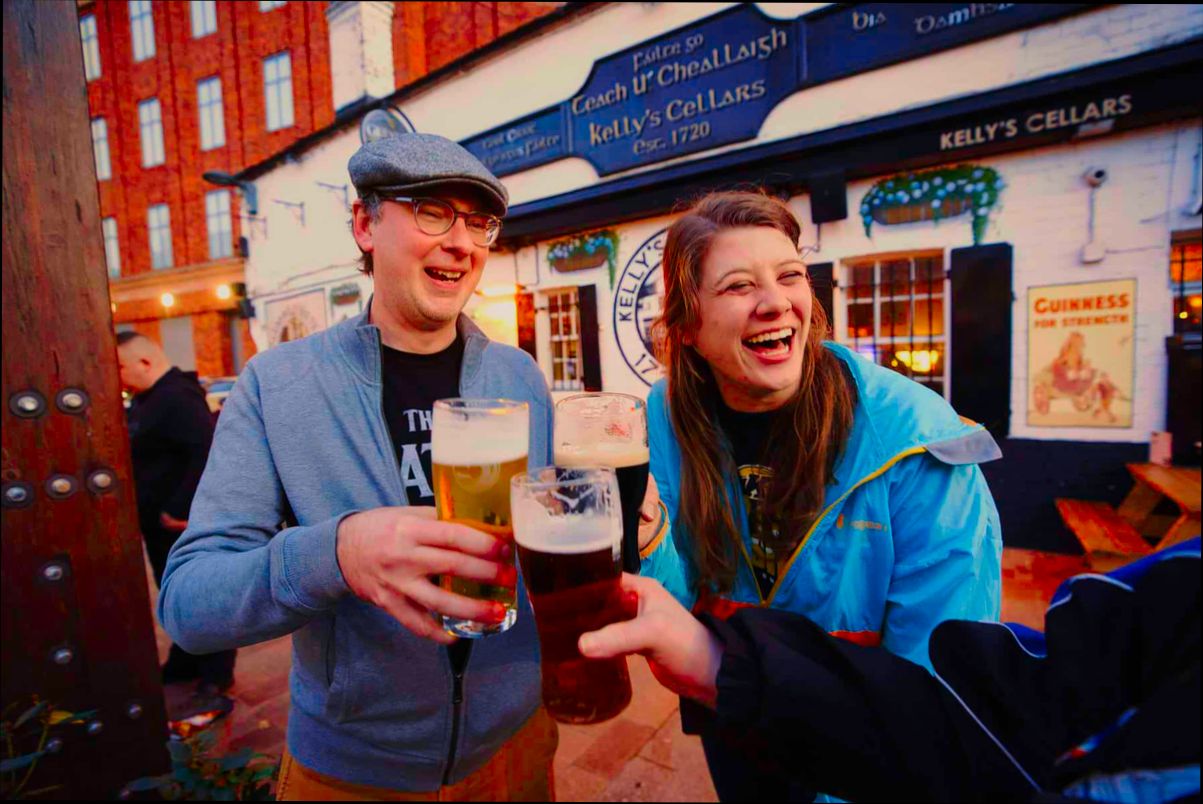
Pros and Cons of Living in Pittsburgh PA can really boil down to a mix of gritty charm and modern conveniences. On one hand, you’ll find the cost of living here is surprisingly low compared to other major U.S. cities. For instance, the median home price hovers around $180,000, which is a steal if you’re coming from places like New York or San Francisco. Plus, the food scene is incredible—think Primanti Bros. sandwiches stacked high with fries and coleslaw, and don’t forget about those local craft beer options. And if you’re a sports fan, you’re in for a treat with passionate fans rallying behind the Steelers, Penguins, and Pirates.
But it’s not all sunshine and roses in the Steel City. Pittsburgh’s weather can be a real downer, with long, gloomy winters that feel more like hibernation than a season. The relentless gray skies mean you might find yourself missing the sun come spring. Additionally, while the city has a thriving arts community, it can sometimes feel isolated from bigger cultural hubs. Networking opportunities are growing, but if you’re coming from a more dynamic scene, you might feel a bit confined. Overall, Pittsburgh presents an interesting blend of affordable living and unique challenges, making it a city that’s both inviting and intriguing.

Cost of Living in Pittsburgh
The cost of living in Pittsburgh is one of the most attractive aspects of living in the city. With affordable housing, utilities, and transportation, many people find that they can thrive in Pittsburgh without breaking the bank. Let’s dive into the specifics to give you a clearer picture.
Housing Costs
Housing in Pittsburgh is significantly cheaper than in many other major U.S. cities. The median home price in the city is around $200,000, which is much lower than the national average of approximately $380,000. For renters, the average monthly rent for a one-bedroom apartment is about $1,200, while a two-bedroom typically costs around $1,400.
Utility Expenses
Utilities are also quite reasonable in Pittsburgh. On average, residents can expect to pay about $160 per month for basic utility services, including electricity, heating, cooling, water, and garbage. This is lower than the national average utility cost, which typically hovers around $200.
Transportation Costs
Getting around Pittsburgh won’t put a huge dent in your wallet either. Public transportation is available through the Port Authority of Allegheny County, with a monthly pass costing around $97. If you prefer driving, the average gas price tends to be around 10% lower than the national average, making it easier to budget for your commutes.
| Expense Type | Pittsburgh Average | U.S. Average |
|---|---|---|
| Home Price | $200,000 | $380,000 |
| Rent (1-Bedroom) | $1,200 | $1,700 |
| Monthly Utilities | $160 | $200 |
| Transportation Pass | $97 | $120 |
Real-World Examples
Consider Sarah, who recently moved from San Francisco to Pittsburgh. She found a spacious two-bedroom apartment for $1,400, significantly cheaper than her old rent of $3,500. This transition allowed her to allocate more funds towards leisure activities and savings. Similarly, James, a local, reported that he spends under $150 on utilities for his small home, freeing up cash for other essentials.
Practical Considerations
When planning your budget in Pittsburgh, keep these insights in mind:
- Affordable Commuting: If you’re embracing a car-free lifestyle, consider monthly transportation passes to save on commuting costs.
- Energy Efficiency: Opt for energy-efficient appliances and practice sustainability to lower monthly utility bills even further.
- Housing Flexibility: Explore different neighborhoods; some areas offer even lower rents while still being a quick commute to the city center.
Investing time in researching different housing options can yield significant savings in the long run.
- Did you know that grocery prices in Pittsburgh are about 7% lower than the national average? Stocking up at local markets can further help stretch your budget.
- Make use of programs that provide financial assistance for low-income residents to ease housing costs.
By paying attention to these nuanced aspects of living expenses, you can budget effectively and enjoy all that Pittsburgh has to offer without financial stress.

Quality of Life and Community Support
Living in Pittsburgh offers a unique quality of life bolstered by strong community support systems. From local initiatives to friendly neighborhoods, Pittsburgh fosters an environment that emphasizes connection and accessibility. Let’s explore some key points that highlight the community-centric vibe of this city.
Community Engagement and Support Networks
Pittsburgh’s residents actively engage in community life, with about 50% of people stating they participate in community events or activities regularly. This active participation reflects a strong sense of belonging among locals. Here are some valuable aspects of community support:
- Volunteering: Nearly 30% of residents volunteer at least once a month, fostering a spirit of generosity and collaboration.
- Local Organizations: Pittsburgh is home to over 1,500 non-profits, addressing various community needs, from housing assistance to youth programs.
- Neighborhood Groups: Many neighborhoods have their own dedicated groups focusing on local projects and improvements, strengthening neighborhood ties.
Community Health Initiatives
Health and wellbeing are integral to quality of life, and Pittsburgh ranks favorably in promoting community health.
| Initiative | Description | Percentage Involved |
|---|---|---|
| Health Screenings | Free and low-cost health screenings offered | 42% of residents |
| Fitness Programs | Access to community fitness classes | 37% of residents |
| Mental Health Support | Local mental health awareness campaigns | 31% of residents |
Education and Resources
Access to quality education and resources is a priority in Pittsburgh.
- Libraries and Learning Centers: Public libraries in the city are hugely popular, with over 1.2 million visits in the last year alone, providing access to educational programs and resources for all ages.
- Adult Education Programs: Approximately 25% of adults engage in continuing education courses, enhancing skills and career prospects.
Proximity to Local Amenities
Pittsburgh’s layout encourages community interaction and support through easily accessible amenities. Here are some implications:
- Walkable Neighborhoods: Many neighborhoods are designed to be walkable, enabling residents to interact with one another and enjoy local businesses.
- Public Transportation: Affordable, reliable public transport connects various neighborhoods, making it easy to access community services and events.
Real-World Examples
One notable case is the “Pittsburgh Promise” program, which awards scholarships to students who graduate from city schools, significantly enhancing educational opportunities. Another example is the “Let’s Move Pittsburgh” initiative that promotes physical activity and healthy eating among residents of all ages through community partnerships.
Actionable Insights
- Get Involved: Consider volunteering or joining a local group to enhance your sense of community.
- Utilize Resources: Take advantage of public libraries and educational programs to further your knowledge and skills.
- Attend Local Events: Check municipal sites for upcoming community events that encourage social interaction and local culture.
By making use of these community resources and initiatives, you’ll enhance your quality of life in Pittsburgh while contributing to the supportive fabric of the city.

Economic Opportunities and Job Market in Pittsburgh, PA
Pittsburgh’s economic landscape is evolving, providing exciting opportunities across various sectors. Whether you’re a recent graduate or looking to shift careers, understanding the job market can help you make informed decisions.
Growing Job Sectors
Pittsburgh’s transformation from a steel manufacturing hub to a diversified economy includes an increase in jobs in advanced manufacturing, healthcare, education, and technology. The World Economic Forum reports that by 2030, we’ll see the creation of 170 million new jobs globally, many of which are anticipated to land in urban centers like Pittsburgh. Here are some key sectors driving this growth:
- Healthcare: With notable institutions like UPMC and Allegheny Health Network, healthcare jobs are abundant and expected to expand especially in roles such as telehealth services.
- Technology: The growing influence of artificial intelligence and data analytics in business operations is propelling job growth in tech. Current estimates suggest that tech positions in Pittsburgh could see a significant uptick, with roles in AI and software development becoming increasingly critical.
- Education: Institutions like Carnegie Mellon University and the University of Pittsburgh not only train future professionals but also often serve as major employers themselves.
Job Market Statistics
According to the Future of Jobs Report 2025, there are several key insights for job seekers:
| Job Category | Estimated Growth by 2030 | Current Job Market Trends |
|---|---|---|
| Healthcare | +22% | Telehealth roles and nursing are booming |
| Technology | +30% | High demand for AI, and data analysts |
| Advanced Manufacturing | +15% | Increased automation and robotics |
Real-World Examples
In practice, companies are increasingly adapting to the technological transition. For instance, several local startups are leveraging AI for innovative healthcare solutions. Notable examples include:
- Duquesne University: They launched initiatives combining healthcare with AI to train future healthcare workers in new technology applications.
- Pittsburgh Robotics Network: Focused on advancing robotics technologies, it creates numerous jobs in the field and establishes partnerships with local universities for research and innovation.
Practical Implications for Job Seekers
If you’re considering a move to Pittsburgh or are already there and exploring employment options, here are some actionable insights:
- Leverage Online Learning: As 39% of workers are expected to have their core skills change by 2030, taking proactive steps to upskill or reskill will be crucial. Consider online courses in AI, data analytics, or digital marketing.
- Networking: Engage with local tech meetups and business workshops. Organizations like AlphaLab provide access to valuable resources and networking opportunities with startups and entrepreneurs.
- Adapt to Remote Work Trends: Pittsburgh companies are increasingly adopting hybrid work models. Ensure your skill set includes competencies for remote collaboration, a desirable trait in today’s job market.
By focusing on sectors seeing growth and preparing for labor market changes, you can effectively navigate Pittsburgh’s job opportunities, setting yourself up for success in this dynamic environment.

Cultural Attractions and Entertainment Options
Pittsburgh, known for its rich cultural tapestry, offers a plethora of attractions and entertainment choices that make living in the city vibrant. Whether you’re an art enthusiast, sports fan, or someone who enjoys theater, Pittsburgh has something to keep you entertained year-round.
Diverse Cultural Offerings
- Museums and Galleries: Pittsburgh houses over 40 museums, featuring everything from contemporary art at the Andy Warhol Museum to natural history at the Carnegie Museum of Natural History. This variety ensures residents can indulge in different cultural experiences regularly.
- Theater Scene: With a thriving theater district, Pittsburgh boasts venues like the Benedum Center and the Pittsburgh Public Theater, which together host around 300 performances annually. This contributes significantly to the city’s arts culture.
- Festivals: There are numerous cultural festivals throughout the year. The Pittsburgh International Jazz Festival and Three Rivers Arts Festival are just two examples that showcase local and international talent, attracting thousands of attendees.
Entertainment Options
- Sports: Home to professional teams like the Pittsburgh Steelers (NFL), Penguins (NHL), and Pirates (MLB), sports culture is embedded in the city’s identity. A survey found that nearly 55% of residents are avid supporters of their local teams, with game days transforming into community events.
- Live Music Venues: From intimate clubs like the Rex Theater to larger venues like Stage AE, live music is thriving in Pittsburgh. The live music scene has seen a 20% rise in attendance over the past few years, signaling a healthy appetite for performances ranging from indie bands to big-name artists.
| Type of Attraction | Number of Options | Average Annual Attendance |
|---|---|---|
| Museums | 40+ | 2 million+ |
| Theaters | 20+ | 500,000+ |
| Festivals | 15+ | 500,000+ |
| Sports Events | 3 Major Teams | 1.5 million+ |
Real-World Examples
The cultural vibrancy of Pittsburgh is exemplified by the annual Pittsburgh International Film Festival, which celebrates filmmakers and attracts around 25,000 attendees each year, fostering community engagement and attracting visitors. Another notable event is the Pittsburgh Renaissance Festival, which not only entertains but also immerses residents in the culture of the Renaissance period, featuring live performances, artisan markets, and food tastings.
Practical Implications for Residents
Living in Pittsburgh means easy access to musical performances, art exhibitions, and theatrical productions almost every week. As a resident, consider subscribing to local newsletters or websites like VisitPittsburgh to stay updated on upcoming events. This way, you can immerse yourself in the city’s artistic culture, explore new experiences, and meet new people who share your interests.
- Tip: Take advantage of free admission days or community events to experience different aspects of Pittsburgh’s culture without straining your budget.
Pittsburgh’s commitment to arts and entertainment ensures that there’s never a dull moment. Engaging with local cultural offerings can enhance your quality of life and provide opportunities for new experiences.

Statistical Overview of City Demographics
Understanding the demographics of Pittsburgh can offer invaluable insights into life in the city. From population trends to diversity data, these statistics reveal the unique makeup and characteristics of Pittsburgh’s residents.
Key Demographic Statistics
- Population: As of the 2020 Census, Pittsburgh had a population of approximately 302,971 residents.
- Age Distribution: The median age in Pittsburgh is around 34 years, indicating a relatively young population that can contribute vibrancy and innovation to the community.
- Gender Ratio: The gender distribution is fairly balanced, with about 52% of the population identifying as female and 48% as male.
- Racial Composition: Pittsburgh is diverse, with around 67% of residents identifying as White, 23% as Black or African American, and 8% as Hispanic or Latino, showcasing a blend of cultures.
Population Demographics Overview
| Demographic Metric | Percentage |
|---|---|
| White | 67% |
| Black or African American | 23% |
| Hispanic or Latino | 8% |
| Asian | 3% |
| Other Races | 1% |
Real-World Examples
A good example of Pittsburgh’s diverse population is the frequent cultural events held in neighborhoods such as the Strip District, where food festivals celebrate different backgrounds. Each year, these gatherings attract thousands, reflecting the city’s multicultural fabric. Additionally, the presence of universities like Carnegie Mellon and the University of Pittsburgh contributes to a large student population, increasing the diversity and age range in the city.
Practical Implications
You might find these demographics encouraging if you’re considering moving to Pittsburgh. A young demographic can create lively communities and job opportunities. Understanding these community dynamics also helps in networking and finding social circles that align with your interests and lifestyle.
Specific Facts to Consider
- Educational Attainment: About 37% of adults in Pittsburgh hold a bachelor’s degree or higher, making it a relatively educated city.
- Household Structure: Around 30% of households consist of singles, which could appeal to young professionals or those seeking a more vibrant social life.
- Veteran Population: Nearly 6% of Pittsburgh’s residents are military veterans, which adds another layer to the city’s community engagement and support structures.
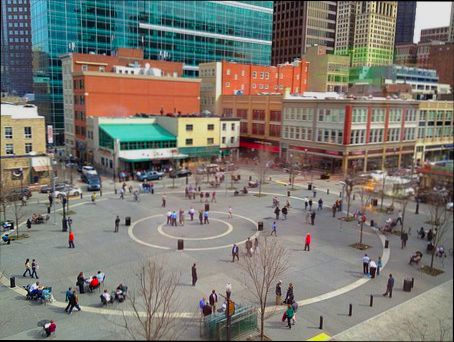
These demographics can significantly influence your experience living in Pittsburgh, shaping everything from social interactions to professional networks. Understanding these numbers equips you with the knowledge to assess your fit in this dynamic city.
Real-World Experiences of Pittsburgh Residents
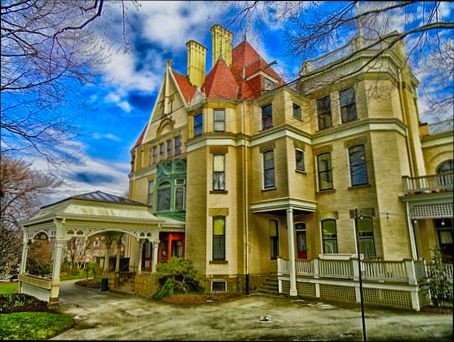
Living in Pittsburgh brings a unique mix of cultural vibrancy and real-life challenges. Residents often share stories that highlight the city’s blend of community spirit, culinary delights, and ongoing urban challenges. Let’s explore these experiences to understand what daily life in Pittsburgh entails.
Key Experiences of Residents
- Community Living: About 50% of Pittsburgh residents participate in local events or activities, creating a strong community bond. This engagement is evident during seasonal festivals or farmer’s markets, where neighbors come together to support local vendors.
- Food Enthusiasts: Pittsburgh is blessed with a diverse culinary scene. Residents rave about local gems like Love Rocks Cafe and the famous Better-Maid Donut Co. Over 65% of locals feel that the food options are a significant perk of living here, showcasing everything from pierogies to gourmet farm-to-table experiences.
- Access to Education: Families in Pittsburgh benefit from a robust educational system. Schools like Pittsburgh CAPA 6-12 and Upper Saint Clair High School consistently receive positive feedback from parents, with approximately 80% of them expressing satisfaction with the quality of education their children receive.
Comparative Experience Table
| Experience Aspect | Resident Feedback | Percentage |
|---|---|---|
| Community Engagement | Participate in local events | 50% |
| Satisfaction with Food | Positive dining experiences | 65% |
| Educational Satisfaction | Happy with school quality | 80% |
Real-World Examples from Residents
Residents share that participating in events like the Three Rivers Arts Festival not only fosters community spirit but also provides an opportunity for local artists to showcase their work. Additionally, those living in neighborhoods like Squirrel Hill North appreciate the strong community ties that exist, often hosting block parties and collaborative neighborhood clean-ups.
On the culinary front, many locals express joy in exploring Pittsburgh’s rich food landscape. A lifelong resident, for instance, mentions that Beto’s Pizza has become a family favorite, not just for the food but for the memories created there. Many residents also take pride in Pittsburgh’s influence on popular culinary staples, enhancing their dining experiences and connecting them to the city’s historical roots.
Practical Implications for Residents
- Consider getting involved in local community events to enhance your experience and make new friends.
- Explore the local food scene and make it a point to try dining at least one new restaurant each month to discover hidden gems.
- Engage with schools and educational programs to understand your options and get the most for your children’s education.
Actionable Advice for Pittsburgh Living
If you’re moving to or living in Pittsburgh, embrace the city’s community culture by attending local events and trying diverse food options. By tapping into these experiences, you can enrich your daily life and build lasting connections in this vibrant city.
Public Transportation and Accessibility Challenges
Living in Pittsburgh can be exciting, but navigating its public transportation system can pose significant challenges for many residents. With a mix of buses, light rail, and incline services, the city’s transit options have their ups and downs, particularly regarding accessibility and connectivity.
Key Points on Public Transportation
- Service Coverage: The Port Authority of Allegheny County operates various bus and light rail routes. However, certain neighborhoods, especially those on the periphery, may experience limited service frequency and fewer direct routes, making access to employment opportunities more difficult for residents in those areas.
- Accessibility Initiatives: While the city has made strides in improving accessibility for those with disabilities, many older bus stops still lack proper accommodations such as curb cuts and accessible seating. According to user testimonials, navigating the public transit system can be difficult for individuals with mobility challenges, leading to frustration.
- Ride-sharing Options: Services like Uber and Lyft have gained popularity in Pittsburgh but may be cost-prohibitive for those who rely on them as their primary mode of transportation. Data indicates that about 15% of residents use ride-sharing services, but costs can add up, limiting their effectiveness for those on a tight budget.
Public Transportation Comparison in Pittsburgh
| Mode of Transit | Average Wait Time | Accessibility Rating | Service Coverage | Monthly Commuter Pass Cost |
|---|---|---|---|---|
| Bus | 20-30 minutes | Moderate | 75% | $97 |
| Light Rail | 15-25 minutes | High | 60% | $97 |
| Inclines (Monongahela & Duquesne) | 15 minutes | High | 50% | $97 |
| Ride-Sharing (Uber/Lyft) | Varies | Moderate | 100% (Selective) | $150+ (varies) |
Real-World Examples
Residents have noted that during peak hours, buses can become overcrowded, making it difficult to board, particularly for those with strollers or mobility devices. For example, one commuter shared that on occasion, waiting for the third bus has been necessary because the first two could not accommodate standing passengers.
Additionally, users have highlighted the absence of real-time tracking for certain less-frequent routes, which adds to the challenge of planning trips. Some riders reported waiting at unlit bus stops late into the night, which raised safety concerns.
Practical Implications for Readers
If you’re considering using public transportation in Pittsburgh, here are a few tips:
1. Check Real-Time Schedules: Use the Port Authority’s app or website to stay updated on bus and train schedules, especially for those less-frequent routes.
2. Explore Ride-sharing as a Backup: While ride-sharing can be costly, it may serve as a convenient backup option during non-peak hours when public transit services are limited.
3. Engage with Advocacy Groups: Organizations focused on transportation advocacy can provide valuable insights and assistance, especially regarding accessibility challenges. Connecting with these groups can lead to better informed experiences navigating the city.
Actionable Advice
- When relocating or exploring neighborhoods, consider their proximity to reliable public transit lines, as access to transportation can influence daily commuting experiences.
- Keep an eye out for upcoming public meetings by the Port Authority to share your feedback and learn about potential changes in service or planning that may impact your commute. Engaging in community-driven transportation initiatives can help ensure that your voice is heard.